
The Secret to Safe Online Dating: Understanding Privacy Settings

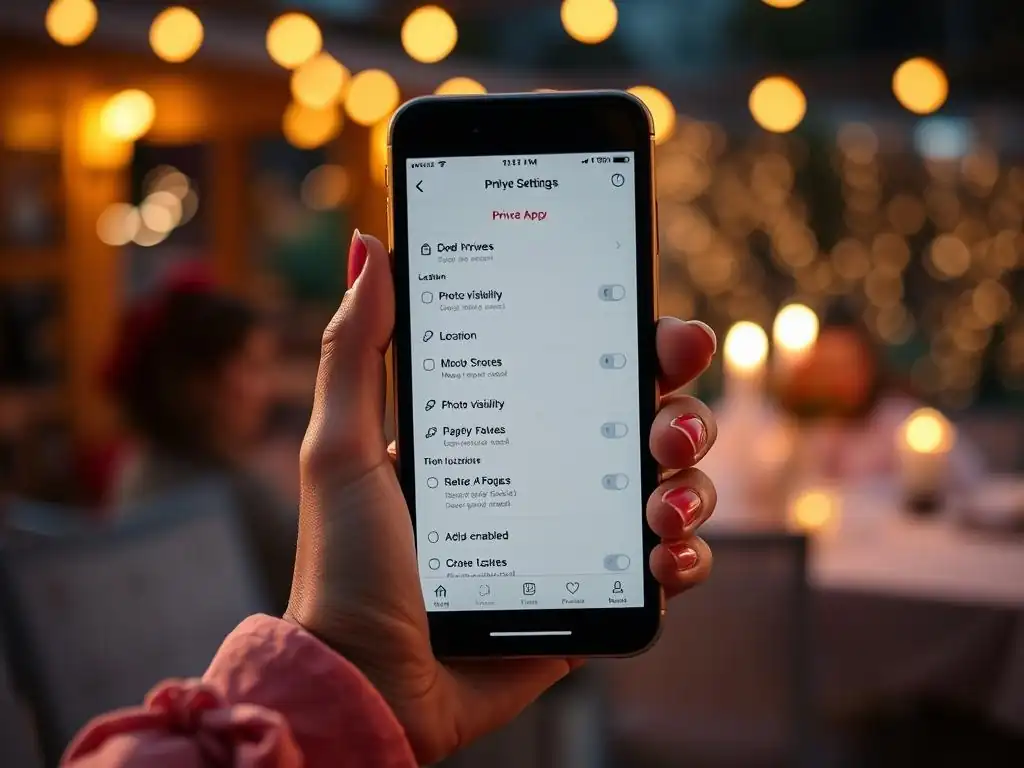
Ready to unlock the secrets to a safer and more successful online dating experience? At OnlineDatingSuccess.org, we're dedicated to helping you navigate the world of online romance with confidence. But before you dive in, understanding your online dating privacy settings is crucial. This isn't just about protecting your personal information; it's about building genuine connections without compromising your safety. Learn how to master your privacy settings and transform your online dating journey in our essential guide, "The Secret to Safe Online Dating: Understanding Privacy Settings"—discover the strategies that will keep you safe and help you find lasting love.
- Mastering Online Dating Privacy Settings for Enhanced Safety
- Optimizing Your Online Dating Profile for Privacy
- Advanced Privacy Techniques for Online Dating Safety
- Safe Online Dating Practices Beyond Privacy Settings
- Staying Safe While Online Dating: A Holistic Approach to Privacy and Security
-
Frequently Asked Questions
- How can I ensure my personal safety while using online dating sites?
- What privacy settings should I adjust for maximum protection?
- Are online dating sites truly secure? Can my data be compromised?
- How do I report inappropriate behavior or harassment on dating apps?
- What information should I never share with someone I meet online?
- Final Reflection: Securing Your Heart and Data in the Digital Age
- Unlock Your Safer Dating Journey: Take Control Now!
Mastering Online Dating Privacy Settings for Enhanced Safety
Navigating the world of online dating requires a delicate balance: you want to be visible enough to connect with potential partners, but you also need to prioritize your safety and protect your personal information. This article delves into the crucial aspect of online dating privacy settings, providing a practical guide to help you understand and utilize these tools effectively.
Mastering your privacy settings is not just about avoiding scams; it's about creating a safer and more positive online dating experience, allowing you to focus on building genuine connections without the constant worry of compromising your personal security. We'll explore the specific controls offered by most dating apps, discuss strategies for protecting sensitive information like your location and contact details, and help you find the perfect equilibrium between visibility and security to enhance your online dating safety.
Remember, taking proactive steps to secure your privacy is a crucial step towards a successful and safe online dating journey. Let's dive in and learn how to effectively manage your online dating privacy settings.
Understanding Your Dating App's Privacy Controls: A Comprehensive Guide
Each dating app offers a unique set of privacy controls. Understanding these settings is the first step towards maximizing your safety. Many apps provide options to control who can see your profile, message you, and access your personal information. These controls often include:
- Profile Visibility: This setting determines who can view your profile. Options typically range from "everyone" to "only your matches" or even a highly restricted "friends only" setting (if the platform allows). Carefully consider the level of visibility that feels comfortable for you. A more restricted profile significantly reduces the risk of unwanted attention.
- Messaging Controls: Control who can initiate conversations with you. Some apps allow you to block specific users, report abusive behavior, and filter messages based on keywords or content. These features are essential for preventing harassment and ensuring a positive experience.
- Photo Approval: Some platforms allow you to pre-approve photos before they're visible on your profile. This gives you greater control over the images shared and allows you to filter out images that may reveal too much personal information about your location or lifestyle.
- Location Services: Many dating apps use location services to match you with nearby users. However, you can often choose to disable precise location sharing and only allow the app to show a broader geographic area. This significantly reduces the risk of someone discovering your exact address.
Understanding and utilizing these features allows you to curate your online presence effectively, making it safer and more aligned with your personal comfort level. Remember to regularly review and adjust these settings as needed.
Protecting Your Personal Information: Location, Photos, and Contact Details
Protecting your personal information is paramount in online dating. Avoid sharing details that could compromise your safety or privacy, such as:
- Exact Address: Never share your precise address or any information that could easily lead someone to your home.
- Workplace Information: Avoid revealing your workplace address or details about your daily commute.
- Phone Number: Consider using a separate phone number specifically for online dating, or at least delaying sharing your number until you've established trust with a potential match.
- Photos: Be mindful of the photos you share. Avoid images that reveal too much personal information, such as license plate numbers, house numbers, or easily identifiable locations. Consider using a profile picture that doesn't show your face clearly.
- Financial Information: Never share any financial details, such as bank account numbers or credit card information, with anyone you meet online.
Remember, it is better to err on the side of caution. Sharing too much personal information too early can increase your risk of scams and harassment.
Online Dating Privacy Settings: Balancing Visibility and Security
Finding the right balance between visibility and security is key to a successful and safe online dating experience. It's about creating a profile that attracts genuine interest while protecting your personal information. This requires careful consideration of your privacy settings and a conscious effort to avoid oversharing.
Consider these strategies:
- Regularly Review Your Settings: Dating apps frequently update their privacy features. Regularly check your settings to ensure they align with your comfort level.
- Report Suspicious Behavior: If you encounter any suspicious behavior or feel unsafe, report it to the dating app immediately.
- Trust Your Instincts: If something feels off or makes you uncomfortable, don't hesitate to disengage. Your safety is always the priority.
By understanding your app's privacy controls, protecting your personal information, and carefully balancing visibility and security, you can significantly enhance your online dating experience and build meaningful connections in a safe and responsible manner. Remember, proactive safety measures are essential for a positive and successful online dating journey.
Optimizing Your Online Dating Profile for Privacy
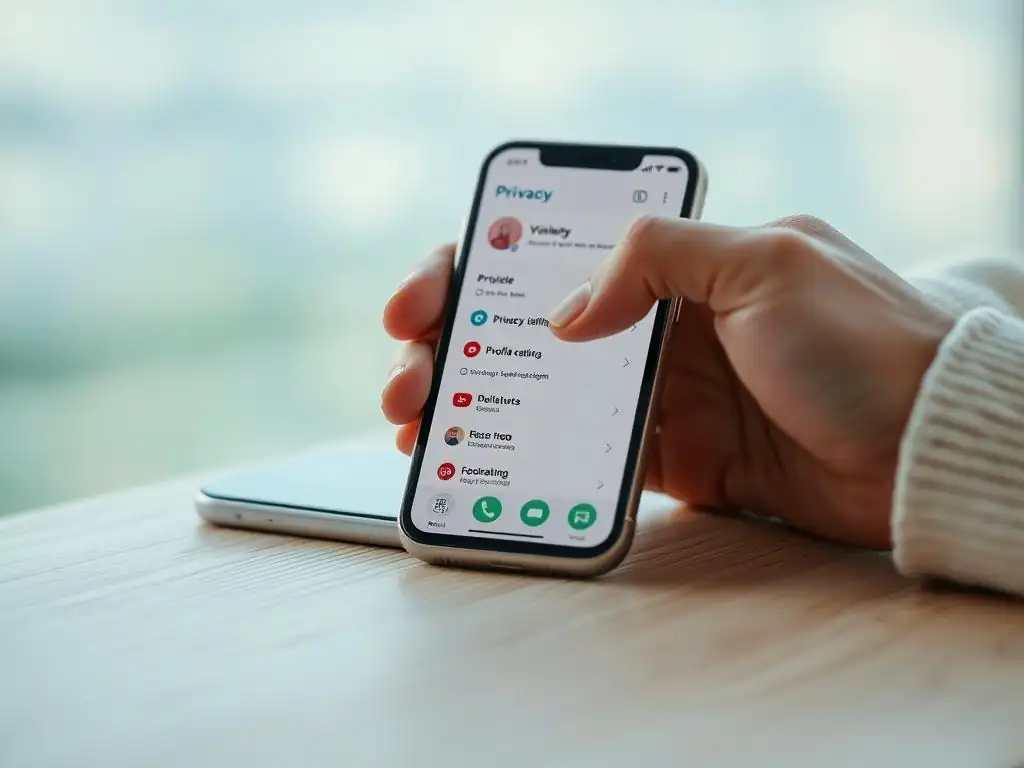
This section dives deep into the crucial aspects of crafting a compelling online dating profile while prioritizing your safety and privacy. Remember, the goal is to attract genuine connections while minimizing your vulnerability to scams and unwanted attention. Effective online dating privacy settings safety starts with a well-thought-out profile.
Strategic Profile Creation: Minimizing Personal Information Risk
Creating an attractive profile without revealing too much personal information is a delicate balance. Avoid including details that could easily be used to identify your location, workplace, or daily routine. Instead of stating "I work at Acme Corp in downtown Chicago," try something like "I work in a fast-paced corporate environment" or "I enjoy the city life." Similarly, avoid mentioning specific details about your home, such as your street address or neighborhood. Instead of saying, "I live in a charming Victorian home near the park," consider "I love living in a vibrant and walkable neighborhood."
Think carefully about the information you share in your "About Me" section. While honesty is important, avoid oversharing personal details like your full name (use a nickname if you prefer), birthdate, or financial information. Focus on your interests, hobbies, and personality traits. Remember, the more information you provide, the greater your risk. Online dating privacy settings safety is not just about the app's features, but also about your proactive approach.
Here's a table summarizing information to avoid:
| Information Type | Example | Safer Alternative |
|---|---|---|
| Workplace | "I work at XYZ Company in Springfield" | "I work in the [industry] sector" |
| Home Address | "I live on Elm Street" | "I live in a lovely neighborhood" |
| Financial Information | "I'm a successful entrepreneur" | "I'm ambitious and driven" |
| Specific Travel Details | "I'm going to Hawaii next month!" | "I love to travel and explore new places" |
| Full Name | John Smith | John S. or Johnny |
Remember, less is often more when it comes to protecting your personal information online. This strategic approach is key to online dating privacy settings safety.
Photo Selection: Protecting Your Identity While Attracting Matches
Your photos are a significant part of your online dating profile, but they can also unintentionally reveal identifying information. Avoid photos that show your license plate, house number, or workplace. Similarly, be cautious about posting photos with easily recognizable landmarks in the background. These seemingly innocuous details can compromise your privacy.
Consider using photos that show you engaging in activities you enjoy, but without revealing too much about your daily routine or location. A photo of you hiking in a generic mountain range is safer than a picture taken in front of your local park. Think about the message you are sending—are you inviting connection or broadcasting your daily life? Online dating privacy settings safety extends to every image you share.
Use diverse photos to showcase your personality, but prioritize those that don't give away too much personal information. A well-curated selection of photos can help you attract matches while safeguarding your privacy. Remember, this is a key aspect of online dating privacy settings safety.
Smart Communication Strategies: Avoiding Personal Data Disclosure
Even with a carefully crafted profile, your communication style can inadvertently reveal personal information. Avoid sharing sensitive details like your phone number, address, or social media handles too early in the conversation. This is a crucial part of online dating privacy settings safety.
Instead of immediately divulging personal information, focus on building a connection through engaging conversation. Start with general topics and gradually share more personal details as you get to know someone better and build trust. If someone pressures you to share information you're not comfortable with, it's a red flag.
Remember, your safety is paramount. Online dating privacy settings safety involves being vigilant and proactive in protecting your personal information. Trust your instincts, and don't hesitate to block or report anyone who makes you feel uncomfortable or unsafe. Prioritize your wellbeing and make informed decisions. This careful approach is essential to safe and effective online dating.
Advanced Privacy Techniques for Online Dating Safety
Online dating privacy settings safety is paramount, and simply utilizing the basic settings offered by dating apps isn't always enough. This section delves into advanced techniques to bolster your online security and protect your personal information. Remember, proactive measures are key to mitigating risks and enjoying a safer online dating experience. Even with meticulous privacy settings, vigilance remains crucial.
Utilizing Two-Factor Authentication for Enhanced Security
Two-factor authentication (2FA) adds an extra layer of security beyond your password. This means that even if someone gains access to your password, they'll still need a second verification code, typically sent to your phone or email, to log in. This significantly reduces the risk of unauthorized access to your profile and personal data. Most dating apps now offer 2FA; enabling it should be your first step towards enhanced online dating privacy settings safety. Think of it as installing an alarm system on your digital front door.
Consider these points when implementing 2FA:
- Choose a reliable authentication method: Opt for a method you can consistently access, like a trusted phone number or email address. Avoid using less secure methods if possible.
- Regularly check your security settings: Ensure 2FA remains activated and that your contact information is up-to-date. Apps sometimes reset settings during updates.
- Be wary of phishing attempts: Legitimate dating apps will never ask for your 2FA codes via email or text message. Report any suspicious requests immediately.
Regular Privacy Setting Reviews: Adapting to App Updates
Dating apps frequently update their features and privacy settings. Regularly reviewing and adjusting your privacy settings is crucial to maintain control over your personal information. What may have been sufficient a month ago might be inadequate after an app update. Think of it as regularly servicing your car – preventative maintenance is key. This consistent monitoring ensures your online dating privacy settings safety is maintained against evolving threats.
Here's a practical approach:
- Check for updates: Regularly check for app updates to ensure you have access to the latest security features and privacy enhancements.
- Review all settings: Don't just skim through; take your time to thoroughly examine each setting and understand its implications. Pay particular attention to options related to profile visibility, photo sharing, location services, and contact information.
- Limit information shared: Only share information that you're comfortable with being publicly accessible. Remember, less is often more when it comes to online dating privacy settings safety.
Recognizing and Reporting Suspicious Activity: Protecting Yourself from Scammers
Even with robust privacy settings, you might encounter suspicious activity. Learning to recognize and report such behavior is a critical aspect of online dating privacy settings safety. Scammers are constantly evolving their tactics, so staying informed is essential. Knowing what to watch out for can prevent you from becoming a victim.
Indicators of suspicious activity include:
| Sign of Suspicious Activity | Description | Action to Take |
|---|---|---|
| Unusual Requests for Personal Info | Requests for financial information, social security numbers, or other sensitive data | Immediately stop communication and report the user. |
| Inconsistent Profiles | Profiles with blurry or stolen photos, inconsistent information, or grammatical errors | Be cautious and do further research before interacting. |
| Pressure for Quick Relationships | Users who push for rapid commitment or rush the relationship beyond online interaction | Exercise caution and proceed slowly. |
| Suspicious Links or Attachments | Unsolicited links or attachments that may contain malware | Do not click on links or open attachments. Report the user. |
Remember, your safety is paramount. If something feels off, trust your instincts and report the user to the dating app immediately. By proactively addressing these aspects, you significantly improve your online dating privacy settings safety and enhance your overall online experience. 👩💻🔒
Safe Online Dating Practices Beyond Privacy Settings
This section focuses on enhancing your safety in online dating, extending beyond the crucial, but not exhaustive, topic of privacy settings. While diligently managing your privacy settings is paramount, a multi-faceted approach is key to minimizing risks and maximizing your chances of a positive experience. We'll explore additional layers of protection you can implement to safeguard yourself. Effective online dating safety is a proactive strategy, not a reactive one.
Background Checks and Verification Measures: Adding an Extra Layer of Protection
Thorough profile vetting is a critical aspect of online dating safety, often overlooked. While dating apps and websites employ various measures, supplementing these with independent background checks can provide significant peace of mind. Consider using reputable background check services – many offer varying levels of detail and affordability. This allows you to verify information provided in a profile, potentially uncovering inconsistencies or red flags. Remember, "online dating privacy settings safety" also involves verifying the identity of your matches.
Before engaging in deeper conversations or planning in-person meetings, consider the following:
- Cross-referencing information: Compare details given on the dating profile with publicly available information (like LinkedIn or social media – if visible). Discrepancies can be a significant warning sign.
- Reverse image searches: Use a reverse image search engine to check if the profile picture is genuinely theirs or if it's been stolen from another source.
- Utilizing paid services: Paid background check services can provide more comprehensive reports, including criminal records (where legally permissible), address history, and alias information. This is especially valuable if you're planning to meet in person.
- Transparency and open communication: While conducting background checks, remember to respect the individual's privacy. However, your safety is paramount, and it's crucial to prioritize your well-being.
Meeting in Public Places: Prioritizing Safety During In-Person Dates
Even with rigorous online vetting, the first in-person meeting carries inherent risks. Prioritizing safety during this crucial step is vital. Choosing a public location for your first date is non-negotiable. This allows for a quick and easy escape if needed, and reduces the potential for vulnerability.
Here are some practical tips to ensure safety during your first in-person encounter:
- Well-lit and populated areas: Opt for well-lit cafes, restaurants, or bars in busy areas. Avoid secluded or sparsely populated locations.
- Inform a friend or family member: Always let someone know where you're going, who you're meeting, and when you expect to be back. Share the date's profile information as well.
- Maintaining control: Arrange your own transportation to and from the date, ensuring you have an independent way to leave if things feel uncomfortable.
- Trust your gut: If at any point you feel uneasy or unsafe, remove yourself from the situation immediately. Your safety and comfort are paramount. Don't feel obligated to continue a date if it doesn't feel right.
- Pre-arranged escape plan: Mentally prepare an escape plan, identifying potential exits or ways to contact assistance should the need arise.
Trust Your Instincts: Recognizing Red Flags and Avoiding Risky Situations
Your intuition is a powerful tool. Learning to recognize and respond to red flags is crucial for online dating safety. While online dating privacy settings safety is important, it's just one piece of the puzzle. Ignoring your gut feeling can have serious consequences.
Some common red flags to watch out for include:
- Inconsistencies in their profile: Do their stories match up? Are there significant gaps or contradictions in their information?
- Pressuring you to meet quickly: A persistent push to meet in person before you feel comfortable is a major red flag.
- Avoidance of video calls: Reluctance to engage in a video call can indicate that they are hiding something.
- Excessive flattery or unrealistic promises: Be wary of overly complimentary or unrealistic promises, as these could be manipulative tactics.
- Financial requests: Any request for money or financial assistance, especially early in the relationship, is a serious red flag and should be reported immediately.
Remember, prioritizing your safety should always be your top concern. Building trust takes time, and if something feels wrong, it's better to err on the side of caution. "Online dating privacy settings safety" is just one aspect of a broader strategy for safe and successful online dating.
Staying Safe While Online Dating: A Holistic Approach to Privacy and Security
Online dating privacy settings safety is paramount. It's not just about protecting your personal information; it's about safeguarding your emotional well-being and avoiding potentially harmful situations. A comprehensive approach to online dating safety involves a multi-faceted strategy encompassing careful profile management, secure communication practices, and a proactive stance against potential threats. This section delves into the practical steps you can take to enhance your online dating experience while prioritizing your safety. Remember, your online safety is an ongoing process, requiring vigilance and continuous learning.
Continuously Learning About Online Safety Best Practices
Staying informed is key to effective online dating privacy settings safety. The digital landscape is constantly evolving, with new threats and vulnerabilities emerging regularly. Therefore, continuous learning is crucial. This involves more than just reading a single article; it's about cultivating a habit of staying updated on best practices.
Consider these strategies for continuous learning:
- Follow reputable cybersecurity experts and organizations: Many organizations dedicated to online safety provide regular updates, blog posts, and webinars on the latest threats and best practices. Subscribe to their newsletters and follow their social media accounts.
- Regularly review online dating platform help sections: Dating platforms frequently update their security features and policies. Familiarize yourself with these updates to ensure you're utilizing the platform's safety tools effectively.
- Engage in online safety communities: Participate in online forums or communities dedicated to online safety and dating. Sharing experiences and learning from others can provide valuable insights and practical tips.
- Stay updated on legislation and regulations: New laws and regulations concerning data privacy and online safety are constantly being enacted. Staying informed about these changes can help you protect your rights and data.
Remember, proactive learning is not a one-time event but an ongoing commitment to your online safety. The more you know, the better equipped you are to navigate the online dating world safely and confidently. Ignoring updates can leave you vulnerable to emerging threats. Think of it as an investment in your personal safety and well-being.
Resources for Online Dating Safety and Security
Numerous resources are available to help you enhance your online dating privacy settings safety. These resources offer guidance, tools, and support to navigate the complexities of online dating security. Utilizing these resources can significantly improve your safety and peace of mind.
Here's a breakdown of helpful resource categories:
| Resource Category | Description | Example (Illustrative - No actual links provided) |
|---|---|---|
| Government Agencies | Offer guidance on online safety and data privacy. | [Specific government agency focusing on online safety] |
| Non-profit Organizations | Dedicated to promoting online safety and combating online abuse. | [Name of a reputable non-profit organization focusing on online safety] |
| Cybersecurity Companies | Provide tools and resources to protect your online privacy and security. | [Name of a cybersecurity company offering online safety resources] |
| Online Dating Platforms | Offer safety tips, help centers, and reporting mechanisms within their platforms. | [Help Center section of a popular online dating platform] |
Remember to be discerning when selecting resources. Ensure the source is reputable and provides accurate, up-to-date information. Don't hesitate to seek professional help if you encounter suspicious activity or feel unsafe. Your safety is the top priority. Utilize these resources proactively; don't wait for a problem to arise before seeking help. Proactive safety measures are far more effective than reactive ones.
Frequently Asked Questions
How can I ensure my personal safety while using online dating sites?
Prioritize your safety by never sharing your full address, workplace, or other identifying information early on. Verify the profiles of those you interact with and always meet in public places for first dates.
What privacy settings should I adjust for maximum protection?
Limit the visibility of your profile to only those who you've approved. Control who can see your photos, and disable location services unless absolutely necessary. Review and adjust settings regularly.
Are online dating sites truly secure? Can my data be compromised?
While sites implement security measures, no system is entirely impenetrable. Be mindful of phishing scams and avoid clicking suspicious links. Regularly review your account activity for any unusual behavior.
How do I report inappropriate behavior or harassment on dating apps?
Most platforms offer a reporting mechanism within the app or website. Document any inappropriate interactions (screenshots) and use the provided tools to report the behavior. You may also contact law enforcement if necessary.
Never share your full name, address, place of work, financial details, or other sensitive personal information with someone you haven't met in person and thoroughly vetted. Protect your privacy at all costs.
Final Reflection: Securing Your Heart and Data in the Digital Age
The ease and convenience of online dating are undeniable, but navigating this digital landscape safely requires a proactive approach to privacy. Ignoring the importance of robust privacy settings isn't just about protecting your personal information; it's about safeguarding your emotional well-being and preventing potential exploitation. The risks are real, and understanding how to mitigate them is crucial for a positive online dating experience.
The impact of online dating on our social lives is profound, shaping how we connect, build relationships, and even define intimacy. The constant evolution of technology and the ever-present threat of data breaches mean that awareness of privacy settings is not a one-time task, but an ongoing commitment. Privacy is not a luxury, but a necessity in a world where our personal information is increasingly valuable.
This quote underscores the need for constant vigilance and education in this ever-changing digital world. We must remain informed and adapt our practices to stay ahead of potential threats.
Now, consider your own online dating profile. Are your privacy settings truly optimized for your safety and comfort? Take a moment to review them, and don't hesitate to adjust them as needed. This isn't just about ticking boxes; it's about actively shaping your online experience to reflect your values and priorities. Empower yourself with knowledge, take control of your privacy, and embark on your online dating journey with confidence and security.
Unlock Your Safer Dating Journey: Take Control Now!
Thank you for learning about online dating safety! You've gained valuable knowledge to navigate the digital world of romance confidently. Ready to apply your new skills?
- Prioritize your privacy: Review and adjust your privacy settings on all dating profiles. Ensure only information you're comfortable sharing is publicly visible.
- Share this article: Help your friends and family stay safe by sharing these crucial steps. Protecting others is just as important as protecting yourself.
- Consider creating a dedicated email address for online dating to enhance your personal information security. This adds an extra layer of protection.
What's the first privacy setting you'll adjust to improve your online dating safety?