
Trust Your Instincts: LGBTQ+ Dating Safety Advice for a Positive Experience


Ready to navigate the exciting world of online dating with confidence? At OnlineDatingSuccess.org, we empower you to build meaningful connections. But finding love online also requires awareness. This is why we're diving into crucial LGBTQ+ dating safety tips—because your safety and well-being are paramount. Discover practical advice to create a positive and secure online dating experience; learn how to protect yourself while you search for your perfect match. Let's unlock the secrets to a successful and safe online dating journey.
- Understanding LGBTQ+ Dating Safety Risks
- Building a Safe Online Dating Profile
- Safe Communication Strategies for LGBTQ+ Daters
- Meeting in Person: Safety Precautions for LGBTQ+ Individuals
- Responding to Harassment or Negative Experiences
- Resources and Further Support for LGBTQ+ Daters
-
Frequently Asked Questions
- How can I verify the authenticity of a profile on an LGBTQ+ dating app?
- What are some red flags to watch out for during online LGBTQ+ dating?
- How do I safely arrange a first date in the LGBTQ+ community?
- What should I do if I feel uncomfortable or unsafe during a date?
- Are there specific safety concerns for LGBTQ+ individuals using online dating apps?
- Final Reflection: Cultivating Safety and Joy in LGBTQ+ Dating
- Unleash Your Dating Confidence: Safe & Joyful Connections Await!
Understanding LGBTQ+ Dating Safety Risks
Navigating the world of online dating can be exciting, but it's crucial to prioritize safety, especially within the LGBTQ+ community. This article provides practical and empathetic advice to help you build positive and safe online dating experiences. We'll explore the unique challenges faced by LGBTQ+ individuals in online dating, focusing on potential risks and offering actionable strategies to mitigate them. Understanding these risks is the first step towards creating a safer and more fulfilling online dating journey.
We aim to empower you with the knowledge and tools to confidently connect with others while protecting your well-being. This guide focuses on actionable LGBTQ+ dating safety tips to help you enjoy a positive experience while minimizing potential harm. Remember, your safety and comfort are paramount.
Unique Challenges in LGBTQ+ Online Dating
LGBTQ+ individuals often face unique safety concerns in online dating that differ from those experienced by heterosexual individuals. These challenges stem from societal prejudices and the potential for discrimination based on sexual orientation and gender identity. For example, LGBTQ+ daters may encounter:
- Higher risk of targeted harassment: Hate speech and discriminatory messages are unfortunately more prevalent in online spaces for LGBTQ+ individuals.
- Increased vulnerability to outing: The fear of unwanted disclosure of sexual orientation or gender identity to family, friends, or colleagues can be a significant concern.
- Difficulty in verifying profiles: Catfishing and fake profiles can be more prevalent, exploiting vulnerabilities within the community.
- Limited access to community-specific safety resources: While resources are growing, there's often a lack of readily available support specifically tailored to LGBTQ+ dating safety.
- Increased risk of violence: Sadly, LGBTQ+ individuals are disproportionately vulnerable to violence, and online interactions can sometimes escalate to offline threats.
Online Harassment and Discrimination
Online harassment and discrimination can manifest in various forms, ranging from subtle microaggressions to overt hate speech and threats. This can significantly impact mental health and create a hostile online environment. Examples include:
- Verbal abuse: Insults, derogatory language, and hateful comments targeting sexual orientation or gender identity.
- Cyberstalking: Persistent unwanted online contact, including messaging, tracking, and sharing personal information.
- Doxing: Publicly revealing private information, such as addresses, phone numbers, or workplace details.
- Hate speech and threats of violence: Explicit expressions of hatred and threats of physical harm.
- Profiling and discrimination: Being unfairly targeted or excluded based on sexual orientation or gender identity.
It's vital to remember that you are not alone and that reporting these incidents is crucial. Many platforms have reporting mechanisms to address harassment and abuse. Taking screenshots and documenting these instances can be beneficial for reporting purposes.
Deciding how much personal information to share online is a personal choice, but it's crucial to be mindful of the risks associated with identity disclosure. Sharing too much information too early can make you more vulnerable. Consider:
- Gradual disclosure: Start by sharing only minimal information about your identity and preferences. Build trust over time before revealing more sensitive details.
- Protecting your location: Avoid sharing precise location details, particularly in your profile or early messages. Meeting for the first time in a public place is always recommended.
- Reverse image searching: Before meeting someone in person, use reverse image search tools to verify the authenticity of their profile photos.
- Using a separate email and phone number: Consider creating a dedicated email address and phone number for online dating to protect your privacy.
- Trusting your gut: If something feels off or unsafe, don't hesitate to end the conversation or block the user. Your instincts are crucial in online safety.
Remember, building a safe and positive online dating experience requires vigilance and proactive measures. Prioritizing your safety and well-being is essential. By understanding the unique challenges and taking appropriate precautions, you can increase your chances of having a positive and rewarding experience.
Catfishing and Fake Profiles Targeting the LGBTQ+ Community
Catfishing, the act of creating a false online persona to deceive someone into a relationship, poses a significant risk within the LGBTQ+ online dating landscape. Unfortunately, members of the LGBTQ+ community are often disproportionately targeted due to several factors. The relative lack of readily available representation in mainstream media can lead to a heightened desire for connection, making individuals more vulnerable to manipulative tactics.
Furthermore, the fear of judgment or rejection in some communities might lead individuals to trust profiles that seem too good to be true, quicker than they might otherwise. This trust, coupled with a desire for acceptance and validation, can make them particularly susceptible to catfishing schemes.
These fake profiles often present idealized versions of themselves, leveraging common LGBTQ+ interests and terminology to appear authentic. They might engage in extensive, emotionally manipulative conversations to build trust before revealing their true intentions, which can range from financial scams to emotional exploitation. The emotional toll of discovering a catfish can be devastating, especially for individuals already navigating the challenges of finding acceptance and community. The impact extends beyond the immediate emotional distress, often leading to a reluctance to engage in online dating again, thus hindering the very search for connection and community that online platforms aim to facilitate.
It's crucial to remember that while genuine connection is the goal, vigilance is paramount. Take the time to verify information provided by potential partners. Be wary of profiles lacking personal details or those with suspiciously perfect photos. Remember that a genuine connection will develop organically, and rushing into a relationship based solely on an online persona is a red flag.
Always prioritize your safety and emotional well-being. Trust your instincts – if something feels off, it probably is. Learning to recognize the warning signs of catfishing can significantly reduce your risk and protect you from potential harm. Resources specializing in online safety and LGBTQ+ support can offer valuable guidance and support.
Building a Safe Online Dating Profile
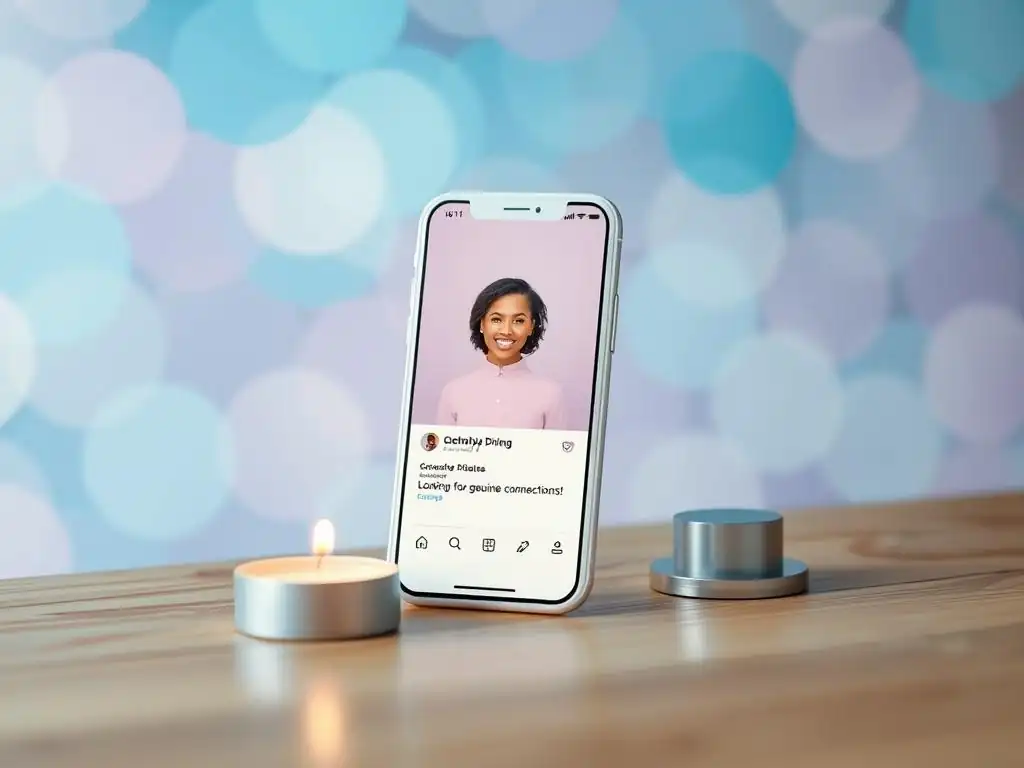
Building a safe and effective online dating profile is the first step towards a positive LGBTQ+ dating experience. It's about striking a balance between showcasing your personality and protecting your privacy. Remember, the goal is to attract genuine connections while minimizing risks. This section will provide concrete steps to help you achieve that balance, ensuring your safety and maximizing your chances of success.
Protecting Your Personal Information
Protecting your personal information is paramount. Avoid sharing details that could easily be used to identify you offline. This includes your full name, exact address, workplace, or the names of your family members. Instead of stating your precise location, consider using a broader geographic reference, like "near the city center."
Instead of directly revealing your workplace, you could mention your industry in general terms. For example, instead of saying "I work at Acme Corp," you might write "I'm in the tech industry." This approach provides context without revealing sensitive information that could compromise your safety.
Here's a table summarizing what to avoid and what to consider instead:
| Avoid Sharing | Consider Sharing Instead |
|---|---|
| Full Name, Address, Workplace | Nickname, General Location, Industry |
| Phone Number, Email Address (initially) | In-app communication, screen your contacts |
| Family Member Names, School Names | Hobbies, Interests, Lifestyle preferences |
| Specific details about your daily routine | General information about your free time |
Remember, less is more when it comes to personal information online. Over-sharing significantly increases your vulnerability. Start with general details and gradually share more as you build trust with potential matches. Always prioritize your safety. 🤔
Choosing Appropriate Profile Pictures
Your profile pictures are the first thing potential matches see; they need to be both attractive and safe. Avoid photos that reveal identifying details like your license plate, house number, or even the unique architecture of your home. It's also crucial to avoid photos with others where their identities aren't clear. You don't want to accidentally expose someone else's privacy.
Choose photos that showcase your personality and present you in a positive light. Consider using multiple photos that show different aspects of your life. Perhaps a picture of you hiking, another at a social event, and a simple headshot. This offers a more well-rounded perspective, increasing the chances of attracting genuine connections. Furthermore, avoid using overly revealing photos. Your safety and comfort should always be your primary concern. Respect your boundaries and choose images that reflect your comfort levels.
Think carefully about the message each picture sends. A picture of you smiling and engaged in a hobby can be far more attractive and revealing of your personality than a poorly lit selfie. Quality matters! ✨
Crafting a Safe and Honest Profile Description
Your profile description is your opportunity to showcase your personality, interests, and values. But remember, honesty is key, and avoid revealing too much. While you want to attract genuine connections, you also want to avoid attracting unwanted attention.
Instead of overtly stating your specific vulnerabilities, you might subtly hint at your values and preferences. This allows you to attract compatible people while still protecting your personal information. For instance, instead of saying "I am struggling with..." you could write "I am focusing on self-care and personal growth."
Remember to keep your description positive and engaging. Focus on what you're looking for in a relationship and what you can offer. Avoid overly negative statements or complaints. This will attract people who share similar values and are looking for a positive experience. A well-crafted profile description that balances honesty with safety is a key ingredient for successful LGBTQ+ online dating. 🌈
Setting Clear Boundaries in Your Profile
Setting clear boundaries in your online dating profile is crucial for LGBTQ+ individuals navigating the complexities of online dating. It's about protecting your personal safety and emotional well-being while attracting the right kind of attention. Many people mistakenly believe that being open and expressive means revealing everything upfront. However, a successful profile balances openness with discretion. Think of it as gradually revealing layers of yourself, rather than laying everything bare from the start.
One effective way to set boundaries is through your profile's written content. Instead of stating, "Looking for someone to spend my life with," which can attract unwanted attention from those seeking a quick hookup, try something more specific like, "Seeking a genuine connection with someone who appreciates [shared interest] and values open communication." This approach filters out incompatible matches and attracts individuals who align with your values and relationship goals. It also subtly communicates your expectations for respectful interactions.
Furthermore, avoid sharing overly personal details, such as your exact address, workplace, or family information. This information is best kept private until you have established trust and a genuine connection with someone offline. Even seemingly innocuous details can be used to track you down or to glean information that might compromise your safety. Remember, building a safe profile is about managing information strategically.
Consider carefully what photos you choose to include. Avoid images that reveal identifying information about your home or workplace. While it's great to showcase your personality through pictures, prioritize your privacy. Opt for photos that are taken in public places, avoiding anything that might inadvertently reveal your location or lifestyle.
This mindful approach contributes significantly to creating a safer online dating experience. Your profile should be a reflection of you, but a curated one that safeguards your privacy. Remember, a little mystery can actually be quite attractive! The goal is to pique interest, not to provide a roadmap to your life.
Safe Communication Strategies for LGBTQ+ Daters
This section focuses on practical communication strategies to enhance your safety while navigating the world of LGBTQ+ online dating. Remember, prioritizing your well-being is paramount. These tips are designed to help you build confidence and trust in your online interactions, ultimately leading to more positive dating experiences. Effective communication is key to mitigating risks and fostering healthy connections. Let's explore some crucial aspects of safe communication.
Verifying the Identity of Potential Matches
Before engaging in extensive conversations or agreeing to meet, take steps to verify the identity of your potential matches. Catfishing and fraudulent profiles are unfortunately prevalent in online dating. While complete verification is impossible, you can significantly reduce your risk by employing several strategies.
One effective method is to cross-reference information provided on their dating profile with their social media presence. Look for consistency in photos, biographical details, and overall online persona. Discrepancies should raise a red flag. However, remember that profiles can be carefully curated, so don't rely solely on this method.
Another crucial step is to engage in video calls. A simple video chat can quickly confirm identity and build trust. This is particularly important if you've been communicating for a while and are considering an in-person meeting. Be wary of individuals who consistently avoid video calls, providing excuses for their unwillingness to show their face.
Finally, pay attention to the language used in their messages. Be cautious of overly flattering or overly aggressive communication styles. Authenticity is key. If something feels off, trust your instincts. It's always better to err on the side of caution. Remember, your safety is the top priority.
Communicating Safely Before Meeting In Person
Once you've taken steps to verify a potential match's identity, it's important to maintain safe communication practices before agreeing to an in-person meeting. Avoid sharing sensitive personal information, such as your full address, workplace, or detailed daily routine, until you've established a high level of trust. This information could be misused by malicious individuals.
Instead of immediately sharing your phone number, consider using the dating app's messaging system for initial communication. This provides a layer of security and allows you to maintain a digital record of your interactions. Transitioning to phone calls or texting should only occur after you feel comfortable and have confirmed their identity through other methods.
Furthermore, be mindful of the information you share about your personal life. Avoid disclosing details that could potentially compromise your safety or privacy. Keep conversations light and engaging, focusing on common interests and shared experiences, rather than divulging everything about yourself. Remember, building trust takes time.
Using Secure Messaging Platforms
While many dating apps offer internal messaging systems, consider using secure messaging platforms for more sensitive conversations or when you're ready to share your phone number. These platforms often offer end-to-end encryption, which protects your messages from unauthorized access. Examples include Signal or WhatsApp, which prioritize user privacy and data security.
Remember, using a secure messaging platform doesn't guarantee complete anonymity, but it adds an additional layer of security to your communications. Prioritize apps with strong reputations for privacy and security. Always check the app's privacy policy before using it to ensure you're comfortable with how your data is handled.
This layered approach to communication – verification, cautious information sharing, and secure platforms – minimizes the risks associated with online dating and empowers you to build meaningful connections safely and confidently. Trust your instincts and prioritize your well-being above all else. Remember, a safe and positive dating experience is achievable with thoughtful communication strategies.
Avoiding Sharing Sensitive Personal Information Online
Protecting your privacy is paramount when navigating the world of LGBTQ+ online dating. Sharing too much personal information too early can expose you to unnecessary risks. Remember, building trust takes time, and rushing this process can have serious consequences. Before meeting someone in person, avoid disclosing details like your exact address, workplace, or even your full name until you've established a strong level of comfort and trust.
Many predators and scammers prey on individuals who divulge too much too soon. Instead of giving away your home address, suggest a public meeting place for your first date. Avoid sharing information that could easily be used to track you down or compromise your safety.
Consider using a different email address or phone number specifically for online dating. This creates a layer of separation between your personal life and your online dating activity, limiting potential exposure should something go wrong. If you're uncomfortable sharing your phone number immediately, consider using a messaging app within the dating platform itself for initial communication. This way, you can control the flow of information and avoid revealing personal contact details prematurely. Remember, it's perfectly acceptable to be cautious and to take your time in getting to know someone online.
Prioritizing your safety should always come first. Your comfort and security are more important than appearing easily approachable. This cautious approach is a sign of strength, not weakness. Think of it as smart online dating, not being standoffish.
Many dating platforms offer features that help protect your privacy. Familiarize yourself with these features. For example, some platforms allow you to blur your photos or only show your location generally, rather than pinpointing your exact address. Taking advantage of these privacy settings can significantly reduce your vulnerability.
Remember, your safety is a priority, and using these features is a proactive step towards a safer online dating experience. Don't hesitate to leverage the tools available to you to protect your personal information and build a positive and safe online dating journey. Remember, your intuition is your best friend; if something feels off, trust your gut and disengage from the interaction.
Meeting in Person: Safety Precautions for LGBTQ+ Individuals
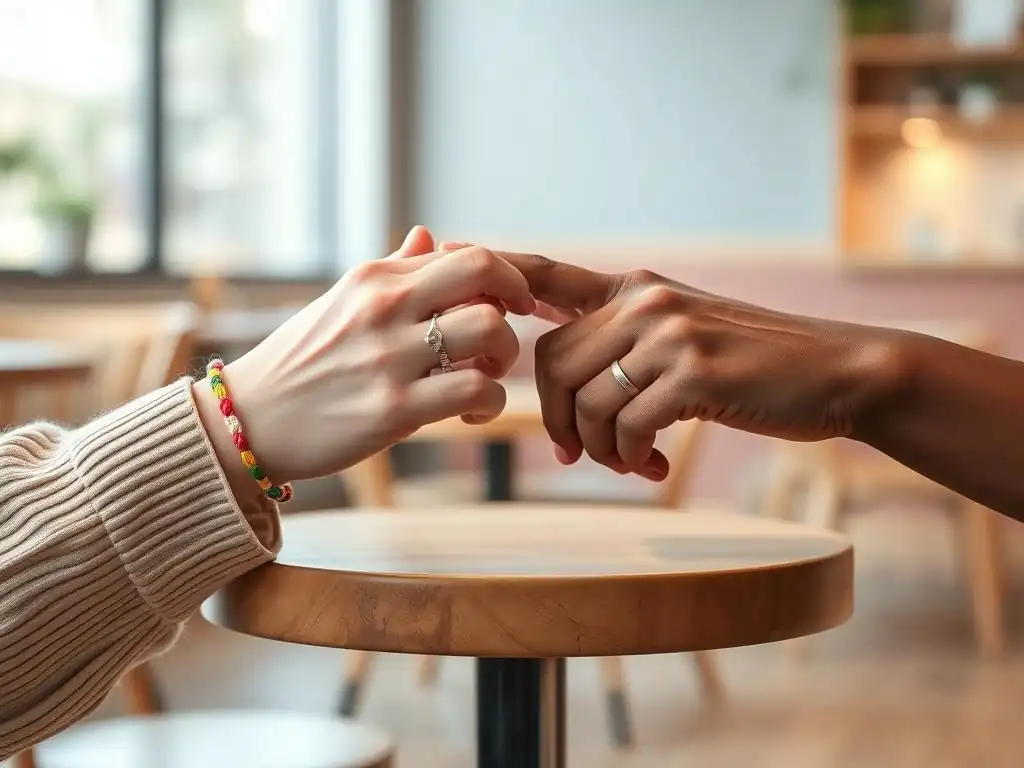
Meeting someone you've connected with online is an exciting step, but prioritizing safety is paramount, especially within the LGBTQ+ community. Open communication and careful planning are key to ensuring a positive experience. Remember, your comfort and safety should always come first. Trust your instincts – if something feels off, it probably is. This section focuses on practical steps you can take to mitigate risks and foster a secure environment for your first date and subsequent meetings. These LGBTQ+ dating safety tips are designed to empower you to make informed decisions.
Choosing Safe Meeting Locations for First Dates
Selecting the right location for your first date is crucial. Avoid secluded or isolated areas. Instead, opt for well-lit, public places where other people are present. Cafés, restaurants, or busy parks during daylight hours are generally good choices. Consider places with easy access to transportation, allowing you to leave quickly and comfortably if needed.
Think about accessibility too. Ensure the venue is accessible for you and your date, considering factors like mobility needs or potential sensory sensitivities. A crowded, noisy environment might not be ideal for everyone. Prioritize a space that feels comfortable and safe for you.
Here's a table summarizing ideal and less-ideal first date locations:
| Location Type | Ideal? | Reasons |
|---|---|---|
| Busy Restaurant | Yes | Public, well-lit, easy to leave, often has staff present |
| Popular Café | Yes | Similar advantages to restaurants, often more casual |
| Well-lit Park (Daytime) | Yes | Public, but ensure it's a busy area with other people present |
| Private Residence | No | Highly risky; avoid meeting someone at their home, especially for a first date |
| Isolated Bar/Club | No | Less visibility, potential for feeling trapped or unsafe |
Remember, even in public places, maintaining awareness of your surroundings is essential. It's always a good idea to have a backup plan, such as a friend who knows your location and expected return time.
Informing Friends or Family About Your Date Plans
Sharing your date plans with trusted friends or family members is a simple yet effective safety measure. Let them know where you're going, who you're meeting (sharing a profile picture or brief description helps), and what time you expect to be back. Consider sharing your date's contact information as well. This way, someone will know your whereabouts and can check in if you don't return as planned.
This isn't about being overly cautious; it's about proactive safety. It provides an additional layer of security and peace of mind, empowering you to enjoy your date without unnecessary worry. Many people use a "check-in" app or system, allowing them to share their location in real-time with trusted contacts. Explore these options to find a method that suits your needs. Consider also setting a timer on your phone to remind you to check in with your contact at a specific time.
Using Transportation Methods That Prioritize Safety
Your mode of transportation to and from your date should also be carefully considered. Driving yourself provides the most control, allowing you to leave whenever you feel uncomfortable. However, if you choose ride-sharing services, ensure the vehicle and driver match the information provided in the app. Never get into a car with a stranger unless you've verified their identity through the app's verification system.
Public transportation can be a viable option, especially if it's a well-lit and busy route. However, be aware of your surroundings and avoid traveling alone late at night. If using ride-sharing, share your trip details with a friend or family member, including the driver's name, license plate number, and estimated arrival time. Remember, prioritizing your safety means carefully considering all aspects of your date, from the initial meeting place to the journey home. These LGBTQ+ dating safety tips are designed to help you navigate these situations confidently and safely.
Trusting Your Instincts: Recognizing Red Flags
Trusting your gut feeling is paramount in LGBTQ+ dating safety. Many people dismiss intuition as mere nervousness, but it's a powerful tool honed by years of experience navigating the world. Red flags are often subtle, easily overlooked in the excitement of a budding connection. Learning to identify these warning signs can significantly reduce your risk.
One common red flag is inconsistency in someone's online profile and their in-person behavior. Perhaps their photos are significantly different from how they appear, or their online persona is far more outgoing than their real-life demeanor. This discrepancy could indicate deception or a reluctance to be their authentic self. Don't dismiss such inconsistencies; they warrant further investigation or, perhaps, a polite exit from the situation.
Another crucial element is pressure. Someone rushing the process, pushing for an in-person meeting too quickly, or pressuring you into activities you're uncomfortable with is a major red flag. Healthy relationships are built on mutual respect and consent, allowing ample time for getting to know each other. A respectful partner will understand and respect your boundaries and pace.
Pay attention to how they speak about others. Do they constantly criticize or gossip about ex-partners or other people in their life? This behavior can be a sign of underlying issues and could indicate a pattern of disrespect and negativity in their relationships. It's a significant indicator of how they might treat you in the future. Remember, how someone treats others often reflects how they will treat you.
Finally, be wary of individuals who are overly secretive or evasive about their personal life. While some privacy is perfectly acceptable and even healthy in a new relationship, an unwillingness to share basic information, or consistent avoidance of direct questions, could be a sign of something amiss. A genuine connection is built on openness and honesty, so a lack thereof is a serious red flag that shouldn't be ignored.
Your safety and wellbeing are paramount, and prioritizing them is not being overly cautious; it's being sensible and self-protective. Remember, you deserve to feel safe and comfortable throughout the dating process.
Responding to Harassment or Negative Experiences

Navigating the world of online dating, especially within the LGBTQ+ community, requires a proactive approach to safety. While online dating offers incredible opportunities to connect with like-minded individuals, it's crucial to be prepared for the possibility of encountering negative experiences, ranging from subtle discomfort to outright harassment. Knowing how to react and where to seek support is paramount for maintaining your well-being and safety. This section will guide you through effective strategies for handling uncomfortable situations and ensuring your online safety. Remember, your safety and emotional well-being are priorities.
Reporting Harassment and Abuse on Dating Platforms
Reporting harassment and abuse is a critical step in protecting yourself and potentially preventing future harm to others. Most reputable dating platforms have robust reporting mechanisms in place. These usually involve flagging profiles or messages that violate their terms of service. Document everything. This includes screenshots of abusive messages, profile information of the offending user, and timestamps. Detailed documentation strengthens your report and helps the platform take appropriate action.
Many platforms offer varying levels of reporting options. Some allow for anonymous reporting, while others require you to provide your username. Carefully review the platform's help center or FAQs for detailed instructions on how to report different types of harassment, such as hate speech, threats, or unwanted sexual advances. Remember that even seemingly minor incidents of harassment should be reported. Ignoring them only allows the behavior to continue. The process may vary slightly across different platforms, but generally involves locating a "report" or "flag" button associated with the offending message or profile.
After submitting a report, you may receive an automated response acknowledging receipt. However, the platform's response time and subsequent action may vary. It’s important to not engage further with the harasser; this can escalate the situation and potentially invalidate your report. Keep a copy of your report for your records. If you are unsatisfied with the platform's response or lack thereof, consider escalating the issue to a higher authority, such as the platform's customer support team or even legal authorities if necessary.
Seeking Support from LGBTQ+ Organizations
Experiencing harassment or a negative encounter online can be emotionally draining. It's vital to remember that you are not alone and that support is available. Numerous LGBTQ+ organizations offer resources and support networks to help you process these experiences and navigate the emotional aftermath. These organizations provide a safe space to share your experiences, receive counseling, and connect with others who understand.
Many LGBTQ+ organizations offer counseling services specifically tailored to address the unique challenges faced by individuals in the LGBTQ+ community, including those related to online dating safety. Some even provide legal assistance if you need to pursue legal action against a harasser. These services can provide invaluable support during a difficult time, helping you regain your sense of safety and well-being. Research organizations in your local area or nationally, based on your needs. Their websites and social media pages usually contain comprehensive information about their services, contact details, and support groups.
Remember to prioritize self-care during this process. Engage in activities that help you relax and de-stress. Connecting with trusted friends and family can also provide emotional support and a sense of community. Seeking professional help is a sign of strength and can significantly contribute to your healing and recovery.
Protecting Your Digital Footprint After a Negative Experience
After experiencing harassment or a negative encounter, it's crucial to review and potentially adjust your online presence to enhance your safety and privacy. This involves taking steps to protect your digital footprint and minimize the risk of future harassment. This isn't about blaming yourself; it's about proactively safeguarding your information.
Review your privacy settings on all your social media platforms and dating apps. Limit the information you share publicly, particularly details that could be used to identify your location or personal information. Consider removing any posts or photos that might inadvertently reveal sensitive details about your life or routine. Remember that even seemingly innocuous information can be pieced together to create a more complete picture of you, potentially making you more vulnerable.
If you've shared your phone number or email address with someone who has subsequently harassed you, consider changing these numbers or creating new accounts. Report any compromised accounts to the relevant platforms immediately. You might also consider using stronger passwords and enabling two-factor authentication for added security on all your online accounts. These simple steps can significantly reduce your vulnerability to future attacks. Regularly reviewing and updating your privacy settings should become a routine part of your online safety strategy. Remember, taking proactive measures to protect your digital footprint is an act of self-care.
Understanding Your Legal Rights
Navigating online harassment can be emotionally draining, but knowing your legal rights is crucial for empowerment and potential recourse. Understanding the laws protecting you from discrimination and harassment based on sexual orientation and gender identity is a vital first step. These laws vary by location, so researching your specific jurisdiction is paramount.
For instance, many regions have anti-discrimination laws covering online platforms, prohibiting hate speech and targeted harassment based on protected characteristics like sexual orientation and gender identity. However, the specifics of what constitutes illegal harassment under these laws can be nuanced. Some jurisdictions may require a demonstrable pattern of harassment, while others may consider a single severe incident sufficient to pursue legal action.
It's important to note that reporting harassment to the platform itself is often a necessary first step, even if you intend to pursue legal action. Many platforms have their own terms of service and community guidelines that prohibit harassment, and their cooperation in providing evidence can be invaluable in a legal case. Documenting everything – screenshots, timestamps, saved messages – is vital for building a strong case. Keep detailed records of all interactions with the harasser, including any attempts to block or report them. This meticulous documentation will be invaluable should you choose to pursue legal remedies.
Furthermore, consider seeking legal counsel specializing in LGBTQ+ rights and online harassment. An experienced attorney can advise you on the best course of action, considering the specifics of your situation and the laws in your area. They can help you understand your legal options, from filing a police report to pursuing a civil lawsuit against the harasser. Remember, seeking legal advice doesn't automatically mean you'll go to court; it's about understanding your rights and exploring all available options to protect yourself.
Don't hesitate to reach out for help; you are not alone in this. There are resources and individuals who can support you through this challenging experience. Knowing your rights empowers you to take control and seek justice.
Resources and Further Support for LGBTQ+ Daters
Navigating the world of online dating, especially within the LGBTQ+ community, requires a proactive approach to safety and well-being. While trusting your instincts is paramount, having access to reliable resources and support networks can significantly enhance your experience and help you manage potential challenges. This section provides crucial information on where to find assistance and further guidance. Remember, seeking help is a sign of strength, not weakness.
Prioritizing your safety and mental health is essential for a positive online dating journey. We encourage you to explore these resources and utilize them as needed. Your safety and well-being are our top priorities.
LGBTQ+ Online Safety Resources
Numerous organizations and websites offer specific guidance and support related to online safety within the LGBTQ+ community. These resources often provide practical tips on creating secure profiles, identifying potential red flags, and reporting harassment or abuse. They may also offer educational materials on topics such as online privacy, cyberbullying, and strategies for managing online interactions.
The information provided is often tailored to the unique challenges faced by LGBTQ+ individuals in the online dating sphere. For example, some resources might focus on the specific language used in online profiles to avoid misrepresentation or targeting. Others might offer advice on using privacy settings effectively to limit the exposure of personal information.
Always prioritize choosing resources with a proven track record and reputation for accuracy and support. Look for organizations that are actively involved in LGBTQ+ advocacy and have a demonstrable commitment to the community's safety and well-being. The quality of information varies, so careful selection is key.
Understanding the nuances of online safety within the LGBTQ+ community is crucial. For instance, the risk of doxing – the public release of private information – is a significant concern, as is the potential for targeted harassment based on sexual orientation or gender identity. These resources can equip you with the knowledge and tools to navigate these risks effectively.
It's vital to remember that online safety is an ongoing process, requiring vigilance and adaptation to evolving online threats. Regularly review and update your safety practices to stay ahead of potential risks. Staying informed about the latest online safety threats is also crucial for protecting yourself.
Crisis Hotlines and Support Networks
In the event of a crisis or emergency, having access to immediate support is critical. Several LGBTQ+-affirming crisis hotlines and support networks are available 24/7 to provide confidential and empathetic assistance. These services offer a safe space to discuss your concerns, receive emotional support, and access resources to help you navigate difficult situations.
They can provide immediate crisis intervention, connect you with relevant services, and offer guidance on next steps. The anonymity and confidentiality offered by these hotlines are crucial, allowing individuals to seek help without fear of judgment or reprisal. These services are particularly important for individuals who may not have a strong support network in their immediate environment.
Remember, reaching out for help is a sign of strength, not weakness. Don't hesitate to contact a crisis hotline if you are experiencing distress or feeling unsafe. These services are available regardless of your location or the nature of your situation. The availability and specific services offered may vary depending on your geographic location, so it's important to find a hotline that serves your area. Many organizations maintain lists of LGBTQ+-affirming crisis hotlines categorized by region, making it easier to locate the appropriate support. Seeking help early can prevent situations from escalating and ensure access to timely intervention.
Legal Aid and Advocacy Groups for LGBTQ+ Individuals
If you experience legal issues related to online dating, such as harassment, stalking, or discrimination, legal aid and advocacy groups can provide invaluable support. These organizations offer legal assistance, representation, and advocacy services specifically tailored to the needs of LGBTQ+ individuals. They can help you understand your legal rights, navigate the legal system, and pursue legal action if necessary. They also may provide guidance on reporting crimes and gathering evidence. The complexities of legal processes can be daunting, and having experienced legal professionals on your side can make a significant difference in protecting your rights and pursuing justice.
These groups often offer a range of services, including legal consultations, assistance with filing reports, and representation in court. They can also provide education and resources on relevant laws and legal protections for LGBTQ+ individuals. Understanding your legal rights and options is crucial in protecting yourself from harm and seeking redress for any wrongs suffered. It is important to note that the availability and scope of services offered by legal aid and advocacy groups vary depending on location and funding.
Researching local organizations that specialize in LGBTQ+ legal issues is recommended. Early intervention is key, so seeking legal advice as soon as possible after experiencing an incident is recommended. Documentation and evidence collection are also crucial aspects that these groups can assist with.
Frequently Asked Questions
How can I verify the authenticity of a profile on an LGBTQ+ dating app?
While no system is foolproof, look for profiles with multiple photos, detailed bios, and connections to social media (if offered and you feel comfortable). Be wary of profiles lacking information or those that seem too good to be true.
What are some red flags to watch out for during online LGBTQ+ dating?
Be cautious of users who are evasively answering questions, pressuring you to meet quickly, or sharing overly personal information too soon. Trust your gut feeling; if something feels off, it probably is.
How do I safely arrange a first date in the LGBTQ+ community?
Always meet in a public place for your first date. Let a friend or family member know where you're going, who you're meeting, and when you expect to be back. Share your location in real-time if you have a trusted app.
What should I do if I feel uncomfortable or unsafe during a date?
Trust your instincts. Have an exit strategy planned. If you feel threatened, remove yourself from the situation immediately and contact a trusted friend or family member. Report the incident to the dating app if necessary.
Are there specific safety concerns for LGBTQ+ individuals using online dating apps?
Yes, LGBTQ+ individuals may face unique vulnerabilities due to potential discrimination and prejudice. Being aware of these risks and taking extra precautions to protect your safety and privacy is vital for a positive experience.
Final Reflection: Cultivating Safety and Joy in LGBTQ+ Dating
The fight for safe and affirming spaces within the LGBTQ+ community extends far beyond legal protections; it necessitates a proactive approach to personal safety, especially in the realm of dating. Ignoring our intuition, however subtle, can have significant consequences, undermining the joy and connection we seek. This article has highlighted practical strategies to navigate the complexities of LGBTQ+ dating while prioritizing well-being.
The ongoing struggle for visibility and acceptance has unfortunately created vulnerabilities for many within our community. The need for heightened awareness around safety, particularly in online and in-person dating, remains a critical issue. We must not allow fear to dictate our lives, but we must also be wise and aware of the realities we face.
This quote underscores the delicate balance between embracing vulnerability and maintaining a strong sense of self-preservation. The impact of this awareness extends beyond individual safety; it fosters a culture of mutual respect and support within the LGBTQ+ community, empowering us to build stronger, healthier relationships.
Now, consider your own experiences. Reflect on the moments when your intuition guided you, and those when it was perhaps overlooked. What steps can you take today to prioritize your safety and well-being in your dating life? This isn't about living in fear, but about cultivating a mindful approach to connection, ensuring that every encounter is approached with informed consent and a strong sense of self-worth. Embrace the joy of finding love and connection, but always remember that your safety and happiness are paramount.
Unleash Your Dating Confidence: Safe & Joyful Connections Await!
Thank you for prioritizing your safety and well-being in the world of online dating! We hope this article has provided you with the tools to navigate the exciting, yet sometimes complex, landscape of LGBTQ+ dating. Now, let's put that knowledge into practice!
- Create a detailed safety plan for your next date: Meet in a well-lit, public place, inform a friend of your plans, and have a pre-arranged exit strategy. This proactive approach will significantly enhance your peace of mind.
- Share this article with your LGBTQ+ friends and loved ones: Let's build a safer and more supportive online dating community together.
- Take one small, practical step today to improve your online dating safety: Update your dating profile with details about your safety preferences, or research safe meeting locations near you.
What specific action will you take this week to improve your next dating experience?