
Screening Potential Dates: LGBTQ+ Online Safety Tips for Avoiding Disappointments

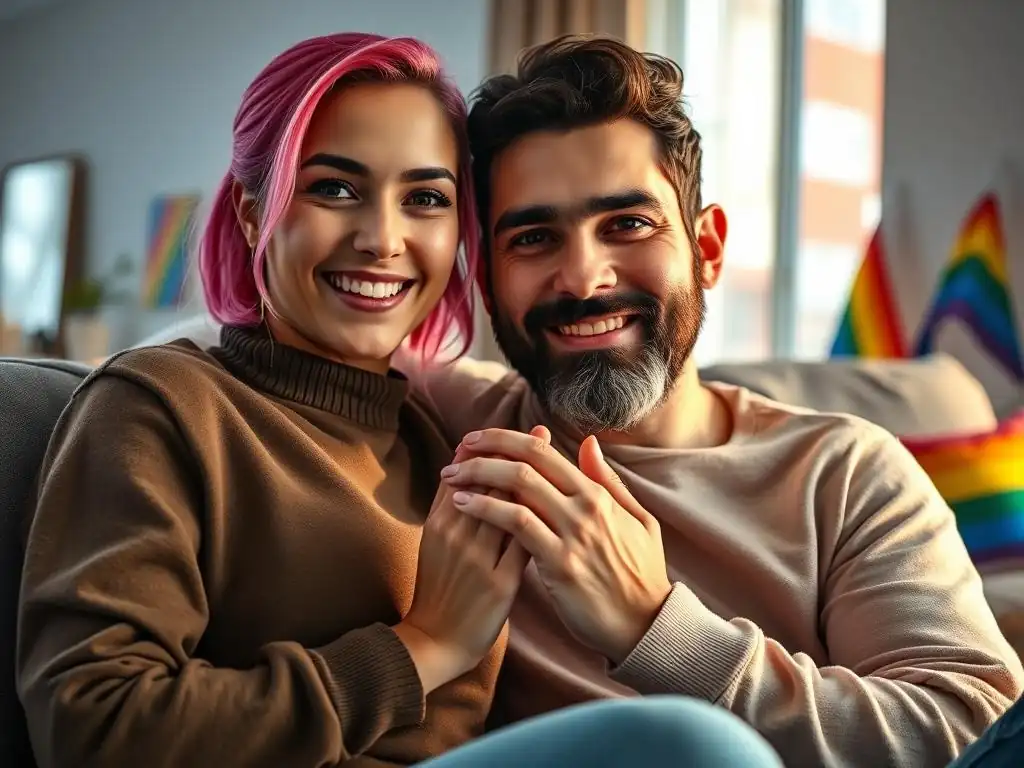
Ready to transform your online dating experience? At OnlineDatingSuccess.org, we empower you to navigate the world of online connections with confidence. But finding love shouldn't come at the cost of your safety. This is why we're diving into crucial LGBTQ+ dating safety tips, providing you with practical strategies to screen potential dates and avoid disappointments. Discover how to build genuine connections while prioritizing your well-being—let's unlock the secrets to successful and safe online dating!
- Understanding LGBTQ+ Dating Risks and Safety Concerns
- Protecting Your Personal Information During LGBTQ+ Online Dating
- Strategies for Secure Communication in LGBTQ+ Online Dating
- Planning Safe First Dates and Meetings
- LGBTQ+ Dating Apps and Platforms: Safety Features and Best Practices
- Dealing with Harassment or Negative Experiences in LGBTQ+ Online Dating
-
Frequently Asked Questions
- How can I screen potential dates to improve my safety on LGBTQ+ dating apps?
- What are some red flags to watch out for when meeting someone from an LGBTQ+ dating app?
- How important is sharing my location and personal details with a new date?
- What should I do if I feel uncomfortable or unsafe during a date?
- What resources are available for LGBTQ+ individuals experiencing online dating harassment or abuse?
- Final Reflection: Navigating Love and Safety in the Digital Age
- Level Up Your Dating Game: Secure and Successful Connections Await!
Understanding LGBTQ+ Dating Risks and Safety Concerns
Navigating the world of online dating can be exciting, but it's crucial to prioritize safety, especially within the LGBTQ+ community. This guide offers practical, empathetic advice to help you screen potential dates and avoid disappointments. The LGBTQ+ community faces unique challenges in online dating, including higher rates of harassment, discrimination, and targeted scams.
Understanding these risks is the first step toward creating a safer and more positive dating experience. We will explore common red flags, techniques used by catfishers, and the specific vulnerabilities faced by LGBTQ+ individuals in the digital dating landscape. By equipping yourself with knowledge and proactive strategies, you can significantly reduce your risk and increase your chances of finding genuine connections.
This isn't about fostering fear, but about empowering you to make informed decisions and protect yourself while searching for love and companionship online. Let's dive into the specifics of safeguarding your well-being in the digital dating world.
Recognizing Potential Red Flags in Online Profiles
Many red flags can signal a potentially unsafe or disingenuous profile. It's crucial to be vigilant and trust your instincts. Some common red flags include: profiles with minimal information or blurry/inconsistent photos; accounts that are newly created; profiles that seem too good to be true, boasting unrealistic achievements or promises; messages that are overly aggressive, demanding, or sexually explicit from the outset; requests for money or financial assistance; a reluctance to video chat or meet in person; and inconsistencies between the information provided in the profile and the person's communication style. Remember, a genuine connection develops gradually, not through instant demands or unrealistic expectations.
Pay close attention to details and be wary of individuals who exhibit evasive behavior or attempt to rush the process. Don't hesitate to report suspicious profiles to the dating platform. Protecting yourself starts with recognizing these warning signs.
For example, a profile with only one picture, a generic background, and no personal details should raise a red flag. Similarly, someone who immediately asks for your financial information or pressures you into meeting in person before you feel comfortable is exhibiting concerning behavior. Trust your intuition; if something feels off, it likely is.
Identifying Catfishing and Fake Profiles Targeting LGBTQ+ Individuals
Catfishing, the act of creating a fake online persona to deceive others, is unfortunately prevalent in online dating. LGBTQ+ individuals may be particularly vulnerable to this type of deception due to societal biases and a potentially smaller dating pool. Catfishers often create elaborate profiles with stolen photos and fabricated information to lure their victims. They may target specific communities, exploiting vulnerabilities and prejudices.
To identify a potential catfish, look for inconsistencies in photos, lack of verifiable information, or overly generic responses. Reverse image searching profile pictures can help determine if the images are authentic. Be wary of individuals who are evasive about personal details or avoid video calls. Remember, genuine connections involve transparency and mutual trust; a catfish will likely avoid any actions that might expose their deception.
The consequences of falling victim to catfishing can be emotionally devastating, leading to feelings of betrayal, embarrassment, and even financial loss. Protecting yourself involves thorough profile scrutiny, cautious communication, and a healthy dose of skepticism. Remember, it's perfectly acceptable to be cautious and ask for verification before sharing personal information or meeting someone in person.
Understanding the Unique Vulnerabilities of LGBTQ+ Daters Online
LGBTQ+ individuals face unique challenges in online dating, stemming from societal prejudices and discrimination. These vulnerabilities can make them more susceptible to harassment, hate speech, and scams. The lack of legal protections in some areas further exacerbates these risks. Moreover, LGBTQ+ individuals may feel pressured to conceal their identity or present themselves in a way that doesn't fully represent themselves, potentially leading to unsafe situations.
It's crucial to be aware of these vulnerabilities and take extra precautions to protect oneself. This includes using strong passwords, enabling two-factor authentication, and avoiding sharing overly personal information. Prioritize meeting in public places for first dates and informing trusted friends or family about your plans. Remember, your safety and well-being are paramount.
Building a supportive network and utilizing available resources can significantly improve your online dating experience. Remember to report any instances of harassment or discrimination to the appropriate authorities and the dating platform itself. Your safety is your responsibility, but you are not alone in navigating this complex landscape.
Protecting Your Personal Information During LGBTQ+ Online Dating
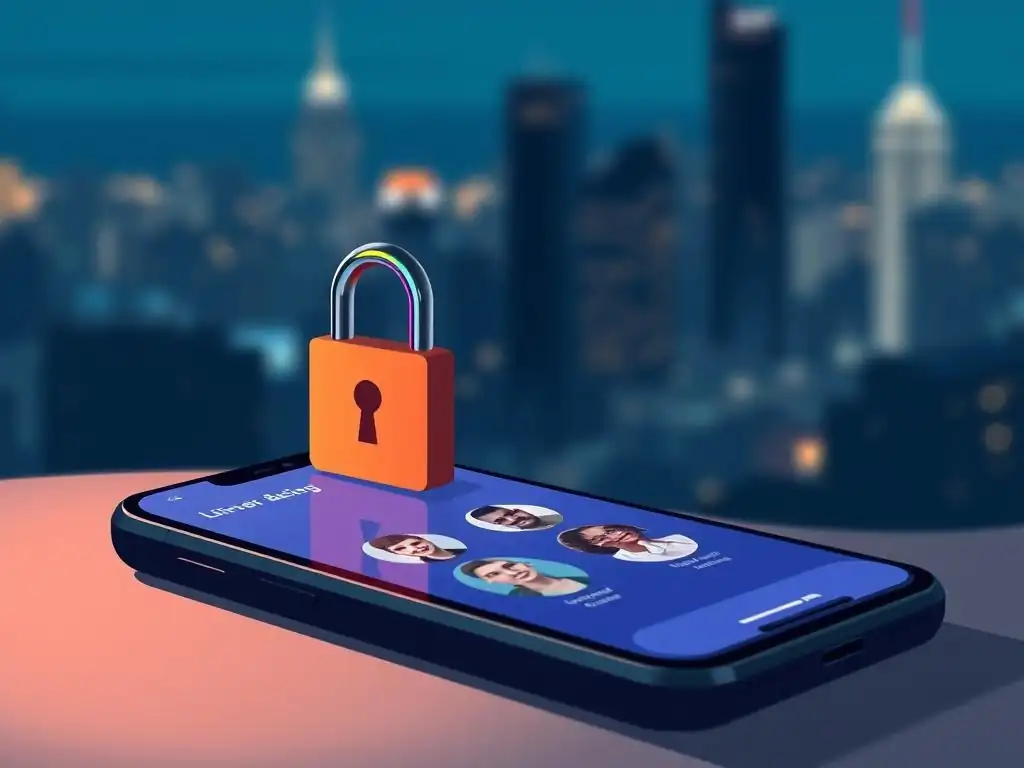
This section focuses on practical strategies to safeguard your personal information while navigating the world of LGBTQ+ online dating. Remember, protecting your privacy is paramount to a safe and positive dating experience. The goal is to build connections, not expose yourself to unnecessary risk. Let's explore specific steps you can take to minimize potential vulnerabilities.
Safeguarding Your Location and Address Information
Revealing your precise location or home address too early in the online dating process is a significant risk. While it's tempting to share details with someone you feel a connection with, remember you're still in the early stages of getting to know them. Predators often exploit readily available location information to target their victims.
Instead of sharing your exact address, consider using general location terms like "city center" or "near [landmark]". Avoid geotagging your photos – many dating apps automatically add location data to pictures, so double-check your privacy settings. Even seemingly innocuous details, like mentioning your favorite local coffee shop, can inadvertently reveal more about your routine than you intend.
Remember, building trust takes time. Don't feel pressured to divulge sensitive information before you're comfortable and have thoroughly vetted the person you're communicating with. Prioritize your safety and take things slow.
Avoiding Oversharing Personal Details in Online Profiles and Messages
Your online dating profile is your first impression. While you want to present an accurate and engaging picture of yourself, be mindful of what information you share publicly. Avoid including highly personal details like your full name (especially if it's different from your profile name), workplace, exact birthday, or other easily verifiable information that could be used to identify you offline.
Similarly, in your messages, avoid divulging excessive personal details too quickly. While sharing your hobbies and interests is great for building connections, avoid revealing overly specific information about your daily routine, financial status, or family details. Remember, the goal is to build a connection based on shared interests and values, not to provide a detailed life story to a stranger. Oversharing can make you vulnerable to various forms of online harassment and even stalking. Think before you type, and err on the side of caution.
Protecting Your Photos and Avoiding Reverse Image Searches
Photos are a crucial part of online dating, offering a visual representation of who you are. However, it's important to be selective about which photos you share and to be aware of potential risks. Avoid using photos that could easily be used to identify you or your location. For example, avoid photos featuring your license plate, house number, or other identifying features.
Furthermore, be aware that your photos could be subject to reverse image searches. This allows people to find other instances of the same image online, potentially revealing more information about you than you intended. To mitigate this, consider using photos that aren't readily available elsewhere online. Avoid using stock photos or images that appear on your social media profiles. A unique, well-lit, and flattering photo that showcases your personality is ideal, without compromising your safety. Consider cropping images to remove identifying information. Your safety and privacy are worth the extra effort.
Remember, building a strong online presence while prioritizing your safety is key to a successful and secure LGBTQ+ dating experience. By following these simple steps, you can significantly reduce your risk and enjoy the benefits of online dating with confidence. Be smart, be safe, and be yourself!
Strategies for Secure Communication in LGBTQ+ Online Dating
Navigating the world of online dating requires careful consideration of safety, especially within the LGBTQ+ community. Open communication is key to building trust, but it's crucial to prioritize security from the outset. This section outlines strategies for secure communication, helping you foster connections while minimizing risks. Remember, your safety and comfort are paramount. These LGBTQ+ dating safety tips are designed to empower you to take control of your online interactions.
Secure Messaging Platforms and Their Advantages
Choosing the right platform for communication is the first step toward secure LGBTQ+ dating. While many dating apps offer built-in messaging, consider utilizing platforms with robust privacy features. End-to-end encryption, for example, ensures only you and the recipient can read your messages. This significantly reduces the risk of unauthorized access to your personal information. Some platforms prioritize user privacy more than others; research thoroughly before committing to any specific app.
Consider these factors when selecting a messaging platform:
- End-to-end encryption: This is crucial for safeguarding your conversations. Look for apps explicitly stating they use this technology.
- Reporting mechanisms: A strong reporting system allows you to flag inappropriate behavior or harassment quickly and easily.
- Privacy settings: Familiarize yourself with the app's privacy settings and adjust them to your comfort level. Control who can see your profile and contact you.
- User reviews: Check online reviews to gauge other users' experiences with the platform's security and privacy features.
Many secure messaging apps exist outside of traditional dating platforms. Exploring these options can offer an added layer of privacy and control. Consider the trade-offs, however; using separate apps might complicate the dating process.
Avoiding Sensitive Information in Early Conversations
Sharing personal information too early in online dating can expose you to unnecessary risks. Avoid revealing details like your full name, address, workplace, or exact location, especially during initial conversations. Catfishing and other forms of online deception are unfortunately common, and protecting your personal information is crucial.
Instead of revealing specific details, focus on building rapport through shared interests and experiences. Consider these alternative approaches:
- Use nicknames or pseudonyms: This allows you to maintain a degree of anonymity until you feel comfortable revealing your full name.
- Focus on shared hobbies and interests: This allows you to connect with potential dates without divulging sensitive personal information.
- Video calls before in-person meetings: Video calls can help verify the identity of a potential date and provide a sense of their personality before an in-person meeting. This can help to reduce the risk of meeting someone who is misrepresenting themselves.
- Meet in public places: Always choose well-lit, public places for your first few dates. Let a friend or family member know where you are going and who you are meeting.
Remember, building trust takes time. Don't feel pressured to share personal information before you're ready. Your comfort and safety should always come first.
Verifying the Identity of Potential Dates Through Multiple Methods
Before meeting a potential date in person, take proactive steps to verify their identity. While it's impossible to eliminate all risks completely, taking precautions can significantly reduce them. A combination of methods offers the strongest protection.
These verification methods can help you assess the authenticity of a potential date:
- Reverse image search: Use a reverse image search engine to check if the profile pictures are genuine and haven't been taken from another source.
- Social media checks: If they've provided social media links, check their profiles for consistency with the information provided on the dating app. Look for inconsistencies or red flags.
- Video calls: A video call is a simple but effective way to confirm their identity and get a visual sense of who they are.
- Mutual friends: If you have mutual friends, reach out to them discreetly to inquire about your potential date. This can provide valuable insights.
Remember, a combination of these methods provides a more comprehensive verification process. Trust your instincts; if something feels off, don't hesitate to end the conversation. Your safety is always the priority. These LGBTQ+ dating safety tips, when used together, significantly improve your security while online dating.
Planning Safe First Dates and Meetings
Finding a connection online is exciting, but transitioning to in-person meetings requires careful planning, especially within the LGBTQ+ community. Safety should always be the top priority. This section focuses on practical strategies to minimize risks and maximize your comfort during initial encounters. Remember, a little preparation can go a long way in ensuring a positive and safe experience.
Choosing Public and Well-Lit Meeting Places for First Dates
The location of your first date significantly impacts your safety. Avoid secluded or dimly lit areas. Instead, opt for well-populated, public spaces where you feel comfortable and visible. Consider these options:
- Busy Cafés: The bustling atmosphere of a café provides a natural buffer, and the presence of other patrons offers a sense of security.
- Popular Restaurants: Similar to cafés, restaurants offer a public setting with staff readily available.
- Museums or Art Galleries: These locations provide a structured environment with plenty of people around.
- Parks During Daylight Hours: If you choose a park, ensure it's during daylight hours and in a well-traveled area. Avoid isolated trails or secluded benches.
It's crucial to choose a place where you can easily leave if you feel uncomfortable. Having a readily accessible exit strategy is paramount. Avoid locations that isolate you, such as someone's private residence for a first date. Remember, your comfort and safety are non-negotiable. Trust your instincts; if a location feels unsafe, choose another. Prioritize your well-being above all else. This is a key aspect of LGBTQ+ dating safety.
Informing Friends or Family About Your Date Plans
Sharing your date plans with trusted friends or family members is a proactive safety measure. Provide them with the following information:
- The person's name and contact information: This allows them to reach out if needed.
- The date, time, and location of the date: This enables them to track your whereabouts.
- A planned check-in time: Agree on a time to check in with them after the date to let them know you're safe.
This simple act of transparency can provide significant peace of mind. It ensures that someone knows your whereabouts and can intervene if something goes wrong. Regular check-ins with loved ones are an effective strategy for managing risk and enhancing safety, especially within the context of LGBTQ+ online dating safety tips. Consider establishing a code word with your contact person; if you text this word, they know to call for help.
Utilizing Date Check-in Apps and Safety Features
Technology offers various tools to enhance your safety on dates. Several apps provide features specifically designed for this purpose. These apps allow you to share your location in real-time with trusted contacts, providing an added layer of security. Some apps even offer emergency alerts or panic buttons.
Explore apps with features like:
- Live location sharing: Allows friends or family to see your location throughout your date.
- Emergency alerts: Provides a quick way to contact emergency services if needed.
- Pre-programmed contacts: Allows you to easily contact pre-selected emergency contacts with a single tap.
Research different apps available and choose one that best suits your needs and preferences. Remember, the goal is to create a safety net that provides peace of mind and support during your first date. This is a critical element of comprehensive LGBTQ+ dating safety. Utilizing these tools demonstrates a proactive approach to personal safety and responsible online dating practices.
LGBTQ+ Dating Apps and Platforms: Safety Features and Best Practices
This section focuses on maximizing your safety while using online dating platforms specifically designed for, or inclusive of, the LGBTQ+ community. Understanding the features and best practices for these apps is crucial for a positive and safe online dating experience. Navigating the digital landscape requires awareness and proactive measures. Remember, your safety is paramount.
Reviewing App Privacy Policies and Security Measures
Before diving into any LGBTQ+ dating app, carefully review its privacy policy and security measures. Look for details on data encryption, how your personal information is handled, and what measures are in place to protect against data breaches. Many apps boast robust security systems, but it's vital to verify these claims independently.
Pay particular attention to how the app handles your location data – some apps offer options to limit location sharing to enhance your privacy and safety. Don't hesitate to compare the privacy policies of different apps; some may be more transparent and protective of user data than others. A strong privacy policy is a key indicator of a platform committed to your safety.
For example, some apps utilize end-to-end encryption for messages, meaning only you and the recipient can read your conversations. This is a significant security feature that protects your communication from unauthorized access. Others may offer two-factor authentication (2FA), adding an extra layer of security to your account and making it harder for unauthorized individuals to gain access. Consider apps that prioritize user privacy and security as a higher priority. Remember, a little due diligence upfront can save you considerable heartache later.
Utilizing Reporting Mechanisms for Suspicious Behavior
All reputable LGBTQ+ dating apps provide mechanisms for reporting suspicious or inappropriate behavior. This is a crucial tool for maintaining a safe environment and protecting yourself and other users. Don't hesitate to use these features. If someone is harassing you, sending inappropriate messages, or engaging in any behavior that makes you uncomfortable, report them immediately.
Most apps have clear guidelines on what constitutes reportable behavior, and their support teams are generally responsive to such reports. Providing detailed information, including screenshots, will help the app's moderators take appropriate action. Remember, you are not alone; many others have experienced similar situations, and reporting helps create a safer space for everyone. Ignoring suspicious behavior only allows it to continue.
Consider the different types of reportable behavior: This can include anything from unsolicited explicit photos to threatening messages, hate speech targeting your identity, or attempts at catfishing or scams. Reporting mechanisms are designed to address a wide range of inappropriate conduct. The more detailed your report, the more effective it will be. Many apps also offer the option to block users, preventing them from contacting you further. Use all available tools to protect yourself.
Choosing Reputable and LGBTQ+-Inclusive Dating Platforms
Selecting a reputable and LGBTQ+-inclusive dating platform is the first step towards a safer online dating experience. Prioritize apps with a strong track record of user safety and a commitment to creating an inclusive community. Look for apps that actively moderate content, enforce community guidelines, and provide clear pathways for reporting issues. Read reviews and testimonials from other LGBTQ+ users to get a sense of the app's overall safety and inclusivity. Word-of-mouth recommendations from trusted sources can be invaluable. Remember, a safe and inclusive environment is essential for a positive dating experience.
Choosing a platform that prioritizes LGBTQ+ users ensures that the community guidelines and moderation efforts are tailored to the specific needs and challenges faced within the LGBTQ+ community. This can include specific protections against hate speech, discrimination, and other forms of harassment that are unfortunately more prevalent in online spaces for LGBTQ+ individuals.
Consider factors like the app's size and activity level; a larger, more active community can often mean more robust moderation and a quicker response to reports. It's crucial to feel comfortable and safe while using a dating app, and selecting a reputable platform is a key component of this.
Dealing with Harassment or Negative Experiences in LGBTQ+ Online Dating
Navigating the world of online dating can be challenging for anyone, but LGBTQ+ individuals often face unique safety concerns and potential for harassment. It's crucial to remember that you are not alone and there are resources available to help. Experiencing negativity online doesn't diminish your worth or invalidate your search for connection. This section focuses on practical steps to take when encountering harassment or negative experiences on LGBTQ+ dating apps and websites. Remember, your safety and well-being are paramount.
Reporting Harassment and Abuse to Dating Platforms and Law Enforcement
Reporting incidents of harassment and abuse is a vital step in creating safer online spaces for everyone. Most reputable dating platforms have robust reporting mechanisms in place. These mechanisms vary, but generally involve flagging profiles or messages that violate their terms of service. This often includes options to report content that is:
- Hate speech targeting sexual orientation or gender identity.
- Threats of violence or harassment.
- Sharing of non-consensual intimate images (revenge porn).
- Catfishing or impersonation.
- DoXing (revealing personal information without consent).
When reporting, be as detailed as possible. Provide screenshots, timestamps, and any other relevant information that can assist the platform in investigating the incident. Remember to keep records of your reports for your own safety and potential future reference.
For more serious instances of harassment, such as credible threats of violence or stalking, you should immediately contact law enforcement. They can provide support and investigate the situation. Many police departments have dedicated cybercrime units equipped to handle online harassment cases. Don't hesitate to reach out – your safety is a priority. Documenting the harassment with screenshots and timestamps will be incredibly helpful in your interaction with law enforcement.
Blocking and Removing Unwanted Contacts
Blocking and removing unwanted contacts is a crucial self-care strategy. Most dating apps provide easy methods to block users, preventing them from contacting you further. This is a simple yet powerful tool to regain control over your online experience. Don't feel pressured to engage with individuals who make you uncomfortable, regardless of how polite or persistent they are. Your comfort should always come first.
Beyond blocking, consider removing individuals from your contact list entirely. This prevents any accidental reconnection and removes their presence from your online dating experience. This act of removing a user can be a powerful form of self-protection. Remember, blocking and removing individuals is not rude; it's a necessary step for safeguarding your mental health and safety. Prioritizing your own well-being is never selfish.
Seeking Support from LGBTQ+ Communities and Organizations
Feeling isolated after a negative online dating experience is common. However, it's important to remember that you are not alone. Numerous LGBTQ+ communities and organizations offer support and resources to help you navigate these challenges. Connecting with others who understand your experiences can provide validation, emotional support, and practical advice.
Many LGBTQ+ centers and online forums provide safe spaces for sharing experiences and receiving peer support. These communities offer a sense of belonging and can help you feel less alone in dealing with online harassment. Additionally, several national and international organizations specialize in LGBTQ+ safety and advocacy, offering resources and guidance on reporting incidents and accessing legal assistance.
Remember, seeking help is a sign of strength, not weakness. Your well-being is crucial, and there are people who want to help you. Don't hesitate to reach out for support; it can significantly improve your ability to navigate online dating safely and confidently.
Frequently Asked Questions
How can I screen potential dates to improve my safety on LGBTQ+ dating apps?
Start by carefully reviewing profiles for inconsistencies or red flags. Verify information provided, if possible, and initiate video calls before in-person meetings to ensure authenticity. Always trust your gut feeling.
What are some red flags to watch out for when meeting someone from an LGBTQ+ dating app?
Be wary of profiles with limited information, excessive flattery, or pressure to meet quickly. Avoid anyone who is evasive about personal details or seems overly secretive. Inconsistencies between their online presence and their messages should also raise concerns.
How important is sharing my location and personal details with a new date?
Never share your exact location or personal information with someone you've only met online until you've met them in a public place and feel comfortable. Prioritize your safety above all else.
What should I do if I feel uncomfortable or unsafe during a date?
Trust your instincts! Have an exit strategy planned, such as a ride share app or a friend on standby. Communicate your discomfort clearly and don't hesitate to end the date immediately, even if it's abrupt.
What resources are available for LGBTQ+ individuals experiencing online dating harassment or abuse?
Many LGBTQ+ organizations and support hotlines offer advice and assistance. Report any abusive behavior to the dating app itself and consider contacting the authorities if necessary. Your safety and well-being are paramount.
The digital landscape offers unprecedented opportunities for connection, but for LGBTQ+ individuals, navigating online dating requires a heightened awareness of potential risks. It's a space where vulnerability meets the potential for exploitation, demanding a proactive approach to safety and self-preservation. We must remember that finding love shouldn't come at the cost of our well-being.
The ongoing conversation surrounding online safety within the LGBTQ+ community is crucial, as it directly impacts our ability to form authentic connections and live authentically. The fear of discrimination or harassment shouldn't overshadow the joy of finding love. Love is a battlefield, but it doesn't have to be a warzone.
This sentiment, while metaphorical, highlights the need for us to create safer spaces, both online and off, where love can flourish without fear. The fight for equality extends to the digital realm, demanding a conscious effort to create safer platforms and foster a culture of respect and understanding.
You, the reader, hold the power to shape your online dating experience. By implementing the safety tips discussed in this article, you are not only protecting yourself but also contributing to a more inclusive and supportive online community. Take control of your digital footprint, trust your instincts, and remember that your safety and well-being are paramount. Embrace the possibilities of online dating while prioritizing your personal security – your journey to finding love should be one of empowerment and joy.
Level Up Your Dating Game: Secure and Successful Connections Await!
Thank you for taking the time to learn about safer online dating! You've gained valuable knowledge to navigate the world of LGBTQ+ connections with confidence. Ready to put your new skills to the test?
- Prioritize safety: Carefully review your dating profiles for any potentially revealing personal information, and consider creating a dedicated email address solely for online dating. This proactive step is crucial for protecting your privacy.
- Share your knowledge: Spread the word! Discuss these safety tips with friends in the LGBTQ+ community – let's work together to create a safer environment for everyone.
- Connect confidently: Now is the perfect time to return to the dating world, armed with your enhanced awareness. What specific safety precaution will you prioritize in your next online dating interaction?