
The Truth About Dating App Location Tracking: What You Need to Know


Ready to unlock the secrets to successful online dating? At OnlineDatingSuccess.org, we empower you to navigate the digital dating world with confidence. But before you swipe right, consider this: are you truly safe? Our latest article on Dating app location safety tips reveals crucial information you need to know to protect yourself while searching for love online. Discover how to maximize your safety and minimize your risks – your journey to a meaningful connection starts here.
- Understanding Dating App Location Services: How They Work
- The Security Risks of Sharing Your Location on Dating Apps
-
Dating App Location Safety Tips: Protecting Yourself Online
- Control Your Location Sharing Settings: App-Specific Controls
- Limiting Location Precision: Balancing Convenience and Privacy
- Utilizing Fake GPS Locations: Exploring the Options and Risks
- Reviewing App Permissions Regularly: Maintaining Privacy Control
- Reporting Suspicious Activity: Protecting Yourself and Others
-
Best Practices for Safe Dating App Usage
- Verifying Profiles and Communicating Safely: Reducing Risks
- Meeting in Public Places: Prioritizing Safety on First Dates
- Sharing Your Location with Trusted Contacts: Emergency Preparedness
- Utilizing Built-In Safety Features: App-Specific Safety Tools
- Educating Yourself on Online Safety: Continuous Learning and Awareness
- The Future of Location Tracking in Online Dating: Privacy and Innovation
-
Frequently Asked Questions
- How accurate is location tracking on dating apps?
- Can I completely disable location sharing on dating apps?
- What are the safety risks associated with sharing my location on a dating app?
- How can I improve my safety while using location features on dating apps?
- Are there any dating apps that prioritize user location privacy?
- Final Reflection: Reclaiming Control in the Digital Dating Landscape
- Take Control of Your Dating App Privacy Now!
Understanding Dating App Location Services: How They Work
Online dating has revolutionized how we meet potential partners, but this convenience comes with a trade-off: the sharing of personal data, including location information. This article delves into the often-overlooked topic of dating app location tracking, providing crucial insights into how these services function, the privacy implications they entail, and most importantly, how to mitigate potential risks. Understanding the mechanics of location tracking on dating apps is the first step towards navigating the online dating world safely and confidently. We'll explore the technology behind location services, the accuracy of this data, and the broader context of data collection practices employed by these platforms. Ultimately, our goal is to empower you with the knowledge to protect your personal information while still enjoying the benefits of online dating. This is especially critical given the increasing prevalence of dating app location safety tips being sought by users concerned about their privacy and security.
GPS Tracking and Your Privacy on Dating Apps
Most dating apps use GPS (Global Positioning System) technology to determine your location. This allows for features like showing you nearby matches, suggesting meeting places, and even facilitating location-based safety features. However, the constant tracking raises significant privacy concerns. The app's access to your precise location, even when the app is closed, means your movements are potentially being monitored.
This data, often collected and stored by the app developers, could be vulnerable to breaches or misused. Consider this: your daily routine, your home address, and your frequent haunts – all potentially revealed through seemingly innocuous location tracking. This is a critical aspect of dating app location safety tips, as it highlights the need for careful consideration of app permissions. Many apps request continuous location access, even when the app isn't actively in use; understanding the implications of granting this permission is crucial for protecting your privacy.
The issue isn't simply about the app itself; it also involves third-party access. Many apps share data with advertising partners or analytics companies, potentially expanding the reach of your location data far beyond the confines of the dating app itself. This data sharing often occurs without explicit user consent, making the protection of your location information even more challenging. Therefore, critically evaluating an app’s privacy policy before use is paramount.
Location Accuracy and its Implications for Safety
While GPS tracking provides convenience, its accuracy is not always perfect. Minor inaccuracies can lead to misleading information, potentially affecting your safety. For example, a slight deviation in location data could present your profile to users who are farther away than the app suggests. This can increase the risk of meeting someone in an unfamiliar or unsafe environment. Conversely, an inaccurate location could also lead to missed connections with users who are actually nearby but aren't appearing in your search results due to location discrepancies.
Furthermore, the accuracy of location data can vary based on several factors, including signal strength, weather conditions, and even the device itself. Older devices or those in areas with poor GPS reception might provide less precise location information, further exacerbating the potential for safety risks. Therefore, understanding the limitations of GPS technology is vital when using dating apps. It's important to remember that location data is not always completely reliable and to prioritize your personal safety by taking extra precautions, such as meeting in well-lit public places and informing a friend or family member of your plans.
Dating apps collect far more than just your location. The information collected often includes your profile details, communication history, and even your browsing habits within the app. This data forms a comprehensive picture of your digital life, and the combination of location data with other personal information can create an even more detailed and potentially vulnerable profile. This is a critical component of dating app location safety tips because it highlights the need for understanding the scope of data collection.
Many apps have opaque data collection practices, making it difficult for users to understand exactly what information is being collected and how it's being used. It is crucial to carefully review the app’s privacy policy to understand its data sharing practices and to be aware that your location data is often part of a larger data profile that is being collected and analyzed. The potential risks of this data collection extend beyond simple privacy concerns; it could also lead to targeted advertising, identity theft, or even stalking.
Therefore, understanding what information is being collected and how it is being used is a crucial aspect of ensuring your online safety and privacy while using dating apps. 🤔 Remember to be proactive and informed about your privacy.
How Dating Apps Use Location Data for Matching and Recommendations
Dating apps leverage location data in several key ways to enhance the matching process and provide personalized recommendations. The primary function is proximity-based matching. This means the app prioritizes showing you profiles of users who are geographically close to you, increasing the likelihood of meeting up in person. This is a fundamental feature for most dating apps, designed to facilitate in-person connections and reduce the complications of long-distance relationships during the initial stages of dating. The closer a potential match is to your location, the higher they might appear in your suggested matches list.
However, the use of location data extends beyond simple proximity. Many advanced algorithms factor in location patterns and preferences. For example, an app might analyze your frequent check-ins at specific locations – like a particular coffee shop or gym – and then suggest matches who also frequent those places. This subtle approach aims to identify common interests and lifestyles based on shared physical spaces, going beyond simply matching based on shared interests declared in profiles. This method can be surprisingly effective in finding compatible partners who share similar routines and daily habits.
Furthermore, some apps utilize location data to suggest activities or places you might enjoy with a match. This feature might suggest a nearby restaurant, park, or event based on your and your match's combined location data and expressed interests. This proactive approach adds a layer of convenience and enhances the overall user experience, providing a natural transition from online interaction to offline dates.
It also subtly encourages interaction and fosters a more dynamic dating experience. The level of detail and sophistication varies across different apps, but the underlying principle remains the same: using location data to refine matches and enhance the overall dating experience. Remember, however, that the level of detail in this data usage is often not completely transparent, so it's vital to read the privacy policies of each app carefully.
The Security Risks of Sharing Your Location on Dating Apps
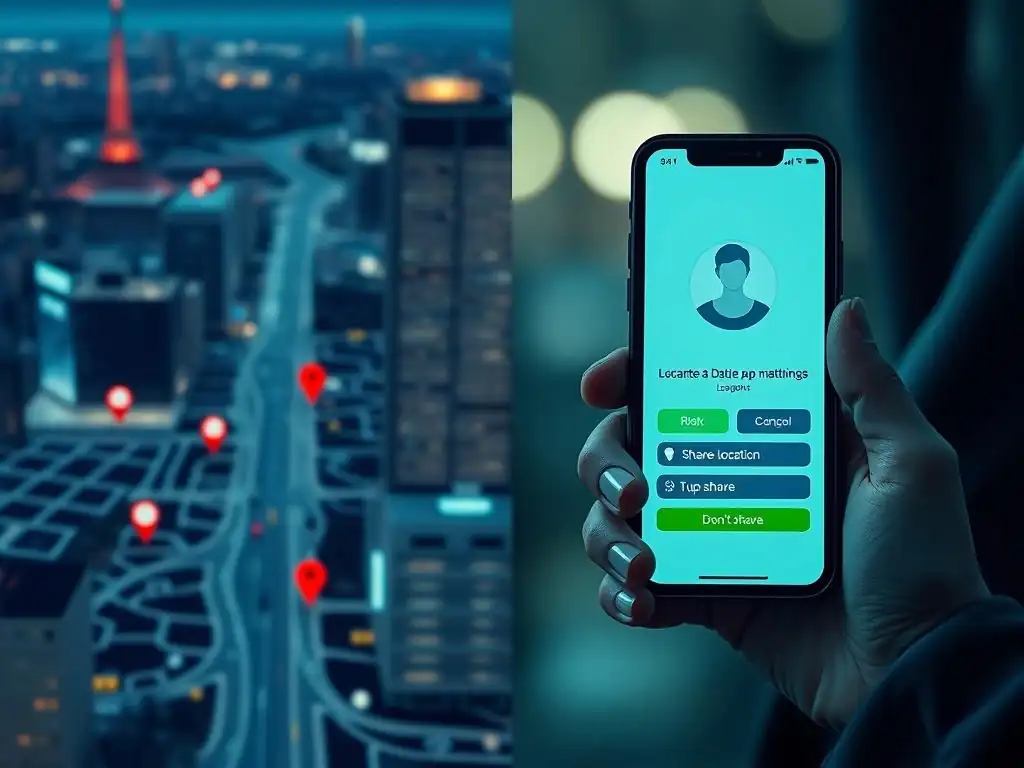
Sharing your location on dating apps, while seemingly convenient for meeting nearby matches, presents significant security risks that users often overlook. The allure of quickly connecting with someone in your vicinity can overshadow the potential dangers associated with revealing your precise whereabouts. This section delves into the various threats and provides actionable steps to mitigate these risks. Understanding these risks is crucial for navigating the online dating world safely and effectively. Remember, your safety is paramount, and informed choices are key to a positive online dating experience.
Potential for Stalking and Harassment: Location-Based Threats
The most immediate danger of sharing your location on dating apps is the potential for stalking and harassment. Predators can exploit this information to track your movements, identify your home or workplace, and even anticipate your routines. Even seemingly innocuous location sharing can provide a stalker with crucial details to plan their actions.
For instance, sharing your location while at a bar or restaurant reveals not only your current position but also your typical social habits and patterns. This information, combined with other details gathered from your profile, can paint a disturbingly comprehensive picture for malicious individuals. Data indicates a significant increase in reported incidents of stalking and harassment linked to location data shared on dating platforms.
[Specific data on stalking incidents linked to dating app location sharing pending]. It's crucial to remember that even after you've ended a date or interaction, your location data might still be accessible to the other party for a period of time, depending on the app's privacy settings.
Data Breaches and the Exposure of Personal Location Information
Beyond direct misuse by individual users, the risk of data breaches poses a significant threat to your location privacy. Dating apps, like any online platform, are vulnerable to hacking and data leaks. A successful breach could expose a vast amount of user information, including location data, to malicious actors.
This exposure could lead to mass stalking, identity theft, or other serious crimes. The consequences of a large-scale data breach involving location information are particularly severe, as it could compromise the safety and security of thousands of users simultaneously. The severity of this risk is compounded by the fact that many users are unaware of the extent to which their location data is collected, stored, and potentially shared by dating app companies.
Regularly reviewing the privacy policies of the apps you use and staying informed about data breach news is crucial in mitigating this risk. Furthermore, choosing apps with strong security reputations and robust data encryption protocols can help minimize the chance of your location data being compromised.
Privacy Concerns: Protecting Your Location Data on Dating Apps
Protecting your location data on dating apps requires a multi-faceted approach. Firstly, carefully review the app's privacy settings. Many apps offer granular control over location sharing, allowing you to disable it entirely or restrict it to only when you're actively using the app. Secondly, avoid sharing your precise location until you've established trust with a match.
Consider using a virtual location or meeting in a public, well-lit place for initial dates. Thirdly, be mindful of the information you share in your profile. Avoid posting pictures that explicitly reveal your home address or workplace. Finally, consider using a VPN (Virtual Private Network) to mask your IP address and enhance your online anonymity.
A VPN adds an extra layer of security, making it more difficult for malicious actors to trace your location. Remember, proactive measures are essential to safeguarding your privacy and security while using dating apps. Your digital footprint is a valuable asset; protect it wisely. By adopting these strategies, you significantly reduce the risks associated with location sharing on dating apps and enhance your overall online dating experience.
Misuse of Location Data: Manipulation and Catfishing
Sharing your precise location on dating apps significantly increases your vulnerability to manipulation and catfishing. Catfishers, individuals who create fake online profiles to deceive others, can use location data to build a more convincing persona. They might claim to live nearby, even providing seemingly legitimate location details gleaned from your profile, to foster trust and accelerate the relationship.
This fabricated proximity can be incredibly effective, making it harder to discern the truth and increasing the likelihood of victims falling prey to scams or emotional manipulation. They may use your location information to plan "chance encounters" or to make seemingly spontaneous visits, further reinforcing their deception. The emotional investment fostered by these fabricated interactions makes it even more difficult for victims to recognize the deception.
Furthermore, the misuse of location data extends beyond simple catfishing. Malicious actors can use your location to target you for stalking or harassment. Knowing your regular routines, places of work or study, and even your home address, gained through access to your location data, presents a serious security risk. This information, in the wrong hands, can lead to real-world threats, ranging from unwanted attention and harassment to physical danger.
The ease with which location data can be exploited highlights the critical need for caution and awareness when sharing this sensitive information on dating apps. Consider the potential consequences before allowing apps access to your precise location; the risks significantly outweigh the convenience in many cases. Remember, a slightly less precise location setting can still allow you to connect with people in your general area without jeopardizing your safety.
Dating App Location Safety Tips: Protecting Yourself Online
Dating apps offer exciting opportunities to connect with new people, but they also present unique privacy challenges. Understanding how these apps handle your location data is crucial for safeguarding your personal safety and security. This section focuses on practical strategies to manage your location information on dating apps, minimizing risks and maximizing your control. Remember, your safety is paramount, and proactive measures are key to a positive online dating experience. This guide provides actionable "dating app location safety tips" to help you navigate this complex landscape.
Control Your Location Sharing Settings: App-Specific Controls
Each dating app offers different levels of control over location sharing. Some provide granular settings allowing you to choose between sharing your precise location, a general area, or disabling location services altogether. Others might offer only a basic on/off switch. It's crucial to thoroughly explore your app's privacy settings.
To illustrate, consider these examples: App A might allow you to select a radius around your current location, sharing only that broader area with potential matches. App B, on the other hand, may only offer the option to share your exact location or disable location services entirely. App C might let you choose to share your location only with people you've already matched with, a significantly safer option. Understanding these nuances is essential.
Carefully review each app's privacy policy and settings menu. Look for options like:
- Precise Location Sharing: Often the default setting, offering the highest level of location accuracy but also the greatest risk.
- Approximate Location Sharing: Shares a broader area, hiding your exact address. This balances convenience with enhanced privacy.
- Location History: Many apps track your location history. Check if you can disable this feature and delete past location data.
- Background Location Access: Some apps continue tracking your location even when the app is closed. Disable this if possible.
Proactively managing these settings is a critical step in implementing effective dating app location safety tips.
Limiting Location Precision: Balancing Convenience and Privacy
While sharing your precise location might seem convenient for finding nearby matches, it significantly increases your vulnerability. Limiting location precision offers a valuable compromise between convenience and safety. Consider these strategies to reduce the risk associated with location data:
- Use the "Approximate Location" Setting: As discussed above, this hides your exact address while still allowing you to connect with people in your general vicinity.
- Share Your Location Only After a Match: Wait until you've established some level of trust with a potential match before revealing more precise location details.
- Meet in Public Places: Even with approximate location sharing, always choose well-lit, public locations for first meetings. Never share your home address or workplace.
- Avoid Sharing Location Data Outside the App: Don't share your location from the dating app through other messaging platforms before meeting in person.
The balance between convenience and privacy is a personal choice. Carefully weigh the benefits of precise location sharing against the potential risks before making a decision. Remember, your safety is more important than the minor convenience of pinpoint accuracy.
Utilizing Fake GPS Locations: Exploring the Options and Risks
Using fake GPS locations is a more advanced approach to managing your location data on dating apps. While it offers a high level of privacy, it also carries significant risks. Many apps are actively working to detect and prevent fake GPS usage, and doing so violates their terms of service. This could lead to account suspension or even permanent bans.
Furthermore, using fake GPS location data to deceive others is ethically questionable and potentially illegal. Transparency and honesty are crucial in building healthy relationships.
Therefore, while the option exists, utilizing fake GPS for dating apps is generally not recommended. The potential downsides significantly outweigh the privacy benefits, and it’s important to prioritize safety and ethical conduct in online dating. Focus instead on the safer and more legitimate methods of controlling your location data discussed earlier. These methods offer a balance between privacy and security without jeopardizing your account or ethical standing. Prioritizing the well-established "dating app location safety tips" outlined above is a much better strategy.
Reviewing App Permissions Regularly: Maintaining Privacy Control
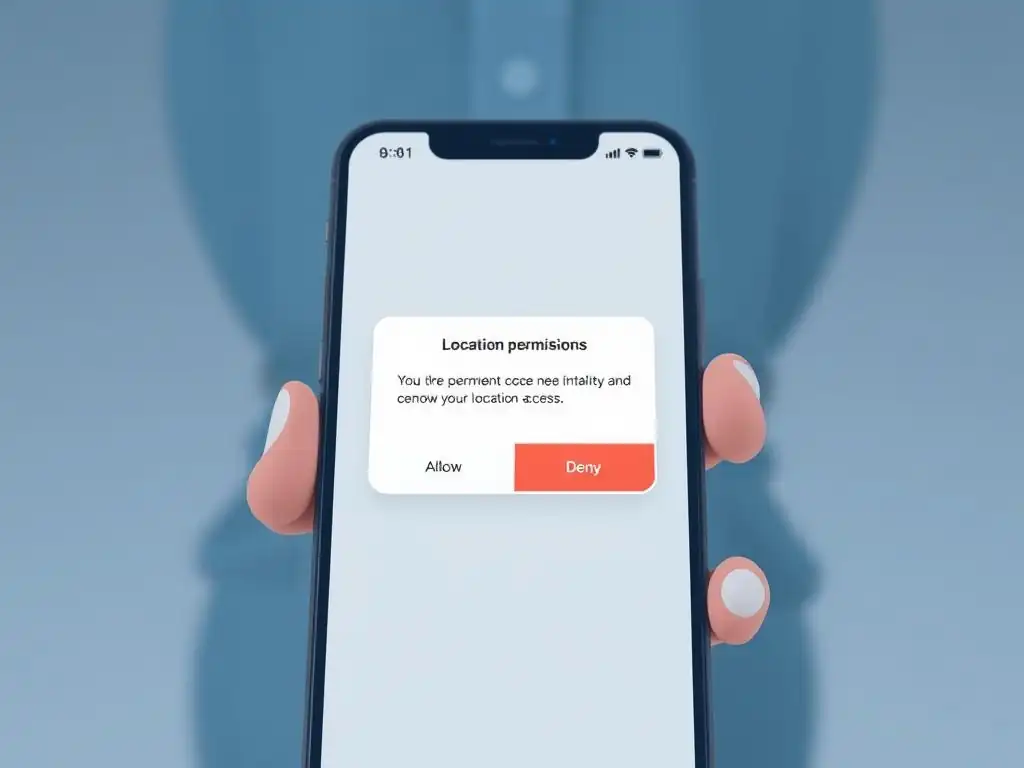
Regularly reviewing and adjusting the permissions granted to your dating apps is crucial for maintaining your privacy and safety. Many apps request access to various aspects of your phone, including location, contacts, photos, and even microphone access. While some permissions are necessary for the app's core functionality, others might be unnecessary or even potentially misused. Think about it: do you really need the app to access your entire contact list? Probably not.
Understanding which permissions are essential and which are not is the first step. Most apps clearly outline the permissions they request during installation. However, it’s equally important to revisit these permissions periodically. App developers may update their apps, adding new features that require additional access. These updates don't always come with clear explanations of the changes, making regular checks even more critical.
Take the time to delve into your phone's settings and examine the permissions granted to each dating app. For example, you might find that an app continues to access your location even when you're not actively using it. This constant location tracking could raise privacy concerns, especially if the app doesn't have a compelling reason for this persistent access. Consider restricting location access to "only while using the app" to mitigate this risk. Similarly, review access to your contacts, photos, and other sensitive data.
If an app requests access to information you're uncomfortable sharing, consider uninstalling it or contacting the app's support team to understand their rationale. Prioritizing your digital well-being requires proactive management of your app permissions. Remember, informed consent is key. Don't hesitate to revoke unnecessary permissions to safeguard your personal information.
Reporting Suspicious Activity: Protecting Yourself and Others
If you encounter suspicious activity on a dating app—whether it's a profile that seems fake, inappropriate messages, or someone requesting your personal information too early in the interaction—reporting it is crucial. Reporting mechanisms vary across different platforms, but most apps provide ways to flag profiles or messages that violate their terms of service or community guidelines. Don't underestimate the power of reporting. Your report helps dating app companies identify and remove harmful users, ultimately contributing to a safer online dating environment for everyone.
Don't hesitate to report even seemingly minor issues. What might seem insignificant to you could be a pattern of behavior for a malicious user. Accumulated reports can provide a clearer picture for the app's moderators, allowing them to take appropriate action. When reporting, be as specific and detailed as possible. Provide screenshots of suspicious messages or profiles, and describe the behavior that concerned you.
The more information you provide, the better equipped the app's team is to investigate and address the issue. Remember, reporting is not just about protecting yourself; it's about contributing to a safer online community for everyone using the app. By reporting suspicious activity promptly and accurately, you're actively participating in creating a more positive and secure experience for all online daters. Think of it as a collective effort towards responsible online dating. Your vigilance helps make a difference.
Best Practices for Safe Dating App Usage
This section delves into practical strategies to mitigate risks associated with location tracking in dating apps, focusing on proactive measures users can take to enhance their safety and privacy. Remember, while dating apps offer exciting possibilities for connection, prioritizing your safety should always be paramount. This is crucial for achieving successful and fulfilling relationships online. Let's explore some key safety practices.
Verifying Profiles and Communicating Safely: Reducing Risks
Verifying the authenticity of profiles is a crucial first step in minimizing risks. Dating app location safety tips often overlook this critical aspect. Many apps offer verification features; utilize them! Look for profile badges indicating verified accounts or phone number verification. These features significantly reduce the likelihood of encountering fake profiles or scams.
Beyond verification, cautious communication is key. Avoid sharing excessive personal information early on, especially your full address or workplace. Instead, focus on building rapport through engaging conversations. Be wary of individuals who pressure you to share sensitive details prematurely or those who seem evasive about their own information. Remember, a healthy relationship is built on mutual trust and respect, not rushed disclosures.
Consider these additional points for safer communication:
- Use the app's messaging system: Avoid sharing personal contact information like email or phone numbers until you feel comfortable and have verified the other person's identity.
- Be mindful of your language: Avoid sharing details that could reveal your location inadvertently, such as mentioning specific landmarks or routines.
- Trust your instincts: If something feels off, don't hesitate to end the conversation or block the user. Your safety and peace of mind are paramount.
Remember that even with precautions, there's always an element of risk involved in online interactions. Staying vigilant and practicing cautious communication are vital aspects of dating app location safety tips.
Meeting in Public Places: Prioritizing Safety on First Dates
Once you've established a level of trust and comfort, the next step often involves planning a first date. Choosing a public meeting place is absolutely crucial for your safety. Avoid meeting at someone's home or other secluded locations, especially during initial encounters.
Opt for well-lit, populated areas with easy access to other people. Cafés, restaurants, or parks during daylight hours are generally good choices. Let a trusted friend or family member know where you're going, who you're meeting, and when you expect to be back. This simple step provides an additional layer of safety and peace of mind.
Here's a table summarizing ideal and less ideal first date locations:
| Location Type | Safety Level | Rationale |
|---|---|---|
| Busy Restaurant | High | Well-lit, populated, and provides a natural exit strategy. |
| Popular Coffee Shop | High | Similar to restaurants; offers a casual and public setting. |
| Well-Lit Park (Day) | Medium | Can be safe during the day, but always be aware of your surroundings. |
| Someone's Home | Low | Avoid meeting at private residences on a first date, regardless of location. |
| Secluded Locations | Low | Extremely risky; significantly increases vulnerability. |
Always maintain awareness of your surroundings and trust your instincts. If at any point you feel uncomfortable, don't hesitate to leave the date. Your safety is more important than any social obligation.
Proactive measures are essential for dating app location safety tips. Sharing your location with trusted contacts can be a lifesaver in unforeseen circumstances. Many smartphones offer location-sharing features that allow you to share your real-time location with selected individuals. This is particularly helpful for first dates or when meeting someone you've only interacted with online.
Consider using a location-sharing app with features like automatic check-ins or emergency alerts. These apps can send alerts to your contacts if you deviate from your planned route or if you haven't checked in within a specified timeframe. This provides an additional layer of security and peace of mind, especially if you're meeting someone new in an unfamiliar area.
Remember that responsible use of location-sharing features is crucial. Ensure you only share your location with people you trust implicitly. Review the privacy settings of your chosen app to understand how your location data is being handled and stored. Regularly assess your safety measures and adapt them as needed. Your well-being is the top priority.
Utilizing Built-In Safety Features: App-Specific Safety Tools
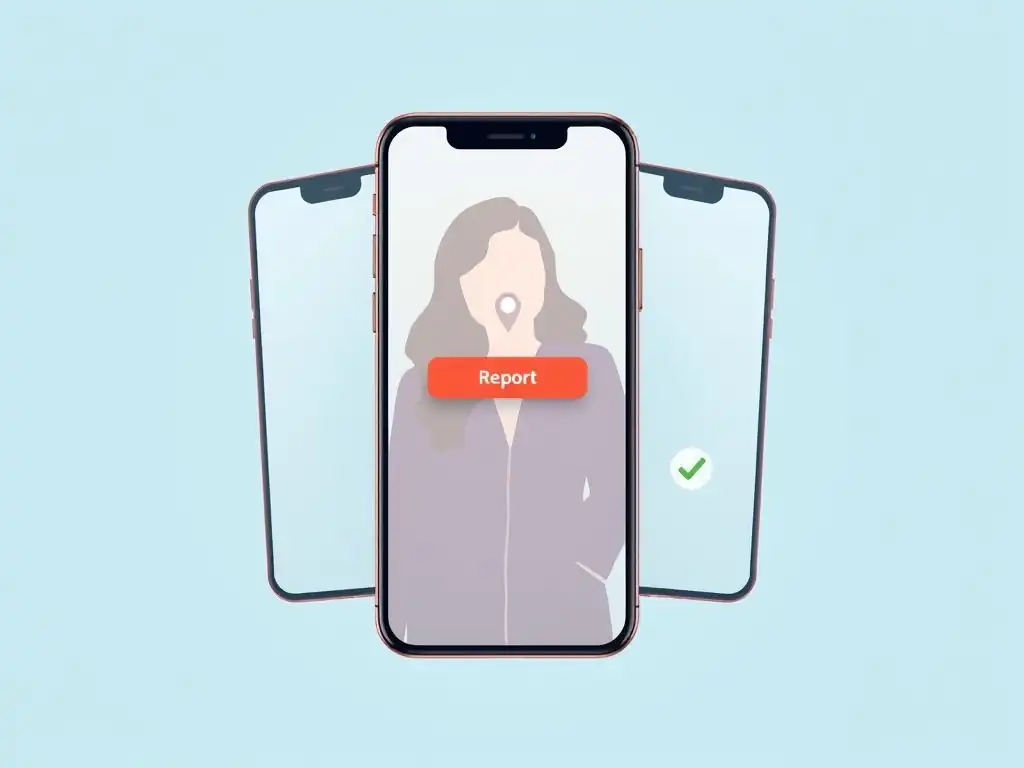
Many dating apps now offer a suite of built-in safety features designed to protect users. Understanding and utilizing these tools is crucial for mitigating risks associated with online dating. These features vary from app to app, so it's essential to familiarize yourself with the specific options available on the platforms you use. For example, some apps allow you to share your location with trusted contacts in real-time during a date, providing an additional layer of security.
Others offer in-app reporting mechanisms for inappropriate behavior, allowing you to quickly flag and block users exhibiting concerning actions. Many apps also incorporate verification processes, such as photo verification or phone number verification, to help ensure the authenticity of user profiles and reduce the likelihood of encountering fake profiles or scams. Remember to enable these features; they are often disabled by default. Actively utilizing these features demonstrates a proactive approach to online safety and significantly enhances your overall experience.
Don't rely solely on these features, however. They are a valuable tool, but they're not a substitute for sound judgment and careful communication. Regularly review the safety settings within your chosen apps, as updates and improvements are frequently implemented.
Educating Yourself on Online Safety: Continuous Learning and Awareness
Staying safe in the online dating world requires ongoing vigilance and education. The landscape of online threats is constantly evolving, with new scams and techniques emerging regularly. Therefore, continuous learning is key to maintaining your safety. Regularly research articles and resources dedicated to online safety, focusing specifically on dating app security.
Look for articles and guides that discuss the latest scams and techniques used to target online daters. Consider participating in online forums or communities dedicated to online safety; sharing experiences and learning from others can offer invaluable insights. Many organizations and experts offer free resources and webinars on topics like identifying phishing scams, protecting your personal information, and avoiding online harassment. By actively seeking out and absorbing this information, you equip yourself with the knowledge to recognize and avoid potential dangers.
Remember, staying informed is not just about reacting to threats; it's about proactively protecting yourself and making informed decisions. Staying updated on best practices is crucial for minimizing your risk in the constantly shifting digital landscape of online dating. This proactive approach to learning translates directly to enhanced safety and a more positive online dating experience.
The Future of Location Tracking in Online Dating: Privacy and Innovation
The integration of location tracking in dating apps presents a complex interplay between convenience and privacy. While location features enhance the user experience by facilitating proximity-based matches and suggesting nearby dates, they also raise significant concerns about data security and potential misuse. The future of location tracking in online dating hinges on striking a balance between these competing forces, prioritizing user autonomy and responsible data handling.
This requires a multifaceted approach involving technological advancements, enhanced user control, and the establishment of robust industry standards. Failing to address these issues risks eroding user trust and ultimately hindering the growth of the online dating industry. The key is not to eliminate location features entirely, but to refine them, making them safer and more transparent.
Emerging Technologies and Privacy Enhancements: Future Trends
Several emerging technologies hold the promise of enhancing privacy while retaining the benefits of location-based features. Differential privacy, for example, allows for the aggregation and analysis of location data without compromising individual user identities. This technique adds carefully calibrated noise to the data, making it difficult to pinpoint specific locations while still enabling the generation of useful insights for app developers, such as identifying popular dating spots or optimizing match algorithms.
Furthermore, advancements in federated learning enable models to be trained on decentralized data, reducing the need to centralize sensitive location information. This approach allows apps to improve their matching algorithms without ever directly accessing users' precise locations.
Blockchain technology could also play a role in creating more transparent and secure systems for managing location data, allowing users more control over how their information is shared and used. The development and adoption of these technologies are crucial to creating a more privacy-respecting online dating landscape.
User Control and Transparency: The Path Forward
Greater user control and transparency are paramount in building trust and fostering a safer online dating environment. Apps should empower users with granular control over their location data, allowing them to choose the level of precision shared with potential matches. For example, users should be able to opt for sharing only their general area (e.g., city or zip code) rather than their exact coordinates.
Clear and concise privacy policies are essential, explicitly outlining how location data is collected, used, stored, and protected. Apps should also provide users with regular reports on their data usage, allowing them to monitor activity and identify any potential irregularities. Moreover, increased transparency around data sharing agreements with third-party providers is crucial.
Users should have the ability to easily access and understand these agreements, ensuring they are informed about how their data is being handled beyond the dating app itself. This level of transparency is vital for fostering user trust and promoting responsible data management practices.
Responsible Data Handling: Industry Standards and Best Practices
The online dating industry needs to establish comprehensive standards and best practices for handling location data. This includes implementing robust security measures to protect against data breaches and unauthorized access. Regular security audits and penetration testing should be conducted to identify and address vulnerabilities.
Furthermore, data minimization principles should be adhered to, ensuring that only the necessary location data is collected and retained for as short a period as possible. Clear data retention policies should be established and readily available to users. Compliance with relevant data privacy regulations, such as GDPR and CCPA, is non-negotiable.
Finally, the industry should promote a culture of responsible innovation, prioritizing user privacy and security in the design and development of new features and technologies. This requires collaboration between dating app developers, privacy experts, and regulatory bodies to establish clear guidelines and foster accountability. Only through a collective effort can the online dating industry ensure that location tracking is used responsibly and ethically, fostering a safer and more trustworthy online dating experience for all.
Balancing Convenience with Privacy: Finding the Right Balance
The convenience of location-based features in dating apps is undeniable. They allow users to easily connect with potential partners in their immediate vicinity, fostering spontaneous meetups and reducing the logistical hurdles of long-distance dating. However, this convenience comes at a cost: the surrender of a significant amount of personal data. The challenge lies in finding a balance – leveraging the benefits of location services without compromising personal safety and privacy.
One approach is to carefully manage app permissions. Many dating apps request access to location data even when the app is closed or not in use. Users should critically evaluate this level of access and consider adjusting their settings to only allow location sharing while actively using the app. This reduces the amount of time your location data is being collected and stored.
Furthermore, understanding how the app uses this data is crucial. Review the app's privacy policy thoroughly to understand what information is collected, how it's used, and with whom it might be shared. Transparency is key; if an app is unclear about its data practices, it might be best to avoid it.
Another strategy involves utilizing alternative methods for connection. While location-based matching is a core feature of many apps, some platforms offer optional, less precise location settings or allow users to broaden their search radius. This allows for connection without revealing your exact location down to the street address.
Consider prioritizing apps that offer these options, giving you more control over the personal information you share. Remember, the goal is to find a happy medium – connecting with compatible people while minimizing the risks associated with oversharing your location. Experiment with different settings and apps to find what works best for your comfort level.
Prioritizing your privacy shouldn't mean sacrificing your chances of finding a meaningful connection. Instead, it should be viewed as a crucial step in safeguarding your personal well-being. The future of dating app location tracking will likely involve more user-centric controls and transparent data handling practices, empowering users to make informed decisions about their privacy.
Frequently Asked Questions
How accurate is location tracking on dating apps?
The accuracy of location tracking varies depending on the app and your device's settings. Most apps use GPS data, which can be quite precise, but signal strength and other factors can affect accuracy. It's not always perfectly exact.
Can I completely disable location sharing on dating apps?
Often, you can't completely disable location sharing and still use all app features. Many dating apps require some level of location data to match you with nearby users. However, you can usually limit the precision of the location data shared.
What are the safety risks associated with sharing my location on a dating app?
Sharing your precise location increases your risk of stalking, harassment, or even physical harm. It's crucial to be cautious about who you share your location with and to never reveal your exact address.
How can I improve my safety while using location features on dating apps?
Start by limiting the precision of your location data. Meet in public places for first dates, and always let a friend or family member know where you're going and who you're meeting. Trust your instincts – if something feels off, leave.
Are there any dating apps that prioritize user location privacy?
Some apps offer more control over location sharing than others. Research the privacy policies of different apps to find one that aligns with your comfort level. Look for apps that emphasize user safety and offer features like blurred location or limited sharing options.
Final Reflection: Reclaiming Control in the Digital Dating Landscape
The unchecked collection of location data by dating apps presents a significant threat to user privacy and safety, demanding immediate attention and proactive measures. This isn't just a technical issue; it's a fundamental question of control over our personal information and our right to feel secure in our online interactions. The potential for misuse, from targeted harassment to identity theft, is real and underscores the urgent need for greater transparency and user empowerment.
The pervasive nature of location tracking in dating apps profoundly impacts our understanding of online safety and privacy. It forces us to confront the uncomfortable reality that the convenience of these platforms often comes at the cost of our personal information. This constant surveillance subtly shifts the power dynamic, leaving users feeling vulnerable and exposed. As the philosopher Michel Foucault noted, Power is everywhere; not because it embraces everything, but because it comes from everywhere.
This quote perfectly encapsulates the insidious nature of location tracking, its influence subtly woven into the fabric of our digital interactions.
You now possess the knowledge to navigate the complexities of dating app location tracking. Take control of your digital footprint. Actively review the privacy settings of your chosen apps, understand what data is being collected, and don't hesitate to delete apps that prioritize profit over user safety. Remember, your safety and privacy are paramount. By demanding greater transparency and accountability from these platforms, we can collectively build a safer and more empowering online dating experience for everyone.
Take Control of Your Dating App Privacy Now!
Thank you for learning about the often-overlooked realities of location tracking on dating apps. You've gained crucial knowledge to navigate the online dating world more safely and confidently. Ready to use this knowledge?
- Review your app's privacy settings immediately. Check what data is being shared and adjust the settings to your comfort level. This is the most important step you can take.
- Share this article with your friends and family – let's spread awareness about responsible app usage!
- Consider how you can use this information to develop safer dating strategies.
What's the first privacy adjustment you're making to your dating app profile today?