
The Risks of Using Public WiFi for Dating Apps


Dive into the world of online dating with OnlineDatingSuccess.org, your guide to navigating the digital landscape of romance. We're dedicated to helping you build meaningful connections, but first, let's address a crucial concern: are you jeopardizing your safety and privacy while searching for love? This article on Dating app WiFi safety risks will reveal the hidden dangers of using public Wi-Fi for dating apps and equip you with the knowledge to stay secure while you search for your perfect match. Discover how to protect yourself and confidently connect with others online—let's get started!
- Dating App WiFi Safety Risks: Understanding the Dangers
- Protecting Your Privacy When Using Dating Apps on Public Wi-Fi
- Minimizing Risks: Best Practices for Dating App Usage on Public Wi-Fi
- The Importance of Strong Online Safety Habits for Daters
-
Frequently Asked Questions
- What are the main risks of using public WiFi for dating apps?
- How can someone protect their information while using dating apps on public WiFi?
- Are there certain dating apps more vulnerable than others on public WiFi?
- What should I do if I suspect my dating app account has been compromised on public WiFi?
- Can I completely avoid the risks of using public WiFi for dating apps?
- Final Reflection: Navigating the Digital Dating Landscape Safely
- Secure Your Love Life: Take Control of Your Online Dating Safety
Dating App WiFi Safety Risks: Understanding the Dangers
Navigating the world of online dating requires careful consideration of various factors, from crafting the perfect profile to maintaining healthy communication. However, a frequently overlooked aspect is the security of your personal data, particularly when using dating apps on public Wi-Fi networks. This article delves into the significant risks associated with using public Wi-Fi for dating apps, explaining the vulnerabilities, potential consequences, and practical steps you can take to protect your privacy and safety.
Understanding these risks is crucial for building meaningful connections online without compromising your personal information or exposing yourself to potential harm. The ease and convenience of public Wi-Fi shouldn't come at the cost of your digital security and peace of mind.
This guide will empower you to make informed decisions about where and how you access your dating apps, ultimately enhancing your online dating experience. We'll explore the specific threats, provide clear examples, and offer actionable advice to mitigate these risks.
Public Wi-Fi Vulnerabilities and Dating App Security
Public Wi-Fi networks, while convenient, often lack the robust security measures of private networks. These unsecured networks are vulnerable to various attacks, including:
- Man-in-the-middle (MitM) attacks: A malicious actor can intercept your data transmitted over an unsecured network, potentially accessing your login credentials, messages, photos, and even location data. Imagine a scenario where someone intercepts your login details for a dating app – they could then impersonate you, access your profile, and potentially harm your reputation or even steal your identity. 😠
- Packet sniffing: This involves monitoring network traffic to capture data packets containing sensitive information. Dating apps often transmit personal details such as your location, preferences, and communication history, making them prime targets for packet sniffing.
- Rogue access points: Malicious actors can set up fake Wi-Fi hotspots mimicking legitimate ones (e.g., "Free Airport Wi-Fi"). Connecting to these rogue access points can expose your device to malware and data theft. This can lead to the compromise of your entire device, not just the dating app. 😱
These vulnerabilities are significantly amplified when used with dating apps, which often handle sensitive personal information. The lack of encryption on many public Wi-Fi networks makes your data easily accessible to anyone with the right tools and knowledge. Therefore, exercising caution when using dating apps on public Wi-Fi is paramount.
Data Breaches and Identity Theft on Unsecured Networks
Using dating apps on unsecured networks significantly increases your risk of data breaches and identity theft. A successful attack could lead to:
- Compromised accounts: Hackers could gain access to your dating app account, potentially modifying your profile, sending inappropriate messages, or even impersonating you to connect with others. This can severely damage your reputation and trust within the online dating community.
- Stolen personal information: Your personal details, including your name, address, email address, phone number, and even financial information (if linked to your account), could be stolen and misused for fraudulent activities.
- Financial loss: Identity theft can lead to significant financial losses, including unauthorized credit card transactions, bank account breaches, and loan applications in your name. The recovery process can be lengthy and stressful.
- Reputational damage: The consequences of a data breach can extend beyond financial losses. Your reputation within the online dating community could be tarnished, leading to mistrust and difficulty in forming genuine connections.
Risks of Location Tracking via Dating Apps on Public WiFi
Many dating apps utilize location services to enhance the user experience, allowing you to connect with people nearby. However, using these features on public Wi-Fi networks presents several risks:
- Precise location tracking: Unsecured networks can make it easier for malicious actors to pinpoint your precise location, potentially leading to stalking, harassment, or even physical harm. Your safety should always be your priority. ⚠️
- Exposure of sensitive information: Your location data, combined with other personal information obtained through a data breach, can create a detailed profile that exposes you to a higher risk of targeted attacks.
- Increased vulnerability: Knowing your location allows malicious actors to plan attacks more effectively, increasing your vulnerability to various forms of harm.
The risks associated with using dating apps on public Wi-Fi are substantial and should not be underestimated. Employing best practices for online security is crucial to mitigate these risks and protect your privacy and safety. The next section will detail practical steps you can take to safeguard your data.
Protecting Your Privacy When Using Dating Apps on Public Wi-Fi
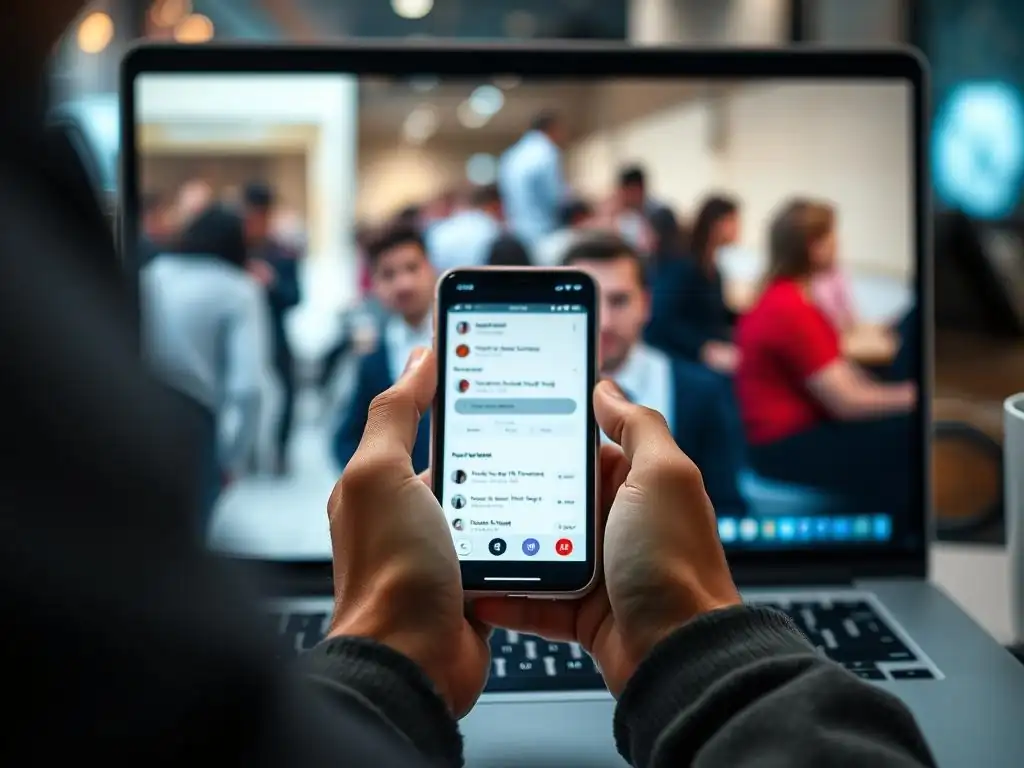
Using dating apps on public Wi-Fi exposes your personal data to significant risks. This section details crucial steps to mitigate these dangers and maintain your online dating safety. Understanding the vulnerabilities and implementing proactive security measures is paramount to a positive and secure online dating experience. Remember, your privacy is your responsibility, and proactive measures are far more effective than reactive damage control. Let's delve into the specifics of securing your data while navigating the digital dating landscape.
Using a VPN for Enhanced Security on Public Networks
Public Wi-Fi networks, often found in cafes, airports, and libraries, lack the encryption and security protocols of your home network. This makes your data vulnerable to interception by malicious actors. A Virtual Private Network (VPN) creates a secure, encrypted tunnel between your device and the internet, shielding your online activity, including your dating app usage, from prying eyes.
Think of it as a private, secure line within the public network. When using a dating app on public Wi-Fi, a VPN encrypts your connection, protecting your personal information such as your location, messages, and photos from potential snooping. This is crucial, as many dating apps transmit location data, which could be exploited without proper security measures.
Consider VPNs as an essential tool in your dating app WiFi safety arsenal. Choosing a reputable VPN provider with a strong track record of security and privacy is crucial. Look for providers with robust encryption protocols and a clear no-logs policy.
Recognizing and Avoiding Phishing Attempts on Dating Apps
Phishing attacks are a common threat in the online dating world. These attacks often involve deceptive emails, messages, or links that mimic legitimate dating app communications, aiming to steal your login credentials or personal information. On public Wi-Fi, where security is already compromised, these attacks become even more dangerous. Scammers may use public Wi-Fi hotspots to monitor your online activity and target you with personalized phishing attempts.
They might send messages appearing to be from the dating app itself, urging you to update your password through a fake website. This website will then capture your details and grant the scammer access to your account. Always be wary of unsolicited links or requests for personal information. Never click on links from unknown senders, and always verify the authenticity of any communication directly through the official dating app interface, not through an email or text message.
Remember, legitimate dating apps will never ask for your password via email or a suspicious link. Be vigilant, and report any suspicious activity to the dating app's support team immediately. The key is to always remain skeptical and verify the source of any communication before taking action.
Secure Password Management Practices for Dating App Accounts
Strong and unique passwords are fundamental to protecting your dating app account and personal information. Using the same password across multiple accounts is extremely risky. If one account is compromised, all your other accounts are at risk. On public Wi-Fi, this risk is amplified. Consider using a password manager to generate and store strong, unique passwords for each of your online accounts, including your dating apps.
Password managers not only generate complex passwords but also encrypt and securely store them, preventing unauthorized access. Furthermore, enable two-factor authentication (2FA) whenever possible. 2FA adds an extra layer of security by requiring a second verification method, such as a code sent to your phone, in addition to your password. This makes it significantly harder for attackers to gain access to your account, even if they obtain your password. Regularly review and update your passwords, and avoid using easily guessable information like birthdays or pet names.
Prioritize password security as a cornerstone of your overall dating app WiFi safety strategy. Strong passwords combined with 2FA significantly reduce the risk of unauthorized access, protecting your personal data and maintaining your online dating safety. Remember, a compromised account can lead to identity theft, financial loss, and emotional distress. Prioritize security; it's worth the effort.
Enabling Two-Factor Authentication for Enhanced Protection
Two-factor authentication (2FA) is your first line of defense against unauthorized access to your dating app accounts, especially when using public Wi-Fi. Public networks are notoriously insecure, making them prime targets for hackers attempting to steal login credentials. Enabling 2FA adds an extra layer of security, requiring not only your password but also a second verification method, such as a code sent to your phone or email. This significantly reduces the risk of account compromise, even if your password is somehow obtained. Think of it as a double lock on your digital front door.
Many dating apps offer various 2FA options. Some use time-based one-time passwords (TOTP) generated by authenticator apps like Google Authenticator or Authy, while others might send SMS codes or use biometric authentication (fingerprint or facial recognition). Choosing the method most convenient and secure for you is crucial. If you frequently change phones or have unreliable cell service, an authenticator app might be the most dependable option. However, if you prioritize ease of use, SMS verification could suffice.
Regardless of your choice, always enable 2FA. It's a simple step that provides substantial protection against the risks associated with using public Wi-Fi for dating. The peace of mind it offers is invaluable, especially when sharing personal information on a potentially vulnerable network. Remember, a compromised dating app account can lead to identity theft, catfishing, or even harassment. Don't underestimate the power of 2FA in mitigating these risks.
Regularly Updating Dating Apps and Operating Systems
Keeping your dating apps and your phone's operating system updated is paramount for online dating safety, particularly when using public Wi-Fi. Outdated software is riddled with vulnerabilities that hackers can exploit to gain access to your personal information. These vulnerabilities are frequently patched in updates, meaning neglecting updates leaves your data exposed. This is especially dangerous on public Wi-Fi, where security measures are inherently weaker.
Regular updates provide access to the latest security patches and bug fixes. Dating app developers constantly work to improve the security of their platforms, addressing newly discovered vulnerabilities. Similarly, operating system updates often include crucial security enhancements that protect the entire device, not just individual apps. Failing to update increases the risk of malware infections and data breaches.
Imagine the potential consequences of a hacker accessing your location data, photos, or private messages through an outdated app on an unsecured network. This could lead to various forms of online harassment or even stalking. Therefore, prioritizing regular updates is not just about convenience; it's a crucial step in protecting your privacy and safety while using dating apps on public Wi-Fi.
Make it a habit to check for updates regularly, both for your dating apps and your device's operating system. Think of updates as your digital immune system, strengthening your defenses against cyber threats. The time invested is minimal compared to the potential damage that could be avoided.
Minimizing Risks: Best Practices for Dating App Usage on Public Wi-Fi
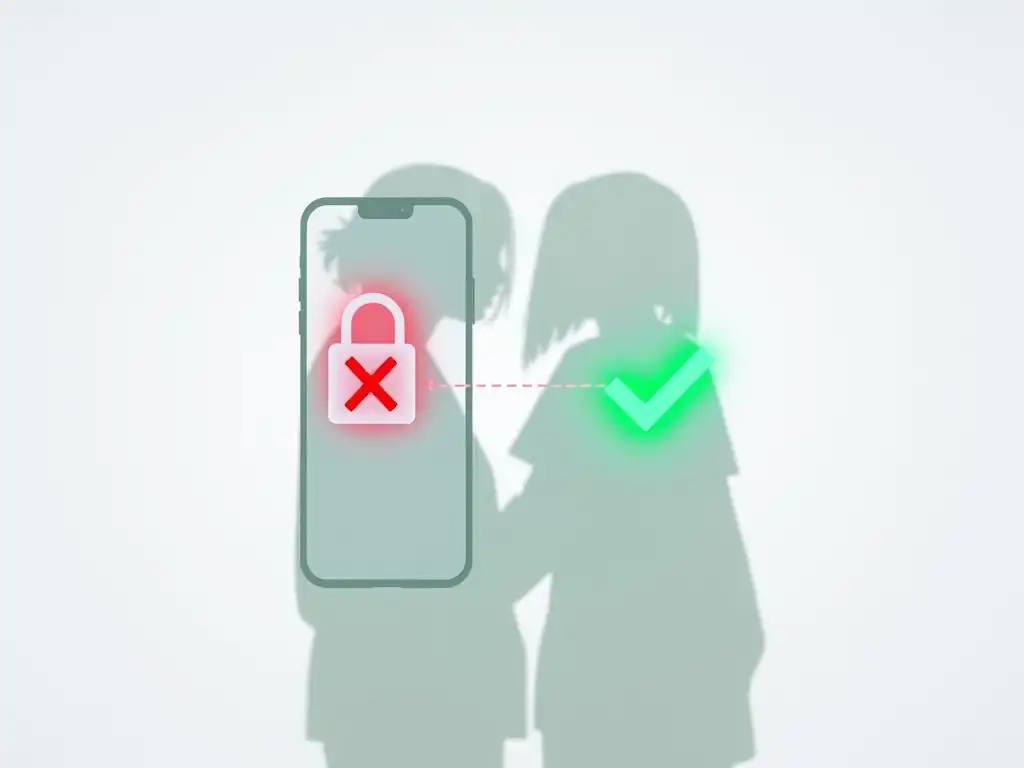
This section focuses on practical strategies to mitigate the inherent risks associated with using dating apps on public Wi-Fi networks. Understanding these risks is only half the battle; implementing effective countermeasures is crucial for protecting your personal data and online safety. Remember, even seemingly innocuous actions on unsecured networks can have significant consequences for your dating app experience and beyond. The goal is to minimize your digital footprint and protect your privacy while still enjoying the convenience of online dating.
Avoiding Sensitive Information Sharing on Public Networks
Sharing sensitive personal information on public Wi-Fi is a major security vulnerability. This includes, but is not limited to, your full name, address, place of employment, phone number, and any other details that could be used to identify or locate you. Dating apps often request a significant amount of personal data, and revealing this information on an unsecured network dramatically increases your risk of identity theft, stalking, or other serious crimes.
Consider this scenario: You're using a public Wi-Fi hotspot at a coffee shop to chat with a potential match. You casually mention your upcoming vacation plans, including the exact dates and location. An attacker on the same network could intercept this information and use it to target your home while you're away. This is just one example of how seemingly harmless information can be exploited when shared on unsecured networks.
Instead of revealing sensitive details directly, consider using more general terms. For instance, instead of stating your exact address, you could say you live in the "city center" or a specific neighborhood. Similarly, avoid sharing specific details about your work schedule or travel plans. Remember, building trust and rapport takes time, and it's always better to err on the side of caution when sharing personal information online. The benefits of maintaining privacy far outweigh any perceived convenience of sharing sensitive details early in the dating process.
Limiting App Usage on Public Wi-Fi to Essential Tasks
When using dating apps on public Wi-Fi, restrict your activity to only essential tasks. Avoid lengthy conversations, exchanging photos beyond profile pictures, or sending messages containing sensitive personal details. Focus on brief interactions and save more in-depth communication for a secure network.
Think of it like this: Public Wi-Fi is like a crowded street—you wouldn't shout your bank details to everyone around you, so why expose your sensitive information to potential eavesdroppers on a public network? Limiting your app usage to essential tasks, like quickly checking for new matches or sending a brief message, significantly reduces your risk of exposure. Consider using your dating app only when you have access to a secure, private network, such as your home Wi-Fi or a VPN-protected connection.
Checking Wi-Fi Security Before Connecting to a Network
Before connecting to any public Wi-Fi network, always check its security. Look for networks with a strong password protection (WPA2/WPA3 encryption) rather than open networks. Open networks, often labeled as "Free Wi-Fi," are particularly vulnerable to attacks, as they lack any password protection. Connecting to these networks exposes your online activity to anyone on the same network.
Here's a simple checklist to follow before connecting:
| Feature | Secure Network | Insecure Network |
|---|---|---|
| Network Name | Often includes a business name or identifier | Generic names like "Free Wi-Fi" |
| Password | Requires a password | No password required |
| Encryption | WPA2/WPA3 | WEP or Open |
| Security Level | High | Low |
Using a VPN (Virtual Private Network) is another crucial step. A VPN encrypts your internet traffic, creating a secure tunnel between your device and the internet, even on public Wi-Fi. This added layer of security makes it significantly more difficult for hackers to intercept your data. This is especially relevant when using dating apps, which often handle sensitive personal information. Prioritize your online safety and use a VPN to protect yourself from potential "Dating app WiFi safety risks." 🕵️♀️
Choosing Secure Public Wi-Fi Locations When Possible
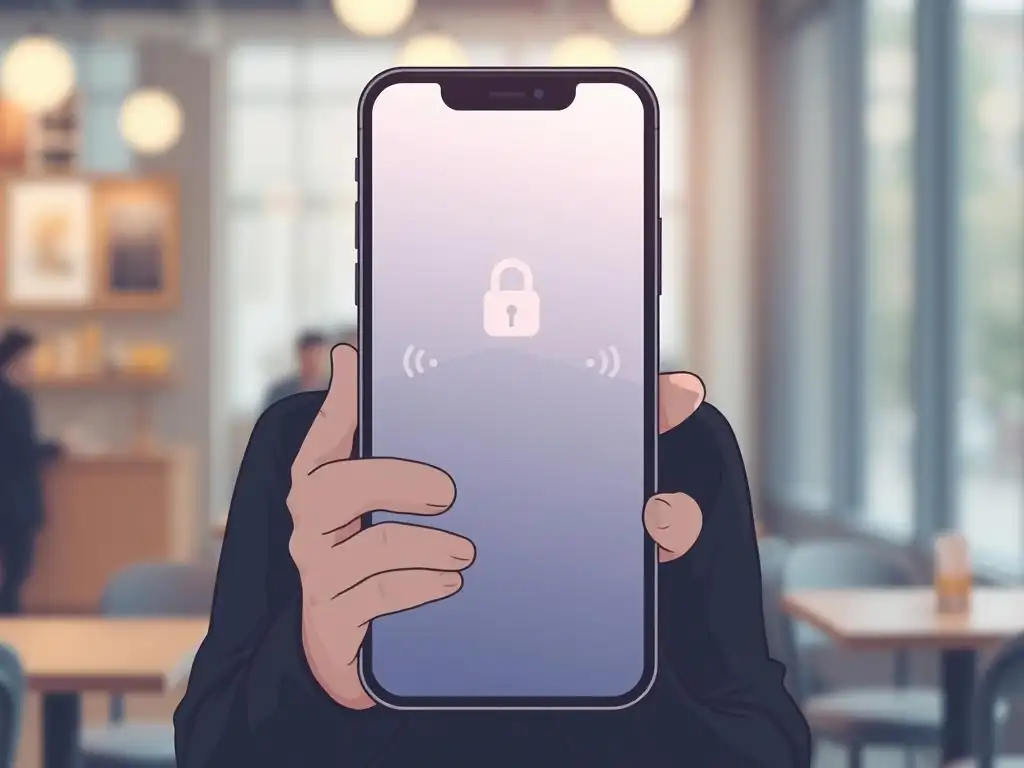
Using public Wi-Fi for dating apps carries inherent risks, but some locations are inherently safer than others. Prioritizing secure networks significantly reduces your vulnerability to data breaches and identity theft. For example, coffee shops partnered with reputable internet service providers often offer more secure networks than smaller, independent establishments. Look for networks that require a password, indicating a higher level of security than open networks.
Even better, opt for Wi-Fi hotspots explicitly advertised as secure and designed for public use, such as those found in libraries or well-established hotels. Remember, the stronger the encryption, the better protected your data. Avoid using public Wi-Fi in less secure environments like airports or train stations where the risk of network compromise is considerably higher due to the sheer volume of devices connected and the potential for malicious actors. A small investment in a mobile hotspot or a personal VPN can be a worthwhile safeguard, offering a private and secure connection wherever you are.
Remember, prioritizing your online safety is paramount when using dating apps, and choosing your Wi-Fi connection wisely is a crucial first step. The convenience of free Wi-Fi should never outweigh the potential compromise of your personal information. Always weigh the risks against the benefits before connecting to any public network.
Recognizing Signs of a Compromised Network
Identifying a compromised network before connecting is crucial for protecting your online dating activity and personal information. A compromised network might display several warning signs. Firstly, be wary of networks with unusual names. Legitimate networks usually have clear and identifiable names; anything suspicious or misspelled should raise red flags. Secondly, pay attention to the security protocol.
Look for "HTTPS" in the URL of the dating app; this indicates a secure connection. If you see "HTTP," it suggests a lack of encryption, making your data vulnerable. Thirdly, unusual pop-ups or redirects during your dating app usage can indicate a malicious website or network attempting to steal your data. These might appear as requests for login credentials or unexpected advertisements. Finally, slow connection speeds or frequent disconnections can sometimes indicate a network under heavy load or, more worrisome, a compromised network being actively monitored or attacked.
If you encounter any of these signs, immediately disconnect from the network. Never enter your dating app credentials or any sensitive personal information on a network that shows any signs of compromise. Your vigilance is your best defense against the risks associated with using public Wi-Fi for dating apps. Remember, your online safety is paramount, and recognizing these warning signs can help prevent a potentially devastating data breach.
The Importance of Strong Online Safety Habits for Daters
Navigating the world of online dating requires a proactive approach to personal safety. While the thrill of connecting with potential partners is undeniable, it's crucial to remember that the digital realm presents unique vulnerabilities. Understanding and implementing robust online safety habits is paramount to protecting your personal information, financial security, and emotional well-being. This isn't about fear-mongering; it's about empowering yourself with knowledge to enjoy the benefits of online dating while mitigating potential risks.
The consequences of neglecting online safety can range from minor inconveniences like unwanted messages to severe issues such as identity theft or even harassment. A proactive approach, combining awareness, vigilance, and secure practices, is the key to a safer and more positive online dating experience. Prioritizing your digital safety isn't just about protecting yourself; it's about fostering a healthier and more trustworthy online dating environment for everyone.
Educating Yourself on Cyber Threats and Online Safety
Staying safe online requires continuous learning. The threat landscape is constantly evolving, with new scams and vulnerabilities emerging regularly. Familiarizing yourself with common cyber threats relevant to online dating is crucial. This includes understanding phishing attempts (where scammers impersonate legitimate dating sites or individuals to steal your data), malware (malicious software designed to damage or disable your devices), and various forms of online harassment.
Resources like government cybersecurity websites and reputable online safety organizations provide valuable information on identifying and avoiding these threats. Regularly reviewing these resources will help you stay updated on the latest scams and best practices. For example, learning to spot suspicious links, emails, or profile requests can significantly reduce your risk of falling victim to online fraud. Remember, knowledge is your strongest defense.
The more you know about potential threats, the better equipped you are to protect yourself. Consider taking online courses or attending webinars focused on digital safety and online privacy. This investment in your education can save you significant heartache and potential financial loss down the line.
Reporting Suspicious Activity and Data Breaches
If you encounter suspicious activity on a dating app or website—whether it's a scam attempt, harassment, or a suspected data breach—reporting it promptly is vital. Most dating platforms have robust reporting mechanisms in place. Utilize these systems to flag suspicious profiles, messages, or activities. Document any evidence you have, such as screenshots of messages or profile details.
This documentation can be helpful if you need to escalate the issue or contact law enforcement. Furthermore, if you suspect a data breach affecting your personal information, immediately change your passwords on all affected accounts, including your email, social media, and banking platforms. Consider freezing your credit to prevent unauthorized access to your financial information.
Reporting suspicious activity is not only beneficial for your personal safety but also contributes to a safer online environment for other users. By reporting these incidents, you help platforms identify and address vulnerabilities and prevent others from becoming victims. Remember, your actions can make a real difference.
Staying Vigilant and Aware of Potential Risks
Maintaining vigilance is key to minimizing risks while using dating apps. Be cautious about sharing personal information online, especially sensitive details like your full address, workplace, or financial information. Before meeting someone you've met online, always conduct thorough research and share your plans with a trusted friend or family member. Meet in a public place for your first encounter and be mindful of your surroundings.
Avoid sharing photos that reveal too much personal information about your location or lifestyle. Trust your instincts; if something feels off or unsafe, don't hesitate to disengage. Remember, online safety isn't a one-time task, but rather an ongoing process that requires constant attention and adaptation. Regularly review your privacy settings on your dating apps and social media accounts.
Stay informed about the latest security updates and advisories. By remaining vigilant and aware, you can significantly reduce your risk and enjoy a safer and more positive online dating experience. Prioritizing your safety is a sign of self-respect and empowers you to take control of your online interactions.
Frequently Asked Questions
What are the main risks of using public WiFi for dating apps?
Using public WiFi for dating apps exposes you to significant security risks. Hackers can intercept your data, including personal information and messages, leading to identity theft or privacy breaches. Malicious software can also be downloaded onto your device.
How can someone protect their information while using dating apps on public WiFi?
Use a virtual private network (VPN) to encrypt your internet traffic. Avoid accessing sensitive dating app features on public WiFi. Only use secure and trusted networks.
Are there certain dating apps more vulnerable than others on public WiFi?
All dating apps are vulnerable when used on unsecured public WiFi. However, apps with less robust security measures might be slightly more susceptible to attacks. Always prioritize strong app security, regardless of the platform.
What should I do if I suspect my dating app account has been compromised on public WiFi?
Immediately change your passwords for the dating app and any other linked accounts. Report the incident to the dating app's support team and consider contacting the police if you suspect identity theft.
Can I completely avoid the risks of using public WiFi for dating apps?
The safest option is to avoid using dating apps on public WiFi altogether. Use your mobile data connection or wait until you have access to a secure, private network.
The convenience of public Wi-Fi is undeniable, but its use with dating apps presents a significant vulnerability in today's hyper-connected world. Ignoring these risks can lead to compromised personal information, financial theft, and even dangerous real-world encounters. The ease of access often overshadows the potential dangers, making it crucial to understand and mitigate these threats.
The pervasive nature of online dating, coupled with the ubiquitous availability of public Wi-Fi, creates a fertile ground for exploitation. This isn't just about protecting your data; it's about protecting yourself. The internet is a powerful tool, but it's also a wild west. We need to be responsible citizens of the digital world.
This quote highlights the need for proactive measures to navigate the complexities of online dating safely, especially when relying on unsecured networks. The impact of a data breach or a malicious encounter can be devastating, extending far beyond the digital realm and impacting real-life relationships and well-being.
Consider your digital footprint. Are you prioritizing convenience over security? This article has highlighted the risks, but ultimately, your safety is your responsibility. Take the time to understand the dangers, utilize VPNs and secure connections whenever possible, and be mindful of the information you share online. By making informed choices and prioritizing your security, you can navigate the exciting world of online dating while minimizing the risks. Let's build a safer digital dating experience, one conscious connection at a time.
Secure Your Love Life: Take Control of Your Online Dating Safety
Thank you for learning about the risks of using public Wi-Fi for dating apps. You've gained valuable insights to protect your privacy and security. Let's put that knowledge to good use!
- Use a secure network: Protect your personal information by using your cellular data or a trusted VPN for all online dating activity. This is crucial for your safety.
- Share this article: Help your friends avoid similar risks. Promoting online dating safety benefits everyone.
- Use a password manager: Simplify your online security by adding an extra layer of protection to your accounts.
What steps will you take today to improve your online dating safety?