
Safety First: Utilizing Reporting and Blocking Features on Dating Apps for Secure Dating

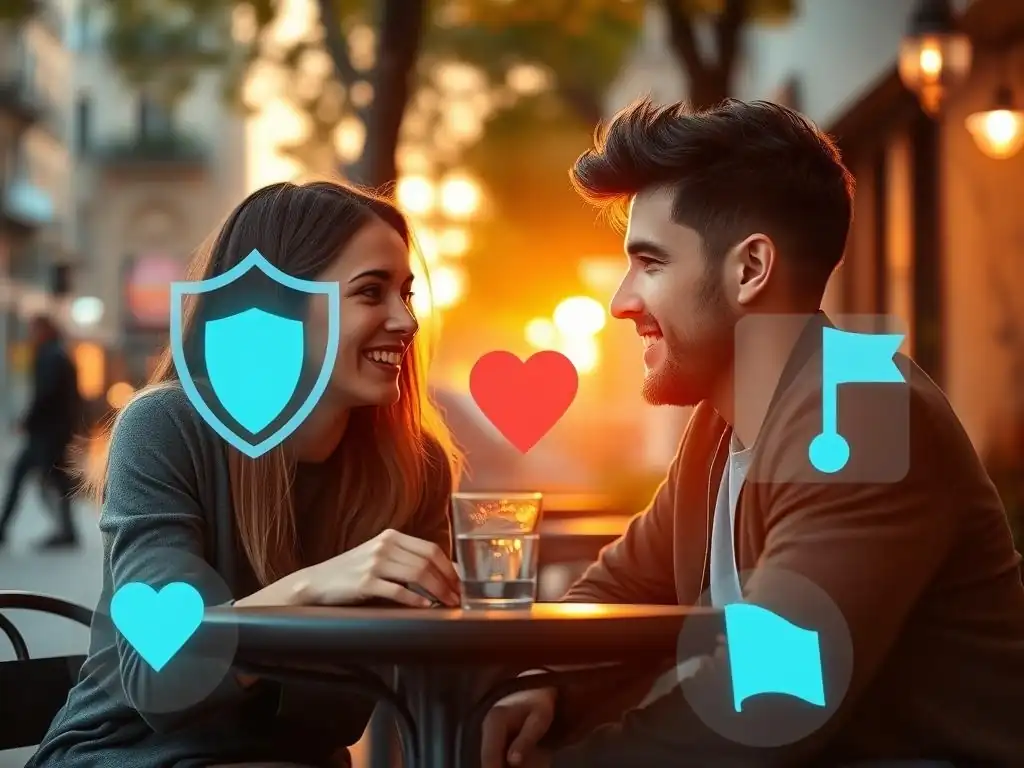
Welcome to OnlineDatingSuccess.org, your guide to navigating the exciting yet sometimes treacherous world of online dating. Are you ready to unlock the secrets to finding meaningful connections? We'll equip you with the knowledge and strategies you need to thrive, from crafting irresistible profiles to mastering effective communication. But first, let's address a crucial element often overlooked: your safety.
This article dives deep into dating app safety features, showing you how to leverage reporting and blocking tools to ensure a secure and positive online dating experience. Discover how to protect yourself and maximize your chances of finding genuine connections. Let's get started!
- Understanding Dating App Safety Features: A Comprehensive Guide
-
Proactive Safety Measures Beyond Reporting and Blocking
- Verifying Profiles: Techniques for Minimizing Risks with Online Dating
- Secure Communication Practices: Protecting Your Information While Messaging
- Managing Location Settings: Controlling Privacy and Safety Through Location Services
- Setting Boundaries: Establishing Clear Expectations for Interactions
- Leveraging Dating App's Privacy Settings for Enhanced Security
- The Role of Dating App Safety Features in Building Trust
- Staying Safe: Additional Tips for Secure Online Dating
- Frequently Asked Questions
- Final Reflection: Securing Connections: A Future of Safer Online Dating
- Take Control: Secure Your Online Dating Journey
Understanding Dating App Safety Features: A Comprehensive Guide
Online dating offers exciting possibilities for connection, but navigating the digital landscape requires awareness and proactive safety measures. This guide focuses on effectively utilizing the reporting and blocking features built into popular dating apps, empowering you to create a safer and more positive online dating experience. We'll explore how to identify and report suspicious behavior, block unwanted users, and ultimately, prioritize your well-being while searching for meaningful relationships.
Understanding and utilizing these features is crucial for mitigating risks and fostering a more secure online dating journey. Remember, your safety is paramount, and these tools are designed to help you maintain control over your online interactions. Let's delve into the specifics of maximizing your safety using the features readily available to you.
Identifying and Utilizing Reporting Mechanisms on Popular Dating Apps
Dating apps are increasingly incorporating robust reporting systems to address inappropriate behavior. Knowing how to use these features is essential for maintaining a safe online environment. Many apps provide clear pathways to report various forms of misconduct, ranging from suspicious profiles to explicit harassment. By understanding these mechanisms, you're taking an active role in creating a healthier online dating community. This section will outline the different types of reports you can file and how to ensure your report is effectively processed.
Reporting Suspicious Behavior: A Step-by-Step Guide
Suspicions can range from a profile that feels fake or misleading to an interaction that makes you uncomfortable. Most apps offer a reporting option typically found within the profile or message view. The process usually involves selecting a reason for the report (e.g., "fake profile," "inappropriate behavior," "spam"). Then, you often have the option to provide further details, including screenshots or additional context. Remember to remain calm and factual when documenting the suspicious behavior. After submitting the report, many apps will provide confirmation and may update you on the outcome, though this isn't always guaranteed.
Reporting Offensive Profiles: Examples of Offensive Content on Hinge, Tinder, and Bumble
Offensive content varies across platforms, but common examples include: sexually explicit images or language, hate speech targeting protected groups, violent or threatening imagery, and profiles promoting illegal activities. On apps like Hinge, Tinder, and Bumble, reporting mechanisms usually involve a dedicated "report" button within the profile view. For example, a profile showcasing graphic nudity on Tinder would be clearly reportable under their guidelines against explicit content.
Similarly, a profile on Bumble filled with hate speech towards a specific ethnic group is a violation of their community guidelines and should be reported immediately. These reports help the app maintain a safe environment for all users.
Reporting Harassment and Threats: Types of Harassment Including Cyberstalking, Doxing, and Online Abuse
Harassment and threats represent a serious breach of online safety. Cyberstalking, which involves repeated unwanted contact and monitoring, is a significant concern. Doxing, the act of revealing someone's personal information without consent, is another serious offense. Online abuse encompasses a broader range of harmful behaviors, including insults, intimidation, and threats of violence. Reporting these instances is crucial. Many apps provide specific categories for reporting such behavior, allowing you to clearly state the nature of the harassment and provide evidence, if possible. Documenting the harassment with screenshots is crucial for your safety and the app's investigation.
Effective Reporting: Tips for Providing Detailed and Actionable Information
To ensure your report is effective, provide as much detail as possible. Include:
- The user's profile name and any other identifying information.
- Screenshots of the offensive messages or profile content.
- A clear and concise description of the incident.
- Any other relevant information that could assist the app in investigating the report.
The more information you provide, the better equipped the app's moderators will be to take appropriate action. Remember, providing detailed information increases the likelihood of a successful resolution.
Blocking Users for Enhanced Online Dating Safety
Blocking users is a proactive step you can take to protect your safety and privacy. This feature prevents blocked users from contacting you, viewing your profile, or interacting with you in any way on the app. It's a simple yet powerful tool for managing your online interactions and creating a more comfortable online dating experience.
Identifying Users to Block: Recognizing Red Flags and Warning Signs
Red flags can vary, but common warning signs include:
- Aggressive or disrespectful communication.
- Attempts to pressure you into meeting in person too quickly.
- Suspicious requests for personal information.
- Profiles that seem fake or misleading.
- Any behavior that makes you feel uncomfortable or unsafe.
Trust your instincts. If something feels off, don't hesitate to block the user.
Blocking Profiles: A Simple Guide Across Different Dating Apps (Tinder, Bumble, Hinge, OkCupid)
Blocking users is generally straightforward. Most apps have a "block" option within the user's profile. The exact location of this feature may differ slightly between apps (Tinder, Bumble, Hinge, OkCupid), but it's usually easily accessible. After blocking a user, they will no longer be able to contact you or see your profile. This provides a layer of protection against unwanted interactions.
Managing Blocked Users: How Blocking Works and Managing Blocked Lists on Various Platforms
Blocking is typically a permanent action. However, you can usually review and manage your blocked users list within your app settings. This allows you to unblock users if you change your mind, but it's advisable to carefully consider this decision, especially if the user's behavior was problematic. Understanding how blocking works on each platform is essential for maintaining your safety and privacy.
The Importance of Blocking for Personal Safety and Privacy
Blocking unwanted users is a crucial step in maintaining your safety and privacy online. It protects you from unwanted contact, harassment, and potential threats. It's a simple yet effective way to control your online dating experience and ensure a more positive and secure environment. Prioritizing your safety is never an overreaction; utilize these tools to create a comfortable and respectful online dating journey.
Proactive Safety Measures Beyond Reporting and Blocking

This section focuses on proactive strategies to enhance your safety on dating apps, going beyond the essential reporting and blocking features. While reporting and blocking are crucial reactive measures, proactive steps significantly reduce your risk exposure. Think of it as preventative medicine for your online dating experience. Effective dating app safety features are only part of the equation; your own actions play a vital role.
Verifying Profiles: Techniques for Minimizing Risks with Online Dating
Verifying profiles is paramount to minimizing risks associated with online dating. While not all apps offer robust verification systems, you can still implement your own checks. Look for profiles with multiple photos showing the person in various settings, not just professionally taken shots. A diverse range of pictures suggests authenticity. Pay close attention to the details provided. Inconsistencies or vague information should raise red flags.
For instance, a profile claiming to be a successful lawyer but with poor grammar and spelling might warrant further scrutiny. Similarly, a profile lacking any personal details beyond a generic description raises suspicion. Cross-referencing information provided, if possible, with public sources like LinkedIn (remembering to respect privacy) can add a layer of verification.
Remember, a picture is worth a thousand words, but inconsistencies in the narrative can indicate a deceptive profile. Trust your gut; if something feels off, it's often best to err on the side of caution. This proactive approach to profile evaluation is a key element of effective dating app safety features.
Secure Communication Practices: Protecting Your Information While Messaging
Once you've initiated contact, secure communication practices are essential. Avoid sharing Personally Identifiable Information (PII) too early in the conversation. This includes your full name, address, workplace, and other details that could be used to identify and locate you. Remember, even seemingly innocuous information can be pieced together to create a complete picture.
Instead of directly sharing your phone number, consider using the app's built-in messaging system for as long as possible. Many dating apps encrypt messages, offering a degree of privacy. Be wary of individuals who pressure you to move to other communication platforms quickly. This could be a tactic to bypass app security measures.
Furthermore, be cautious about sharing photos that reveal your location, such as those taken outside your home or workplace. This seemingly small detail could compromise your safety. Think carefully about the information you share and prioritize your safety above all else. This is a critical aspect of utilizing dating app safety features effectively.
Managing Location Settings: Controlling Privacy and Safety Through Location Services
Many dating apps utilize location services to match users in proximity. While convenient, this feature also presents privacy concerns. Carefully manage your location settings within the app. Avoid sharing your precise location unnecessarily. Some apps allow you to share your general vicinity rather than your exact coordinates, offering a better balance between convenience and privacy.
Regularly review and adjust your location settings as needed. Consider turning off location services altogether when not actively using the app. Many apps offer the option to turn off location sharing completely, which can be useful if you're feeling uneasy or taking a break from dating. Remember, maintaining control over your location information is a crucial step in implementing comprehensive dating app safety features and protecting your personal safety. Understanding and utilizing these controls is a vital part of safe online dating.
Setting Boundaries: Establishing Clear Expectations for Interactions
Setting healthy boundaries is paramount to a safe and positive online dating experience. It's about protecting your emotional well-being and ensuring interactions remain respectful and appropriate. This goes beyond simply reporting or blocking someone; it's about proactively shaping your online interactions from the start. Think of your boundaries as a personal safety net, carefully woven to prevent unwanted advances or manipulative behaviors.
One crucial aspect of setting boundaries is clearly communicating your expectations. This doesn't mean being overly assertive or demanding, but rather being upfront about what you're comfortable with. For example, if you're not comfortable sharing personal information like your address or workplace early on, state this clearly in your profile or during initial conversations. Many dating apps allow you to add details about your preferences and boundaries directly within your profile. This preemptive measure helps filter out potential matches who might not respect your boundaries.
Another effective strategy is to limit the amount of personal information you share, especially in the early stages of communication. Avoid divulging sensitive details like your full name, exact location, or financial information until you've established a level of trust and have met in person. Even then, proceed with caution. Remember, verifying someone's identity online is extremely difficult, so it’s best to err on the side of caution. Sharing too much too soon can leave you vulnerable to scams, stalking, or other forms of online harassment.
Furthermore, setting time limits for interactions can be a valuable boundary. If a conversation feels uncomfortable or unsafe, don't feel obligated to continue. You are in control of your time and interactions. Politely disengage from conversations that make you uneasy, regardless of how far you have progressed in the conversation. Prioritizing your own well-being is crucial in online dating. Respecting your personal time and energy is a crucial aspect of self-care.
Finally, remember that it's perfectly acceptable to end a conversation or unmatch someone at any point if you feel uncomfortable or unsafe. Your safety and comfort are the top priorities. Don't feel pressured to continue interacting with someone who isn't respecting your boundaries. Using the blocking and reporting features, as discussed previously, is a valuable tool to enforce these boundaries and protect your digital space. Remember, a safe and positive online dating experience begins with you setting clear and firm boundaries.
Leveraging Dating App's Privacy Settings for Enhanced Security
Dating app safety features are crucial for a positive online dating experience. Beyond reporting and blocking, proactive measures like leveraging privacy settings are essential for maximizing your safety and comfort. Understanding and utilizing these features can significantly reduce the risk of unwanted contact and harassment. This section focuses on how to effectively utilize built-in privacy controls to create a safer online dating environment. Remember, your safety is paramount.
Understanding Privacy Settings on Different Dating Platforms (Tinder, Bumble, Hinge)
Privacy settings vary across different dating platforms. While the core functionalities are similar (controlling visibility, managing who can contact you, etc. ), the specific terminology and options differ. Let's examine three popular platforms:
- Tinder: Tinder offers a range of privacy options, including controlling your profile visibility (who can see your profile), location settings (showing your general location or keeping it hidden), and match preferences (filtering potential matches based on criteria like age and distance). They also offer a "Show Me on Tinder" toggle to control whether you appear in the app's discovery features. Understanding these settings allows you to curate your visibility and control who can interact with you. For example, limiting your distance radius significantly reduces the pool of potential matches but enhances your safety by limiting interactions to people within a geographically smaller and potentially more manageable area.
- Bumble: Bumble prioritizes female safety. Its privacy settings allow women to control who can see their profile and who can message them. They offer features like "Private Detector" that alerts you to suspicious behavior. Additionally, Bumble allows you to control your location visibility and filter your matches based on specific criteria. By adjusting these settings, you can create a more controlled and safer experience. The ability to only receive messages from your matches is a particularly helpful safety feature.
- Hinge: Hinge focuses on building meaningful connections. Its privacy settings include options to manage who can see your profile, control your location, and filter your matches. They also offer features to report inappropriate behavior and block users. While perhaps less comprehensive than some other apps, the features Hinge does offer are well-integrated and easy to navigate, ensuring a smoother, safer user experience. The focus on meaningful connections contributes to a generally more respectful user base, furthering safety.
Customizing Privacy Preferences for a Secure Dating Experience
Optimizing your privacy settings requires a personalized approach. There’s no one-size-fits-all solution. Consider these factors when tailoring your settings:
- Your Comfort Level: How much visibility are you comfortable with? A more private profile means less exposure, but also fewer potential matches. Find a balance that aligns with your comfort level and dating goals.
- Your Location: Think carefully about your location settings. Sharing your precise location can increase your safety risks, particularly if you're meeting someone for the first time. Broader location settings offer more anonymity.
- Your Dating Goals: If you're looking for a serious relationship, you might be more willing to share more information and be more visible. If you are prioritizing casual dating, a more private profile may be better.
Remember to regularly review and adjust your privacy settings. Dating app policies and features can change over time. Proactive management ensures your continued safety and control.
Balancing Privacy and Discoverability: Finding the Right Balance
The challenge lies in finding the optimal balance between maintaining privacy and maximizing your chances of meeting someone. Extreme privacy might limit your potential matches, while overly public profiles increase vulnerability. The key is strategic customization:
| Setting | Highly Private Option | Moderately Private Option | Public Option |
|---|---|---|---|
| Profile Visibility | Only visible to matched users | Visible to a limited radius | Visible to all users |
| Location Sharing | Hidden | General location only | Precise location |
| Matching Filters | Strict age/distance/interest filters | Moderate filters | Minimal filters |
By carefully adjusting these settings, you can create a profile that strikes the right balance between privacy and discoverability, enhancing your safety while still allowing you to connect with potential partners. Experiment with different settings to find what works best for you. Remember, your safety and comfort are always the top priority. Regularly reviewing and adjusting your preferences will contribute to a more secure and positive dating experience.
The Role of Dating App Safety Features in Building Trust
Dating app safety features are no longer a luxury; they're a necessity for fostering a positive and secure online dating experience. Their primary role is to build trust, not just between users, but also in the platform itself. Users are more likely to engage actively and confidently when they feel protected from harassment, abuse, and scams.
This trust translates directly into a more enjoyable and potentially successful dating journey. A robust suite of safety features signals the app's commitment to user well-being, encouraging a more responsible and respectful online community. The impact extends beyond individual user safety; it shapes the overall culture of the platform, influencing user behavior and promoting positive interactions.
Data from several studies shows a strong correlation between the availability and utilization of safety features and a reduction in reported incidents of online harassment and fraud on dating apps. This demonstrates the tangible benefits of prioritizing user safety and investing in effective technological safeguards. Ultimately, robust safety features contribute to a more welcoming and inclusive environment, allowing users to focus on the core purpose of the app: finding meaningful connections.
Building Confidence: How Safety Features Contribute to Positive Dating Experiences
Safety features directly impact users' confidence levels. Knowing that reporting mechanisms are readily available empowers individuals to navigate interactions with greater assurance. The ability to block unwanted users eliminates the fear of persistent unwanted contact, fostering a sense of control over their online experience.
This increased confidence translates into more open communication, a willingness to engage with potential matches, and ultimately, a more positive dating experience. For example, the ability to verify profiles through photo verification or social media linking adds another layer of confidence, reducing the likelihood of encountering fake profiles or catfishing. This, in turn, encourages users to be more open and vulnerable in their interactions, knowing they are engaging with authentic individuals.
The peace of mind provided by these features allows users to focus on building genuine connections rather than constantly worrying about their safety and security. This enhanced confidence is crucial for creating a supportive environment where genuine relationships can flourish.
Creating Safer Online Interactions: The Impact of Reporting and Blocking
Reporting and blocking mechanisms are the cornerstones of a safe dating app environment. These features provide users with the tools to address inappropriate behavior promptly and effectively. The ability to report abusive or harassing messages, suspicious profiles, or even instances of catfishing empowers users to take control and safeguard their well-being.
Furthermore, the blocking feature allows users to immediately cut off contact with individuals who make them feel uncomfortable or unsafe, without the need for prolonged engagement or confrontation. Effective reporting systems, coupled with swift action from the app's moderation team, are crucial in deterring harmful behavior and creating a culture of accountability. Apps that prioritize quick response times to reported issues demonstrate a genuine commitment to user safety, fostering trust and encouraging more individuals to use the reporting features.
The effectiveness of these features is often measured by the speed and thoroughness of investigations and the subsequent actions taken against violators. A well-designed system will not only remove offenders but also educate users about safe online practices.
Enhancing Communication: Safety Features' Role in Fostering Respectful Dialogue
While often overlooked, safety features play a critical role in shaping the tone and quality of communication on dating apps. The presence of clear guidelines on acceptable behavior, coupled with easy-to-use reporting mechanisms, sets the stage for more respectful interactions. Users are more likely to engage in civil and courteous dialogue when they know that inappropriate behavior will not be tolerated.
Features like in-app communication tools that allow for controlled interaction, such as moderated chat or timed message deletion, can further promote respectful communication. These features limit the potential for escalation and harassment by providing users with more control over the flow of communication. Moreover, apps should actively educate users on how to identify and avoid potentially dangerous situations or individuals through educational resources and in-app notifications.
This proactive approach fosters a culture of responsible online behavior and enhances the overall user experience. The goal is to create a space where users feel comfortable expressing themselves authentically without fear of intimidation or harassment, ultimately fostering meaningful and respectful connections.
Staying Safe: Additional Tips for Secure Online Dating
This section expands on utilizing reporting and blocking features, offering additional proactive strategies to enhance your online dating safety. Remember, while apps provide crucial tools, personal vigilance remains paramount. Understanding how to leverage these features effectively, combined with responsible online behavior, significantly reduces risks associated with online dating. This isn't just about dating app safety features; it's about cultivating a safe and positive online dating experience.
Trusted Resources for Online Dating Safety
Beyond the built-in features of dating apps, several external resources offer valuable information and support for navigating online dating safely. These organizations often provide guides, webinars, and hotlines dedicated to online safety and relationship advice. They can help you understand potential red flags, identify scams, and learn how to report inappropriate behavior effectively. Seeking guidance from reputable sources can equip you with the knowledge to make informed decisions and protect yourself.
Consider exploring organizations dedicated to digital safety and online well-being. Many focus on providing education and resources to help individuals navigate the complexities of online interactions, including dating. They often offer practical tips, checklists, and support networks, fostering a sense of community and shared understanding around online safety concerns.
These resources are invaluable in supplementing the safety features offered by dating apps, providing a holistic approach to online dating security. Remember, staying informed is a crucial component of online dating safety. Regularly checking for updates and new resources from trusted organizations will keep you ahead of emerging threats and best practices.
Community Support and Help Lines: Where to Turn for Assistance
Feeling vulnerable or unsure about a situation? Don't hesitate to reach out for support. Many organizations provide confidential helplines and online support communities specifically designed to assist individuals experiencing difficulties in online dating. These platforms offer a safe space to share experiences, ask questions, and receive empathetic guidance. They understand the unique challenges of online dating and offer tailored advice and support.
The anonymity and accessibility of these services are particularly beneficial. Knowing you can confidentially discuss concerns, without judgment, can be empowering. These resources often provide practical advice on handling difficult situations, from managing unwanted contact to reporting abusive behavior. They're an essential part of a comprehensive online dating safety strategy, offering emotional and practical support when you need it most. Remember, seeking help is a sign of strength, not weakness, and these communities are there to support you. Don't navigate these challenges alone.
Staying Vigilant: Continuously Evaluating and Adjusting Your Safety Practices
Maintaining online dating safety isn't a one-time task; it's an ongoing process of evaluation and adjustment. Regularly review your app settings, ensure your privacy preferences are up-to-date, and stay informed about emerging threats and scams. Consider your personal safety practices – are you meeting people in public places? Are you sharing too much personal information too early?
Staying informed about current trends in online safety is crucial. Scammers and malicious actors constantly evolve their tactics. By staying updated on the latest threats and best practices, you can proactively protect yourself and adapt your safety strategies accordingly. This includes regularly reviewing the safety features offered by your dating apps, as well as seeking information from trusted sources.
The goal is to create a dynamic and adaptable safety plan, ensuring your online dating experience remains secure and positive. This proactive approach is key to maximizing your dating app safety features and minimizing potential risks. Remember, your safety is your responsibility, and continuous vigilance is essential.
Frequently Asked Questions
What safety features do most dating apps offer?
Most dating apps offer a range of safety features, including blocking and reporting functionality. Many also allow you to verify your profile and share your location with trusted contacts. These tools help create a safer online dating experience.
How do I block someone on a dating app?
Blocking a user typically involves going to their profile and selecting a "block" or similar option. This prevents them from contacting you further and often hides their profile from your view. The exact process varies slightly between apps.
What should I report to the dating app?
Report any behavior that makes you feel uncomfortable, threatened, or harassed. This includes inappropriate messages, unwanted contact attempts, or any violation of the app's terms of service. Prompt reporting is crucial for app safety.
What happens after I report someone?
The app's moderators will review your report and take appropriate action, which may include warning the user, suspending their account, or even permanently banning them. You may not always receive direct updates on the outcome.
Are dating app safety features foolproof?
While dating app safety features significantly enhance online safety, they are not foolproof. Maintaining your own awareness and practicing safe online habits remains crucial for a secure dating experience. Always trust your instincts.
Final Reflection: Securing Connections: A Future of Safer Online Dating
The rise of online dating has undeniably revolutionized romance, but it's crucial to remember that navigating these digital spaces requires vigilance. The ease of connection also presents unique vulnerabilities, making the responsible use of safety features paramount for a positive and secure dating experience.
The impact of readily available reporting and blocking tools on the landscape of online dating cannot be overstated. These features, while often overlooked, represent a critical first line of defense against harassment, abuse, and unwanted advances. They empower individuals to take control of their online interactions and foster a more respectful environment for all. Safety isn't a luxury, it's a necessity; and in the digital world, it's a responsibility we all share.
This simple truth underscores the importance of utilizing every tool at our disposal to create safer online dating experiences.
You, the reader, now hold the power to make a difference. Take a moment to review the safety features available on your preferred dating apps. Familiarize yourself with the reporting processes, and don't hesitate to utilize the blocking function when necessary. By actively engaging with these tools, you are not only protecting yourself but also contributing to a culture of online respect and accountability. Let's collectively build a future where online dating is not only exciting and fulfilling but also genuinely safe for everyone.
Take Control: Secure Your Online Dating Journey
Thank you for learning about online dating safety. We hope you feel more confident and empowered to protect yourself. Ready to put your knowledge into practice?
- Prioritize your safety: Actively use the reporting and blocking features on your dating app. Report suspicious behavior or block profiles that make you uncomfortable. This is crucial.
- Share this article: Help your friends and family stay safe online by sharing this information. It could make a real difference!
- Take proactive steps: Contact your app's support team if you have persistent issues or concerns.
What safety measures will you prioritize to improve your online dating experience?