
Protect Yourself: Understanding Privacy Features on Dating Apps for a Safe Experience


Dive into the world of online dating with confidence! At OnlineDatingSuccess.org, we're dedicated to helping you navigate the digital landscape of romance. But before you swipe right, learn how to prioritize your safety. Our expert guide on Dating app privacy safety tips reveals crucial strategies to protect your personal information and ensure a secure online dating experience. Ready to unlock the secrets to a safer and more successful dating journey? Let's get started!
-
Mastering Dating App Privacy Settings: Essential Safety Tips
- Understanding Your Dating App's Privacy Policy: A Crucial First Step
- Location Services: Controlling Your Visibility and Safety on Dating Apps
- Photo Privacy Settings: Protecting Your Identity and Avoiding Misuse
- Profile Information Privacy: What to Share and What to Keep Private
- Blocking and Reporting Features: Utilizing App Tools for Enhanced Safety
- Managing Connections and Conversations: Safe Communication Strategies
- Recognizing and Avoiding Red Flags: Identifying Potentially Dangerous Profiles
- Verifying Profiles: Tips for Identifying Authentic Users on Dating Apps
- Safe First Dates: Practical Tips for In-Person Meetings
- Privacy Settings Review and Updates: Regularly Checking and Adjusting your Preferences
-
Enhancing Your Online Dating Safety Beyond App Features
- Password Security and Two-Factor Authentication: Protecting Your Account
- Avoiding Phishing and Scams: Recognizing and Responding to Suspicious Activity
- Secure Communication Channels: Safeguarding your private information
- Background Checks and Verification Services: Utilizing external tools for safety
- Educating Yourself on Online Safety Best Practices: Continuous Learning for Enhanced Protection
-
Frequently Asked Questions
- How can I protect my personal information on dating apps?
- What privacy settings should I prioritize on dating apps?
- Are dating apps safe? How can I stay safe while using them?
- What should I do if I encounter inappropriate behavior on a dating app?
- How can I verify the authenticity of someone's profile on a dating app?
- Final Reflection: Navigating the Digital Landscape of Love and Safety
- Take Control: Secure Your Online Dating Journey
Mastering Dating App Privacy Settings: Essential Safety Tips
Navigating the world of online dating requires a delicate balance between openness and caution. While these platforms offer exciting opportunities to connect with potential partners, they also present unique privacy and safety concerns. This article serves as your comprehensive guide to understanding and utilizing the privacy features offered by most dating apps, empowering you to take control of your online presence and build meaningful connections while minimizing risks.
We'll explore crucial settings and strategies that prioritize your safety and well-being, ensuring a more positive and secure online dating experience. Learning to effectively manage your privacy is not just about protecting your personal information; it's about fostering a respectful and empowering online dating journey. Mastering these settings will allow you to confidently engage with the platform knowing you're taking proactive steps to protect yourself.
This is vital for anyone looking to find genuine connections online, transforming the potentially daunting experience into one that prioritizes safety and respect. Let's dive into the specifics of securing your profile and interactions.
Understanding Your Dating App's Privacy Policy: A Crucial First Step
Before even beginning to use a dating app, thoroughly reading its privacy policy is paramount. This often-overlooked step is the foundation of your online safety. Many users skip this crucial step, leaving themselves vulnerable to potential privacy breaches. The privacy policy outlines how the app collects, uses, and protects your personal data.
It details what information is shared with third parties and what security measures are in place. Pay close attention to sections regarding data retention, data sharing with advertising partners, and your rights regarding access, correction, and deletion of your personal information. Understanding these aspects empowers you to make informed decisions about your level of engagement and the information you share. Don't just skim the policy; take the time to carefully read and comprehend each section.
This proactive measure is the first line of defense in protecting your privacy and safety while using dating apps. Remember, knowledge is power, and understanding your app's privacy policy is the first step towards a safer online dating experience. Think of it as building a strong foundation for your online safety strategy.
Location Services: Controlling Your Visibility and Safety on Dating Apps
Location services are a double-edged sword in online dating. While they can help you find matches in your area, oversharing your precise location can compromise your safety. Most dating apps allow you to control your location settings, ranging from sharing your exact location to only showing your general vicinity (e.g., city or region). Carefully consider the level of detail you are comfortable sharing.
Sharing only your city can significantly reduce the risk of unwanted attention or stalking, while still allowing you to connect with individuals within a reasonable geographic range. It's also important to be aware of how the app uses location data even when the feature is turned off; some apps may still collect approximate location data for internal purposes. Regularly review and adjust these settings based on your comfort level and the specific context of your interactions.
Remember, you are in control; utilize these settings to strike a balance between convenient matching and personal safety. Prioritize your safety by understanding and managing your location sharing preferences. This is a critical aspect of maintaining your privacy and reducing potential risks.
Photo Privacy Settings: Protecting Your Identity and Avoiding Misuse
Your profile photos are often the first impression you make on potential matches, making photo privacy settings crucial. Many dating apps offer features to control who can see your photos. Some allow you to make your profile picture visible only to matched users, while others offer more granular control, allowing you to selectively share photos with specific individuals.
Consider blurring or masking identifying features in your photos to further protect your privacy and prevent unwanted attention. Avoid using photos that reveal sensitive information like your home address or workplace. Be mindful of the background of your photos as well; they can unintentionally reveal information about your daily life and location.
Regularly review and update your photo settings to ensure that you are comfortable with who has access to your images. Remember, your photos are a representation of yourself, and controlling who sees them is an essential aspect of maintaining your online safety and privacy. This step is not just about protecting your identity; it's about creating a safe and comfortable online dating environment for yourself.
Protecting your personal information is paramount when using dating apps. Think of your profile as a carefully curated window into your life – you want to showcase your personality and interests, but not reveal sensitive details that could compromise your safety. Avoid sharing your full name, exact address, workplace, or any other information that could easily be used to identify you offline. Instead, use a nickname or a variation of your name. Consider using a general location instead of pinpointing your exact residence.
For instance, instead of listing "123 Main Street, Anytown," you could mention "Anytown area." This allows potential matches to get a general sense of your location without revealing your precise whereabouts. Remember, even seemingly innocuous details, when combined, can be used to build a complete picture of your life. Be mindful of the photos you upload; avoid images that reveal identifying information like license plates, house numbers, or even the street name visible in the background. Think carefully about the information you share in your bio.
While you want to be engaging and authentic, avoid revealing overly specific details about your daily routine, travel plans, or financial status. The goal is to attract genuine connections, not unwanted attention. Review your privacy settings regularly, and understand how the app handles your data. Different apps offer varying levels of control, so familiarize yourself with your specific app's features. By being selective about the information you disclose, you significantly reduce the risk of becoming a target for online harassment or scams.
Blocking and Reporting Features: Utilizing App Tools for Enhanced Safety
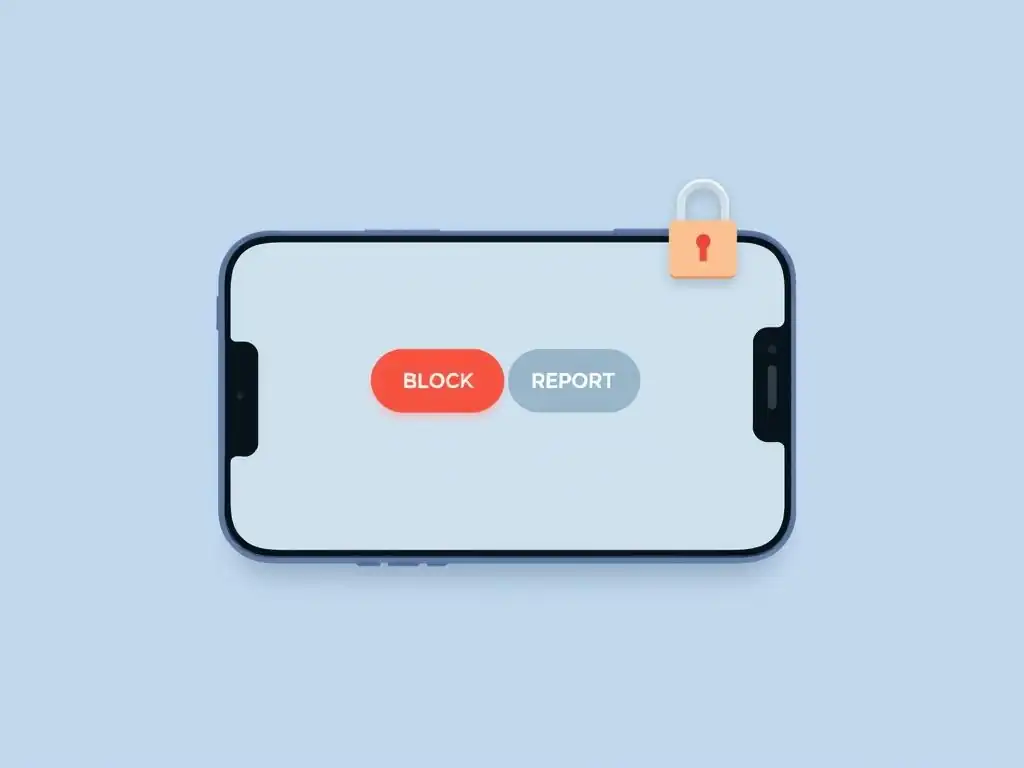
Most dating apps provide robust blocking and reporting mechanisms – crucial tools in maintaining a safe online dating experience. Understanding and utilizing these features is essential for your safety and well-being. The blocking feature allows you to prevent specific users from contacting you further. If someone makes you feel uncomfortable or unsafe, don't hesitate to block them immediately. This will prevent them from viewing your profile, sending messages, or interacting with you in any way.
Many apps also offer a reporting feature, which allows you to flag users for inappropriate behavior, such as sending offensive messages, harassment, or even suspected scams. When reporting a user, provide as much detail as possible, including screenshots of any inappropriate messages or interactions. The app's moderators will then review your report and take appropriate action, which could include suspending or banning the offending user. Remember, reporting isn't tattling; it's a vital step in protecting yourself and contributing to a safer environment for all users.
Don't be afraid to use these features; they are there to protect you. Moreover, familiarize yourself with how quickly the app typically responds to reports, as this will inform your expectations and help you to manage your safety effectively. Regularly check your blocked list and review any reported users to ensure you're maintaining a safe online space. Proactive use of these features is a significant step in mitigating risk and ensuring a positive online dating experience.
Managing Connections and Conversations: Safe Communication Strategies
Once you've made a connection with someone, remember that maintaining safe communication practices is key. Never share your personal information, such as your full address or workplace, too early in the conversation. Start by chatting within the app itself, as this offers a layer of protection and a record of your interactions. Before agreeing to meet in person, verify their identity through multiple avenues. A simple video call can often help to confirm their profile picture and build trust.
If something feels off or makes you uncomfortable, trust your instincts and end the conversation. Remember, you are under no obligation to continue communicating with anyone who makes you feel unsafe. Always meet in a public place for your first date, and inform a friend or family member about your plans, including the time, location, and the person you are meeting. Share the person's profile and contact information with your trusted contact. This allows someone to check in on you and provides a layer of additional safety.
During the conversation, pay attention to red flags, such as inconsistencies in their stories, overly aggressive or demanding behavior, or attempts to pressure you into doing something you're not comfortable with. If you notice any of these warning signs, politely end the conversation and report the user if necessary. Prioritizing your safety and well-being is paramount. Remember, building a meaningful connection takes time, so don't rush into anything you're not comfortable with. By prioritizing safe communication practices, you can significantly enhance your dating app experience and reduce the risks associated with online dating.
Recognizing and Avoiding Red Flags: Identifying Potentially Dangerous Profiles
Navigating the world of online dating requires vigilance. Many dating apps boast robust safety features, but understanding how to spot potentially dangerous profiles is crucial for your safety and well-being. Learning to identify red flags can significantly reduce your risk of encountering harmful individuals.
One common red flag is an incomplete or inconsistent profile. A profile lacking photos, biographical information, or with contradictory details should raise suspicion. Be wary of profiles that seem too good to be true – extravagant claims, unrealistic expectations, or an overly-perfect presentation can be indicators of a fabricated identity. Similarly, profiles that focus excessively on money or material possessions, or those that quickly push for offline meetings without sufficient online interaction, warrant caution.
Pay close attention to the language used; aggressive, demanding, or overly-familiar communication styles can be warning signs. Remember, trust your instincts. If something feels off, it's best to err on the side of caution and avoid further contact. You are responsible for your safety and should never feel pressured to interact with anyone who makes you feel uncomfortable.
Verifying Profiles: Tips for Identifying Authentic Users on Dating Apps
While dating apps offer various features designed to enhance safety and security, the responsibility for verifying profiles largely falls on the user. While no method guarantees absolute authenticity, several strategies can help you assess the legitimacy of profiles you encounter. Many apps offer photo verification features; look for profiles that have successfully completed this process, as it suggests a higher likelihood of authenticity. However, even verified photos don't eliminate the possibility of deception entirely.
Pay attention to the consistency of information across a profile. Does the profile's narrative align with the provided photos and other details? Inconsistencies can be a major red flag. Cross-referencing information from the profile with readily available public information, such as searching for the individual's name or profession on other platforms, can help you verify details.
Be cautious about profiles that lack personal information or those that provide only vague details. Remember, a detailed and transparent profile is more likely to be genuine. Engage in thoughtful conversations to gauge authenticity; consistent responses and a natural communication style are typically indicative of a genuine user. Ultimately, thorough verification requires a multi-faceted approach, combining careful observation with a healthy dose of skepticism.
Safe First Dates: Practical Tips for In-Person Meetings
After establishing a connection online, the next step is often an in-person meeting. While exciting, this transition requires careful planning to prioritize your safety. Always meet in a public place, preferably somewhere well-lit and populated, for your first date. Inform a trusted friend or family member about your plans, including the location, time, and the person you'll be meeting. Share the individual's profile and contact information with them as well. Avoid revealing sensitive personal information, such as your exact address or workplace, until you feel completely comfortable and have established a level of trust.
During the date, be mindful of your surroundings and maintain awareness of your personal safety. Have your own transportation to and from the date, allowing for a quick exit if needed. Trust your instincts; if at any point you feel uncomfortable or unsafe, leave the date immediately and contact your trusted friend or family member.
It's crucial to remember that your safety is paramount, and a successful date should always prioritize your well-being. Never compromise your safety for the sake of politeness or a perceived obligation to continue a date that feels wrong. Prioritizing your safety is key to a positive and secure online dating experience.
Privacy Settings Review and Updates: Regularly Checking and Adjusting your Preferences
Regularly reviewing and updating your privacy settings is crucial for maintaining your safety and privacy on dating apps. Think of these settings as a dynamic shield, constantly needing recalibration to adapt to your evolving comfort levels and the app's updates. Many apps roll out new features and adjustments to their privacy protocols, so staying informed and proactive is key to effective online dating safety. Neglecting this crucial step can leave you vulnerable to unwanted attention or even scams.
Consider setting a reminder on your calendar – perhaps once a month – to revisit your privacy settings. This allows you to make thoughtful adjustments based on your recent experiences and any changes you’ve noticed in the app's functionality or user base. For instance, if you’ve had a negative encounter with a user, you might choose to tighten your privacy controls, such as limiting the visibility of your profile to only those who have matched with you.
Furthermore, pay close attention to any notifications or updates from the dating app itself. These often include information about new privacy features or changes to existing ones. Reading these updates carefully can help you understand how to best leverage the app's tools to maximize your safety. Don't just dismiss them; take the time to understand the implications of these changes and how they might impact your privacy. Even small tweaks can make a big difference in protecting your personal information and your overall experience on the app.
Remember, your privacy settings are not static; they should evolve alongside your experience and understanding of the app. By regularly reviewing and updating them, you are actively participating in creating a safer and more comfortable online dating environment for yourself. This proactive approach is a fundamental aspect of practicing responsible online dating and prioritizing your personal safety. The effort is minimal, but the potential benefits are significant. It’s a small price to pay for peace of mind.
Enhancing Your Online Dating Safety Beyond App Features
This section delves into proactive measures you can take to bolster your online dating safety, extending beyond the built-in features of dating apps. Remember, while apps offer crucial tools, personal vigilance remains paramount in safeguarding your privacy and well-being. Effective privacy management is a multifaceted approach, demanding consistent attention and informed decision-making. This section provides practical steps to strengthen your online dating security and reduce your vulnerability to potential risks. Understanding these strategies is crucial for a safer and more positive online dating experience. Let's explore how to take control of your digital safety.
Password Security and Two-Factor Authentication: Protecting Your Account
Strong passwords are the first line of defense against unauthorized access. Avoid easily guessable passwords like birthdays or pet names. Instead, opt for complex passwords incorporating uppercase and lowercase letters, numbers, and symbols. Aim for a minimum length of 12 characters. Consider using a password manager to generate and securely store strong, unique passwords for each of your online accounts, including your dating apps. This prevents password reuse, a significant security vulnerability.
Furthermore, enabling two-factor authentication (2FA) adds an extra layer of security. 2FA typically involves receiving a code via text message or authenticator app to your phone, in addition to your password. This significantly reduces the risk of account compromise, even if your password is somehow obtained by malicious actors. Always enable 2FA whenever it's offered on your dating apps and other online accounts. It's a simple step with substantial protective benefits. Think of it as installing a high-quality lock on your digital front door.
Think of it this way: a strong password is like a sturdy door, while 2FA is a powerful deadbolt. Combining both dramatically increases the difficulty for unauthorized individuals to access your account. Don't underestimate the importance of these fundamental security practices.
Avoiding Phishing and Scams: Recognizing and Responding to Suspicious Activity
Phishing and scams are prevalent in the online dating world. Be wary of unsolicited messages or requests for personal information, especially financial details or social security numbers. Legitimate dating apps will never ask for such sensitive data through direct messages. If someone requests this information, it's a major red flag. Report such profiles immediately to the dating app administrators.
Suspicious emails or messages often contain grammatical errors, urgent pleas for money, or requests for unusual favors. They may also contain links to fake websites designed to steal your login credentials. Always double-check the sender's email address and URL before clicking any links. Hover over links to see the actual URL without clicking – this can reveal suspicious domains. If something feels off, it probably is. Trust your instincts.
Here's a table summarizing common red flags:
| Red Flag | Description | Response |
|---|---|---|
| Urgent requests for money | Requests for financial assistance, often under fabricated circumstances. | Report to the app and authorities; never send money. |
| Unusual personal requests | Requests for sensitive information like bank details or social security numbers. | Report to the app; never share sensitive information. |
| Grammatical errors | Poorly written messages with numerous spelling and grammatical mistakes. | Be suspicious; legitimate users generally write coherently. |
| Suspicious links | Links leading to unfamiliar or poorly designed websites. | Hover over links to check the URL; avoid clicking if suspicious. |
| Inconsistent profile details | Profile information that seems fabricated or contradictory. | Report to the app; proceed with caution. |
Remember, your safety is paramount. Err on the side of caution and report any suspicious activity immediately.
Secure Communication Channels: Safeguarding your private information
Once you start communicating with someone, prioritize secure channels. Avoid sharing sensitive personal information, such as your full address, workplace details, or your children's names, too early in the conversation. This information could be misused. Remember, it’s better to err on the side of caution.
While dating apps often offer in-app messaging, consider using video calls to verify the identity of your matches. This helps to build trust and helps you to avoid catfishing. Video calls provide a much more secure and reliable method of communication than text-based exchanges.
Always meet in a public place for your first date and let a friend or family member know where you are going and when you expect to be back. This precaution can significantly reduce risks associated with meeting strangers. Prioritizing your safety should always be your top priority when navigating the world of online dating. A little caution goes a long way in ensuring a positive and safe experience.
Background Checks and Verification Services: Utilizing external tools for safety
Beyond the built-in safety features of dating apps, proactive measures significantly enhance your online dating safety. Consider utilizing background check services and verification tools. These services offer varying levels of detail, from simple name and address checks to more comprehensive reports including criminal records, civil judgments, and even social media analysis. Remember, however, that these services are not foolproof and should be considered one layer of protection among many. Always exercise caution and critical thinking when evaluating the information provided.
For instance, a background check might reveal a potential match has a history of domestic violence or a pattern of fraudulent behavior. This information, while not definitive proof of future actions, can certainly inform your decision-making process and help you assess the potential risks involved in meeting someone you've only interacted with online. It's crucial to understand the limitations of these services; they don't guarantee complete safety, but they can provide valuable insights that empower you to make more informed choices.
Always compare results from multiple services if possible, as discrepancies might indicate inaccuracies or incomplete information. Remember, protecting your personal safety is paramount, and using these tools responsibly is key. Don't solely rely on these checks; always trust your instincts and proceed with caution.
The goal is to supplement, not replace, your own careful judgment. Prioritizing your well-being should always be your top priority when navigating the online dating world.
Educating Yourself on Online Safety Best Practices: Continuous Learning for Enhanced Protection
Staying safe online requires continuous learning and adaptation. The online landscape is constantly evolving, with new threats and vulnerabilities emerging regularly. To effectively protect yourself, make a commitment to ongoing education regarding online safety best practices. This includes staying informed about the latest scams, phishing techniques, and other potential dangers associated with online dating. Regularly searching for updated information on "dating app privacy safety tips" and similar keywords can greatly enhance your awareness.
Consider exploring reputable online resources, such as government websites and cybersecurity organizations, for comprehensive guides and tutorials on online safety. These resources often offer practical advice on topics like password management, secure communication techniques, and recognizing and avoiding online scams. Participation in online forums or communities dedicated to online safety can also be beneficial, allowing you to learn from the experiences of others and share your own insights.
Remember, the more knowledgeable you are, the better equipped you will be to navigate the potential risks associated with online dating and protect yourself from harm. Staying proactive and engaged in continuous learning is a critical element of enhancing your personal safety in the digital age. This proactive approach, coupled with the use of app features and external verification services, creates a robust strategy for navigating online dating safely and confidently.
Frequently Asked Questions
How can I protect my personal information on dating apps?
Use strong, unique passwords and enable two-factor authentication. Avoid sharing sensitive details like your full address or workplace until you've met someone in person and trust them completely. Always be cautious about the information you share online.
What privacy settings should I prioritize on dating apps?
Adjust your visibility settings to control who can see your profile. Limit the information you share publicly, and carefully review the app's privacy policy to understand how your data is handled. Be mindful of what information you allow the app to access from your phone.
Are dating apps safe? How can I stay safe while using them?
Dating apps can be safe if you take precautions. Never share your location with someone you've only met online, meet in public places for first dates, and always let a friend or family member know your plans. Trust your instincts – if something feels off, remove yourself from the situation.
What should I do if I encounter inappropriate behavior on a dating app?
Report any harassment or inappropriate behavior immediately to the app's support team and block the user. Save screenshots as evidence and consider contacting law enforcement if necessary. Your safety is paramount.
How can I verify the authenticity of someone's profile on a dating app?
There's no foolproof method, but you can look for verified profiles, check their social media presence (with caution), and engage in video calls before meeting in person. Be wary of profiles with limited information or inconsistent details. Trust your intuition and proceed slowly.
The pursuit of connection in the digital age shouldn't come at the cost of personal safety. Our exploration of privacy features on dating apps reveals a critical need for informed consent and proactive protection in the online dating world. The ease and accessibility of these platforms, while offering incredible opportunities for connection, also present significant vulnerabilities if users aren't equipped with the knowledge to navigate them safely.
The impact of data breaches and online harassment on individuals' sense of security is undeniable, and the dating app landscape is no exception. The constant evolution of technology necessitates a continuous learning process, demanding that we remain vigilant and informed. Privacy is not a luxury, it's a necessity.
This simple statement underscores the importance of prioritizing our digital well-being, especially in spaces designed for intimacy and vulnerability. The responsibility for creating a safer online dating experience rests not only on app developers but also on each individual user, demanding a proactive approach to privacy management.
You now possess the knowledge to take control of your digital safety. Take the time to explore the privacy settings of your chosen dating apps, understanding the implications of each choice. Don't hesitate to report suspicious behavior or questionable practices. By actively engaging with these tools and advocating for safer online spaces, you contribute to a culture where connection and safety can coexist. Let's build a future where online dating is an empowering and secure experience for everyone.
Take Control: Secure Your Online Dating Journey
Thank you for taking the time to learn about enhancing your safety on dating apps! We hope this article has empowered you to navigate the online dating world confidently. Now, let's put that knowledge into action.
- Prioritize your privacy settings: Carefully review and adjust the privacy settings on all your dating apps. This is the crucial first step towards a safer online dating experience. Take your time and experiment to find the settings that best suit your comfort level.
- Share your knowledge: Discuss online dating safety with friends and family. Help others improve their online safety by sharing this article with them.
- Join the conversation: What additional privacy features would you like to see on dating apps? Share your thoughts below!
Ready to take the next step in securing your online dating journey?