
Don't Be a Victim: Avoiding Data Theft on Dating Platforms

Ready to unlock the secrets to online dating success? At OnlineDatingSuccess.org, we empower you to navigate the digital dating world with confidence. But first, let's address a critical concern: dating app data theft. This isn't just about privacy; it's about protecting yourself and your future relationships. Discover practical strategies to prevent becoming a victim and learn how to build a safer, more rewarding online dating experience. Dive in and learn how to protect yourself – your future self will thank you.
- Understanding the Risks of Dating App Data Theft
-
Protecting Your Personal Information on Dating Apps
- Choosing Secure Dating Apps: Vetting Apps for Privacy Features
- Strengthening Your Account Security: Password Management & Two-Factor Authentication
- Limiting Information Shared on Your Profile: Protecting Your Privacy Settings
- Recognizing and Avoiding Suspicious Profiles: Identifying Potential Scammers and Data Thieves
-
Safe Online Dating Practices to Prevent Data Theft
- Being Mindful of Public Wi-Fi Usage: Avoiding Insecure Connections
- Securing Your Devices: Installing Anti-virus and Firewall Software
- Regularly Reviewing Your App Permissions: Controlling Data Access
- Reporting Suspicious Activity: Taking Action Against Data Theft Attempts
- Understanding Data Privacy Policies: Knowing Your Rights
- What to Do If Your Data is Stolen
- Frequently Asked Questions
- Final Reflection: Reclaiming Your Digital Heart: Data Safety in the Age of Dating Apps
- Secure Your Love Life: Take Control of Your Data Now!
Understanding the Risks of Dating App Data Theft
Online dating has revolutionized how we meet potential partners, offering convenience and accessibility unmatched by traditional methods. However, this digital landscape presents unique challenges, particularly concerning data privacy and security. The rise in popularity of dating apps and websites has unfortunately also led to a corresponding increase in data theft incidents, targeting users' personal information and potentially leading to significant financial and emotional distress.
This article will equip you with the knowledge and strategies to mitigate these risks, empowering you to navigate the world of online dating safely and confidently. We will explore common data breaches, the types of information targeted, and the insidious threats of phishing and malware, ultimately providing you with actionable steps to protect yourself from becoming a victim of dating app data theft.
Protecting your personal information is paramount, and understanding the potential dangers is the first step towards staying safe in the digital dating world. Remember, a secure online dating experience shouldn't compromise the exciting prospect of finding a meaningful connection.
Common Data Breaches on Dating Apps
Dating app data breaches are, sadly, more frequent than many users realize. These breaches can range from relatively small-scale incidents affecting a limited number of users to large-scale compromises exposing millions of profiles. The methods used by malicious actors vary, from exploiting vulnerabilities in the app's security infrastructure to employing sophisticated phishing techniques.
One common scenario involves hackers gaining unauthorized access to a dating app's database. This can result in the exposure of a wide range of sensitive user data, including usernames, passwords, email addresses, and even more private information like photos and location data. Another prevalent method is through the exploitation of third-party services integrated into the app.
If these services have weaknesses in their security protocols, they can become entry points for hackers to access user data indirectly. The consequences of such breaches can be severe, ranging from identity theft and financial fraud to harassment and stalking. The impact on victims' emotional well-being is also significant, often leading to feelings of violation and distrust.
It's crucial to stay informed about data breach announcements from dating apps and to take proactive measures to protect your information. The frequency of these incidents underscores the need for constant vigilance and the adoption of robust security practices.
Types of Information Stolen: Personal Data, Financial Information, and Location Data
The information stolen in dating app data breaches is often multifaceted and highly sensitive. Beyond the obvious—usernames, passwords, and email addresses—malicious actors frequently target far more compromising data.
- Personal Data: This category includes everything from full names and birthdates to addresses, phone numbers, and even detailed biographical information provided in user profiles. This information can be used for identity theft, creating fake profiles, or even for targeted harassment.
- Financial Information: While not always directly stored by dating apps, financial information can be indirectly compromised. For example, if a hacker obtains a user's email address and password, they might attempt to access linked accounts such as online banking or payment services. This highlights the interconnected nature of online security and the importance of using strong, unique passwords for every account.
- Location Data: Many dating apps utilize location services to facilitate matches and suggest nearby users. This location data, if compromised, can be used to track individuals' movements, potentially leading to stalking or physical harm. The risk is heightened when users share overly specific location details in their profiles or engage in location-based features without understanding the implications for their privacy. Understanding how apps use your location data and adjusting privacy settings accordingly is vital.
The Dangers of Phishing and Malware on Dating Sites
Phishing and malware represent significant threats to online dating users. Phishing attacks often involve deceptive emails or messages that appear to come from legitimate dating apps or individuals. These messages typically contain links to fake websites or attachments containing malware, designed to steal login credentials or other sensitive information. The emotional vulnerability inherent in online dating can make users more susceptible to these types of attacks.
Malware, on the other hand, can be downloaded unknowingly through infected links or attachments. Once installed, malware can monitor user activity, steal data, or even take control of the device. Dating apps are often targeted because they handle sensitive personal information and because users may be more likely to click on suspicious links out of excitement or curiosity. Staying vigilant about suspicious emails, messages, and links is crucial.
Always verify the authenticity of requests for personal information and avoid clicking on links from unknown sources. Regularly updating your device's software and using reputable antivirus software are essential protective measures. The combination of phishing and malware represents a potent threat, and awareness is the first line of defense.
Protecting Your Personal Information on Dating Apps

This section delves into practical strategies for safeguarding your personal data while using dating apps. The rise in popularity of online dating has unfortunately coincided with a rise in data breaches and privacy violations. Understanding the risks and implementing robust protective measures is crucial for a safe and positive online dating experience. Remember, your personal safety and security are paramount. Effective "Dating app data theft prevention" requires proactive engagement and vigilance.
Choosing Secure Dating Apps: Vetting Apps for Privacy Features
Selecting a dating app with a strong commitment to user privacy is the first line of defense against data theft. Not all apps are created equal when it comes to data security. Before signing up, thoroughly research the app's privacy policy. Look for transparency in how they collect, use, and protect your data. Pay close attention to their data encryption methods, their security protocols, and their track record regarding data breaches.
Consider these key aspects:
- Transparency in Data Handling: Does the app clearly explain what data it collects and why? Avoid apps that are vague or overly secretive about their data practices.
- Data Encryption: Does the app use end-to-end encryption to protect your communications and personal information? End-to-end encryption is a crucial security feature.
- Security Audits and Certifications: Has the app undergone independent security audits? Look for certifications from reputable security organizations, which demonstrate a commitment to data protection.
- User Reviews and Reputation: Check online reviews and forums to see what other users say about the app's security and privacy practices. Negative feedback regarding data breaches or security issues should raise significant concerns.
- Data Minimization: Does the app collect only the necessary data? Avoid apps that request excessive personal information that is not directly relevant to the dating experience.
A well-vetted app significantly reduces your risk of becoming a victim of "Dating app data theft prevention" negligence. Prioritize apps that actively demonstrate their commitment to your data security.
Strengthening Your Account Security: Password Management & Two-Factor Authentication
Even the most secure dating app can be compromised if your account security is weak. Strong passwords and two-factor authentication (2FA) are essential for bolstering your defenses.
- Password Management: Never use the same password for multiple accounts, especially across sensitive services like dating apps and banking. Use a unique, strong password for each app. Consider using a password manager to generate and securely store complex passwords. A good password should be at least 12 characters long, include uppercase and lowercase letters, numbers, and symbols. Avoid easily guessable passwords like birthdays or pet names.
- Two-Factor Authentication (2FA): Enable 2FA whenever possible. This adds an extra layer of security by requiring a second form of verification, such as a code sent to your phone or email, in addition to your password. Even if someone obtains your password, they will still need access to your phone or email to log in. This significantly reduces the risk of unauthorized access.
Implementing these measures drastically improves your "Dating app data theft prevention" strategy. Think of your passwords as the keys to your digital life – treat them with the utmost care.
Your dating profile should showcase your personality, but it shouldn't reveal sensitive information that could be used to identify or locate you. Be mindful of the information you share publicly.
- Profile Picture Selection: Avoid using photos that reveal your home address, workplace, or other identifying landmarks. Use pictures that show you in a positive light without giving away too much personal information.
- Personal Information Disclosure: Be cautious about the details you include in your profile. Avoid sharing your full name, address, workplace, phone number, or social media handles directly.
- Privacy Settings: Familiarize yourself with the app's privacy settings and adjust them to your comfort level. Limit who can see your profile, send you messages, or view your location. Many apps allow you to control the visibility of specific information.
- Location Services: Be selective about granting access to your location. Turn off location services when not actively using the app's location-based features. This prevents unwanted tracking and exposure of your whereabouts.
Remember, less is more. Sharing less personal information on your profile reduces your risk of becoming a target for malicious actors. A balanced approach between showcasing your personality and protecting your privacy is key to successful and safe online dating. This mindful approach to sharing information is crucial for effective "Dating app data theft prevention".
Recognizing and Avoiding Suspicious Profiles: Identifying Potential Scammers and Data Thieves
Dating app data theft prevention starts with recognizing and avoiding suspicious profiles. Scammers and data thieves often employ deceptive tactics to gain your trust and extract personal information. Learning to spot these red flags is crucial for protecting your data and safety. One common tactic is the use of overly generic or stock photos; a profile lacking in genuine personal details is a significant warning sign.
Be wary of profiles with inconsistent information, such as age discrepancies or contradictory statements within their bio. A profile that seems too good to be true, boasting unrealistic achievements or extravagant lifestyles, should also raise your suspicion. These profiles are often designed to lure you in with false promises.
Furthermore, pay close attention to the profile's communication style. Data thieves frequently employ rushed or overly enthusiastic messaging, attempting to quickly establish a connection and move the conversation offline. They might pressure you to share personal information prematurely or ask for financial assistance under various pretexts.
Be cautious of profiles that avoid video calls or refuse to provide additional photos; a reluctance to engage in visual verification can indicate a desire to conceal their true identity. These individuals may be using stolen photos or attempting to hide their real appearance. Remember, genuine connections take time to build; don't rush into anything.
Another key aspect of identifying suspicious profiles is observing their activity. A profile with a very short history, few connections, or limited activity might indicate a newly created account, possibly used for malicious purposes. Similarly, be wary of profiles that primarily focus on soliciting personal information or directing you to external websites. Legitimate users typically avoid such behaviors, prioritizing genuine interaction and building rapport.
Always prioritize your safety and trust your instincts; if something feels off, it probably is. Remember, your gut feeling is often a valuable tool in identifying potentially dangerous situations. By being observant and cautious, you significantly reduce your risk of becoming a victim of dating app data theft. Prioritizing your online safety allows you to enjoy the benefits of online dating while minimizing potential risks.
Safe Online Dating Practices to Prevent Data Theft
This section focuses on proactive steps you can take to minimize your risk of dating app data theft. Remember, your personal safety and data security are paramount when navigating the world of online dating. By following these practices, you significantly reduce your vulnerability to malicious actors. The goal is to be proactive, not reactive, when it comes to protecting your information. This is crucial for your peace of mind and overall online dating experience.
Being Mindful of Public Wi-Fi Usage: Avoiding Insecure Connections
Using public Wi-Fi networks while accessing dating apps presents a significant security risk. These networks are often unsecured, making your data vulnerable to interception. Think of it like this: anyone on the same network could potentially see your login details, messages, and even photos. This is a prime opportunity for data theft. To mitigate this risk:
- Use a VPN: A Virtual Private Network (VPN) encrypts your internet traffic, making it much harder for others to eavesdrop on your online activity. Think of it as a secure tunnel for your data. A VPN masks your IP address, adding an extra layer of protection.
- Avoid sensitive activities on public Wi-Fi: Refrain from logging into dating apps or sharing personal information on unsecured networks. If you must use a dating app, limit your activity to browsing profiles and avoid sending personal messages or photos.
- Look for secure networks: If you're forced to use public Wi-Fi, look for networks with "WPA2" or "WPA3" security protocols. These offer better protection than open networks. Avoid networks that ask for your email or personal information to connect.
Remember, a little caution can go a long way in preventing dating app data theft. Prioritize your security, especially when using public internet access.
Securing Your Devices: Installing Anti-virus and Firewall Software
Your smartphone or computer is the gateway to your online dating experience. Protecting these devices is crucial in preventing data theft. Strong security measures are your first line of defense against malicious software and unauthorized access. This isn't just about avoiding viruses; it's about protecting your personal data.
- Install reputable anti-virus software: Choose a well-known and trusted anti-virus program and keep it updated. This software acts as a shield, detecting and removing malicious programs that could steal your data. Regular scans are essential.
- Enable a firewall: A firewall acts as a gatekeeper, controlling the flow of information between your device and the internet. It blocks unauthorized access attempts, preventing hackers from infiltrating your system.
- Keep your software updated: Regularly update your operating system, apps, and anti-virus software. These updates often include security patches that address known vulnerabilities. Outdated software is a hacker's dream.
- Use strong passwords: This is fundamental. Use unique, strong passwords for all your accounts, including your dating apps. Consider a password manager to help you generate and securely store complex passwords.
By taking these simple steps, you significantly reduce the risk of malware infecting your device and compromising your personal information. Remember, a secure device is a secure dating experience.
Regularly Reviewing Your App Permissions: Controlling Data Access
Dating apps often request access to various aspects of your phone, including your contacts, location, and photos. It's crucial to carefully review and manage these permissions. Granting unnecessary access increases your vulnerability to data theft.
- Check app permissions regularly: Go through the permission settings for each dating app you use and revoke access to anything you don't need. If an app needs access to your contacts, for example, ask yourself why and if it's truly necessary.
- Be wary of excessive permissions: If an app requests access to an unusually large number of features, it might be a red flag. Consider whether the app's functionality genuinely requires such extensive access.
- Limit location sharing: Only share your location with people you trust and only when you feel completely comfortable. Many dating apps allow you to turn off location sharing entirely.
- Understand what data is being collected: Read the privacy policy of each dating app carefully to understand what information they collect and how they use it. This will allow you to make informed decisions about your privacy.
Regularly reviewing and managing app permissions is a proactive approach to safeguarding your personal information and preventing data theft. Being informed and in control of your data is key to a safer online dating experience. Don't be afraid to delete apps that seem overly intrusive or that you no longer use.
Reporting Suspicious Activity: Taking Action Against Data Theft Attempts
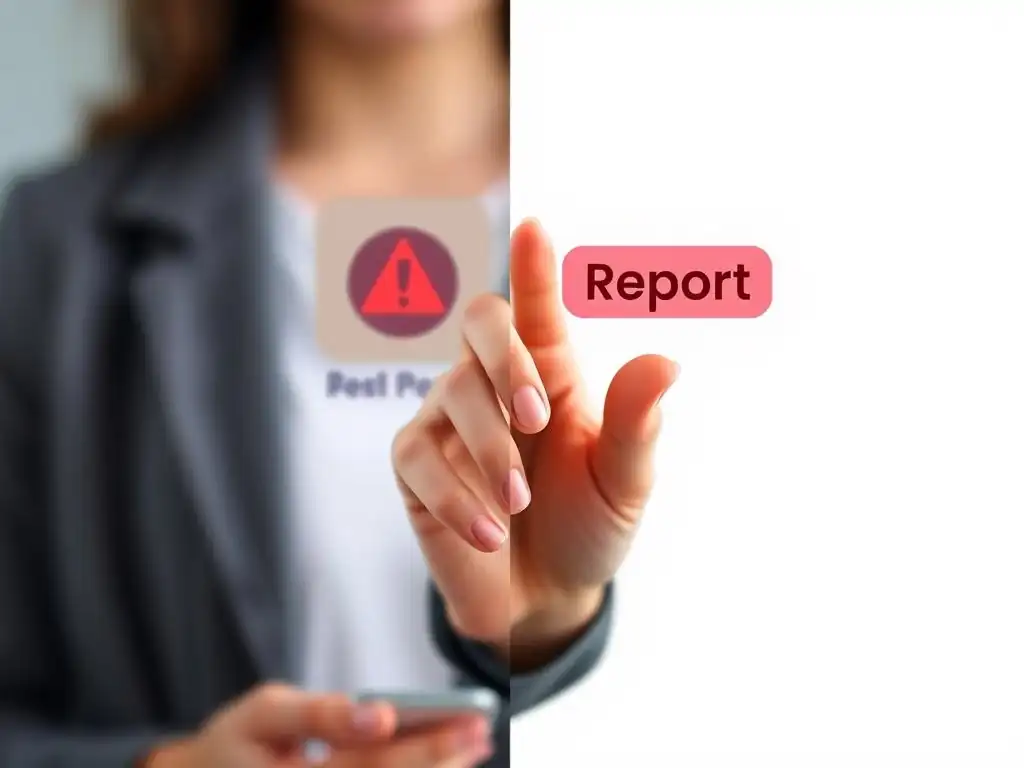
Discovering suspicious activity on a dating app or platform requires immediate action. Don't hesitate; reporting is crucial in preventing further data theft and protecting yourself and others. Most reputable dating apps have robust reporting mechanisms in place. These usually involve a dedicated section within the app's settings or a direct link to a customer support email address. When reporting, be as detailed as possible.
Include screenshots, timestamps, and any identifying information about the suspicious user or activity. For example, if you receive unsolicited messages containing phishing links or requests for personal information, report these immediately. Similarly, report any accounts that seem fake or impersonate others. Thoroughly documenting the suspicious activity will aid the app's investigation team and help them take appropriate measures, potentially preventing other users from becoming victims.
Remember to also change your passwords and security questions after reporting any suspicious activity. Proactive measures like this can significantly limit the damage caused by a security breach. Following these steps demonstrates responsible online behavior and contributes to a safer online dating environment for everyone. Even seemingly minor incidents should be reported; collective reporting helps dating platforms identify and address systemic vulnerabilities.
Understanding Data Privacy Policies: Knowing Your Rights
Before diving into the world of online dating, it's vital to understand the data privacy policies of each platform you use. These policies outline how your personal information is collected, used, shared, and protected. Take the time to read them carefully; don't just click "agree" without understanding the implications. Look for details on data encryption, security measures, and the platform's commitment to user privacy.
Pay close attention to sections detailing what information is collected (e.g., location data, browsing history, contact information), how it is used (e.g., targeted advertising, profile matching), and with whom it might be shared (e.g., third-party service providers, law enforcement). Many platforms offer options to control the level of data sharing. For example, you might be able to limit location sharing or opt out of targeted advertising. Understanding these settings allows you to customize your privacy preferences and minimize your digital footprint.
If you are unsure about any aspect of a platform's privacy policy, don't hesitate to contact their customer support team for clarification. Remember, your data is valuable, and knowing your rights is the first step in protecting it. By actively engaging with privacy policies, you take control of your online safety and contribute to a more responsible dating app ecosystem. This careful approach is key to preventing dating app data theft.
What to Do If Your Data is Stolen
Discovering your data has been stolen from a dating app can be incredibly upsetting and stressful. It's crucial to act swiftly and decisively to minimize the potential damage. This section outlines the immediate steps you should take, strategies to mitigate the harm, and resources available to support you through this difficult experience. Remember, proactive measures are key in preventing further exploitation and protecting your identity. Effective dating app data theft prevention starts with knowing what to do after a breach.
Immediate Actions After a Data Breach: Securing Your Accounts and Reporting the Theft
The first 24-48 hours after discovering a data breach are critical. Your immediate actions can significantly impact the extent of the damage. Here's a breakdown of the steps you should take:
- Change your passwords immediately. This includes not only your dating app password but also passwords for any other accounts that might use the same or similar credentials. Use strong, unique passwords for each account. Consider a password manager to help you generate and securely store complex passwords.
- Enable two-factor authentication (2FA) wherever possible. 2FA adds an extra layer of security, making it much harder for hackers to access your accounts even if they have your password.
- Review your account activity. Check for any unauthorized logins, messages, or changes to your profile. Dating app data theft often involves more than just basic information; hackers may attempt to access your payment methods or personal contacts.
- Report the theft to the dating app. Most reputable dating apps have procedures for reporting data breaches. Contact their customer support immediately and provide them with all relevant information.
- Report the theft to the police. File a police report to document the crime and potentially initiate an investigation. This is crucial, especially if financial information or sensitive personal details have been compromised.
- Notify your bank and credit card companies. If you suspect your financial information may have been compromised, immediately contact your bank and credit card companies to report the potential fraud and place fraud alerts on your accounts. This can prevent unauthorized transactions.
| Action | Importance | Time Sensitivity |
|---|---|---|
| Change Passwords | Prevents further unauthorized access to your accounts. | Immediate |
| Enable 2FA | Adds an extra layer of security to protect your accounts. | Immediate |
| Review Account Activity | Identifies the extent of the breach and potential unauthorized actions. | Within 24 hours |
| Report to Dating App | Allows the app to take action and potentially prevent further breaches. | Within 24 hours |
| Report to Police | Documents the crime and may lead to an investigation. | Within 72 hours |
| Notify Bank/Credit Cards | Prevents unauthorized financial transactions and protects your finances. | Immediate |
Steps to Take to Mitigate the Damage: Credit Monitoring and Identity Protection
Even after taking immediate action, there's still a risk of long-term consequences from dating app data theft. Proactive steps to mitigate the damage include:
- Place a fraud alert on your credit reports. This alerts creditors to be cautious before opening new accounts in your name. You can place a fraud alert with each of the three major credit bureaus (Equifax, Experian, and TransUnion).
- Consider a credit freeze. A credit freeze prevents anyone from accessing your credit reports without your explicit permission, making it nearly impossible for identity thieves to open new accounts.
- Monitor your credit reports regularly. Check your credit reports from all three major credit bureaus frequently for any unauthorized activity. Many credit monitoring services offer free access to your credit reports.
- Review your bank and credit card statements meticulously. Look for any unauthorized transactions and report them immediately.
- Be vigilant about phishing scams. Hackers may attempt to contact you directly, posing as representatives of the dating app or other organizations, to try and obtain more information. Never click on suspicious links or provide personal information over email or phone unless you are absolutely certain of the source's legitimacy.
Resources for Data Breach Victims: Help and Support Organizations
Dealing with a data breach can be overwhelming. Several organizations offer support and resources to victims:
- The Federal Trade Commission (FTC): The FTC provides valuable information and resources on identity theft and data breaches. They offer guidance on how to protect yourself and report incidents.
- IdentityTheft.gov: This website is a centralized resource for reporting identity theft and obtaining assistance. It provides a step-by-step guide to help you navigate the process of recovering from identity theft.
- Your state's attorney general's office: Many state attorney general's offices have dedicated units that focus on consumer protection and identity theft. They can provide additional support and resources specific to your state.
Remember, you are not alone. Seeking help from these organizations and following the steps outlined above can significantly improve your chances of mitigating the damage and recovering from a data breach. Protecting your personal information is an ongoing process, and vigilance is key in navigating the complexities of online dating.
Frequently Asked Questions
What is the biggest risk of data theft on dating apps?
The biggest risk is phishing scams and malware, often disguised as legitimate dating profiles or links. These can steal your personal information, including passwords and financial details.
How can I protect my personal information on dating apps?
Use strong, unique passwords for each app. Enable two-factor authentication whenever possible, and be wary of clicking on unverified links or downloading attachments.
Are dating apps themselves secure?
While major dating apps invest in security, no system is impenetrable. User behavior is a major factor; be cautious about what information you share and with whom.
What should I do if I suspect my data has been stolen?
Immediately change your passwords on all affected accounts. Report the incident to the dating app and the authorities. Monitor your bank accounts and credit reports closely.
Can I prevent data theft completely?
While complete prevention is impossible, you can drastically reduce your risk by following safe online practices, being vigilant about suspicious activity, and carefully managing your personal information online.
Final Reflection: Reclaiming Your Digital Heart: Data Safety in the Age of Dating Apps
The ease and convenience of online dating mask a stark reality: our personal data is vulnerable. Millions navigate the digital landscape of romance, often unaware of the lurking threats to their privacy and security. This vulnerability isn't just a technical issue; it's a fundamental challenge to the authenticity and trust we seek in relationships, both online and offline.
The pervasive nature of data breaches on dating platforms underscores the urgent need for proactive measures. We've explored various strategies, from strong passwords and multi-factor authentication to critical evaluation of app permissions and mindful sharing of personal information. The impact of data theft extends far beyond financial loss; it can erode trust, damage reputations, and even compromise personal safety. Privacy is not a luxury, but a necessity in a world increasingly reliant on technology.
This sentiment rings truer than ever in the context of online dating, where emotional vulnerability often intersects with digital exposure.
Now, consider your own digital footprint. What steps are you taking to protect your personal information on dating apps and other online platforms? Take control of your data; don't let it control you. By actively engaging in safe online practices, you are not only safeguarding your personal information but also fostering a more secure and trustworthy online dating environment for everyone. Let's build a digital landscape where romance thrives alongside responsible data management.
Secure Your Love Life: Take Control of Your Data Now!
Thank you for learning about protecting your data on dating platforms. We hope you gained valuable insights into safeguarding your personal information and creating a safer online dating experience. Now it's time to act!
- Immediately review your privacy settings on all your dating profiles. This crucial step will help you control what information is publicly visible. Adjust your settings to share only what you're comfortable with.
- Share this article with friends and family who also use online dating. Let's spread the word about online safety together!
- Enhance your online security by using a password manager and enabling two-factor authentication wherever possible. These extra steps significantly improve your protection.
Ready to take charge of your online safety? What's the first privacy setting you'll adjust?