
Is Your Dating Profile Public? Understanding Privacy Settings

Ready to unlock the secrets to a successful online dating experience? At OnlineDatingSuccess.org, we're dedicated to helping you navigate the world of online romance with confidence. But before you dive in, consider this: is your dating profile truly private? Learn how to master online dating profile privacy settings and take control of your online safety and experience. Discover the crucial steps to protect yourself while still attracting the right matches – read on to uncover the truth!
- Understanding Online Dating Profile Privacy: A Crucial First Step
- Common Online Dating Apps and Their Privacy Features
- Beyond Basic Settings: Advanced Privacy Tips for Online Daters
- The Impact of Privacy Settings on Your Dating Success
- Online Dating Profile Privacy: Frequently Asked Questions (FAQs)
- Frequently Asked Questions
- Final Reflection: Reclaiming Control in the Digital Dating Landscape
- Unlock Your Dating Profile's Full Potential!
Understanding Online Dating Profile Privacy: A Crucial First Step
Navigating the world of online dating requires more than just a captivating profile picture and a witty bio. Protecting your personal information and ensuring your online safety is paramount. This article delves into the critical aspect of online dating profile privacy settings, guiding you through understanding what information is publicly visible, how to control your visibility, and ultimately, how to enhance your safety while searching for meaningful connections.
Many dating apps and websites offer a range of privacy settings, but understanding and effectively utilizing them is often overlooked. Failing to properly configure these settings can expose you to unwanted attention, scams, or even more serious security risks. This guide will empower you to take control of your online dating experience, ensuring a safer and more positive journey towards finding your match.
We'll explore the nuances of different privacy features across various platforms, providing practical advice to help you create a secure and effective dating profile. Mastering your profile’s privacy settings is not merely a technical exercise; it's a crucial step in protecting your well-being and fostering a positive online dating experience.
What Information is Visible on Your Profile?
Understanding what information is visible to others on your dating profile is the first step towards securing your privacy. Different platforms display varying levels of information by default. Some might prominently display your age, location (sometimes down to your exact address! ), occupation, and even your full name.
Others might allow you to selectively choose what aspects of your profile are visible to others. It's crucial to meticulously review each setting, paying close attention to what information you are willingly sharing. For example, many apps allow you to share photos, but it's important to consider which photos you choose to upload, as some might inadvertently reveal more personal information than you intend.
A seemingly innocuous photo could show the street name on your house or reveal details about your workplace. Think carefully about the information you share in your bio as well—avoid mentioning easily verifiable details like your place of work or your children's names and schools. Remember, even seemingly insignificant pieces of information can be pieced together to build a complete picture of your life, potentially compromising your safety and privacy.
Consider this example: A profile that shows a photo taken at a local landmark, combined with an occupation and age, could potentially give someone enough information to find you in real life. This highlights the need for careful consideration of what details you reveal publicly. The more information you share, the greater the potential risk. Always prioritize your safety and privacy when crafting your online dating profile. A balance between attracting potential matches and protecting your personal information is key.
Controlling Your Profile's Visibility: A Step-by-Step Guide
Taking control of your profile’s visibility involves actively managing the privacy settings offered by your chosen dating app or website. This is not a one-time task; you should periodically review and update these settings to ensure they remain aligned with your comfort level and privacy needs. Most platforms offer a dedicated section in their settings or preferences where you can customize your profile’s visibility. This typically includes options to control who can see your profile, who can message you, and what information is displayed publicly.
Here's a general step-by-step guide (note that the exact steps may vary depending on the platform):
- Access Settings: Locate the "Settings," "Privacy," or "Account" section within the app or website.
- Profile Visibility: Adjust settings related to who can view your profile. Options often include "Everyone," "People I've Liked," or "Only Matches."
- Messaging Controls: Determine who can send you messages. Restricting this to only those you've already interacted with or matched with can significantly reduce unwanted contact.
- Location Sharing: Carefully review and adjust location sharing settings. Consider disabling precise location sharing and opting for a broader geographic area instead.
- Photo Privacy: Control who can see your photos. You might choose to only show photos to users you've matched with.
- Information Sharing: Review what information is displayed on your profile and selectively disable the display of details you’re uncomfortable sharing.
The Importance of Privacy Settings for Online Dating Safety
Prioritizing your privacy settings is not just about protecting your personal information; it's a crucial step in ensuring your online dating safety. By carefully managing your profile’s visibility, you significantly reduce your risk of encountering unwanted attention, harassment, or even scams. Many online dating scams rely on readily available personal information to target victims. By limiting the information available to strangers, you make yourself a less appealing target.
Furthermore, strong privacy settings can contribute to a more positive and respectful online dating experience. When you control who can contact you and what information they can see, you create a safer space for genuine connections to form. Regularly reviewing and updating your privacy settings is an ongoing process, reflecting the evolving nature of online interactions and potential risks.
Staying vigilant and informed is key to a safe and successful online dating journey. Remember, your safety and well-being are paramount. Don't hesitate to err on the side of caution when it comes to sharing personal information online.
Common Online Dating Apps and Their Privacy Features
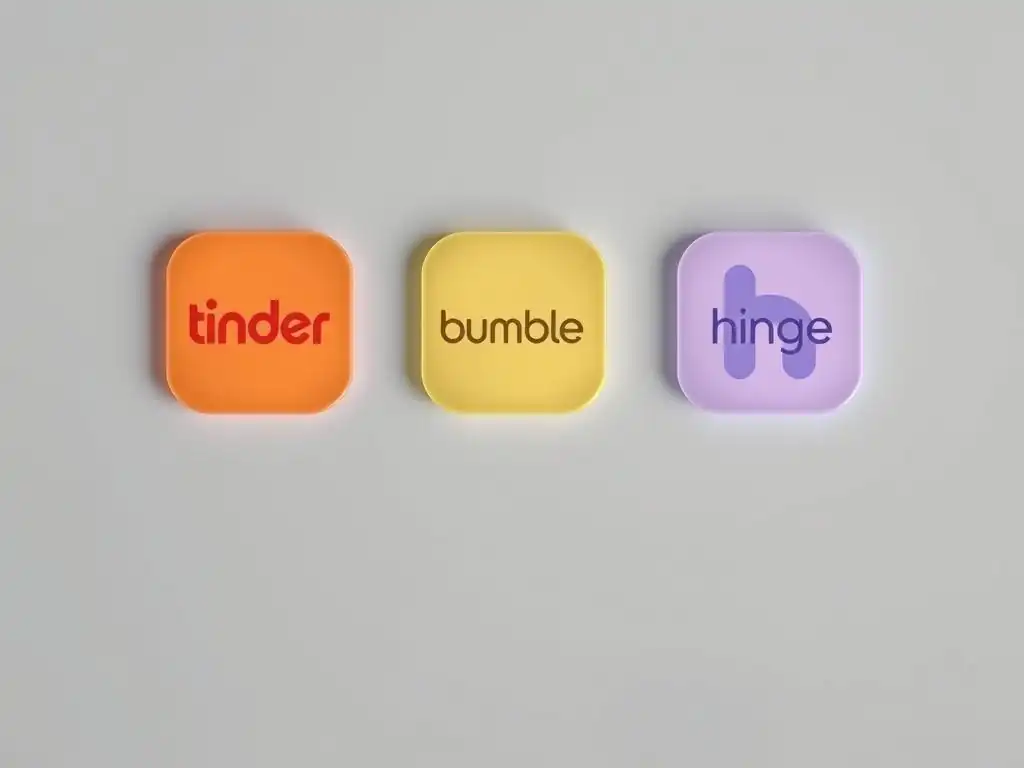
This section delves into the privacy settings offered by some of the most popular online dating apps. Understanding these settings is crucial for managing your online presence and protecting your personal information. Many users underestimate the importance of carefully configuring these options, leading to potential risks. This detailed look at Tinder, Bumble, and Hinge will help you take control of your online dating profile privacy. Mastering these settings is key to a safer and more positive online dating experience. Remember, your safety and comfort are paramount.
Tinder, known for its swipe-based interface, offers a range of privacy settings, though they can be somewhat hidden. Understanding these controls is vital for managing who sees your profile and how you interact. Let's break down the key areas:
- Profile Visibility: Tinder allows you to control who can see your profile. While you can't completely make your profile invisible, you can limit visibility to users within a certain distance, age range, and gender. This significantly reduces the pool of potential matches, offering a layer of increased privacy. Optimizing these parameters is a proactive step in managing your online dating profile privacy settings.
- Distance Setting: The distance setting dictates the maximum radius from your location within which potential matches will be shown your profile. Setting this to a smaller radius reduces the number of potential viewers of your profile, providing a degree of anonymity.
- Age Range: Similarly, setting a narrow age range limits the visibility of your profile to a smaller, more specific group. This is a useful tool for those seeking a more controlled online dating experience.
- Show Me on Tinder: This setting controls whether you appear in the "Discover" section of the app. Turning this off means you won't appear in the cards of other users, essentially making your profile invisible to those who aren't already connected to you. This is a powerful tool to control your online dating profile privacy settings.
- Blocking Users: Tinder allows you to block specific users, preventing them from seeing your profile or contacting you. This is a crucial safety feature to utilize if you experience any unwanted attention or harassment. Regularly reviewing your blocked users list is a good practice for managing your online safety.
- Reporting: The reporting feature enables you to flag inappropriate behavior or profiles, contributing to a safer community. Using this feature responsibly is crucial for maintaining a positive environment for everyone.
Bumble: Understanding Profile Visibility Options
Bumble, known for its female-first approach, provides users with a selection of options to manage their profile's visibility. These settings are generally easier to find and understand than some competitors.
- Matching Preferences: Bumble allows you to specify your preferred age range, distance, and gender preferences for matches. These preferences directly affect your profile's visibility, ensuring you only connect with users who meet your criteria. This is a fundamental aspect of managing your online dating profile privacy settings on Bumble.
- Travel Mode: This feature allows you to temporarily make your profile visible in a different location. While seemingly unrelated to privacy, it impacts your visibility by expanding or contracting the pool of potential matches. Consider carefully whether this setting aligns with your privacy goals.
- Visibility Settings: Bumble offers clear controls for your profile's overall visibility. You can choose to show your profile only to those who have already liked you, giving you greater control over who sees your information. This "Beeline" feature provides a more controlled and safer dating experience.
- Blocking and Reporting: Similar to Tinder, Bumble provides robust blocking and reporting features to ensure user safety. These are essential tools for managing your online dating profile privacy settings and ensuring a positive experience.
Hinge: Managing Your Privacy Preferences
Hinge, which focuses on fostering meaningful connections, offers a nuanced approach to privacy settings. It emphasizes a more curated experience, which intrinsically impacts visibility.
- Profile Visibility: Hinge's profile visibility settings are integrated with its matching algorithm. While it doesn't offer the same granular controls as Tinder or Bumble, its design inherently limits visibility to users who meet your criteria and who you've shown interest in. This contributes to a more controlled and privacy-focused experience.
- Matching Preferences: As with other apps, Hinge allows you to define your preferred age range, distance, and gender preferences. This directly influences who can see your profile and with whom you can connect. These preferences are crucial for managing your online dating profile privacy settings.
- Privacy Controls: Hinge provides options to control who can see your profile and contact you, offering a degree of customization. These settings may not be as explicitly labeled as on other platforms, but understanding the app's matching algorithm will help you manage your visibility effectively. This more subtle approach to privacy settings requires a more careful understanding of the app’s functionality.
- Data Controls: Hinge provides detailed information about the data it collects and how it's used. Reviewing this information is essential for informed consent and managing your privacy preferences. Understanding the data they collect and how it is used is a crucial aspect of managing your online dating profile privacy settings.
Remember, regularly reviewing and adjusting your privacy settings on all dating apps is a continuous process. Staying informed about app updates and changes to privacy policies is essential for maintaining control of your online presence and protecting your personal information. Prioritizing your online safety is key to a successful and positive online dating experience.
Beyond Basic Settings: Advanced Privacy Tips for Online Daters
This section delves into online dating profile privacy settings beyond the readily available options, offering advanced strategies to safeguard your personal information and enhance your online dating experience. Many users only scratch the surface of privacy settings; understanding the nuances is crucial for a safer and more effective online dating journey. Mastering these advanced techniques will significantly reduce your vulnerability to scams and unwanted attention, allowing you to focus on building genuine connections.
Protecting Your Personal Information: Best Practices
Protecting your personal information on dating apps requires a multi-layered approach. Simply relying on the app's default settings is insufficient. Consider these best practices:
- Avoid Over-Sharing: Refrain from including overtly personal details like your full address, workplace address, exact birthdate, or children's names in your profile or initial messages. These details can be used for identity theft or stalking. Vague descriptions are preferable; instead of "I work at Acme Corp downtown," try "I work in the city center."
- Reverse Image Search: Before meeting someone in person, perform a reverse image search of their profile pictures using Google Images or TinEye. This can help identify if their photos are stolen or used on other profiles, indicating potential scams.
- Use a Separate Email Address: Create a dedicated email account specifically for online dating. This isolates your personal inbox from potential spam, unwanted communications, and security risks associated with dating platforms.
- Regularly Review Your Privacy Settings: Dating apps frequently update their privacy policies and settings. Regularly review and adjust your preferences to ensure your information remains protected. Opt-out of unnecessary data collection whenever possible.
- Be Wary of Phishing Attempts: Be cautious of suspicious emails or messages requesting personal information or login details. Legitimate dating platforms will never ask for such information via email.
- Strong Passwords are Key: Utilize strong, unique passwords for all your dating app accounts. Consider using a password manager to generate and securely store complex passwords. Avoid reusing passwords across multiple platforms.
Managing Location Data and Privacy on Dating Apps
Location data is a significant privacy concern in online dating. Many apps use location services to match users based on proximity. However, over-sharing this information can compromise your safety.
| Feature | Privacy Implications | Mitigation Strategies |
|---|---|---|
| Location Sharing | Reveals your real-time location to other users, increasing vulnerability to stalking. | Disable location services when not actively using the app; use the app's radius settings. |
| Check-in Features | Publicly displays your location history, potentially exposing your routine and habits. | Avoid using check-in features or public location sharing functionalities. |
| Distance Filters | Allows users to filter matches based on proximity, but this also reveals your general area. | Use broader distance filters or consider apps with less precise location-based matching. |
Remember, limiting the access of dating apps to your location data minimizes the risk of unwanted attention or stalking.
Avoiding Profile Scams and Protecting Your Identity
Online dating scams are prevalent. Protecting your identity requires vigilance and awareness.
- Verify Profiles: Be skeptical of profiles with limited information, blurry photos, or inconsistencies in their descriptions. Cross-reference details with other online sources if possible.
- Avoid Financial Transactions: Never send money or provide financial information to someone you've met online before meeting them in person and establishing trust. Legitimate relationships don't involve unsolicited financial requests.
- Report Suspicious Activity: Immediately report any suspicious profiles or activity to the dating app's support team. This helps protect other users and contributes to a safer online dating environment.
- Meet in Public Places: Always meet for the first time in a well-lit, public place. Inform a friend or family member of your plans, including the time, location, and the person's name and profile information.
- Trust Your Instincts: If something feels wrong or off about a person or interaction, it likely is. Don't hesitate to end communication if you feel uncomfortable.
By implementing these advanced privacy measures, you can significantly reduce your risks while enjoying the benefits of online dating. Remember, online safety is an ongoing process, requiring continuous vigilance and adaptation to evolving threats. Prioritizing your privacy enhances your overall online dating experience, allowing you to focus on building genuine connections.
The Impact of Privacy Settings on Your Dating Success
Understanding and effectively managing your online dating profile privacy settings is crucial, not just for your safety and security, but also for your success in finding a meaningful connection. Many underestimate the role privacy plays in attracting the right kind of attention. A poorly configured profile can attract unwanted advances, decrease genuine engagement, and even compromise your personal information.
Conversely, a profile with well-defined privacy settings can significantly enhance your dating experience by filtering out unsuitable matches and attracting individuals who value respect and discretion. This, in turn, improves the quality of interactions and increases your chances of building a genuine connection. Think of your privacy settings as a carefully curated gatekeeper, letting in only those who align with your values and expectations.
Attracting Genuine Connections Through Smart Privacy
Smart privacy settings aren't about hiding; they're about selectivity. By carefully choosing what information you share and who can see it, you attract individuals who appreciate boundaries and respect your personal space. This fosters a more authentic connection from the outset.
For example, limiting who can see your photos, or choosing to display only a limited number of images, prevents unwanted attention from those primarily interested in superficial aspects. Similarly, controlling who can see your personal information, like your workplace or exact location, adds a layer of security and helps to filter out individuals who may be overly aggressive or lack respect for personal boundaries. Think about it: someone who respects your need for privacy is more likely to respect you as a person.
This approach significantly increases your chances of finding genuine connections based on shared values and mutual respect, rather than fleeting interest. Consider carefully what information is truly essential for potential matches to know about you, and keep the rest private. This demonstrates self-awareness and confidence, traits highly valued in dating.
Balancing Privacy with Profile Visibility for Optimal Results
The key to successful online dating with strong privacy is finding the right balance between visibility and protection. You want your profile to be seen by the right people, but not everyone. This balance is achieved through strategic use of the privacy features offered by most dating apps.
Too much privacy can make you seem unapproachable or mysterious, potentially hindering potential matches from connecting with you. Conversely, too little privacy can expose you to unwanted attention and even security risks. The sweet spot lies in strategically revealing information to attract genuine interest while maintaining a level of privacy to ensure safety and attract compatible partners.
For instance, making your profile visible only to those within a specific age range, location, or those who meet certain criteria can drastically improve the quality of your matches. This targeted approach ensures that your profile is seen by individuals most likely to be genuinely interested in getting to know you. This strategic approach transforms privacy from a constraint into a powerful tool for attracting the right kind of attention.
Reviewing and Updating Your Privacy Settings Regularly
Regularly reviewing and updating your online dating profile privacy settings is not a one-time task; it's an ongoing process. Dating apps frequently update their features and privacy policies, and your personal circumstances might change. It's essential to stay informed and adapt your settings accordingly. Take some time each month, or even every few weeks, to revisit your privacy settings and ensure they still align with your comfort level and dating goals.
Are there any new features you can utilize to enhance your privacy? Have your preferences changed? Are there any new risks you need to be aware of? Proactive management of your privacy is a crucial aspect of responsible online dating and contributes to a safer and more successful experience.
Think of it as an ongoing maintenance check-up for your digital safety and well-being. Remember, your safety and peace of mind are paramount in the world of online dating. By proactively managing your privacy settings, you're taking control of your online dating journey and paving the way for a more positive and rewarding experience.
Online Dating Profile Privacy: Frequently Asked Questions (FAQs)
This section addresses common concerns about privacy settings on online dating platforms. Understanding and effectively managing your privacy is crucial for a safe and positive online dating experience. We'll explore frequently asked questions to help you navigate the complexities of online dating profile privacy settings.
What Happens if I Make My Profile Completely Private?
Making your dating profile completely private varies significantly depending on the specific platform. Some apps allow for near-total privacy, obscuring your profile from all users unless you initiate contact. Others may still display limited information, such as your age range or general location, even with maximum privacy settings enabled. Think of it like this: even with a "private" profile, you're still a presence on the platform's system – it's just a question of how much of your personal information is visible.
For example, on some apps, setting your profile to completely private might mean only users you've already matched with can see your photos and detailed information. However, your profile might still appear in search results but with minimal details, potentially showing only your username and age range. Other apps might allow you to completely remove your profile from searches entirely, essentially making you invisible to other users until you actively search for and contact them.
It's crucial to carefully review the privacy settings of each dating app you use. The level of privacy offered can differ dramatically, and understanding these nuances is key to controlling your online dating profile privacy settings. Always check the app's help section or FAQ for specific details about how their privacy features work. Don't rely on assumptions; read the fine print! This proactive approach will help ensure your online safety and manage your expectations about profile visibility.
Can I Still Match with People if I Have Strict Privacy Settings?
Yes, you can still match with people even with strict privacy settings, but the likelihood and nature of those matches will change. The impact depends heavily on the specific app's matching algorithm and your chosen privacy settings.
With stricter privacy, the app's algorithm may limit the pool of potential matches. For example, if you've hidden your location, the app might only show you profiles within a much smaller radius, potentially reducing your chances of matching with someone geographically distant. Similarly, hiding your age or other key details might filter you out of searches by users looking for specific characteristics.
However, many apps use sophisticated algorithms that prioritize mutual interest and preferences over readily-available profile information. If someone has similar interests to yours, the app may still suggest your profile, even if some of your profile details are hidden. It's a trade-off: increased privacy may mean fewer potential matches, but it also significantly reduces the risk of unwanted attention and potentially unsafe interactions. The key is to find a balance between privacy and the desire to connect with others.
How Do I Report a Privacy Violation on a Dating App?
Reporting a privacy violation varies greatly between dating apps, but the process generally involves similar steps. First, carefully document the violation. This includes screenshots of the offending content or interactions, the date and time of the incident, and the user's profile information (if possible, without directly compromising your own safety).
Most dating apps have a built-in reporting system, usually accessible through the user's profile or through a dedicated help or support section. Look for options such as "Report," "Block," or "Flag." The reporting form will typically ask for details about the violation and any evidence you've collected. Be clear, concise, and factual in your report.
If the app's internal reporting system doesn't resolve the issue or you're unsatisfied with their response, consider contacting the app's customer support directly. If the privacy violation involves illegal activity (such as harassment or doxxing), you should report it to the appropriate law enforcement authorities. Remember to save all communication records with the app's support team and law enforcement, as they may be useful in any further investigation. Prioritizing your safety and well-being is paramount. Don't hesitate to seek assistance if you've experienced a privacy violation.
Frequently Asked Questions
Can anyone see my online dating profile?
No, not necessarily. Most dating sites allow you to adjust your privacy settings. You can choose who can see your profile, send messages, and view your photos.
How do I control who sees my profile pictures?
The specific options vary by dating platform, but most offer choices like "everyone," "matched users only," or "selected contacts." Review your profile's settings menu to adjust these options.
What information is visible even with strict privacy settings?
Even with the strictest settings, your username and possibly a profile picture preview might be visible to other users. Always consider this when choosing your username and profile picture.
Are my location details always private?
Many dating sites use GPS location data, which may be visible to certain users, depending on your settings. Check your location sharing preferences and carefully review the platform's privacy policy.
How can I improve my online dating profile's privacy?
Regularly review and adjust your privacy settings on your chosen dating platform. Be mindful of the information you share in your profile and avoid overly personal details. Read the platform's privacy policy to fully understand data usage.
Final Reflection: Reclaiming Control in the Digital Dating Landscape
The ease with which our personal information is shared online, especially within dating apps, demands a critical examination of privacy settings. It's no longer enough to simply create a profile; we must actively curate our digital presence to protect our safety and well-being. The consequences of neglecting online privacy can be far-reaching and deeply personal.
The impact of readily available personal data on the dating experience is profound. It shapes not only how we present ourselves but also how others perceive and interact with us. The potential for misuse, from unwanted contact to identity theft, is a very real threat. Privacy is not a gift; it's a right.
This simple statement underscores the importance of taking control of our digital footprint and actively shaping our online narratives. We need to move beyond passive acceptance of default settings and embrace a proactive approach to safeguarding our personal information.
Consider the information you share, the images you post, and the level of access you grant to others. Take the time to understand the privacy settings of each platform you use. You deserve to feel safe and secure while navigating the world of online dating. Don't let the convenience of readily available tools overshadow the importance of protecting your privacy. Make informed choices, and remember that your digital well-being is a reflection of your self-respect.
Unlock Your Dating Profile's Full Potential!
Thank you for learning about online dating privacy. You've gained valuable knowledge to protect your safety and enhance your online dating experience. Ready to use this knowledge?
- Optimize your privacy settings immediately: Take control of your visibility and connect only with people you choose. This is crucial!
- Share this article: Help a friend improve their online safety and navigate online dating with confidence.
- Join our community forum: Discuss your experiences, ask questions, and help create a safer and more successful online dating environment.
What's the first privacy setting you'll adjust to improve your dating profile?