
The Key to Safe Online Dating: Understanding Your Privacy Rights

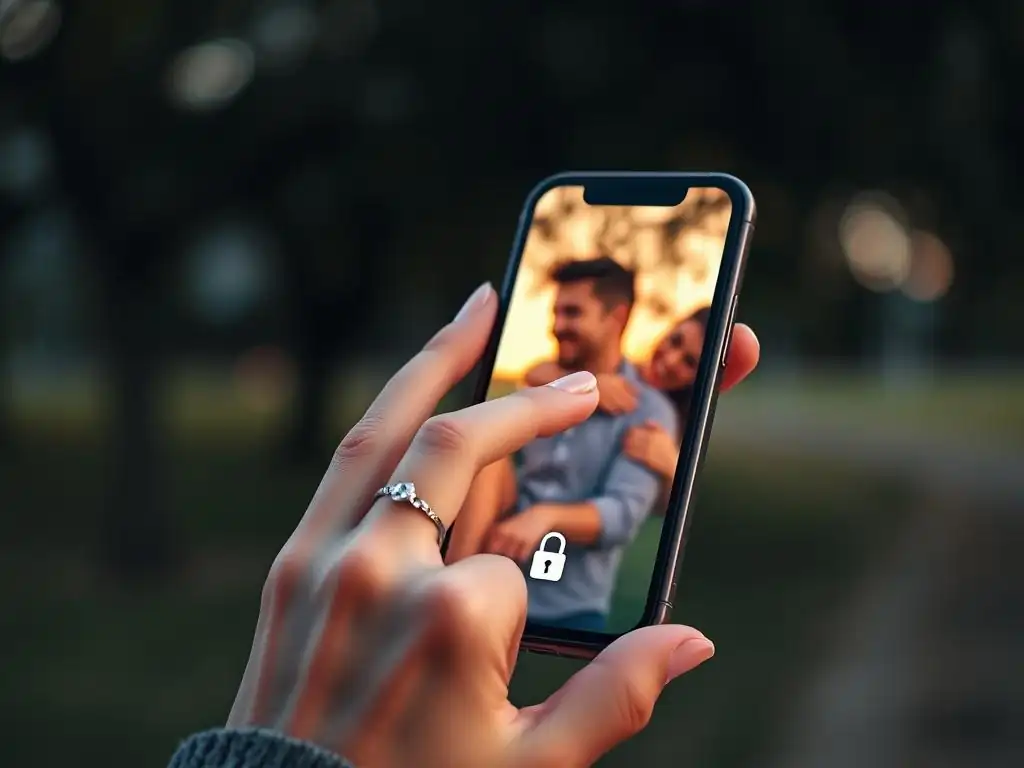
Dive into the world of online dating with confidence! At OnlineDatingSuccess.org, we empower you to navigate the digital dating scene with ease and security. Are you aware of your online dating privacy rights and safety? Discover crucial strategies to create a compelling profile, communicate effectively, and most importantly, protect yourself while searching for meaningful connections. This is your starting point to a safer and more successful online dating experience – let's get started!
- Understanding Your Online Dating Privacy Rights and Safety
- Minimizing Your Online Dating Privacy Risks
- Legal Recourse for Privacy Violations in Online Dating
- Maintaining Privacy While Building Meaningful Connections
-
Frequently Asked Questions
- What personal information should I avoid sharing on online dating sites?
- How can I verify the profiles of people I meet online?
- What are my rights regarding the use of my personal data by dating sites?
- What steps can I take to protect myself from scams or harassment on dating apps?
- What should I do if I experience online dating harassment or a privacy breach?
- Final Reflection: Protecting Your Heart and Your Data in the Digital Age
- Unlock Your Dating Confidence: Take Control of Your Online Privacy
Understanding Your Online Dating Privacy Rights and Safety
Navigating the exciting yet complex world of online dating requires more than just a captivating profile picture and witty opening lines. It demands a keen awareness of your online privacy and the safety of your personal information. This article delves into the crucial aspects of online dating privacy rights and safety, empowering you to make informed decisions and protect yourself in the digital dating sphere.
We'll explore how dating apps collect and utilize your data, and most importantly, what rights you possess to control your information and ensure your online safety while searching for meaningful connections. Understanding these rights is the cornerstone of a positive and secure online dating experience, allowing you to focus on building genuine relationships without compromising your personal information. This guide provides practical knowledge to help you confidently navigate the digital dating landscape and prioritize your online safety and privacy.
Data Collection Practices of Dating Apps: What Information is Gathered?
Dating apps, by their very nature, collect a significant amount of personal data to function. Understanding what information is gathered is the first step towards protecting your privacy. This often includes, but isn't limited to:
- Basic Profile Information: Name, age, gender, location, and contact details (email address, phone number).
- Photos and Videos: Images and videos uploaded to your profile.
- Communication Data: Messages exchanged with other users, including the content of your conversations.
- Location Data: Your precise location, even when the app is closed (depending on app permissions).
- Device Information: Your device's operating system, IP address, and unique identifiers.
- Social Media Connections: Data linked from your social media profiles if you choose to connect your accounts.
- Payment Information: If you subscribe to premium features, your payment details will be collected and stored.
- Usage Data: Information about your app usage, such as how often you log in, the features you use most, and the duration of your sessions.
Many apps also collect data through tracking technologies like cookies and pixels, which can monitor your online activity even beyond the app itself. This data collection often happens in the background, sometimes without explicit user consent, raising concerns about the extent of data surveillance. 😟 It's essential to read the privacy policies of each dating app carefully to understand the full scope of their data collection practices.
How Dating Apps Use Your Data: Profiling and Personalization
The data collected by dating apps isn't just stored; it's actively used to enhance user experience and, critically, for targeted advertising and profiling. Dating apps utilize sophisticated algorithms to analyze your data and create a profile of your preferences, interests, and behaviors. This information is then used to:
- Matchmaking: The app uses your profile data to suggest potential matches based on shared interests and compatibility.
- Personalization: The app customizes your experience by showing you relevant content and features.
- Targeted Advertising: Your data may be used to show you targeted ads for products and services related to dating and relationships.
- Improve App Performance: Data analysis helps app developers improve the app's functionality and user interface.
- Fraud Detection: Some dating apps use data analysis to identify and prevent fraudulent activities.
However, the use of this data for profiling can raise ethical and privacy concerns, especially regarding the potential for bias and discrimination in matchmaking algorithms. Additionally, the sale or sharing of your data with third-party companies without your explicit consent is a significant privacy risk. Therefore, understanding how your data is used is crucial for making informed decisions about which apps you use and how much information you share.
Your Rights Regarding Data Access, Correction, and Deletion (GDPR & CCPA Compliance)
Fortunately, many jurisdictions provide legal frameworks that protect your rights regarding your personal data. Regulations like the General Data Protection Regulation (GDPR) in Europe and the California Consumer Privacy Act (CCPA) in California grant users significant control over their data. These regulations generally include the right to:
- Access your data: Request a copy of the personal data a dating app holds about you.
- Correct inaccurate data: Request that the app correct any inaccurate or incomplete information.
- Delete your data: Request that the app delete your personal data (the "right to be forgotten").
- Object to processing: Object to the processing of your data for certain purposes, such as targeted advertising.
- Restrict processing: Request that the app restricts the processing of your data under certain circumstances.
- Data portability: Request that the app provide you with your data in a portable format.
While the specific rights and procedures may vary depending on the jurisdiction and the specific dating app, understanding these fundamental rights empowers you to actively manage your personal information and ensure your privacy is protected. It is crucial to familiarize yourself with the privacy policies of the dating apps you use and utilize the mechanisms provided to exercise your data rights. Remember, your privacy is paramount, and understanding your rights is the first step to ensuring a safe and positive online dating experience.
Protecting Your Privacy: Best Practices for Safe Online Dating
Protecting your privacy while online dating requires proactive measures and a strong understanding of your digital footprint. It's not just about avoiding scams; it's about maintaining control over your personal information and ensuring your safety and well-being. Many dating apps collect significant amounts of data, and understanding how this data is used is crucial for responsible online dating. Remember, your privacy is paramount, and taking steps to protect it is essential for a positive and secure online dating experience.
One crucial aspect is carefully managing the information you share on your profile. Avoid revealing overly personal details like your exact address, workplace, or children's names and schools. While it's tempting to paint a complete picture of yourself, remember that less is often more when it comes to online safety. Use caution when sharing photos – avoid images that reveal identifying information about your surroundings or lifestyle. Think twice before posting photos that show your home's exterior or your car's license plate. A seemingly innocuous detail could be used to compromise your safety.
Furthermore, be mindful of the permissions you grant to dating apps. Many apps request access to your contacts, location, and other data. Carefully review these permissions before granting access. Consider the implications of each request and whether the app genuinely needs that level of access to function. If you're unsure, it's always best to err on the side of caution and withhold permission. Regularly review your app's privacy settings to ensure they align with your comfort level. This proactive approach is vital in maintaining control over your online privacy.
Another critical aspect is being cautious about sharing personal information through direct messaging. Never share sensitive details like bank account numbers, social security numbers, or passwords with anyone you meet online, regardless of how well you think you know them. Before meeting someone in person, conduct thorough background checks and share your location with trusted friends or family. Remember, meeting someone from an online dating platform involves inherent risks, and taking preventative measures is key to mitigating those risks. Prioritize your safety and well-being above all else.
Finally, remember that you have the right to request access to and deletion of your data from dating apps. Most platforms have data privacy policies outlining your rights. Familiarize yourself with these policies and exercise your rights to control your data. This empowers you to take control of your online privacy and ensures a safer online dating journey.
By diligently following these best practices, you can significantly reduce your risk and enjoy a more secure and fulfilling online dating experience. Prioritizing your online safety is an investment in your overall well-being and peace of mind. Don't hesitate to report suspicious activity or concerning behavior to the dating platform and, if necessary, to the appropriate authorities.
Minimizing Your Online Dating Privacy Risks

This section delves into practical strategies to mitigate your online dating privacy risks, focusing on proactive measures you can implement to protect your personal information and maintain your safety. Navigating the digital dating world requires awareness and vigilance; understanding your online dating privacy rights is the first step towards a safer and more positive experience. Let's explore some key areas for improvement.
Secure Password Management and Account Security
Strong, unique passwords are your first line of defense against unauthorized access. Avoid using easily guessable passwords like birthdays or pet names. Instead, opt for complex passwords incorporating uppercase and lowercase letters, numbers, and symbols. A password manager can greatly simplify this process, generating and securely storing strong, unique passwords for each of your online accounts.
Consider enabling two-factor authentication (2FA) wherever possible. This adds an extra layer of security, requiring a second verification method (like a code sent to your phone) in addition to your password. This significantly reduces the risk of account breaches even if your password is compromised.
Think about the security of your devices too. Ensure your phone and computer have up-to-date operating systems and security software, including anti-virus and anti-malware programs. Regularly update your apps as well; outdated apps often contain security vulnerabilities that hackers can exploit. Remember, a secure digital environment is paramount for safeguarding your online dating privacy rights and safety.
Safe Communication Practices: Avoiding Phishing and Scams
Online dating scams are unfortunately prevalent. Be wary of overly enthusiastic or persistent individuals who pressure you to move quickly to other communication channels outside the dating app. Legitimate profiles rarely pressure you to share personal information prematurely.
Phishing attempts often involve fake emails or messages that appear to be from the dating app itself, attempting to trick you into revealing sensitive information like your password or credit card details. Never click on suspicious links or download attachments from unknown senders. Always verify the sender's identity directly through the official dating app interface or website before responding to any communication.
Remember, genuine connections develop organically. If something feels "off," trust your instincts and report suspicious behavior to the dating app's support team immediately. Protecting your online dating privacy rights involves being vigilant against these types of fraudulent activities. Learning to identify and avoid phishing and scams is crucial for a secure online dating experience.
Privacy Settings Optimization on Dating Apps
Most dating apps offer a range of privacy settings that allow you to control the visibility of your profile information. Take the time to review and adjust these settings to your comfort level. Consider limiting the information you share publicly, such as your exact location, workplace, or full name.
Many apps allow you to control who can message you. Restricting messages to only those you've matched with can significantly reduce unwanted contact and enhance your online dating privacy rights and safety. Regularly check and update your privacy settings, as apps may introduce new features or change their default settings over time.
Understanding and utilizing the privacy features provided by your chosen dating app is a crucial step in protecting your personal information. By carefully managing your privacy settings, you significantly reduce your vulnerability to unwanted attention or potential privacy breaches. Actively engaging with your app's privacy controls empowers you to maintain control over your online dating experience and enhance your overall safety.
Sharing too much personal information on your dating profile significantly increases your risk. Remember, the goal is to attract genuine connections, not unwanted attention. Many dating platforms offer extensive profile customization options, but resist the urge to overshare. Instead, focus on creating an engaging profile that highlights your personality and interests without revealing sensitive details.
For example, avoid explicitly stating your full address, workplace address, or even your precise neighborhood. Instead of saying "I work at Acme Corp in downtown Chicago," you could say, "I work in the financial district of a major city." This still provides a general idea of your professional life without jeopardizing your security. Similarly, avoid posting photos that clearly show your home address or any other identifying features. This seemingly small detail could compromise your safety and privacy.
Consider carefully what information is truly necessary to present a compelling profile. A thoughtful bio that describes your hobbies and aspirations, coupled with a few well-chosen photographs, is far more effective than a profile crammed with potentially compromising details. Remember, you can always disclose more information as you build trust with someone you're getting to know. Start with a cautious approach, focusing on aspects of your life that don't directly reveal your location or personal details.
Protecting your online dating privacy rights begins with responsible self-regulation. Think about the potential consequences of oversharing before you post anything. A little mystery can be a powerful tool in online dating! It keeps things exciting and protects your personal information.
Your photos are a crucial part of your online dating profile, but they can also be a significant privacy risk if not carefully managed. Avoid posting images that reveal too much personal information. This includes photos taken in your home, workplace, or other easily identifiable locations. Even seemingly innocuous background details can compromise your privacy. A picture taken in front of your apartment building, for instance, could reveal your address to anyone who's determined enough to find you.
Furthermore, be cautious about the type of photos you upload. Avoid pictures that showcase sensitive information like your driver's license number, credit card details, or other identifying documents. Remember, once a photo is online, it can be easily shared and potentially misused. Always maintain control over your images and be wary of any requests to share additional photos beyond what you've already posted on your profile.
Consider using photos that feature you in various settings, but avoid those that could directly identify your physical location. Focus on images that highlight your personality and interests without revealing sensitive details. Think about the overall message you want to convey and choose your photos accordingly. Remember, you're crafting a compelling profile, not a geographical map of your life.
Prioritize your online dating privacy rights by carefully selecting which images you share publicly. Review your photos periodically and remove any that you feel might compromise your safety or privacy. A proactive approach to photo management is crucial for maintaining your online security.
Utilizing Privacy Settings on Dating Apps
Most online dating apps offer various privacy settings to help you control the information you share. Taking advantage of these features is critical for protecting your online dating privacy rights and safety. Familiarize yourself with the available options and adjust them to suit your comfort level. Many apps allow you to control who can see your profile, contact you, or access specific details. This includes limiting visibility to only those who match with you, blocking specific users, and controlling who can view your photos.
For example, some apps allow you to choose whether your profile is visible to everyone or only to those you've explicitly matched with. This significantly reduces the risk of unwanted attention from strangers. You can also typically control the level of detail visible in your profile, such as age, location, and occupation. Consider restricting access to more sensitive information like your workplace or home address, using the features provided by the app. Furthermore, many dating platforms offer the option to block certain users or report suspicious activity. Use these tools to actively maintain control over your online interactions.
Regularly review and update your privacy settings, particularly if you're using multiple dating apps. Different apps offer different levels of control, and it's important to remain vigilant about your digital footprint. Understanding and utilizing these privacy features is a proactive step towards securing your online dating experience and safeguarding your personal information. Prioritize your safety and privacy by actively managing your privacy settings on all dating platforms you use. Remember, your privacy is your right, and your online dating experience should be a safe and positive one.
Legal Recourse for Privacy Violations in Online Dating

Navigating the world of online dating involves sharing personal information, making understanding your privacy rights and available legal recourse crucial for your safety and well-being. This section outlines the steps you can take if your privacy has been violated on a dating app or website. Remember, proactive measures are key to mitigating risks, but knowing your options if things go wrong is equally important. Effectively managing your online dating privacy rights and safety is paramount.
Reporting Data Breaches and Privacy Violations
Discovering a data breach or privacy violation on an online dating platform can be alarming. Your first step should be to report the incident immediately. Most dating apps have a dedicated reporting mechanism, often accessible through their help center or settings. Document everything: the date of the breach, the type of information compromised (e.g., email address, photos, location data), and any communication you've had with the platform regarding the issue.
Beyond reporting to the platform, consider contacting the relevant authorities. Depending on the nature of the breach and the jurisdiction, this might involve filing a complaint with your state's attorney general's office, the Federal Trade Commission (FTC), or even law enforcement if the violation involves identity theft or other criminal activity. Remember to keep copies of all correspondence and documentation related to the breach. The more detailed your records, the stronger your case will be if you need to pursue further action. Proactive reporting is essential for online dating privacy rights safety.
Understanding Your Legal Rights and Options
Several laws protect your privacy in the context of online dating. These laws vary by jurisdiction, but generally include regulations concerning data security, data breaches, and the handling of personal information. Understanding these laws is critical to determine your available legal options. For instance, many jurisdictions have laws requiring companies to notify users of data breaches within a specific timeframe.
If a dating app fails to comply with these notification requirements, you may have grounds for legal action. Furthermore, laws concerning data privacy often grant individuals the right to access, correct, or delete their personal information held by companies. This "right to be forgotten" can be particularly relevant in online dating scenarios. Knowing and exercising these rights is a crucial aspect of online dating privacy rights safety.
Seeking Legal Advice for Online Dating Privacy Issues
If you experience a significant privacy violation on a dating app or website, seeking legal advice is strongly recommended. An attorney specializing in data privacy and consumer rights can assess your situation, advise you on your legal options, and represent your interests if you decide to pursue legal action. They can help you navigate the complexities of relevant laws and regulations, ensuring you're taking the most appropriate steps to protect yourself.
Don't hesitate to seek professional legal help; it's a crucial component of securing your online dating privacy rights and safety. Remember, you are not alone, and legal professionals can provide invaluable support and guidance during these challenging circumstances. Prioritizing your well-being and safety is key to a positive online dating experience.
Maintaining Privacy While Building Meaningful Connections
Balancing Privacy with Building Trust in Online Dating
Building trust is crucial for successful online dating, but it's a delicate balancing act with privacy. Sharing too much personal information too early can make you vulnerable, while withholding information entirely can hinder connection. The key is gradual disclosure. Start with general interests and hobbies, and slowly reveal more personal details as you get to know someone better and build rapport. Remember, you're not obligated to share anything you're uncomfortable with, regardless of how much you like the other person.
Think of it like peeling an onion 🧅 – layer by layer. Initially, revealing your profession or general location is acceptable. But details like your exact address, full work history, or children's school names should be reserved for much later stages, ideally after meeting in person and establishing a strong foundation of trust. Be mindful of the information you share on your profile as well. Avoid posting photos that pinpoint your exact location, like those taken outside your home or workplace.
Consider these examples:
- Safe: "I enjoy hiking and exploring new trails in the local area."
- Unsafe: "I live at 123 Main Street and often hike the trails behind my house."
- Safe: "I work in the tech industry."
- Unsafe: "I'm a software engineer at Acme Corp, building 3D models of bridges in building 4A."
Always prioritize your safety and comfort. Trust your instincts; if something feels off, it probably is. Remember, online dating privacy rights safety is paramount.
Recognizing Red Flags and Avoiding Potentially Harmful Interactions
Recognizing red flags is crucial for online dating safety. While building connections is important, prioritizing your safety and wellbeing should always come first. Be wary of individuals who:
- Pressure you to share personal information too quickly. This is a major red flag. Healthy relationships are built on trust and mutual respect, not pressure.
- Are overly secretive or vague about their personal lives. A lack of transparency can be a sign of something suspicious.
- Engage in aggressive or controlling behavior. This includes demanding your attention, making excessive demands, or trying to isolate you from friends and family.
- Are inconsistent in their communication or behavior. This can range from sudden changes in personality to disappearing for long periods without explanation.
- Attempt to manipulate or guilt you into doing something you're uncomfortable with. Respectful communication involves mutual consent and understanding.
Here's a table summarizing some common red flags:
| Red Flag | Description | Response |
|---|---|---|
| Pressure to share personal info quickly | Demands intimate details before a sufficient level of trust has been established. | Politely decline; emphasize the need for gradual disclosure. |
| Inconsistent communication/behavior | Erratic messaging, sudden personality shifts, unexplained disappearances. | Observe the pattern; consider limiting contact or blocking the user. |
| Aggressive or controlling behavior | Attempts to dominate conversations, makes excessive demands, isolates you from others. | End communication immediately; report if necessary. |
| Overly secretive or vague | Avoids answering direct questions about their personal life or background. | Be cautious; further investigation might be warranted. |
| Attempts to manipulate or guilt you | Uses emotional manipulation to pressure you into doing something you're uncomfortable with. | Firmly refuse; reiterate your boundaries and prioritize your well-being. |
Remember, your online dating privacy rights safety are your responsibility. If you encounter any of these red flags, don't hesitate to end the interaction and report the user if necessary.
Building a Safe and Respectful Online Dating Experience
Building a safe and respectful online dating experience involves proactive measures and consistent awareness. Here are some key strategies:
- Use strong passwords and enable two-factor authentication. This adds an extra layer of security to your online dating accounts, protecting your personal information from unauthorized access.
- Be mindful of the information you share online. Avoid posting photos that reveal your exact location or other sensitive personal details.
- Meet in public places for first dates. Choose well-lit, populated areas where you feel safe and comfortable. Let a friend or family member know where you're going and when you expect to be back.
- Trust your instincts. If something feels off, don't hesitate to end the interaction. Your safety and well-being are paramount.
- Report inappropriate behavior. Most online dating platforms have mechanisms for reporting users who violate their terms of service. Don't hesitate to utilize these tools if you encounter harassment or abuse.
- Educate yourself on online dating safety best practices. Stay informed about the latest scams and threats to protect yourself from potential harm.
By implementing these strategies, you can significantly enhance your online dating privacy rights safety and create a more positive and secure experience. Remember, building meaningful connections shouldn't come at the cost of your personal safety and well-being. Prioritizing your online dating privacy rights safety is key to a positive and fulfilling experience.
Frequently Asked Questions
What personal information should I avoid sharing on online dating sites?
Avoid sharing sensitive information like your full address, workplace address, financial details, or your children's names and schools. Limit the information you share to protect your privacy.
How can I verify the profiles of people I meet online?
Use reverse image searches to check if profile pictures are authentic. Look for inconsistencies in their profiles and compare information across different platforms. Proceed with caution and never share personal details until you've met in person.
What are my rights regarding the use of my personal data by dating sites?
Dating sites are obligated to protect your data according to privacy policies and relevant laws like GDPR (in Europe) and CCPA (in California). Review their privacy policies and understand how they handle your information. Contact them if you have concerns.
What steps can I take to protect myself from scams or harassment on dating apps?
Be wary of suspicious requests for money or personal information. Report any inappropriate behavior or harassment to the dating site immediately. Trust your instincts; if something feels wrong, it probably is.
What should I do if I experience online dating harassment or a privacy breach?
Report the incident to the dating platform immediately and save all evidence (screenshots, messages). Consider filing a police report, especially if the harassment is severe or involves threats. Seek support from trusted friends or family.
Final Reflection: Protecting Your Heart and Your Data in the Digital Age
The rise of online dating has fundamentally changed how we connect, but this convenience comes at a cost: the potential compromise of our personal information. Navigating the digital dating world requires a proactive approach to safeguarding our privacy, a responsibility often overlooked amidst the excitement of potential connections. Ignoring this crucial aspect can lead to significant emotional and legal repercussions, highlighting the urgent need for digital literacy in this increasingly interconnected world.
The impact of data breaches and privacy violations on online daters extends far beyond the immediate frustration of a compromised account. It can lead to identity theft, harassment, and even emotional distress. The constant barrage of information requests and the lack of transparency from some dating platforms create a landscape where users are often left feeling vulnerable and powerless. The right to privacy is the most comprehensive of rights, and the right most valued by civilized men,
– Louis Brandeis. This quote underscores the fundamental importance of protecting our personal data, a right that should be fiercely guarded, particularly in the sensitive context of online dating.
You now possess the knowledge to navigate the complexities of online dating while prioritizing your privacy. Take control of your digital footprint. Actively research the privacy policies of dating apps, utilize strong passwords, and be mindful of the information you share. Remember, your safety and well-being are paramount. By understanding your rights and taking proactive steps to protect your data, you can confidently embrace the opportunities of online dating while maintaining your privacy and peace of mind. Let's build a safer and more respectful online dating environment, one informed decision at a time.
Unlock Your Dating Confidence: Take Control of Your Online Privacy
Thank you for learning about online dating privacy. We hope this article has empowered you to approach online dating with greater confidence and security. Now, let's put your new knowledge into practice.
- Prioritize your privacy settings: Carefully review and adjust the privacy settings on all your dating apps and social media accounts. This simple step significantly improves your online safety.
- Strengthen your online security: Use strong, unique passwords for each account and enable two-factor authentication wherever possible. This adds an extra layer of protection against unauthorized access.
- Share the knowledge: Share this article with friends and family to help them navigate online dating safely. Let's work together to create a safer online dating community.
Ready to enhance your online dating experience? What privacy setting will you update first?