
Online Dating and Depression: Understanding the Connection and Getting Help


Welcome to OnlineDatingSuccess.org, your guide to navigating the exciting yet sometimes challenging world of online dating. Are you feeling overwhelmed, frustrated, or even depressed by your online dating experiences? You're not alone. This website is dedicated to helping you build confidence and achieve meaningful connections. Learn how to avoid the pitfalls and unlock the potential of online dating, starting with our insightful article on Online dating depression support, exploring the connection between online dating and mental wellbeing and offering practical strategies for a healthier, more rewarding experience. Dive in and discover the path to success!
-
The Link Between Online Dating and Feelings of Depression
- The Pressure of Profile Perfection: Impact on Self-Esteem and Online Dating Depression
- The Rejection Cycle: Navigating Negative Feedback and Its Mental Health Effects
- The Illusion of Choice and the Paradox of Abundance in Online Dating
- Cyberbullying and Harassment: A Growing Concern in Online Dating and Mental Wellbeing
-
Recognizing the Signs of Online Dating-Related Depression
- Changes in Mood and Behavior: Identifying Early Warning Signs of Online Dating Depression Support
- Withdrawal and Isolation: The Impact of Negative Online Dating Experiences
- Physical Symptoms: Connecting Physical Health to Mental Well-being in Online Dating
- Impact on Daily Life: How Online Dating Depression Affects Daily Activities
-
Strategies for Protecting Your Mental Health While Online Dating
- Setting Realistic Expectations: Avoiding Unrealistic Portrayals and Online Dating Depression
- Building a Supportive Network: Seeking Help From Friends and Family
- Prioritizing Self-Care: Maintaining Mental Wellness During Online Dating
- Taking Breaks and Setting Boundaries: Managing Online Dating Time Effectively
- Seeking Professional Help for Online Dating Depression Support
- Building a Healthier Approach to Online Dating
-
Frequently Asked Questions
- How common is it to experience depression related to online dating?
- What are the signs of depression linked to online dating?
- Can online dating actually cause depression?
- Where can I find support if I'm struggling with online dating-related depression?
- How can I protect my mental health while using online dating?
- Final Reflection: Navigating the Digital Landscape of Love and Loss
- Uncover Your Dating Confidence: Take the Next Step
The Link Between Online Dating and Feelings of Depression
Online dating, while offering exciting possibilities for connection and romance, can also present significant challenges to mental well-being. The seemingly simple act of creating a profile and swiping through potential matches can unexpectedly trigger or exacerbate feelings of depression in vulnerable individuals. This article explores the complex relationship between online dating and depression, examining the various factors that contribute to this connection and offering practical strategies for navigating the emotional landscape of modern romance.
We'll delve into the pressures of presenting a perfect online persona, the emotional toll of rejection, and the paradoxical effects of having seemingly endless choices at one's fingertips. Ultimately, our goal is to provide support and resources for those seeking help in managing the mental health challenges associated with online dating. Understanding this connection is crucial for fostering a healthier and more fulfilling experience in the world of digital romance.
Remember, you are not alone, and help is available. ❤️
The Pressure of Profile Perfection: Impact on Self-Esteem and Online Dating Depression
The creation of an online dating profile often feels like constructing a meticulously crafted version of oneself. This process can be incredibly taxing, leading to feelings of inadequacy and self-doubt. The pressure to present the "perfect" image – the most flattering photos, the wittiest bio, the most impressive accomplishments – can be overwhelming.
This constant self-evaluation and comparison to others' seemingly flawless profiles can significantly impact self-esteem, triggering or worsening symptoms of depression. Many individuals spend countless hours editing and re-editing their profiles, constantly seeking validation through likes and matches. This relentless pursuit of external validation can lead to a vicious cycle of dissatisfaction and low self-worth.
The feeling of needing to constantly "perform" an idealized version of oneself online can be incredibly draining and detrimental to mental health. For example, someone might spend hours meticulously selecting photos, only to receive few matches, leading to feelings of rejection and inadequacy. This cycle can be particularly damaging for individuals already struggling with low self-esteem or a history of depression.
Rejection is an inherent part of online dating. The constant stream of "no"s, whether through lack of matches, unreturned messages, or outright rejections, can take a significant toll on mental health. Each rejection, however small it may seem, can feel like a personal blow, reinforcing negative self-perceptions and fueling feelings of hopelessness.
This cycle of hoping for connection followed by disappointment can be particularly disheartening, leading to feelings of isolation and loneliness. Furthermore, the anonymity afforded by online platforms can sometimes lead to harsher or more careless rejections, making the experience even more painful. The immediacy of online dating—the ability to receive instant feedback (or lack thereof)—can amplify the emotional impact of rejection, making it harder to process and move on.
For example, a string of unanswered messages can lead to feelings of worthlessness and self-doubt, contributing to depressive symptoms. It's crucial to remember that rejection in online dating is often more about incompatibility than personal failings.
The Illusion of Choice and the Paradox of Abundance in Online Dating
While online dating offers a seemingly vast pool of potential partners, this abundance of choice can paradoxically lead to feelings of overwhelm and dissatisfaction. The sheer volume of profiles can make it difficult to focus, leading to decision paralysis and a sense of being lost in a sea of faces. This "paradox of choice" can result in feelings of anxiety and frustration, rather than excitement and hope.
The constant scrolling and comparing can create a sense of dissatisfaction, as individuals are always tempted to believe that a "better" match is just around the corner. This constant comparison can lead to dissatisfaction with current matches, fostering feelings of restlessness and ultimately hindering the formation of meaningful connections. Furthermore, the ease with which one can move from one potential partner to another can make it harder to commit to any one person, leading to a sense of superficiality and a lack of genuine connection.
This constant search for the "perfect" match can be exhausting and detrimental to mental well-being. It's important to remember that relationships take time and effort, and that settling for "good enough" can sometimes lead to a much more fulfilling experience than the endless pursuit of "perfect."
Cyberbullying and Harassment: A Growing Concern in Online Dating and Mental Wellbeing
Online dating, while offering opportunities for connection, unfortunately also exposes individuals to the risk of cyberbullying and harassment. This can significantly impact mental wellbeing, leading to feelings of depression, anxiety, and even isolation. The anonymity afforded by online platforms can embolden some users to engage in abusive behavior, ranging from subtle insults and persistent unwanted messages to outright threats and doxing—the public sharing of someone's private information. The constant barrage of negativity can be incredibly damaging to self-esteem and mental health, especially for those already vulnerable. Victims may experience sleep disturbances, loss of appetite, and difficulty concentrating, all common symptoms of depression.
The pervasive nature of online interactions means that harassment isn't confined to specific times or places; it can follow individuals throughout their day, exacerbating feelings of helplessness and despair. This constant exposure to negativity can create a cycle of negative self-perception and reinforce feelings of inadequacy, further deepening depressive symptoms. The emotional toll of cyberbullying in online dating can be substantial, impacting not only the individual's mental health but also their ability to trust and form healthy relationships. It's crucial to remember that you are not alone and that support is available. Seeking help from mental health professionals or reporting abusive behavior to the dating platform are important steps in reclaiming your online safety and well-being.
Remember, you deserve to feel safe and respected in your online interactions. Seeking help is a sign of strength, not weakness. Don't hesitate to reach out for support if you're struggling with cyberbullying or harassment. The emotional scars of these experiences can be significant, but healing and recovery are possible.
Many online dating platforms now offer reporting mechanisms for abusive behavior. Utilizing these tools is a vital step in combating cyberbullying. However, the effectiveness of these mechanisms varies greatly depending on the platform and its response time. Some platforms are quicker and more effective at addressing reported issues than others.
Additionally, the emotional burden of reporting abuse should not be underestimated. Victims may experience further stress and anxiety during the reporting process, highlighting the need for comprehensive and empathetic support systems. Understanding that reporting harassment is a crucial step, but not a standalone solution to the problem, emphasizes the importance of self-care and seeking additional support from mental health professionals or support groups. The impact of cyberbullying and harassment extends beyond the immediate emotional distress; it can lead to long-term effects on mental health, including the development or exacerbation of depression and anxiety disorders.
This necessitates a holistic approach to support, encompassing both immediate intervention and long-term mental health care. The need for more robust platform policies and improved reporting mechanisms is paramount to creating safer online dating environments. This requires collaboration between dating platforms, mental health organizations, and lawmakers to ensure the well-being of users. The ongoing challenge is to balance freedom of expression with the necessity of protecting individuals from online abuse, a delicate balance requiring continuous effort and improvement from all stakeholders.

Online dating, while offering exciting possibilities for connection, can also contribute to feelings of depression. It's crucial to understand that experiencing sadness or disappointment after a few unsuccessful dates is normal. However, persistent negative emotions and significant changes in behavior could indicate something more serious requiring online dating depression support. This section will help you identify potential warning signs.
Changes in Mood and Behavior: Identifying Early Warning Signs of Online Dating Depression Support
A significant shift in mood and behavior can be an early indicator of online dating-related depression. Instead of the usual enthusiasm, you might experience persistent sadness, hopelessness, or irritability. This could manifest as increased negativity, cynicism, or a general lack of interest in activities you once enjoyed. For example, someone who previously loved going out with friends might now prefer isolating themselves at home, avoiding social interaction altogether. This withdrawal can be a significant symptom needing attention and online dating depression support.
Another common sign is a noticeable change in sleep patterns – either insomnia or excessive sleeping. Appetite changes, including significant weight loss or gain, are also potential warning signs. These changes aren't just fleeting feelings; they're persistent shifts impacting your daily life and overall well-being. Consider keeping a mood journal to track these fluctuations – this can be invaluable data when seeking professional online dating depression support.
The intensity and duration of these changes are key. If these symptoms persist for more than two weeks and significantly impact your daily functioning, it's essential to seek professional help. Don't hesitate to reach out to a therapist or counselor specializing in online dating depression support for guidance and treatment options. Remember, seeking help is a sign of strength, not weakness.
Withdrawal and Isolation: The Impact of Negative Online Dating Experiences
Repeated negative experiences on online dating platforms can lead to withdrawal and isolation. The constant rejection, ghosting, or feeling unmatched can be emotionally draining, leading individuals to retreat from both online and offline social interactions. This isolation can exacerbate feelings of loneliness and depression, creating a vicious cycle. For instance, someone might deactivate their dating profiles altogether, avoiding any further interaction, even with potential matches. They might also withdraw from friends and family, preferring solitude over social engagement. This behavior is a clear sign that professional online dating depression support might be necessary.
It's important to differentiate between healthy self-reflection and unhealthy withdrawal. Taking a break from online dating to focus on self-care is perfectly acceptable. However, if this avoidance becomes prolonged and prevents you from engaging in other aspects of your life, it's a cause for concern and a potential indicator needing online dating depression support. Remember, healthy relationships involve connection and interaction, not isolation.
Physical Symptoms: Connecting Physical Health to Mental Well-being in Online Dating
The impact of online dating-related depression isn't limited to emotional and behavioral changes; it often manifests physically as well. Chronic fatigue, unexplained aches and pains, digestive issues, and a weakened immune system are all potential physical symptoms linked to prolonged stress and depression stemming from negative online dating experiences. These physical manifestations can significantly impact daily life, further compounding the challenges faced by individuals seeking online dating depression support.
For example, someone might experience persistent headaches or stomach problems due to the constant anxiety and stress associated with online dating. This is a clear signal that the mental health impact of online dating is affecting their physical well-being. It's crucial to understand that the mind and body are interconnected.
Addressing the underlying mental health issues through professional online dating depression support is crucial for improving both mental and physical health. Ignoring these physical symptoms won't make the underlying emotional distress disappear; instead, it's vital to seek comprehensive support that addresses both aspects of well-being. Ignoring these physical symptoms can lead to further complications, highlighting the importance of seeking timely and appropriate online dating depression support.
Impact on Daily Life: How Online Dating Depression Affects Daily Activities
Online dating, while offering the promise of connection, can significantly impact daily life when it contributes to depression. The constant cycle of swiping, messaging, and potential rejection can be emotionally draining, leading to a noticeable decline in various aspects of daily functioning. This isn't simply about feeling a little down; it's about a pervasive shift in how you approach your day-to-day activities.
For example, someone experiencing online dating-related depression might find themselves withdrawing from social events with friends and family. The energy they once dedicated to socializing might now be consumed by the often-unrewarding pursuit of online connections. This isolation can exacerbate feelings of loneliness and hopelessness, creating a vicious cycle. Even simple tasks, like getting out of bed or maintaining personal hygiene, can become monumental struggles. The motivation to engage in previously enjoyed hobbies or activities often diminishes, replaced by a pervasive sense of apathy and disinterest.
The impact on work or studies can also be significant. Difficulty concentrating, reduced productivity, and increased absenteeism are common symptoms. The emotional toll of navigating the complexities of online dating can bleed into professional and academic spheres, impacting performance and overall well-being. The constant checking of dating apps, even during work hours, can lead to decreased focus and a feeling of being overwhelmed. This can lead to increased stress and anxiety, further contributing to the depressive state.
Moreover, physical health can suffer. Changes in appetite, sleep disturbances (insomnia or hypersomnia), and decreased energy levels are frequent consequences. The emotional distress associated with online dating can manifest physically, impacting overall health and potentially leading to other health complications down the line.
Ignoring these physical manifestations only allows the depression to fester and deepen, making it even more challenging to address. It's crucial to recognize these physical symptoms as potential indicators of a deeper underlying issue requiring professional help. This holistic approach to understanding the impact of online dating on mental and physical well-being is essential for effective intervention and recovery.
Strategies for Protecting Your Mental Health While Online Dating
Navigating the world of online dating can be emotionally taxing, even for the most resilient individuals. The constant stream of profiles, messages, and potential rejections can take a toll on mental well-being, potentially leading to feelings of anxiety, frustration, and even depression. Understanding this connection and proactively implementing self-care strategies is crucial for maintaining a positive mental outlook while searching for a meaningful connection.
This section focuses on practical strategies to mitigate the negative impacts of online dating on your mental health, offering support and guidance to help you navigate this journey with greater ease and emotional resilience. Remember, seeking help is a sign of strength, not weakness.
Setting Realistic Expectations: Avoiding Unrealistic Portrayals and Online Dating Depression
Online dating profiles often present idealized versions of individuals. This curated presentation can lead to unrealistic expectations and subsequent disappointment. It's vital to remember that what you see online is often a carefully constructed image, not the complete picture. Many profiles are edited to highlight positive traits and downplay imperfections. This can contribute significantly to online dating depression.
To counter this, cultivate a realistic perspective. Focus on connecting with individuals who present themselves authentically, rather than those who appear to be “too good to be true.” Avoid comparing yourself to others on the platform. Everyone's journey is unique, and focusing on your own progress and self-improvement is far more beneficial than engaging in unproductive comparisons. Remember that rejection is a normal part of the dating process, both online and offline.
Don't take it personally; it's often a reflection of incompatibility rather than a judgment of your worth. Embrace the learning process, and view each interaction as an opportunity for growth and self-discovery. This mindful approach can significantly reduce the risk of online dating depression.
Building a Supportive Network: Seeking Help From Friends and Family
Having a strong support system is crucial for navigating the challenges of online dating. Sharing your experiences with trusted friends and family can provide valuable perspective, emotional support, and practical advice. Open communication can help you process your feelings, preventing negative emotions from escalating into depression.
Don't hesitate to confide in loved ones about your dating journey, both the highs and the lows. They can offer encouragement, celebrate your successes, and provide comfort during setbacks. Their perspective can help you maintain a balanced view, reminding you of your strengths and worth. Consider actively involving your support network in your online dating experience, perhaps by asking for their feedback on your profile or seeking their advice on navigating challenging interactions. Remember, a strong support system acts as a buffer against the potential emotional toll of online dating.
Prioritizing Self-Care: Maintaining Mental Wellness During Online Dating
Self-care is not a luxury; it's a necessity, particularly when engaging in the potentially stressful activity of online dating. Prioritizing your physical and mental well-being is paramount to maintaining a positive outlook and resilience.
This includes engaging in activities that bring you joy and relaxation. This might involve regular exercise, spending time in nature, pursuing hobbies, or practicing mindfulness techniques like meditation or yoga. Prioritize getting enough sleep, eating nutritious meals, and limiting your alcohol consumption. These seemingly simple practices can significantly impact your emotional well-being and help you navigate the ups and downs of online dating with greater ease. Remember to set boundaries; avoid spending excessive time on dating apps, and take breaks when needed to prevent burnout.
Remember, your mental health is your priority, and maintaining it is essential for a fulfilling and successful dating experience. Taking care of yourself first is not selfish; it’s essential for a healthy and happy life, both on and offline. Consider journaling your experiences to process emotions and track your progress. This can be a powerful tool for self-reflection and emotional regulation.
Taking Breaks and Setting Boundaries: Managing Online Dating Time Effectively
Online dating, while offering exciting possibilities, can be incredibly time-consuming and emotionally draining. Many users find themselves spending hours each day swiping, messaging, and scheduling dates, often at the expense of other crucial aspects of their lives, such as work, hobbies, and personal relationships. This constant engagement can lead to feelings of overwhelm, frustration, and ultimately, contribute to online dating depression. It's crucial to actively manage your time and set healthy boundaries to prevent burnout and protect your mental well-being.
One effective strategy is to schedule specific times for online dating activities. Instead of passively checking dating apps throughout the day, allocate a dedicated hour or two each evening, for example. This structured approach helps prevent the activity from consuming your entire day and allows you to maintain a sense of control. Think of it like any other appointment – you wouldn't schedule a meeting for every waking hour, so why treat online dating differently? Treat your online dating time like any other important commitment in your life.
Equally important is setting boundaries with the app itself. Consider deleting the apps from your phone and only accessing them from your computer during your designated time slots. This simple action creates a physical and mental distance, making it easier to resist the urge to constantly check for new matches or messages. This reduces the likelihood of impulsive engagement and allows you to be more present in other areas of your life.
Furthermore, remember that it’s perfectly acceptable to take breaks from online dating altogether. If you're feeling overwhelmed, frustrated, or experiencing a dip in your mental health, stepping away for a period of time can be incredibly beneficial. There's no shame in taking a break to recharge and refocus. Use this time to reconnect with your offline life, pursue your hobbies, spend time with loved ones, and engage in self-care activities.
Remember, your mental health is paramount, and online dating should enhance your life, not detract from it. Taking breaks helps you return to the process with a renewed perspective and a healthier approach. Think of it as a form of self-preservation, a necessary step to protect yourself from the potential negativity associated with online dating. Taking a break doesn't mean giving up; it means prioritizing your well-being.
Consider setting a specific timeframe for your break – a week, a month, or even longer – and stick to it. This will provide structure and reassurance. When you return, you will likely feel refreshed and more prepared to navigate the online dating world with a healthier mindset.
Seeking Professional Help for Online Dating Depression Support
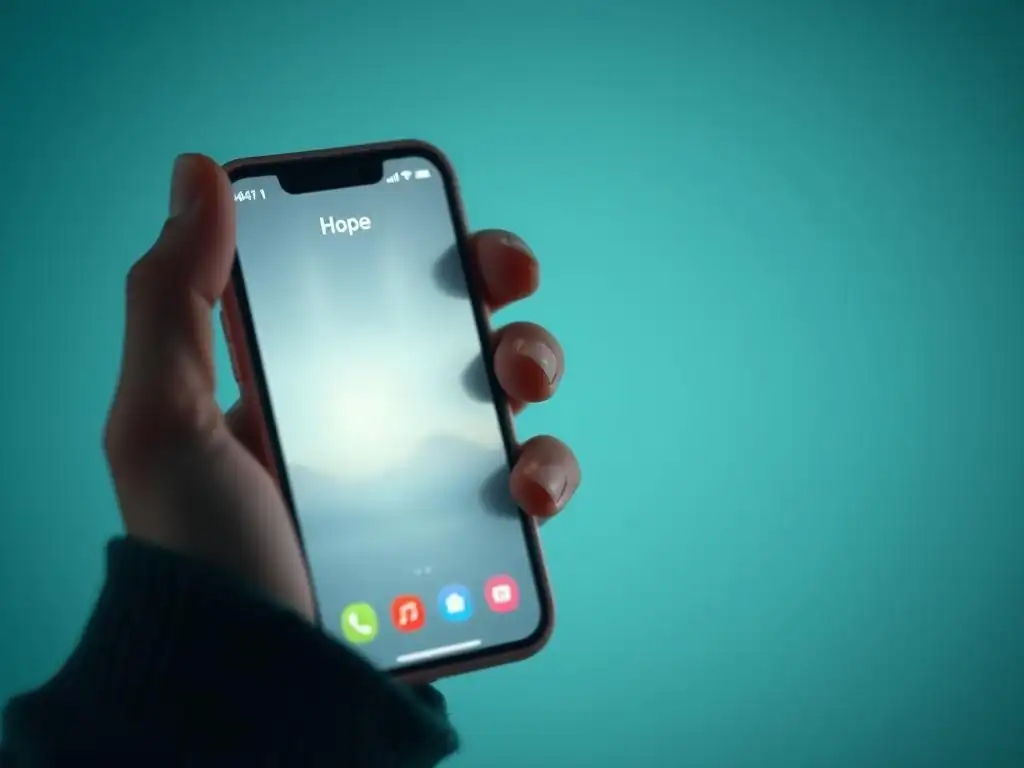
Navigating the world of online dating can be emotionally taxing. While it offers exciting possibilities of connection, it also presents unique challenges that can significantly impact mental well-being. For some, the experience can lead to feelings of disappointment, frustration, rejection, and even depression. Understanding when professional help is necessary is crucial for managing these challenges and fostering a healthier relationship with online dating and oneself. This section focuses on identifying the need for mental health services and understanding the various avenues available for online dating depression support.
When to Seek Professional Support: Identifying the Need for Mental Health Services
The line between feeling down after a string of unsuccessful dates and experiencing clinical depression can be blurry. However, several indicators suggest the need for professional intervention. If your feelings of sadness, hopelessness, or worthlessness persist for more than two weeks, significantly impacting your daily life, it's time to seek help. This might manifest as:
- Persistent low mood: A prolonged state of sadness that doesn't lift, even with positive experiences.
- Loss of interest in activities: A decreased enjoyment or participation in hobbies and activities you once found pleasurable.
- Changes in sleep patterns: Experiencing insomnia, excessive sleeping, or significant disruptions to your sleep cycle.
- Changes in appetite: Noticeable weight loss or gain, or changes in eating habits.
- Fatigue and low energy: Feeling persistently tired and lacking the energy to engage in daily tasks.
- Feelings of worthlessness or guilt: Experiencing overwhelming self-criticism and negative self-perception.
- Difficulty concentrating: Struggling to focus on tasks or make decisions.
- Recurrent thoughts of death or suicide: This is a serious sign requiring immediate professional attention.
It's important to remember that experiencing one or two of these symptoms doesn't automatically indicate depression. However, the presence of multiple symptoms, particularly those listed above, warrants seeking professional evaluation and support. Online dating depression support should not be underestimated; addressing these issues proactively is key to improving mental health and overall well-being.
Several therapeutic approaches can effectively address the emotional challenges associated with online dating. The most suitable type of therapy often depends on individual needs and preferences. Some common options include:
- Cognitive Behavioral Therapy (CBT): CBT helps identify and challenge negative thought patterns and behaviors contributing to depression. It teaches coping mechanisms to manage difficult emotions and improve self-esteem, particularly useful in navigating the often-rejecting nature of online dating.
- Acceptance and Commitment Therapy (ACT): ACT focuses on accepting difficult emotions and committing to valued actions, helping individuals move forward despite setbacks and rejection experienced in online dating.
- Dialectical Behavior Therapy (DBT): DBT is particularly helpful for individuals struggling with intense emotions and impulsivity. It equips individuals with skills to regulate their emotions and improve interpersonal relationships, which can be beneficial in navigating the complexities of online interactions.
- Psychodynamic Therapy: This approach explores unconscious patterns and past experiences that may be influencing current emotional responses to online dating. By understanding these underlying issues, individuals can gain insights into their behavior and develop healthier relationship patterns.
Choosing the right therapy is a personal journey. Discussing your specific needs and preferences with a mental health professional is crucial in determining the most effective approach to online dating depression support.
Finding a Therapist: Resources and Support for Individuals Experiencing Online Dating Depression
Finding a qualified therapist specializing in relationship issues or online dating-related challenges is a crucial step in your journey towards healing. Several resources can assist you in this process:
- Your primary care physician: Your doctor can provide referrals to mental health professionals in your area.
- Online directories: Many websites offer searchable databases of therapists, allowing you to filter by specialty, location, and insurance coverage. Look for therapists with experience in treating depression and relationship issues.
- Mental health organizations: Organizations dedicated to mental health often provide resources and referrals to therapists.
Remember, seeking help is a sign of strength, not weakness. Taking proactive steps towards addressing your mental health is essential for overall well-being. Don't hesitate to reach out for online dating depression support; many resources are available to help you navigate these challenges and build a healthier relationship with yourself and the online dating world. The journey to finding happiness and connection is worth the effort, and professional support can significantly enhance your chances of success. ❤️
Building a Healthier Approach to Online Dating
Online dating, while offering exciting possibilities for connection, can also contribute to feelings of depression if not approached mindfully. Many users fall into the trap of prioritizing quantity over quality, leading to disappointment and a negative self-image. This section offers strategies for cultivating a healthier relationship with online dating, minimizing the potential for negative mental health impacts, and ultimately, fostering genuine connections. Effective management of expectations and proactive strategies for self-care are crucial components of online dating success and mental well-being. Remember, your mental health is paramount. Seeking support is a sign of strength, not weakness.
Focusing on Genuine Connection: Shifting Focus From Quantity to Quality
The pressure to amass a large number of matches can be overwhelming and ultimately counterproductive. Instead of focusing on accumulating matches, prioritize quality interactions. This means taking the time to craft thoughtful profiles that accurately reflect your personality and values. It also involves engaging in meaningful conversations with potential matches, rather than sending generic or superficial messages. Consider the following:
- Profile Optimization: Invest time in creating a profile that showcases your authentic self. Use high-quality photos that reflect your personality and interests. Write a compelling bio that highlights your unique qualities and what you're looking for in a partner. Avoid clichés and generic statements.
- Selective Messaging: Don't feel pressured to respond to every message you receive. Focus your energy on individuals whose profiles genuinely resonate with you. Ask thoughtful questions and engage in genuine conversations.
- Realistic Expectations: Remember that online dating is a process. Not every interaction will lead to a successful relationship. Embrace the journey and focus on building meaningful connections, even if it takes time. Avoid comparing yourself to others or focusing on the number of matches you have.
Developing Healthy Communication Skills: Improving Interactions and Reducing Negative Experiences
Negative experiences in online dating, such as rejection or ghosting, can significantly impact mental well-being. Developing strong communication skills can help mitigate these negative experiences and foster healthier interactions. This includes:
- Clear and Respectful Communication: Express your needs and boundaries clearly and respectfully. Be upfront about your intentions and expectations. Avoid ambiguity that can lead to misunderstandings and disappointment.
- Managing Rejection: Rejection is a part of online dating. Learn to accept rejection gracefully and avoid taking it personally. Focus on your own self-worth and remember that rejection doesn't reflect your value as a person.
- Setting Boundaries: Establish healthy boundaries from the outset. This includes setting limits on the amount of time you spend on online dating, the type of interactions you engage in, and the information you share with others. Protecting your personal safety and emotional well-being should be a priority.
- Identifying and Avoiding Red Flags: Learn to recognize red flags in online interactions. If someone is disrespectful, manipulative, or makes you feel uncomfortable, disengage from the interaction. Your safety and well-being are paramount.
Embracing Self-Compassion: Building Resilience and Self-Esteem in Online Dating
Online dating can be emotionally challenging, and it's crucial to cultivate self-compassion throughout the process. This means treating yourself with kindness and understanding, particularly during setbacks. Remember that your worth isn't determined by your success or failure in online dating.
- Self-Care Practices: Prioritize self-care activities that help you manage stress and maintain emotional well-being. This could include exercise, spending time in nature, engaging in hobbies, or practicing mindfulness.
- Positive Self-Talk: Challenge negative thoughts and self-criticism. Replace negative self-talk with positive affirmations and focus on your strengths and accomplishments.
- Seeking Support: Don't hesitate to reach out for support from friends, family, or mental health professionals if you are struggling. Talking about your experiences can be incredibly helpful in managing difficult emotions and building resilience. Remember, online dating depression support is readily available. Utilize the resources available to you and prioritize your mental well-being. You are not alone.
Frequently Asked Questions
It's more common than you might think. Many experience disappointment, rejection, and frustration, leading to feelings of sadness and low self-esteem. Seeking support is crucial.
What are the signs of depression linked to online dating?
Signs include persistent sadness, loss of interest in activities, changes in sleep or appetite, feelings of worthlessness, and difficulty concentrating. If you experience several of these, seek professional help.
Can online dating actually cause depression?
While online dating itself doesn't cause depression, the pressure to present a perfect image, constant rejection, and the potential for catfishing or scams can contribute to negative mental health.
Several resources are available, including therapists specializing in relationship issues, support groups, and online forums. Talking to a trusted friend or family member can also be helpful.
How can I protect my mental health while using online dating?
Focus on self-care, set realistic expectations, prioritize your well-being, and remember that rejection is a normal part of the process. Don't be afraid to take breaks and prioritize your mental health.
The rise of online dating has fundamentally reshaped modern romance, yet its impact extends far beyond convenient connections; it's inextricably linked to our mental well-being, particularly the prevalence of depression. The ease of access and the often-harsh realities of rejection in the digital realm create a unique pressure cooker environment that can significantly impact mental health. Understanding this connection is crucial for fostering healthier online dating experiences and building resilience against its potential pitfalls.
The emotional rollercoaster of online dating, with its highs of potential connection and lows of ghosting and rejection, has profoundly shaped our cultural understanding of relationships. It's a constant negotiation between the curated self we present online and the vulnerability required for genuine connection. This dissonance can be incredibly taxing, leading to feelings of inadequacy and self-doubt. The heart wants what it wants, but the mind needs to be careful where it lets it go.
This sentiment, while not directly about online dating, perfectly encapsulates the delicate balance we must strike in navigating the complexities of modern romance, especially within the digital sphere. The pressure to present a perfect version of ourselves, coupled with the constant stream of comparisons, can be overwhelming.
You are not alone in this experience. The journey of self-discovery and connection, whether online or offline, is rarely straightforward. Take the time to reflect on your own experiences with online dating. Identify the patterns that contribute to feelings of stress or disappointment, and actively work to create healthier boundaries and expectations.
Seek support from friends, family, or mental health professionals when needed. Remember, building healthy relationships, both online and offline, starts with prioritizing your own well-being. Embrace the journey, learn from your experiences, and cultivate the resilience to navigate the complexities of love and loss in the digital age.
Uncover Your Dating Confidence: Take the Next Step
Thank you for exploring the complex relationship between online dating and mental wellbeing. We hope this article provided valuable insights and empowered you to approach dating with a healthier perspective. Now, let's put those insights into action!
- Prioritize your mental health: Take 15 minutes today to reflect on the article's key takeaways and identify one small step you can take to improve your emotional wellbeing. This could be anything from a mindful walk to connecting with a supportive friend.
- Share your experiences: We encourage you to share your thoughts and experiences in the comments below. Let's build a supportive community where we can learn from one another.
- Explore helpful resources: Consider utilizing available support systems, such as online mental health communities, support groups, or professional guidance. You might also explore local resources or mental wellness apps.
What small step will you take today to nurture your mental and emotional wellbeing while navigating online dating?