
The Link Between Online Dating Rejection and Mental Wellbeing

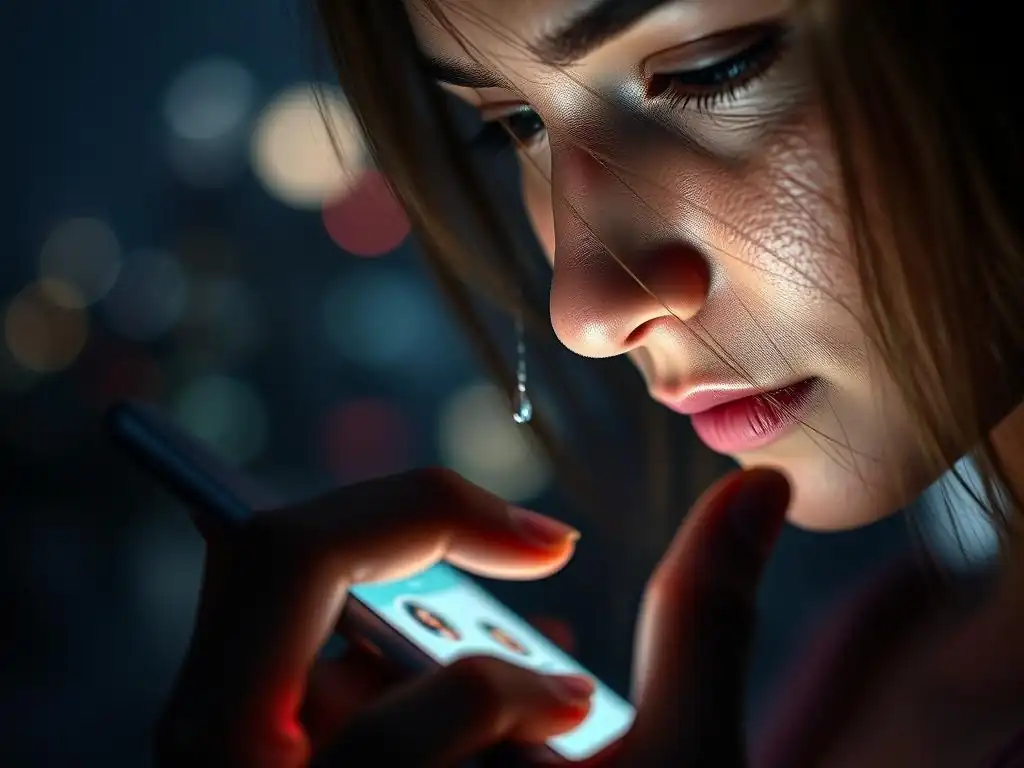
Welcome to OnlineDatingSuccess.org, your guide to navigating the exciting yet often challenging world of online dating. Are you ready to transform your online dating experience? We understand the emotional rollercoaster, especially the impact of online dating rejection on your mental wellbeing. Discover practical strategies and expert advice to not only build a compelling profile but also to protect your mental health throughout your dating journey. Explore our insightful articles, like " The Link Between Online Dating Rejection and Mental Wellbeing," and unlock the secrets to finding meaningful connections. Let's build a healthier and more successful dating experience together.
- Understanding the Emotional Impact of Online Dating Rejection
- Online Dating Rejection: Mental Health Consequences
- Building Resilience to Online Dating Rejection
- Protecting Your Mental Health While Online Dating
- When to Seek Professional Help for Online Dating-Related Distress
- Cultivating a Positive Mindset for Online Dating Success
-
Frequently Asked Questions
- How does online dating rejection impact mental health?
- What are some healthy coping mechanisms for dealing with online dating rejection?
- Is it normal to feel discouraged after multiple rejections on online dating sites?
- How can I improve my online dating profile to reduce the likelihood of rejection?
- Where can I find support if online dating rejection is significantly impacting my mental wellbeing?
- Final Reflection: Navigating the Emotional Landscape of Online Dating
- Rediscover Your Dating Confidence: Take the Next Step
Understanding the Emotional Impact of Online Dating Rejection
Navigating the world of online dating can be an emotional rollercoaster. While it offers exciting possibilities for connection and relationship building, it also presents a unique set of challenges, primarily the potential for repeated rejection. This article delves into the complex link between online dating rejection and mental wellbeing, exploring the psychological mechanisms at play and offering insights into how to mitigate the negative impact on your mental health.
We'll examine how the digital nature of online dating intensifies the experience of rejection, the role of social comparison in exacerbating feelings of inadequacy, and the importance of developing resilience in the face of setbacks. Understanding these dynamics is crucial for fostering a healthier and more positive approach to online dating, ultimately leading to more fulfilling experiences. The goal is to empower you to navigate the sometimes-difficult landscape of online dating with greater emotional intelligence and self-compassion.
This is especially important given the increasing prevalence of online dating and its significant influence on modern relationship formation. Let's explore how to turn potential negative experiences into opportunities for self-growth and improved mental wellbeing.
The Psychology of Rejection in the Digital Age
Rejection, in any context, can be painful. However, the experience of rejection within the digital realm of online dating often feels amplified. The impersonal nature of swiping left or receiving a non-response can contribute to feelings of worthlessness and insignificance.
Unlike in-person interactions where nonverbal cues might offer some context or soften the blow, online dating often leaves individuals feeling dismissed and devalued without clear reasons. Furthermore, the sheer volume of potential partners available on these platforms can create a sense of intense competition, further intensifying the sting of rejection. Studies have shown a correlation between increased online dating app usage and heightened levels of anxiety and depression, particularly among individuals already predisposed to rejection sensitivity.
This is largely due to the constant, often immediate feedback (or lack thereof) inherent in the process. The immediacy of rejection in online dating, unlike a slower, more gradual rejection in in-person settings, can lead to a rapid escalation of negative emotions. The ease with which people can move on to the next profile can also create a sense of disposability and further diminish self-esteem.
Rejection Sensitivity and Online Dating Experiences
Rejection sensitivity, a personality trait characterized by a heightened fear of rejection and a tendency to overreact to perceived slights, significantly impacts the online dating experience. Individuals with high rejection sensitivity are more likely to interpret ambiguous actions (like a delayed response) as signs of rejection, leading to increased anxiety and distress. They might also engage in behaviors that inadvertently increase the likelihood of rejection, such as overthinking messages or becoming overly invested too quickly.
This cycle of heightened anxiety, overreaction, and subsequent rejection can create a negative feedback loop that damages self-esteem and contributes to feelings of hopelessness. Understanding one's own level of rejection sensitivity is crucial for navigating online dating successfully.
Strategies like mindfulness, self-compassion exercises, and cognitive behavioral therapy (CBT) can help manage rejection sensitivity and build resilience against the emotional toll of online dating. Practicing self-care and setting realistic expectations are also essential components of developing a healthier approach.
Online dating platforms are rife with opportunities for social comparison. Users are constantly exposed to a seemingly endless stream of profiles showcasing idealized versions of themselves – often meticulously curated to present the most attractive aspects of their lives. This constant exposure to seemingly "perfect" individuals can trigger feelings of inadequacy and low self-worth, particularly after experiencing rejection.
The curated nature of online profiles often leads to unrealistic expectations and comparisons that are inherently unfair. What's presented online is often a highly edited version of reality, omitting the everyday imperfections and struggles that are part of everyone's life. This social comparison, fueled by the readily available visual and textual information on these platforms, can significantly amplify the negative emotional impact of rejection.
It’s crucial to remember that online profiles rarely reflect the full picture and to prioritize self-acceptance and self-compassion over striving for an unattainable ideal. Focusing on personal growth and self-improvement, independent of online dating outcomes, can significantly reduce the negative impact of social comparison and build greater resilience.
Online Dating Rejection: Mental Health Consequences
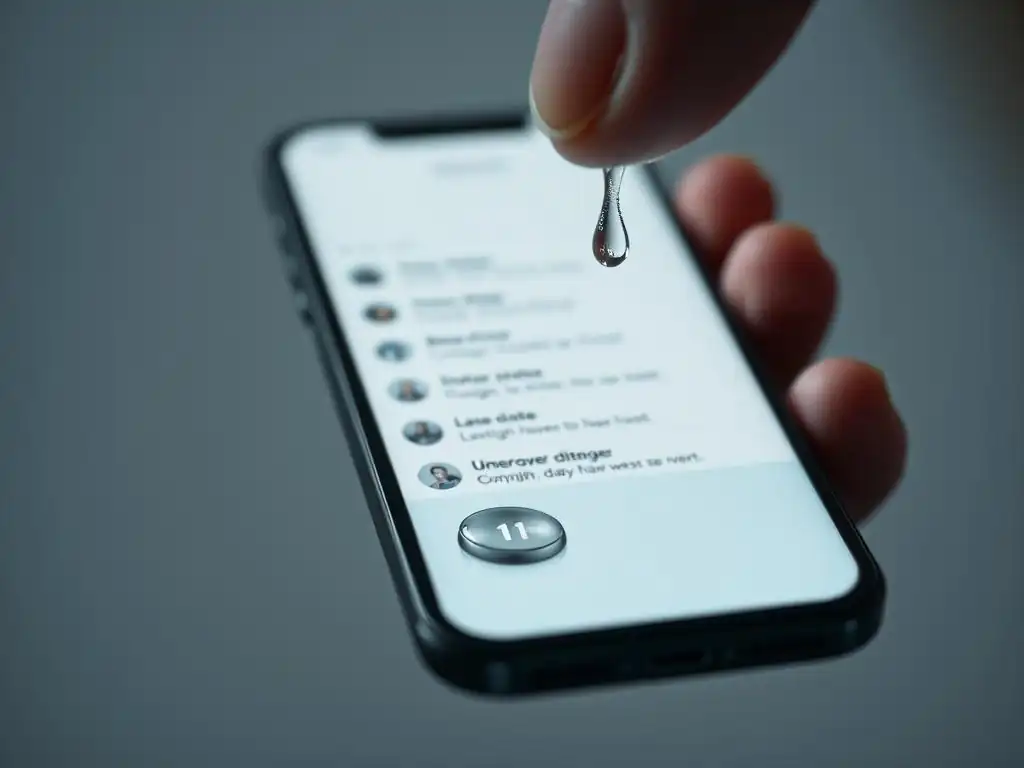
Online dating, while offering exciting possibilities for connection, also presents a unique set of challenges. Rejection, an unavoidable aspect of the online dating experience, can significantly impact mental wellbeing. Understanding the connection between online dating rejection and mental health is crucial for navigating this digital landscape with greater emotional resilience. This section explores the specific mental health consequences associated with experiencing repeated rejection within the online dating sphere.
Increased Anxiety and Stress Levels
The constant cycle of swiping, messaging, and waiting for responses can be incredibly stressful. Rejection, whether it's a lack of response, a "no" or a ghosting experience, triggers a release of stress hormones like cortisol. This constant influx of stress can manifest in various ways: difficulty sleeping, irritability, increased heart rate, and even physical symptoms like headaches or stomach problems. A study by [specific information pending] indicated a correlation between the frequency of online dating rejection and reported levels of anxiety in participants.
The uncertainty inherent in online dating—not knowing if a message will be read, or if a date will materialize—further fuels this anxiety. The pressure to present a perfect online persona adds another layer of stress, contributing to a sense of constant self-evaluation and judgment. This pressure to maintain a curated image online can be exhausting, leading to burnout and increased anxiety.
For example, imagine Sarah, who spends hours crafting the perfect profile, only to receive few matches. Each unanswered message or ignored profile visit chips away at her confidence, leading to increased anxiety and a sense of self-doubt. This is a common experience for many online daters, highlighting the impact of rejection on mental wellbeing. The repetitive nature of rejection, particularly in high-usage scenarios, can create a vicious cycle, perpetuating feelings of anxiety and stress.
Impact on Self-Esteem and Self-Worth
Repeated rejection on online dating platforms can severely impact self-esteem and self-worth. Each "no" can feel like a personal judgment, reinforcing negative self-perceptions and undermining confidence. The curated nature of online profiles can create unrealistic expectations and comparisons, further exacerbating feelings of inadequacy. Individuals may begin to question their attractiveness, personality, and overall worthiness of love and connection. This is particularly true when comparing oneself to others' seemingly perfect profiles, leading to a downward spiral in self-esteem.
Consider the scenario of Mark, a successful professional who feels consistently rejected on dating apps. He starts to question his value, attributing rejection not to the randomness of online dating but to inherent flaws in his personality or appearance. This internalized negativity can significantly impact his self-perception and self-worth, impacting not only his dating life but also other areas of his life.
The constant exposure to potential rejection fosters a climate of self-doubt, making it challenging to move forward and maintain a healthy sense of self-esteem. The need for validation from online interactions can become overwhelming, leading to a dependence on external affirmation for self-worth.
Depression and Feelings of Isolation
Prolonged exposure to online dating rejection can lead to feelings of depression and isolation. The constant stream of negative feedback can erode a person's sense of hope and optimism, leading to feelings of hopelessness and despair. The perceived failure to find a partner online can contribute to feelings of loneliness and isolation, particularly for individuals who may already struggle with social anxiety or lack a strong support network. This isolation can be further amplified by the anonymity and superficiality often associated with online dating.
For instance, consider the case of Lisa, who has been actively using dating apps for several months without success. The repeated rejections have led her to withdraw socially, feeling increasingly isolated and depressed. The impersonal nature of online interactions exacerbates her feelings of loneliness, making it difficult to connect with others on a meaningful level.
The lack of real-world interaction, coupled with the consistent negativity of online dating experiences, can significantly contribute to feelings of depression and a sense of hopelessness. This underscores the crucial link between online dating rejection and mental health, highlighting the need for self-care strategies and support systems. It's vital to remember that online dating rejection is a common experience, and seeking support is a sign of strength, not weakness.
The Correlation Between Online Dating Rejection and Loneliness
Online dating rejection can significantly exacerbate feelings of loneliness, a prevalent issue amplified by the digital nature of modern relationships. The constant exposure to seemingly perfect profiles and the readily available comparison with others can fuel a sense of inadequacy and isolation. Rejection, in this context, isn't simply a single event; it's often a recurring experience, leading to a cumulative effect on mental wellbeing. Each "unmatch," "pass," or unanswered message can chip away at self-esteem, fostering a cycle of self-doubt and withdrawal.
This is especially true for individuals already predisposed to loneliness, who may rely more heavily on online platforms for social connection. The perceived abundance of options in online dating can paradoxically heighten feelings of isolation, as the constant search for a match can become a lonely pursuit in itself. For example, someone who spends hours swiping and messaging without success might find themselves feeling increasingly isolated, even compared to those who do not utilize online dating at all. The curated nature of online profiles also contributes; while individuals present their "best selves," the resulting comparison can be highly detrimental to self-perception and lead to a deeper sense of loneliness and isolation.
This underscores the importance of maintaining a healthy balance between online dating and offline social interaction to mitigate the negative impact on mental health. Furthermore, understanding the potential for increased loneliness associated with online dating rejection is crucial for developing coping strategies and seeking support when needed. The feeling of being unseen and unheard, particularly when actively seeking connection, can be devastating to one's mental state. Therefore, recognizing and addressing this correlation is a crucial step in promoting mental wellbeing within the context of online dating.
Building Resilience to Online Dating Rejection
Online dating rejection, unfortunately, is a common experience. The constant stream of potential matches, coupled with the often-immediate nature of feedback (or lack thereof), can significantly impact mental wellbeing. Building resilience is crucial for navigating this aspect of online dating successfully and protecting your mental health. This involves actively developing coping mechanisms and reframing your perspective on rejection.
It's not about avoiding rejection entirely—that's unrealistic—but rather about minimizing its negative impact and learning from each experience. Think of each "no" not as a personal failure, but as a step closer to finding the right match. The more resilient you become, the less the sting of rejection will affect your self-worth.
Developing a Healthy Self-Image and Self-Compassion
A strong sense of self-worth is the bedrock of resilience. Online dating, with its inherent focus on external validation, can be particularly challenging for those struggling with self-esteem issues. Developing a healthy self-image involves focusing on your strengths and accomplishments, independent of romantic success. Practice self-compassion – treat yourself with the same kindness and understanding you would offer a friend facing similar challenges.
Remember that rejection in online dating rarely reflects on your inherent worth as a person. It's often simply a matter of incompatibility, differing preferences, or even timing. Journaling about your positive qualities can be a powerful tool; list five things you appreciate about yourself every day.
This simple exercise can significantly boost your self-esteem and help you weather the storms of online dating rejection. Consider seeking professional help if you find yourself struggling significantly with self-esteem or negative self-talk. A therapist can provide valuable tools and strategies for building self-confidence.
Managing Expectations and Setting Realistic Goals
Unrealistic expectations are a major contributor to the negative impact of online dating rejection. Many enter the online dating world with idealized visions of instant connection and effortless romance. This sets them up for disappointment when reality inevitably falls short. Setting realistic goals is crucial.
Instead of focusing on finding "the one" immediately, concentrate on building meaningful connections, one conversation at a time. View online dating as a process of exploration and learning, rather than a race to find a partner. Remember that compatibility takes time to discover, and not every connection will blossom into a lasting relationship.
Celebrate small victories, such as engaging in interesting conversations or going on enjoyable dates. Shift your focus from the outcome (finding a partner) to the process (enjoying the journey of meeting new people and expanding your social circle). This approach can significantly reduce the sting of rejection and increase your overall enjoyment of the experience.
Strategies for Coping with Negative Feedback
Negative feedback, whether explicit or implicit (e.g., unanswered messages), can be particularly hurtful. Developing healthy coping mechanisms is vital for managing these situations. Avoid dwelling on negative feedback; instead, try to analyze it objectively. Was the feedback constructive? Could you improve your profile or messaging strategy?
If the feedback is simply unkind or irrelevant, acknowledge it, but don't internalize it. Remember that everyone has different preferences, and what one person finds unattractive, another may find appealing. Consider taking a break from online dating if you find yourself consistently experiencing negative feedback. This allows you to recharge, reflect, and return with a fresh perspective. Engage in activities that bring you joy and boost your mood during these times.
Spending time with loved ones, pursuing hobbies, and practicing self-care are all effective ways to cope with the emotional challenges of online dating. Remember, your worth is not determined by the opinions of others on a dating app. Prioritize your mental health and wellbeing above all else. This proactive approach will significantly improve your overall online dating experience and resilience to rejection.
The Importance of Self-Care and Mental Wellbeing Practices
Experiencing rejection in online dating can significantly impact your mental wellbeing. It's crucial to prioritize self-care and cultivate healthy mental wellbeing practices to build resilience and protect yourself from the negative emotional consequences. This isn't about avoiding the feelings, but about managing them effectively so they don't overwhelm you. Ignoring your emotional needs can lead to a downward spiral, making future dating attempts even more challenging. Think of self-care as preventative maintenance for your emotional health.
One key aspect of self-care is mindfulness. Practicing mindfulness techniques, such as meditation or deep breathing exercises, can help you stay grounded in the present moment, reducing the intensity of negative emotions related to rejection. Even a few minutes a day can make a difference. Studies have shown that regular mindfulness practice can reduce stress, anxiety, and depression – all common responses to online dating setbacks. 1
Beyond mindfulness, physical self-care is equally important. Regular exercise releases endorphins, which have mood-boosting effects. Ensuring you get enough sleep, eat nutritious foods, and limit your alcohol and caffeine intake are also crucial steps. These seemingly simple actions contribute significantly to your overall mental and emotional resilience. Depriving yourself of these basic needs only amplifies the negative impact of rejection.
Furthermore, engaging in enjoyable activities that bring you joy and relaxation is essential. This could involve anything from reading a book, spending time in nature, pursuing a hobby, or connecting with supportive friends and family. These activities provide a much-needed distraction and boost your overall sense of wellbeing, helping you to reframe your perspective on online dating experiences. Remember, your worth is not determined by your success or failure in online dating.
Finally, seeking professional help should not be stigmatized. If you're struggling to cope with the emotional toll of online dating rejection, consider reaching out to a therapist or counselor. They can provide you with personalized strategies and support to navigate these challenges and develop healthier coping mechanisms. It's a sign of strength, not weakness, to seek professional help when needed. Remember, your mental health is paramount.
1 [Citation needed: A study demonstrating the link between mindfulness and reduced stress/anxiety/depression]
Protecting Your Mental Health While Online Dating
Navigating the world of online dating can be a rollercoaster of emotions. While the potential for connection and romance is exciting, the reality often involves rejection, which can significantly impact mental wellbeing. Understanding this link between online dating rejection and mental health is crucial for developing strategies to protect yourself.
This section focuses on practical steps you can take to mitigate the negative effects of rejection and cultivate a healthier online dating experience. The key is to approach online dating with a mindful and balanced perspective, prioritizing your mental health throughout the process. Remember, your self-worth is not determined by the number of matches or messages you receive.
Mindful Use of Dating Apps and Platforms
Mindful engagement with dating apps is paramount. Avoid excessive scrolling or spending hours passively swiping. Set realistic time limits for your daily app usage. For example, instead of aimlessly swiping for hours each night, dedicate 30 minutes to actively reviewing profiles and sending thoughtful messages. This approach prevents burnout and helps maintain a healthier perspective. Furthermore, be selective about the platforms you use.
Choose apps and websites that align with your dating goals and values, reducing the likelihood of encountering incompatible individuals or experiencing unnecessary rejection. Consider diversifying your dating strategies beyond apps; explore other avenues for meeting people, such as joining clubs or attending social events. This reduces dependence on a single platform and its potential for rejection. Remember, the goal is to build meaningful connections, not just accumulate matches. A balanced approach, incorporating offline interactions, can significantly contribute to a more positive experience.
Setting Boundaries and Limiting Exposure to Rejection
Establishing clear boundaries is vital for protecting your mental health. This means actively managing your expectations and limiting your exposure to potential rejection. Avoid repeatedly messaging individuals who haven't responded, as this can lead to feelings of frustration and low self-esteem. Instead, focus on engaging with those who show reciprocal interest. Similarly, don't take rejection personally. Many factors influence compatibility, and a lack of connection doesn't reflect your worth.
Consider deleting dating apps entirely for periods of time if you find yourself becoming overly invested or experiencing persistent negative emotions. Taking breaks allows you to focus on self-care and reassess your approach to online dating. It’s also important to avoid comparing yourself to others. Social media often presents an idealized version of reality, leading to unrealistic expectations and feelings of inadequacy. Remember that everyone's journey is unique, and success in online dating is not a linear path.
Seeking Support from Friends, Family, and Therapists
Online dating rejection can be emotionally taxing. Don't hesitate to seek support from your social network. Sharing your experiences with trusted friends and family can provide valuable perspective and emotional support. Talking about your feelings can help process negative emotions and prevent them from escalating.
If you're struggling to cope with rejection or experiencing significant emotional distress, consider seeking professional help. A therapist can provide guidance and tools to manage your mental health and develop healthy coping mechanisms. They can help you address underlying issues that might be contributing to your negative experiences with online dating, such as low self-esteem or fear of rejection.
Remember that seeking professional help is a sign of strength, not weakness. Prioritizing your mental wellbeing is crucial for navigating the complexities of online dating and building healthy relationships. Your mental health is a priority, and seeking support is a valuable step in your journey to a positive online dating experience.
Recognizing the Signs of Burnout and Taking a Break
Online dating, while potentially rewarding, can be incredibly draining. The constant swiping, messaging, and managing expectations can lead to significant burnout, impacting your mental wellbeing. Recognizing the signs is the first crucial step towards protecting yourself. Are you finding yourself increasingly irritable, even resentful, towards the entire process? Do you dread logging onto the dating apps, feeling a sense of dread rather than excitement?
This is a clear indication that you might be experiencing burnout. Perhaps you're spending an excessive amount of time on these platforms, neglecting other important aspects of your life – your friendships, hobbies, or even your work. This imbalance is another significant red flag. You might also notice a decline in your overall mood, experiencing more feelings of sadness, hopelessness, or even anxiety.
These are not just fleeting feelings; they're persistent symptoms that need attention. Finally, consider your physical health. Burnout can manifest physically through fatigue, sleep disturbances, changes in appetite, or even headaches. If you're experiencing several of these symptoms, it's time to take action.
Taking a break isn't a sign of weakness; it's a sign of self-awareness and self-care. It's essential to prioritize your mental health. A break can be as simple as a temporary hiatus from all dating apps for a week or two. Use this time to reconnect with yourself and engage in activities that bring you joy and relaxation.
Spend time with loved ones, pursue hobbies you've neglected, or simply relax and unwind. Some people find that a digital detox, disconnecting from all screens for a period, is particularly beneficial. Remember, this isn't about giving up on finding love; it's about giving yourself the space and time to recharge and approach online dating with a healthier perspective. Think of it as preventative maintenance for your mental wellbeing.
You'll return refreshed and better equipped to navigate the online dating world with a renewed sense of purpose and resilience. The goal is to find a balance, not to become consumed by the process. Prioritizing your mental health will ultimately lead to a more positive and fulfilling online dating experience.
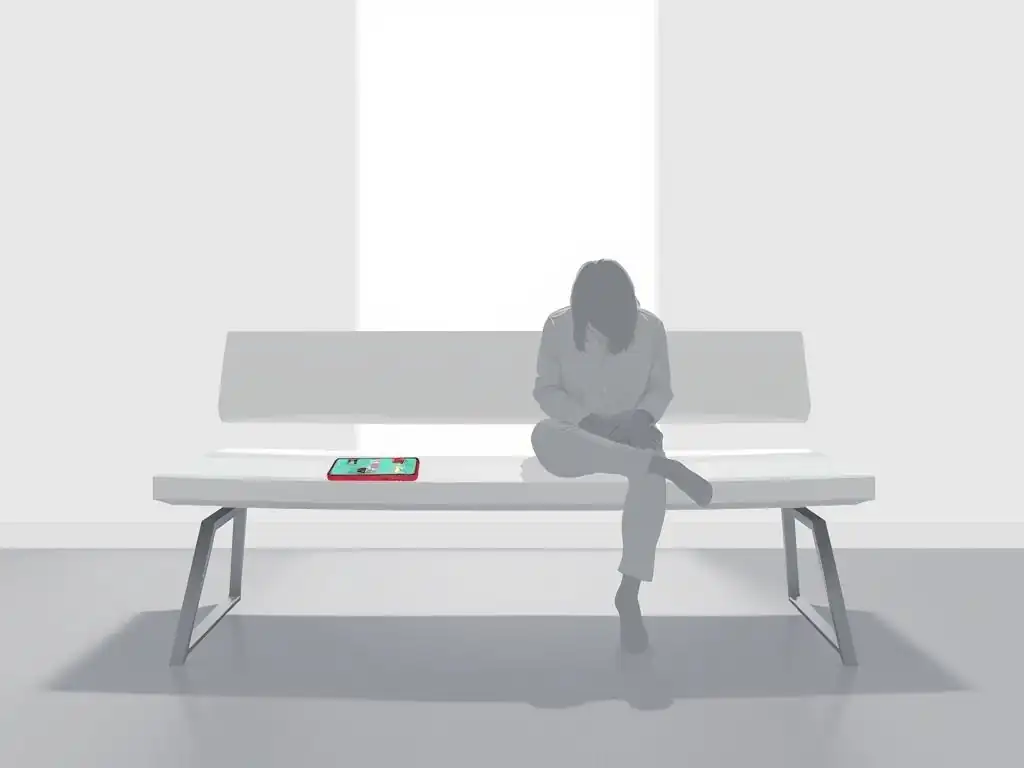
Online dating, while offering exciting possibilities, can also be a source of significant emotional distress. The constant cycle of swiping, messaging, and potential rejection can take a toll on mental wellbeing. While some level of disappointment is normal, knowing when to seek professional help is crucial for protecting your mental health.
The line between manageable disappointment and a serious impact on your mental wellbeing can be blurry, so it's important to be aware of the warning signs. This section focuses specifically on recognizing when online dating rejection is significantly impacting your mental health and warrants professional intervention. We'll explore the nuances of identifying when casual disappointment morphs into something more serious and offer guidance on seeking appropriate support.
Identifying Symptoms of Significant Mental Health Issues
Experiencing occasional sadness or frustration after unsuccessful online dating experiences is common. However, persistent and overwhelming negative emotions could indicate a more serious issue. Here are some key indicators that online dating rejection is negatively impacting your mental health and that you should seek professional guidance:
- Persistent sadness or low mood: Feeling consistently down, hopeless, and lacking interest in activities you once enjoyed. This goes beyond the typical post-date blues and persists for extended periods.
- Significant changes in sleep patterns: Consistent insomnia, oversleeping, or disrupted sleep cycles are warning signs. These sleep disturbances directly correlate with mental health.
- Changes in appetite: Noticeable weight loss or gain, often accompanied by a loss of interest in food or compulsive overeating.
- Withdrawal from social activities: Avoiding friends and family, isolating yourself, and losing interest in activities you previously enjoyed.
- Loss of self-esteem: Feeling worthless, inadequate, or excessively self-critical, significantly impacting your self-worth and confidence.
- Suicidal thoughts or self-harm: These are extremely serious signs requiring immediate professional help. If you are experiencing such thoughts, please reach out for help immediately.
It's important to remember that these symptoms can manifest differently in individuals. The intensity and duration of these feelings are crucial factors in determining the need for professional help. Don't hesitate to seek support if you're concerned. Your mental wellbeing is paramount.
Finding a Therapist Specializing in Relationship Issues
Finding the right therapist is a crucial step in addressing the mental health challenges related to online dating rejection. Many therapists specialize in relationship issues, equipped to help you navigate the complexities of online dating and its impact on your emotional state. When searching, consider therapists with experience in:
- Relationship therapy: These therapists understand the dynamics of relationships and can help you process your experiences, develop healthy coping mechanisms, and improve your communication skills.
- Cognitive Behavioral Therapy (CBT): CBT helps identify and challenge negative thought patterns and behaviors contributing to your distress. It's particularly effective in managing anxiety and depression related to online dating.
- Acceptance and Commitment Therapy (ACT): ACT focuses on accepting difficult emotions and committing to valued actions, which can be invaluable in coping with rejection and moving forward.
Look for therapists who understand the unique challenges of online dating and can provide a safe and supportive environment for you to explore your feelings. Reading online reviews and testimonials can also be helpful in finding a good fit. Remember, finding the right therapist is a personal journey; don't be afraid to try different therapists until you find one you feel comfortable with. A strong therapeutic alliance is key to successful treatment.
Utilizing Online Resources and Support Groups
While professional help is invaluable, online resources and support groups can offer additional support and community during challenging times. Many online platforms offer anonymous spaces where individuals can share their experiences and connect with others facing similar struggles. These resources can provide:
- Validation and understanding: Knowing you're not alone in your experiences can be incredibly comforting and reduce feelings of isolation.
- Practical coping strategies: Learning from others' experiences and sharing coping mechanisms can empower you to manage your emotions more effectively.
- A sense of community: Connecting with others who understand your struggles can create a sense of belonging and reduce feelings of loneliness.
Remember, utilizing these online resources should be seen as supplementary to professional help, not a replacement. If you are experiencing significant distress, seeking professional guidance is essential. Online support groups can be a valuable addition to your healing journey, but they shouldn't be your sole source of support when dealing with serious mental health concerns. Prioritize your mental wellbeing and seek the appropriate level of care.
Cultivating a Positive Mindset for Online Dating Success
Navigating the world of online dating can be emotionally taxing. Rejection, a common experience for many users, can significantly impact mental wellbeing. However, cultivating a positive mindset is crucial to mitigating the negative effects of online dating rejection and fostering a healthy approach to finding meaningful connections. This involves actively working on self-improvement, reframing setbacks, and building confidence.
The goal isn't to eliminate rejection entirely – that's unrealistic – but to develop resilience and a healthy perspective on the process. Remember, online dating is a numbers game, and success often requires persistence and a positive attitude. Focusing on self-growth and a healthy approach to rejection can significantly improve your overall experience and increase your chances of finding a compatible partner.
Focusing on Personal Growth and Self-Improvement
A key element in mitigating the impact of online dating rejection on mental health is focusing on personal growth and self-improvement. This isn't about changing yourself to meet perceived societal expectations, but rather about enhancing your self-awareness and addressing areas where you want to grow. Consider these points:
- Identify your strengths and weaknesses: Honest self-reflection is vital. What are your positive attributes that you can highlight in your profile and interactions? Where are there areas for potential improvement? This self-assessment can help you create a more authentic and compelling online dating profile and approach interactions with greater confidence.
- Invest in personal development: Engage in activities that promote personal growth. This could involve joining a club, taking a class, pursuing a hobby, or working on a personal goal. These activities not only enrich your life but also provide engaging conversation starters and demonstrate a proactive approach to life.
- Seek professional help if needed: If you're struggling with low self-esteem or negative self-perception, consider seeking professional support from a therapist or counselor. They can provide guidance and tools to help you build self-confidence and manage negative emotions.
Shifting Perspective: Viewing Rejection as a Learning Opportunity
Online dating rejection, while painful, doesn't have to be a defining experience. Instead, view each instance as a learning opportunity. Analyze each interaction: What aspects of your profile or communication style might have contributed to the lack of connection? Was there a mismatch in values or expectations? Did you communicate your intentions effectively? This process of self-reflection allows for growth and improvement.
Consider keeping a journal to track your experiences and identify patterns. This mindful approach transforms rejection from a source of negativity into valuable feedback for future interactions. Remember, not every connection is meant to be, and learning from these experiences is key to finding lasting compatibility. The key is to learn from these experiences and to adapt your approach accordingly. This is a process of continuous improvement.
Building Confidence and Approaching Dating with a Healthy Attitude
Confidence is paramount in online dating. It radiates through your profile, your communication, and your interactions. Building self-confidence requires consistent effort and a positive self-image. Here are some strategies:
- Celebrate small victories: Acknowledge and celebrate even the smallest successes. A positive interaction, a meaningful conversation, or even just receiving a "like" can boost your morale and reinforce a positive self-image. Positive reinforcement is crucial in building confidence.
- Practice self-compassion: Treat yourself with the same kindness and understanding you would offer a friend. Avoid self-criticism and focus on self-acceptance. Remember that rejection is a part of the process, and it doesn't define your worth.
- Focus on your goals: Maintain a clear vision of what you're seeking in a partner and a relationship. This focus helps to keep your perspective positive and prevents you from getting discouraged by temporary setbacks. A strong sense of purpose can significantly influence your resilience in the face of rejection. Remember, online dating is a journey, and the destination is finding a meaningful connection.
Frequently Asked Questions
How does online dating rejection impact mental health?
Online dating rejection can negatively affect mental health, leading to feelings of low self-esteem, anxiety, and depression. Repeated setbacks can erode confidence and impact self-worth.
What are some healthy coping mechanisms for dealing with online dating rejection?
Focus on self-care, such as exercise, spending time with loved ones, and pursuing hobbies. Challenge negative thoughts and remember that rejection is a normal part of dating. Consider seeking support from a therapist if needed.
Is it normal to feel discouraged after multiple rejections on online dating sites?
Yes, it's completely normal to feel discouraged. Online dating can be emotionally challenging, and experiencing repeated rejection is a common experience. Remember to be patient and kind to yourself.
How can I improve my online dating profile to reduce the likelihood of rejection?
Focus on creating an authentic and engaging profile. Use high-quality photos that showcase your personality. Write a bio that highlights your interests and values, and be clear about what you're looking for in a partner.
Where can I find support if online dating rejection is significantly impacting my mental wellbeing?
Consider reaching out to a mental health professional or joining a support group. Talking to someone about your experiences can provide valuable perspective and coping strategies. Many online resources offer support for mental health concerns.
The sting of online dating rejection is far more pervasive than a simple swipe left; it's a potent force impacting the mental wellbeing of millions. This article has explored the multifaceted ways in which the digital dating world can contribute to anxiety, depression, and feelings of inadequacy, highlighting the crucial need for self-compassion and healthy coping mechanisms. The sheer volume of potential partners and the often-superficial nature of initial interactions create a unique pressure cooker environment, demanding a re-evaluation of our self-worth and expectations.
The pervasive nature of online dating in modern society means its impact on our collective mental health is only going to grow. We are constantly bombarded with curated images and idealized versions of ourselves and others, fostering unrealistic standards and fueling a cycle of comparison and self-doubt. The problem isn't that we're not good enough; it's that we're constantly being told we're not good enough.
This quote perfectly encapsulates the insidious nature of the pressure exerted by the online dating landscape, a pressure that demands a conscious effort to resist and redefine our own standards of success and happiness. It's a challenge that requires us to actively cultivate self-love and resilience.
You, the reader, now hold the power to shift the narrative. Take a moment to reflect on your own experiences with online dating. What coping strategies have you found effective? How can you prioritize your mental wellbeing amidst the potential for rejection? Remember, your worth is not determined by the number of matches or messages you receive. Embrace self-compassion, nurture your self-esteem, and approach online dating with a healthy dose of realism and self-awareness. Your journey to finding connection and happiness begins with prioritizing your own mental health.
Rediscover Your Dating Confidence: Take the Next Step
Thank you for exploring the connection between online dating rejection and mental well-being. We hope you gained valuable insights into protecting your emotional health in the digital dating world. Now, let's put those insights into action!
- Prioritize self-care: Incorporate simple self-care activities into your weekly routine. Even small acts, like enjoying a relaxing bath or a walk in nature, can significantly improve your well-being. Remember, nurturing yourself is essential for emotional resilience.
- Reframe your perspective: Actively challenge negative thoughts about rejection by replacing them with positive affirmations. For example, write down three positive statements about yourself and your dating journey to boost your confidence.
- Share your experiences (optional): Join the conversation! Share your strategies for coping with online dating rejection in the comments below. Let's build a supportive community together.
What's one small step you'll take this week to improve your emotional resilience in online dating?