
The Future of Virtual Dating: Exploring the Potential of Emerging Technologies


Ready to rewrite your online dating story? At OnlineDatingSuccess.org, we empower you to navigate the world of online romance with confidence. But the landscape is constantly evolving... Are you prepared for the Future of Virtual Dating? Discover how emerging technologies are reshaping the way we connect, and learn how to leverage them for a more successful and meaningful experience. Let's explore the exciting possibilities together.
- The Evolution of Virtual Dating: From Text to Metaverse
- Emerging Technologies Shaping the Future of Virtual Dating
- The Societal Impact of Advanced Virtual Dating Technologies
- Challenges and Opportunities in the Development of Future Virtual Dating Technology
- Predicting the Future Landscape of Virtual Dating
-
Frequently Asked Questions
- What is the potential impact of future virtual dating technology on the online dating experience?
- How might augmented reality (AR) change how we meet people online?
- What role will virtual reality (VR) play in the future of dating?
- What are some potential ethical concerns surrounding the use of advanced dating technologies?
- How might artificial intelligence (AI) be used to improve online dating?
- Final Reflection: Navigating Love in the Digital Age
- Unleash Your Virtual Dating Potential!
The Evolution of Virtual Dating: From Text to Metaverse
Online dating, once a niche pursuit, has become a mainstream phenomenon, transforming how people connect and build relationships. This evolution, driven by technological advancements, has taken us from simple text-based interactions to immersive virtual experiences. This article explores the exciting potential of emerging technologies in shaping the future of virtual dating, examining how innovations are impacting connection, communication, and the overall dating experience.
We'll delve into the history of online dating, highlighting key milestones and analyzing the limitations of past approaches, before looking towards the exciting possibilities offered by the metaverse and beyond. Understanding this trajectory is crucial for navigating the ever-changing landscape of virtual romance and maximizing the chances of finding meaningful connections. The keyword "Future virtual dating technology" will be explored throughout this article, demonstrating how technological advancements are reshaping the online dating world.
Early Online Dating Platforms and Their Limitations
The earliest online dating platforms were rudimentary by today's standards. Think text-based profiles, limited photo options, and communication primarily through email or instant messaging. These platforms, while revolutionary for their time, suffered from significant limitations. The lack of visual information hindered initial connection, and the asynchronous nature of communication could lead to misunderstandings and delays.
Furthermore, safety concerns were prevalent due to the lack of robust verification processes and limited mechanisms for reporting inappropriate behavior. The success rate, in terms of forming lasting relationships, was arguably lower compared to modern platforms, due in large part to these technological constraints. The reliance on written communication alone meant subtle cues, like body language and tone of voice, were absent, potentially leading to misinterpretations and unmet expectations. This highlights the significant role technology plays in shaping the user experience and overall success of online dating.
The Rise of Video Dating and its Impact
The introduction of video chat functionality marked a significant turning point. Video dating drastically improved the authenticity and immediacy of the online dating experience. Seeing and hearing a potential partner in real-time allowed for a more accurate assessment of compatibility, reducing the likelihood of mismatches based solely on text-based profiles. This shift towards a more visual and interactive experience also enhanced safety, as users could better assess the legitimacy of profiles and identify potential red flags.
The ability to have a “first date” virtually, albeit in a limited capacity, reduced the pressure and anxiety often associated with in-person first encounters. Statistics show a significant increase in successful matches and relationships formed through platforms incorporating video features, underscoring its impact on the future of virtual dating technology. Furthermore, video dating opened doors for individuals with geographical limitations, allowing for connections across vast distances.
The convergence of social media and dating apps has further revolutionized the online dating landscape. The ability to connect with potential partners through shared interests, mutual friends, and common activities has significantly enhanced the matching process. Social media integration provides a richer context for understanding potential partners, allowing for a more informed assessment of compatibility beyond superficial profile information.
However, this integration also presents challenges. Privacy concerns are paramount, and the potential for misuse of personal information necessitates robust data protection measures. Furthermore, the blurring of lines between social media and dating apps can sometimes lead to an overwhelming and less focused dating experience.
Despite these challenges, the integration of social media and dating apps continues to evolve, promising even more sophisticated matching algorithms and personalized experiences in the future of virtual dating technology. The integration of AI-powered matchmaking systems, leveraging vast social media datasets, represents a significant step towards more efficient and effective connection-building.
Emerging Technologies Shaping the Future of Virtual Dating

This section explores how cutting-edge technologies are poised to revolutionize the landscape of virtual dating, significantly impacting how individuals connect, interact, and form relationships online. The "future virtual dating technology" landscape is rapidly evolving, promising more immersive, personalized, and efficient experiences for users. We'll delve into specific technologies and analyze their potential to reshape the future of online romance.
Augmented Reality (AR) in Dating: Enhancing the Virtual Experience
Augmented reality (AR) offers exciting possibilities for enhancing the virtual dating experience. Imagine overlaying digital information onto your real-world environment during a video chat. This could manifest in several ways. For instance, an AR app could display a user's profile information—hobbies, interests, and even shared connections—as an overlay on their video feed, providing immediate context and facilitating conversation starters. Think of seeing a small, animated icon representing their love of hiking appear next to them as they speak about their weekend adventures. This seamless integration of digital and physical realities could make initial interactions feel more natural and engaging.
Furthermore, AR could be used to create shared virtual experiences during dates. Imagine exploring a virtual museum together, collaboratively building a digital Lego castle, or even taking a virtual cooking class, all while maintaining the comfort and safety of your own homes. This shared experience could deepen connections and foster a stronger sense of intimacy than traditional video chats allow.
The possibilities are vast, and the development of AR-integrated dating apps could significantly improve the quality and efficiency of online dating. Data suggests that users are increasingly receptive to these immersive technologies, and we can expect to see a surge in AR-powered dating features in the coming years.
Virtual Reality (VR) Dating: Immersive and Interactive Connections
Virtual Reality (VR) takes the immersive experience a step further than AR. Instead of overlaying digital elements onto the real world, VR creates entirely simulated environments. This opens up a world of possibilities for virtual dating. Imagine going on a virtual "first date" to a tropical beach, a bustling city, or even a fantastical realm. This level of immersion could significantly reduce the awkwardness often associated with online dating, allowing users to feel more comfortable and relaxed.
VR dating also offers unique opportunities for interaction. Users could engage in virtual activities together, such as playing games, dancing, or even attending virtual concerts. These shared experiences could create a stronger emotional connection than simply talking through a screen. However, the widespread adoption of VR dating faces challenges.
The cost of VR headsets and the potential for motion sickness could be barriers to entry for some users. Nevertheless, as VR technology becomes more affordable and accessible, we can expect to see a gradual increase in its integration into the online dating world. Early adopters are already reporting a higher level of engagement and connection compared to traditional video dating.
Artificial Intelligence (AI) and Personalized Matching in Virtual Dating
Artificial intelligence (AI) is already playing a significant role in online dating, and its influence is only going to grow. AI-powered matching algorithms analyze user profiles and preferences to suggest compatible partners with a higher degree of accuracy than traditional methods. This personalized matching reduces the time and effort required to find compatible partners, leading to a more efficient and satisfying dating experience.
Beyond matching, AI can also enhance communication and interaction. AI-powered chatbots could help users craft engaging messages, suggest conversation starters, and even provide real-time feedback to improve communication skills. Furthermore, AI could be used to detect and prevent harmful behaviors, such as catfishing or harassment, creating a safer and more positive environment for online daters.
The integration of AI in "future virtual dating technology" promises to be transformative, offering a more personalized, efficient, and secure online dating experience. The development of sophisticated AI algorithms is constantly refining the accuracy and effectiveness of matching systems, leading to a better user experience overall. Expect to see continued improvements in AI's role in online dating in the years to come.
Blockchain Technology and Data Security in Virtual Dating
Blockchain technology, initially known for its role in cryptocurrencies, offers a compelling solution to enhance data security in the virtual dating landscape. Its decentralized and immutable nature means user data—profile information, messages, and payment details—can be stored securely and transparently. This contrasts sharply with the centralized models currently employed by many dating platforms, which are vulnerable to data breaches and unauthorized access. A blockchain-based system could significantly reduce the risk of identity theft, privacy violations, and the misuse of personal information, fostering greater trust among users.
Imagine a future where your dating profile information is encrypted and distributed across a secure network, making it virtually impossible for a single point of failure to compromise your data. This enhanced security could lead to a more positive and trustworthy online dating experience, encouraging more authentic interactions and reducing the prevalence of scams and fake profiles. The transparent nature of blockchain also allows users to audit their data and track its usage, giving them greater control over their privacy.
While the implementation of blockchain in dating platforms presents technical challenges and requires careful consideration of scalability and user experience, its potential benefits in terms of security and user trust are undeniable. The development of robust, user-friendly blockchain-based dating apps represents a significant step towards a safer and more secure future for virtual dating. The increased transparency could also lead to a more accountable ecosystem, with platforms being held more responsible for protecting user data.
This shift towards greater user control and data security is a critical aspect of the future of virtual dating technology. The integration of blockchain is not merely a technical upgrade; it's a fundamental shift towards a more ethical and user-centric approach to online dating.
The Societal Impact of Advanced Virtual Dating Technologies
The integration of emerging technologies into virtual dating presents a complex tapestry of societal impacts, weaving together both opportunities and challenges. The "Future virtual dating technology" landscape is rapidly evolving, promising a more nuanced and personalized experience, but simultaneously raising critical questions about privacy, security, and equity. Understanding these multifaceted implications is crucial for navigating this evolving digital frontier. We’ll explore these nuanced effects in the following sections.
Addressing Concerns Regarding Privacy and Security in Virtual Dating
Privacy and security are paramount concerns in online interactions, especially within the intimate context of dating. Advanced virtual dating technologies, while offering enhanced personalization and connection, also expand the potential attack surface. Data breaches, identity theft, and online harassment are real possibilities. The increased reliance on AI-driven matching algorithms raises concerns about data ownership and potential biases embedded within these systems.
For example, algorithms trained on biased datasets could perpetuate existing societal inequalities, leading to discriminatory matching practices. Furthermore, the use of virtual and augmented reality (VR/AR) in dating introduces new vulnerabilities, particularly concerning the potential for unauthorized access to personal data or the creation of deepfakes for malicious purposes. Robust security measures, including strong encryption, multi-factor authentication, and transparent data handling policies, are essential to mitigate these risks.
The development of ethical guidelines and regulations for the use of AI in dating is crucial to ensure responsible innovation and protect user privacy. Data minimization, informed consent, and the ability for users to control their data are fundamental principles that must guide the development and implementation of future virtual dating technologies. Ultimately, a collaborative effort between developers, policymakers, and users is needed to build a secure and trustworthy virtual dating ecosystem.
The Potential for Increased Authenticity and Connection
One of the promises of advanced virtual dating technologies is the potential for increased authenticity and connection. Features like advanced video chat with high-resolution visuals and immersive VR/AR experiences can create a more realistic and engaging interaction, potentially fostering deeper connections than traditional text-based communication. The ability to share virtual spaces and engage in shared activities within these environments can facilitate a more natural and spontaneous flow of conversation.
Imagine a couple virtually exploring a museum together or collaborating on a virtual cooking class – these shared experiences can build intimacy and understanding far beyond simple profile browsing. However, it's crucial to acknowledge the potential for misrepresentation. While technology might enhance authenticity, it doesn't eliminate the possibility of catfishing or other forms of deception.
Therefore, responsible use and critical evaluation of online interactions remain vital, even in the context of advanced technologies. The future of virtual dating technology hinges on responsible development and user awareness to ensure that these technological advancements genuinely enhance, rather than undermine, meaningful connections.
Accessibility and Inclusivity in the Future of Virtual Dating
The future of virtual dating technology offers the potential for increased accessibility and inclusivity. For individuals with mobility limitations or those residing in geographically isolated areas, virtual dating provides a level playing field, expanding their dating pool and opportunities for connection. Moreover, advanced technologies can cater to diverse communication styles and preferences.
For example, features supporting real-time translation or accommodating different sensory preferences can create a more inclusive environment for users with disabilities. However, ensuring equitable access to these technologies is crucial. The digital divide, characterized by unequal access to technology and internet connectivity, could exacerbate existing inequalities if not addressed.
Affordability, digital literacy, and the availability of appropriate assistive technologies must be considered to promote true inclusivity. Moreover, developers must actively design systems that are free from inherent biases, ensuring that all users, regardless of background, have an equal opportunity to find meaningful connections. Careful consideration of these factors is essential to build a virtual dating landscape that truly serves the needs of all individuals.
Challenges and Opportunities in the Development of Future Virtual Dating Technology
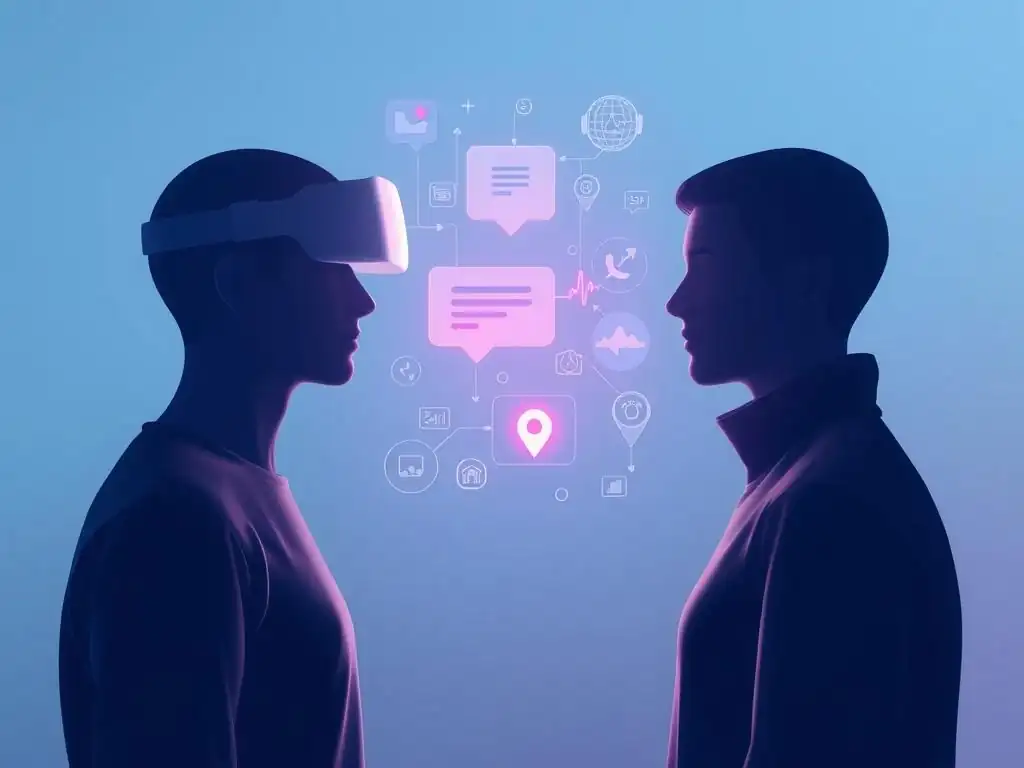
The burgeoning field of "future virtual dating technology" presents a fascinating paradox: immense potential for connection alongside significant hurdles to overcome. While the dream of seamlessly bridging geographical distances and fostering deeper understanding through innovative technologies is alluring, the reality is complex and requires careful consideration. This section explores the key challenges and opportunities shaping the future of virtual dating. Successfully navigating this landscape requires a delicate balance between technological innovation and the preservation of authentic human interaction. The ethical implications, discussed later, are equally crucial to responsible development.
Overcoming the Technological Barriers to Seamless Virtual Interaction
One of the primary challenges in developing sophisticated virtual dating technologies is creating a truly seamless and intuitive user experience. Current video chat platforms, while functional, often suffer from lag, poor audio quality, and a lack of nuanced nonverbal communication cues. These technical glitches can significantly hinder the development of genuine connection. Future advancements must address these issues head-on.
For example, advancements in high-bandwidth networks and more sophisticated algorithms for video and audio processing are crucial. Consider the impact of low-latency, high-definition video streaming that allows for a feeling of "being there," mitigating the sense of distance inherent in virtual interactions. Moreover, incorporating technologies that accurately capture and transmit subtle emotional cues, such as micro-expressions and vocal intonations, could revolutionize virtual dating.
Imagine a system that analyzes facial expressions in real-time and provides subtle cues to users about their date's emotional state, enhancing empathy and understanding. The development of such technologies is a complex undertaking, requiring interdisciplinary collaboration between computer scientists, engineers, and psychologists. However, the potential rewards—more meaningful virtual connections—are substantial.
Balancing Technological Advancement with Human Connection
The pursuit of advanced virtual dating technologies must not come at the expense of genuine human connection. While technology can facilitate initial interactions and broaden the pool of potential partners, it should never replace the importance of face-to-face meetings and the richness of in-person experiences. The risk of over-reliance on technology is the potential for a decline in essential social skills and a diminished capacity for empathy and emotional intelligence. A balanced approach is crucial.
Future virtual dating platforms should be designed to encourage rather than hinder offline interactions. For instance, features could be incorporated that facilitate the planning of real-life dates based on shared interests and preferences identified through the virtual platform. The technology should act as a bridge, not a barrier, to meaningful relationships.
Furthermore, features promoting mindful communication and encouraging genuine self-expression should be prioritized over superficial enhancements or gamification that could trivialize the search for meaningful connections. The goal should be to enhance, not replace, the human element in dating. This requires a careful consideration of the user experience and the long-term impact of the technology on human relationships.
The Ethical Considerations of Advanced Dating Technologies
The rapid advancement of virtual dating technologies raises several significant ethical considerations. Data privacy and security are paramount. The collection and use of personal data, including sensitive information about users' preferences and behaviors, must be transparent and subject to strict ethical guidelines. Protecting user information from unauthorized access and misuse is non-negotiable.
Furthermore, the potential for algorithmic bias and discrimination needs careful scrutiny. Algorithms used to match users should be designed to avoid perpetuating existing social inequalities and ensure equitable opportunities for connection. Transparency in the algorithms used and regular audits to assess for bias are essential. Moreover, the potential for manipulation and deception, such as the use of deepfakes or AI-generated profiles, poses a serious threat.
Robust verification mechanisms and educational initiatives to raise user awareness are necessary to mitigate these risks. The development and deployment of advanced virtual dating technologies must be guided by a strong ethical framework that prioritizes user safety, privacy, and well-being. This requires ongoing dialogue between developers, ethicists, and policymakers to establish clear guidelines and best practices. Ignoring these ethical considerations could have far-reaching consequences, undermining the very purpose of these technologies – fostering meaningful connections.
Predicting the Future Landscape of Virtual Dating
The future of virtual dating technology is brimming with potential, promising a more nuanced, personalized, and perhaps even more successful approach to finding connection. While current platforms rely heavily on static profiles and limited interaction methods, future iterations will likely leverage advancements in artificial intelligence (AI), virtual reality (VR), and augmented reality (AR) to revolutionize the online dating experience. This shift will move beyond simple profile matching and delve into deeper compatibility assessments, creating more meaningful connections from the outset.
This evolution will be driven by several key technological advancements and shifting societal expectations, creating a landscape vastly different from what we see today. The speed at which this transformation unfolds will largely depend on user adoption and the continuous refinement of these emerging technologies. We can expect a gradual integration, with some features adopted quicker than others, leading to a more sophisticated and personalized online dating journey.
The Integration of Virtual and Real-World Dating Experiences
The line between the virtual and real worlds is blurring, and this is particularly true in the realm of dating. Future virtual dating technology will likely seamlessly integrate online interactions with real-world experiences. Imagine a dating app that uses AR to overlay information about potential matches onto your real-world environment as you walk down the street – highlighting shared interests or mutual friends.
Or consider a platform that uses VR to create shared virtual spaces for dates, allowing couples to explore virtual museums, attend concerts together, or simply relax in a virtual coffee shop, all from the comfort of their homes. This blended approach will allow for a more gradual and comfortable transition from online interaction to in-person meetings, reducing the anxiety often associated with first dates.
This integration will be crucial in building trust and fostering stronger connections, moving beyond the superficial aspects of profile pictures and short bios. Data suggests that users are increasingly open to these blended experiences, with a notable increase in the use of video calls and virtual meetups even before the widespread adoption of advanced AR/VR technologies.
The Role of Metaverse Platforms in Future Dating Interactions
Metaverse platforms, immersive virtual worlds where users can interact as avatars, represent a significant potential game-changer for virtual dating. These platforms offer unique opportunities for authentic connection, allowing users to express themselves freely and engage in shared experiences that transcend geographical limitations. Imagine meeting your date in a virtual park, attending a virtual concert, or playing a virtual game together – all within a safe and controlled environment.
The potential for increased authenticity in these spaces is substantial; body language, tone of voice, and even subtle nuances of expression can be conveyed more naturally than through text-based communication. However, the success of metaverse dating hinges on addressing potential challenges, such as ensuring safety and inclusivity within these virtual environments.
Careful moderation and robust safety protocols will be crucial to prevent harassment and discrimination, ensuring a positive and welcoming experience for all users. The future success of metaverse dating will depend on the development of secure, user-friendly, and engaging metaverse platforms specifically designed with dating in mind.
The Long-Term Implications of Advanced Virtual Dating Technology on Relationships
The long-term impact of advanced virtual dating technology on relationships is a complex and multifaceted issue. While the potential for increased connection and reduced geographical barriers is significant, there are also potential downsides to consider. Over-reliance on virtual interactions could lead to a diminished capacity for face-to-face communication and a decreased ability to navigate the complexities of in-person relationships.
Furthermore, the use of AI-powered matchmaking algorithms raises concerns about potential bias and the homogenization of dating preferences. The ethical considerations surrounding data privacy and the potential for manipulation through sophisticated algorithms also need careful attention. Striking a balance between leveraging the benefits of technology and mitigating its potential drawbacks will be crucial to ensuring that advanced virtual dating technology contributes positively to the formation of healthy and fulfilling relationships.
Future research should focus on understanding the long-term effects of these technologies on relationship dynamics, communication styles, and overall relationship satisfaction. Careful monitoring and proactive measures will be essential to ensure responsible innovation and mitigate potential negative consequences.
Frequently Asked Questions
What is the potential impact of future virtual dating technology on the online dating experience?
Future virtual dating technologies promise to revolutionize the online dating experience. We can expect more immersive and realistic interactions, potentially bridging the gap between online and in-person dating. This includes enhanced virtual reality and augmented reality features.
How might augmented reality (AR) change how we meet people online?
AR could allow users to overlay digital information onto the real world during dates, providing more context and facilitating deeper connections. Imagine seeing someone's social media profile or shared interests appear as you meet them in a coffee shop.
What role will virtual reality (VR) play in the future of dating?
VR could create fully immersive virtual dating environments, enabling users to meet and interact with potential partners in realistic, simulated settings. This could be particularly beneficial for individuals who are shy or geographically isolated.
What are some potential ethical concerns surrounding the use of advanced dating technologies?
Ethical concerns include issues of privacy and data security, the potential for misrepresentation and catfishing, and the need to ensure fairness and inclusivity in the development and application of these technologies.
How might artificial intelligence (AI) be used to improve online dating?
AI can enhance the online dating experience through personalized matchmaking, improved fraud detection, and the development of more sophisticated communication tools. AI could also help users better understand their own dating preferences.
The rise of virtual dating isn't just a trend; it's a fundamental shift in how we connect, shaping the future of relationships and intimacy. The integration of emerging technologies, from sophisticated AI matchmaking to immersive VR experiences, is rapidly transforming the dating landscape, presenting both exciting opportunities and significant challenges. We've explored the potential benefits – increased accessibility, personalized experiences, and the breaking down of geographical barriers – but also the pitfalls – the potential for deception, the need for responsible development, and the ongoing importance of genuine human connection.
The impact of virtual dating extends far beyond the realm of romance; it reflects broader societal shifts in how we communicate and interact. It forces us to confront questions about authenticity, identity, and the very nature of intimacy in a digitally mediated world. Technology is a useful servant but a dangerous master.
This quote, often attributed to Christian Lous Lange, perfectly encapsulates the duality of virtual dating. While technology can enhance our connections, it's crucial to maintain a mindful approach, ensuring that technology serves our human needs, rather than the other way around.
Consider the implications of this evolving landscape. How can we use technology responsibly to foster meaningful connections? How can we navigate the ethical dilemmas presented by AI-driven matchmaking and virtual reality interactions? You, the reader, hold the key to shaping this future. By engaging critically with the opportunities and challenges presented by virtual dating, and by advocating for ethical and responsible technological development, we can ensure that the future of love remains a human endeavor, enhanced – not replaced – by technology.
Unleash Your Virtual Dating Potential!
Thank you for exploring the exciting future of virtual dating with us! You've gained valuable insights into how technology can enhance your connections. Ready to take the next step?
- Explore innovative dating apps: Research and try some of the latest apps; you might find your perfect match!
- Share your thoughts and experiences: Join the conversation in the comments below! Let's discuss the ethical considerations and exciting possibilities.
- Craft a compelling virtual dating profile: Use the tips we've shared to create a profile that truly reflects your personality and attracts compatible partners.
What new technology excites you most for enhancing your online dating experience?