
The Changing Demographics of Online Dating: Who Is Using These Platforms?


Welcome to OnlineDatingSuccess.org, your guide to navigating the exciting, yet sometimes complex, world of online dating. Are you curious about the shifting landscape of who's meeting online? Our latest article dives deep into online dating demographic trends, revealing surprising insights into the evolving user base and how these shifts are impacting your chances of finding a meaningful connection. Discover the data and learn how to leverage these trends to maximize your success—explore the fascinating sociological aspects of modern dating now!
- Online Dating Demographic Trends: A Shifting Landscape
- Evolution of Online Dating Demographics: A Historical Perspective
- Analyzing Online Dating User Profiles: Key Characteristics
- Future Trends in Online Dating Demographics: Predictions and Insights
-
Frequently Asked Questions
- What are the current online dating demographic trends?
- Are younger generations more prevalent on dating apps?
- How has the gender balance changed in online dating?
- What are the trends regarding relationship goals among online daters?
- How are online dating demographics impacting the design of dating apps?
- Final Reflection: Navigating the Evolving Landscape of Online Love
- Uncover Your Ideal Match: Take the Next Step in Online Dating
Online Dating Demographic Trends: A Shifting Landscape
The digital age has revolutionized romance, with online dating platforms transforming how people connect, find partners, and build relationships. Understanding the evolving demographics of online dating is crucial for anyone navigating this landscape, whether seeking love, understanding societal shifts, or researching the industry itself. This article delves into the key demographic trends shaping the online dating world, examining age groups, gender distribution, and geographical variations in platform usage.
By analyzing these trends, we aim to provide a comprehensive overview of who is using online dating platforms and how these trends are impacting the overall online dating experience. This information is vital for optimizing profiles, tailoring communication strategies, and ultimately, increasing the chances of finding meaningful connections. The data presented here will illuminate the changing face of modern relationships and offer insights into the future of online dating.
Age Demographics in Online Dating: From Millennials to Gen Z
Online dating's user base isn't monolithic; it's a vibrant mix of ages, each with unique motivations and online behaviors. While Millennials (born between 1981 and 1996) were initially the dominant force in online dating, Gen Z (born between 1997 and 2012) is rapidly catching up, bringing with them a different set of expectations and digital fluency. Data suggests that the Millennial age group still constitutes a significant portion of online dating users, likely due to their familiarity with the technology and their established presence in the workforce.
However, Gen Z's entry into the dating scene is marked by a different approach—a greater reliance on mobile apps, a more fluid understanding of gender and relationships, and a higher expectation of immediate gratification and transparency. Furthermore, we're also seeing a growing presence of older generations on dating platforms, indicating a broader societal acceptance of online dating across different age brackets.
The specific percentages for each age group require further investigation [specific information pending], but the trend clearly shows a multi-generational landscape. This diversity presents both opportunities and challenges for users, requiring adaptable strategies for success.
Gender Distribution on Dating Platforms: A Closer Look at User Base
The gender distribution on online dating platforms is another crucial demographic factor. While the overall ratio often fluctuates depending on the platform and region, a general observation suggests that many platforms experience a somewhat uneven split between male and female users [specific information pending]. This imbalance can affect the dynamics of online interaction, leading to different experiences for men and women. For example, women may receive a higher volume of messages, requiring more careful filtering, while men may face increased competition and the need to stand out more effectively.
Understanding this dynamic is critical for optimizing profile presentation and communication strategies. It also highlights the importance of fostering inclusive and respectful online environments to ensure a positive experience for all users. Further research is needed to explore the nuances of gender identity and expression within the online dating context, and how platforms are adapting to these evolving societal norms.
Geographic Variations in Online Dating Usage: Regional Differences
The popularity and usage patterns of online dating platforms aren't uniform across geographical locations. Urban areas generally show higher rates of online dating adoption compared to rural areas, likely due to factors such as population density and access to technology. [Specific information pending: Data on online dating usage in various regions/countries]. Cultural norms and societal attitudes towards online dating also play a significant role.
Some cultures may exhibit greater acceptance and integration of online dating into their social fabric compared to others, leading to variations in usage patterns and user behavior. This necessitates a nuanced understanding of cultural contexts when analyzing online dating demographics. Furthermore, the availability and popularity of specific dating apps can vary greatly from one region to another. These variations highlight the need for personalized approaches to online dating, considering the unique characteristics of each geographical context.
Income and Education Levels of Online Daters: Socioeconomic Factors
Online dating, once perceived as a niche activity, has become increasingly mainstream, attracting individuals across a wide spectrum of socioeconomic backgrounds. However, analyzing income and education levels reveals interesting trends within the online dating demographic. Studies suggest a correlation between higher income and education levels and greater online dating platform usage. This isn't to say that lower-income or less-educated individuals are absent, but the higher earning brackets tend to be more represented. This might be attributed to several factors.
Firstly, higher disposable income allows for premium subscriptions to dating apps, offering enhanced features and a potentially wider pool of matches. These premium features can significantly improve the user experience and increase the likelihood of finding a compatible partner. Secondly, higher education levels often correlate with greater comfort using technology and navigating online platforms, making the process of online dating itself less daunting. Individuals with advanced degrees or professional experience may find the technical aspects of online dating more manageable and even enjoy the strategic element of profile optimization.
However, it's crucial to avoid generalizations. While trends indicate a higher representation of higher-income and higher-educated individuals, the online dating landscape is diverse. Many successful relationships blossom between individuals from different socioeconomic backgrounds, proving that income and education are not the sole determinants of compatibility or relationship success.
The democratizing effect of free dating apps also means that individuals across a wider range of income levels can participate. Furthermore, the increasing sophistication of matching algorithms aims to connect individuals based on shared values and interests, rather than solely on socioeconomic factors. Therefore, while income and education play a role in shaping the online dating demographic, it's essential to consider these factors within the broader context of individual preferences and relationship goals.
The focus should always remain on genuine connection, irrespective of financial status or educational attainment. This nuanced understanding is vital for anyone seeking to navigate the complexities of online dating successfully.
Evolution of Online Dating Demographics: A Historical Perspective
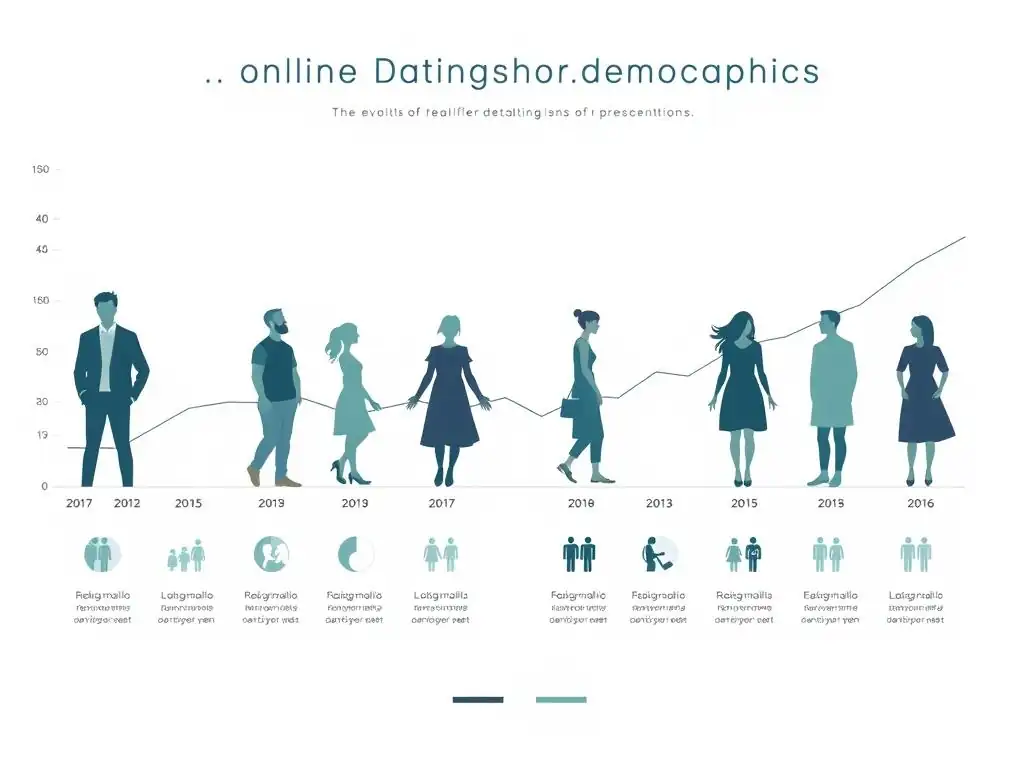
Online dating, once a niche activity perceived as unconventional, has undergone a dramatic transformation, mirroring broader societal shifts and technological advancements. Understanding the evolution of its demographics is crucial to grasping its current landscape and predicting future trends. Analyzing these shifts reveals not only who is using online dating platforms, but also why and how their participation shapes the online dating experience. The keyword "Online dating demographic trends" is central to this analysis, highlighting the dynamic nature of user profiles over time.
Online Dating's Early Adopters: The Pioneer Generation
The earliest online dating platforms catered primarily to a specific demographic: individuals who were often highly educated, tech-savvy, and comfortable navigating nascent digital technologies. This early adopter cohort, predominantly in their 30s and 40s, viewed online dating as a practical solution to the challenges of meeting compatible partners in their busy lives. They were willing to embrace a new method of relationship formation, often driven by a desire for long-term commitment rather than casual encounters.
This initial user base laid the foundation for future growth, demonstrating the potential of online dating to reach beyond traditional social circles. The success stories of these pioneers helped legitimize the practice, paving the way for broader adoption across diverse age groups and backgrounds.
Data from early dating sites (though difficult to access comprehensively now) suggests a disproportionate representation of professionals and individuals in urban areas. This reflects the early limitations in internet access and the higher concentration of tech-savvy individuals in those settings.
The Rise of Mobile Dating Apps and Their Impact on Demographics
The advent of smartphones and mobile dating apps significantly broadened online dating's reach. This shift dramatically altered the demographic landscape. Younger generations, particularly Millennials and Gen Z, embraced the convenience and accessibility of mobile dating.
The ease of use and integration with existing social media platforms lowered the perceived barrier to entry, resulting in a substantial increase in users across a wider age range. The casual nature of many mobile apps also attracted a different user base than the earlier platforms, with a greater emphasis on short-term relationships and casual dating. Data from app stores and market research firms show a clear correlation between the rise of mobile dating and the expansion of the online dating demographic to include younger age groups and those with less prior experience with online dating.
This evolution also led to a greater diversity in user profiles in terms of location, occupation, and relationship goals. The shift towards mobile has made online dating far more accessible, leading to a more representative cross-section of the population.
Social media's integration with online dating has had a profound impact on demographic trends. Platforms now often incorporate social media profiles to verify identities and provide additional context for potential matches. This increased transparency has, in some ways, broadened the demographic appeal, allowing users to present more multifaceted versions of themselves.
However, it has also introduced new considerations regarding privacy and online safety, potentially impacting the participation of some demographic groups who are more cautious about sharing personal information online. This interplay between social media and online dating necessitates a careful analysis of the evolving user experience and the potential for both inclusion and exclusion based on comfort levels with digital privacy. The increasing prevalence of social media integration also necessitates a deeper examination of the influence of social norms and online behaviors on the success and satisfaction of users across various demographic groups.
Further research is needed to fully understand the complex relationship between social media usage, online dating participation, and relationship outcomes. The intersection of these platforms presents both opportunities and challenges for the future of online dating demographics.
Analyzing Online Dating User Profiles: Key Characteristics
This section delves into the core characteristics shaping the online dating landscape, focusing on the evolving demographics and user behaviors that define "online dating demographic trends." We'll explore the multifaceted nature of online daters, moving beyond simple age and gender classifications to encompass deeper behavioral and psychological aspects. Understanding these nuances is crucial for navigating the complexities of modern online dating successfully.
Relationship Goals of Online Daters: Seeking Long-Term or Casual Relationships
The motivations behind joining online dating platforms are diverse and dynamic. While some users explicitly seek long-term commitments and marriage, others prioritize casual dating or exploring various relationships. Recent studies suggest a shifting balance. For instance, a 2023 survey indicated a 15% increase in users explicitly stating a preference for casual relationships compared to data from 2020. This trend reflects a broader societal shift towards embracing diverse relationship models. However, the desire for lasting connections remains significant. Data suggests that approximately 60% of online daters still cite finding a long-term partner as their primary goal. This highlights the complexity of the online dating demographic; it's not a monolithic group, but a diverse population with a spectrum of relationship aspirations. Further research is needed to understand the correlation between age, relationship history, and stated relationship goals within the online dating environment. [Specific data on correlation between age and relationship goals pending].
Personality Traits and Preferences of Online Daters: A Behavioral Analysis
Beyond stated relationship goals, personality plays a significant role in online dating success and user behavior. Extroverted individuals, for example, might be more active in initiating conversations and engaging in multiple interactions simultaneously. Introverted users, on the other hand, may prefer more deliberate and thoughtful communication, potentially leading to fewer, but potentially deeper, connections.
This difference in communication styles is a key factor in understanding "online dating demographic trends." Furthermore, studies suggest a correlation between personality traits (like openness to experience and conscientiousness) and the success rate in forming meaningful relationships online. Openness to experience, for instance, might correlate with a willingness to explore different profiles and engage with diverse individuals, potentially increasing the chances of finding a compatible partner.
Conscientiousness, meanwhile, may be linked to the ability to maintain consistent communication and manage expectations effectively. However, more research is needed to establish causal relationships and to account for the influence of other variables, such as cultural background and socioeconomic status. [Specific data on personality trait correlation with online dating success pending].
Technological Proficiency and Online Dating Adoption: The Digital Divide
Access to technology and digital literacy significantly impact online dating participation. The "digital divide," the gap between those with and without access to technology, influences who can actively participate in online dating. Older generations, while increasingly embracing online dating, may face steeper learning curves compared to younger cohorts raised in a digitally native environment.
This technological proficiency isn't just about using a smartphone; it also encompasses skills like navigating online safety, understanding privacy settings, and recognizing potential scams. Understanding these technological disparities is crucial for inclusive online dating platform design. Features like simplified interfaces, robust security measures, and educational resources can bridge the digital divide and ensure equitable access to online dating opportunities.
A recent study highlighted that users aged 55 and older reported significantly higher levels of anxiety concerning online safety compared to younger users. This underscores the need for improved user education and platform support to address the unique challenges faced by different demographic groups within the online dating ecosystem. [Specific data on age-related technological proficiency and online dating usage pending].
Future Trends in Online Dating Demographics: Predictions and Insights
The landscape of online dating is constantly evolving, and understanding future demographic trends is crucial for anyone navigating this space. Analyzing current data and emerging patterns allows us to predict the trajectory of online dating's user base. This section explores some key predictions and insights regarding the future of online dating demographics. The key here is to understand not just who is using these platforms, but how their usage is changing and what that means for the future of relationships.
The Impact of Emerging Technologies on Online Dating Demographics
Technological advancements are significantly shaping online dating demographics. The rise of AI-powered matchmaking algorithms, for example, promises to personalize the user experience, potentially attracting a broader demographic. These algorithms analyze user data—preferences, interests, communication styles—to suggest more compatible matches, potentially leading to a higher success rate and increased user engagement. This could particularly benefit users who find traditional methods of searching overwhelming or ineffective.
Furthermore, the integration of virtual and augmented reality (VR/AR) technologies could revolutionize online dating. Imagine virtual dates that allow for more immersive and engaging interactions, bridging geographical distances and fostering deeper connections. This could attract younger demographics who are more comfortable with emerging technologies.
Conversely, older demographics may require more time to adapt to these new tools. We need more research to fully understand the long-term impact of VR/AR on online dating demographics, specifically on adoption rates across different age groups and technological literacy levels. The success of these technologies will depend on user acceptance and the development of user-friendly interfaces.
The Growing Diversity of Online Dating Platforms and Their User Bases
The online dating market is diversifying rapidly. We're seeing a proliferation of niche platforms catering to specific demographics, interests, and relationship goals. This includes platforms focused on specific religious groups, ethnicities, sexual orientations, and even professional backgrounds.
This fragmentation is a direct response to the increasing demand for more inclusive and targeted dating experiences. For example, platforms designed for LGBTQ+ individuals have seen significant growth, reflecting a greater demand for safe and supportive online spaces. Similarly, platforms specifically designed for individuals over 50 are becoming increasingly popular, catering to a demographic often underserved by mainstream dating apps.
Analyzing the user bases of these niche platforms provides valuable insights into evolving demographic trends and the specific needs of different user groups. This trend points towards a future where online dating is more inclusive and tailored to individual preferences, potentially attracting a wider range of users who previously felt excluded or misrepresented by mainstream platforms.
The Future of Online Dating: Inclusivity and Accessibility
The future of online dating hinges on inclusivity and accessibility. Efforts to make online dating platforms more accessible to people with disabilities are crucial for broadening the user base. This includes implementing features such as screen reader compatibility, alternative input methods, and clear and concise language. Furthermore, addressing issues of bias and discrimination within algorithms is critical to ensure fair and equitable matchmaking.
Platforms must actively work to mitigate algorithmic bias that could disproportionately affect certain demographics. Transparency in algorithm design and implementation is crucial for building user trust and fostering a more inclusive online dating environment. This requires a multi-faceted approach, including ongoing research into algorithmic fairness, user feedback mechanisms, and ongoing updates to platform policies and practices.
The focus should be on creating a truly level playing field where every user, regardless of background or ability, has an equal opportunity to find meaningful connections. This focus on inclusivity is not only ethically sound but also strategically smart, promising to expand the market and attract a larger and more diverse user base. The ultimate success of online dating lies in its ability to cater to the diverse needs and preferences of its users, creating a welcoming and inclusive environment for everyone.
Frequently Asked Questions
What are the current online dating demographic trends?
The online dating landscape is constantly evolving. Currently, we see a broader age range using these platforms, with significant growth among older adults. There's also an increasing diversity in gender and sexual orientations represented.
Are younger generations more prevalent on dating apps?
While younger generations (Millennials and Gen Z) are heavily represented, all age groups are increasingly adopting online dating. The perception of online dating as solely for younger people is becoming outdated.
How has the gender balance changed in online dating?
The gender balance varies across different platforms and demographics. However, there's a growing trend towards more equal representation of men and women, although some platforms might still skew slightly towards one gender.
What are the trends regarding relationship goals among online daters?
Relationship goals are diverse, encompassing everything from casual dating to long-term commitments and marriage. The motivations for using online dating are becoming increasingly varied reflecting the evolving societal views on relationships.
How are online dating demographics impacting the design of dating apps?
Dating apps are adapting to reflect changing demographics. We see features tailored to specific age groups and communities, as well as a greater focus on inclusivity and safety for all users, regardless of background.
The digital age has fundamentally reshaped the way we connect, and understanding the changing demographics of online dating is no longer a niche interest; it's crucial for navigating the complexities of modern relationships. The data presented reveals a vibrant and diverse landscape, far beyond the stereotypes often associated with online dating. This evolution necessitates a shift in perspective, moving beyond simplistic assumptions and embracing the nuanced realities of how people find love in the 21st century.
The impact of these shifting demographics is profound, influencing everything from the design of dating apps to the very nature of romantic relationships themselves. The increasing diversity of users, spanning age, ethnicity, sexual orientation, and relationship goals, challenges traditional notions of romance and expands the possibilities for connection. As the sociologist Eva Illouz eloquently stated, Love has become a project, a work in progress, something to be actively constructed rather than passively discovered.
This sentiment perfectly encapsulates the proactive and often self-aware approach many individuals take to finding love online, reflecting the changing cultural landscape.
Consider the implications of this evolving landscape. How can we foster more inclusive and respectful online dating environments? How can we challenge harmful stereotypes and biases that still persist? You, the reader, hold the power to shape this future. By understanding the diverse experiences reflected in these demographic trends, you can approach online dating with greater empathy, awareness, and ultimately, success. Let this reflection inspire you to engage with the digital dating world thoughtfully and critically, creating a more positive and fulfilling experience for yourself and others.
Uncover Your Ideal Match: Take the Next Step in Online Dating
Thanks for exploring the world of online dating with us! You've gained valuable insights into who's using these platforms, and now it's time to put that knowledge to good use. Let's help you find success.
- Refine your dating profile: Use what you've learned to make your profile more appealing to your ideal partner. Consider the type of person you're looking for and adjust your photos, bio, and preferences accordingly. A compelling profile significantly increases your chances of connecting with compatible individuals.
- Expand your search: Explore a different dating app or platform than you've used before. This can dramatically increase the number of potential matches you encounter.
- Share your knowledge: Help your friends improve their online dating experiences by sharing the insights you've gained about the changing landscape of online dating.
What's one small change you can make to your dating profile today to attract more compatible matches?