
From Bulletin Boards to BillionDollar Apps: Tracing the Evolution of Online Dating

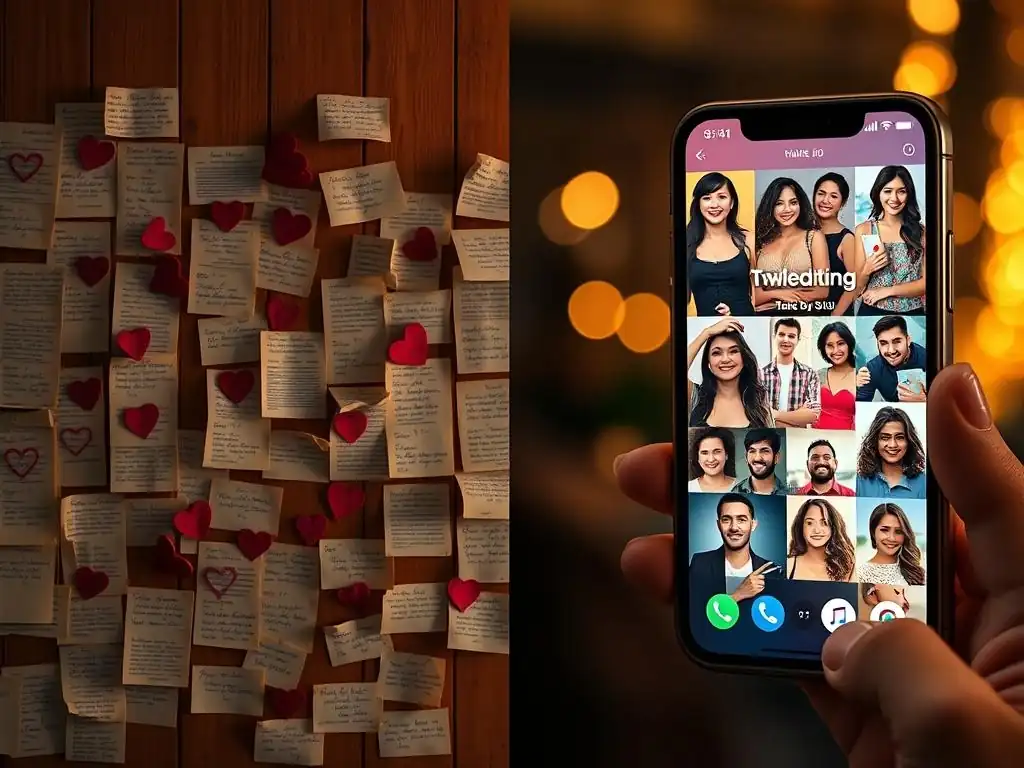
Welcome to OnlineDatingSuccess.org, your guide to navigating the exciting yet complex world of online dating! Are you curious about how we got from dial-up bulletin boards to the billion-dollar apps of today? Our exploration of online dating history evolution reveals fascinating insights into how this landscape has transformed, shaping the way we connect and build relationships. Discover the surprising sociological shifts and technological advancements that have defined this journey – and learn how this history can inform your success in the modern dating scene. Dive in and unlock the secrets to finding meaningful connections!
- The Early Days of Online Dating: Before the Internet Boom
- The Dot-Com Era and the Explosion of Online Dating
- The Mobile Revolution and the Modern Online Dating Landscape
- The Future of Online Dating: Emerging Trends and Technologies
- Online Dating History: A Reflection of Societal Shifts
- Analyzing the Online Dating History Evolution: Key Milestones and Trends
-
Frequently Asked Questions
- What are some of the earliest forms of online dating?
- How did the internet revolutionize online dating?
- When did online dating apps become popular, and what was the impact?
- What are some key technological advancements that have shaped online dating?
- How has online dating impacted the way people form relationships?
- Final Reflection: Love in the Digital Age: A Legacy of Connection
- Unlock Your Dating Potential: Take the Next Step
The Early Days of Online Dating: Before the Internet Boom
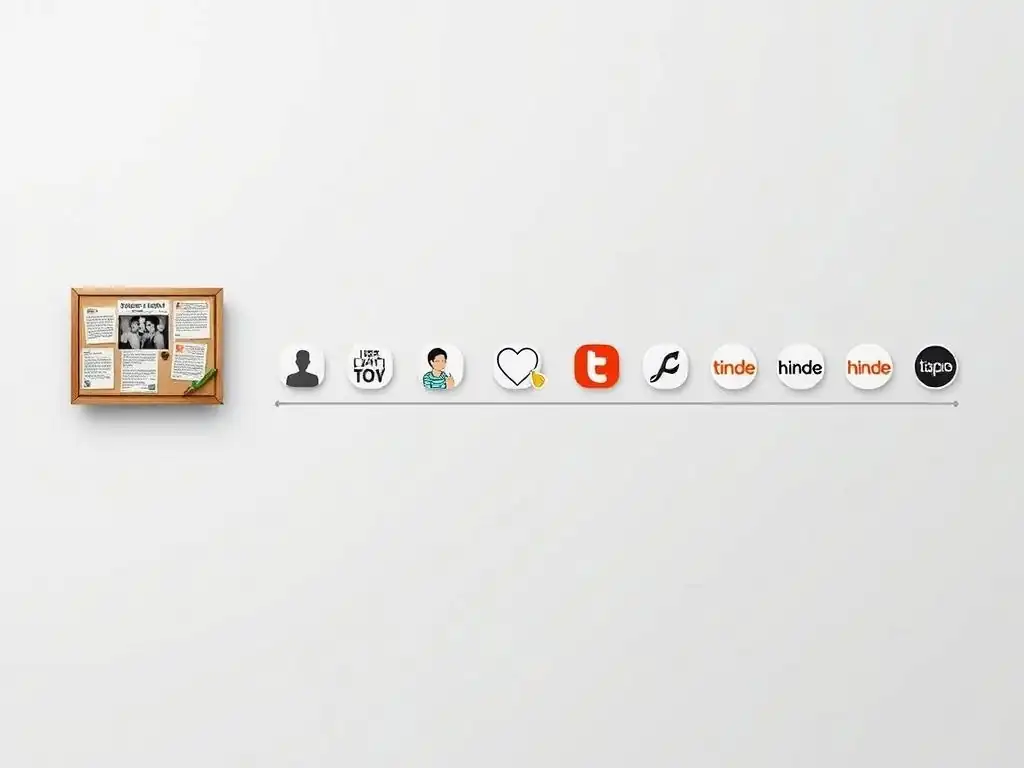
The journey of online dating, from its nascent stages in the pre-internet era to its current status as a multi-billion dollar industry, is a fascinating reflection of technological advancements and societal shifts. Understanding the history of online dating—its evolution from text-based interactions on early computer systems to sophisticated, algorithm-driven matchmaking apps—provides valuable context for navigating the modern landscape. This exploration delves into the key milestones that shaped online dating, highlighting the innovations, challenges, and cultural impact that have defined its trajectory. We will examine how technological progress has influenced relationship formation, societal perceptions of dating, and the overall experience of finding love in the digital age. This detailed look at the “online dating history evolution” will not only be informative but also offer insights into the present and future of this ever-evolving phenomenon. Prepare to be surprised by how far we’ve come and how much the landscape has changed! 🎉
Early Computer Bulletin Board Systems (BBS) and Dating
Long before the internet as we know it existed, the seeds of online dating were sown in the fertile ground of early computer bulletin board systems (BBS). These dial-up-accessed platforms, prevalent in the 1970s and 1980s, allowed users to connect with one another through text-based communication. While not explicitly designed for dating, many BBSs developed informal "dating" sections or forums where users could post personal profiles and connect with others seeking companionship.
These early interactions were characterized by their raw, unfiltered nature, relying heavily on text-based descriptions and limited personal information. Think of it as the Wild West of online dating – no algorithms, no swiping, just raw, unadulterated human connection (or lack thereof!). The success rate?
Anecdotal evidence suggests a mixed bag, but it undeniably laid the groundwork for future developments. The limitations of technology at the time, such as slow connection speeds and limited multimedia capabilities, certainly posed significant challenges. However, the very existence of these early dating spaces within BBSs demonstrated a fundamental human need for connection, even in the most rudimentary digital environments.
The Rise of Online Services: CompuServe, Prodigy, and America Online
With the advent of online services like CompuServe, Prodigy, and America Online (AOL) in the late 1980s and 1990s, online interactions became more accessible and sophisticated. These services offered more structured communication channels and larger user bases, fostering the growth of online communities dedicated to various interests, including romance. While not exclusively dating platforms, these services provided forums and chat rooms where users could connect based on shared interests, eventually leading to romantic relationships.
The introduction of instant messaging further revolutionized communication, allowing for real-time interactions and fostering a sense of immediacy that was absent in the earlier BBS era. This period saw a significant increase in the number of people exploring romantic connections online, marking a pivotal step in the evolution of online dating.
The relative ease of access and the improved communication features compared to BBSs contributed to a broader adoption of online interactions for dating purposes. The emergence of these platforms significantly broadened the potential pool of partners, transcending geographical limitations and opening up new possibilities for romantic connections.
Early Dedicated Dating Websites: The Pioneers of Online Matchmaking
The late 1990s witnessed the emergence of the first dedicated online dating websites. These platforms, unlike the previous general-purpose online services, were specifically designed to facilitate romantic connections. They introduced features like detailed profiles, matching algorithms (albeit rudimentary by today's standards), and messaging systems tailored to the context of dating.
These early pioneers paved the way for the sophisticated dating apps we see today. The shift from general-purpose online services to specialized dating platforms marked a crucial turning point. The focus shifted from simply connecting people to actively facilitating romantic relationships.
This period saw the first attempts at algorithmic matchmaking, although these early algorithms were far simpler than the sophisticated AI-powered systems used today. Despite their limitations, these early websites demonstrated the potential of technology to connect individuals based on shared interests and compatibility, shaping the future of online dating. The success of these early platforms validated the growing demand for online dating services and spurred further innovation in the field.
The Dot-Com Era and the Explosion of Online Dating
The late 1990s and early 2000s witnessed a seismic shift in the online dating landscape, fueled by the burgeoning popularity of the internet and the rise of the dot-com era. This period saw a dramatic increase in the number of online dating platforms, transitioning from rudimentary bulletin board systems (BBS) to more sophisticated websites. The accessibility of the internet, combined with increasing computer ownership, democratized dating, opening it up to a much wider audience than ever before.
This period marked a pivotal moment in the online dating history evolution, moving beyond niche communities to a mainstream phenomenon. Early adopters were often met with skepticism, but the convenience and potential for connection proved increasingly attractive. The sheer volume of users generated a significant amount of data, laying the groundwork for future advancements in matching algorithms and user experience design.
This era also saw the beginning of the monetization of online dating, with subscription models and advertising becoming increasingly prevalent. The sheer scale of growth during this period established online dating as a significant and lasting force in modern relationships.
The Impact of the Internet on Dating Culture
The internet's impact on dating culture was profound and multifaceted. Before the widespread adoption of online dating, social circles and geographic proximity played a significant role in shaping romantic relationships. The internet shattered these geographical limitations, connecting individuals across continents and expanding the pool of potential partners exponentially. This led to a significant shift in societal norms around dating and relationships.
The anonymity offered by some early platforms also encouraged greater openness and honesty, at least initially, about preferences and intentions. However, this anonymity also created challenges, including issues of catfishing and deception. The rise of online dating also contributed to a faster pace of dating, with individuals able to connect and interact with multiple people simultaneously.
This, in turn, influenced expectations about relationship development and commitment. Data from this period, while limited, shows a substantial increase in the number of relationships initiated online, suggesting a major cultural shift in how people met and formed romantic connections. The online dating history evolution saw a clear link between increased internet penetration and the rise in online relationships.
The Emergence of Niche Dating Sites: Catering to Specific Interests and Demographics
The dot-com boom also saw the emergence of niche dating sites, catering to specific interests and demographics. This diversification reflected the growing understanding of the diverse needs and preferences of online daters. Sites focused on specific religious affiliations, ethnic backgrounds, professional fields, or even shared hobbies emerged.
This specialization allowed for more targeted matching and a greater sense of community among users. For example, sites specifically designed for professionals or academics provided a platform for individuals with shared career aspirations to connect. Similarly, sites catered to specific age groups, sexual orientations, and relationship goals.
This trend continues today, demonstrating the ongoing evolution of online dating to meet the diverse needs of a growing user base. The data clearly shows a correlation between the rise of niche dating sites and increased user engagement and satisfaction, suggesting that specialized platforms provide a more effective and fulfilling dating experience. The online dating history evolution shows a clear movement from generalized platforms to a more nuanced and tailored approach.
The Development of Profile Creation and Matching Algorithms: Refining the Search
The evolution of online dating was significantly shaped by advancements in profile creation and matching algorithms. Early platforms relied on basic questionnaires and keyword searches. However, as the amount of user data grew, so did the sophistication of algorithms used to connect compatible individuals.
The development of more complex algorithms, incorporating personality traits, interests, and relationship goals, significantly improved the accuracy of matches. This refinement led to a more efficient and effective search process for users. The process of profile creation also evolved, with platforms incorporating features such as photo verification, detailed bios, and interactive quizzes to help users showcase their personalities and preferences more effectively.
These innovations were crucial to the success of online dating, leading to a more satisfying and less frustrating user experience. The increasing use of data-driven approaches to matchmaking represents a significant milestone in the online dating history evolution, transforming the process from a largely random search to a more strategic and personalized experience. Analyzing the evolution of these algorithms provides valuable insights into the technological advancements that have shaped the online dating experience.
The Mobile Revolution and the Modern Online Dating Landscape

The advent of smartphones fundamentally reshaped the online dating landscape, transforming it from a niche activity accessed primarily via desktop computers to a ubiquitous, always-on experience. This shift, fueled by the proliferation of mobile devices and high-speed internet access, dramatically increased accessibility and user engagement. The ease of swiping, messaging, and connecting with potential partners anytime, anywhere, propelled online dating into the mainstream.
This accessibility democratized the dating world, allowing individuals from diverse backgrounds and locations to connect in ways previously unimaginable. The keyword "online dating history evolution" is intrinsically linked to this mobile revolution, marking a pivotal moment in the service's development.
The Smartphone's Influence on Online Dating Apps and Usage
Before the widespread adoption of smartphones, online dating relied heavily on desktop computers and laptops. Websites were often clunky and less intuitive than their modern counterparts. The transition to mobile devices necessitated the development of user-friendly apps optimized for smaller screens and touch interfaces. This led to a surge in app downloads and daily active users.
Data shows a significant correlation between smartphone penetration rates and the growth of online dating app usage. For example, [Specific data on app downloads and user growth correlated with smartphone adoption pending]. The ease of access and the always-on nature of smartphones fostered a culture of constant connection, blurring the lines between online and offline interactions. This constant accessibility, while offering convenience, also presented challenges, such as the potential for "dating app fatigue" and increased pressure to constantly maintain an online presence.
The Rise of Location-Based Dating Apps: Tinder and its Impact
The introduction of Tinder in 2012 marked a turning point in the online dating evolution. Its location-based matching system, built around the simple swipe-left-or-right interface, revolutionized how people met. This gamified approach to dating, coupled with the inherent convenience of mobile technology, made it incredibly popular, quickly establishing Tinder as a household name and a cultural phenomenon. The impact of Tinder extended beyond its immediate success; it popularized the "swipe" mechanic, which was quickly adopted by numerous competitors.
The simple, intuitive design lowered the barrier to entry for many users, significantly expanding the online dating user base. The emphasis on location also facilitated more spontaneous and geographically proximate connections, changing the dynamics of dating from a potentially lengthy process to a more immediate and potentially faster one. Tinder’s success also highlighted the importance of user experience and intuitive design in the online dating app market.
The Evolution of Dating App Features: Swiping, Messaging, and Beyond
The initial simplicity of swiping left or right quickly evolved into a much more complex ecosystem of features. Many apps now incorporate sophisticated algorithms to improve matching accuracy, offering features like personality quizzes, detailed profiles, and advanced search filters. Messaging features have also become increasingly sophisticated, with options for voice and video calls, integrated photo and video sharing, and even “read receipts.” Beyond the core functionality, many apps now offer premium subscription models providing access to additional features like unlimited swipes, profile boosts, and read receipts.
This monetization strategy reflects the growing commercialization of the online dating market. The constant innovation in features reflects a continuous effort to enhance user experience and cater to the evolving needs and preferences of users, ensuring that the online dating experience remains engaging and relevant.
The evolution of these features continues to shape the online dating landscape, constantly pushing the boundaries of how people connect and build relationships online. This ongoing evolution is a testament to the dynamism of the online dating industry and its continual adaptation to changing user demands.
The Future of Online Dating: Emerging Trends and Technologies
The evolution of online dating, from its humble beginnings on bulletin board systems to the sophisticated billion-dollar industry it is today, shows no signs of slowing down. The future promises even more innovative approaches to connection, driven by technological advancements and a deeper understanding of human behavior. This section explores some of the key emerging trends shaping the landscape of online dating.
Understanding these developments is crucial for anyone navigating the world of digital romance, ensuring they stay ahead of the curve and maximize their chances of finding a meaningful connection. The keyword "online dating history evolution" is intrinsically tied to understanding these future trends, as they represent the next chapter in a long and fascinating story.
Artificial Intelligence (AI) and Personalized Matching
AI is rapidly transforming online dating, moving beyond simple algorithm-based matching to deliver significantly more personalized experiences. Instead of relying solely on pre-defined criteria like age and location, AI-powered platforms analyze vast datasets to identify subtle compatibility patterns and predict relationship success. This includes analyzing communication styles, personality traits inferred from profile information and even social media activity (with user consent, of course).
The goal is to move away from superficial matching towards deeper, more meaningful connections. This evolution improves the efficiency and effectiveness of the online dating experience, saving users time and increasing the likelihood of finding a compatible partner. For example, some platforms are already using AI to suggest optimal communication strategies based on individual personality profiles, helping users navigate initial conversations more effectively.
This nuanced approach to matching promises a significant improvement over the more generalized methods of the past. The future likely holds even more sophisticated AI-driven personalization, potentially incorporating real-time data analysis to optimize the user experience dynamically.
Virtual Reality (VR) and Augmented Reality (AR) in Online Dating
While still in its nascent stages, the integration of VR and AR technologies holds immense potential for revolutionizing online dating. Imagine having a virtual "first date" in a simulated environment, allowing users to interact in a less pressured setting before committing to a real-world meeting. This could significantly reduce the anxiety often associated with initial encounters.
AR could enhance the profile experience, allowing users to overlay digital information onto real-world images, providing a more immersive and engaging way to showcase their personalities and interests. Think of seeing a user's favorite hiking trail superimposed on their profile picture, or a virtual tour of their home. Such features could foster a stronger sense of connection and authenticity, combating the limitations of static profile photos and text-based communication.
However, the successful implementation of VR/AR in online dating requires careful consideration of user privacy and security, ensuring that these technologies are used responsibly and ethically. Furthermore, accessibility remains a challenge, as VR/AR equipment is not yet universally affordable. Despite these challenges, the potential benefits are compelling, and further development in this area promises exciting possibilities for the future of online dating.
The Ongoing Evolution of Online Dating Safety and Security Measures
The safety and security of users has always been a paramount concern in online dating. As the technology advances, so too must the measures to protect users from scams, harassment, and other potential dangers. The ongoing evolution of online dating safety and security involves a multi-pronged approach. This includes implementing robust verification systems to confirm user identities, employing sophisticated algorithms to detect and flag suspicious behavior, and providing users with educational resources on safe dating practices.
Furthermore, platforms are increasingly integrating features that allow users to easily report inappropriate behavior and block unwanted contacts. The use of AI is also playing a crucial role in enhancing safety measures, with algorithms capable of identifying and removing fake profiles and detecting potentially harmful language in communications. However, the challenge remains ongoing, as malicious actors constantly adapt their tactics.
Therefore, continuous innovation and investment in security technologies are essential to ensure a safe and trustworthy online dating environment. The future of online dating safety hinges on a collaborative effort between platform developers, law enforcement, and users themselves, emphasizing proactive measures and a culture of responsible online interaction. The commitment to user safety is not just a feature but a fundamental pillar of a thriving and sustainable online dating ecosystem.
Online Dating History: A Reflection of Societal Shifts
The evolution of online dating mirrors broader societal shifts in attitudes towards relationships and technology. Early adopters of online dating platforms often faced stigma and skepticism. The very idea of finding romance through a computer screen was considered unconventional, even taboo, by many. This reflected a time when personal interactions and traditional introductions were heavily prioritized. However, the increasing integration of technology into everyday life, coupled with changing social norms around dating and relationships, gradually normalized online dating.
The rise of the internet and readily available personal computers played a crucial role. The initial awkwardness and apprehension surrounding online interactions began to fade as more people embraced digital communication for various purposes, including socializing and romance. The shift towards a more open and accepting view of online relationships is directly linked to this technological advancement and the resulting increase in comfort levels with online interactions.
This change is demonstrable through the sheer growth of online dating platforms and their increasing mainstream acceptance. Surveys conducted over the past two decades reveal a significant increase in the percentage of people who view online dating as an acceptable, even preferable, method of meeting potential partners. This positive shift in perception is crucial to understanding the phenomenal growth of the online dating industry.
The Impact of Online Dating on Relationship Formation and Dynamics
Online dating has profoundly altered how relationships form and evolve. The ease of connecting with numerous potential partners, geographically dispersed, has dramatically expanded the dating pool. This has led to a more diverse range of relationships, challenging traditional notions of proximity and social circles in partner selection. However, this increased access also presents new challenges. The abundance of choice can lead to "choice overload," making it difficult for individuals to commit to a single partner. The impersonal nature of initial online interactions can sometimes hinder the development of genuine emotional connections.
Furthermore, online dating has introduced new dynamics into relationship formation. The reliance on profiles, often showcasing curated versions of individuals, can lead to misrepresentations and unrealistic expectations. The initial stages of online interactions are heavily influenced by visual appeal and superficial information, potentially leading to superficial relationships.
Conversely, the ability to communicate extensively before meeting in person can foster a deeper understanding and stronger foundation for the relationship. However, the prevalence of "ghosting" and other forms of online dating etiquette breaches highlight the unique challenges and complexities introduced by this method of relationship building. Studies comparing the success rates and longevity of relationships initiated online versus offline are ongoing and yield mixed results, indicating the need for further research to fully understand the long-term impact.
The Ongoing Debate: Online Dating's Pros and Cons in the Modern World
The ongoing debate surrounding online dating highlights its multifaceted nature. While it has revolutionized relationship formation and broadened access to potential partners, it also presents significant challenges. The ease of connecting with people from diverse backgrounds and geographical locations is a major advantage, promoting inclusivity and breaking down traditional barriers. Simultaneously, the potential for catfishing, scams, and superficial interactions presents inherent risks. The anonymity afforded by online platforms can embolden negative behaviors, requiring users to exercise caution and awareness.
The effectiveness of online dating depends heavily on individual factors, such as communication skills, profile presentation, and relationship goals. Success in online dating requires active participation, careful profile curation, and thoughtful communication. It's not a passive process; it necessitates effort and strategic decision-making. The constant evolution of online dating apps and features reflects attempts to address these challenges and enhance user experience.
New features, like video verification and enhanced safety protocols, aim to improve trust and security, while sophisticated matching algorithms attempt to optimize compatibility. The future of online dating likely involves further technological advancements aimed at improving the user experience and mitigating the inherent risks, further blurring the lines between the online and offline worlds of romance. The ongoing evolution of online dating mirrors the evolving landscape of modern relationships and technology itself.
Analyzing the Online Dating History Evolution: Key Milestones and Trends
This section delves into the fascinating evolution of online dating, tracing its journey from early, text-based platforms to the sophisticated, visually-driven apps we know today. Understanding this history provides valuable context for navigating the current online dating landscape and anticipating future developments. The transformation reflects not only technological advancements but also shifting societal attitudes towards relationships and technology. We'll explore key moments that shaped the industry and the cultural impact of online dating's growth. The keyword "online dating history evolution" is central to our analysis.
A Timeline of Significant Developments in Online Dating Technology and Culture
The evolution of online dating isn't a linear progression; it's a story of fits and starts, innovations, and adaptations. Let's examine some key milestones:
- Early Days (1980s-early 1990s): The earliest forms of online dating resembled computerized matchmaking services or bulletin board systems (BBS). These platforms were text-based, relied heavily on user descriptions, and lacked the visual elements prevalent today. Success depended largely on strong writing skills and the ability to convey personality through words alone. Think of it as a digital version of personal ads in newspapers, but with a wider reach. This period laid the groundwork for future developments, establishing the core concept of connecting people online for romantic purposes.
- The Rise of the Internet (mid-1990s-2000s): The widespread adoption of the internet revolutionized online dating. Websites like Match.com emerged, offering more sophisticated matching algorithms and user profiles with photos. This period witnessed a significant increase in user participation, reflecting growing acceptance of online dating as a legitimate way to meet potential partners. The focus shifted from purely textual interactions to incorporating visual elements, significantly impacting user experience and matching processes.
- The Mobile Revolution (2010s-Present): The introduction of smartphones and mobile apps dramatically changed the online dating landscape. Tinder, Bumble, and Hinge, among others, capitalized on the ubiquity of mobile devices, leading to a surge in casual dating and a more swipe-based approach to matching. This era prioritized ease of use and quick connections, altering the pace and nature of online interactions. Geolocation features also became integral, connecting users based on proximity. The shift towards mobile highlighted the importance of visual presentation and efficient communication.
- The Rise of Niche Dating Apps (2010s-Present): Catering to specific demographics or interests led to the growth of niche dating apps focusing on factors like religion, ethnicity, or shared hobbies. This diversification reflects the increasing demand for tailored dating experiences and reflects a broader societal trend towards inclusivity and self-expression. These apps demonstrate the adaptability and evolving nature of the online dating industry.
Key Players and Their Contributions to the Online Dating Industry's Growth
Several key players have significantly shaped the online dating industry's trajectory. Their innovations and strategies have influenced how we approach online dating today.
| Company | Key Contribution | Impact on Online Dating Evolution |
|---|---|---|
| Match.com | Established a robust online dating platform with sophisticated matching algorithms. | Pioneered the model of comprehensive online dating platforms, setting the stage for future competitors. |
| eHarmony | Focused on compatibility matching based on personality tests. | Introduced a more scientific approach to matching, emphasizing long-term relationships. |
| Tinder | Introduced the swipe-based interface, simplifying the matching process. | Revolutionized the online dating experience with its ease of use and emphasis on visual profiles. |
| Bumble | Gave women more control over initiating conversations. | Introduced a power dynamic shift, emphasizing safety and empowering female users. |
Predicting Future Trends Based on Historical Patterns in Online Dating Evolution
Based on the historical patterns observed, several trends are likely to shape the future of online dating:
- Increased Personalization: Expect more sophisticated algorithms and AI-powered matchmaking systems that cater to individual preferences and relationship goals with greater accuracy. The evolution towards hyper-personalization will likely continue, creating more tailored experiences.
- Enhanced Safety Features: Addressing concerns about safety and scams will be paramount. We can anticipate more robust verification processes, improved reporting mechanisms, and potentially AI-powered tools to detect and prevent fraudulent activities. Security and trust will become increasingly important aspects of online dating platforms.
- Integration with other social media: Expect tighter integration with existing social media platforms, allowing for more seamless transitions between online dating and social networking. This would likely involve more data sharing and possibly even more sophisticated matching algorithms.
- The Metaverse and Virtual Reality: While still nascent, the potential of virtual and augmented reality in online dating is significant. Imagine virtual dates or immersive experiences that enhance the connection between users. This is a long-term prediction, but one with substantial potential.
The evolution of online dating is a dynamic process, constantly adapting to technological advancements and societal shifts. By understanding its history, we can better navigate the present and anticipate future trends in this ever-evolving landscape. The continuing evolution of "online dating history" promises even more innovative approaches to connection and relationship building.
Frequently Asked Questions
What are some of the earliest forms of online dating?
Early online dating involved bulletin board systems (BBS) and early online forums where people would post personal ads seeking romantic connections. These were rudimentary compared to modern platforms but represented the initial steps.
How did the internet revolutionize online dating?
The internet drastically changed online dating by allowing for larger-scale matching systems and more sophisticated profiles. Websites and later apps enabled users to search for partners based on numerous criteria and connect more easily.
When did online dating apps become popular, and what was the impact?
The rise of smartphones and mobile apps in the late 2000s and early 2010s significantly boosted online dating's popularity. Apps like Tinder made it faster and more accessible, leading to a massive increase in usage.
What are some key technological advancements that have shaped online dating?
Improved algorithms, social media integration, and AI-powered matching systems have refined the experience. These advancements improve the accuracy of matches and personalize the user experience.
How has online dating impacted the way people form relationships?
Online dating has democratized the dating process, allowing people to connect regardless of geographical location. It has also expanded dating possibilities and redefined the way relationships begin, but also presents new challenges.
Final Reflection: Love in the Digital Age: A Legacy of Connection
The evolution of online dating isn't just a technological narrative; it's a reflection of our ever-changing understanding of relationships and intimacy. From awkward bulletin board postings to sophisticated algorithms predicting compatibility, the journey reveals a profound shift in how we connect, find love, and build communities. This evolution continues to shape our social landscape, impacting everything from family structures to societal expectations.
The impact of online dating extends far beyond the realm of romance; it has fundamentally altered how we perceive social interaction and self-representation. The ease of connection, while offering incredible opportunities, also presents challenges. Navigating the complexities of online profiles, managing expectations, and fostering genuine connections in a digital space requires a nuanced understanding of both technology and human psychology. The future of love is not about finding the perfect person, but about creating the perfect relationship.
This quote, though not directly about online dating, encapsulates the ongoing challenge and potential of this ever-evolving landscape.
Consider the ways in which online dating has touched your own life, directly or indirectly. Perhaps you've used a dating app, witnessed the impact on friends and family, or simply observed the cultural shifts it has engendered. I urge you to reflect on this journey, not just as a historical account, but as a continuing story in which you play a part. How can we navigate the digital world of romance with authenticity, respect, and a genuine desire for meaningful connection? The future of love, both online and offline, depends on our collective ability to answer this question.
Unlock Your Dating Potential: Take the Next Step
Thank you for exploring the world of online dating with us! You've gained valuable insights into its evolution and the opportunities it offers. Ready to put this knowledge into practice?
- Craft a compelling dating profile: Use what you've learned to create a profile that attracts the right people. Focus on showcasing your authentic self and highlighting your unique qualities.
- Refine your dating strategy: Explore our website for expert advice and resources to help you navigate the online dating world with confidence.
- Share your experiences (or ask questions!): Let's build a community! Share your dating journey or ask questions in the comments below. What challenges are you currently facing, and how can you use today's insights to overcome them?