
The Science of Dating Anxiety: Understanding Your Body's Response


Ready to unlock the secrets to online dating success? At OnlineDatingSuccess.org, we empower you to navigate the world of digital romance with confidence. But what happens when your heart races and your palms sweat at the mere thought of a first message? This article delves into the fascinating science of dating anxiety body response, providing practical strategies to overcome those nervous feelings and build meaningful connections. Discover how understanding your body's reactions can be the key to transforming your online dating experience. Let's get started!
- Understanding the Physical Manifestations of Dating Anxiety
- Psychological Aspects of Dating Anxiety and Their Physical Effects
- Managing Your Body's Response to Dating Anxiety
- Seeking Professional Help for Dating Anxiety
-
Frequently Asked Questions
- What is the physiological response to dating anxiety?
- How can I manage my physical symptoms of dating anxiety?
- Is it normal to experience a physical reaction to dating?
- How can I differentiate between normal nerves and excessive dating anxiety?
- What if my dating anxiety is significantly impacting my life?
- Final Reflection: Navigating the Nervous System's Dance in Dating
- Conquer Your Dating Anxiety: Take Control Now!
Understanding the Physical Manifestations of Dating Anxiety
Dating, while exciting, can also be a significant source of anxiety for many. This feeling, often dismissed as simple "butterflies," can manifest in surprisingly intense physical ways. Understanding your body's response to dating anxiety is crucial for managing it effectively and building confidence in your dating journey.
This article delves into the science behind dating anxiety, exploring the physiological mechanisms involved and equipping you with the knowledge to recognize and address your body's reactions. We'll examine the interplay of hormones, the familiar fight-or-flight response, and common physical symptoms, providing you with a framework to navigate your anxiety and foster healthier dating experiences. This understanding will allow you to better manage your anxiety and ultimately, improve your chances of forming meaningful connections.
The Fight-or-Flight Response and Dating: How Your Body Reacts to Dating Stress
Dating often triggers our body's ancient survival mechanism: the fight-or-flight response. This primal instinct, designed to protect us from physical danger, gets activated in situations perceived as threatening, even if the threat is purely emotional, like an upcoming date. When faced with dating-related stress—a first date, a crucial conversation, or even the anticipation of online messaging—your body kicks into high gear.
This response involves a cascade of physiological changes:
- Increased heart rate: Your heart beats faster to pump more blood to your muscles, preparing you for action.
- Rapid breathing: Your breathing becomes shallow and rapid to increase oxygen intake.
- Muscle tension: Your muscles tense up, readying you to either fight or flee.
- Sweating: Your sweat glands activate to cool your body down as it heats up.
- Dry mouth: Saliva production decreases, leading to a dry mouth.
These physical sensations, while uncomfortable, are a natural response to perceived threat. Understanding this process helps to demystify the experience and reduces the feeling of being overwhelmed. Remember, your body is simply responding to a perceived threat; it's not a sign of personal failure or inadequacy.
Recognizing Common Physical Symptoms: From Sweaty Palms to Racing Heart
Dating anxiety manifests in a variety of ways, and recognizing these symptoms is the first step toward managing them. While the fight-or-flight response underlies many of these symptoms, the specific manifestations can vary greatly from person to person. Some common physical symptoms include:
- Sweaty palms: Excessive sweating, particularly in the hands, is a common sign of anxiety.
- Racing heart: A rapid or irregular heartbeat is another common symptom.
- Shakiness or trembling: This can range from mild tremors to significant shaking.
- Stomach upset: Nausea, butterflies in the stomach, or digestive discomfort are frequently reported.
- Difficulty sleeping: Anxiety can disrupt sleep patterns, leading to insomnia or restless sleep.
- Headaches or migraines: Tension headaches are common, and in some cases, anxiety can trigger migraines.
- Blushing: An involuntary reddening of the face due to increased blood flow.
It's important to note that the intensity of these symptoms can vary widely depending on the individual and the specific dating situation. Some individuals may experience only mild symptoms, while others may experience more severe physical manifestations that significantly impact their daily lives. Recognizing your personal patterns is key to developing effective coping strategies. Keeping a journal to track your symptoms and their triggers can be incredibly helpful.
The Role of Hormones in Dating Anxiety: Cortisol, Adrenaline, and More
The physical symptoms of dating anxiety are driven by a complex interplay of hormones. Two key players are cortisol and adrenaline:
- Cortisol: Often referred to as the "stress hormone," cortisol is released in response to perceived stress. Elevated cortisol levels can contribute to many of the physical symptoms associated with anxiety, including increased heart rate, muscle tension, and digestive issues.
- Adrenaline: Also known as epinephrine, adrenaline is released during the fight-or-flight response. It further intensifies the physical symptoms by increasing heart rate, blood pressure, and respiration.
Other hormones, such as norepinephrine and dopamine, also play a role, contributing to feelings of nervousness, restlessness, and even feelings of exhilaration. The hormonal response is a complex process, and understanding its nuances can help you develop a more compassionate and effective approach to managing your anxiety. Remember that these hormonal fluctuations are temporary and will subside once the stressful situation passes. Practicing relaxation techniques can help regulate your hormonal response and mitigate the intensity of your physical symptoms.
Psychological Aspects of Dating Anxiety and Their Physical Effects
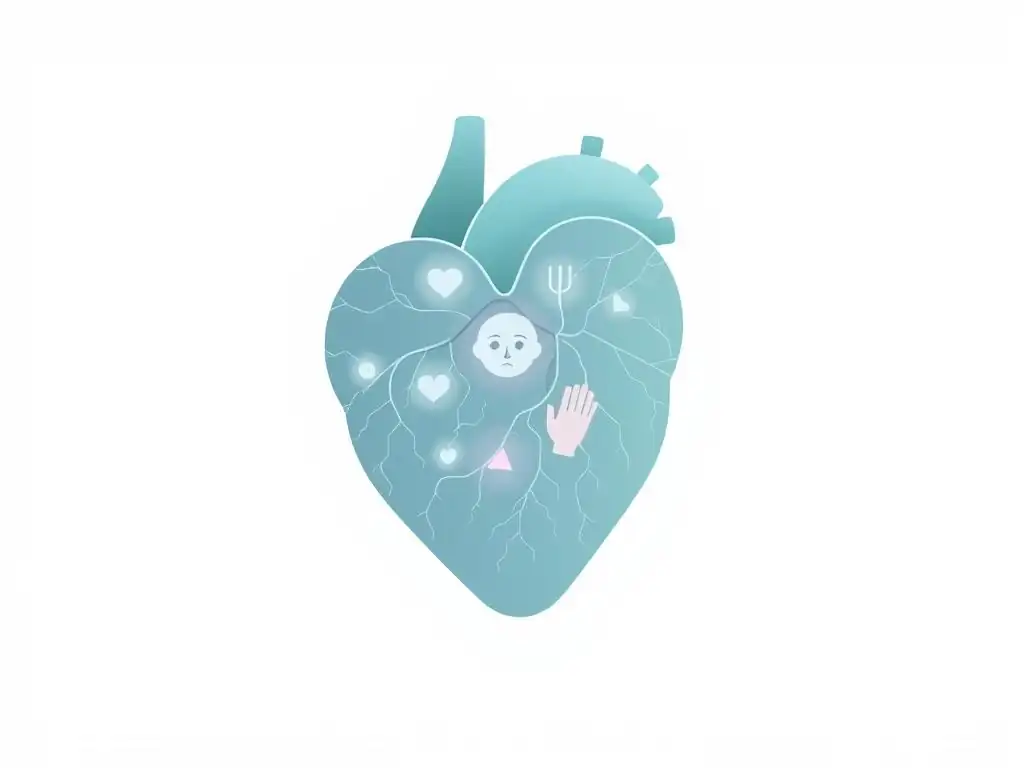
Dating anxiety isn't just a feeling; it's a complex interplay of psychological processes that trigger very real physiological responses in your body. Understanding this connection is crucial to managing and overcoming dating anxiety. This section will explore several key psychological factors and their corresponding physical manifestations, helping you recognize and address your body's reactions to dating situations.
Learning to identify these responses is the first step towards gaining control and building confidence. Remember, you're not alone in experiencing these reactions; many people grapple with dating anxiety, and understanding the science behind it can empower you to navigate these challenges more effectively.
Negative Self-Talk and its Impact on Your Body's Stress Response
Negative self-talk, that relentless inner critic, significantly contributes to dating anxiety's physical symptoms. Phrases like "I'm not good enough," "They'll never like me," or "I'll mess this up" activate the body's stress response. This involves the release of cortisol and adrenaline, leading to a cascade of physical effects. These can include:
- Increased heart rate: Your heart pounds, making you feel nervous and potentially lightheaded.
- Rapid breathing: Shallow, quick breaths can lead to feelings of breathlessness and hyperventilation.
- Muscle tension: Your shoulders might tense up, your jaw might clench, leading to headaches or discomfort.
- Digestive issues: Butterflies in your stomach are a common symptom, escalating to nausea or diarrhea in some cases.
- Sweating: Excessive perspiration can be embarrassing and further fuel anxiety.
The constant barrage of negative self-talk keeps your body in a state of heightened alert, perpetuating the cycle of anxiety. Challenge these thoughts actively. Replace negative statements with more realistic and positive affirmations. For example, instead of "I'll mess this up," try "I'll do my best and enjoy the experience." Practicing mindfulness and self-compassion can also help you detach from these negative thought patterns and lessen their physical impact.
Fear of Rejection and its Physical Manifestations: Muscle Tension, Stomach Issues
The fear of rejection is a potent trigger for dating anxiety. This primal fear activates the sympathetic nervous system, preparing your body for a "fight or flight" response. While you're unlikely to physically fight or flee a dating situation, your body still reacts as if it's facing a threat. This manifests in several ways:
- Intense Muscle Tension: You might experience significant tension in your shoulders, neck, and jaw. This can lead to headaches, stiffness, and overall discomfort. The tension can also manifest as trembling or shakiness.
- Gastrointestinal Distress: Stomach aches, nausea, diarrhea, or even constipation are common physical manifestations of the fear of rejection. The stress hormones released disrupt the normal functioning of your digestive system.
- Sleep Disturbances: Anxiety related to the fear of rejection can significantly impact sleep quality. Difficulty falling asleep, frequent awakenings, and restless sleep are common experiences. This lack of restorative sleep further exacerbates anxiety and its physical effects.
To manage this, consider practicing relaxation techniques like deep breathing exercises or progressive muscle relaxation before and during dates. Remember that rejection is a part of life, and it doesn't reflect your worth. Focus on building self-esteem and accepting that not every connection will be a perfect match.
Perfectionism and Dating Anxiety: The Physical Toll of Unrealistic Expectations
Perfectionism is a significant contributor to dating anxiety. The pressure to present a flawless image – the perfect appearance, the perfect conversation, the perfect personality – creates immense internal stress. This relentless pursuit of perfection puts your body under constant strain, leading to:
- Chronic Fatigue: The constant pressure to be perfect can lead to exhaustion, both mentally and physically. You might find yourself constantly tired and lacking energy.
- Insomnia: The inability to "switch off" due to worries about upcoming dates or past interactions contributes to sleep problems.
- Headaches and Migraines: The tension from striving for perfection can manifest as frequent headaches or even migraines.
- Increased Risk of Illness: Chronic stress weakens the immune system, making you more susceptible to illness.
Learning to embrace imperfection is key. Remind yourself that it's okay to be vulnerable, to make mistakes, and to not always be perfect. Focus on being authentic rather than striving for an unattainable ideal. Setting realistic expectations and practicing self-compassion can significantly reduce the physical toll of perfectionism on your body. Remember, genuine connection thrives on authenticity, not perfection.
Managing Your Body's Response to Dating Anxiety
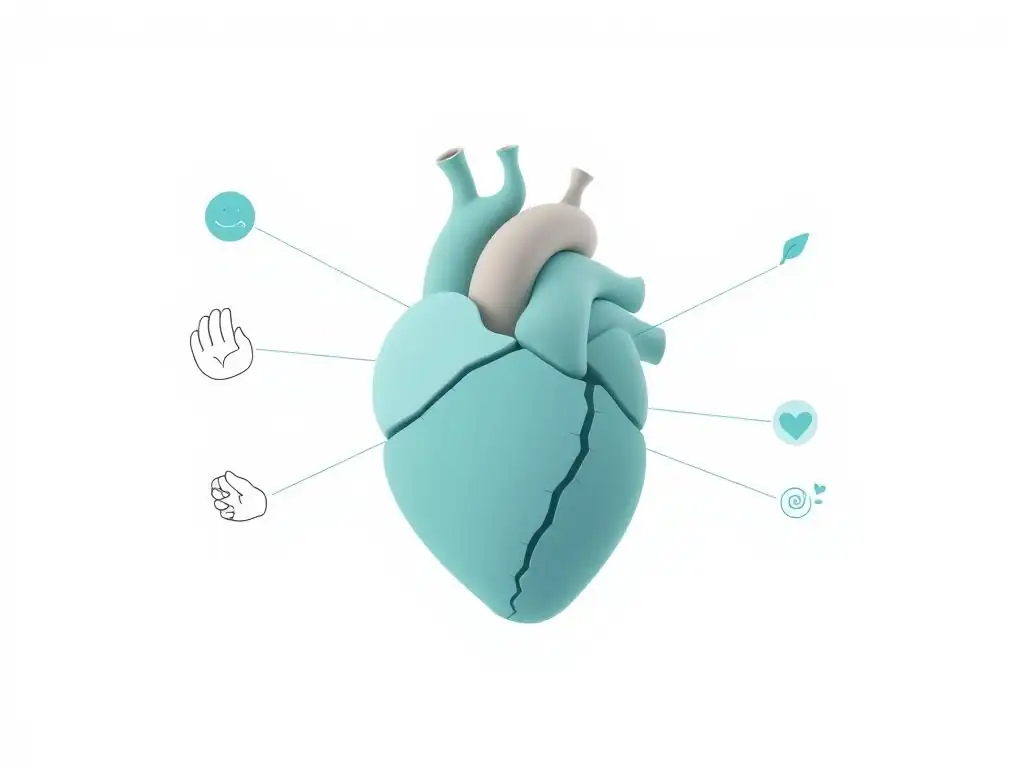
Dating anxiety is a real phenomenon, affecting many individuals navigating the online dating world. Understanding its physical manifestations is crucial for effective management. This section focuses on practical strategies to control your body's response to dating anxiety, helping you approach dates with greater confidence and ease. We'll explore techniques to calm your nervous system and make lasting lifestyle changes that support your mental and emotional wellbeing. Remember, managing dating anxiety is a journey, not a race. Be kind to yourself and celebrate small victories along the way.
Breathing Exercises and Mindfulness Techniques for Anxiety Reduction
Dating anxiety often manifests as rapid heartbeat, shallow breathing, and muscle tension. Deep, controlled breathing can significantly counter these physical symptoms. The power of the breath is often underestimated in managing anxiety. Simple techniques like diaphragmatic breathing (belly breathing) can quickly calm your nervous system.
Here's a step-by-step guide to diaphragmatic breathing:
- Find a comfortable position: Sit or lie down, ensuring your spine is straight but relaxed.
- Place one hand on your chest and the other on your belly: Observe the rise and fall of your chest and abdomen.
- Inhale deeply through your nose: Focus on expanding your belly as your diaphragm lowers. Your chest should rise minimally.
- Hold your breath for a few seconds: This helps to fully engage your diaphragm.
- Exhale slowly through your mouth: Feel your belly gently contract as you release the air.
- Repeat this cycle for 5-10 minutes: Practice regularly, ideally twice a day, to reap the benefits.
Mindfulness meditation complements breathing exercises. By focusing on the present moment, you detach from anxious thoughts about future dates and potential rejection. Apps like Calm and Headspace offer guided meditations specifically designed for anxiety reduction. Even five minutes of daily mindfulness can make a significant difference in your overall anxiety levels and your response to dating situations. Consistent practice will improve your ability to manage your physical and emotional responses to stressful situations.
Relaxation Techniques to Calm Your Nervous System Before and During Dates
Beyond breathing exercises, several relaxation techniques can effectively calm your nervous system before and during dates. Progressive muscle relaxation involves systematically tensing and releasing different muscle groups, releasing physical tension associated with anxiety. This technique can be particularly helpful in reducing muscle stiffness and promoting a sense of calm.
Another effective method is visualization. Before a date, imagine yourself feeling confident and relaxed. Visualize a successful and enjoyable interaction, focusing on positive feelings and outcomes. This mental rehearsal can help reduce anticipatory anxiety and improve your self-assurance.
Consider incorporating these techniques into your pre-date routine:
- Progressive Muscle Relaxation: 15-20 minutes before your date, practice progressive muscle relaxation, focusing on your shoulders, neck, jaw, and hands.
- Visualization: Spend 5-10 minutes visualizing a positive and enjoyable date.
- Listen to calming music: Soothing music can create a relaxed atmosphere and reduce feelings of stress.
Remember to adapt these techniques to your personal preferences and find what works best for you. Experimentation is key to finding your optimal relaxation strategy.
Lifestyle Changes to Manage Dating Anxiety: Diet, Exercise, Sleep
Your lifestyle significantly impacts your body's response to stress, including dating anxiety. A healthy lifestyle can equip you to manage anxiety more effectively. Regular physical activity is a powerful tool for stress reduction. Exercise releases endorphins, which have mood-boosting effects and can help reduce anxiety symptoms. Aim for at least 30 minutes of moderate-intensity exercise most days of the week. Activities like yoga, swimming, or brisk walking are all excellent options.
Diet plays a crucial role in managing anxiety. A balanced diet rich in fruits, vegetables, and whole grains provides essential nutrients that support brain function and emotional wellbeing. Limit processed foods, sugary drinks, and excessive caffeine, as these can exacerbate anxiety symptoms. Prioritize adequate sleep, aiming for 7-9 hours of quality sleep each night. Sleep deprivation intensifies anxiety, making it more difficult to manage stress. Establishing a regular sleep schedule and creating a relaxing bedtime routine can significantly improve your sleep quality.
Here's a table summarizing key lifestyle changes:
| Lifestyle Factor | Recommendation | Benefits |
|---|---|---|
| Exercise | 30 minutes of moderate-intensity exercise daily | Releases endorphins, reduces stress hormones, improves mood |
| Diet | Balanced diet with fruits, vegetables, whole grains | Provides essential nutrients, supports brain function, reduces cravings |
| Sleep | 7-9 hours of quality sleep per night | Improves mood regulation, reduces stress and anxiety |
By incorporating these lifestyle changes, you can build resilience and better manage your body's response to dating anxiety. Remember that consistency is key; small, sustainable changes over time yield the most significant benefits. Be patient with yourself, and celebrate your progress along the way.
Seeking Professional Help for Dating Anxiety
Dating anxiety, while common, can significantly impact your well-being and ability to connect with others. If self-help strategies aren't enough, seeking professional help is a sign of strength, not weakness. Understanding your body's response to dating anxiety is crucial, but managing it effectively often requires expert guidance. This section explores when professional intervention is beneficial and outlines effective therapy options.
When to Consider Therapy or Counseling for Persistent Anxiety
Dating anxiety isn't just butterflies before a first date; it's a more serious concern when it persistently interferes with your daily life. Consider seeking professional help if your anxiety:
- Significantly impacts your daily functioning: Do you find yourself avoiding social situations, work, or other responsibilities due to fear of dating or potential rejection? This is a key indicator that professional assistance may be necessary.
- Causes significant distress: Does the anticipation or experience of dating lead to overwhelming feelings of panic, fear, or intense physical symptoms like rapid heartbeat, sweating, or shortness of breath? Unmanageable distress warrants professional intervention.
- Persists despite self-help efforts: Have you tried various self-help techniques, such as mindfulness exercises, journaling, or relaxation techniques, but still struggle with managing your dating anxiety? Professional guidance can provide personalized strategies and support.
- Interferes with forming relationships: Does your anxiety prevent you from building meaningful connections with others? This can be a sign that your anxiety is significantly impacting your ability to engage in healthy relationships.
Remember, there's no shame in seeking help. A therapist can provide a safe and supportive space to explore the root causes of your anxiety and develop coping mechanisms tailored to your specific needs. The sooner you address persistent dating anxiety, the sooner you can begin to experience the joys of healthy relationships. Early intervention can prevent the anxiety from escalating and impacting other areas of your life.
Identifying Effective Therapy Options for Dating Anxiety: CBT, Exposure Therapy
Several therapeutic approaches prove highly effective in treating dating anxiety. Two prominent methods are Cognitive Behavioral Therapy (CBT) and Exposure Therapy.
- Cognitive Behavioral Therapy (CBT): CBT helps identify and challenge negative thought patterns and beliefs contributing to your anxiety. For example, if you believe you're inherently unlovable, CBT will help you examine the evidence supporting that belief and develop more realistic and positive self-perceptions. Through guided exercises and techniques, you'll learn to reframe negative thoughts and replace them with more constructive ones, reducing your anxiety levels in dating situations. A therapist will help you identify cognitive distortions, such as catastrophizing (assuming the worst-case scenario) or all-or-nothing thinking (seeing things as entirely good or bad).
- Exposure Therapy: This involves gradually exposing yourself to situations that trigger your anxiety, starting with less anxiety-provoking scenarios and progressing to more challenging ones. This systematic desensitization helps you learn to manage your anxiety response and build confidence in your ability to navigate dating situations. For instance, you might start by practicing initiating conversations with strangers in low-stakes settings before moving on to online dating interactions and finally, in-person dates. The therapist will guide you through this process, ensuring you feel safe and supported at each step.
Other therapeutic approaches, such as Acceptance and Commitment Therapy (ACT) and mindfulness-based interventions, can also be beneficial in managing dating anxiety. The best approach will depend on your individual needs and preferences. A consultation with a mental health professional will help determine the most suitable therapy for your specific situation.
Navigating the complexities of dating, especially when dealing with anxiety, is often easier with a strong support system. This network can provide emotional support, practical advice, and encouragement during challenging times.
Building a strong support system involves:
- Confiding in trusted friends and family: Sharing your experiences and anxieties with close friends or family members can provide valuable emotional support and perspective. Choose individuals who are empathetic, understanding, and supportive.
- Joining support groups: Connecting with others who share similar experiences can create a sense of community and reduce feelings of isolation. Support groups for dating anxiety or social anxiety can offer practical advice and emotional validation.
- Seeking mentorship or guidance from experienced individuals: If possible, seek guidance from individuals who have successfully navigated similar challenges. They can offer valuable insights and strategies based on their personal experiences.
- Utilizing online communities: Online forums and communities dedicated to dating and relationships can provide a space to connect with others, share experiences, and gain support. However, remember to prioritize safe and moderated platforms.
Remember, building a strong support system takes time and effort. Start by identifying individuals you trust and feel comfortable confiding in. Gradually expand your network by joining support groups or online communities. The support you receive from others can significantly enhance your ability to manage dating anxiety and build confidence in your dating life. A strong support system can be a powerful tool in your journey towards more fulfilling relationships.
Frequently Asked Questions
What is the physiological response to dating anxiety?
Dating anxiety triggers the body's fight-or-flight response, releasing adrenaline and cortisol. This can manifest as increased heart rate, sweating, trembling, and difficulty concentrating. Understanding this physical reaction is the first step to managing it.
How can I manage my physical symptoms of dating anxiety?
Practice relaxation techniques like deep breathing, meditation, or mindfulness. Engage in physical activity before a date to burn off excess energy. Consider talking to a therapist about cognitive behavioral therapy (CBT).
Is it normal to experience a physical reaction to dating?
Yes, it's perfectly normal to feel some anxiety before a date. Everyone experiences nerves in social situations. The key is to manage the intensity of the physical response so it doesn't overwhelm you.
How can I differentiate between normal nerves and excessive dating anxiety?
Normal nerves are manageable and don't significantly impair your ability to function. Excessive anxiety can be debilitating, leading to avoidance behaviors and impacting your daily life. If it's interfering with your well-being, seek professional help.
What if my dating anxiety is significantly impacting my life?
If your anxiety is severe and impacting your daily life, it’s crucial to seek professional help. A therapist can help you develop coping mechanisms and potentially diagnose and treat an underlying anxiety disorder. Consider therapy or counseling to address the root causes.
Understanding your body's response to dating anxiety isn't just about managing awkward silences; it's about reclaiming your power and presence in a crucial aspect of human connection. The physiological reactions we explored – the racing heart, sweaty palms, the mind's frantic chatter – are universal experiences, not indicators of personal failure. This knowledge empowers us to approach dating with self-compassion and a deeper understanding of our own internal landscape.
The impact of dating anxiety extends far beyond individual experiences; it shapes our social interactions, influences our self-perception, and even impacts our choices in romantic partnerships. The fear of rejection, amplified by societal pressures and the often-unrealistic portrayals of romance, creates a pervasive sense of unease for many. The greatest obstacle to a fulfilling relationship is the fear of being vulnerable,
a sentiment that resonates deeply with the anxieties explored in this article. By acknowledging and understanding the biological underpinnings of this fear, we can begin to dismantle the barriers it creates and foster healthier, more authentic connections.
Now, consider your own experiences. How has understanding your body's response to dating anxiety shifted your perspective? What strategies, from mindful breathing to self-compassionate self-talk, can you integrate into your life to navigate these moments with greater ease and confidence? Embrace this knowledge as a tool for self-discovery and empowerment. The journey to confident dating isn't about eliminating anxiety entirely, but about learning to dance with it, to understand its rhythm, and to ultimately lead with your authentic self.
Conquer Your Dating Anxiety: Take Control Now!
Thank you for exploring the science of dating anxiety! You've gained valuable insights into your body's responses and how to manage them. Ready to apply this knowledge? Let's translate those insights into action:
- Master a relaxation technique: Choose one breathing exercise, mindfulness practice, or progressive muscle relaxation technique and commit to practicing it daily for a week. This is the first step towards feeling calmer and more confident.
- Share your progress: Discuss your chosen technique and its effects in the comments below. Let's build a supportive community where we can learn from each other!
- Expand your resources: Consider exploring additional anxiety management techniques specifically for dating. Look for helpful apps, workshops, or books.
What's one small step you can take today to feel more confident on your next date?