
Dating Anxiety and the Fear of Showing Emotions: Expressing Yourself Authentically


Welcome to OnlineDatingSuccess.org, your guide to navigating the exciting yet sometimes challenging world of online dating. Are you ready to ditch the dating anxiety and unlock genuine connections? We understand the hurdles, especially the fear of emotional vulnerability in online dating. This website is designed to empower you with practical strategies to craft a compelling profile, communicate confidently, and build meaningful relationships. Discover how to express your authentic self and find the love you deserve – let's explore the path to online dating success together.
- Understanding Online Dating Emotional Vulnerability
- Overcoming the Fear of Vulnerability in Online Dating
- Strategies for Expressing Emotions Authentically in Online Dating
- Building Emotional Resilience for Successful Online Dating
- Moving Forward with Confidence: Embracing Authentic Connection in Online Dating
-
Frequently Asked Questions
- How can I overcome my fear of vulnerability in online dating?
- Is it necessary to show all my emotions in online dating?
- What if I express my emotions and get rejected?
- How can I tell if someone is genuinely interested in my emotional vulnerability?
- How do I protect myself emotionally while being vulnerable online?
- Final Reflection: Unveiling Authentic Self in the Digital Age of Dating
- Unleash Your Authentic Self: Take the Next Step in Dating
Understanding Online Dating Emotional Vulnerability
Navigating the world of online dating can be exhilarating, but it often comes hand-in-hand with a unique set of anxieties. This article delves into the often-overlooked connection between online dating emotional vulnerability and the fear of expressing genuine emotions. Many individuals struggle to authentically present themselves online, fearing rejection or judgment. This fear can manifest in various ways, from crafting overly polished profiles to engaging in guarded communication.
We'll explore the root causes of this anxiety, identify common avoidance strategies, and provide practical steps to help you embrace emotional vulnerability and build more meaningful connections in the digital dating sphere. Understanding and addressing this emotional barrier is crucial for fostering genuine connections and achieving online dating success. The path to finding a meaningful relationship often begins with the courage to be truly yourself, flaws and all. 💖
The Link Between Dating Anxiety and Emotional Suppression in Online Dating
Dating anxiety, particularly in the online realm, often stems from a fear of rejection. This fear can lead to emotional suppression, a defense mechanism where individuals consciously or unconsciously avoid expressing their true feelings. In online dating, this might translate to:
- Creating overly generic profiles: Avoiding personal details or sharing only superficial information to avoid potential criticism.
- Sending generic messages: Sticking to safe, impersonal topics rather than engaging in deeper, more revealing conversations.
- Overly cautious communication: Avoiding emotionally charged topics or expressing opinions that might be met with disagreement.
This emotional guardedness can create a barrier to forming genuine connections. Potential partners may perceive a lack of authenticity, leading to a decreased likelihood of successful matches and meaningful interactions. The irony is that genuine vulnerability can often be far more attractive than a carefully constructed facade. Think of it like this: wouldn't you rather connect with someone who is authentically themselves, even if they have imperfections, rather than someone who presents a flawless, but ultimately unrealistic, image? The key is to find a balance between self-protection and self-expression.
Recognizing Your Emotional Avoidance Strategies in Online Interactions
Identifying your own emotional avoidance strategies is the first step towards overcoming them. Common strategies include:
- Perfectionism: Spending excessive time crafting the "perfect" profile, constantly editing and revising, fearing any imperfection might deter potential matches.
- Over-thinking: Analyzing every message, every like, every interaction, searching for hidden meanings and potential rejection.
- Self-sabotage: Consciously or unconsciously choosing behaviors that undermine your chances of success, such as ghosting or engaging in overly critical communication.
- Procrastination: Avoiding creating a profile or engaging in online dating altogether due to overwhelming anxiety.
Take some time for honest self-reflection. Ask yourself: What makes me uncomfortable about expressing my emotions online? What are my biggest fears regarding vulnerability in dating? Identifying these patterns is crucial for developing coping mechanisms and strategies to overcome them. Remember that self-compassion is key; recognizing these behaviors isn't about self-criticism but about understanding your emotional landscape.
The Impact of Fear on Online Dating Profile Creation and Messaging
Fear significantly impacts how we present ourselves in online dating profiles and messages. For example, the fear of judgment might lead to:
- Vague profile descriptions: Avoiding specific details about your interests, values, and personality to avoid potential criticism or disagreement.
- Limited photo selection: Choosing only photos that present a specific, often idealized, version of yourself, rather than showcasing your authentic self.
- Superficial messaging: Focusing solely on surface-level topics and avoiding deeper conversations that require emotional vulnerability.
This can inadvertently create a disconnect between your online persona and your real self, leading to potential disappointment and frustration. Authenticity, while challenging, is far more rewarding in the long run. It attracts individuals who appreciate you for who you are, rather than a carefully constructed image. It fosters genuine connections based on shared values and mutual understanding. Ultimately, embracing vulnerability is not a sign of weakness, but a strength that allows for deeper and more meaningful relationships.
Overcoming the Fear of Vulnerability in Online Dating
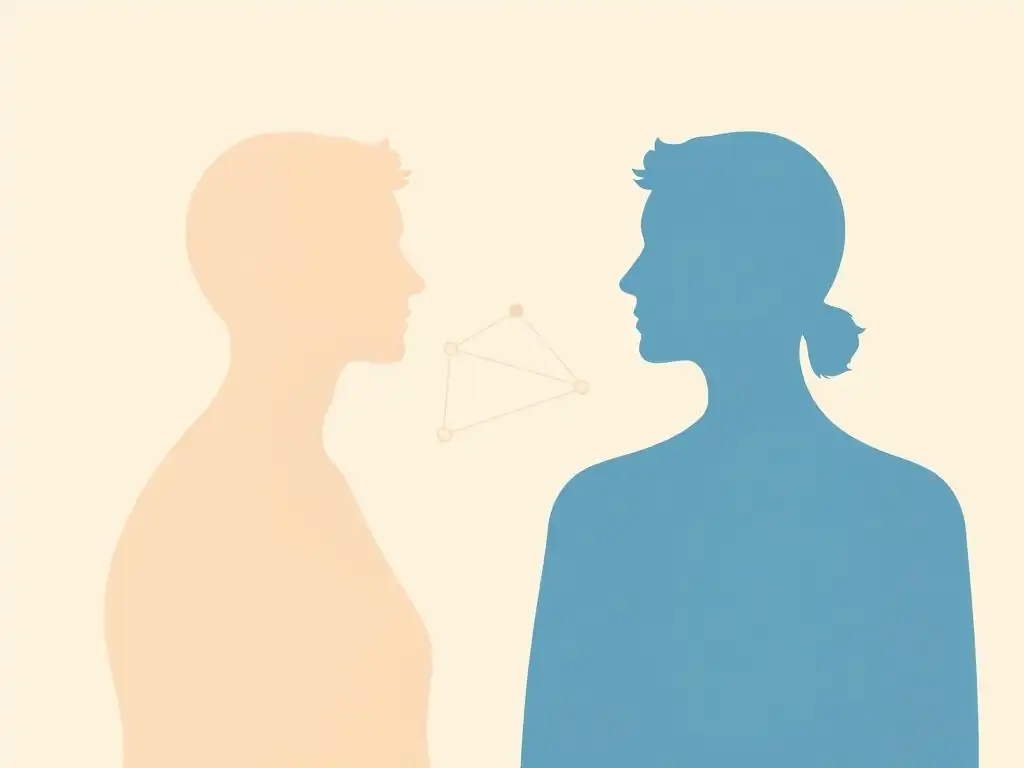
Online dating emotional vulnerability is a significant hurdle for many seeking connection. It's natural to feel apprehensive about sharing personal details and emotions online, especially given the potential for rejection or misuse of information. However, authentic connection requires a degree of vulnerability. This section explores strategies to navigate this challenge and cultivate genuine relationships. We'll examine the roots of this fear, build self-compassion, and practice safe self-disclosure.
Identifying the Root Causes of Your Dating Anxiety and Emotional Hesitation
Understanding why you hesitate to express emotions online is the first step towards overcoming it. Many factors contribute to online dating emotional vulnerability anxieties. Past experiences, such as previous relationship traumas or negative online interactions, can significantly impact your comfort level with self-disclosure. Fear of rejection, stemming from low self-esteem or past criticisms, is another common culprit. Additionally, societal pressures to present a perfect image online can exacerbate anxieties surrounding emotional authenticity.
Consider these questions to pinpoint your specific challenges:
- Have you experienced hurtful rejection in past relationships?
- Do you struggle with self-esteem or self-worth?
- Are you concerned about others judging your emotions or personality?
- Do you feel pressure to portray a specific image online?
- Have you had negative experiences with online interactions in the past?
Analyzing your answers can provide valuable insights into the underlying causes of your emotional hesitation. Journaling your feelings and reflections can be incredibly beneficial in this process. Recognizing these root causes empowers you to address them directly and develop coping mechanisms.
Building Self-Compassion and Self-Acceptance for Authentic Online Dating
Self-compassion is crucial for navigating the vulnerability required in online dating. Treat yourself with the same kindness and understanding you would offer a close friend facing similar challenges. Acknowledge that feeling anxious or hesitant is perfectly normal. Remember that everyone experiences vulnerability differently, and there's no single "right" way to express yourself.
Self-acceptance is equally important. Embrace your imperfections and unique qualities. Authenticity attracts genuine connections; attempting to portray a flawless version of yourself online will likely lead to disappointment and frustration. Focus on highlighting your strengths and interests while acknowledging your flaws. This honesty fosters genuine connections based on mutual respect and understanding.
Here's a practical exercise:
| Aspect | Self-Compassionate Statement | Self-Acceptance Statement |
|---|---|---|
| Past Rejection | "It's understandable that I feel hesitant after past hurt." | "My past experiences don't define my worth or future." |
| Self-Doubt | "It's okay to feel insecure; everyone does sometimes." | "I have valuable qualities that deserve to be shared." |
| Fear of Judgment | "It's natural to worry about what others think, but their opinions don't define me." | "I am worthy of love and acceptance, just as I am." |
Regularly practicing self-compassion and self-acceptance will significantly improve your ability to be emotionally vulnerable in online dating.
Practicing Self-Disclosure in Safe and Controlled Online Environments
Gradual self-disclosure is key. Start by sharing smaller, less personal details about yourself, gradually increasing the depth and intimacy of your disclosures as you feel more comfortable and confident. Choose platforms and communication methods that align with your comfort level. For example, using messaging apps instead of video calls initially might be a safer starting point for some.
Remember that you're in control. You can always adjust the level of detail you share based on your feelings and the other person's responses. If you feel uncomfortable or unsafe at any point, disengage from the interaction. Trust your intuition; it's your most valuable guide in online dating.
Consider these safe disclosure strategies:
- Start with shared interests: Discuss hobbies, favorite books, or movies before delving into deeply personal topics.
- Use humor as a buffer: Lightheartedness can ease tension and create a comfortable atmosphere.
- Share a vulnerability story: Begin by sharing a past experience that demonstrates your vulnerability without making you feel overly exposed.
- Observe their response: Pay close attention to how the other person reacts to your disclosures. If they are respectful and understanding, you can gradually share more.
By practicing self-disclosure in safe and controlled environments, you can build confidence and gradually overcome your fear of emotional vulnerability in online dating. This process takes time and patience; celebrate your progress along the way. Remember, genuine connection is built on authenticity and trust.
Strategies for Expressing Emotions Authentically in Online Dating
Navigating the world of online dating often involves a delicate balance between self-protection and genuine connection. Many individuals grapple with online dating emotional vulnerability, fearing rejection or judgment if they show their true selves. This section provides practical strategies to express emotions authentically while maintaining healthy boundaries. Remember, vulnerability is not weakness; it's a key ingredient in building meaningful relationships. Authenticity attracts genuine connections, fostering a more fulfilling online dating experience.
Gradual Self-Disclosure: Starting Small and Building Trust Online
The key to overcoming the fear of showing emotions online is gradual self-disclosure. Don't feel pressured to reveal your entire life story in your first message. Instead, start with small, manageable steps. Share details about your hobbies, interests, or daily life that feel comfortable. For instance, instead of immediately declaring your deepest fears and insecurities, you could mention your love for hiking or your favorite type of coffee. This allows you to gauge the other person's response and build trust organically.
Consider this example: Instead of writing, "I'm terrified of commitment because of past hurts," try, "I enjoy spending time in nature and find it very relaxing." This opens the door for conversation without overwhelming the other person. As the conversation progresses and you feel a connection, you can gradually share more personal information. This approach minimizes the risk of feeling exposed or vulnerable too quickly.
Think of it as peeling back the layers of an onion – one layer at a time. Pay attention to the other person's responses; their engagement will signal whether they are receptive to further emotional sharing. Remember, building trust takes time and patience. Don't rush the process.
Assertive Communication Techniques for Online Dating Interactions
Assertive communication is crucial for expressing your emotions healthily and setting boundaries. It involves expressing your needs and feelings directly and respectfully, without being aggressive or passive. In online dating, this might involve clearly stating your preferences, boundaries, and expectations.
For example, if you're uncomfortable with overly suggestive messages, you can assertively state this. Instead of ignoring the message or reacting defensively, you could respond with something like, "I appreciate your interest, but I prefer to keep our conversations respectful and appropriate." This clearly communicates your boundary without being accusatory.
Here's a table illustrating assertive vs. passive vs. aggressive communication styles in online dating:
| Communication Style | Example Scenario: Uncomfortable with overly frequent messaging | Response |
|---|---|---|
| Passive | Feels overwhelmed by constant messages but doesn't say anything. | Continues to receive overwhelming messages, feeling increasingly frustrated. |
| Aggressive | Responds with anger and accusatory language. | May alienate the other person and damage potential connection. |
| Assertive | Clearly and calmly expresses their need for less frequent communication. | Opens a dialogue for mutual understanding and respect. |
Learning assertive communication skills can significantly reduce dating anxiety related to expressing emotions online. It empowers you to take control of your interactions and create a safer, more positive online dating experience. Practicing these techniques will build your confidence and allow for more genuine connections.
Setting Boundaries and Protecting Your Emotional Well-being Online
Protecting your emotional well-being in online dating is paramount. This involves setting clear boundaries around what you're willing to share and how you'll interact with others. These boundaries might include:
- Limiting personal information shared early on. Avoid divulging sensitive details like your exact address or workplace until you've established trust.
- Controlling contact frequency. You're not obligated to respond to every message immediately or engage in constant conversations.
- Setting time limits for online interactions. Avoid spending excessive amounts of time online, especially early in the dating process.
- Blocking or reporting inappropriate behavior. Don't hesitate to block or report users who are disrespectful, harassing, or make you feel uncomfortable.
Remember, setting boundaries is not selfish; it's a necessary act of self-preservation. It allows you to protect your emotional energy and focus on building healthy connections. Prioritizing your well-being is crucial for navigating the complexities of online dating and fostering fulfilling relationships. The ability to set and maintain healthy boundaries is a significant step towards overcoming online dating emotional vulnerability and building confidence.
Building Emotional Resilience for Successful Online Dating

Online dating, while offering exciting possibilities for connection, can also trigger significant emotional vulnerability. The constant cycle of messaging, potential rejection, and the pressure to present a perfect online persona can take a toll on even the most confident individuals. Building emotional resilience is therefore crucial for navigating this landscape successfully.
This involves understanding your emotional triggers, developing healthy coping mechanisms, and cultivating a positive self-image that isn't dependent on external validation from the online dating world. The ability to bounce back from setbacks, learn from experiences, and maintain a healthy sense of self-worth is key to a positive online dating journey. Remember, emotional resilience isn't about avoiding negative emotions entirely; it's about developing the skills to manage them effectively and emerge stronger.
Developing Coping Mechanisms for Rejection and Online Dating Setbacks
Rejection is an inevitable part of online dating. Learning to cope with it healthily is paramount for maintaining mental well-being. Instead of viewing rejection as a personal failure, try reframing it as a mismatch of compatibility. This perspective shift can significantly lessen the sting. Develop healthy coping strategies such as:
- Mindfulness and meditation: Practicing mindfulness techniques can help you stay grounded and present in the moment, reducing the intensity of negative emotions.
- Self-compassion: Treat yourself with kindness and understanding. Acknowledge your feelings without judgment.
- Social support: Lean on trusted friends and family for emotional support. Sharing your experiences can help you process them more effectively.
- Engaging in enjoyable activities: Distract yourself from negative thoughts by engaging in hobbies and activities that bring you joy. This could be anything from reading to exercising to spending time in nature.
- Journaling: Writing down your thoughts and feelings can be a cathartic experience, helping you process emotions and gain perspective.
Remember, setbacks are opportunities for growth. Analyze what you learned from each experience, and use that knowledge to refine your approach. Don't let rejection derail your journey; use it as fuel to move forward with greater self-awareness and resilience. The key is to develop a growth mindset, viewing challenges as opportunities for learning and improvement.
Maintaining a Positive Mindset and Self-Esteem During the Online Dating Process
Maintaining a positive mindset and healthy self-esteem is crucial for navigating the emotional rollercoaster of online dating. It's easy to get caught up in comparing yourself to others, focusing on perceived flaws, and chasing validation. However, your worth is intrinsic and not dependent on the number of matches or messages you receive.
To cultivate a positive mindset:
- Practice self-care: Prioritize activities that nourish your physical and mental well-being. This could include exercise, healthy eating, sufficient sleep, and engaging in activities you enjoy.
- Challenge negative self-talk: Become aware of your inner critic and actively challenge negative thoughts. Replace them with positive affirmations.
- Focus on your strengths: Remind yourself of your positive qualities and accomplishments. This helps build confidence and self-esteem.
- Set realistic expectations: Understand that online dating is a process, and it takes time to find a compatible partner. Avoid getting discouraged by slow progress.
- Limit social media comparisons: Avoid excessive scrolling through social media, as it can fuel unrealistic comparisons and negativity.
Remember, your self-worth is not defined by your online dating success. Focus on building a strong sense of self, independent of external validation. This internal strength will serve as a powerful buffer against the emotional challenges of online dating.
Celebrating Small Victories and Recognizing Progress in Emotional Vulnerability
Online dating emotional vulnerability is a journey, not a destination. It's important to acknowledge and celebrate your progress along the way. Don't focus solely on the "big wins," such as finding a long-term partner. Instead, celebrate the smaller victories that demonstrate your growth in emotional vulnerability:
- Successfully initiating a conversation: This can be a significant step for those who struggle with initiating contact.
- Sharing personal details with a match: Sharing personal information is a sign of trust and emotional vulnerability.
- Expressing your feelings honestly: Openly expressing your emotions requires courage and vulnerability.
- Navigating a difficult conversation: Handling disagreements or conflicts constructively demonstrates emotional maturity.
- Learning from rejection: Turning rejection into a learning experience shows growth and resilience.
Keep a journal to track your progress and celebrate your achievements, no matter how small they may seem. This positive reinforcement will boost your confidence and motivation to continue your journey toward greater emotional vulnerability and connection. Remember, progress, not perfection, is the key to success in online dating and in life. Each step forward, however small, is a victory worth celebrating.
Moving Forward with Confidence: Embracing Authentic Connection in Online Dating
This section focuses on actionable steps to overcome the fear of emotional vulnerability in online dating, ultimately leading to more fulfilling connections. Many individuals struggle with online dating emotional vulnerability, fearing rejection or judgment if they show their true selves. However, authentic self-expression is key to attracting compatible partners and fostering genuine relationships. We'll explore strategies to build confidence and express your emotions honestly, paving the way for deeper, more meaningful connections.
The Benefits of Emotional Honesty in Finding Meaningful Relationships Online
Emotional honesty, a cornerstone of authentic connection, offers significant advantages in the online dating landscape. Sharing your genuine feelings, even the vulnerable ones, allows potential partners to see the real you. This transparency fosters trust and intimacy, accelerating the development of a meaningful connection. Hiding your true emotions, on the other hand, can lead to superficial relationships built on misrepresentation. Consider this: Would you rather invest time and energy in a relationship founded on pretense or one built on genuine understanding and mutual respect?
The rewards of emotional honesty extend beyond initial attraction. It attracts partners who value authenticity and emotional depth, increasing the likelihood of a long-term, compatible relationship. Studies show that individuals who embrace emotional vulnerability report higher levels of relationship satisfaction and stronger bonds. This is because emotional intimacy allows for deeper understanding, empathy, and support within the relationship. By being your true self, you attract partners who appreciate and respect your emotional landscape, creating a foundation for lasting connection. This approach directly addresses the anxieties surrounding online dating emotional vulnerability by transforming it into a strength.
Think of it this way: authenticity acts as a filter, attracting individuals who appreciate your true self and weeding out those who wouldn't be compatible with your genuine emotional expression. This saves you time and emotional energy in the long run, allowing you to focus on building healthy, fulfilling relationships.
Long-Term Strategies for Maintaining Emotional Openness in Committed Relationships
Maintaining emotional openness isn't a one-time event; it's an ongoing process requiring consistent effort and self-reflection. As relationships progress from online interactions to committed partnerships, it's crucial to nurture emotional vulnerability. This requires ongoing communication and a willingness to be vulnerable even when facing challenges.
Here are some practical strategies to cultivate long-term emotional openness:
- Regular Check-ins: Schedule dedicated time to discuss feelings and concerns openly and honestly. This could be a weekly "state of the union" conversation or simply incorporating emotional check-ins into your daily interactions.
- Active Listening: Truly listen to your partner's emotions without judgment. Validate their feelings, even if you don't fully understand them. This creates a safe space for open communication.
- Self-Reflection: Regularly assess your own emotional state. Identify any patterns or behaviors that might hinder open communication and actively work to address them. Journaling can be a helpful tool for this self-reflection.
- Seeking Professional Support: If you're struggling to maintain emotional openness, consider seeking guidance from a therapist or counselor specializing in relationship dynamics. They can provide tools and strategies to navigate challenges and build stronger communication skills. This is particularly helpful for those with a history of avoiding emotional vulnerability.
Remember, maintaining emotional openness in a committed relationship is a journey, not a destination. It requires consistent effort, understanding, and a willingness to be vulnerable, even when it feels uncomfortable. The rewards, however, are immeasurable: a deeper, more fulfilling, and genuinely connected relationship. By actively working on emotional openness, you are not only strengthening your relationship but also cultivating a healthier sense of self and fostering a more resilient emotional landscape.
Frequently Asked Questions
How can I overcome my fear of vulnerability in online dating?
Gradually increase your self-disclosure over time. Start with sharing less personal details and build trust. Remember, authenticity attracts genuine connections.
Is it necessary to show all my emotions in online dating?
No, balance is key. Share your feelings appropriately, but avoid overwhelming potential partners. Healthy boundaries protect your emotional well-being.
What if I express my emotions and get rejected?
Rejection is part of the process. Focus on self-compassion and understand that it doesn't reflect your worth. Learn from the experience and keep moving forward.
How can I tell if someone is genuinely interested in my emotional vulnerability?
Look for signs of empathy, respect, and reciprocity. Do they share their own feelings and respond thoughtfully to yours? Active listening is crucial.
How do I protect myself emotionally while being vulnerable online?
Prioritize safety by meeting in public places and verifying profiles. Trust your instincts; if something feels off, it probably is. Don't rush into deep emotional connections.
Final Reflection: Unveiling Authentic Self in the Digital Age of Dating
The pervasive fear of vulnerability in online dating is not merely a personal struggle; it's a societal hurdle hindering genuine connection. The pressure to present a perfect online persona, curated for maximum "likeability," often overshadows the authenticity that fuels lasting relationships. This carefully constructed facade, while seemingly protective, ultimately isolates us, preventing the deep, meaningful connections we crave.
The impact of this emotional guardedness extends far beyond the digital realm, shaping our offline interactions and influencing how we navigate intimacy. It fosters a culture of superficiality, where genuine emotional expression is often perceived as weakness rather than strength. Vulnerability is not weakness; it's our greatest measure of courage.
This quote resonates deeply, highlighting the bravery required to shed the masks we wear online and embrace our true selves. The ongoing struggle to balance self-preservation with the desire for connection underscores the complexity of modern relationships, particularly within the digital landscape.
You, the reader, hold the power to shift this narrative. Consider the ways in which you might be inadvertently erecting emotional barriers, both online and offline. Challenge yourself to embrace vulnerability as a pathway to deeper connection, recognizing that true intimacy blossoms from authenticity. Dare to show your imperfections, your fears, and your hopes. This act of courage, however daunting, will not only enrich your dating experiences but also transform your relationships and your life.
Unleash Your Authentic Self: Take the Next Step in Dating
Thank you for exploring the challenges of dating anxiety and emotional vulnerability. We hope you gained valuable insights into expressing yourself honestly. Now let's put that knowledge into action!
Here are a few ways to move forward:
- Embrace vulnerability on your next date: Share a personal experience or feeling that makes you slightly uncomfortable. This small act of trust can deepen your connection.
- Reflect on your emotional boundaries: Consider journaling about what feels safe and comfortable when expressing your emotions, and when you need to take a break or set limits.
- Share this article with a friend who might find it helpful – discussing these anxieties together can be incredibly empowering.
What's one small, authentic step you can take on your next date or in your daily interactions? Let's discuss your experiences in the comments!