
Unlocking Love Safely: Crucial LGBTQ+ Online Dating Safety Advice for You

Ready to navigate the exciting world of online dating with confidence and security? At OnlineDatingSuccess.org, we're dedicated to helping you find meaningful connections. But in the vibrant landscape of online romance, safety is paramount. This is especially true within the LGBTQ+ community. Discover crucial LGBTQ+ online dating safety tips designed to protect you while you search for love. Dive in and learn how to create a safer and more rewarding online dating experience – your journey to finding lasting love starts here!
-
Understanding LGBTQ+ Online Dating Risks: Protecting Yourself
- Unique Vulnerabilities in LGBTQ+ Online Dating
- Online Harassment and Discrimination: Recognizing and Responding
- Catfishing and Fake Profiles: Identifying Red Flags
- Doxing and Privacy Concerns: Safeguarding Your Personal Information
- Safety Concerns Specific to Transgender and Gender Non-Conforming Individuals
- Creating a Safe LGBTQ+ Online Dating Profile
- Secure Communication Strategies for LGBTQ+ Online Daters
-
LGBTQ+ Online Dating Safety Resources and Support
- Reporting Mechanisms on Dating Apps: Utilizing Platform Tools
- Online Safety Organizations: Seeking Expert Advice
- LGBTQ+ Support Groups: Finding Community and Guidance
- Legal Resources for Online Harassment: Protecting Your Rights
- Emergency Contacts and Action Plans: Preparing for Unexpected Situations
-
Building Healthy and Respectful LGBTQ+ Online Dating Relationships
- Recognizing Healthy Relationship Dynamics: Establishing Boundaries
- Identifying Red Flags in Online Interactions: Protecting Your Well-being
- Communicating Concerns and Boundaries: Fostering Respectful Relationships
- Seeking Support When Needed: Prioritizing Your Mental Health
- Celebrating Safe and Successful Connections: Building Positive Relationships
-
Frequently Asked Questions
- How can I verify the authenticity of a profile on an LGBTQ+ dating app?
- What are some red flags to watch out for when communicating with someone online?
- How can I protect my personal information while online dating?
- What should I do if I feel uncomfortable or unsafe during a date?
- What resources are available if I experience harassment or abuse online?
- Final Reflection: Navigating Love's Digital Landscape Safely
- Ignite Your Safe & Happy Dating Journey!
Understanding LGBTQ+ Online Dating Risks: Protecting Yourself
Online dating offers exciting possibilities for connection, especially within the LGBTQ+ community where finding like-minded individuals can sometimes feel more challenging. However, navigating the digital dating world presents unique safety concerns that require careful consideration. This article provides crucial LGBTQ+ online dating safety advice, equipping you with the knowledge and strategies to protect yourself while seeking meaningful relationships.
We'll explore specific vulnerabilities faced by LGBTQ+ individuals, common online threats, and practical steps to mitigate risks, fostering a safer and more positive online dating experience. Remember, prioritizing your safety shouldn't compromise your ability to find love; rather, it enhances your journey towards meaningful connections. Let's delve into the essential steps to unlock love safely.
Unique Vulnerabilities in LGBTQ+ Online Dating
LGBTQ+ individuals face specific challenges in online dating that differ from the experiences of heterosexual daters. These vulnerabilities stem from societal biases and prejudices that unfortunately translate into the digital realm. For example, individuals may experience higher rates of harassment, discrimination, and targeted scams due to their sexual orientation or gender identity.
These risks can range from subtle forms of microaggressions to overt threats and violence. Additionally, the smaller dating pool within certain LGBTQ+ communities can sometimes make it harder to discern genuine profiles from malicious ones. Data from [specific information pending] shows a higher incidence of [specific type of online harassment] against LGBTQ+ users compared to heterosexual users.
This highlights the critical need for heightened awareness and proactive safety measures. It's crucial to remember that you are not alone in facing these challenges, and taking proactive steps to protect yourself is essential for a safe and positive online dating experience.
Online Harassment and Discrimination: Recognizing and Responding
Online harassment and discrimination take many forms, from subtle insults and derogatory comments to explicit threats and doxxing. These actions can significantly impact mental well-being and create a hostile online environment. Recognizing the signs is the first step in protecting yourself. This could include:
- Verbal abuse: Offensive language, slurs, hate speech targeting your identity.
- Cyberstalking: Repeated unwanted contact, messages, or online monitoring.
- Doxxing: The public release of your personal information without your consent.
- Hate speech: Messages expressing prejudice, hatred, or intolerance towards your identity.
- Exclusionary practices: Being deliberately excluded from online groups or conversations.
Responding effectively requires a multi-pronged approach. This includes:
- Blocking and reporting: Utilize the blocking and reporting features of the dating platform immediately.
- Saving evidence: Document all instances of harassment, including screenshots and timestamps.
- Seeking support: Reach out to friends, family, or support organizations for emotional support.
- Contacting law enforcement: If the harassment escalates to threats or illegal activity, report it to the relevant authorities. Remember, your safety is paramount.
Catfishing and Fake Profiles: Identifying Red Flags
Catfishing, where individuals create fake profiles using stolen photos and false information, is a prevalent concern across all online dating platforms, but it can be particularly harmful within the LGBTQ+ community. The emotional toll of discovering a relationship was built on a lie can be devastating. Therefore, exercising caution and vigilance is crucial. Key red flags to watch out for include:
- Lack of personal information: Profiles lacking details or with inconsistent information.
- Suspiciously perfect photos: Unnaturally flawless images or a lack of variety in pictures.
- Evasiveness: Hesitancy to answer questions about their life or reluctance to video chat.
- Requests for money or personal details: Unreasonable financial requests or pressure to share sensitive information.
- Inconsistent communication styles: Significant changes in communication patterns or personality.
By carefully evaluating profiles, engaging in video calls early on, and avoiding sharing sensitive information prematurely, you significantly reduce your risk of encountering a fake profile. Remember, trust your gut feeling; if something seems off, it probably is. Prioritizing your safety and well-being is key to a positive online dating experience.
Doxing and Privacy Concerns: Safeguarding Your Personal Information
Doxing, the malicious act of revealing someone's private information online, is a significant threat in online dating, particularly for LGBTQ+ individuals who may face heightened vulnerability due to societal prejudices. Protecting your privacy requires proactive measures. Avoid sharing overly specific details in your profile, such as your exact address, workplace address, or even the neighborhood you live in. Instead of stating your exact location, consider using broader terms like "city center" or "suburbs". Remember, even seemingly innocuous details, when combined, can be used to piece together your identity and location.
Furthermore, be cautious about sharing photos that reveal identifying features of your home or workplace. A seemingly casual picture taken outside your building can inadvertently expose your address. Before sharing any photo, carefully scrutinize the background to ensure it doesn't contain any identifying markers. It's also crucial to be mindful of the information you share on other social media platforms.
Maintain consistency in the information you present online; discrepancies can be exploited by malicious actors. Regularly review your privacy settings on all social media accounts and dating apps, limiting the visibility of your information to trusted connections only. Using a strong, unique password for each online account is also paramount.
Consider utilizing a password manager to securely store and manage your credentials. Lastly, be extremely wary of requests for personal information from individuals you've only met online. Legitimate dating platforms will never ask for sensitive information like bank details or social security numbers.
Safety Concerns Specific to Transgender and Gender Non-Conforming Individuals
Transgender and gender non-conforming individuals face unique safety challenges in online dating. The risk of encountering transphobic individuals who may seek to exploit, harm, or discriminate against them is unfortunately a reality. Therefore, extra caution is crucial. Before meeting someone in person, thoroughly vet their profile and online presence. Look for consistency in their self-representation across different platforms. Any inconsistencies should raise a red flag. Consider having virtual meetups first, using video calls to verify their identity and get a better sense of who they are before committing to an in-person meeting.
It's also advisable to share your plans with a trusted friend or family member, including the person's name, profile information, and the location of your meeting. This measure provides an added layer of safety and accountability. Choose public meeting places for your first encounter, and let your trusted contact know when you expect to be back.
If you feel uncomfortable or unsafe at any point, do not hesitate to leave. Your safety is paramount, and trusting your instincts is key. Moreover, consider using a safety app that allows you to share your location with others in real-time, providing an additional security measure during your date.
Remember, reporting any harassment or discrimination you experience is vital; reporting mechanisms are often available within dating apps and on external platforms dedicated to protecting LGBTQ+ individuals. Your experience helps improve safety for others in the future. Finally, building a supportive online community of other transgender and gender non-conforming individuals can provide valuable advice, resources, and a sense of camaraderie.
Creating a Safe LGBTQ+ Online Dating Profile
This section focuses on building a profile that maximizes your chances of connecting with compatible individuals while minimizing your vulnerability. Remember, your online safety is paramount. We'll explore crucial steps to protect your privacy and personal information, ensuring a positive and secure online dating experience. The goal is to attract genuine connections while safeguarding your well-being within the LGBTQ+ online dating community. Effective profile creation is a key element of LGBTQ+ online dating safety tips.
Protecting your privacy is crucial for LGBTQ+ online dating safety. Avoid sharing overly personal information that could compromise your safety or lead to unwanted attention. This includes, but is not limited to:
- Full name: Use a nickname or variation of your name until you've established trust.
- Exact location: Instead of specifying your street address or neighborhood, consider mentioning a broader area. Avoid geotagging photos.
- Workplace details: Sharing your employer or job title can make you more vulnerable.
- Financial information: Never share bank account details, credit card numbers, or social security numbers.
- Family details: Avoid sharing information about family members, their locations, or contact details.
- Personal contact information: Refrain from sharing your phone number or email address until you've had several positive interactions and feel comfortable doing so.
Think of your online profile as a carefully curated introduction. Share enough information to spark interest, but hold back details that could put you at risk. This approach aligns with best practices for LGBTQ+ online dating safety tips. Remember, building trust takes time.
Choosing Safe Profile Pictures: Avoiding Misrepresentation
Your profile picture is the first impression you make. Choosing safe and appropriate photos is essential, both for your safety and to attract genuine connections. Avoid photos that:
- Show your home or workplace: This could reveal your location to potential stalkers or harassers.
- Reveal identifying information: Avoid pictures that include license plates, street signs, or other details that could easily identify your location.
- Misrepresent your appearance: Use recent, accurate pictures that reflect your current appearance. Avoid using heavily filtered or misleading images. This is crucial for building trust and avoiding disappointment upon meeting in person.
Consider using photos that show your personality and interests without revealing sensitive information. A simple picture of you in a park, for example, is far safer than a picture taken inside your home. Remember, authenticity is key, and honest representation is one of the most important LGBTQ+ online dating safety tips.
Crafting a Secure Profile Bio: Avoiding Personal Information Leaks
Your profile bio is another crucial element. While you want to showcase your personality and interests, avoid revealing too much personal information. Instead of listing your full address, you could mention your favorite local coffee shop or park. Instead of stating your exact age, you could give an age range.
Here's a table summarizing what to avoid in your bio:
| What to Avoid | Why it's Risky | Better Alternatives |
|---|---|---|
| Full address | Easy target for stalkers | Mention a general area or neighborhood |
| Exact birthdate | Can be used for identity theft | Provide an age range |
| Specific workplace details | Could lead to unwanted attention or harassment | Mention your industry in general terms |
| Detailed travel plans | Informs potential stalkers of your whereabouts and absence | Keep travel plans private |
| Personally identifiable details | Increases the risk of doxing and online harassment. | Focus on interests and personality traits instead. |
Remember, a little mystery can be intriguing. Focus on your personality, interests, and what you're looking for in a partner. This approach supports a safe and positive LGBTQ+ online dating experience, in line with the best LGBTQ+ online dating safety tips.
Utilizing Privacy Settings Effectively: Maximizing Your Safety
Understanding and utilizing privacy settings is paramount for LGBTQ+ individuals navigating online dating. These settings aren't just about protecting your personal information; they're about creating a safer space for yourself and fostering a more positive online dating experience. Many platforms offer granular control over who can see your profile, contact you, and even access your photos. Take the time to explore these options thoroughly. For example, you might choose to limit visibility to only those who have also completed their profiles, reducing the likelihood of encountering fake or incomplete profiles.
Similarly, consider disabling the option for people to directly message you if you're uncomfortable with unsolicited contacts. Instead, opt for a system where you can initiate contact, giving you greater control over who interacts with you. Remember, adjusting your privacy settings is an ongoing process. Review and update them periodically as you feel comfortable, and especially after any negative experiences.
Proactive privacy management is a crucial aspect of LGBTQ+ online dating safety. Don't underestimate the power of these tools; they can significantly reduce the risk of unwanted attention or harassment. Treat your privacy settings as a dynamic shield, constantly adapting to your needs and the evolving online environment. This proactive approach will help you build confidence and control over your online dating journey.
Reporting Suspicious Profiles: Ensuring Platform Safety
Reporting suspicious profiles is not just about protecting yourself; it's about contributing to a safer online dating environment for the entire LGBTQ+ community. If you encounter a profile that seems fake, promotes hate speech, or engages in inappropriate behavior, reporting it is crucial. Most reputable online dating platforms provide clear and accessible reporting mechanisms. These usually involve flagging certain aspects of a profile, such as inappropriate photos, misleading information, or harassing messages.
Providing as much detail as possible during the reporting process is vital. Include specific examples, screenshots, and any other evidence that can help the platform investigate the situation effectively. Remember, even if you're unsure whether a profile is truly suspicious, it's always better to err on the side of caution and report it. Platforms rely on user reports to identify and remove harmful accounts.
Your proactive participation in this process directly impacts the safety and well-being of other LGBTQ+ users. By consistently reporting suspicious activity, you contribute to a more inclusive and safer online dating experience for everyone. Don't hesitate to use the reporting tools available; your actions can make a real difference in combating harassment and promoting a positive online environment for the community. Think of reporting as an act of community care — a way to safeguard the collective well-being of LGBTQ+ daters.
Secure Communication Strategies for LGBTQ+ Online Daters
This section focuses on practical strategies to ensure safe and positive communication while navigating the world of LGBTQ+ online dating. Remember, your safety and well-being are paramount. These tips will help you build trust and avoid potential risks. Effective communication is key to successful and safe LGBTQ+ online dating.
Safe Communication Practices: Avoiding Information Leaks
Before diving into the exciting world of online dating, establishing secure communication practices is crucial. Many LGBTQ+ individuals might feel more vulnerable online due to societal prejudices. Therefore, safeguarding your personal information is paramount. Avoid revealing sensitive details like your full address, workplace, or exact location, especially during initial interactions. Instead, opt for generalized locations or use public meeting places for first dates.
Consider using a separate email address solely for online dating interactions. This helps maintain a level of privacy and prevents potential unwanted emails from flooding your personal inbox. Think of it as creating a digital buffer zone between your online dating life and your private life. This simple step adds a significant layer of security.
Remember, even seemingly harmless information can be pieced together to compromise your safety. Be mindful of what you share, and always err on the side of caution. For example, instead of saying "I work at the hospital downtown," try "I work in healthcare." This subtle shift protects your privacy without hindering the conversation.
Verifying Profiles: Ensuring Authenticity
One of the biggest concerns in online dating is encountering fake profiles. While many platforms have verification systems, it's essential to take proactive steps to verify the authenticity of potential matches. Look for inconsistencies in profile information—discrepancies between photos and descriptions, or a lack of mutual friends or connections can be red flags.
Pay close attention to the quality of the photographs. Are the images professionally taken, or do they look like they've been taken quickly? Be wary of profiles with limited or blurry pictures. While not always indicative of a fake profile, it can be a sign of someone who isn't as invested in creating an authentic connection.
Engage in detailed conversations to gauge their personality and communication style. Do their responses match their profile? Do they respond consistently, or is there a delay? A genuine profile will typically show more consistency in communication. Additionally, be cautious of profiles that seem too good to be true—excessive flattery or unrealistic promises should raise suspicion. Remember, trust should be earned gradually, not instantly given.
Avoiding Sharing Personal Information Too Early: Building Trust Gradually
Building trust is a fundamental aspect of any relationship, and online dating is no different. Avoid rushing into sharing deeply personal information with someone you've just met online. This includes details like your financial situation, family history, or sensitive personal experiences. Sharing such information too early can make you vulnerable to manipulation or exploitation.
Remember, getting to know someone takes time. Focus on building a genuine connection through meaningful conversations before sharing sensitive information. Start with casual topics and gradually delve into more personal aspects as you feel more comfortable and secure. Pay attention to how they respond to your sharing – do they reciprocate, or do they seem overly interested in your personal details?
Trust your instincts. If something feels off or makes you uncomfortable, don't hesitate to end the conversation or block the user. Your safety and comfort should always come first. Remember, a healthy relationship is built on mutual respect, trust, and gradual disclosure of personal information. Prioritize your well-being and take your time in getting to know someone online. This measured approach significantly reduces your risk while fostering a more meaningful connection.
Meeting in Public: Prioritizing Safety During First Dates
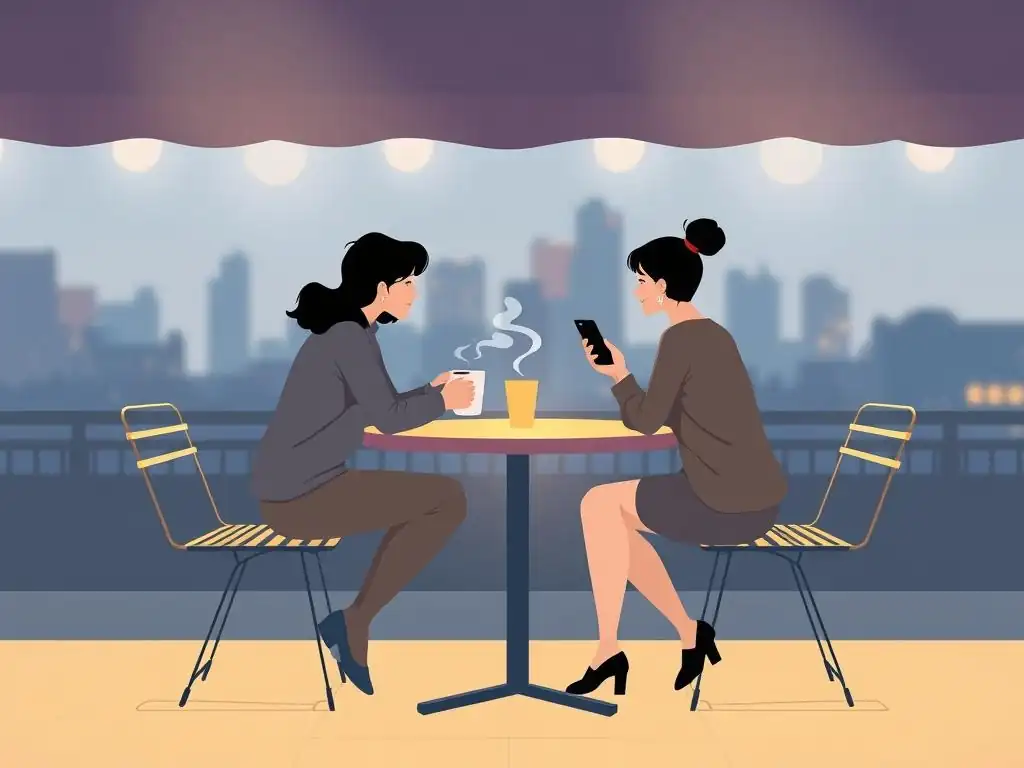
Meeting for the first time can be nerve-wracking, especially within the LGBTQ+ community where safety concerns might be heightened. Prioritizing public spaces for your first date is paramount. This isn't just about avoiding secluded areas; it's about ensuring you have readily available options for escape if needed. Choose well-lit, populated locations like coffee shops, bustling restaurants, or even museums. Avoid secluded parks or private residences for initial encounters.
Let a trusted friend or family member know where you're going, who you're meeting, and when you expect to be back. Share your date's profile information with them as well, just in case. Remember, feeling safe and comfortable is key to a positive experience. Don't hesitate to end the date early if you feel uneasy at any point—your safety is always the top priority.
Consider having a pre-arranged "exit strategy" – perhaps a call to a friend posing as an emergency, or a pre-planned reason to leave subtly, should you need it. Trust your instincts; if something feels off, it probably is. Remember, a successful date is one where both parties feel safe and respected. Many LGBTQ+ friendly establishments exist, and seeking them out can provide an added layer of security and community support.
Utilizing Video Chats: Building Trust and Connection Safely
Before meeting in person, consider utilizing video chat platforms like FaceTime or Zoom. This allows you to verify your date's identity and build a rapport before committing to an in-person meeting. Seeing your date's face and hearing their voice can add a significant layer of comfort and security. This also helps you assess their demeanor and personality, reducing the chance of unpleasant surprises during a face-to-face encounter.
Remember to be mindful of your background during video chats; keep it tidy and free of personal information. Don't reveal too much about your personal life or location during these initial virtual interactions. While video chats can be a great way to build trust, they shouldn't replace the importance of meeting in public spaces for your first date.
Think of the video chat as a screening tool, another step in the process of ensuring your safety while finding connection. It's also a chance to gauge the person's communication style and see if there's a genuine connection beyond written words. Remember, online safety is a journey, not a destination, and utilizing multiple methods contributes to a safer and more enjoyable dating experience.
LGBTQ+ Online Dating Safety Resources and Support
Finding the right support network is crucial for a positive and safe LGBTQ+ online dating experience. This section outlines resources available to help you navigate potential challenges and ensure your well-being throughout your journey. Remember, your safety and comfort are paramount.
Utilizing these resources proactively can significantly reduce risks and empower you to build healthy connections. We understand that online dating can be both exciting and daunting, and having access to reliable support is key to a successful and safe experience. This is especially important for LGBTQ+ individuals who may face unique challenges and vulnerabilities in the online dating world.
Reporting Mechanisms on Dating Apps: Utilizing Platform Tools
Most reputable dating apps provide robust reporting mechanisms to address harassment, abuse, or safety concerns. Familiarize yourself with these tools – they are often easily accessible within the app’s settings or profile menu. Knowing how to report inappropriate behavior promptly is vital. Don't hesitate to report anything that makes you uncomfortable, from suggestive messages to threats of violence. Even seemingly minor incidents can escalate, and reporting allows the app to take action to prevent future harm to others.
Here's a breakdown of what effective reporting usually entails:
- Detailed Reporting: Provide as much information as possible, including screenshots of messages, profile details of the offending user, and a clear description of the incident. The more detailed your report, the better equipped the app's moderators are to investigate.
- Consistency: If you experience repeated harassment from the same user, report each instance separately. This pattern of behavior strengthens your report and highlights the severity of the situation.
- Follow-up: Some apps will provide updates on the status of your report. If you don't receive a response within a reasonable timeframe, consider contacting the app's customer support directly.
Remember, reporting isn't tattling; it's a crucial step in protecting yourself and other users within the LGBTQ+ community. Apps are more likely to take action against repeat offenders if they receive multiple reports. Your actions can make a tangible difference in creating a safer online environment.
Online Safety Organizations: Seeking Expert Advice
Beyond individual app reporting, several organizations specialize in online safety and digital well-being. These resources provide broader support and guidance, often addressing issues beyond the scope of individual dating apps. They offer valuable information on topics ranging from privacy settings to safe communication strategies and identifying potential scams. These organizations typically have websites and hotlines, offering various forms of support.
Many organizations provide detailed guides and advice tailored specifically to the LGBTQ+ community's unique online safety needs. These resources often address issues such as cyberbullying, online harassment, and the specific challenges faced by LGBTQ+ individuals in online spaces. Proactive research into these resources can equip you with the knowledge and tools to navigate the online dating world confidently and safely.
LGBTQ+ Support Groups: Finding Community and Guidance
Connecting with other LGBTQ+ individuals can provide invaluable emotional support and practical advice. Support groups, whether online or in-person, offer a safe space to share experiences, discuss concerns, and learn from others who understand the unique challenges of LGBTQ+ online dating. This sense of community can be incredibly beneficial, combating feelings of isolation and providing a network of understanding peers.
The benefits of joining such groups include:
- Shared Experiences: Connecting with others who have navigated similar challenges can provide comfort and validation.
- Practical Advice: Learning from others' experiences can help you identify and avoid potential pitfalls.
- Emotional Support: Having a supportive community can significantly reduce stress and anxiety associated with online dating.
- Building Confidence: Sharing your experiences can boost your confidence and self-esteem.
Finding these groups can be done through online searches, LGBTQ+ community centers, or through recommendations from trusted sources. Remember, building a strong support network is a vital component of a positive and safe online dating experience. Don't hesitate to seek out these resources – your well-being is important.
Legal Resources for Online Harassment: Protecting Your Rights
Navigating online dating, especially within the LGBTQ+ community, can unfortunately expose individuals to harassment and discrimination. Knowing your legal rights and where to seek recourse is crucial for your safety and well-being. Understanding the legal landscape can empower you to take action against online abuse and hold perpetrators accountable. This section will outline some key legal resources and avenues available to LGBTQ+ individuals facing online harassment.
Many jurisdictions have laws specifically addressing online harassment and cyberbullying. These laws often vary in their definitions of harassment and the penalties involved. Some laws may focus on specific forms of online abuse, such as hate speech targeting sexual orientation or gender identity. Others may cover broader categories of harassment, including stalking, threats, and the dissemination of intimate images without consent. It's vital to familiarize yourself with the specific laws in your area to understand the protections available to you.
Beyond specific anti-harassment laws, general laws related to defamation, invasion of privacy, and stalking can also apply to online harassment. For instance, if someone spreads false and damaging information about you online, you might have grounds to pursue a defamation claim. Similarly, if someone repeatedly contacts you online despite your requests to stop, you might be able to seek legal protection under anti-stalking laws.
Remember that legal processes can be complex and time-consuming. Seeking advice from a legal professional specializing in LGBTQ+ rights and online harassment is highly recommended. They can assess your specific situation, advise on the best course of action, and represent you in legal proceedings if necessary. Many organizations offer free or low-cost legal services to LGBTQ+ individuals, so exploring these options can be a valuable first step. Don't hesitate to reach out for help; you are not alone in this. Protecting yourself legally is a significant aspect of LGBTQ+ online dating safety.
Emergency Contacts and Action Plans: Preparing for Unexpected Situations
While we hope for positive experiences in online dating, it's essential to be prepared for unexpected negative situations. Having a well-defined emergency contact list and action plan is a proactive step towards ensuring your safety and well-being. This preparedness can significantly reduce stress and improve your response time during a crisis.
Start by creating a list of emergency contacts. This should include trusted friends, family members, and community organizations that can offer support and assistance. It's helpful to have a mix of local and long-distance contacts, depending on your needs. Include their phone numbers, email addresses, and, if possible, their addresses. Consider also including the contact information for LGBTQ+ specific helplines or support groups that can provide immediate emotional and practical support.
Beyond contact information, develop a clear action plan for different scenarios. For example, if you experience online harassment, what steps will you take? Will you report the incident to the dating platform? Will you block the user? Will you contact law enforcement? Having a pre-determined plan can help you react calmly and effectively in a stressful situation.
Consider also having a physical "safety kit" readily available. This could include a pre-charged portable power bank for your phone, a list of important numbers printed on paper, and potentially a personal safety device. This kit can offer peace of mind and ensure you have the necessary resources in case of an emergency, regardless of access to technology. Remember, planning for the unexpected is a key component of responsible and safe online dating. Prioritizing your safety and well-being should always be your top priority.
Building Healthy and Respectful LGBTQ+ Online Dating Relationships
This section focuses on cultivating positive and safe relationships within the context of LGBTQ+ online dating. Building healthy relationships requires proactive effort and clear communication. Understanding healthy relationship dynamics, recognizing red flags, and effectively communicating boundaries are crucial steps in ensuring a positive and safe online dating experience. Ignoring these aspects can lead to uncomfortable or even dangerous situations. Remember, your safety and well-being are paramount.
Recognizing Healthy Relationship Dynamics: Establishing Boundaries
Healthy relationships are built on mutual respect, trust, and open communication. In the context of online dating, this translates to respecting each other's boundaries, both online and offline. This means respecting someone's need for space, their preferences regarding communication frequency, and their comfort levels with sharing personal information. A healthy relationship allows for individuality and doesn't pressure you into doing anything you're not comfortable with.
For example, if someone pressures you to share intimate photos before you feel ready, that's a significant red flag. Similarly, if someone consistently ignores your requests for space or tries to control your online activity, it's crucial to address this immediately. Establishing boundaries early on prevents misunderstandings and helps to create a safer and more respectful environment. Remember, saying "no" is perfectly acceptable, and a healthy partner will respect your decision. Setting these boundaries is a key component of LGBTQ+ online dating safety.
Identifying Red Flags in Online Interactions: Protecting Your Well-being
Navigating the online dating world, particularly within the LGBTQ+ community, requires vigilance. Certain behaviors and interactions can signal potential danger. It's crucial to recognize these red flags to protect your well-being. These red flags can manifest in various ways, from subtle inconsistencies to overtly aggressive behavior.
Here's a table summarizing some common red flags:
| Red Flag Category | Specific Example | Action to Take |
|---|---|---|
| Inconsistency/Dishonesty | Profile pictures don't match real-life appearance; inconsistent stories. | Be cautious, verify information independently. Consider ending contact. |
| Pressure/Control | Demanding immediate commitment; controlling online behavior; excessive messaging. | Establish clear boundaries; limit contact; report if necessary. |
| Aggression/Threats | Using abusive language; making threats; exhibiting controlling behavior. | Immediately block and report the user; consider contacting authorities if threatened. |
| Financial Requests | Asking for money, gifts, or financial assistance. | Never send money; report immediately. |
| Avoidance of In-Person Meetings | Reluctance to meet in person; making excuses. | Be wary; avoid sharing personal information until you've met in a safe, public place. |
These are just examples; trust your instincts. If something feels off, it probably is. Prioritizing your safety is crucial in LGBTQ+ online dating safety.
Communicating Concerns and Boundaries: Fostering Respectful Relationships
Open and honest communication is the cornerstone of any healthy relationship, including those formed online. Don't hesitate to express your concerns or boundaries, even early in the interaction. If someone makes you uncomfortable, you have the right to end the conversation or block them. Effective communication involves clearly stating your expectations and needs, and listening respectfully to your partner's perspective.
For instance, if you're uncomfortable sharing your exact location immediately, communicate this clearly. If someone is consistently violating your boundaries, don't be afraid to express your displeasure directly. If the behavior continues, end the interaction. Remember, you deserve to feel safe and respected. Learning to communicate effectively is a vital aspect of LGBTQ+ online dating safety, fostering mutual understanding and respect. This proactive approach helps create healthier and safer dating experiences.
Seeking Support When Needed: Prioritizing Your Mental Health
Online dating, even within the supportive LGBTQ+ community, can be emotionally taxing. Rejection, ghosting, or encountering hateful messages are unfortunately possibilities. It's crucial to prioritize your mental wellbeing throughout this journey. Don't hesitate to lean on your support network – friends, family, or chosen family – for emotional support. Sharing your experiences, both positive and negative, can help process emotions and prevent isolation. Remember, your feelings are valid, and seeking help is a sign of strength, not weakness.
Consider joining LGBTQ+ support groups, either online or in person. These groups offer a safe space to connect with others who understand the unique challenges of LGBTQ+ dating. Sharing experiences and hearing from others can be incredibly validating and empowering. Many online platforms offer anonymous support forums, allowing you to connect with people without revealing your identity if you prefer.
If you're struggling with persistent feelings of anxiety, depression, or low self-esteem related to online dating, professional help is readily available. Therapists specializing in LGBTQ+ issues can provide tailored support and guidance to navigate these challenges. They can help you develop coping mechanisms, build self-esteem, and address any underlying mental health concerns that might be impacting your dating experiences.
Remember, your mental health is paramount, and seeking professional help is a proactive step towards a healthier and happier you. Prioritizing your mental wellbeing is not a luxury; it's an essential part of building a successful and fulfilling life, both online and offline.
Celebrating Safe and Successful Connections: Building Positive Relationships
Once you've established a connection with someone you trust and feel safe with, nurturing that relationship is key. Open and honest communication is foundational to any healthy relationship, regardless of your sexual orientation or gender identity. Share your feelings, boundaries, and expectations openly and respectfully. Actively listen to your partner and show genuine interest in their life. Remember, building trust takes time and consistent effort.
Respecting boundaries is paramount. This includes respecting your partner's need for space, their emotional boundaries, and their physical boundaries. Always ensure that all interactions are consensual and that you are both comfortable with the level of intimacy. If something feels wrong or uncomfortable, don't hesitate to communicate your concerns. Healthy relationships are built on mutual respect, trust, and open communication.
Celebrate the milestones! Whether it's a first date, a first kiss, or a significant anniversary, acknowledge and celebrate the positive moments in your relationship. These positive experiences help build a strong foundation for long-term happiness. Remember, building a healthy and fulfilling LGBTQ+ relationship requires patience, understanding, and a commitment to open communication. The journey might have its challenges, but the rewards of a safe and loving partnership are immeasurable. Enjoy the process of building a meaningful connection with someone special.
Frequently Asked Questions
How can I verify the authenticity of a profile on an LGBTQ+ dating app?
It's difficult to definitively verify profiles, but look for profiles with multiple photos, showing the person in different settings. Also, be wary of profiles with limited information or too-perfect pictures. Reverse image search photos to check for duplication.
What are some red flags to watch out for when communicating with someone online?
Be cautious of individuals who pressure you for personal information too quickly, avoid video calls, or make unrealistic promises. Inconsistencies in their stories or excessive flattery should also raise concerns. Trust your instincts.
How can I protect my personal information while online dating?
Never share your full name, address, workplace, or other sensitive information until you've met someone in person and trust them completely. Use a separate email address for online dating, and be mindful of what you share on social media.
What should I do if I feel uncomfortable or unsafe during a date?
Trust your gut! If something feels off, leave the date immediately. Let a friend or family member know your plans, including the person's name and contact information. Have a safe word or plan in place if needed.
What resources are available if I experience harassment or abuse online?
Report abusive behavior to the dating app's support team and consider blocking the user. You can also reach out to LGBTQ+ support organizations and law enforcement if necessary. Remember, you are not alone.
The digital age has revolutionized how we connect, but for LGBTQ+ individuals, online dating presents both incredible opportunities and unique challenges. Finding love and community should never come at the cost of personal safety, and the risks, sadly, remain very real. This necessitates a constant vigilance and proactive approach to online interactions.
The fight for safe and inclusive online spaces for LGBTQ+ individuals is far from over. The pervasive nature of prejudice and discrimination, both online and offline, underscores the importance of the advice presented in this article. Love is love, but safety is paramount.
This simple truth guides our need for continued education and awareness around online dating safety within the LGBTQ+ community. The ongoing struggle for acceptance and the ever-evolving landscape of online interactions demand that we remain vigilant and supportive of one another.
Now, consider your own online presence. Reflect on the steps you take to protect your personal information and emotional well-being while navigating the world of online dating. Take a moment to review the safety tips outlined in this article and actively integrate them into your online interactions. Remember, building healthy and safe relationships starts with prioritizing your own safety and well-being. Let's work together to create a more inclusive and secure online environment for everyone to find love and connection.
Ignite Your Safe & Happy Dating Journey!
Thank you for exploring crucial LGBTQ+ online dating safety tips. We hope you gained valuable insights to navigate online dating with confidence and peace of mind. Now, let's put that knowledge into action!
- Prioritize your safety: Review the key safety tips discussed and integrate several into your dating profile and communication strategy today. This is your most important step.
- Share your thoughts: What additional safety measures do you find essential, or what unique challenges have you encountered? Let's build a supportive community by sharing your experiences in the comments below.
- Explore resources: Many LGBTQ+ organizations offer additional support and resources; explore their safety guides for further insights.
Ready to create a more positive and secure online dating experience? What's your next step towards safer and happier connections?