
The Ultimate LGBTQ+ Online Dating Safety Guide: Making Your Love Journey Secure

Ready to navigate the exciting world of online dating with confidence? At OnlineDatingSuccess.org, we empower you to find meaningful connections. But in the vibrant landscape of online romance, safety is paramount. This is especially true for the LGBTQ+ community, which is why we've created the ultimate guide on LGBTQ+ online dating safety tips. Discover practical strategies to protect yourself and build a secure foundation for your love journey. Dive in and learn how to make your online dating experience both rewarding and safe.
-
Understanding LGBTQ+ Online Dating Risks & Safety Concerns
- Unique Vulnerabilities in LGBTQ+ Online Dating
- Online Harassment and Discrimination: Recognizing and Responding
- Catfishing and Fraud Targeting the LGBTQ+ Community
- Doxing and Privacy Concerns for LGBTQ+ Individuals Online
- Safety Considerations for LGBTQ+ Individuals in Different Geographic Locations
-
Essential LGBTQ+ Online Dating Safety Tips: Protecting Your Identity and Well-being
- Choosing Safe and Reputable LGBTQ+ Dating Apps and Websites
- Creating a Secure Online Dating Profile: Protecting Personal Information
- Safe Communication Practices: Avoiding Sharing Sensitive Details Early On
- Verifying Profiles and Identifying Red Flags: Spotting Potential Scammers
- Managing Your Online Presence: Privacy Settings and Social Media Integration
-
Building Trust and Maintaining Safety During Online Interactions
- First Virtual Dates: Safety Precautions and Guidelines
- In-Person Meetings: Prioritizing Safety and Comfort
- Communicating Boundaries and Expectations Clearly
- Knowing When to Disengage: Recognizing Warning Signs and Taking Action
- Reporting Abuse and Harassment: Utilizing App Features and External Resources
- Resources and Support for LGBTQ+ Online Daters
-
Frequently Asked Questions
- How can I protect my identity on LGBTQ+ dating apps?
- What are some red flags to watch out for when online dating within the LGBTQ+ community?
- How can I verify the authenticity of someone's profile on an LGBTQ+ dating app?
- What should I do if I experience harassment or abuse on an LGBTQ+ dating app?
- Where can I find additional resources and support regarding LGBTQ+ online dating safety?
- Final Reflection: Weaving a Safer, More Loving Online Landscape
- Unleash Your Authentic Self: Safe & Happy Dating Awaits!
Understanding LGBTQ+ Online Dating Risks & Safety Concerns
Navigating the world of online dating can be exciting, but it's crucial to be aware of the unique challenges and risks faced by members of the LGBTQ+ community. This guide provides practical and empathetic advice to help you create a safer and more positive online dating experience. We'll explore the specific vulnerabilities within the LGBTQ+ community when using online dating platforms, and offer actionable strategies to mitigate these risks, empowering you to build meaningful connections while prioritizing your safety and well-being.
This is more than just a list of "don'ts"—it's a comprehensive approach to building a secure and fulfilling online dating journey. Remember, your safety and comfort are paramount, and taking proactive steps is key to a positive experience. Let's dive into the specific concerns and how to address them effectively.
Unique Vulnerabilities in LGBTQ+ Online Dating
LGBTQ+ individuals often face unique challenges in online dating that differ from the experiences of heterosexual individuals. These vulnerabilities stem from societal prejudices and biases, which unfortunately translate into the digital space. For example, LGBTQ+ individuals may be more susceptible to:
- Targeted Harassment and Discrimination: Hate speech and discriminatory messages are unfortunately prevalent online. The anonymity of the internet can embolden individuals to express hateful views, creating a hostile environment for LGBTQ+ users.
- DoXing and Outing: The threat of having personal information shared without consent (doxing) is a significant concern, especially for individuals who haven't publicly disclosed their sexual orientation or gender identity. This can lead to real-world consequences and significant emotional distress.
- Lack of Legal Protection: In some regions, legal protections against discrimination based on sexual orientation and gender identity are limited or non-existent, leaving LGBTQ+ individuals with fewer legal recourses if they experience online harassment or abuse.
- Misinformation and Stereotyping: Harmful stereotypes and misinformation about LGBTQ+ individuals can be amplified online, leading to prejudice and discrimination on dating platforms. This can make it harder to find genuine connections and create a sense of distrust.
- Higher Rates of Catfishing and Fraud: Sadly, LGBTQ+ individuals may be disproportionately targeted by catfishers and fraudsters who exploit vulnerabilities and prejudices.
Online Harassment and Discrimination: Recognizing and Responding
Online harassment can range from subtle microaggressions to overt threats and abuse. It's vital to recognize the different forms this can take and develop strategies to cope with and report such incidents. Examples include:
- Verbal Abuse: This can include homophobic or transphobic slurs, derogatory comments about your identity or lifestyle, or persistent negative messaging.
- Cyberstalking: This involves repeated unwanted contact, online monitoring, and attempts to control or intimidate.
- DoXing and Outing: As mentioned earlier, the unauthorized release of personal information can have serious repercussions.
- Hate Speech: This encompasses any language that attacks or demeans a person based on their sexual orientation or gender identity.
Responding to online harassment requires a multi-pronged approach:
- Block and Report: Utilize the reporting mechanisms available on dating platforms and social media to report abusive behavior. Blocking users is crucial to prevent further contact.
- Document Everything: Save screenshots and records of harassing messages, as this evidence can be invaluable if you choose to pursue legal action.
- Seek Support: Connect with friends, family, support groups, or mental health professionals for emotional support and guidance.
- Limit Exposure: Consider adjusting your privacy settings on dating apps and social media to reduce your exposure to potential harassment.
Catfishing and Fraud Targeting the LGBTQ+ Community
Catfishing, the act of creating a fake online profile to deceive others, and fraud, particularly financial scams, are significant threats in online dating. The LGBTQ+ community may be particularly vulnerable due to factors such as societal isolation and a lack of readily available support networks. Here’s what to watch out for:
- Inconsistencies in Profiles: Be wary of profiles with few or blurry photos, inconsistent information, or a lack of detail.
- Requests for Money or Personal Information: Legitimate relationships should not involve financial requests or the sharing of sensitive personal data early in the interaction. Never send money to someone you've only met online.
- Pressure to Move Quickly: Be cautious of individuals who pressure you to move the relationship offline rapidly or share intimate details too soon.
- Unusual Behavior: Pay attention to red flags such as evasiveness, inconsistencies in their stories, or a reluctance to video chat.
Protecting yourself from catfishing and fraud involves:
- Slow and Steady: Take your time getting to know someone online, and don't rush into a relationship.
- Video Calls: Initiate video calls to verify the identity of the person you're communicating with.
- Reverse Image Search: Use reverse image search tools to check if the photos used in a profile are genuine.
- Trust Your Instincts: If something feels wrong or off, it likely is. Don't hesitate to end contact if you have any doubts.
Remember, building a safe and positive online dating experience requires vigilance and proactive measures. By understanding the unique risks and implementing these safety tips, you can navigate the world of LGBTQ+ online dating with confidence and find meaningful connections. 💖
Doxing and Privacy Concerns for LGBTQ+ Individuals Online

Doxing, the act of revealing someone's personal information online without their consent, presents a significant risk to LGBTQ+ individuals using online dating platforms. This risk is amplified because many LGBTQ+ people may not be openly out in their daily lives, and revealing personal details online could have serious consequences in their offline world. Sharing identifying information like your full name, address, workplace, or even specific details about your daily routine can make you vulnerable to harassment, discrimination, or even violence. This is particularly true for individuals in regions where LGBTQ+ rights are limited or nonexistent. The consequences of doxing can range from targeted online harassment and hate speech to real-world threats and physical harm.
Protecting your privacy is paramount. Avoid sharing overly specific details about your location, workplace, or daily activities in your profile or during initial conversations. Use privacy settings on dating apps to the fullest extent possible, and be cautious about the information you share with new contacts, even if they seem trustworthy. Remember, a person's online persona doesn't always reflect their real-life behavior.
Trust your instincts; if something feels off, it's best to err on the side of caution and discontinue contact. Consider using a separate email address and phone number specifically for online dating to further protect your personal information. Regularly review your privacy settings on all social media platforms as well, as these can be linked to your dating profiles. Being mindful of your digital footprint is a crucial aspect of LGBTQ+ online dating safety.
Safety Considerations for LGBTQ+ Individuals in Different Geographic Locations
Geographical location plays a crucial role in the safety of LGBTQ+ individuals using online dating. LGBTQ+ rights and acceptance vary dramatically across the globe. In some regions, being openly LGBTQ+ can be dangerous, even illegal. Therefore, the level of caution required when using online dating apps varies considerably depending on where you are located. For instance, individuals in countries with strong LGBTQ+ rights protections may face risks such as online harassment and catfishing, but these risks are generally less severe than those faced by individuals in countries where being LGBTQ+ is criminalized or socially stigmatized.
In countries with restrictive laws, using dating apps might require utilizing privacy tools like VPNs (Virtual Private Networks) to mask your IP address and location. Even in regions with more progressive laws, exercising caution remains vital. Always meet for the first time in a public place, inform a trusted friend or family member about your plans, and share your location with them in real-time. Consider utilizing apps that offer location sharing features with trusted contacts.
Research the local legal landscape and cultural norms concerning LGBTQ+ individuals to better assess the risks and make informed decisions about your online dating activities. Be aware of potential legal repercussions of being openly LGBTQ+ in certain areas, and take appropriate precautions to protect your privacy and safety. Remember, your safety is paramount, and being informed about the specific risks in your location is crucial for mitigating potential harm. If you are considering traveling to a new location, research the local laws and cultural climate regarding LGBTQ+ individuals before engaging in online dating.
Essential LGBTQ+ Online Dating Safety Tips: Protecting Your Identity and Well-being
This section provides crucial LGBTQ+ online dating safety tips to help you navigate the digital dating world confidently and securely. Finding love online should be an exciting experience, and prioritizing your safety is key to ensuring it remains positive. Remember, your well-being is paramount. These tips will empower you to take control of your online safety and build healthy connections.
Choosing Safe and Reputable LGBTQ+ Dating Apps and Websites
Selecting the right platform is the first step towards safer LGBTQ+ online dating. Not all apps and websites prioritize user safety equally. Research is crucial. Look for apps with robust verification systems, clear community guidelines, and active moderation. Read reviews and look for mentions of strong safety features. Consider these points:
- Verification processes: Do they verify user identities? Look for features like photo verification or email confirmation. Stronger verification often deters fake profiles and catfishers.
- Reporting mechanisms: How easy is it to report inappropriate behavior or suspicious profiles? A readily accessible and responsive reporting system is essential.
- Community guidelines: Thoroughly review the app's or website's terms of service and community guidelines. These documents should clearly outline their policies on harassment, discrimination, and safety.
- Privacy settings: Understand and utilize the privacy settings offered by the platform. Control who can see your profile, message you, and access your personal information.
Many apps cater specifically to the LGBTQ+ community, offering features designed to enhance safety and inclusivity. However, even within these niche spaces, vigilance remains essential.
Creating a Secure Online Dating Profile: Protecting Personal Information
Your online dating profile is your first impression. While you want to present yourself authentically, avoid oversharing personal information that could compromise your safety. Remember, less is often more when it comes to online safety. Consider these guidelines:
- Avoid revealing your full name, address, workplace, or other identifying details. Use a nickname or a variation of your name if you prefer.
- Be cautious about sharing photos. Avoid images that reveal your home address, workplace, or other easily identifiable locations. Consider using less revealing images initially.
- Don't link your profile to other social media accounts. This can expose a wealth of personal information, making you more vulnerable.
- Use a strong, unique password. Avoid using easily guessable passwords or reusing passwords from other accounts. Consider using a password manager to help you create and manage strong passwords.
- Be mindful of the information you share in your profile description. Avoid including specific details about your daily routine, travel plans, or other information that could be used to track your whereabouts.
By carefully managing the information you share, you significantly reduce your risk of becoming a target for harassment or other online dangers.
Safe Communication Practices: Avoiding Sharing Sensitive Details Early On
Once you start communicating with potential matches, maintaining safe communication practices is vital. Build trust gradually and avoid revealing sensitive information too early in the conversation. Here are some key points to remember:
- Start with public platforms. Use the app's messaging system initially instead of immediately switching to other communication methods like email, phone calls, or social media. This provides an added layer of security.
- Never share your financial information. This includes bank account details, credit card numbers, or social security numbers. Never send money to someone you've only met online.
- Don't rush into meeting in person. Take your time to get to know someone online before arranging an in-person meeting. Video calls can be a good way to verify someone's identity before a face-to-face meeting.
- Always meet in a public place for your first date. Let a friend or family member know where you're going and who you're meeting. Share your location with someone you trust.
- Trust your instincts. If something feels off or makes you uncomfortable, don't hesitate to end the conversation or block the user.
Building healthy relationships takes time and trust. By prioritizing safety in your online interactions, you can create a positive and secure dating experience. Remember, your safety is not negotiable.
Verifying Profiles and Identifying Red Flags: Spotting Potential Scammers
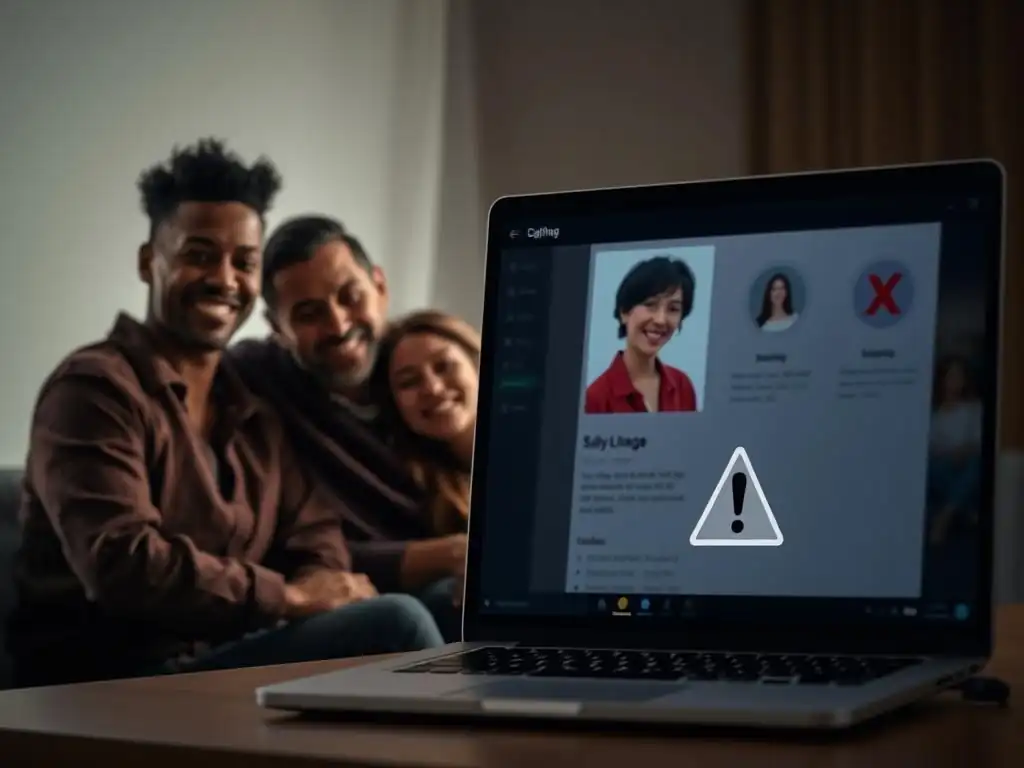
Navigating the world of LGBTQ+ online dating requires a keen eye for detail, especially when it comes to identifying potential scammers. Sadly, malicious actors prey on vulnerable individuals seeking connection. Therefore, verifying profiles and recognizing red flags is paramount to your safety. Don't rush into conversations; take your time to assess the authenticity of each profile.
One effective method is to cross-reference information provided on the dating profile with other online sources. For example, if someone claims to be a doctor, try searching their name and profession online. Inconsistencies or a lack of verifiable information should raise immediate concerns. Be wary of profiles with overly generic or stock photos, limited personal details, or an unusual lack of friends or connections on their social media (if linked). These can be signs of a fake profile crafted to deceive.
Pay close attention to the language used in their profile and messages. Scammers often employ overly romantic or flattering language, quickly professing deep feelings, or making extravagant promises. They might also pressure you to move the conversation off the dating platform to a more private channel, like email or text, making it harder to report them. Be especially cautious of individuals requesting financial assistance or personal information under any pretext. Remember, genuine connections develop organically and don't involve immediate, intense declarations of love or urgent financial demands.
Trust your instincts; if something feels off, it probably is. Prioritizing your safety over the allure of a quick connection is always the best approach. Remember, genuine connections are built on trust and transparency, not pressure or secrecy. Report suspicious profiles to the dating platform immediately.
Protecting your privacy is crucial in the LGBTQ+ online dating world. Many dating apps offer robust privacy settings; take the time to understand and utilize them fully. Limit the amount of personal information you share publicly, especially in your profile. Avoid revealing your full name, exact address, workplace, or other details that could easily be used to identify you offline. Remember, even seemingly innocuous information can be pieced together by determined individuals.
Consider the implications of linking your social media accounts to your dating profile. While this can add another layer of verification for some, it also significantly increases your online footprint and exposes you to potential risks. Before connecting your social media, carefully review your privacy settings on those platforms. Restrict access to your posts and information to trusted friends and family. Regularly review and update your privacy settings on both your dating profile and social media accounts to mitigate risks.
Furthermore, be mindful of the information you share during conversations. Avoid disclosing sensitive details like your home address, workplace, or even your exact location until you've established a high level of trust with someone. Consider using a separate email address specifically for online dating to maintain a degree of separation between your personal and dating life.
This added layer of protection helps limit potential exposure to unwanted contact or phishing attempts. Remember, online safety is an ongoing process; regular review and adjustment of your privacy settings are essential to maintaining your security and peace of mind in the online dating landscape. Prioritizing your digital privacy is a vital component of a safe and positive LGBTQ+ online dating experience.
Building Trust and Maintaining Safety During Online Interactions
Building trust is paramount in online dating, especially within the LGBTQ+ community where vulnerability and discrimination can be heightened. Navigating this space requires careful consideration and proactive safety measures. Remember, rushing the process can compromise your safety. Take your time getting to know someone online before considering an in-person meeting.
First Virtual Dates: Safety Precautions and Guidelines
Before embarking on a virtual date, remember that your safety is paramount. Never share Personally Identifiable Information (PII) prematurely. This includes your full name, address, workplace, or even the exact location of your residence. Instead, opt for video calls on established platforms like Zoom or FaceTime—avoiding less secure apps. This allows you to see and interact with your date in real-time, reducing the potential for catfishing or misrepresentation.
A crucial aspect of virtual dates is maintaining control over the interaction. If at any point you feel uncomfortable or unsafe, you have the right to end the call immediately. It's perfectly acceptable to excuse yourself politely, even if you’ve only been chatting for a short time. Trust your instincts; they are your best safety net.
Consider using a burner phone number or a dedicated dating app account to initially connect with potential matches. This adds an extra layer of security, protecting your primary contact information. Additionally, always inform a trusted friend or family member about your virtual date, including the person's name and the platform you'll be using. Let them know when the date is scheduled to begin and end, and check in with them afterward. This simple step can significantly increase your safety.
In-Person Meetings: Prioritizing Safety and Comfort
Once you've built a rapport online and feel comfortable enough to meet in person, prioritize safety. Always meet in a well-lit, public place. Never allow your date to pick you up or drop you off at your home. Arrange your own transportation and ensure you have a way to leave independently, without relying on your date.
Before the meeting, share your location with a trusted friend or family member and check in with them regularly. Consider using a location-sharing app that allows them to track your movements in real-time, providing an extra layer of security and peace of mind. During the date, remain aware of your surroundings and trust your intuition. If something feels off, don't hesitate to leave. Your safety should always come first.
Remember, there is no shame in prioritizing your well-being. It's essential to establish clear boundaries and expectations from the outset.
Communicating Boundaries and Expectations Clearly
Open and honest communication is key to establishing healthy and safe relationships. Don't be afraid to communicate your boundaries and expectations clearly, both online and in person. This includes expressing your comfort level with physical touch, sharing personal information, or discussing sensitive topics. Respecting boundaries is a fundamental aspect of any healthy relationship.
For LGBTQ+ individuals, open communication about identity and experiences can be particularly important. This can help to build trust and understanding, while also providing a safer space for self-expression. Setting clear boundaries about what you are and aren't comfortable sharing can help to prevent misunderstandings and potential harm. Remember, you are in control of your experience, and your safety and well-being are paramount. Prioritizing self-care and setting healthy boundaries are crucial aspects of LGBTQ+ online dating safety. These actions contribute significantly to navigating the online dating world with confidence and security.
Knowing When to Disengage: Recognizing Warning Signs and Taking Action
Navigating the world of LGBTQ+ online dating requires a keen awareness of potential dangers. While the vast majority of interactions are positive, it's crucial to know how to identify and respond to warning signs. Ignoring red flags can lead to uncomfortable situations, emotional distress, or even physical harm. Therefore, prioritizing your safety is paramount.
One of the most significant warning signs is a persistent feeling of unease or discomfort. Trust your intuition; if something feels off, it likely is. This feeling might manifest in various ways, such as a mismatch between the person's online profile and their behavior, overly aggressive or pushy communication, or a reluctance to engage in video calls or share personal information that would verify their identity. Remember, healthy relationships are built on mutual respect and trust, not pressure or manipulation.
Another red flag is a sudden shift in the conversation's tone or subject matter. If a person you've been interacting with suddenly becomes overly personal, sexually suggestive, or attempts to control your behavior, it's time to disengage. This could also include attempts to isolate you from friends and family or pressure you into meeting in person before you're ready. These behaviors often indicate a lack of respect for your boundaries and personal safety.
Disengaging doesn't have to be confrontational. You can simply stop responding to messages, block the user, and report them if necessary. Remember, you are not obligated to continue an interaction that makes you feel uncomfortable. Your well-being is the top priority. Prioritizing your safety is a sign of self-respect, not weakness. Taking control of the situation by disengaging protects you from potential harm and allows you to focus on finding positive and safe connections. Remember, there are many other people out there who will treat you with respect.
Reporting Abuse and Harassment: Utilizing App Features and External Resources
Experiencing harassment or abuse on an online dating platform can be incredibly upsetting. Fortunately, most dating apps provide mechanisms for reporting inappropriate behavior. Understanding how to utilize these features is vital for your safety and well-being, and for helping to create a safer online environment for everyone. Familiarize yourself with your chosen app's reporting process; this usually involves flagging specific messages or profiles, providing details about the incident, and submitting a report. The more detail you provide, the better equipped the app’s moderators are to take appropriate action.
Beyond the app itself, consider reporting incidents to external resources. Many organizations specialize in supporting victims of online harassment and abuse, providing resources such as counseling, legal advice, and support groups. These organizations can offer valuable guidance and assistance during a difficult time. Remember, reporting isn't just about protecting yourself; it's also about contributing to a safer online community for other LGBTQ+ individuals. Reporting helps to hold abusers accountable and prevent them from harming others. Don't hesitate to seek help; you are not alone.
Additionally, preserving evidence of abusive behavior is crucial. Screenshots of messages, profile details, and any other relevant information can be invaluable when reporting incidents to the dating app or external resources. Keeping a record of these interactions can strengthen your report and assist investigators in taking appropriate action. This meticulous record-keeping helps document the harassment and ensures a more comprehensive investigation. Remember, documenting these interactions is a proactive step towards your safety and the safety of others. Taking these steps empowers you and contributes to a safer online dating experience for everyone.
Resources and Support for LGBTQ+ Online Daters
This section provides crucial information on resources readily available to LGBTQ+ individuals navigating the online dating world. Understanding where to turn for help is a vital component of staying safe and maintaining your well-being. We'll explore organizations dedicated to LGBTQ+ support and legal avenues for addressing online harassment. Remember, you're not alone, and seeking help is a sign of strength, not weakness.
LGBTQ+ Organizations Offering Online Safety Support
Many LGBTQ+ organizations offer invaluable support and resources specifically tailored to online safety concerns. These organizations often provide hotlines, online forums, and educational materials covering topics ranging from profile creation best practices to handling online harassment effectively. They can be a lifeline in challenging situations. The level of support varies between organizations, some focusing on specific demographics or areas of concern. For example, some might specialize in supporting transgender individuals facing unique online safety challenges, while others might focus on combating hate speech and cyberbullying.
It's important to research organizations in your specific geographic location to find the most relevant and accessible resources. Many national organizations maintain a directory of local chapters and affiliates, allowing you to connect with support closer to home. Look for organizations with established reputations and clear privacy policies to ensure your information is handled responsibly.
Don't hesitate to reach out to several organizations to find the best fit for your needs. Remember, finding the right support system can significantly impact your online dating experience and overall well-being. Building a strong safety net is crucial for a positive and secure online dating journey.
Legal Resources for Addressing Online Harassment and Abuse
Experiencing online harassment or abuse can be incredibly distressing. Knowing your legal rights and options is essential for protecting yourself and holding perpetrators accountable. Several legal resources are available to LGBTQ+ individuals facing online threats, ranging from reporting mechanisms to legal aid organizations specializing in hate crimes and cyberbullying.
Understanding the legal definitions of online harassment and abuse in your jurisdiction is the first step. These definitions can vary, impacting the legal recourse available to you. Some jurisdictions have specific laws protecting individuals from online hate speech and harassment targeting their sexual orientation or gender identity. Documenting instances of harassment, including saving screenshots, emails, and messages, is crucial for building a strong case. This evidence can be vital in reporting incidents to law enforcement or pursuing civil action.
Many legal aid organizations offer pro bono services to LGBTQ+ individuals who have experienced online harassment or abuse. These organizations can provide invaluable guidance on navigating the legal system, determining the best course of action, and representing you in legal proceedings if necessary. Remember that seeking legal advice is a proactive step towards ensuring your safety and well-being. Don't hesitate to contact a legal professional if you feel you need their assistance.
Cybersecurity Tips for Protecting Your Devices and Data
Protecting your personal information and devices is paramount when using online dating platforms. Strong cybersecurity practices can significantly reduce your risk of experiencing data breaches, identity theft, or other forms of cybercrime. This involves a multi-faceted approach, including password management, software updates, and privacy settings.
- Strong Passwords: Use unique, complex passwords for all your online accounts, including dating apps and social media. Consider using a password manager to generate and securely store these passwords.
- Software Updates: Regularly update your operating systems, apps, and antivirus software to patch security vulnerabilities. Outdated software is a prime target for hackers.
- Privacy Settings: Review and adjust your privacy settings on all dating apps and social media platforms. Limit the information you share publicly and be cautious about sharing personal details with strangers.
- Two-Factor Authentication: Enable two-factor authentication (2FA) whenever possible. This adds an extra layer of security by requiring a second verification step, such as a code sent to your phone.
- Secure Wi-Fi: Avoid using public Wi-Fi for sensitive activities like online dating, as these networks are often less secure. Use a VPN (Virtual Private Network) for added protection when using public Wi-Fi.
Implementing these cybersecurity measures is an essential part of creating a safe and secure online dating experience. Taking proactive steps to protect your devices and data demonstrates a commitment to your safety and well-being. Remember, a little vigilance can go a long way in preventing cybercrime and safeguarding your personal information.
Mental Health Support for Victims of Online Dating Abuse
Navigating online dating can be emotionally taxing for anyone, but LGBTQ+ individuals may face unique challenges and vulnerabilities. Experiencing online abuse, harassment, or even subtle forms of manipulation can have a profound impact on mental well-being. It's crucial to remember that you are not alone and that seeking support is a sign of strength, not weakness. Many resources are available to help you process these experiences and begin healing.
The emotional toll of online dating abuse can manifest in various ways, including anxiety, depression, low self-esteem, and feelings of isolation. Victims may struggle with trust issues, fear of future relationships, and even PTSD-like symptoms. These are valid responses to traumatic experiences, and professional help can provide invaluable tools for coping and recovery.
Several avenues for mental health support exist. Therapists specializing in LGBTQ+ issues and trauma-informed care are particularly well-equipped to understand the specific complexities of your situation. They can provide a safe and confidential space to explore your feelings, develop coping mechanisms, and work towards healing. Online therapy platforms also offer convenient access to mental health professionals, providing an additional layer of comfort and anonymity for those who may feel uncomfortable seeking in-person help.
Support groups, either online or in-person, can be incredibly beneficial. Connecting with others who have shared similar experiences fosters a sense of community and validation. Sharing your story and hearing others' can be incredibly powerful in reducing feelings of isolation and shame. Many LGBTQ+ organizations offer support groups specifically designed to address the unique challenges faced by online dating victims.
Remember, finding the right support system is a personal journey, and it's okay to explore different options until you find what works best for you. Prioritizing your mental health is a fundamental step toward building a healthier and happier future. Don't hesitate to reach out – your well-being is paramount.
Frequently Asked Questions
How can I protect my identity on LGBTQ+ dating apps?
Avoid sharing personally identifiable information like your full name, address, or workplace until you've met someone in person and trust them completely. Use a nickname or screen name initially, and be cautious about sharing photos that reveal too much about your location.
What are some red flags to watch out for when online dating within the LGBTQ+ community?
Be wary of profiles that seem too perfect or lack personal details. Avoid anyone who pressures you to meet quickly, shares inappropriate photos, or makes you feel uncomfortable. Trust your instincts – if something feels off, it probably is.
How can I verify the authenticity of someone's profile on an LGBTQ+ dating app?
Reverse image search their photos to check for duplicate profiles or stolen images. Look for inconsistencies in their profile information and be cautious of profiles with limited or generic photos. Slow down the communication process before revealing personal information.
What should I do if I experience harassment or abuse on an LGBTQ+ dating app?
Report the user to the app's support team immediately. Block and delete the user from your contacts. Save any evidence of harassment (screenshots, messages) for potential future action. Consider reporting to the relevant authorities if needed.
Where can I find additional resources and support regarding LGBTQ+ online dating safety?
Many organizations offer resources on online safety and dating, including those specifically focused on the LGBTQ+ community. Search online for LGBTQ+ support groups and online safety organizations. Your local community center might also offer relevant resources and workshops.
Final Reflection: Weaving a Safer, More Loving Online Landscape
The fight for safe and inclusive online spaces for LGBTQ+ individuals is far from over, and the need for vigilance remains paramount. The rise of online dating has opened doors to connection and community, but it has also presented unique challenges and vulnerabilities for a community already facing systemic discrimination. This guide aimed to equip you with the tools to navigate this complex landscape with confidence and security.
The impact of online safety measures extends far beyond individual protection; it shapes the very fabric of our digital communities. By fostering a culture of awareness and proactive safety, we create an environment where genuine connections can flourish without the fear of harassment, discrimination, or exploitation. As Audre Lorde powerfully stated, Caring for myself is not self-indulgence. It is self-preservation, and that is an act of political warfare.
Protecting ourselves online is an act of self-preservation, a crucial step in building a more equitable and supportive digital world for all LGBTQ+ individuals.
Now, I invite you to reflect on your own online safety practices. Consider the steps you can take to enhance your security, not just for yourself, but for the wider LGBTQ+ community. Share this guide with your friends, family, and loved ones. Let's collectively build a safer, more inclusive online dating experience, where love and connection can thrive without fear. Your safety, and the safety of others, depends on it.
Unleash Your Authentic Self: Safe & Happy Dating Awaits!
Thank you for learning about online dating safety within the LGBTQ+ community! We hope this guide has empowered you to navigate the digital world confidently and responsibly. Now, let's put that knowledge into practice:
- Prioritize your safety: Review the key safety tips from this article and incorporate at least one new strategy into your dating profile and communication. This could involve adding a trusted friend as a contact, or meticulously verifying meeting locations before an in-person date.
- Share this vital information: Spread the word! Share this guide with your LGBTQ+ friends and loved ones to foster a safer online dating environment for everyone.
- Join the conversation: What's one safety tip you'll focus on today, and why? Let's discuss in the comments below!