
LGBTQ+ Online Dating: How to Spot and Avoid Catfishing Scams


Ready to navigate the exciting world of online dating with confidence? At OnlineDatingSuccess.org, we empower you to build genuine connections. But be aware: the digital landscape isn't always as it seems. This is especially true within the LGBTQ+ community, where scams are prevalent. Learn how to protect yourself and avoid falling victim to catfishing with our essential guide on LGBTQ+ dating scam prevention. Discover the strategies you need to find authentic relationships and create a truly fulfilling online dating experience. Let's get started!
- Understanding LGBTQ+ Dating Scams: Unique Risks and Vulnerabilities
- Red Flags: Identifying Potential Catfish in LGBTQ+ Online Dating
- Protecting Yourself from LGBTQ+ Dating Scams: Practical Prevention Strategies
- What to Do if You Suspect a Catfishing Scam
- Building Healthy Online Dating Habits for LGBTQ+ Individuals
- Navigating the Emotional Aftermath of a Catfishing Experience
-
Frequently Asked Questions
- How can I spot a catfish on an LGBTQ+ dating app?
- What are common red flags in LGBTQ+ online dating scams?
- How can I protect myself from financial scams on LGBTQ+ dating apps?
- What should I do if I suspect I'm being scammed on an LGBTQ+ dating site?
- Are there specific LGBTQ+ dating apps safer than others?
- Final Reflection: Navigating Love and Safety in the Digital Age
- Unlock Safer Connections: Level Up Your Online Dating Game
Understanding LGBTQ+ Dating Scams: Unique Risks and Vulnerabilities
Navigating the world of online dating can be challenging for anyone, but LGBTQ+ individuals often face unique risks and vulnerabilities. This article focuses on providing practical strategies for LGBTQ+ individuals to identify and avoid catfishing scams, a pervasive problem within online dating that can cause significant emotional and financial harm. We will explore the specific tactics used to target the LGBTQ+ community, highlighting the increased vulnerability within this demographic and offering actionable advice to enhance safety and build trust in the online dating sphere.
Understanding these unique challenges is the first step towards creating a safer and more positive online dating experience. This guide aims to empower you with the knowledge and tools to protect yourself from these insidious scams and foster genuine connections. We'll delve into the specific tactics used to target the LGBTQ+ community, providing actionable steps to avoid becoming a victim.
Remember, staying safe online doesn't mean sacrificing the joy of connecting with others; it means being informed and proactive. Let's work together to create a more inclusive and secure online dating environment for everyone.
The Increased Vulnerability in LGBTQ+ Online Dating
LGBTQ+ individuals often face heightened vulnerability to online dating scams for several reasons. Limited access to traditional support networks, coupled with societal stigma and discrimination, can make it more difficult to report scams or seek help. Furthermore, the smaller and often more geographically dispersed nature of LGBTQ+ communities can make it harder to verify someone's identity or background.
The desire for connection and community within a sometimes isolating environment can also make individuals more susceptible to manipulative tactics. Catfishers often prey on this vulnerability, creating fake profiles that seem particularly appealing to those seeking acceptance and belonging. This heightened vulnerability necessitates a more cautious approach to online dating within the LGBTQ+ community, emphasizing thorough verification and critical evaluation of potential partners.
Understanding these factors is crucial to developing effective prevention strategies. The emotional toll of a scam can be particularly devastating in communities where individuals may already feel marginalized or isolated.
Common LGBTQ+ Catfishing Tactics: Profiles and Interactions
Catfishing tactics in LGBTQ+ online dating often leverage specific vulnerabilities and interests within the community. For instance, scammers may create profiles showcasing idealized versions of LGBTQ+ identities, using carefully selected images and language to appeal to specific desires or insecurities. These profiles may emphasize shared interests or experiences within the community to build trust quickly.
They may also utilize stolen photos of real LGBTQ+ individuals, further enhancing the deception. In terms of interaction, scammers often employ techniques designed to cultivate a rapid sense of intimacy and connection. They might express intense emotions early in the relationship, showering their targets with compliments and declarations of love.
They may also use emotional manipulation to pressure victims into sharing personal information or sending money. The use of fake location data and inconsistent narratives are also common tactics to confuse and disorient potential victims. Being aware of these common tactics allows individuals to approach interactions with a heightened sense of skepticism and critical thinking.
Financial Scams Targeting the LGBTQ+ Community
Financial scams targeting the LGBTQ+ community are often intertwined with emotional manipulation. Scammers may create elaborate narratives involving fabricated emergencies or financial hardships, leveraging the empathy and generosity often characteristic of the community. These scenarios may include requests for money to cover medical bills, travel expenses, or legal fees.
Other tactics include promises of substantial financial returns through investment schemes or business opportunities, preying on the desire for financial security and independence. These scams often involve a gradual escalation of requests for money, starting with small amounts and gradually increasing the pressure. The scammer may use various methods to receive funds, including wire transfers, gift cards, or cryptocurrency.
Recognizing these financial red flags and being hesitant to send money to someone you haven't met in person are critical steps in protecting yourself from these predatory schemes. Remember, legitimate relationships do not involve constant financial demands. Always prioritize your financial well-being and seek independent verification before sending any money.
Red Flags: Identifying Potential Catfish in LGBTQ+ Online Dating

This section delves into the crucial aspects of recognizing potential catfish profiles within the LGBTQ+ online dating landscape. Understanding these red flags can significantly improve your safety and help you avoid emotional and financial harm. Remember, vigilance is key to a positive and secure online dating experience. The prevalence of catfishing in LGBTQ+ spaces, unfortunately, is a serious concern demanding heightened awareness. This guide equips you with the knowledge to navigate these challenges effectively.
Inconsistencies in Profile Information and Photos
Catfish often exhibit inconsistencies in their profile information and photos. These discrepancies are often subtle, requiring a keen eye to detect. For example, a profile might boast extensive travel history, yet the photographs show a limited range of backgrounds, or even the same background repeatedly used. Moreover, examine the quality of the images; overly filtered or professionally-shot photos may indicate an attempt to mask the person's true identity. Pay attention to details like the lighting, which should be consistent across photos taken supposedly at different times.
Another telltale sign is a lack of variety in the photos. A profile with only selfies, or photos that are all professionally done, can be a red flag. Authentic profiles usually showcase a mix of candid shots and posed pictures, reflecting a more natural representation of the individual. Cross-referencing profile information with publicly available information – such as social media profiles – can also help uncover inconsistencies.
Remember, a genuine profile will usually have a cohesive narrative across all platforms. Look for discrepancies in age, profession, location, or interests between the dating profile and other online presence. Even small inconsistencies can be a warning sign.
Here's a table summarizing common inconsistencies to watch for:
| Inconsistency Type | Example | Indication |
|---|---|---|
| Photo Quality Discrepancy | High-quality professional photos alongside blurry selfies | Potential use of stolen or heavily edited images |
| Location Inconsistencies | Claims to live in one city, but photos show another | False location claim |
| Biographical Inconsistencies | Discrepancies between stated interests and photos | Fabricated profile details |
| Social Media Verification | No links to social media or inconsistent profiles | Attempt to hide true identity |
Suspicious Communication Patterns and Requests
Beyond profile inconsistencies, suspicious communication patterns often signal a potential catfish. Be wary of individuals who are overly complimentary from the outset, or who quickly escalate the conversation towards personal or intimate details. Legitimate connections develop gradually, allowing for a natural progression of trust. Furthermore, an excessive focus on personal information, particularly financial details, is a major red flag. Genuine profiles prioritize getting to know you as a person, not as a source of financial gain.
Another red flag is a reluctance to engage in video calls or in-person meetings. Catfish often provide elaborate excuses to avoid face-to-face interaction, fearing exposure of their true identity. They may claim to be busy, traveling constantly, or have technical difficulties, but persistent avoidance should raise concerns. Be wary of individuals who seem too perfect or who express an unrealistic level of interest too early in the relationship.
Healthy relationships develop organically, not through overly enthusiastic or rushed interactions. Finally, be cautious of individuals who constantly change their story or offer conflicting information. This inconsistency is a strong indicator of deception.
Lack of Video Calls or In-Person Meetings
The persistent avoidance of video calls or in-person meetings is a significant red flag in LGBTQ+ online dating, and indeed in any online dating context. While some initial hesitancy is understandable, a consistent refusal to video chat or meet in person after a period of online communication should raise serious concerns. This behavior is often a primary tactic used by catfish to conceal their true identity.
They may offer various excuses, such as being shy, having a poor internet connection, or living in a remote area. However, these excuses rarely hold up to scrutiny, especially when coupled with other red flags.
Remember, a genuine connection involves a willingness to engage in face-to-face interaction. A persistent inability or unwillingness to video chat or meet in person should be interpreted as a major warning sign, indicating a potential catfish profile. Prioritizing your safety and well-being is paramount, and refusing to meet in person allows you to protect yourself from potential harm. If someone consistently avoids these forms of interaction, it's best to end communication and move on. Your safety and comfort should always be your top priority. Trust your instincts; if something feels off, it probably is.
Requests for Money or Financial Assistance
Financial requests are a massive red flag in any online dating context, but they are especially prevalent in LGBTQ+ dating scams. Catfish often prey on vulnerability and create elaborate narratives to justify their need for money. They might claim to be facing a medical emergency, a family crisis, or even a sudden job loss. These stories are often designed to evoke empathy and a desire to help, playing on the inherent kindness and generosity often found within the LGBTQ+ community.
Remember, legitimate relationships do not involve sudden, unexpected requests for financial assistance. A genuine connection will develop organically, without demands for money. Never send money to someone you've only met online, regardless of how compelling their story may seem. If someone pressures you for financial help, especially early in the "relationship," it's a clear indication of a potential scam.
Consider reporting such profiles to the dating platform immediately. Always prioritize your financial safety and well-being. Trust your instincts; if something feels off, it probably is. Protecting yourself financially is a critical aspect of LGBTQ+ dating scam prevention.
A real-world example highlights this danger: A user reported being contacted by a seemingly charming individual who professed strong feelings very quickly. After a few weeks of intense online communication, this person claimed their grandmother's medical bills were insurmountable and desperately needed money to cover the expenses. The user, swayed by the emotional pleas, sent a significant amount of money.
Later, they discovered the profile was fake and the person had vanished, leaving them with significant financial loss and emotional distress. This underscores the importance of exercising caution and never sending money to someone you haven't met in person and thoroughly vetted. Always verify their identity through independent means before offering any financial support.
Protecting Yourself from LGBTQ+ Dating Scams: Practical Prevention Strategies
Finding love online, especially within the LGBTQ+ community, should be a positive and empowering experience. However, the unique dynamics of LGBTQ+ dating also present specific vulnerabilities to scams. Understanding these vulnerabilities and implementing robust preventative measures is crucial for safe and successful online dating. This section focuses on practical strategies to minimize your risk of encountering and falling victim to LGBTQ+ dating scams. Remember, vigilance and informed choices are your best defenses.
Thorough Profile Verification Techniques
Verifying profiles is the first line of defense against catfishing and other scams. Don't rely solely on the information presented at face value. Take the time to cross-reference details and look for inconsistencies. A seemingly perfect profile could be hiding a deceptive agenda.
Here's a breakdown of verification techniques:
- Reverse Image Search: Use a reverse image search engine (like Google Images or TinEye) to check if the profile pictures appear elsewhere online. If the same images show up on multiple dating profiles or unrelated websites, it's a major red flag. This simple step can often expose fake profiles.
- Social Media Cross-Checking: If the profile provides links to social media accounts, carefully examine those accounts. Look for inconsistencies between the dating profile and social media presence. Do their friends and family seem genuine? Are there gaps in their online history? A lack of a consistent online presence can be suspicious.
- Scrutinize Profile Details: Examine the profile for inconsistencies. Do the details seem too perfect? Are there grammatical errors or inconsistencies in their writing style? Be wary of profiles that lack specific details or have overly generic descriptions.
- Ask Specific Questions: Engage in conversation to subtly test the authenticity of their profile. Ask open-ended questions that require detailed answers and go beyond the surface level. Inconsistencies or evasiveness in their responses should raise concerns. For example, instead of asking "What do you do? ", try "Tell me about your typical workday." The level of detail in the response will reveal a lot.
Remember, a scammer's goal is to quickly build trust and move the conversation offline. Don't rush the process. Take your time to carefully assess the authenticity of each profile before engaging in deeper interactions. The extra time spent verifying profiles is an investment in your safety and peace of mind.
Safe Communication Practices: Protecting Your Personal Information
Safe communication is paramount in avoiding LGBTQ+ dating scams. Never rush into sharing personal information, and always be mindful of the information you reveal online. Scammers often use personal details to manipulate and exploit their victims.
Here are some key points to remember:
- Avoid Sharing Personally Identifiable Information (PII): This includes your full name, address, workplace, phone number, social security number, and financial information. Never share this type of information with someone you haven't met in person and thoroughly vetted.
- Be Cautious About Location Sharing: Avoid sharing your exact location, especially early on in the relationship. Meet in public places for initial dates, and let a trusted friend or family member know where you are going and when you expect to return.
- Beware of Urgent Requests for Money: Legitimate relationships don't involve sudden and unexpected financial requests. If someone asks for money, gifts, or financial assistance, it's a major red flag. Report the profile immediately.
- Don't Share Explicit Photos or Videos: Sharing intimate photos or videos exposes you to the risk of blackmail and non-consensual sharing. Protect your privacy and avoid putting yourself in a vulnerable position.
- Use Secure Messaging Platforms: When communicating with new contacts, utilize secure messaging platforms that offer end-to-end encryption. This helps to protect your conversations from being intercepted.
By practicing safe communication, you minimize the risk of becoming a target for scammers and protect your personal information. Remember, building trust takes time; don't let pressure or urgency compromise your safety.
Utilizing LGBTQ+-Friendly Dating Apps and Platforms with Enhanced Security Features
Choosing the right platform is an essential part of LGBTQ+ dating scam prevention. Some dating apps and platforms prioritize safety and offer enhanced security features to protect their users. These features can significantly reduce your risk of encountering fraudulent profiles.
Consider these factors when selecting a dating app:
- Reporting Mechanisms: Look for apps with robust reporting mechanisms to quickly flag suspicious profiles or behavior. A responsive support team is crucial for removing fraudulent accounts and protecting users.
- Verification Processes: Apps that require photo verification or other forms of identity verification offer a higher level of security. This helps to filter out fake profiles and improve the overall safety of the platform.
- Community Guidelines: Review the app's community guidelines and terms of service. A platform with clear guidelines and a commitment to user safety is more likely to proactively address scams.
- User Reviews and Ratings: Check user reviews and ratings to see what other users have to say about the app's safety and security features. This can provide valuable insights into the platform's effectiveness in combating scams.
Choosing a reputable and secure platform, along with employing the other strategies outlined above, significantly enhances your ability to navigate the online dating world safely and confidently, while finding genuine connections within the LGBTQ+ community. Remember, staying informed and vigilant is key to a positive and safe online dating experience.
Verifying Identities Through Third-Party Resources
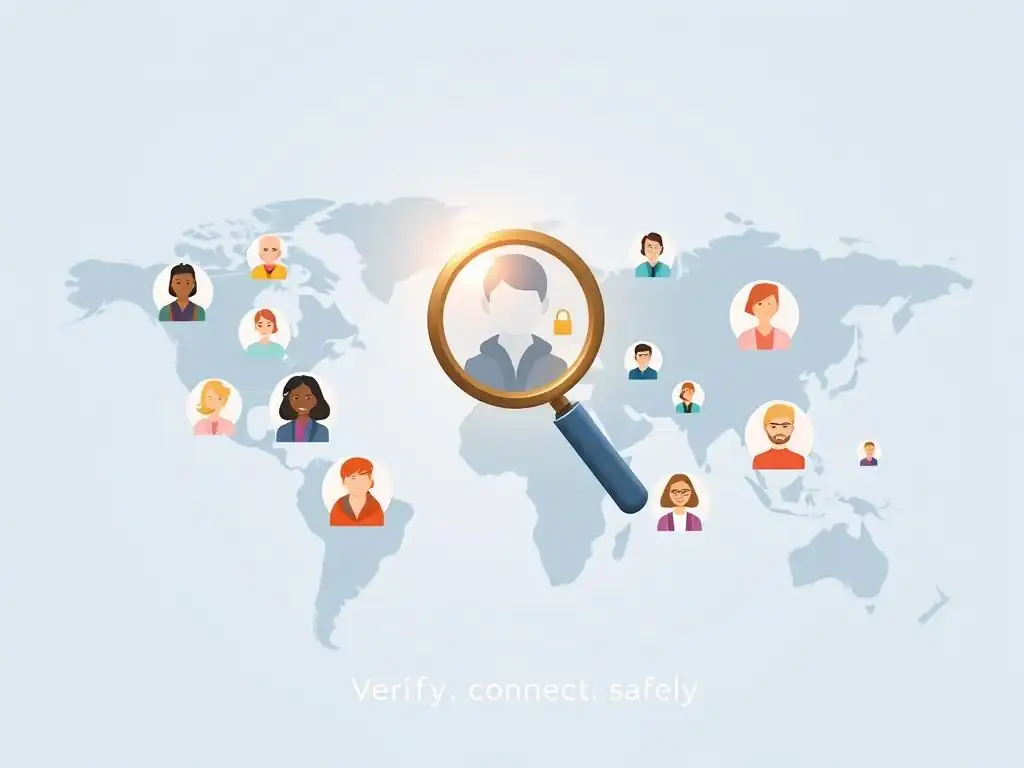
Navigating the world of LGBTQ+ online dating requires extra vigilance, especially when it comes to protecting yourself from scams. Catfishing, unfortunately, is a prevalent issue, and verifying the identities of potential matches is crucial for your safety and well-being. While complete verification is impossible online, utilizing third-party resources can significantly reduce your risk. These tools offer an additional layer of security, acting as a helpful supplement to your own intuition and careful observation.
One approach is to reverse image search any photos provided by a potential match. A simple Google Images search, for instance, can reveal if the photos are being used elsewhere online, potentially indicating a fake profile. Inconsistencies between a profile's photos and those found through a reverse image search are a major red flag. Remember to check multiple photos, not just one.
Another strategy involves cross-referencing information provided on the dating profile with other online platforms. If someone claims to be a doctor, for example, see if you can find their professional profile on LinkedIn or a medical directory. Similarly, if they mention working at a specific company, a quick check of that company's website may reveal whether they are indeed employed there. This cross-verification process doesn't guarantee authenticity, but it can help identify discrepancies and highlight potential inconsistencies.
Finally, consider using social media cautiously as a verification tool. While you shouldn't solely rely on social media profiles for verification, a quick check for a consistent online presence can provide additional context. Be aware, however, that profiles can be faked here as well, so treat this information with a healthy dose of skepticism. Remember, the goal is to gather corroborating evidence, not to rely on any single source for verification. Always proceed with caution and trust your instincts. If something feels off, it likely is.
Reporting Suspicious Profiles and Activities
If you encounter a profile that you strongly suspect is a catfish or involved in fraudulent activity, reporting it is crucial. Many online dating platforms have robust reporting mechanisms designed to protect their users. Take advantage of these features; your report can help prevent others from falling victim to the same scam. When reporting, provide as much detail as possible. This includes screenshots of the profile, messages exchanged, and any other relevant information that might help the platform's investigators.
Remember to be specific in your report. Clearly articulate why you suspect foul play. For instance, if the individual's photos seem fake or their story is inconsistent, mention this explicitly. The more evidence you provide, the better the chances of the profile being investigated and potentially removed. The platform's response time may vary, but your report helps contribute to a safer online dating environment for everyone in the LGBTQ+ community.
Beyond reporting to the dating platform itself, consider reporting any instances of financial fraud or threats to the appropriate authorities. If you've been asked for money, subjected to harassment, or experienced any other form of criminal activity, contacting your local law enforcement is paramount. Remember that you're not alone, and seeking help is a sign of strength, not weakness. There are resources available to support you, and reporting these incidents can help prevent others from experiencing similar situations. Protecting yourself and the LGBTQ+ community requires collective action.
What to Do if You Suspect a Catfishing Scam
Discovering you've been catfished can be incredibly upsetting, especially within the already vulnerable context of LGBTQ+ online dating. It's crucial to remember that you are not alone and there are steps you can take to protect yourself and move forward. This section outlines the practical steps to follow if you suspect you're a victim of a catfishing scam within the LGBTQ+ online dating sphere. Understanding the process of identifying and reporting these scams is key to LGBTQ+ dating scam prevention. Remember, taking action empowers you to regain control and prevent others from experiencing similar situations.
Gathering Evidence and Documentation
The first step in dealing with a suspected catfishing scam is to meticulously gather evidence. This documentation will be vital if you choose to report the incident to the dating platform or law enforcement. Thorough documentation strengthens your case and aids in the investigation process. Remember to remain calm and methodical while collecting this information.
- Screenshots: Take screenshots of all communication – messages, emails, social media interactions, and even profile pictures. Capture any inconsistencies or red flags you’ve noticed. Pay close attention to inconsistencies in their story or photos. A timestamp on your screenshots is crucial.
- Profile Information: Save a copy of the catfish's dating profile. Note their username, profile picture(s), bio, and any other identifying information they provided. If possible, record the URL of their profile.
- Financial Records: If money was involved (a common tactic in catfishing scams), document all transactions. Keep copies of bank statements, payment confirmations, and any other financial records related to your interactions with the catfish.
- Reverse Image Search: Use a reverse image search engine (like Google Images or TinEye) to check if the profile pictures are being used elsewhere online. This can help you identify the true source of the images and potentially uncover the catfish's real identity.
- Third-Party Verification: If possible, try to verify details the catfish provided. Did they claim to work at a specific company? Attempt to verify this independently. Cross-referencing the information they give you is a crucial part of LGBTQ+ dating scam prevention.
Remember, the more evidence you can gather, the stronger your case will be. This thorough approach is vital for LGBTQ+ dating scam prevention, helping protect both yourself and others in the future.
Once you've gathered sufficient evidence, report the incident to the dating platform where you encountered the catfish. Most reputable platforms have mechanisms in place to deal with fraudulent accounts. Provide them with all the evidence you've collected. Be clear and concise in your report, outlining the details of the scam and providing all supporting documentation.
Reporting to law enforcement might also be necessary, particularly if financial loss or threats were involved. Contact your local police department or the appropriate cybercrime unit. They can guide you through the reporting process and potentially investigate the matter further. While reporting to authorities might seem daunting, it's a vital step in LGBTQ+ dating scam prevention and can help bring perpetrators to justice.
Remember to keep a record of all your reports, including the date, time, and contact information of the individuals you spoke with. This documentation could be valuable in future investigations.
Seeking Support and Resources for Victims of Online Scams
Experiencing a catfishing scam can be emotionally draining. It's essential to remember that you are not alone and there are resources available to help you cope and recover. Seeking support is a crucial part of the healing process and an important aspect of LGBTQ+ dating scam prevention, allowing you to move forward with greater confidence.
- Friends and Family: Lean on your support network. Talking to trusted friends and family can provide emotional support and help you process your experience.
- Therapists and Counselors: Consider seeking professional help from a therapist or counselor specializing in online abuse or trauma. They can provide guidance and support to help you navigate your emotions and heal.
- Victim Support Organizations: Many organizations offer support and resources to victims of online scams. Research organizations in your area that specialize in cybercrime or online abuse. They can provide valuable information and assistance.
Remember, recovering from a catfishing scam takes time and patience. Prioritizing your mental health and seeking support is vital for your well-being. Taking these steps is crucial to your emotional recovery and contributes to broader LGBTQ+ dating scam prevention efforts. Your experience can inform and protect others.
Building Healthy Online Dating Habits for LGBTQ+ Individuals
This section focuses on proactive strategies to minimize the risk of encountering catfishers while fostering positive online dating experiences within the LGBTQ+ community. Remember, building healthy habits is key to navigating the complexities of online dating safely and effectively. The goal isn't just to avoid scams, but to cultivate genuine connections and build meaningful relationships. This requires a multi-faceted approach, encompassing self-awareness, community engagement, and mindful online interactions. Let's delve into specific strategies.
Fostering Authentic Connections: Prioritizing Genuine Interactions
Authenticity is paramount in building trust and forming meaningful connections. Catfishers thrive on deception, so prioritizing genuine interactions is your strongest defense. This means being upfront about your intentions and expectations. Avoid overly polished or filtered photos; embrace your individuality. Respond thoughtfully to messages, showing genuine interest in getting to know your match. Don't rush the process; allow time for trust to develop organically.
Instead of focusing solely on physical attributes, engage in conversations that reveal personality, values, and life goals. Ask open-ended questions that encourage detailed responses. Look for consistency in their responses and be wary of overly generic answers. Pay attention to their communication style—are they engaging and responsive, or evasive and inconsistent? The key is to build a connection based on mutual respect and genuine interest, making it harder for catfishers to maintain their fabricated identities. Remember, a rushed connection is often a red flag. Take your time and allow the relationship to unfold naturally.
Cultivating a Strong Sense of Self-Awareness and Boundaries
Self-awareness is crucial in protecting yourself from online scams. Understanding your own vulnerabilities and setting clear boundaries can significantly reduce your risk. Catfishers often prey on individuals' insecurities or loneliness. By acknowledging your own emotional needs and establishing healthy boundaries, you make yourself less susceptible to manipulation.
For example, avoid sharing sensitive personal information too early in the dating process. This includes your full name, address, workplace, financial details, or social security number. Be cautious about sharing photos that could be used to identify you or your location.
Similarly, be mindful of the information you reveal about your family and friends. Protecting your privacy is not just about avoiding scams; it's about respecting your personal space and maintaining control over your online presence. Remember, building trust takes time, and sharing personal information should be a gradual process, only with someone you've developed a strong and trustworthy relationship with.
Utilizing Trustworthy LGBTQ+ Community Resources and Support Networks
Leveraging the power of community is vital. Many LGBTQ+ organizations and online platforms provide resources and support networks specifically designed to help individuals navigate online dating safely. These resources can offer guidance on identifying potential scams, reporting suspicious activity, and finding trustworthy dating platforms. Connecting with other LGBTQ+ individuals who have experience with online dating can provide invaluable insight and support.
Moreover, these networks often provide a safe space to share experiences and learn from others' mistakes. This shared knowledge can be a powerful tool in preventing future scams and fostering a positive online dating experience. Remember, you are not alone in this journey. Utilizing these resources empowers you with knowledge and support, strengthening your ability to navigate the online dating world confidently and safely. Seeking support doesn't signal weakness; it demonstrates strength and proactive self-care. This proactive approach is a crucial part of successful LGBTQ+ dating scam prevention.
Discovering you've been catfished can be incredibly painful, especially within the already vulnerable context of LGBTQ+ online dating. The emotional fallout often extends beyond simple disappointment; it can involve feelings of betrayal, anger, shame, self-doubt, and even depression. Understanding these complex emotions is the first step towards healing and building resilience. This section explores strategies for processing the emotional trauma and rebuilding trust after a catfishing experience.
Processing Emotional Trauma and Betrayal
The initial shock and disbelief can be overwhelming. Many victims experience a sense of violation, as if their trust and vulnerability have been exploited. This is perfectly normal. Allow yourself time to grieve the loss of what you believed to be a genuine connection. Don't minimize your feelings or try to "get over it" quickly.
Journaling can be a powerful tool to process these emotions. Writing down your thoughts and feelings can help you gain clarity and perspective. Consider focusing on specific emotions. For example, one entry might detail the anger you feel towards the catfish, while another might focus on the sadness associated with the loss of the imagined relationship. Remember, acknowledging and validating your feelings is crucial for healing.
Avoid isolating yourself. Lean on supportive friends, family, or community members who understand your experience. Sharing your story can help reduce feelings of shame and isolation. This process may involve many stages, including denial, anger, bargaining, depression, and acceptance, all of which are valid responses to trauma.
Seeking Professional Support and Counseling
While support from loved ones is invaluable, professional help can be incredibly beneficial in navigating the complex emotional aftermath of catfishing. A therapist specializing in trauma or LGBTQ+ issues can provide a safe and confidential space to process your emotions, develop coping mechanisms, and work through the underlying issues that may have made you vulnerable to catfishing. Therapy can help you identify patterns of behavior that might have contributed to the situation and develop strategies to prevent future occurrences. It's also crucial to address the underlying feelings of self-doubt or low self-esteem that a catfish might have exploited.
A therapist can help you challenge negative self-perceptions and build self-confidence. Many therapists offer online sessions, providing convenient access to support regardless of your location. Finding the right therapist is important. Look for someone who understands the unique challenges faced by LGBTQ+ individuals and has experience with trauma recovery.
Building Resilience and Fostering Self-Care Practices
Healing from catfishing is a journey, not a destination. Building resilience involves actively working towards emotional well-being and developing strategies to protect yourself from future harm. Prioritize self-care practices that nurture your physical and mental health. This could include regular exercise, healthy eating, sufficient sleep, mindfulness meditation, or engaging in hobbies you enjoy. These practices help reduce stress, improve mood, and boost overall well-being.
Learning to trust your intuition is vital. If something feels off about a potential partner online, don't ignore those red flags. Take your time getting to know someone before sharing personal information or meeting in person. Remember, you are not alone. Many LGBTQ+ individuals have experienced catfishing, and there are resources and support available to help you heal and move forward.
Focus on building healthy relationships based on authenticity, respect, and trust. This journey requires patience and self-compassion. Celebrate your progress, no matter how small, and remember that healing is possible. The experience, while painful, can be a catalyst for growth and increased self-awareness, ultimately leading to stronger and healthier relationships in the future.
Frequently Asked Questions
How can I spot a catfish on an LGBTQ+ dating app?
Catfishers often use stolen photos and inconsistent information in their profiles. Be wary of profiles lacking many photos, or those with overly perfect pictures. Reverse image search any photos to verify authenticity.
What are common red flags in LGBTQ+ online dating scams?
Look out for pressure to move quickly to another platform, unrealistic promises, requests for financial assistance, and inconsistent stories. If something feels off, trust your gut.
How can I protect myself from financial scams on LGBTQ+ dating apps?
Never send money to someone you've only met online, regardless of their sob story. Be cautious about sharing personal financial information. Report suspicious profiles immediately to the dating app.
What should I do if I suspect I'm being scammed on an LGBTQ+ dating site?
Stop all communication immediately. Document all interactions (screenshots, messages). Report the profile to the dating app and consider reporting to the authorities if you've suffered financial loss.
Are there specific LGBTQ+ dating apps safer than others?
While no app is entirely scam-proof, apps with strong verification processes and active moderation tend to be safer. Read reviews and look for apps with robust reporting mechanisms to help identify and remove fraudulent profiles.
The rise of online dating has revolutionized how we connect, but it's also created new vulnerabilities, particularly within the LGBTQ+ community. The ease of anonymity online makes it a breeding ground for malicious actors seeking to exploit vulnerable individuals. This reality underscores the critical need for heightened awareness and proactive safety measures.
The impact of catfishing and scams extends far beyond financial loss; it inflicts emotional trauma and erodes trust, particularly within a community already facing societal prejudice and discrimination. The wounds of betrayal run deeper than any financial loss; they cut to the core of our sense of self and our ability to connect with others.
This quote highlights the profound emotional toll these scams can take, demanding that we approach online interactions with caution and self-preservation. The fight against these scams is not just about protecting our wallets, but about safeguarding our hearts and fostering a safer online space for LGBTQ+ individuals to find genuine connection.
You, the reader, now hold the knowledge to navigate the complexities of online dating with greater confidence and safety. Take the time to reflect on the strategies discussed – verify profiles, proceed slowly, and trust your instincts. By empowering yourselves with information and practicing vigilance, you can create a more positive and secure online dating experience, fostering genuine connections free from the shadows of deception. Let's build a safer digital space for love to blossom, one cautious click at a time.
Unlock Safer Connections: Level Up Your Online Dating Game
Thank you for learning about protecting yourself from catfishing scams in the LGBTQ+ online dating world! You're now equipped to navigate the digital dating scene with greater confidence. Let's put that knowledge into action:
- Prioritize video chats early: This is the most effective way to verify someone's identity and build genuine trust. Don't let anyone rush you into a relationship before having a video chat!
- Share this article with your friends: Help others stay safe in the online dating world. Recognizing red flags can make all the difference.
- Review your dating profile: Does it present an authentic image while minimizing potential risks?
Ready to build stronger, more authentic online connections? What's one small step you'll take today to improve your online dating safety?