
LGBTQ+ Online Dating: How to Navigate the Digital Landscape


Ready to unlock the secrets to finding meaningful connections in the world of online dating? At OnlineDatingSuccess.org, we empower you to navigate the digital landscape with confidence. But navigating the online dating world as an LGBTQ+ individual presents unique challenges. That's why we're diving deep into crucial LGBTQ+ online dating safety tips—discover how to build a thriving profile, communicate effectively, and stay safe while searching for your perfect match. Let's get started on your journey to online dating success!
- Finding the Right LGBTQ+ Dating App or Website
- Creating a Safe and Engaging LGBTQ+ Dating Profile
-
LGBTQ+ Online Dating Safety Tips: Protecting Yourself Online
- Verifying Profiles and Avoiding Catfishing Scams
- Protecting Your Personal Information: What Not to Share Online
- Setting Boundaries and Maintaining Healthy Communication
- Knowing When to Report Inappropriate Behavior or Harassment
- Recognizing and Avoiding Online Dating Scams Targeting the LGBTQ+ Community
- Effective Communication Strategies in LGBTQ+ Online Dating
- Moving from Online to Offline: Safety Tips for First Dates
- Building Meaningful Connections in the LGBTQ+ Online Dating World
- LGBTQ+ Online Dating Resources and Support Networks
-
Frequently Asked Questions
- How can I create a safe and inclusive online dating profile as an LGBTQ+ individual?
- What are some red flags to watch out for when communicating with potential matches on LGBTQ+ dating apps?
- How can I protect my personal information while online dating within the LGBTQ+ community?
- Are there specific LGBTQ+ dating apps or websites that prioritize safety and inclusivity?
- What should I do if I experience harassment or feel unsafe during an online dating interaction?
- Final Reflection: Finding Love and Safety in the Digital Age
- Unlock Your Dating Potential: Find Your Perfect Match
Finding the Right LGBTQ+ Dating App or Website
Navigating the world of online dating can be challenging for anyone, but the experience can be particularly nuanced for members of the LGBTQ+ community. This guide aims to provide practical and empathetic advice on how to safely and effectively use online dating platforms to build meaningful connections. We'll explore crucial aspects of LGBTQ+ online dating safety, helping you create a positive and secure experience while searching for romance or friendship.
Finding the right platform is the first step, and understanding its features and user base is key to maximizing your safety and success. This article focuses on providing actionable LGBTQ+ online dating safety tips, empowering you to take control of your online interactions and build healthy relationships. Remember, your safety and well-being are paramount.
Choosing an App Based on Your Specific Needs and Preferences
The sheer number of dating apps and websites available can be overwhelming. Choosing the right one depends on several factors, including your relationship goals, preferred communication styles, and comfort level with different levels of anonymity. Some apps cater specifically to the LGBTQ+ community, offering features and safeguards designed to protect vulnerable users. Others may have larger user bases but may lack the dedicated moderation and support systems that cater specifically to LGBTQ+ users' unique experiences and concerns. Consider the following:
- Relationship goals: Are you looking for casual dating, serious relationships, or friendships? Different platforms tend to attract users with varying intentions.
- Specific identities: Some apps cater to specific niches within the LGBTQ+ community (e.g., trans women, bisexual men). Finding an app that aligns with your identity can increase your chances of connecting with like-minded individuals.
- Privacy preferences: Consider the level of personal information an app requires and its privacy policies. Look for apps with robust privacy settings and transparent data handling practices.
- App features: Examine the features offered, such as messaging systems, profile verification tools, and reporting mechanisms for inappropriate behavior. These features significantly influence your overall safety and experience.
Choosing an app that aligns with your preferences and priorities is crucial for a positive and safe online dating experience. Don't feel pressured to use an app that doesn't feel right for you.
Understanding App Features: Verification, Reporting Mechanisms, and Safety Tools
Once you've selected a dating app or website, it's vital to understand its safety features. Many platforms offer verification processes, allowing users to confirm their identities and increase the likelihood of interacting with genuine profiles. Look for apps that utilize photo verification, email verification, or other methods to reduce the risk of encountering fake profiles or scams. Furthermore, robust reporting mechanisms are essential for addressing inappropriate behavior. A well-designed app should provide easy-to-use tools to report harassment, hate speech, or any other form of abuse. The app’s response time to such reports is also a crucial factor to consider.
It's equally important to understand what safety tools the app provides. These may include options to block users, control your profile visibility, and manage your personal information. Familiarize yourself with these tools and utilize them proactively to protect your privacy and safety. Remember that no app is entirely foolproof, and personal vigilance remains crucial.
Evaluating App Popularity and User Base within the LGBTQ+ Community
The size and activity of an app's LGBTQ+ user base significantly influence your experience. A larger and more active community may offer more potential matches and a greater sense of security. However, a smaller, more niche app might provide a more intimate and supportive environment. Research the app's reputation within the LGBTQ+ community.
Look for reviews and testimonials from other users to gauge their experiences with safety and inclusivity. Consider whether the app prioritizes inclusivity and actively works to combat discrimination and harassment against specific subgroups within the LGBTQ+ community. This information can help you make an informed decision and choose a platform that aligns with your values and safety concerns. Always prioritize apps with a demonstrable commitment to fostering a welcoming and safe environment for all users.
Creating a Safe and Engaging LGBTQ+ Dating Profile
This section focuses on crafting a profile that not only attracts potential matches but also prioritizes your safety and well-being within the LGBTQ+ online dating landscape. Remember, your profile is your first impression – make it count! Authenticity and safety should be your guiding principles. We'll explore how to build a profile that reflects your true self while minimizing potential risks.
Crafting an Authentic and Inclusive Profile Description
Your profile description is your chance to shine! Avoid generic statements and instead, focus on what makes you unique. Be specific about your interests, hobbies, and values. Using inclusive language is crucial. For example, instead of saying "looking for someone fun," try "looking for someone who enjoys hiking and exploring new coffee shops, with a shared appreciation for independent films." This provides much more concrete information and invites more specific engagement.
Remember to be mindful of the information you share. Avoid disclosing overly personal details like your exact address or workplace in your initial profile description. Protecting your privacy is paramount. Consider using humor and self-deprecation appropriately to make your profile relatable and engaging. A dash of wit can go a long way! Finally, proofread carefully! Typos and grammatical errors can create a negative first impression.
Choosing Photos that Accurately Represent You
Your photos are the visual representation of your profile, often the first thing potential matches will see. Choose photos that accurately reflect your appearance and personality. Include a variety of pictures showing different aspects of your life. Perhaps a photo of you doing a hobby you love, one with friends, and a classic portrait. Avoid using heavily filtered or misleading images. Authenticity builds trust.
Consider the message your photos convey. Do they showcase your personality and interests? Are they well-lit and clear? Avoid blurry or poorly lit images. Choose photos where you are smiling and appear approachable. The goal is to attract genuine connections, not to mislead potential matches. Furthermore, be mindful of the background in your photos; ensure it doesn't reveal too much personal information. A simple, uncluttered background is always a safe choice.
Highlighting Your Interests and Values to Attract Compatible Matches
Attracting compatible matches involves more than just a great photo; it requires showcasing your interests and values. Think about what truly matters to you, and highlight those aspects in your profile. Are you passionate about social justice? Do you love to travel? Are you a foodie? Be specific! Instead of simply writing "I love to travel," try "I'm obsessed with exploring Southeast Asia and hope to one day learn Thai cooking." This level of detail allows potential matches to connect with you on a deeper level.
Using keywords related to your interests can also improve your profile's visibility within the LGBTQ+ online dating community. Consider using relevant terms that accurately reflect your personality and preferences. However, avoid using overly niche or exclusionary language that might inadvertently alienate potential matches. Remember, the goal is to attract compatible individuals who share your interests and values, fostering a safer and more fulfilling online dating experience. Finding a balance between specific details and broad appeal is key to maximizing your chances of success while maintaining a sense of safety and authenticity.
Avoiding Stereotypes and Promoting Inclusivity in Your Profile
Creating an online dating profile that reflects your authentic self while avoiding harmful stereotypes is crucial for LGBTQ+ individuals. Many profiles fall into predictable tropes, unintentionally reinforcing negative stereotypes that can limit your dating pool and attract the wrong kind of attention. Instead of relying on clichés, focus on showcasing your unique personality and interests.
For example, instead of simply stating "I love drag shows," you could say, "I'm a huge fan of the artistry and creativity of drag, and I love discovering new queens and shows." This subtle shift demonstrates a deeper appreciation and avoids the potential for fetishization.
Remember, inclusivity extends beyond your own identity. The language you use in your profile should be welcoming and respectful of the diversity within the LGBTQ+ community. Avoid using slang or terms that might be offensive or exclusionary to certain groups. For instance, using terms like "tops" or "bottoms" might seem commonplace within some circles but can be off-putting or even triggering for others. Focus on describing your preferences in a way that is respectful and inclusive of all identities.
Furthermore, consider the images you choose for your profile. Avoid photos that perpetuate stereotypes or that might be misinterpreted. While showcasing your style is important, ensure your pictures reflect your personality authentically and avoid anything that could be seen as overly sexualized or suggestive. A diverse range of photos – showcasing different aspects of your life and interests – can present a more complete and engaging picture of who you are.
Think of it as showcasing your personality, not just your appearance. This is key to attracting genuine connections. A photo of you hiking, enjoying a hobby, or laughing with friends will often be more engaging than a simple selfie.
Finally, remember that your profile is a reflection of your values. By avoiding stereotypes and promoting inclusivity, you're not only creating a safer and more welcoming space for yourself but also contributing to a more positive and respectful LGBTQ+ online dating environment for everyone. This proactive approach to profile creation will help you attract genuine connections and build meaningful relationships. It's about presenting your best self, and that includes being mindful and respectful in how you present yourself to the world.
LGBTQ+ Online Dating Safety Tips: Protecting Yourself Online
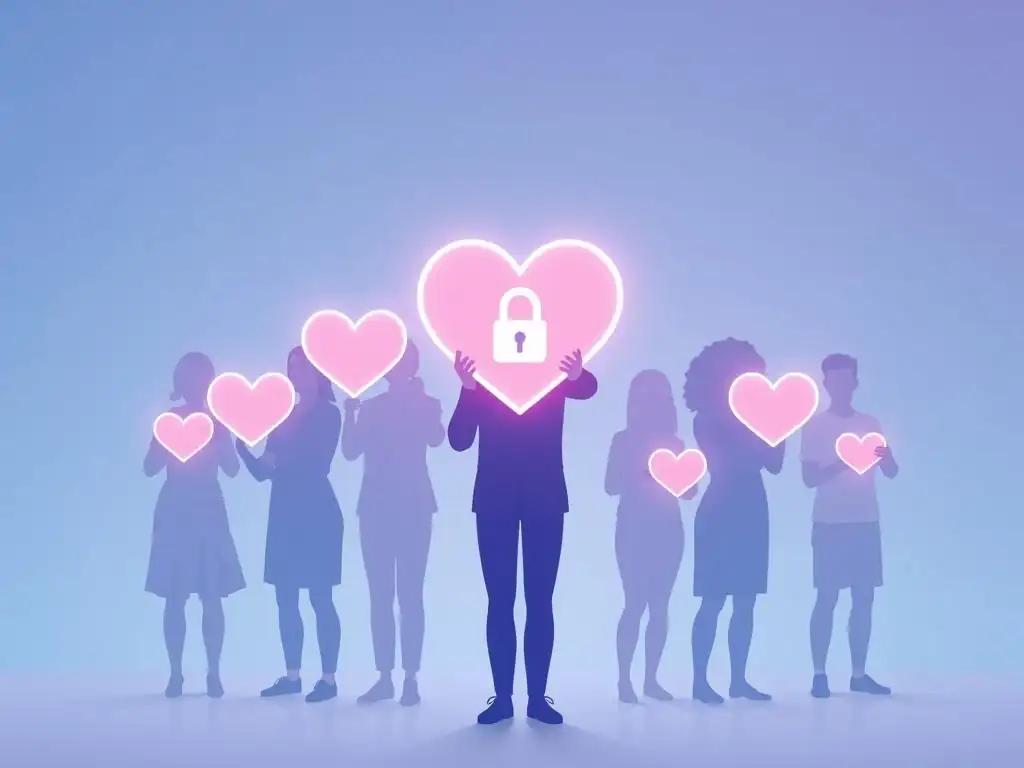
Finding love online as an LGBTQ+ individual presents unique opportunities, but it also necessitates heightened awareness of potential risks. Navigating the digital landscape requires a proactive approach to safety, ensuring your well-being and fostering positive experiences. This section focuses on practical strategies for enhancing your online dating safety, empowering you to connect authentically while mitigating potential threats. Remember, prioritizing your safety is crucial for a successful and fulfilling online dating journey. This is especially important given the specific vulnerabilities that the LGBTQ+ community may face online.
Verifying Profiles and Avoiding Catfishing Scams
Catfishing, the act of creating a fake online profile to deceive others, is a prevalent concern across all dating platforms, but it can be particularly harmful within the LGBTQ+ community due to existing societal prejudices and vulnerabilities. Effective profile verification involves employing a multi-pronged approach. Begin by carefully examining profile pictures. Look for inconsistencies, such as photos that appear professionally edited or those that lack a natural variety of poses and settings. Reverse image searching using tools like Google Images can help determine if the pictures are being used elsewhere online, potentially indicating a fake profile.
Beyond images, scrutinize the profile's written content. Vague or overly generic bios often raise red flags. Pay close attention to inconsistencies in the information provided. For example, conflicting details about age, location, or occupation should trigger further investigation. If something feels "off," trust your instincts. It's always better to err on the side of caution.
Remember that genuine connection takes time. Be wary of profiles that immediately express intense feelings or that pressure you into sharing personal information or meeting in person too quickly. These are classic red flags indicative of potentially malicious intent. Consider engaging in preliminary conversations focused on shared interests and experiences before revealing sensitive details about your life. Remember, building trust takes time and mutual respect. Don't rush the process, and never feel pressured to share more than you're comfortable with.
Finally, always report suspicious profiles to the dating platform’s administrators. This helps protect other users and contributes to a safer online environment for everyone. Many platforms provide reporting mechanisms specifically designed to address issues like catfishing and harassment. Utilizing these tools is a vital step in promoting community safety.
Protecting your personal information is paramount in online dating. Avoid sharing sensitive details prematurely, such as your full name, exact address, workplace, or financial information. Never share your social security number or other identifying documents. This information can be used for identity theft or other malicious purposes. Even seemingly innocuous details, when combined, can be used to create a comprehensive profile of your life, making you more vulnerable.
Consider using a separate email address and phone number specifically for online dating. This helps to maintain a degree of separation between your personal and dating life, minimizing the risk of unwanted contact or exposure. Furthermore, be mindful of the information you share in your profile itself. While some personal details are necessary to connect with potential partners, avoid oversharing. Keep your bio concise and focus on aspects of your personality and interests without revealing excessively personal information.
Think of your online profile as a carefully curated introduction, not a comprehensive autobiography. Remember, you are in control of what you share, and prioritizing your safety should always guide your decisions. The more you disclose, the more vulnerable you become. Maintaining a balance between sharing enough information to attract potential matches and protecting your privacy is a key element of safe online dating.
| Information to Avoid Sharing | Reason for Avoidance |
|---|---|
| Full Name & Address | Identity Theft, Stalking |
| Workplace Information | Harassment, Doxing |
| Financial Details | Fraud, Financial Exploitation |
| Social Security Number | Identity Theft, Serious Crime |
| Explicit Photos/Videos | Non-consensual Sharing, Blackmail |
Setting Boundaries and Maintaining Healthy Communication
Establishing clear boundaries and maintaining healthy communication are essential for a positive online dating experience. This includes setting limits on how much personal information you share, when and where you're willing to meet (if at all), and how frequently you communicate. It's perfectly acceptable to politely decline requests or interactions that make you uncomfortable.
Remember, you have the right to say no and to end conversations at any time. If someone is pressuring you, being disrespectful, or making you feel unsafe, don't hesitate to block them and report their behavior to the platform. Your comfort and safety should always be your top priority. Do not feel obligated to respond to messages or requests that you don't want to engage with.
Prioritize in-person meetings only after you've built a level of trust and comfort with the other person. Always meet in a public place for the first meeting, and inform a friend or family member of your plans, including the time, location, and who you'll be meeting. This proactive measure can provide an added layer of security. Trust your instincts – if something feels wrong, it probably is. Don't hesitate to leave or end the interaction.
Additional Tips for Healthy Communication
Be mindful of the tone and language you use in your messages. Avoid overly suggestive or provocative language, especially in initial conversations. Respect the other person's boundaries and respond appropriately to their communication style. If you sense a mismatch in communication styles or expectations, it's okay to move on.
By actively implementing these LGBTQ+ online dating safety tips, you can significantly reduce your risks while maximizing your chances of finding a meaningful connection. Remember, your safety and well-being are paramount. Prioritize your comfort and trust your instincts throughout the entire online dating process.
Knowing When to Report Inappropriate Behavior or Harassment
Online harassment and inappropriate behavior are unfortunately prevalent, even within LGBTQ+ dating spaces. Understanding when and how to report such incidents is crucial for your safety and well-being. It's important to remember that you're not alone, and many platforms have robust reporting mechanisms in place. Don't hesitate to utilize them.
Many dating apps provide clear pathways for reporting. Look for buttons or links typically labeled "Report," "Block," or "Flag." These often lead to forms where you can detail the incident, including screenshots or other supporting evidence. Be as specific as possible when describing the behavior – dates, times, and the nature of the interaction are all helpful. Some platforms also allow you to anonymously report users.
Remember that even seemingly minor instances of harassment can escalate. A suggestive comment might seem insignificant on its own, but repeated unwanted advances constitute a pattern of behavior that should be reported. Similarly, subtle forms of discrimination, such as being excluded from group chats or facing discriminatory language, are also reportable offenses.
Don't minimize your experience; your safety and comfort are paramount. Platforms are more likely to take action against repeat offenders, so reporting early can prevent future harm to yourself and others. Documenting these instances, even if you initially choose not to report them, can be valuable if the behavior continues.
Reporting isn't just about individual incidents; it contributes to a safer online environment for everyone. By reporting inappropriate behavior, you help platforms identify and address harmful patterns, creating a more welcoming space for LGBTQ+ users. Many platforms also offer support resources, including links to helplines or mental health organizations, should you need additional assistance. Remember, seeking help is a sign of strength, not weakness.
Recognizing and Avoiding Online Dating Scams Targeting the LGBTQ+ Community
The LGBTQ+ community, like other marginalized groups, can be disproportionately targeted by online dating scams. These scams can range from financial exploitation to emotional manipulation, and awareness is key to avoiding them. Scammers often exploit vulnerabilities and prejudices, preying on individuals' hopes for connection and acceptance.
One common tactic involves creating fake profiles with stolen photos and fabricated identities. These profiles often portray idealized versions of themselves, promising love and companionship. The scammer will quickly try to move the conversation off the dating app, often to other platforms like email or social media, to avoid detection. They may then start requesting money or personal information under various pretexts, such as needing help with medical bills or travel expenses. Be wary of anyone who asks for money or financial assistance, especially early in the relationship. Legitimate relationships don't involve such financial demands.
Another tactic involves “catfishing,” where scammers use fake photos and identities to build an emotional connection. They’ll spend considerable time grooming their victims, making them feel understood and valued. This emotional investment makes the victim more susceptible to their eventual requests for money or other forms of assistance. Take your time getting to know someone online. Reverse image search any photos they provide to verify their authenticity. Don't rush into a relationship or share sensitive personal information until you've built trust through consistent and genuine interaction.
Remember, if something feels off or too good to be true, it probably is. Trust your instincts. If a profile seems too perfect or a person’s behavior feels inconsistent, don't hesitate to end the communication. Protecting yourself from scams isn't about being cynical; it's about being informed and proactive in safeguarding your emotional and financial well-being. Consider using reverse image search tools to verify profile photos and be cautious about sharing personal details online. Your safety and security are paramount in the online dating world.
Effective Communication Strategies in LGBTQ+ Online Dating
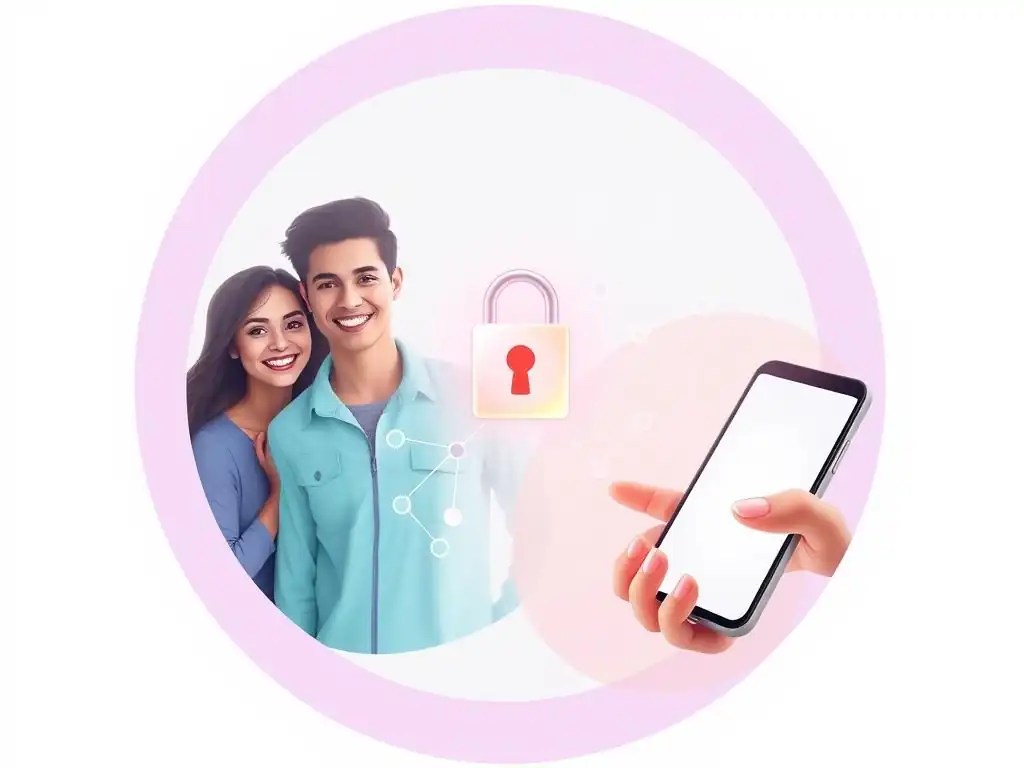
Effective communication is the cornerstone of any successful relationship, and LGBTQ+ online dating is no exception. Building genuine connections requires sensitivity, respect, and a clear understanding of diverse communication styles. This section focuses on practical strategies to enhance your communication skills within the unique context of LGBTQ+ online dating, directly addressing concerns related to LGBTQ+ online dating safety tips by emphasizing respectful and considerate interactions.
Initiating Conversations: Tips for Breaking the Ice
Starting a conversation can be nerve-wracking, but a well-crafted opening message can significantly increase your chances of a positive response. Avoid generic greetings like "Hey" or "What's up?". Instead, personalize your message by referencing something specific from their profile. Did they mention a favorite band? A love for hiking? Use that as a springboard. For example, instead of a generic greeting, try: "I saw you're a big fan of [Band Name]! I love their [Specific Album/Song]. What's your favorite track?" This shows you've taken the time to read their profile and demonstrates genuine interest.
Remember, authenticity is key. Don't try to be someone you're not. Be yourself, express your genuine interest, and let your personality shine through. A little humor can go a long way, but avoid anything that could be perceived as offensive or inappropriate. Be mindful of the tone of your message; avoid coming across as overly aggressive or demanding. A friendly and respectful approach will always yield better results. Consider the platform; a short, engaging message on a fast-paced app like Tinder might differ greatly from a more thoughtful message on a platform like OkCupid.
The LGBTQ+ community is incredibly diverse, encompassing a wide range of communication styles and preferences. Some individuals may prefer quick, witty exchanges, while others appreciate more thoughtful and in-depth conversations. Being adaptable and respectful of these differences is crucial. Pay attention to the other person's responses. Are they concise and to-the-point? Do they engage in lengthy discussions? Mirror their communication style to create a comfortable and natural flow.
Understanding different communication preferences is vital for building rapport. Some individuals may be more comfortable communicating via text, while others prefer voice calls or video chats. Respect their boundaries and preferences, and always ask before escalating the level of communication. For example, you could say, "I've really enjoyed our conversations so far. Would you be open to a quick phone call sometime this week?" This demonstrates respect and consideration for their comfort level. Remember, consent is paramount at every stage of communication.
Respecting Pronouns and Identities in Online Interactions
Respect for pronouns and identities is paramount in LGBTQ+ online dating. Always pay close attention to the information provided in their profile. Many profiles explicitly state preferred pronouns; if not, don't hesitate to politely ask. For example, you could say, "Hi [Name], I'm [Your Name], and my pronouns are [Your Pronouns]. What are yours?" Using someone's correct pronouns demonstrates respect and validates their identity. Misgendering someone, even unintentionally, can be hurtful and damaging.
Furthermore, be mindful of the language you use. Avoid using outdated or offensive terminology. Stay informed about the evolving language and terminology within the LGBTQ+ community. If you're unsure about something, it's always better to ask politely than to make assumptions. Remember, being respectful and inclusive creates a safer and more welcoming environment for everyone. This directly contributes to the overall goal of LGBTQ+ online dating safety tips by fostering a climate of mutual understanding and respect. This proactive approach helps to prevent misunderstandings and potential harm.
Building Trust and Maintaining Open Communication
Building trust is paramount in any relationship, but it takes on added significance in the context of LGBTQ+ online dating. Open and honest communication is key to fostering this trust, especially given the potential vulnerabilities inherent in online interactions. Many LGBTQ+ individuals have experienced discrimination and prejudice in the past, making them understandably cautious when meeting new people online. Therefore, creating a safe space for open dialogue is crucial from the very first message.
One effective strategy is to be upfront about your intentions and expectations. Are you looking for a casual relationship, something more serious, or simply friendship? Clearly stating your preferences early on prevents misunderstandings and wasted time. This transparency also helps potential partners assess compatibility and decide whether to proceed. Remember, honesty is the bedrock of any healthy relationship, and being open about who you are and what you seek fosters a sense of mutual respect and trust.
Furthermore, active listening is essential. Pay attention to what your potential partner is saying, both verbally and nonverbally. Respond thoughtfully, showing genuine interest in their experiences and perspectives. Ask follow-up questions to demonstrate engagement and encourage further communication. This shows that you value their thoughts and feelings, contributing significantly to building trust and a stronger connection.
Another crucial aspect is being mindful of your communication style. Avoid being overly aggressive or demanding. Respect boundaries, and be patient if your potential partner needs time to open up. Everyone progresses at their own pace, and forcing intimacy can be counterproductive. Instead, focus on creating a comfortable and supportive environment where open dialogue is encouraged. Remember, building trust is a gradual process that requires consistent effort and mutual respect. Patience and understanding are vital components of successful LGBTQ+ online dating. The goal is to cultivate a genuine connection, and that takes time and nurturing.
Finally, remember that maintaining open communication isn't just about the initial stages of getting to know someone. Even after you've established a connection, continued open and honest communication is vital for a healthy relationship. Regularly check in with your partner, ensuring that both of you feel heard, understood, and respected. This ongoing commitment to communication is essential for navigating the complexities of any relationship, but even more so in the context of LGBTQ+ dating where open communication can help overcome past experiences and build a secure and fulfilling connection.
Moving from Online to Offline: Safety Tips for First Dates
Transitioning from the digital realm of online LGBTQ+ dating to an in-person encounter requires careful planning and a heightened awareness of safety. While online profiles offer a glimpse into potential partners, meeting for the first time carries inherent risks. This section focuses on practical strategies to mitigate these risks and ensure a positive, safe first date experience. Remember, your safety and well-being are paramount. Prioritizing your security doesn't diminish the excitement of a potential connection; instead, it enhances it by fostering a sense of control and confidence.
Planning Safe First Dates: Choosing Public Places and Transportation
Choosing the right location for your first date is crucial for LGBTQ+ online dating safety. Opt for well-lit, public places where you feel comfortable and safe. Avoid secluded areas or private residences for initial meetings. Consider these options:
- Coffee shops: Busy, well-populated coffee shops offer a casual and easily escapable environment.
- Restaurants: Similar to coffee shops, restaurants provide a public setting with ample opportunities to leave discreetly if needed.
- Museums or art galleries: These venues offer a structured environment and opportunities for conversation.
- Parks (during daylight hours): While parks can be lovely, stick to well-traveled areas during daylight hours and avoid isolated sections.
Transportation is another key safety consideration. Driving yourself allows for greater control, but ensure your vehicle is in good working order and you have a fully charged phone. Using ride-sharing services offers another layer of safety, providing a record of your trip and a readily available means of escape if necessary. Always share your ride details with a trusted friend or family member. Avoid accepting rides from your date, especially on a first meeting. Remember, prioritizing your personal safety is never an overreaction; it's a responsible and proactive approach to online dating.
Communicating Your Location and Plans to Trusted Friends or Family
Open communication with your support network is vital for LGBTQ+ online dating safety. Before your date, share the following information with at least one trusted friend or family member:
- The date's name and profile information: Providing a link to their dating profile can be helpful.
- The time and location of the date: Be specific about where you're meeting and when.
- Your planned transportation: Let them know how you'll be getting there and back.
- Regular check-ins: Arrange to check in with them periodically during the date, either via text or call. Establish a predetermined time for a follow-up check-in.
- Emergency contact information: Make sure they have the date's contact information and know how to reach you in an emergency.
This proactive approach not only enhances your safety but also provides peace of mind for yourself and your loved ones. Remember, your safety is a shared responsibility, and open communication is key to minimizing risks. Consider using a safety app that allows you to share your location in real-time with trusted contacts.
Trusting Your Instincts and Knowing When to Leave a Date
Your intuition is your most powerful safety tool. If at any point during the date you feel uncomfortable, unsafe, or threatened, trust your gut and leave immediately. Don't feel obligated to continue a date if something feels off. Remember:
- It's okay to say no: You are not obligated to engage in any activity that makes you feel uncomfortable.
- Have an escape plan: Pre-plan how you will leave the date if necessary. This could involve having a friend call you with an "emergency," using a ride-sharing service, or having a pre-arranged signal with a friend.
- Don't be afraid to be assertive: If you feel threatened, be assertive in your communication. Clearly state that you are uncomfortable and need to leave.
- Prioritize your safety: Your safety and well-being are always more important than politeness or perceived social obligations.
Remember, a successful date is one where you feel safe, respected, and comfortable. Prioritizing your well-being is never a sign of weakness; it's a testament to your strength and self-respect. LGBTQ+ online dating should be a positive experience, and taking proactive steps to ensure your safety helps make that a reality. Staying alert, communicating openly, and trusting your instincts are essential components of a safe and enjoyable dating experience.
Respecting Boundaries and Consent During Offline Interactions
Moving from the digital realm to an in-person meeting requires a heightened awareness of boundaries and consent. The initial excitement of connecting with someone online shouldn't overshadow the importance of respecting each other's personal space and comfort levels. Open communication is key; before the date, discuss expectations and boundaries. This isn't about stifling spontaneity, but rather about ensuring both individuals feel safe and respected.
A simple text message like, "I'm really looking forward to our date! Just wanted to check in – are you comfortable with [activity suggestion, e.g., holding hands, kissing]? If not, that's perfectly okay, and we can adjust accordingly," can go a long way in establishing a foundation of mutual respect.
Remember that consent is always ongoing and can be withdrawn at any point. If something makes you uncomfortable, you have the absolute right to say no, regardless of what happened earlier in the date or the relationship. Your feelings and safety are paramount. It’s crucial to be assertive in communicating your boundaries, whether it’s declining a physical advance, suggesting a change of location, or ending the date altogether. Don't feel pressured to do anything you're not comfortable with. A genuine connection is built on mutual respect and trust, not coercion.
It's also vital to recognize that different individuals have different comfort levels and boundaries. What one person finds acceptable, another might not. Avoid making assumptions about someone's comfort level based on their online profile or previous interactions. Always err on the side of caution and explicitly ask for consent before initiating any physical contact.
This proactive approach demonstrates respect and ensures a positive and safe experience for both parties involved in the LGBTQ+ online dating experience. Openly communicating your own boundaries also allows your date to better understand and respect your needs. This mutual understanding is the cornerstone of a healthy and fulfilling offline relationship. Remember, a successful date is one where both individuals feel safe, respected, and comfortable.
Building Meaningful Connections in the LGBTQ+ Online Dating World

This section focuses on fostering genuine connections within the unique landscape of LGBTQ+ online dating. Successfully navigating this space requires more than just a captivating profile; it demands understanding, empathy, and a proactive approach to building healthy relationships. We'll explore strategies to enhance your chances of finding a meaningful connection, focusing on authenticity, managing expectations, and addressing specific challenges faced by LGBTQ+ individuals.
Remember, the goal isn't just to find someone, but to find someone compatible who shares your values and respects your identity. Prioritizing safety and building trust are crucial elements in this process. Let's dive into the details.
Understanding the Importance of Authenticity and Vulnerability
Authenticity is paramount in LGBTQ+ online dating. Presenting a genuine version of yourself, including your identity and experiences, is crucial for attracting compatible partners. Hiding aspects of yourself, even unintentionally, can lead to mismatched expectations and ultimately, disappointment.
This isn't about revealing every detail immediately, but about being honest about who you are and what you're looking for. For example, if you're exploring your gender identity, being upfront about that journey can attract people who are supportive and understanding. Similarly, if you're looking for a long-term relationship, stating that clearly in your profile will save you time and energy by attracting individuals with similar goals.
Vulnerability, while initially daunting, is a key element in forming deep connections. Sharing your experiences, both positive and negative, allows potential partners to see your whole self – flaws and all. This creates a sense of trust and intimacy, fostering a more genuine connection. However, remember to prioritize your safety and only share information you feel comfortable disclosing. Start small, build trust incrementally, and always listen to your intuition. The right person will appreciate your honesty and vulnerability. Remember, sharing personal details should always be done with caution and only after establishing a level of trust and comfort.
Developing Healthy Relationship Expectations
Setting realistic expectations is crucial for a positive LGBTQ+ online dating experience. Avoid idealizing potential partners or projecting unrealistic expectations based on limited information. Remember that online profiles often present a curated version of reality. Focus on getting to know the person behind the profile through open communication and meaningful interactions.
Avoid rushing into commitment. Take your time to get to know someone before making significant decisions about the relationship. This involves understanding their values, life goals, and communication styles. Be patient and allow the relationship to develop organically. Don't be afraid to end things early if you sense incompatibility or a lack of respect. Prioritizing self-respect and valuing your own time are critical components of healthy relationship building.
LGBTQ+ individuals often face unique challenges in online dating. These can include dealing with prejudice, discrimination, and the added layer of navigating diverse identities and experiences. It's important to be prepared for these challenges and develop strategies to cope with them effectively.
- Dealing with Prejudice: Sadly, some individuals may express prejudice or discrimination based on sexual orientation or gender identity. It's crucial to establish boundaries and disengage from interactions with such individuals. Remember, you deserve respect.
- Navigating Diverse Identities: The LGBTQ+ community encompasses a wide spectrum of identities and experiences. Open communication about your identity and preferences is crucial to ensure compatibility.
- Finding Supportive Communities: Connecting with other LGBTQ+ individuals online can create a sense of belonging and provide support and advice. Joining LGBTQ+-focused dating apps or online communities can help you connect with like-minded individuals and build a supportive network.
- Safety Concerns: Prioritize your safety by meeting in public spaces for first dates, informing friends or family about your plans, and trusting your intuition. If something feels off, don't hesitate to end the interaction. This is especially important given the vulnerabilities some LGBTQ+ individuals may face.
Remember, building meaningful connections takes time, patience, and self-awareness. By focusing on authenticity, setting healthy expectations, and navigating potential challenges with resilience, you can increase your chances of finding a fulfilling and lasting relationship in the LGBTQ+ online dating world. Prioritize your safety and well-being throughout the process. 🏳️🌈
Seeking Support and Resources for LGBTQ+ Relationship Advice
Navigating the complexities of relationships, especially within the LGBTQ+ community, can sometimes feel overwhelming. Finding the right support system is crucial for building healthy and fulfilling connections. Many resources are available to help you navigate challenges and celebrate successes. These resources offer guidance on everything from communication strategies to conflict resolution, and understanding the unique dynamics within LGBTQ+ relationships.
One valuable avenue is seeking advice from LGBTQ+-affirming therapists or counselors. These professionals possess specialized training and understanding of the unique issues faced by LGBTQ+ individuals in their relationships. They provide a safe and confidential space to discuss concerns, work through relationship challenges, and develop healthy coping mechanisms. Finding a therapist who understands the nuances of LGBTQ+ identities and relationships is paramount to receiving effective and sensitive support.
Beyond individual therapy, support groups specifically designed for LGBTQ+ individuals and couples can be incredibly beneficial. These groups offer a sense of community, allowing individuals to connect with others facing similar experiences. Sharing experiences and learning from others can be incredibly validating and empowering. The shared understanding and empathy within these groups can significantly reduce feelings of isolation and provide practical advice.
Online communities and forums also provide a platform for connection and support. However, it’s crucial to exercise caution and prioritize safety when using online platforms. Look for reputable groups with clear guidelines and moderation to minimize the risk of encountering harmful content or interactions. Remember, while online support can be helpful, it shouldn’t replace professional guidance when facing significant relationship challenges.
Finally, consider seeking advice from trusted friends, family members, or mentors within the LGBTQ+ community. The support of loved ones who understand and accept your identity can significantly impact your well-being and relationship success. Building a strong support network is essential for navigating the ups and downs of dating and relationships. Remember that seeking help is a sign of strength, not weakness, and prioritizing your emotional well-being is crucial for building healthy and meaningful connections. Don't hesitate to reach out for support when you need it—you're not alone.
LGBTQ+ Online Dating Resources and Support Networks
Finding the right resources can significantly improve your LGBTQ+ online dating experience, fostering a sense of community and providing crucial support. Navigating this space can sometimes feel isolating, but thankfully, numerous avenues exist to connect with others and gain valuable insights. This section focuses on identifying and utilizing these resources effectively, contributing to a safer and more positive online dating journey. Remember, prioritizing your well-being is key, and these resources are designed to help you do just that.
Finding Online Communities and Support Groups
Connecting with others who share similar experiences is invaluable. Many online communities and support groups cater specifically to LGBTQ+ individuals navigating the world of online dating. These platforms offer safe spaces to share experiences, ask questions, and receive peer support. The anonymity offered by some online groups can be particularly helpful for those who may feel hesitant to discuss their dating lives openly within their immediate social circles.
Look for groups focused on specific identities within the LGBTQ+ spectrum (e.g., lesbian dating, gay dating, trans dating) to find a community that resonates with your unique needs. Consider factors like group size and activity level when choosing a platform; a smaller, more active group might offer more personalized interaction. Remember to always prioritize your safety and comfort level when engaging in online communities.
Report any harassment or inappropriate behavior immediately to the platform administrators. A supportive community can significantly reduce feelings of isolation and increase your confidence in online dating. Moreover, these spaces often provide valuable tips and insights from others who have successfully navigated similar challenges.
Accessing LGBTQ+ Specific Dating Advice and Guidance
Beyond peer support, dedicated resources provide expert advice and guidance tailored to LGBTQ+ online dating. These resources can range from articles and blog posts to workshops and counseling services. Many organizations focusing on LGBTQ+ rights and well-being offer resources specifically addressing online dating safety and relationship building. Look for information on topics like creating inclusive profiles, communicating effectively with potential partners, and establishing healthy boundaries.
Some organizations even offer one-on-one counseling or support groups specifically for LGBTQ+ individuals navigating online dating. Remember to critically evaluate the source of any advice you receive, ensuring it comes from reputable organizations or qualified professionals. Be wary of advice that promotes harmful stereotypes or unrealistic expectations.
Seeking professional guidance can be particularly helpful if you're facing challenges like cyberbullying, online harassment, or difficulties building healthy relationships online. Remember, building healthy relationships takes time and effort, and seeking support is a sign of strength, not weakness. Prioritizing your emotional well-being throughout your online dating journey is crucial for a successful and fulfilling experience.
Frequently Asked Questions
How can I create a safe and inclusive online dating profile as an LGBTQ+ individual?
Use a profile picture that clearly shows your face and accurately reflects your current appearance. Write a brief, honest bio highlighting your interests and what you're looking for. Avoid revealing overly personal information initially.
What are some red flags to watch out for when communicating with potential matches on LGBTQ+ dating apps?
Be wary of users who are vague about their identity, pressure you for personal information too quickly, or seem disinterested in getting to know you beyond superficial details. Report any inappropriate behavior immediately.
How can I protect my personal information while online dating within the LGBTQ+ community?
Never share your full name, address, workplace, or other sensitive information until you've met someone in person and feel completely comfortable. Use a separate email address for online dating.
Are there specific LGBTQ+ dating apps or websites that prioritize safety and inclusivity?
Yes, many apps and websites cater specifically to the LGBTQ+ community, often with enhanced safety features and reporting mechanisms. Research different options and choose one that feels right for you. Read user reviews to gauge safety and inclusivity.
What should I do if I experience harassment or feel unsafe during an online dating interaction?
Report the incident to the dating app or website immediately. Block the user and save any evidence of harassment. If you feel threatened, consider contacting the authorities or a support organization.
Final Reflection: Finding Love and Safety in the Digital Age
The digital landscape has fundamentally reshaped how we connect, and for the LGBTQ+ community, online dating presents both incredible opportunities and unique challenges. Navigating this space requires awareness, vigilance, and a proactive approach to safety, ensuring that the search for love doesn't compromise personal well-being.
The evolution of online dating within the LGBTQ+ community reflects a broader societal shift towards greater visibility and acceptance, yet the fight for equality and safety remains ongoing. The journey towards authentic connection online is often fraught with complexities, from subtle biases in algorithms to the ever-present threat of online harassment and scams. The internet is a powerful tool, but it's a tool that can be used for good or ill. We must be mindful of how we use it and protect ourselves from those who would misuse it.
This quote underscores the importance of informed choices and proactive safety measures in the digital realm.
Now, consider your own online interactions. What steps can you take to ensure your safety and well-being while exploring the possibilities of online dating? Take the time to learn the warning signs, to trust your instincts, and to prioritize your personal security above all else. Embrace the potential for connection, but do so with a clear understanding of the risks involved. The journey to finding love should be one of empowerment and joy, not fear and uncertainty. Let's build a safer and more inclusive online dating experience for everyone.
Unlock Your Dating Potential: Find Your Perfect Match
Thank you for exploring the world of LGBTQ+ online dating with us! We hope you've gained valuable insights and feel more confident navigating this exciting landscape. Now, let's put that knowledge into action.
- Refine your dating app profile and actively engage with potential matches. Don't be afraid to experiment with different approaches to find what works best for you.
- Share this article with friends and family. Help spread the word about safe and successful LGBTQ+ online dating.
- Craft a compelling first message that showcases your personality. Highlight what genuinely excites you and makes you unique. What three words best describe the kind of connection you seek?
What's one small step you can take today to enhance your online dating experience?