
LGBTQ+ Online Dating: Is Monogamy or Polyamory Right for You?


Ready to unlock the secrets to finding love in the vibrant world of LGBTQ+ online dating? Navigating this landscape can feel overwhelming, but it doesn't have to be. Here at OnlineDatingSuccess.org, we're dedicated to helping you succeed. This article dives headfirst into a crucial question many face: LGBTQ+ dating: mono or poly? Discover how understanding your relationship goals can significantly impact your online dating journey and pave the way for meaningful connections. Let's explore the path to finding your perfect match.
- Understanding Your Relationship Goals in LGBTQ+ Dating
- Finding Compatibility: Monogamous vs. Polyamorous Dating Profiles
- Navigating the LGBTQ+ Dating Scene: Monogamy vs. Polyamory
- Successful Communication: Setting Boundaries and Expectations
- Safety and Consent in LGBTQ+ Online Dating: Monogamy and Polyamory
- Long-Term Commitment and LGBTQ+ Relationships: Mono vs. Poly
-
Frequently Asked Questions
- What is the difference between monogamy and polyamory in LGBTQ+ dating?
- How do I determine if monogamy or polyamory is right for me?
- Are there specific online dating platforms better suited for polyamorous LGBTQ+ individuals?
- How can I communicate my relationship style preferences effectively on my online dating profile?
- What are some common challenges faced by LGBTQ+ individuals navigating polyamorous relationships?
- Final Reflection: Navigating Love's Spectrum in the Digital Age
- Uncover Your Ideal Dating Style: Monogamy or Polyamory?
Understanding Your Relationship Goals in LGBTQ+ Dating
Navigating the world of online dating can be exciting, yet complex, especially within the LGBTQ+ community. Finding a compatible partner often involves understanding not only shared values and interests but also aligning on relationship structures. This article delves into the crucial decision of choosing between monogamous and polyamorous relationships within the context of LGBTQ+ online dating, aiming to help you clarify your preferences and find a partner who shares your vision of a fulfilling connection.
We'll explore the nuances of monogamy and polyamory, examining their definitions, practical considerations, and the importance of open communication in achieving successful LGBTQ+ relationships, both online and offline. Ultimately, understanding your relationship goals is paramount to a positive and fulfilling dating experience.
Choosing the right relationship structure is a deeply personal journey, and this guide aims to provide the information and insights needed to make an informed decision that aligns with your values and desires. Let's explore the spectrum of relationship options available within the LGBTQ+ community to help you confidently navigate your online dating journey.
Defining Monogamy in LGBTQ+ Relationships
Monogamy, in its simplest form, refers to a relationship where you commit to having only one romantic partner at a time. Within the LGBTQ+ community, monogamous relationships can take many forms, just as they do in heterosexual relationships. This might involve sharing a home, co-parenting, or simply maintaining a strong emotional and physical connection with one person. The key component of monogamy is exclusivity – the agreement to not engage in romantic or sexual relationships with anyone else.
It's important to note that the specifics of monogamy are often negotiated and defined by the individuals involved. Some couples might have very strict definitions of monogamy, while others might allow for certain exceptions or have very open and fluid understandings of what constitutes infidelity. Open communication is critical to establishing and maintaining healthy boundaries within a monogamous LGBTQ+ relationship. Understanding each other's expectations and needs is crucial for building trust and lasting commitment.
This is especially relevant in the online dating sphere where ambiguity can easily arise. Clear communication about your expectations regarding monogamy from the outset can help prevent misunderstandings and heartache down the line. The importance of clear communication cannot be overstated, especially when navigating the complexities of modern relationships.
Defining Polyamory in LGBTQ+ Relationships
Polyamory, in contrast to monogamy, is the practice of having more than one romantic relationship at the same time, with the knowledge and consent of all partners involved. It's crucial to emphasize that polyamory is not simply "having multiple partners;" it requires open communication, honesty, and a commitment to building healthy relationships with each partner. Polyamorous relationships often involve complex dynamics, requiring careful negotiation of boundaries, time management, and emotional energy.
Unlike casual dating or infidelity, polyamory is characterized by intentional and ethical relationships where all partners are aware and consenting to the structure. There's a wide spectrum of polyamorous relationships, from those with a few close, committed partners to those with a larger network of less intense relationships. Each polyamorous relationship is unique and shaped by the individuals involved.
Many LGBTQ+ individuals find polyamory to be a fulfilling and liberating relationship style, allowing for a greater expression of love and intimacy. However, it’s important to acknowledge that polyamory requires significant emotional maturity, self-awareness, and excellent communication skills. Openness and honesty are crucial to building trust and maintaining healthy relationships within a polyamorous structure.
Exploring Other Relationship Models (e.g., Open Relationships, Ethical Non-Monogamy)
Beyond monogamy and polyamory, a range of other relationship models exists within the LGBTQ+ community, each with its own set of rules and agreements. Open relationships, for instance, allow for sexual intimacy with others outside the primary relationship, but maintain a core commitment to the primary partner. Ethical non-monogamy (ENM) is a broader term encompassing various relationship styles that prioritize ethical and consensual non-monogamy. These can include polyamory, open relationships, swinging, and other arrangements.
The key element in all ENM structures is the explicit consent and transparency among all partners involved. It's crucial to note that these models require careful consideration and clear communication to ensure that all partners feel respected, valued, and secure within the relationship dynamics. Defining boundaries and expectations is crucial, and it's not uncommon for couples to create custom agreements outlining the rules and guidelines of their relationship.
The diversity of relationship structures within the LGBTQ+ community reflects the broad spectrum of human connection and desire for intimacy. Choosing a relationship model that aligns with your personal values and needs is essential for a fulfilling and healthy relationship. Remember that there is no one-size-fits-all approach, and the best model is the one that works for you and your partners.
Identifying Your Values and Desires in a Partner
Before diving into the monogamy versus polyamory debate within LGBTQ+ dating, it's crucial to understand your own values and desires. What truly matters to you in a partner and a relationship? This self-reflection is paramount, regardless of whether you're leaning towards monogamy or polyamory. Take your time with this process; it's not a race.
Consider the aspects of a relationship that are most important to you. Is it emotional intimacy? Shared activities and interests? Intellectual stimulation? Financial security? Physical intimacy? The list is extensive, and the weighting of each factor will vary significantly from person to person. For some, emotional connection reigns supreme; for others, shared life goals might be the primary driver. There’s no right or wrong answer; the key is honesty with yourself.
Think about past relationships. What worked well? What didn't? What were the dealbreakers? Analyzing previous experiences can offer valuable insights into your needs and preferences. Did a lack of communication lead to conflict? Did differing life goals create friction? Identifying these patterns can help you avoid repeating past mistakes and choose partners who align with your values.
Furthermore, consider how your values might intersect with your chosen relationship style. For example, if open communication and honesty are paramount to you, a polyamorous relationship might be a better fit, as it inherently requires transparent communication about multiple partners. Conversely, if exclusivity and deep emotional connection with a single partner are your priorities, monogamy might be more fulfilling. Understanding this connection is key to making an informed decision.
Don't be afraid to explore your own desires. Sometimes, we may not fully understand our own needs until we actively engage in self-reflection. Journaling, meditation, or even talking to a trusted friend or therapist can facilitate this process. The more self-aware you are, the better equipped you'll be to navigate the complexities of LGBTQ+ dating and find a relationship style that truly resonates with you. Remember, there's no shame in changing your mind as you learn and grow. The journey of self-discovery is ongoing.
Finding Compatibility: Monogamous vs. Polyamorous Dating Profiles
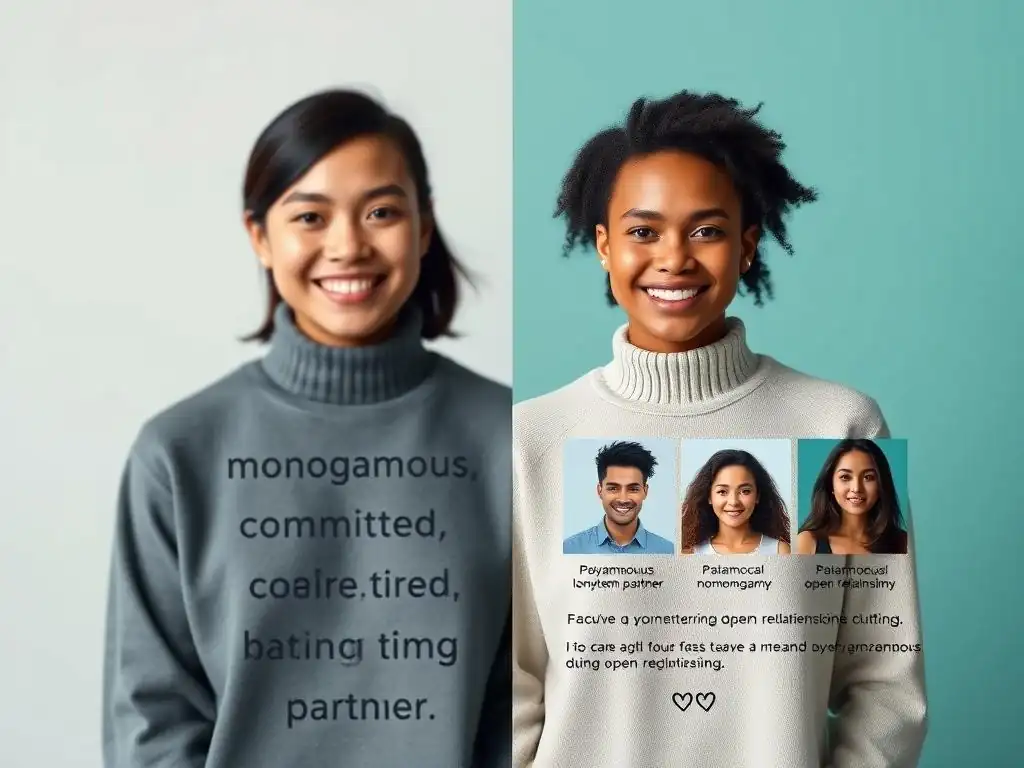
This section explores how to identify potential partners who align with your desired relationship style within the LGBTQ+ online dating landscape. Understanding the subtle (and sometimes not-so-subtle) cues in profiles can save you time and heartache, leading to more fulfilling connections. Successfully navigating the world of LGBTQ+ dating: mono or poly? hinges on clear communication and profile awareness.
Spotting Monogamous-Oriented Profiles in LGBTQ+ Dating Apps
Many monogamous individuals don't explicitly state their preference for monogamy in their profiles. However, certain clues can help you identify them. Look for phrases like "seeking a serious relationship," "looking for my person," or "ready for something long-term." Photos depicting only one person, or consistent mentions of wanting a committed partner, can also serve as strong indicators.
Pay attention to the overall tone of the profile; someone focused on building a lasting, exclusive connection will likely communicate this implicitly through their words and imagery. Remember, though, the absence of these indicators doesn't automatically mean someone is polyamorous; it simply means more information may be needed. Consider engaging in a direct conversation to clarify their relationship goals.
Furthermore, consider the context of the profile. Are they actively involved in hobbies or activities that suggest a desire for dedicated time and commitment? For example, someone extensively describing their involvement in a demanding sport or volunteer work might imply a limited capacity for multiple relationships. However, it’s crucial not to make assumptions; individual circumstances vary greatly. Always prioritize open and honest communication.
Identifying Polyamorous-Friendly Profiles: Keywords and Indicators
Identifying polyamorous individuals online requires a discerning eye, as they may or may not explicitly label themselves as such. While some profiles will clearly state "polyamorous," "ethical non-monogamy," or use similar terminology, others may use subtler cues. Look for keywords and phrases like "open relationship," "relationship anarchy," "consensual non-monogamy," or mentions of having multiple partners. Some individuals may mention their experience with polyamory directly, while others may subtly allude to it through descriptions of their lifestyle or social circles.
However, the presence of such keywords isn't a guarantee. Some profiles might use these terms casually or without fully understanding their implications. Therefore, it's crucial to confirm your understanding through direct communication. A picture of multiple people, particularly if those people are identified as partners, is a strong indicator, but always verify. Remember, a lack of explicit mention doesn't mean someone isn't polyamorous; they might simply prefer a more private approach to their relationship style.
Communicating Your Relationship Preferences Clearly in Your Profile
Clear communication is paramount in LGBTQ+ dating, regardless of whether you're monogamous or polyamorous. Ambiguity can lead to misunderstandings and wasted time. To avoid this, explicitly state your relationship goals in your profile. For monogamous individuals, this might involve phrases like, "Seeking a committed, long-term partner," or "Looking for someone to build a life with." For polyamorous individuals, be upfront and state your polyamorous identity directly. Use clear and concise language, such as "Polyamorous and looking for ethical, consensual partners."
Don't be afraid to be specific about the type of polyamory you practice, if applicable. This could include specifying the number of partners you're looking for, your relationship hierarchy preferences, or your approach to communication and boundaries. Consider adding a section dedicated to relationship values and expectations. This approach minimizes misunderstandings and helps attract compatible partners who share your vision of a healthy and fulfilling relationship. Remember, honesty and transparency are key to successful LGBTQ+ dating, regardless of relationship style. This proactive approach streamlines the dating process and helps you connect with those who share your relationship goals.
Using Dating App Filters to Find Compatible Partners
Finding someone who aligns with your relationship style is crucial, whether you're seeking monogamy or polyamory. Fortunately, many LGBTQ+ dating apps offer robust filtering options to help you connect with compatible partners. Don't underestimate the power of these tools! They can significantly streamline your search and save you valuable time and energy.
For monogamous daters, utilizing filters related to relationship status is paramount. Look for options that specifically allow you to filter for singles actively seeking monogamous relationships. Some apps even allow you to specify the type of relationship you're looking for, such as long-term, casual, or something in between. This precision ensures you're only interacting with individuals who share your relationship goals. Remember to be upfront and honest in your profile about your desire for a monogamous relationship; this will attract like-minded individuals and avoid misunderstandings.
Polyamorous dating requires a different approach to filtering. While some apps have specific filters for polyamorous individuals, others may not. In these cases, you'll need to rely on profile descriptions and keywords. Look for profiles that explicitly mention polyamory, ethical non-monogamy (ENM), or open relationships.
Pay close attention to the language used; some individuals may use nuanced terminology to describe their relationship style. Don't hesitate to use keywords such as "poly," "ENM," or "open relationship" in your own profile search. Remember, being upfront and clear about your polyamorous identity will attract individuals who are compatible with your relationship style. This transparency is crucial for building healthy and respectful relationships.
Beyond relationship status, consider using other filters to refine your search. Filters based on age, location, interests, and lifestyle can all contribute to finding compatible partners. For example, if you're looking for someone who shares your commitment to ethical polyamory, you might use filters to find individuals who are also involved in the LGBTQ+ community and have similar values. The more specific you are in your filtering, the better your chances of finding a truly compatible match.
Experiment with different filter combinations to see what works best for you. Finding the right balance between being specific and remaining open to new possibilities is key to a successful LGBTQ+ online dating experience. Remember that the goal is to find partners who share your values and relationship goals, regardless of whether you are exploring monogamy or polyamory.
This section explores the nuances of navigating the LGBTQ+ dating scene, specifically focusing on the decision between monogamous and polyamorous relationships. Understanding your relationship goals is crucial for a positive online dating experience. This isn't about judging one choice over the other; rather, it's about self-awareness and honest communication to find compatibility and happiness. Choosing the right path depends entirely on individual preferences and values, and both options offer unique rewards and challenges within the context of LGBTQ+ online dating.
Challenges and Rewards of Monogamous LGBTQ+ Dating
Monogamy, the commitment to a single romantic partner, remains a popular relationship structure within the LGBTQ+ community. However, it presents its own set of unique challenges and rewards in the online dating landscape.
One significant reward is the potential for deep intimacy and connection. Focusing your energy on one relationship allows for a more profound understanding and bond with your partner. This focused commitment can lead to increased emotional security and stability, which is particularly valuable given the sometimes challenging experiences LGBTQ+ individuals face in broader society. The ability to build a life together, plan for the future, and share experiences without the complexities of multiple partners is a significant draw for many.
However, finding compatible monogamous partners online can sometimes prove more difficult. The need for clear communication about relationship expectations is paramount from the outset. Misunderstandings about monogamy's definition (e.g., emotional vs. sexual monogamy) can lead to conflict. Furthermore, the pressure to find "the one" can be intense, potentially leading to disappointment or settling for less than desired. Jealousy, insecurity, and the fear of commitment are additional challenges that require open communication and emotional maturity to navigate successfully. Successful monogamous LGBTQ+ dating requires patience, self-reflection, and a willingness to build trust over time.
Challenges and Rewards of Polyamorous LGBTQ+ Dating
Polyamory, the practice of engaging in multiple romantic relationships with the knowledge and consent of all involved, offers a different set of challenges and rewards within LGBTQ+ online dating. It requires a high degree of communication, emotional intelligence, and boundary setting.
One significant reward is the potential for experiencing diverse forms of love and intimacy. Polyamorous relationships can provide a rich tapestry of emotional connections, satisfying varied needs and desires. The ability to share love and support with multiple partners can lead to increased feelings of belonging and validation. Furthermore, the flexibility inherent in polyamorous relationships can be appealing to those who value independence and autonomy. Finding like-minded individuals who understand and embrace the polyamorous lifestyle is a key aspect of success in this area.
However, navigating polyamory online requires careful consideration. It's crucial to clearly state your polyamorous intentions early in online interactions to avoid misunderstandings and hurt feelings. Jealousy, insecurity, and the complexities of managing multiple relationships are potential challenges. Establishing clear communication protocols, boundaries, and agreements is essential for maintaining healthy, respectful relationships. Finding the time and energy to nurture multiple relationships requires significant dedication and organizational skills. Successful polyamorous LGBTQ+ dating requires exceptional communication, emotional maturity, and a commitment to shared decision-making.
Building Healthy Communication in Both Relationship Styles
Regardless of whether you choose monogamy or polyamory, healthy communication is the cornerstone of any successful LGBTQ+ relationship, online or offline. Openness, honesty, and active listening are crucial for building trust and resolving conflicts.
In both relationship styles, it's vital to clearly express your needs, desires, and boundaries. Regular check-ins and honest conversations about relationship dynamics are essential for preventing misunderstandings and addressing potential issues proactively. Learning to navigate difficult conversations with empathy and respect is paramount. The ability to negotiate compromises and find mutually agreeable solutions is key to resolving conflicts constructively.
Seeking professional support from a therapist or counselor specializing in LGBTQ+ relationships can be invaluable, especially when navigating complex relationship dynamics. Remember, effective communication isn't just about talking; it's about truly listening and understanding your partner's perspective. This is particularly important in the context of LGBTQ+ dating, where societal pressures and unique challenges can impact communication styles and relationship dynamics. Prioritizing open and honest communication, regardless of chosen relationship structure, is crucial for creating a fulfilling and lasting connection.
Finding Support and Community for Your Chosen Relationship Style
Finding the right community is crucial, regardless of whether you identify as monogamous or polyamorous within the LGBTQ+ dating scene. The journey of self-discovery and relationship exploration can be significantly enhanced by connecting with like-minded individuals. For those pursuing monogamous relationships, joining LGBTQ+-focused groups or apps that emphasize committed partnerships can foster a sense of belonging and provide opportunities to meet compatible partners who share similar relationship goals.
These platforms often prioritize genuine connections and long-term relationships, offering a safe space to discuss relationship dynamics and seek advice from others navigating similar paths. Remember, finding a supportive community can help alleviate the pressure often associated with dating and relationship building.
For individuals exploring polyamorous relationships, dedicated polyamorous communities and support networks are invaluable. These spaces offer a safe environment to learn about ethical non-monogamy, discuss relationship structures, and connect with others who understand the unique challenges and rewards of polyamory. Online forums, social media groups, and even in-person meetups can provide a sense of community and shared experience, helping individuals navigate the complexities of polyamorous relationships.
It's important to find communities that align with your specific values and relationship style, as the polyamorous community itself is diverse and encompasses a range of relationship structures and practices. This support system can provide invaluable guidance and emotional support as you navigate this unique relationship landscape. Open communication and mutual respect are foundational elements within successful polyamorous relationships, and finding a community that emphasizes these principles is crucial.
Remember, seeking support doesn't mean there's something wrong; it simply reflects the inherent challenges and rewards of building healthy and fulfilling relationships, regardless of their structure. The right community can make all the difference in your journey.
Successful Communication: Setting Boundaries and Expectations

Finding the right partner, whether you're seeking a monogamous or polyamorous relationship within the LGBTQ+ community, hinges on clear, open, and honest communication. This section focuses on establishing healthy communication patterns from the outset to foster trust and understanding. Effective communication isn't just about what you say, but how you say it, and the consistent effort to create a safe space for vulnerability. Ignoring these crucial aspects can lead to misunderstandings and hurt feelings, significantly impacting your online dating experience and potentially any resulting relationships. Let's dive into the specifics.
Openly Discussing Relationship Styles Early On
One of the most significant hurdles in LGBTQ+ dating, regardless of desired relationship structure, is the assumption of monogamy. Many individuals enter online interactions with implicit, unspoken expectations. To avoid potential heartache and wasted time, openly discussing your relationship preferences early on is paramount. This isn't about labeling yourself immediately; it's about expressing your needs and desires.
For example, instead of saying "I'm polyamorous," you might say, "I'm open to exploring relationships with multiple partners, and I value honesty and transparency." This approach allows for a more nuanced conversation and avoids potential premature judgment. Remember, honesty is the best policy, and transparency builds trust – essential elements in navigating the complexities of LGBTQ+ dating.
Establishing Clear Communication Boundaries
Beyond discussing relationship styles, establishing clear communication boundaries is crucial for a healthy relationship, whether monogamous or polyamorous. This involves identifying your comfort zones and limits regarding communication frequency, types of contact, and sharing personal information. For instance, you might set a boundary around checking in multiple times a day, or establishing preferred methods of communication (text, call, video chat). These boundaries aren't about control; they are about respecting each individual's needs and promoting healthy communication habits.
Consider creating a "communication contract" – a written or verbal agreement outlining expectations and boundaries, ensuring both partners are on the same page. This is especially helpful in polyamorous relationships where multiple partners need to be considered. Remember to revisit and adjust these boundaries as the relationship evolves. Flexibility and open dialogue are key.
Jealousy and insecurity are common human emotions, and they can significantly impact relationships within the LGBTQ+ community, regardless of the relationship style. These emotions are valid, but how you manage them is crucial. In monogamous relationships, jealousy might stem from perceived threats to the relationship's exclusivity. In polyamorous relationships, jealousy might arise from perceived imbalances in attention or emotional connection. Open communication is key to addressing these feelings.
Instead of suppressing or ignoring jealousy, acknowledge it, and communicate it constructively to your partner(s). Active listening, empathy, and a willingness to work through these emotions together are essential. Consider exploring jealousy as a signal of unmet needs within the relationship, prompting a deeper conversation about expectations and desires. Therapy or counseling can also be extremely beneficial in navigating these complex emotions and building stronger, healthier relationships. Remember, addressing jealousy and insecurity head-on strengthens the foundation of trust and intimacy.
Seeking Professional Help When Needed: Therapy and Relationship Coaching
Navigating the complexities of LGBTQ+ relationships, whether monogamous or polyamorous, can be emotionally challenging. Open communication is key, but sometimes, even the most articulate individuals need external support to process feelings, address conflict constructively, and establish healthy boundaries. This is where professional help becomes invaluable. Therapy, specifically relationship therapy, offers a safe and confidential space to explore personal issues impacting your relationships.
A therapist can help you understand your communication patterns, identify potential roadblocks, and develop strategies for effective conflict resolution. For example, a therapist might help you unpack unresolved trauma from past relationships that might be affecting your current dynamics, or help you develop healthier coping mechanisms for jealousy or insecurity in a polyamorous relationship. The process is not about fixing one person; it's about enhancing communication and understanding within the relationship dynamic.
Many therapists specialize in working with LGBTQ+ individuals and couples, providing a culturally sensitive and affirming environment. Finding a therapist who understands the unique challenges of the LGBTQ+ community and the nuances of non-monogamous relationships is crucial. Don't hesitate to reach out to multiple therapists before finding the right fit. A good therapist will create a space where you feel comfortable and respected, allowing you to openly discuss your experiences and concerns without judgment.
Beyond therapy, relationship coaching can provide valuable support. Relationship coaches often focus on practical strategies and skill-building exercises, rather than delving into deep-seated psychological issues. They can help you improve your communication skills, learn to negotiate compromises, and develop strategies for maintaining healthy boundaries within your relationship structure. This can be particularly helpful for those navigating the challenges of polyamory, where clear communication and boundary setting are paramount. A relationship coach can offer tailored advice and support, focusing on specific areas needing improvement, offering a more targeted and potentially shorter-term approach compared to ongoing therapy.
Remember, seeking professional help is a sign of strength, not weakness. Prioritizing your mental well-being and the health of your relationships is essential for creating lasting and fulfilling connections. Whether you choose therapy, relationship coaching, or a combination of both, investing in professional support can significantly improve your ability to communicate effectively and build strong, healthy relationships within your chosen relationship style. It’s an investment in your happiness and well-being, and a crucial step towards successful LGBTQ+ dating and relationship building.
Safety and Consent in LGBTQ+ Online Dating: Monogamy and Polyamory
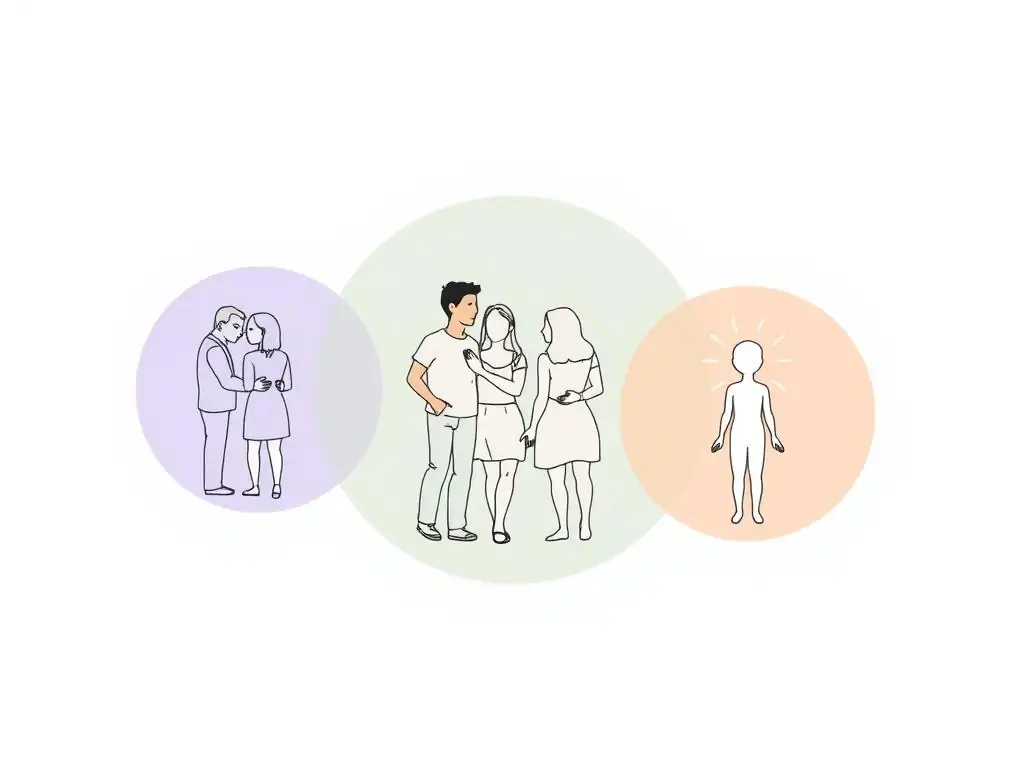
Navigating the world of LGBTQ+ dating, whether you're exploring monogamous or polyamorous relationships, requires a strong understanding of safety and consent. The principles remain the same regardless of your relationship style, but the application might differ slightly. Open communication and clear boundaries are paramount for a positive and respectful experience. This section will delve into the nuances of consent and safety within both monogamous and polyamorous contexts.
Consent and Boundaries in Monogamous Relationships
In monogamous LGBTQ+ dating, consent is straightforward, yet often requires explicit communication. It's not enough to assume consent; it must be actively given for every interaction, physical or otherwise. This includes everything from kissing to sexual activity. Consent should be enthusiastic and freely given, without coercion or pressure. Remember, silence or lack of resistance does not equal consent.
It's crucial to establish clear boundaries early in a relationship. These boundaries might involve physical touch, emotional intimacy, sharing personal information, or frequency of contact. Openly discussing your comfort levels and expectations ensures mutual respect and avoids misunderstandings that can damage trust. For instance, discussing sexual health and preferences beforehand is essential to ensure a safe and comfortable experience for both parties. Regular check-ins about boundaries are also vital, as relationships evolve over time. One partner's comfort level might shift, requiring a renegotiation of boundaries. Remember, healthy relationships are built on mutual respect and clear, consistent communication.
Consent and Boundaries in Polyamorous Relationships
Polyamorous relationships present a unique set of considerations regarding consent and boundaries. While the core principle of enthusiastic consent remains the same, the complexity increases with multiple partners. Each relationship within a polyamorous structure needs its own clearly defined boundaries and consent agreements. This often involves detailed discussions about expectations regarding intimacy, time commitment, emotional availability, and communication styles.
Many polyamorous individuals utilize tools like relationship agreements – written or verbal – to outline expectations and boundaries. These agreements might specify rules around dating other people, levels of emotional intimacy with each partner, and communication protocols for conflicts or changes in the relationships. Regular communication and honesty are absolutely critical in polyamory. A lack of transparency can quickly lead to hurt feelings and resentment.
It's vital to be upfront about your feelings, needs, and boundaries with every partner, ensuring everyone feels heard and respected. Consider utilizing a structured communication framework to ensure all parties are on the same page. Openly discussing jealousy and navigating its potential impact is also crucial for maintaining healthy polyamorous relationships.
Protecting Your Personal Information Online
Regardless of your relationship style, protecting your personal information online is crucial for your safety and well-being. LGBTQ+ individuals may face unique vulnerabilities online, so it's essential to take extra precautions. Avoid sharing overly personal information, such as your exact address, workplace, or full name, until you've established trust with someone. Be cautious about sharing photos that reveal identifying details about your location or lifestyle.
Use strong, unique passwords for your dating profiles and other online accounts. Consider enabling two-factor authentication whenever possible to add an extra layer of security. Be wary of individuals who seem too good to be true or who pressure you to share personal information too quickly. If you feel uncomfortable or unsafe during any interaction, end the conversation immediately and report the user if necessary. Remember, your safety and privacy are paramount.
Trust your instincts – if something feels off, it probably is. Prioritize your personal security and well-being above all else. Regularly review your privacy settings on all social media platforms and dating apps. Maintaining a healthy level of digital hygiene is a vital aspect of safe LGBTQ+ online dating.
Recognizing and Avoiding Red Flags in Online Dating
Navigating the world of LGBTQ+ online dating, whether you're exploring monogamous or polyamorous relationships, requires a keen eye for potential red flags. These warning signs can manifest differently depending on the relationship style you're pursuing, but some common indicators of potential problems exist across the board. Ignoring these flags can lead to uncomfortable or even dangerous situations. Prioritizing your safety and well-being is paramount.
One significant red flag is pressure to move too quickly. In both monogamous and polyamorous contexts, a rush into intimacy or commitment before establishing trust and comfort is a major warning sign. This pressure can be subtle, such as persistent requests for explicit photos or videos early in the relationship, or more overt, like demands for a quick meeting in person or an immediate commitment. Healthy relationships, regardless of structure, develop gradually. Respect for boundaries and pacing is crucial. Remember, you're in control of the relationship's progression.
Another common red flag is inconsistency in communication or behavior. This might involve sudden changes in affection, frequent ghosting or disappearing acts, or a significant discrepancy between their online persona and their in-person behavior. For example, someone who presents themselves as open and communicative online might be evasive or dismissive during in-person interactions. Trust your gut feeling – if something feels off, it likely is. In polyamorous relationships, inconsistent communication about other partners or a lack of transparency can also be a red flag.
Furthermore, pay close attention to how they treat others. Do they speak disrespectfully about their exes or other partners? Do they show a lack of empathy or disregard for boundaries? These behaviors are strong indicators of potential future problems within your relationship. Observing how someone treats others offers valuable insight into their character and how they might treat you. This is especially relevant in polyamorous dating, where respectful communication and consideration for other partners are essential.
Finally, be wary of individuals who are overly secretive or avoid answering direct questions about their life, relationships, or intentions. A healthy relationship thrives on transparency and honesty. While some level of privacy is understandable, consistent evasion or a reluctance to share basic information should raise concerns. This is particularly important in polyamorous relationships where open communication about all partners and relationship dynamics is crucial for everyone's well-being.
Remember, your safety and emotional well-being are paramount. Don't hesitate to end contact if you feel uncomfortable or unsafe. Trust your instincts; they often know more than you realize. Prioritizing your well-being is never selfish; it's essential.
Long-Term Commitment and LGBTQ+ Relationships: Mono vs. Poly
This section explores the nuances of long-term commitment within the LGBTQ+ community, contrasting monogamous and polyamorous relationship structures. Understanding your own desires and needs regarding commitment is crucial for successful LGBTQ+ dating, whether you're seeking a monogamous partnership or a polyamorous one. The choice isn't about "better" or "worse," but about aligning your relationship style with your personal values and goals. Choosing the right path can significantly impact your online dating experience and the potential for building meaningful connections. Let's delve into the specifics of each approach.
Building Lasting Monogamous Relationships
Monogamy, the traditional model of exclusive commitment to one partner, remains a popular choice within the LGBTQ+ community. However, building a lasting monogamous relationship requires conscious effort and open communication. Many factors contribute to success. Trust, built through consistent honesty and vulnerability, forms the bedrock. Shared values and life goals are essential for long-term compatibility.
Regular quality time, dedicated to nurturing the relationship, is vital, especially given the unique challenges LGBTQ+ couples may face. Successful monogamous LGBTQ+ couples often prioritize active listening, empathy, and a willingness to adapt and grow together. They also navigate societal biases and potential discrimination proactively, strengthening their bond through shared experiences. Remember, monogamy is not static; it requires ongoing work and a commitment to continuous growth as individuals and as a couple.
Building Lasting Polyamorous Relationships
Polyamory, characterized by consensual, ethical, and transparent relationships with multiple partners, presents a different, yet equally valid, path to long-term commitment. Building lasting polyamorous relationships hinges on clear communication, established boundaries, and mutual respect. Each relationship within the polyamorous structure needs its own dedicated time and attention. Openness and honesty are paramount; partners must be comfortable sharing their emotions and experiences with each other, fostering a supportive and understanding environment. Jealousy and insecurity are common challenges, but effective communication and collaborative conflict resolution strategies can mitigate these issues.
Many polyamorous individuals find that their relationships offer a rich tapestry of love, support, and connection. However, success requires careful planning, strong communication skills, and a willingness to navigate complex dynamics. Establishing clear agreements regarding time commitment, emotional intimacy, and physical boundaries is crucial for long-term stability and happiness. Polyamory requires a high degree of emotional maturity and self-awareness.
Legal and Practical Considerations for Each Relationship Style
Navigating the legal and practical aspects of monogamous and polyamorous relationships within the LGBTQ+ community requires careful consideration. While legal frameworks vary by location, monogamous relationships generally enjoy widespread legal recognition regarding inheritance, healthcare decisions, and other legal matters. Polyamorous relationships, however, often face legal complexities. For example, inheritance rights and healthcare proxies might need to be explicitly defined through legal documentation.
Additionally, societal biases and lack of legal recognition can present challenges for polyamorous couples. Access to benefits and protections afforded to married couples may be limited or unavailable. Therefore, seeking legal counsel to establish clear agreements and protect individual rights is highly recommended for polyamorous relationships. Both monogamous and polyamorous couples benefit from open communication about financial matters, shared responsibilities, and long-term planning, regardless of legal recognition.
Understanding the legal landscape specific to your location is crucial for both relationship styles to ensure a secure and stable future. This requires proactive planning and potential consultation with legal professionals to address specific needs. 🏳️🌈
LGBTQ+ Community Resources and Support
Navigating the complexities of online dating, particularly within the LGBTQ+ community, can be emotionally challenging. Finding the right partner, regardless of whether you're seeking monogamy or polyamory, requires self-awareness, open communication, and sometimes, external support. Fortunately, numerous resources are available to help LGBTQ+ individuals thrive in their dating journeys.
These resources range from online forums and support groups to in-person community centers and professional counseling services. Online forums, often found on social media platforms or dedicated LGBTQ+ websites, provide a space for sharing experiences, asking questions, and connecting with others who understand the unique challenges of LGBTQ+ dating. These platforms offer a sense of community and validation, particularly for those who may feel isolated or unsure about their relationship goals. The anonymity offered by many online forums can also encourage open and honest self-expression.
In-person community centers offer a different kind of support. These centers often host workshops, events, and social gatherings specifically designed for LGBTQ+ individuals. These events provide opportunities to meet potential partners in a safe and inclusive environment. Moreover, the staff at these centers are typically well-versed in the challenges faced by LGBTQ+ individuals and can offer guidance and referrals to other helpful resources.
Professional counseling can be incredibly beneficial for individuals struggling with relationship issues or navigating the complexities of their sexual orientation or gender identity. A therapist specializing in LGBTQ+ issues can provide a safe and confidential space to explore personal values, relationship goals, and communication styles. This professional support can be particularly helpful for those grappling with questions about monogamy versus polyamory or those navigating the emotional challenges of online dating. Remember, seeking professional help is a sign of strength, not weakness. Many therapists offer sliding-scale fees to make their services accessible to a wider range of individuals.
The availability and accessibility of these resources vary depending on geographical location. However, a simple online search for "LGBTQ+ resources [your city/state]" should provide a good starting point. Don't hesitate to reach out for support; building healthy and fulfilling relationships requires self-care and a strong support network. Remember, you are not alone. The LGBTQ+ community is rich with resources designed to empower and support you on your journey to finding love and connection.
Frequently Asked Questions
What is the difference between monogamy and polyamory in LGBTQ+ dating?
Monogamy involves a committed relationship with only one person at a time. Polyamory, on the other hand, is the practice of having multiple consensual and committed relationships simultaneously. Both are valid relationship styles.
How do I determine if monogamy or polyamory is right for me?
Consider your personal values, desires, and comfort levels. Honest self-reflection and potentially exploring your feelings with a therapist can help clarify your preferences. It's about finding what truly fulfills you.
Are there specific online dating platforms better suited for polyamorous LGBTQ+ individuals?
While many mainstream platforms allow for profile specifications indicating relationship preferences, some apps and websites cater specifically to the polyamorous community. Researching and choosing a platform that reflects your relationship style can be beneficial.
How can I communicate my relationship style preferences effectively on my online dating profile?
Be clear and upfront about your relationship style in your profile. Using specific terminology like "monogamous" or "polyamorous" eliminates ambiguity and helps attract compatible partners.
Challenges can include managing multiple relationships, navigating jealousy and insecurity, and ensuring open and honest communication with all partners. Addressing these issues proactively is crucial for a successful polyamorous relationship.
The landscape of LGBTQ+ relationships is evolving rapidly, and online dating platforms are at the forefront of this transformation. The choices available – monogamy, polyamory, and everything in between – are increasingly visible and accessible, challenging traditional notions of love and partnership. This shift demands a thoughtful and nuanced approach, one that prioritizes self-awareness and honest communication above all else.
Exploring the complexities of monogamy versus polyamory within the LGBTQ+ community has been a deeply personal journey for me, highlighting the importance of self-discovery and acceptance. Love is not a competition; it's a collaboration.
This quote, though seemingly simple, encapsulates the essence of successful relationships, regardless of their structure. The conversations sparked by this exploration – about consent, communication, and the diverse ways we experience love – are vital for fostering understanding and building healthier, more fulfilling connections. The ongoing dialogue surrounding relationship styles within the LGBTQ+ community is crucial for creating a more inclusive and accepting society.
Ultimately, the "right" choice – monogamy or polyamory – isn't a universal answer. It's a deeply personal journey of self-reflection and exploration. I encourage you to take the time to understand your own needs, desires, and values.
Consider what kind of relationship truly nourishes your soul and allows you to thrive. Embrace the freedom to choose a path that aligns with your authentic self, and remember that there is no shame in changing your mind as you grow and evolve. The journey of love is a lifelong adventure, and the most important thing is to embark on it with honesty, compassion, and a willingness to learn and grow.
Uncover Your Ideal Dating Style: Monogamy or Polyamory?
Thank you for exploring the world of LGBTQ+ dating with us! We hope you've gained valuable insights into monogamy and polyamory. Now, let's put that knowledge into practice.
- Define your relationship goals: Take time for honest self-reflection. What kind of connection are you truly seeking? Journaling your thoughts and feelings can help clarify your desires. This is crucial!
- Share your insights: Discuss your reflections with a trusted friend, family member, or therapist. Talking it through can provide clarity and perspective on your ideal relationship dynamic.
- Continue your research: Learn more by researching successful LGBTQ+ relationships—both monogamous and polyamorous—online. This can broaden your understanding of your options and help you make informed choices.
Ready to embark on your journey toward a fulfilling and authentic relationship? What's one small step you can take today to better understand your dating preferences?