
LGBTQ+ Online Dating: How to Build a Successful Relationship


Ready to unlock the secrets to finding meaningful connections in the world of LGBTQ+ online dating? At OnlineDatingSuccess.org, we empower you to navigate the digital dating scene with confidence. Discover practical strategies for crafting a captivating profile, mastering the art of communication, and prioritizing your safety—all while building authentic relationships. Dive into our expert advice on LGBTQ+ dating profile tips and begin your journey towards finding the perfect match. Let's get started!
- Creating a Compelling LGBTQ+ Dating Profile
- Navigating the LGBTQ+ Online Dating Landscape
- Effective Communication Strategies in LGBTQ+ Online Dating
- Building a Meaningful Relationship After Meeting Online
- From Online Dating to Long-Term Commitment: LGBTQ+ Relationship Success
-
Frequently Asked Questions
- How can I make my LGBTQ+ dating profile stand out?
- What are some good topics to discuss in my LGBTQ+ dating profile?
- How can I stay safe while online dating as an LGBTQ+ individual?
- What are some common mistakes to avoid on my LGBTQ+ dating profile?
- How can I create a profile that attracts meaningful connections, rather than just casual encounters?
- Final Reflection: Navigating Love in the Digital Age
- Unlock Your Dating Potential: Find Your Perfect Match
Creating a Compelling LGBTQ+ Dating Profile
Navigating the world of online dating can be challenging for anyone, but the experience can be particularly nuanced for members of the LGBTQ+ community. This guide offers practical, empathetic advice specifically tailored to help LGBTQ+ individuals create successful online dating profiles, fostering genuine connections and ultimately building meaningful relationships. We'll delve into the key elements of crafting a profile that authentically represents you, attracts compatible partners, and prioritizes your safety and well-being. From optimizing your photos to showcasing your personality, we'll equip you with the tools to navigate the unique landscape of LGBTQ+ online dating and increase your chances of finding a fulfilling connection.
Remember, creating a successful profile is about being true to yourself while strategically presenting your best self to potential partners. This isn't about deception; it's about effective communication and showcasing what makes you special. Let's dive in!
Optimizing Your LGBTQ+ Dating Profile Photos for Success
Your profile pictures are often the first impression you make, acting as a visual invitation to potential connections. High-quality, well-chosen photos are crucial for success in LGBTQ+ online dating. Think beyond simply uploading a few selfies; consider the message you want to convey.
- Diversity is Key: Include a variety of photos showcasing different aspects of your personality and lifestyle. A mix of solo shots, group photos (with clear identification of yourself), and action shots (showing hobbies or interests) can paint a much richer picture than a single, static image.
- Quality over Quantity: Focus on a few high-resolution, well-lit photos rather than a large number of blurry or poorly composed images. Professional photos aren't necessary, but clear, flattering images make a significant difference.
- Authenticity Matters: Choose photos that genuinely reflect who you are. Avoid heavily filtered or edited pictures that misrepresent your appearance. Authenticity fosters trust and attracts genuine connections.
- Show, Don't Tell: Let your photos speak volumes about your interests and personality. A photo of you hiking in the mountains says more than words ever could. Consider including images that show your passions and hobbies. For example, a picture of you at a pride parade clearly showcases your identity and involvement in the community.
- Be Mindful of Backgrounds: Pay attention to the background of your photos. Ensure they are clean, uncluttered, and don't distract from you. Avoid images with potentially sensitive information visible.
Crafting a Captivating LGBTQ+ Dating Profile Bio: Show, Don't Just Tell
Your bio is your chance to showcase your personality, values, and interests. Avoid generic statements; instead, aim for authenticity and engaging storytelling. Think about what makes you unique and what you're looking for in a partner.
- Be Specific: Instead of saying you "love to travel," describe a memorable trip or your dream destination. Instead of saying you're "outgoing," share an anecdote that illustrates your outgoing nature.
- Highlight Your Values: What's important to you in a relationship? What are your non-negotiables? Sharing these values helps attract compatible partners.
- Use Humor (Tastefully): A little humor can go a long way, but avoid offensive or inappropriate jokes. A witty remark or a self-deprecating comment can make your profile more memorable.
- Be Positive and Upbeat: Focus on the positive aspects of your life and what you're looking for in a partner. Avoid negativity or complaints. A positive attitude is infectious!
- Proofread Carefully: Typos and grammatical errors can make a negative impression. Proofread your bio carefully before posting it.
Highlighting Your Interests and Values in Your LGBTQ+ Dating Profile
Beyond photos and your bio, strategically highlighting your interests and values is crucial for attracting compatible partners within the LGBTQ+ community. This section helps you showcase what truly matters to you and helps potential matches quickly assess compatibility.
- Detailed Interests: Don't just list your hobbies; elaborate on them. For example, instead of "hiking," describe your favorite trails or your next planned adventure. This provides more conversation starters.
- Values-Based Approach: Clearly state your values and what you look for in a partner. Are you looking for a long-term relationship, casual dating, or something in between? Being upfront saves time and avoids misunderstandings.
- Community Involvement: Mention any LGBTQ+ organizations or events you're involved in. This can be a great way to connect with like-minded individuals.
- Travel and Lifestyle: Showcase your travel experiences or your preferred lifestyle (e.g., outdoorsy, homebody, etc.). This helps potential partners understand your lifestyle preferences.
- Use Keywords Strategically: Integrate keywords naturally throughout your profile, such as “LGBTQ+ community,” “queer dating,” or “gay/lesbian/bisexual/transgender dating,” to enhance your profile's visibility in search results. Remember, this needs to feel organic and not forced.
Remember, building a successful LGBTQ+ dating profile is an iterative process. Experiment, refine, and most importantly, be yourself! ✨
Choosing the right keywords and hashtags is crucial for boosting your visibility on LGBTQ+ dating apps and websites. Think about what makes you unique and what you're looking for in a partner. Instead of generic terms, try to be specific. For example, instead of just using "#gay," consider adding more specific hashtags like #gaytraveler, #gaydad, #queerartist, or #lgbtqplusactivist, depending on your interests and lifestyle. This helps you connect with people who share your passions and values. Remember, the goal isn't to use as many hashtags as possible, but to use the right ones that accurately reflect your personality and dating goals. Overusing hashtags can actually make your profile look spammy and less appealing.
A well-crafted profile description is equally important. Integrate relevant keywords naturally within your text, rather than just stuffing them in. For instance, if you're passionate about hiking, mention it within a sentence describing your ideal weekend. Instead of writing, "I love hiking #hiking #nature #outdoors," try something like, "My ideal weekend involves a challenging hike through a scenic trail, followed by a cozy evening by the fire." This approach is more engaging and subtly incorporates relevant keywords.
Consider the specific platform you're using. Some apps and websites may have unique search functionalities or trending hashtags that you can leverage. Researching popular LGBTQ+ hashtags on the specific platform you're using is essential. This ensures your profile is optimized for that particular audience. Always keep your target audience in mind – what would they search for to find someone like you?
Tailoring your keywords and hashtags to those searches will significantly improve your profile's discoverability. Remember, being authentic is key. Don't use hashtags that don't genuinely represent you; potential matches will see through that. Authenticity builds trust and encourages genuine connections.
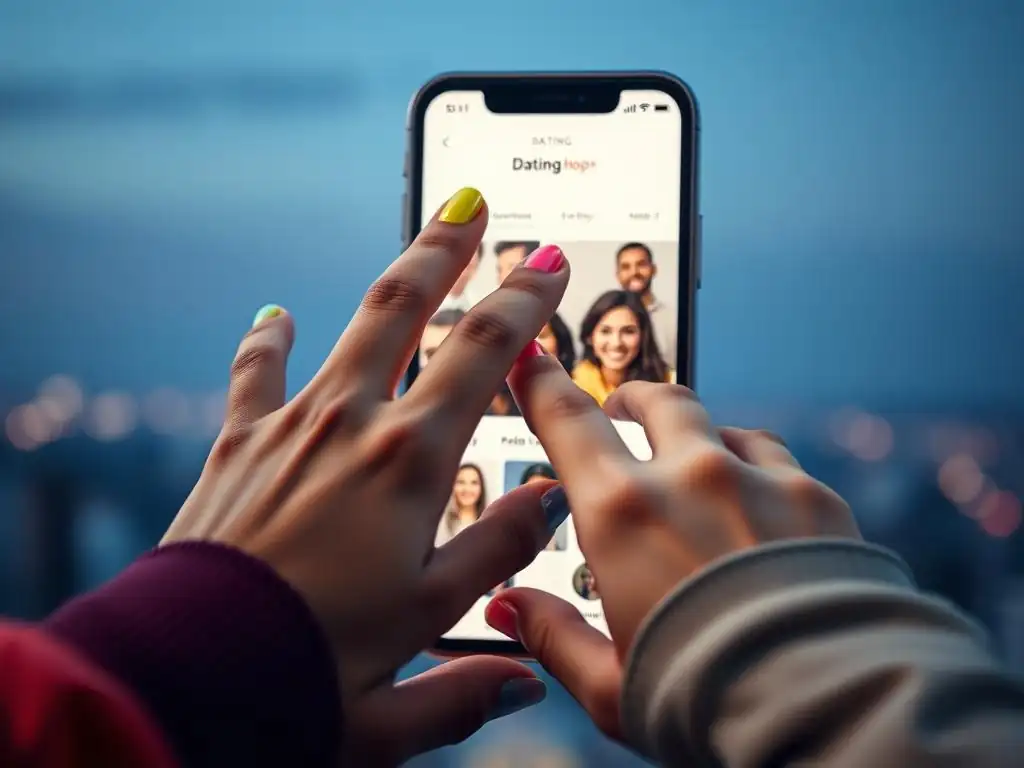
This section delves into the specifics of navigating the LGBTQ+ online dating world, offering insights beyond general online dating advice. Understanding the nuances of this space is crucial for building a successful and safe online dating experience. We'll explore the unique dynamics, app choices, and crucial safety measures to consider.
Understanding the Unique Dynamics of LGBTQ+ Dating Apps
LGBTQ+ dating apps and websites present a unique landscape compared to mainstream platforms. While the goal—finding connection and potential partners—remains the same, the context and challenges differ significantly. One key difference lies in the broader spectrum of identities and relationship styles represented. Unlike heterosexual dating, where gender roles often play a more defined role, LGBTQ+ dating encompasses a diverse range of gender identities and sexual orientations, leading to a richer but potentially more complex dating experience.
For example, a cisgender gay man might have very different dating priorities and experiences than a transgender woman or a non-binary individual. Understanding these differences, and being mindful and respectful of them in your profile and interactions, is paramount. This requires going beyond simple labels and demonstrating genuine curiosity and openness in your communication. This inclusivity is key to building authentic connections within the LGBTQ+ community.
Furthermore, the prevalence of specific terminology and abbreviations within LGBTQ+ communities necessitates a degree of familiarity to effectively navigate conversations. Knowing the difference between terms like “queer,” “pansexual,” or “asexual,” and understanding their implications, is vital for avoiding misunderstandings and fostering respectful interactions. Researching common terms and their meanings will significantly enhance your ability to connect with others authentically. Consider taking some time to familiarize yourself with the diverse terminology of the LGBTQ+ community.
Finally, the social and political climate significantly impacts the LGBTQ+ online dating experience. Safety concerns, particularly for individuals from marginalized communities within the LGBTQ+ spectrum, are often heightened. This necessitates increased vigilance and awareness of potential risks, which will be discussed in more detail in the following sections.
Finding the Right LGBTQ+ Dating App or Website for You
Choosing the right platform is crucial for maximizing your chances of success. The market offers a range of LGBTQ+-focused apps and websites, each with its own unique user base, features, and atmosphere. Some cater specifically to certain communities within the LGBTQ+ spectrum, offering a more niche and potentially more focused experience. Others aim for broader inclusivity, attracting a wider range of users.
Consider factors like your specific identity, relationship goals, and personal preferences when making your choice. Do you prefer a platform with robust verification systems to ensure safety and authenticity? Are you looking for casual encounters or something more serious and long-term? Do you prioritize a platform known for its active and engaged community? Researching different options and reading user reviews can provide valuable insights into the strengths and weaknesses of each platform.
Some platforms prioritize visual profiles and swiping mechanics, similar to mainstream dating apps. Others might focus on more detailed profiles and in-depth questionnaires, allowing for more meaningful connections based on shared values and interests. The best choice depends entirely on your individual needs and preferences. Experimenting with a few different options may be necessary to find the platform that best suits your personality and dating style. Remember to carefully review the privacy policies and terms of service before signing up for any platform.
The selection process should be approached strategically and thoughtfully. Don't rush into the first option you encounter. Engage in research, read reviews, and consider your individual requirements to ensure a positive and productive experience.
Safety First: Protecting Yourself While Online Dating
Safety should always be your top priority when using LGBTQ+ dating apps and websites. While the vast majority of users are respectful and genuine, it's crucial to be aware of potential risks and take proactive steps to protect yourself.
- Verify Profiles: Be cautious of profiles that lack sufficient information or seem too good to be true. Look for profiles with multiple photos and detailed descriptions.
- Communicate Carefully: Avoid sharing personal information, such as your exact address or workplace, until you've met someone in person and built a level of trust.
- Meet in Public: Always choose a well-lit and public place for your first meeting. Let a friend or family member know where you're going and who you're meeting.
- Trust Your Instincts: If something feels off or makes you uncomfortable, don't hesitate to end the interaction. Your safety and well-being are paramount.
- Report Inappropriate Behavior: Most dating apps and websites have reporting mechanisms for inappropriate behavior. Don't hesitate to use them if you encounter any harassment or abuse.
Remember that online safety is a continuous process. Staying informed about potential risks and implementing proactive safety measures will significantly enhance your online dating experience, allowing you to focus on forming meaningful connections without compromising your well-being. Consider reviewing your privacy settings regularly and be aware of the information you share online. Your safety is not just your responsibility, it's your right.
Effective Communication Strategies in LGBTQ+ Online Dating
Finding love online, especially within the LGBTQ+ community, hinges significantly on effective communication. This section delves into strategies to enhance your interactions, fostering connections that lead to meaningful relationships. Mastering these techniques will significantly improve your chances of success in the LGBTQ+ dating landscape, transforming your online dating experience from frustrating to fulfilling. Remember, authenticity and respect are key to building genuine connections.
Initiating Conversations: Icebreakers and Engaging Questions for LGBTQ+ Dating
Starting a conversation can feel daunting, but a well-crafted icebreaker can make all the difference. Avoid generic greetings; instead, personalize your approach. Referencing something specific from their profile demonstrates genuine interest and avoids the feeling of a mass-produced message. For example, if their profile mentions a love for hiking, you could say: "Your photos from Yosemite are incredible! I'm also a big fan of hiking – what's your favorite trail?"
Here are some additional tips for initiating engaging conversations:
- Focus on shared interests: Their profile is a treasure trove of information. Find common ground and use it as a springboard for conversation.
- Ask open-ended questions: Avoid questions that can be answered with a simple "yes" or "no." Instead, opt for questions that encourage detailed responses and further discussion. For example, instead of asking "Do you like to travel? ", try "What's the most memorable trip you've ever taken?"
- Show, don't just tell: Instead of simply stating your interests, share anecdotes or experiences related to them. This makes your profile more engaging and memorable.
- Be mindful of pronouns: Always confirm your date's pronouns and use them correctly. This shows respect and inclusivity. Using the wrong pronouns can be hurtful and create a negative first impression.
- Be confident but not arrogant: Confidence is attractive, but arrogance is a major turn-off. Strive for a balance.
Building Rapport and Trust in LGBTQ+ Online Interactions
Building rapport and trust takes time and genuine effort. It's not just about finding common interests; it's about creating a safe and comfortable space for open communication. Transparency and vulnerability are crucial in fostering deeper connections. However, remember to prioritize your safety and avoid sharing overly personal information too early in the process.
Consider these strategies for building rapport and trust:
- Active listening: Truly listen to what your potential partner is saying. Ask follow-up questions to show that you're engaged and interested.
- Vulnerability (with caution): Sharing personal experiences and feelings can foster intimacy, but do so gradually and only when you feel comfortable.
- Consistent communication: Regular, thoughtful interactions demonstrate your interest and help build a connection. Avoid ghosting; it's disrespectful and damaging.
- Respect boundaries: Pay close attention to your date's verbal and nonverbal cues. Respect their limits and don't push them beyond their comfort zone.
- Video calls: Once you've built some rapport, consider transitioning to video calls. This helps you get a better sense of their personality and build a stronger connection.
Respectful and Inclusive Communication Practices in LGBTQ+ Online Dating
The LGBTQ+ community is incredibly diverse. Respecting individual identities and experiences is paramount. Avoid making assumptions or using language that might be offensive or exclusionary. Embrace the richness and complexity of the community and celebrate its unique expressions of love and identity.
Here's how to practice respectful and inclusive communication:
- Use inclusive language: Avoid gendered assumptions and use inclusive language that respects all identities. For example, use "partner" instead of "boyfriend" or "girlfriend" unless you know their preferred term.
- Be mindful of microaggressions: Even seemingly small comments or actions can be hurtful. Be aware of your language and behavior, and strive to create a safe and welcoming environment.
- Educate yourself: The LGBTQ+ community is diverse, and there's always more to learn. Continue to expand your knowledge and understanding of different identities and experiences.
- Respect diverse relationship styles: The LGBTQ+ community embraces a wide range of relationship styles and structures. Be open-minded and accepting of different approaches to love and relationships.
- Address uncomfortable situations with empathy: If a conversation takes an uncomfortable turn, address it with empathy and understanding. Apologize if necessary and try to learn from the experience.
Remember, building meaningful relationships in LGBTQ+ online dating requires patience, respect, and genuine effort. By employing these communication strategies, you can significantly increase your chances of finding a fulfilling and lasting connection. 💖
Knowing When to Move from Online to Offline in LGBTQ+ Dating
Transitioning from online interactions to in-person meetings is a crucial step in LGBTQ+ dating, requiring careful consideration and sensitivity. Unlike heterosexual dating norms, where a first date might be assumed after a few messages, LGBTQ+ individuals may have different comfort levels and communication styles. It's vital to avoid rushing the process and respect each person's pace. Building trust and rapport online is paramount before suggesting a meetup.
Several factors influence the optimal timing for this transition. The length and quality of your conversations are key indicators. Have you engaged in meaningful discussions that reveal shared values, interests, and life goals? Have you established a sense of mutual respect and understanding? If the conversations feel superficial or lack depth, it’s best to continue building rapport online before suggesting an offline meeting. Rushing into a physical meeting without a solid foundation of online connection can lead to disappointment and awkward encounters.
Furthermore, consider the level of personal information shared. Open and honest communication about personal details, such as relationship history, family dynamics, or even hobbies and passions, creates a sense of intimacy and trust. This sharing should feel natural and reciprocal, not forced or one-sided. If you feel like you're constantly revealing more about yourself than your potential partner, it might be a sign to slow things down. Remember, building a genuine connection takes time.
The use of video calls can be incredibly beneficial in bridging the gap between online and offline interactions. A video call allows you to see and hear your potential partner, fostering a more personal connection before meeting in person. It helps gauge body language, assess compatibility, and generally build a stronger sense of comfort before deciding to meet face-to-face. This step can significantly reduce anxiety associated with meeting someone new, particularly within the LGBTQ+ community where safety and comfort are paramount. Consider it a critical step before scheduling that first date.
Ultimately, the decision to move from online to offline should be mutual and based on a feeling of comfort and excitement, not pressure or obligation. Listen to your intuition; if something feels off or rushed, it's perfectly acceptable to continue building your connection online. Remember, the goal is to build a meaningful relationship, and that takes time and thoughtful consideration. Prioritizing safety and comfort will enhance your overall dating experience and increase your chances of finding a compatible partner.
Building a Meaningful Relationship After Meeting Online

Finding a connection online is just the first step; building a lasting, meaningful relationship requires effort and understanding. This section focuses on transitioning from initial online contact to a thriving offline relationship, specifically within the LGBTQ+ community. Navigating this transition successfully requires careful planning, open communication, and a willingness to address unique challenges.
Planning Safe and Inclusive First Dates
The first date is crucial. For LGBTQ+ individuals, safety and inclusivity are paramount. Consider these points when planning your first meeting:
- Public Spaces: Opt for well-lit, public locations for your initial meeting. Coffee shops, bustling restaurants, or even a daytime museum visit can offer a safe and comfortable environment. Avoid secluded areas or private residences for the first encounter.
- Mutual Consent and Transparency: Openly communicate your comfort levels and expectations. Discuss your boundaries and ensure both parties feel safe and respected. Share your location with a trusted friend or family member.
- Inclusive Venues: Choose venues that are welcoming and inclusive of the LGBTQ+ community. Research the establishment's reputation beforehand to ensure a positive and accepting atmosphere. Look for places with a history of supporting LGBTQ+ events or initiatives.
- Transportation: Plan your transportation carefully. Avoid relying solely on ride-sharing services that may not always guarantee driver safety and inclusivity. If possible, drive yourself or arrange for a friend to pick you up.
- Emergency Exits: Subtly familiarize yourself with the location's emergency exits before the date begins. This is a precautionary measure to ensure a quick and safe escape if necessary.
Remember, a successful first date is about connection, not just a physical meeting. Prioritize comfort and safety above all else. Prioritizing these aspects will help build trust and create a foundation for a healthy relationship.
Maintaining Open Communication Throughout the Relationship
Open and honest communication is the cornerstone of any successful relationship, but it's especially vital in LGBTQ+ relationships. Many LGBTQ+ individuals have unique experiences and perspectives shaped by societal norms and personal journeys. Consider these communication strategies:
- Active Listening: Truly listen to your partner's experiences and perspectives, even if they differ from your own. Avoid interrupting and show genuine interest in what they have to say. This active listening fosters a deeper understanding and strengthens the bond.
- Vulnerability and Honesty: Share your feelings, vulnerabilities, and concerns openly and honestly. Creating a safe space for vulnerability allows for deeper intimacy and trust.
- Addressing Differences Respectfully: Disagreements are inevitable. Learn to navigate disagreements respectfully and constructively, focusing on understanding each other's points of view rather than winning an argument. Remember empathy and understanding are key.
- Regular Check-ins: Schedule regular check-ins to discuss your relationship, needs, and expectations. These check-ins can prevent misunderstandings and ensure both partners feel heard and valued. Consider using a consistent communication method and schedule.
- Utilizing Technology Wisely: While technology can facilitate communication, be mindful of over-reliance on texting or social media. Prioritize face-to-face communication whenever possible to maintain a strong connection.
Addressing LGBTQ+ Specific Relationship Challenges
LGBTQ+ relationships often face unique challenges not commonly encountered in heterosexual relationships. Understanding and addressing these challenges is crucial for building a strong and resilient relationship.
- Family Acceptance: Many LGBTQ+ individuals face challenges related to family acceptance and support. Openly discussing this with your partner and developing strategies for navigating potential conflicts is crucial. Consider seeking support from LGBTQ+ family support groups.
- Societal Stigma and Discrimination: The impact of societal stigma and discrimination can affect relationships significantly. Creating a strong support system and openly discussing the emotional toll of these experiences is important.
- Intersectionality: Understanding and respecting intersectionality (the interconnected nature of social categorizations such as race, class, and gender) is vital. Recognize and address how these factors might influence your relationship dynamics.
- Access to Resources: Research and utilize available resources such as LGBTQ+ therapists, support groups, and community organizations. These resources can offer valuable guidance and support in navigating challenges.
- Legal and Financial Planning: Consider legal and financial planning specific to LGBTQ+ couples, including wills, healthcare proxies, and joint ownership. This ensures legal protection and safeguards your financial future.
Building a meaningful relationship requires consistent effort, understanding, and a willingness to address unique challenges. By prioritizing open communication, planning safe and inclusive interactions, and addressing LGBTQ+ specific issues proactively, you can significantly increase your chances of creating a thriving and fulfilling relationship.
From Online Dating to Long-Term Commitment: LGBTQ+ Relationship Success
This section focuses on transitioning from the initial stages of LGBTQ+ online dating to building a lasting and fulfilling relationship. Many find online dating a crucial first step, but the real work begins after connecting with someone special. Successfully navigating this transition requires understanding, communication, and a commitment to building a strong foundation.
This isn't just about finding a partner; it's about creating a meaningful, long-term connection. We'll explore key aspects of fostering a successful LGBTQ+ relationship, moving beyond the initial online interactions and into the realm of lasting commitment. Remember, the journey to a successful relationship is a marathon, not a sprint, and requires patience, understanding, and mutual respect.
One of the unique challenges in LGBTQ+ relationships is the potential for friction with family and social circles. Acceptance isn't guaranteed, and navigating these dynamics requires careful consideration and open communication. Many LGBTQ+ individuals face prejudice or lack of understanding from family members, creating tension and potentially impacting the relationship. Open and honest conversations are crucial, even if difficult. It's important to approach these conversations with empathy, recognizing that family members may need time to adjust. Consider the following strategies:
- Gradual introductions: Start with casual mentions of your partner before a formal introduction. This allows family members to become accustomed to the idea.
- Educate, don't confront: Instead of directly confronting prejudice, focus on educating family members about LGBTQ+ relationships and dispelling misconceptions.
- Set boundaries: Establish clear boundaries regarding disrespectful or hurtful comments. It's okay to distance yourself from individuals who consistently refuse to respect your relationship.
- Seek support: Connect with LGBTQ+ support groups or organizations for guidance and a sense of community. Knowing you are not alone can be incredibly helpful.
Remember, you deserve to be with someone who makes you happy, regardless of external pressures. Prioritizing your well-being and setting healthy boundaries is essential for a successful, long-term relationship. The support of chosen family and friends can significantly offset challenges with biological family.
Building a Strong Foundation for a Lasting LGBTQ+ Relationship
Building a strong foundation requires consistent effort and mutual commitment. Unlike the initial excitement of online dating, long-term relationships require dedication, communication, and a willingness to work through challenges. Here are some key elements to focus on:
- Open communication: Honest and open dialogue is paramount. Discuss your needs, desires, and concerns openly and respectfully.
- Shared values and goals: Align on core values and life goals to ensure compatibility and a shared vision for the future. Differences can be worked through, but fundamental disagreements can create long-term friction.
- Conflict resolution: Develop healthy conflict resolution skills. Disagreements are inevitable, but the ability to address them constructively is crucial.
- Mutual respect and trust: These are the cornerstones of any successful relationship. Respect each other's boundaries, opinions, and individuality.
- Quality time: Prioritize spending quality time together, engaging in activities you both enjoy. This strengthens your bond and keeps the relationship vibrant.
The success of any relationship, particularly within the LGBTQ+ community, hinges on consistent effort and mutual understanding. Remember that building trust and open communication are ongoing processes that require continuous nurturing. Consider couples counseling or therapy as a proactive step to enhance communication and strengthen your bond.
Celebrating and Supporting Each Other's Identities
Celebrating and supporting each other's unique identities is vital for a thriving LGBTQ+ relationship. This involves acknowledging and respecting individual experiences, backgrounds, and expressions of identity. It's about creating a safe and affirming space where both partners feel comfortable being themselves. Consider these points:
- Understanding individual journeys: Recognize that each partner's journey to self-discovery and acceptance may be unique. Be patient and supportive as you learn about each other's experiences.
- Celebrating milestones: Acknowledge and celebrate both individual and shared milestones, from personal achievements to anniversaries. These moments reinforce your bond and shared journey.
- Advocating for each other: Support each other in advocating for LGBTQ+ rights and equality within your community and beyond. This shared activism can strengthen your connection and create a sense of purpose.
- Respecting diverse expressions: Acknowledge and respect the diverse ways LGBTQ+ individuals express their identities. This could encompass gender expression, sexual orientation, and cultural background.
Remember, a successful LGBTQ+ relationship is built on mutual respect, understanding, and a genuine celebration of each other's unique identities. This isn't just about tolerance; it's about embracing and celebrating the richness and diversity that each partner brings to the relationship. The journey of building a successful LGBTQ+ relationship is a testament to resilience, love, and the power of shared commitment. 🌈
Frequently Asked Questions
How can I make my LGBTQ+ dating profile stand out?
Showcase your unique personality and interests! Use high-quality photos that reflect your authentic self and write a bio that's engaging and honest. Don't be afraid to show your quirky side.
What are some good topics to discuss in my LGBTQ+ dating profile?
Highlight your hobbies, passions, and values. Mention what you're looking for in a partner, but keep it positive and avoid overly specific requirements. Sharing your travel experiences or favorite books can spark conversation.
How can I stay safe while online dating as an LGBTQ+ individual?
Prioritize meeting in public places for first dates and always let a friend or family member know your plans. Trust your instincts – if something feels off, it probably is. Never share sensitive personal information too early.
What are some common mistakes to avoid on my LGBTQ+ dating profile?
Avoid generic profiles and negative language. Don't focus solely on what you don't want in a partner. Be mindful of your photo choices, ensuring they're appropriate and flattering. Proofread carefully to avoid typos.
How can I create a profile that attracts meaningful connections, rather than just casual encounters?
Be clear about your intentions. Use your profile to express what kind of relationship you're seeking. Focus on qualities you value in a partner and highlight your commitment to building a lasting connection. Choose platforms that align with your relationship goals.
Finding love, especially within the LGBTQ+ community, often requires navigating a unique set of challenges, but the digital landscape offers unprecedented opportunities for connection. The rise of online dating apps has revolutionized how we meet partners, fostering a sense of community and expanding the possibilities for finding meaningful relationships beyond geographical limitations. This accessibility, however, comes with its own complexities, requiring careful consideration of profile presentation, communication strategies, and the overall management of online interactions.
The journey of self-discovery and connection within the LGBTQ+ community is a powerful and ongoing process, constantly shaped by evolving social norms and technological advancements. The ability to craft a genuine and authentic online presence is crucial for building trust and fostering meaningful relationships. As we continue to see increased visibility and acceptance, the importance of creating safe and inclusive online spaces becomes even more paramount. The most important thing is to be yourself. If you're not true to yourself, you'll never find someone who truly loves you for who you are.
This sentiment rings true whether you're meeting someone online or in person.
Now, consider your own online presence. How can you cultivate authenticity and create a profile that truly reflects your personality and desires? What steps can you take to ensure your online interactions are respectful, safe, and conducive to building genuine connections? Take the time to reflect on these questions, and remember that building a successful relationship, regardless of how you meet your partner, requires honesty, vulnerability, and a willingness to connect on a deeper level. Embrace the journey, and may your search for love be filled with joy, understanding, and lasting connection.
Unlock Your Dating Potential: Find Your Perfect Match
Thank you for exploring the world of LGBTQ+ online dating! We hope you've gained valuable insights into building meaningful connections. Now it's time to put that knowledge into practice. Ready to begin your search?
- Craft a captivating profile: Showcase your true self with engaging photos and a description that reflects your personality and aspirations. Highlight what makes you unique and let your personality shine through!
- Engage authentically with potential matches: Go beyond simple likes—ask thoughtful questions and show genuine interest in learning about them. A personalized introductory message will make a much better first impression than a generic greeting.
- Share this article with a friend: Spread the word and help others navigate the exciting world of LGBTQ+ online dating!
What unique quality will you highlight in your profile to attract your ideal match?