
Creating a Secure Dating Experience: LGBTQ+ Online Safety Tips for All

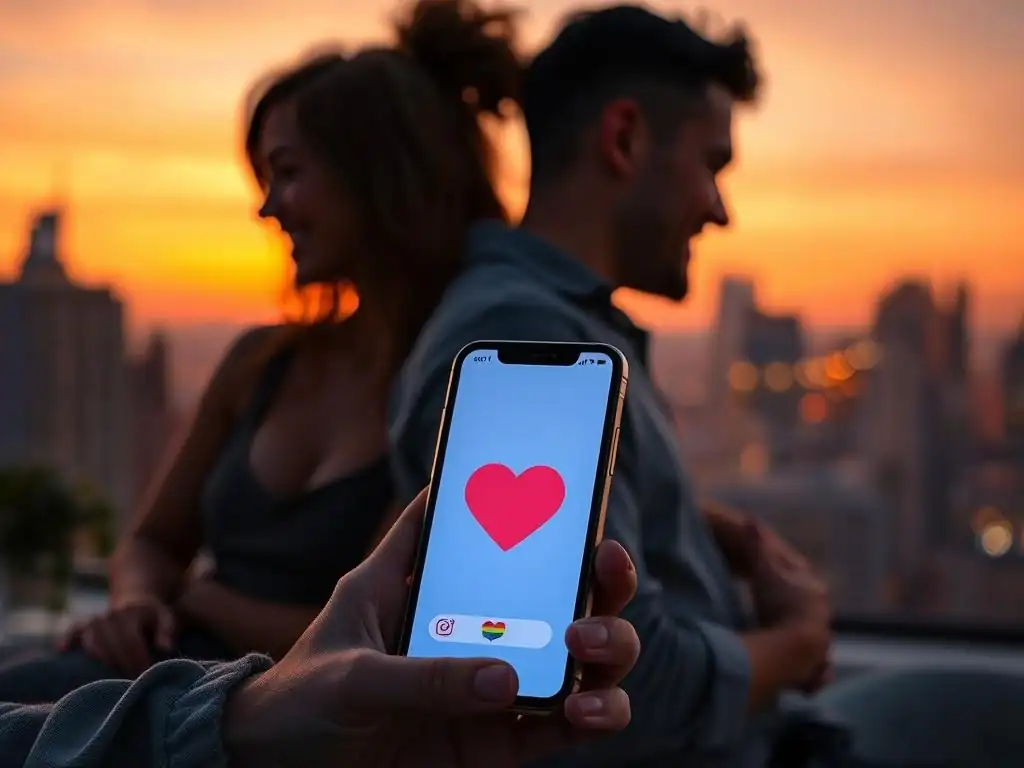
Dive into the world of online dating with confidence! At OnlineDatingSuccess.org, we're dedicated to helping you navigate the exciting – and sometimes tricky – landscape of finding love online. But finding connection shouldn't come at the cost of your safety. This is especially crucial for our LGBTQ+ community. Learn essential LGBTQ+ online dating safety tips to create a secure and fulfilling experience, ensuring your journey is both exciting and safe. Discover how to build a compelling profile, communicate effectively, and protect yourself – read on to unlock the secrets to a successful and secure online dating experience.
- Understanding LGBTQ+ Specific Online Dating Risks
- Protecting Your Identity and Privacy Online
- Safe Communication Practices for LGBTQ+ Online Daters
- Navigating In-Person Meetings Safely
- LGBTQ+ Resources and Support Networks
- Staying Safe: Continuous Learning and Awareness
-
Frequently Asked Questions
- How can I create a safe online dating profile as an LGBTQ+ individual?
- What are some red flags to watch out for while online dating within the LGBTQ+ community?
- Are there specific safety precautions I should take when meeting someone offline for the first time after connecting online?
- How can I report harassment or abuse experienced on an LGBTQ+ dating app or website?
- What are some resources available to support LGBTQ+ individuals navigating online dating safety?
- Final Reflection: Weaving a Safer Digital Tapestry for LGBTQ+ Love
- Unlock Your Safe and Secure Dating Journey
Understanding LGBTQ+ Specific Online Dating Risks
Navigating the world of online dating can be challenging for anyone, but LGBTQ+ individuals often face unique safety concerns that require specific attention and proactive strategies. This article provides practical and empathetic advice to help you create a secure and positive online dating experience. We'll explore the specific vulnerabilities faced by LGBTQ+ daters, offer guidance on recognizing and responding to harassment, and provide actionable steps to protect your privacy and personal information.
Building meaningful connections shouldn't come at the cost of your safety and well-being; this guide empowers you to prioritize both. Remember, a safe and positive online dating experience is a crucial foundation for building healthy and fulfilling relationships. Let's delve into the key areas you need to be aware of to foster a secure online dating journey.
Unique Vulnerabilities in Online Dating for LGBTQ+ Individuals
LGBTQ+ individuals face a higher risk of experiencing various forms of online harassment and discrimination compared to heterosexual individuals. This stems from several factors, including:
- Increased Visibility: Public profiles often require disclosing sexual orientation and gender identity, making LGBTQ+ individuals more easily identifiable and potentially targeted.
- Prejudice and Discrimination: Homophobic and transphobic individuals may use online dating platforms to target LGBTQ+ individuals with hateful messages, threats, or even doxing attempts.
- Limited Legal Protections: In some regions, legal protections against online harassment and discrimination based on sexual orientation and gender identity may be weak or non-existent. This lack of legal recourse can embolden perpetrators.
- Community-Specific Scams: LGBTQ+ individuals may be targeted by scams specifically designed to exploit their vulnerabilities or community-specific knowledge.
- Misinformation and Stigma: The prevalence of misinformation and harmful stereotypes about LGBTQ+ individuals can contribute to a climate of fear and distrust, making it harder to navigate online dating safely.
It's crucial to understand these unique vulnerabilities to effectively mitigate the risks involved. Taking proactive steps to protect yourself is essential for a positive experience.
Online Harassment and Discrimination: Recognizing and Reporting
Online harassment can manifest in many forms, ranging from subtle microaggressions to overt threats and violence. For LGBTQ+ individuals, this can include:
- Slurs and derogatory language: The use of homophobic and transphobic slurs is a common form of online harassment.
- Threats of violence or harm: This can range from veiled threats to explicit promises of violence.
- DoXing attempts: Sharing personal information online without consent, potentially leading to real-world harm.
- Cyberstalking: Repeated harassment and unwanted contact online.
- Hate speech and discrimination: Messages promoting hatred or discrimination against LGBTQ+ people.
Recognizing these forms of harassment is the first step. If you experience online harassment, it is vital to:
- Save all evidence: Screenshots, chat logs, and other forms of documentation can be crucial when reporting incidents.
- Block and report the user: Most dating platforms provide mechanisms for blocking and reporting abusive users. Utilize these tools immediately.
- Seek support: Connect with friends, family, or support groups for emotional support and guidance.
- Consider reporting to law enforcement: If the harassment involves threats of violence or other serious crimes, consider contacting the appropriate authorities.
Doxing and Privacy Concerns: Protecting Your Personal Information
Doxing, the act of revealing someone's personal information online without their consent, poses a significant risk to LGBTQ+ individuals. Protecting your privacy should be a top priority. Here are some steps you can take:
- Limit personal information shared on your profile: Avoid revealing your full name, address, workplace, or other sensitive information.
- Use strong passwords and enable two-factor authentication: This adds an extra layer of security to your accounts.
- Be cautious about sharing photos: Avoid posting photos that reveal your location or other identifying information.
- Review your privacy settings: Regularly review and adjust the privacy settings on your dating profiles and social media accounts.
- Be aware of phishing scams: Be wary of suspicious emails or messages requesting personal information.
- Use a VPN for added security: A Virtual Private Network (VPN) can help encrypt your internet traffic and protect your privacy.
Remember, building a safe and positive online dating experience is an ongoing process. By understanding the specific risks faced by LGBTQ+ individuals and taking proactive steps to protect yourself, you can significantly increase your chances of finding meaningful connections while prioritizing your safety and well-being. 💖
Protecting Your Identity and Privacy Online
This section focuses on practical strategies for LGBTQ+ individuals to safeguard their personal information while navigating the online dating world. Remember, your safety and privacy are paramount. Protecting your identity online requires proactive measures and a thoughtful approach to sharing personal details. The goal is to balance connection with security.
Choosing a Secure Dating App or Website: Features to Consider
Selecting the right platform is the first step towards a safer online dating experience. Not all apps and websites are created equal when it comes to privacy and security. Look for these key features:
- Strong Privacy Policies: A transparent and comprehensive privacy policy is crucial. Read it carefully! Look for details on how your data is collected, used, and protected. Does the app clearly explain its data encryption methods? Does it outline procedures for handling data breaches? A robust policy demonstrates a commitment to user safety.
- Two-Factor Authentication (2FA): This adds an extra layer of security, requiring a code from your phone or email in addition to your password. 2FA significantly reduces the risk of unauthorized access to your account, even if your password is compromised. Make sure the app supports and encourages its use.
- Reporting Mechanisms: A well-designed app will have clear and accessible reporting mechanisms for inappropriate behavior, harassment, or scams. Easy reporting is essential for addressing safety concerns promptly and effectively. Look for clear instructions on how to report profiles or messages that violate community guidelines.
- Verification Processes: Some apps offer profile verification features, which can help to build trust and weed out fake profiles. While not foolproof, verification can add a layer of security. Consider apps that prioritize profile verification as a way to reduce the risk of encountering fraudulent accounts.
- Community Guidelines and Moderation: A strong commitment to community guidelines and active moderation is vital. The app should clearly outline unacceptable behavior and have a system in place to address violations. Active moderation helps create a safer environment for all users.
Creating a Safe Profile: Minimizing Personal Information Disclosure
Your profile is your first impression, but it shouldn't reveal everything about you. Sharing too much personal information can increase your vulnerability. Here's how to create a safe profile:
- Avoid Specific Location Details: Don't disclose your exact address, workplace, or other location-specific details in your profile or initial messages. This information can be used to track you down or compromise your safety. Instead, use general location references.
- Careful with Photos: Avoid photos that reveal too much personal information, such as license plates, house numbers, or easily identifiable landmarks. Consider using photos that don't directly reveal your precise location.
- Limit Personal Information Sharing: Be cautious about sharing sensitive information like your full name, phone number, or social media links in your profile or early messages. Wait until you've established trust and have met in person before sharing such details.
- Use a Nickname or Pseudonym: Consider using a nickname or pseudonym on dating apps to maintain a degree of anonymity until you feel comfortable sharing your real name. This offers an additional layer of privacy.
- Regular Profile Review: Periodically review your profile to ensure you're not inadvertently sharing too much information. Remove any details that make you feel uncomfortable or that could compromise your safety.
Using Privacy Settings Effectively: Managing Visibility and Contact Options
Dating app privacy settings are powerful tools. Learn how to use them to control who can see your profile and contact you.
- Control Who Can See Your Profile: Most apps allow you to adjust your privacy settings to limit who can view your profile. Explore these options to restrict visibility to people you've matched with or those who meet specific criteria.
- Manage Contact Options: Many apps allow you to control how people can contact you. You can choose to only receive messages from people you've matched with or disable messaging entirely. This prevents unwanted contact from strangers.
- Block and Report Features: Utilize the block and report features to remove unwanted users from your experience. Don't hesitate to block and report anyone who makes you feel unsafe or uncomfortable. These tools are vital for your safety.
- Regular Setting Review: Just like your profile, regularly review your privacy settings. Ensure they align with your comfort level and security preferences. Apps often update their features, so staying informed is key.
Remember, online safety is an ongoing process. Staying vigilant and informed is crucial for protecting yourself in the online dating world. By following these tips, you can significantly reduce your risks and create a more secure and positive dating experience. 🏳️🌈
Verifying Profiles: Spotting Fake or Suspicious Accounts
Navigating the world of online dating, especially within the LGBTQ+ community, requires a keen eye for potential red flags. Many profiles are genuine, representing real individuals seeking connection. However, a significant number of fake or suspicious accounts exist, aiming to exploit or deceive users. Learning to identify these profiles is crucial for maintaining your online safety and protecting your personal information. This involves more than just looking at a picture; it requires careful observation and critical thinking.
One of the most common giveaways of a fake profile is inconsistency. Look for discrepancies between the information provided in the profile description and the images used. For example, a profile claiming to be a successful lawyer might use low-quality, blurry photos, or photos that appear to be stock images. Similarly, a profile boasting extensive travel experience might lack specific details or mention places that don't align with the claimed lifestyle. Pay close attention to these inconsistencies; they often point to a fabricated persona.
Another red flag is a lack of detail or overly generic information. Authentic profiles usually include specific details about hobbies, interests, and career aspirations. If a profile is vague, using phrases like "love to travel" or "enjoy meeting new people" without providing concrete examples, it could be a sign of a fake account. Genuine individuals usually personalize their profiles to reflect their unique identities and personalities. Conversely, fake accounts often rely on generic templates to attract as many people as possible.
Furthermore, be wary of profiles that seem too good to be true. If a profile showcases an impossibly perfect individual with no flaws or imperfections, it's a significant warning sign. Everyone has quirks and imperfections; a profile lacking these humanizing details might indicate a fabricated identity. Remember that genuine connection thrives on authenticity and mutual understanding. Be suspicious of profiles that project an unrealistic image of perfection.
Finally, consider the profile's activity. Fake profiles often have limited interaction with other users. They might have few or no photos, limited personal information, and lack engagement in conversations or mutual connections. Examine the profile's engagement history.
A lack of meaningful interaction could be an indicator that the profile is not genuine. While a new profile might initially have low activity, significant inconsistencies across other aspects of the profile should raise your suspicion. Remember, your safety is paramount; trust your instincts and prioritize caution when interacting with profiles that raise concerns. Using multiple verification methods, when available, can provide an additional layer of security.
Safe Communication Practices for LGBTQ+ Online Daters
This section focuses on practical strategies for LGBTQ+ individuals to navigate online dating communication, prioritizing safety and fostering trust. Open and honest communication is crucial, but it must be balanced with careful consideration for personal safety and security. Remember, your well-being is paramount. These guidelines are designed to help you build meaningful connections while mitigating potential risks. Effective communication is key to a positive and safe LGBTQ+ online dating experience.
First Contact Strategies: Building Trust and Avoiding Risks
Initiating contact can be nerve-wracking, but it's crucial to approach it strategically. Avoid overly personal or revealing messages in your initial contact. Instead, focus on shared interests highlighted in their profile. For example, instead of immediately mentioning your address, start with a comment about a band they mention liking, a shared interest in a specific TV show, or a question about their experience with [specific activity mentioned in their profile]. This allows for a more natural progression of conversation, building rapport before sharing sensitive information.
Remember to be mindful of the platform you're using. Different platforms have different levels of security and verification processes. Some platforms may offer more robust reporting mechanisms than others. Consider using platforms with strong community guidelines and active moderation. Always report any inappropriate or threatening behavior.
Another key strategy is to verify their profile. Does the profile picture seem authentic? Are the details consistent? While you can't fully verify someone online, doing some basic checks can significantly reduce the chances of encountering fake profiles or scams targeting LGBTQ+ individuals.
Sharing personal information should be a gradual process, building trust over time. Avoid revealing sensitive details like your full name, address, workplace, or exact location in early conversations. Instead, opt for general information about your life and interests. This approach minimizes the risk of doxing or stalking.
Consider using a separate email address or phone number specifically for online dating. This protects your privacy and limits the information you expose to potential matches. Avoid sharing your social media profiles immediately, as this gives access to a wealth of personal information.
It's also wise to meet in public places for your first few dates. Let a trusted friend or family member know where you're going, who you're meeting, and when you expect to return. Sharing your location with a trusted friend via a location-sharing app can provide an extra layer of security. This proactive approach demonstrates a commitment to prioritizing your safety while fostering genuine connections.
Recognizing Red Flags: Warning Signs of Potential Harm
Recognizing red flags is crucial for ensuring your safety in the online dating world. Be wary of individuals who are excessively complimentary or push for an immediate meeting. These behaviors can be indicators of manipulative intentions. Similarly, be cautious of anyone who is vague about their personal details or avoids answering direct questions.
Inconsistencies in their profile or story should raise suspicion. If something doesn't feel right, trust your instincts. It’s better to err on the side of caution. Remember, a healthy relationship should be built on mutual respect, trust, and open communication. If you encounter any behavior that makes you uncomfortable, don't hesitate to block and report the user. Your safety and well-being are the top priority. Ignoring red flags can lead to dangerous situations. Being vigilant and cautious is crucial for a safe and positive online dating experience.
Managing Difficult or Threatening Interactions
Navigating the world of online dating can sometimes lead to uncomfortable or even threatening situations. It's crucial to remember that you're not alone and there are resources available to help. If you encounter a user who is harassing, abusive, or making you feel unsafe, your first priority is your well-being. This might involve immediately ceasing communication, blocking the individual, and saving any evidence of their behavior (screenshots of messages, profile information, etc.). Don't engage with them further; attempting to reason with a threatening individual can often escalate the situation. Remember, your safety is paramount.
It's important to recognize the signs of potentially dangerous interactions. This could include unsolicited sexually explicit content, persistent unwanted advances despite clear boundaries being set, threats of violence or harm, or attempts to manipulate or coerce you. These behaviors are never acceptable, and you should not feel pressured to tolerate them. Remember that your feelings are valid, and your safety is the priority. Trust your instincts; if something feels wrong, it probably is.
Many dating platforms offer robust reporting mechanisms to address problematic behavior. Familiarize yourself with the reporting procedures of the specific platform you use. This often involves flagging the profile or reporting specific messages. Most platforms take these reports seriously and have dedicated teams to investigate and address such issues. Be thorough when reporting; provide as much detail as possible, including timestamps, screenshots, and any other relevant information that can aid the investigation. This helps ensure the platform can take appropriate action.
Documenting these interactions is a critical step. Keep records of all communication, including screenshots and timestamps. This documentation can be invaluable if you need to report the behavior to the dating platform or law enforcement. It provides concrete evidence of the harassment or threats you experienced. Consider keeping a separate, secure digital file or notebook dedicated to documenting these interactions, away from your primary dating profiles.
Reporting Mechanisms
Understanding the reporting mechanisms available on different online dating platforms is vital for your safety. Each platform typically has its own process for reporting inappropriate behavior, ranging from simple flag options to more comprehensive reporting forms. Review the terms of service and safety guidelines of each platform you use to understand their specific procedures. This proactive approach can be incredibly helpful if you find yourself in a difficult situation.
Many platforms allow you to block users directly. This immediately cuts off communication and prevents further contact. Blocking is a quick and effective way to remove a problematic individual from your experience. After blocking, consider reporting the user to the platform's administrators. This will allow them to investigate the user's behavior and potentially take actions like suspending or banning the account, preventing others from experiencing similar issues.
Beyond the platform's internal reporting mechanisms, consider reporting serious threats or harassment to law enforcement. If you feel your safety is at risk, or if you've experienced illegal activity (such as stalking or threats of violence), do not hesitate to contact your local police department or other relevant authorities. They are equipped to investigate and offer support. Remember, reporting isn't just about protecting yourself; it helps create a safer online dating environment for everyone. Your report can help prevent others from experiencing similar harm.
Remember that you are not alone. There are numerous resources available to support you, including LGBTQ+-focused organizations that provide advice, advocacy, and emotional support. These organizations often have extensive experience in helping individuals navigate challenging situations related to online safety and harassment. Seeking support from these organizations can provide invaluable guidance and assistance during a difficult time. Don't hesitate to reach out for help if you need it.
Meeting someone you've connected with online for the first time can be exciting, but it's crucial to prioritize your safety, especially within the LGBTQ+ community where unique vulnerabilities exist. This section focuses on practical strategies for minimizing risks during in-person encounters. Remember, your safety is paramount, and it's always better to err on the side of caution.
Planning Safe First Dates: Public Places and Transparency
The first date should always take place in a well-lit, public location. Avoid secluded areas or private residences for initial meetings. A bustling coffee shop, a popular restaurant, or a park during the daytime are excellent choices. Transparency is key; inform a trusted friend or family member about your plans.
Share the person's name, profile picture, and the date, time, and location of your meeting. Consider using a live location-sharing app so your friend can track your whereabouts. It's also advisable to have a pre-arranged method of contacting someone if you need assistance. This could be a simple text message to a friend saying, "Call me in 30 minutes," or setting a timer on your phone to alert your friend.
Remember, a successful first date is about connection and comfort. If a location makes you feel uneasy, trust your instincts and suggest an alternative. Your safety should never be compromised for a date.
This proactive approach to planning helps mitigate potential risks and establishes a safer environment for your initial encounter. Don't feel pressured to accept a date proposal that feels unsafe, regardless of how appealing the person may seem online.
Informing Friends and Family: Sharing Your Plans and Location
Sharing your dating plans with trusted friends or family members is a critical safety precaution. This simple act provides an added layer of security and support. Before meeting someone, inform them of your date's name, profile details (if comfortable sharing), and the planned location and time. You can even share a link to the person's social media profile if you've connected that way. Consider using a location-sharing app that allows them to track your real-time location. This allows your support network to monitor your whereabouts and intervene if necessary.
| Action | Benefit | Example |
|---|---|---|
| Share Date Details | Provides a safety net and allows for check-ins. | "Meeting John at Starbucks on Elm Street at 7 PM." |
| Location Sharing | Enables real-time tracking and quick response. | Using a location-sharing app with a trusted friend. |
| Pre-arranged Call | Provides an easy escape route if needed. | "Text my sister at 9 PM to check in." |
Remember, this isn't about being overly cautious; it's about being proactive and responsible for your own well-being. Open communication with your support network empowers you and enhances your safety. They can be your lifeline if something feels amiss.
Trusting Your Instincts: Recognizing Uncomfortable Situations
Your intuition is a powerful tool. If something feels off or makes you uncomfortable at any point during the date, trust your instincts and take action. Don't hesitate to end the date early, even if it means leaving abruptly. Have a pre-planned escape route, such as a ride-sharing app already open on your phone or a friend ready to pick you up.
Remember, it's perfectly acceptable—and often necessary—to prioritize your safety and well-being over politeness or social expectations. Your feelings are valid, and your safety is paramount.
Signs of an uncomfortable situation could include: a mismatch between online and in-person personality; aggressive or controlling behavior; excessive drinking or drug use; or a feeling of being pressured or manipulated. If you experience any of these, don't hesitate to leave immediately and contact your support network. Documenting the experience (if you feel safe doing so) can also be helpful. Prioritizing your safety and well-being is always the right choice. Remember, a safe dating experience is a successful dating experience.
Emergency Contacts and Safety Planning: Preparing for Unexpected Events
Before embarking on any in-person date, meticulous planning is crucial, especially within the LGBTQ+ community where safety concerns might be heightened. This isn't about fostering fear, but about proactive preparedness. Think of it as equipping yourself with a safety net. Start by identifying at least three emergency contacts—people you trust implicitly and who know your plans. These contacts should be readily available via phone and ideally have access to your real-time location. Apps like Find My Friends (Apple) or Google Maps Location Sharing can be invaluable tools for sharing your whereabouts with trusted individuals.
Beyond simply sharing your location, consider creating a detailed safety plan. This plan should include the date's name, contact information (including social media profiles if shared), the planned meeting location, and the estimated time of arrival and departure. Share this information with your emergency contacts before you leave for the date. It's also wise to inform your contacts when the date concludes safely. A simple text message saying "Date finished safely" can provide immense reassurance.
Furthermore, your safety plan should incorporate contingency measures. Identify a safe place nearby where you can go if you feel uncomfortable or unsafe – a well-lit public area, a friend's house, or a trusted establishment. Knowing you have a readily available escape route can significantly reduce anxiety. Pre-planning transportation is also essential. Ensure you have reliable transportation to and from the date, whether it's your own car, a ride-sharing service, or public transport.
Avoid relying solely on your date for transportation, especially during initial meetings. This maintains your independence and gives you control over your departure. Remember, prioritizing your safety is not being paranoid; it's being responsible. Taking these steps empowers you to enjoy your dates while feeling secure and confident.
LGBTQ+ Resources and Support Networks

Finding the right support network is crucial for navigating the complexities of online dating, especially within the LGBTQ+ community. Feeling safe and supported can significantly impact your experience and help you build confidence in your online interactions. This section provides resources to help you find the assistance you need. Remember, you're not alone, and there are many people and organizations dedicated to supporting you. Accessing these resources is a vital part of practicing effective LGBTQ+ online dating safety.
Reporting Harassment and Abuse: Online and Offline Resources
Experiencing harassment or abuse online can be deeply upsetting. Knowing where to report these incidents is essential for your safety and well-being. Many platforms have internal reporting mechanisms. However, understanding the nuances of reporting is important. For instance, reporting a homophobic slur on a dating app might differ from reporting a threat of violence.
Here's a breakdown of reporting options:
- Platform-Specific Reporting: Most dating apps and social media platforms have clear reporting procedures. Familiarize yourself with these guidelines. Often, you can report profiles, messages, or specific interactions directly within the app. Document everything—screenshots, dates, times—as evidence.
- Law Enforcement: If the harassment involves threats of violence, stalking, or doxing (revealing someone's personal information without their consent), immediately contact your local law enforcement. They can investigate the situation and take appropriate action. Keep detailed records of all interactions.
- LGBTQ+ Organizations: Many LGBTQ+ organizations offer support and guidance on reporting harassment and abuse. They can provide advice on navigating legal processes and connect you with relevant resources. They can also provide emotional support during a difficult time. This is especially crucial for those experiencing cyberbullying or hate speech.
- Online Safety Organizations: Several organizations specialize in online safety and can offer advice on protecting your privacy and security online. They can provide resources on managing your online presence and reporting online harassment effectively.
LGBTQ+ Support Organizations: Finding Local and National Help
Connecting with LGBTQ+ support organizations can provide invaluable emotional support, practical advice, and a sense of community. These organizations offer a safe space to share your experiences and access resources tailored to your specific needs. Many offer helplines, online forums, and in-person support groups.
Finding relevant organizations can be done through a simple online search, focusing on your location ("LGBTQ+ support [your city/state]"). Many national organizations have local chapters or affiliated groups. These organizations often:
- Provide counseling and therapy services specializing in LGBTQ+ issues.
- Offer legal assistance and advocacy for LGBTQ+ individuals facing discrimination.
- Organize community events and social gatherings fostering connection and support.
- Provide educational resources and workshops on LGBTQ+ related topics, including online safety.
Remember to thoroughly research any organization before engaging with them, checking for reputable credentials and positive reviews.
Legal Assistance and Advocacy: Knowing Your Rights and Options
Understanding your legal rights is vital if you experience harassment, discrimination, or violence related to your sexual orientation or gender identity. Knowing your options helps you take decisive action to protect yourself. LGBTQ+ legal organizations and advocates can provide crucial guidance in navigating legal processes.
Here are key areas where legal assistance may be needed:
- Hate Crimes: If you have experienced a hate crime motivated by your sexual orientation or gender identity, legal assistance is crucial for reporting the crime and seeking justice.
- Discrimination: Legal support is essential if you face discrimination in housing, employment, or other areas due to your sexual orientation or gender identity.
- Cyberstalking/Online Harassment: Legal professionals can help you pursue legal action against perpetrators of cyberstalking or online harassment.
- Domestic Violence: LGBTQ+ individuals are disproportionately affected by domestic violence. Specialized legal services can provide support and guidance in navigating this difficult situation.
Remember, seeking help is a sign of strength. Utilizing these resources is crucial in fostering a safer and more positive online dating experience within the LGBTQ+ community. Prioritizing your safety and well-being is paramount.
Staying Safe: Continuous Learning and Awareness
The digital landscape of online dating, particularly within the LGBTQ+ community, is constantly evolving. New platforms emerge, scams become more sophisticated, and threats can manifest in unexpected ways. Therefore, maintaining a secure online dating experience isn't a one-time task; it's an ongoing process of learning and adaptation. Staying informed about the latest safety best practices is crucial for mitigating risks and protecting your well-being. This involves more than just reading a single article; it's about cultivating a culture of proactive safety within your online dating life.
Staying Updated on Online Safety Best Practices
Staying abreast of evolving online safety best practices is paramount. This requires more than simply relying on initial setup security measures. Regularly revisit reputable sources like online safety organizations and technology news sites dedicated to cybersecurity. Look for articles and resources specifically addressing LGBTQ+ online safety concerns. These resources often highlight emerging threats, scams targeting the community, and new techniques for protecting your privacy.
For example, you might learn about new phishing tactics or understand how to spot fake profiles designed to exploit vulnerabilities. Remember, scammers are constantly refining their methods, so continuous learning is essential to staying ahead of the curve. Consider setting aside a specific time each month to review updated safety guidelines and refresh your knowledge. Treat this as an essential part of your online dating routine, just like checking your messages or updating your profile.
Regularly Reviewing Privacy Settings and Profile Information
Regularly reviewing your privacy settings across all dating apps and platforms is not a luxury, but a necessity. Many platforms offer granular control over who can see your profile, contact you, and access your personal information. Take the time to understand these settings and adjust them according to your comfort level. For instance, you might choose to limit who can see your photos or restrict messaging to only matched users.
Beyond privacy settings, regularly scrutinize your profile information. Ensure that you haven't inadvertently shared too much personal data, such as your exact location or workplace. Consider using a nickname or avoiding overtly revealing details in your profile description.
Remember, even seemingly innocuous details can be pieced together by malicious actors to build a more complete picture of your life. Regularly updating your profile and privacy settings reinforces your commitment to a secure online dating experience and helps minimize potential risks. Think of it as a regular safety check, ensuring your online persona is as secure as possible.
Engaging with the LGBTQ+ online dating community is a powerful way to enhance your safety awareness. Sharing experiences, both positive and negative, allows for collective learning and the development of shared best practices. Online forums, support groups, and LGBTQ+ focused online safety resources provide platforms for discussing potential risks and exchanging tips. Participating in these communities can offer insights you might not find elsewhere. For example, you might learn about specific scams targeting LGBTQ+ individuals or discover new tools and techniques for protecting your privacy.
Remember, you're not alone in navigating the complexities of online dating. Leveraging the collective wisdom and experiences of others can greatly improve your ability to identify and avoid potential dangers. The shared knowledge within the community forms a valuable network of support and strengthens everyone's online safety. Active participation in these communities demonstrates a commitment to collective well-being and builds resilience against potential threats.
Frequently Asked Questions
How can I create a safe online dating profile as an LGBTQ+ individual?
To ensure safety, avoid posting highly personal information like your full address or workplace. Use a profile picture that clearly shows your face and represents your current look. Remember to report any suspicious profiles immediately.
What are some red flags to watch out for while online dating within the LGBTQ+ community?
Be wary of profiles with limited information, inconsistent details, or those who pressure you to meet offline quickly. Avoid anyone who is overly secretive or avoids answering direct questions. Trust your intuition.
Are there specific safety precautions I should take when meeting someone offline for the first time after connecting online?
Always meet in a public place, let a friend or family member know the details of your date (including location, time, and the person's name and contact information), and have a plan for leaving if you feel uncomfortable. Consider using a ride-sharing service for transportation.
How can I report harassment or abuse experienced on an LGBTQ+ dating app or website?
Most dating platforms have clear reporting mechanisms. Utilize these tools to report abusive behavior or inappropriate messages. You can also contact the app's customer support directly or report it to law enforcement if necessary.
Many organizations offer support and advice regarding online safety, including those focused on LGBTQ+ issues. Seek out online resources and communities for further guidance and to connect with others. You can also find helpful articles and guides on websites like OnlineDatingSuccess.org.
Final Reflection: Weaving a Safer Digital Tapestry for LGBTQ+ Love
The fight for safe and inclusive online spaces for LGBTQ+ individuals is far from over, and the need for proactive safety measures remains critically urgent. The rise of online dating has revolutionized how we connect, but this digital landscape, while offering incredible opportunities, also presents unique vulnerabilities for a community already facing systemic discrimination. This necessitates a constant vigilance and a commitment to fostering safer online environments for everyone.
The impact of online harassment and discrimination on LGBTQ+ individuals is profound and far-reaching, shaping not only individual experiences but also the broader cultural narrative around identity and acceptance. The internet can be a powerful tool for connection and community, but it can also be a space where hate and discrimination thrive. We must work together to create a safer and more inclusive online world for everyone.
This quote encapsulates the ongoing struggle and the importance of continued education and awareness. My own journey in researching this topic has underscored the need for ongoing dialogue and the development of practical strategies to counter the pervasive threats faced by LGBTQ+ individuals online.
Now, I invite you to reflect on your own online practices and consider how you can contribute to a more secure and supportive digital environment. Take the time to review your privacy settings, be mindful of the information you share, and actively challenge harmful behaviors and language you encounter. Let's collectively weave a safer digital tapestry, one thread of awareness and action at a time, where love and connection can flourish without fear. Your contribution, no matter how small, can make a world of difference.
Unlock Your Safe and Secure Dating Journey
Thank you for learning how to create a safer online dating experience! We hope these tips empower LGBTQ+ individuals to connect authentically while prioritizing their well-being. Now, let's put this knowledge into action!
- Prioritize your privacy: Review your dating app settings and carefully consider which personal details you share publicly. Protecting your information is key.
- Share this guide: Help create a safer online space for everyone in the LGBTQ+ community by spreading the word. Let's work together to make online dating safer for all.
- Develop a safety plan: Before a date, decide who you'll tell about your plans, where you'll meet, and how you'll check in with someone afterwards. A little planning can go a long way.
What's one small step you can take today to improve your online dating safety? Let's discuss in the comments!