
First Date Red Flags: Identifying Warning Signs to Protect Yourself


Dive into the world of online dating with OnlineDatingSuccess.org, your guide to navigating the digital dating scene with confidence. Are you ready to transform your dating experience? We'll equip you with the knowledge and strategies you need to build authentic connections. But first, let's address a crucial topic: identifying those "Online Dating Red Flags First Date" that could save you heartache. Learn to spot warning signs early on and protect yourself – discover the insights you need to start building meaningful relationships, starting now.
- Recognizing Online Dating Red Flags Before the First Date
- First Date Red Flags: Warning Signs to Watch Out For
- How to Respond to Red Flags on a First Date
- Protecting Yourself After a Problematic First Date
- Moving Forward: Healthy Dating Practices
-
Frequently Asked Questions
- What are some common red flags to watch out for on a first online date?
- How can I tell if someone is being genuinely interested or just playing games on a first date?
- What should I do if I encounter a red flag on a first date?
- Is it okay to end a first date early if I'm not feeling a connection?
- How can I protect myself while online dating and meeting people for the first time?
- Final Reflection: Decoding the Signals, Protecting Your Heart
- Uncover Your Dating Power: Spotting Red Flags & Building a Safer Future
Recognizing Online Dating Red Flags Before the First Date
Navigating the world of online dating can be exhilarating, but it's crucial to approach it with caution and awareness. This article serves as your guide to identifying potential red flags before you even commit to that first date, helping you protect your safety and emotional well-being while searching for a meaningful connection. Many individuals find themselves caught off guard by concerning behavior on a first date, often because they missed subtle warning signs during the initial online interactions.
By learning to recognize these red flags early, you significantly increase your chances of a positive and safe dating experience, avoiding potentially harmful or unpleasant situations. We'll explore key indicators of trouble, from suspicious profile details to concerning communication patterns, empowering you to make informed decisions about who you choose to meet in person.
Remember, prioritizing your safety and well-being is paramount in the online dating landscape. Let's delve into the crucial aspects of identifying red flags and protecting yourself.
Evaluating Profiles for Potential Issues: Suspicious Photos and Information
Before even engaging in conversation, carefully scrutinize the potential date's profile. Pay close attention to the photos provided. Are they numerous, yet all seem professionally taken in similar settings? This could be a sign of using stock photos or misleading representations. Look for inconsistencies – a lack of casual, everyday photos might suggest the profile is fabricated.
🕵️♀️ Also, be wary of profiles lacking personal information or those with overly generic descriptions. A profile filled with clichés or lacking specific details could indicate a lack of authenticity or an attempt to conceal identity. Examine the profile for inconsistencies between the written description and the photos. Does the age listed match the appearance in the photos?
Does their stated profession align with their lifestyle portrayed in the pictures? These discrepancies can be major red flags. Remember, a genuine profile usually showcases a variety of photos reflecting different aspects of the person's life and personality. Don't hesitate to be skeptical if something feels "off"—trust your gut instinct.
Inconsistencies and Missing Information in Online Dating Profiles
A common red flag is a significant lack of information or blatant inconsistencies within the profile itself. For example, a profile claiming to be a successful lawyer with a passion for travel might lack any evidence to support these claims. No photos, vague descriptions of work, or an absence of personal interests should raise immediate concerns. Similarly, be cautious of profiles that are overly perfect or boast unrealistic accomplishments. Everyone has flaws; a profile devoid of any mention of imperfections might be concealing something.
Pay close attention to the details. Are there inconsistencies in their stated location, age, or occupation across different platforms? Cross-referencing information from different sources can help you verify the authenticity of their profile. Remember, a healthy amount of skepticism is necessary in online dating. Don't be afraid to ask clarifying questions before agreeing to a meeting.
Red Flags in Initial Online Communication: Overly Aggressive or Controlling Behavior
Once you begin communicating, be vigilant for signs of controlling or overly aggressive behavior. This could manifest as demanding immediate responses, excessive flattery, or attempts to isolate you from friends and family. 🚩 Excessive pressure to meet in person quickly, especially before a meaningful conversation has taken place, should be a significant cause for concern. Watch out for overly possessive or jealous language even in early stages of communication. Red flags also include attempts to control the conversation by constantly changing the subject or ignoring your contributions.
A healthy communication dynamic involves mutual respect and a balanced exchange of information. If you sense a power imbalance or feel pressured into anything you're uncomfortable with, end the conversation immediately. Remember, your comfort and safety are paramount, and it's always acceptable to disengage from any interaction that makes you feel uneasy. Trust your intuition; if something feels wrong, it probably is.
Suspicious Requests for Personal Information or Financial Assistance
One of the most significant online dating red flags, often appearing before the first date, involves unusual requests for personal information or financial assistance. Legitimate daters won't aggressively push for sensitive details early in the relationship. Be wary of anyone who persistently asks for your full address, social security number, bank account details, or passwords. This behavior is a major warning sign of potential scams or predatory intentions. Remember, building trust takes time, and genuine connections don't require immediate disclosure of such private information.
A common tactic employed by scammers is the creation of elaborate sob stories requiring urgent financial assistance. They might claim to be in a dire financial situation, facing a medical emergency, or needing money to travel to meet you. These scenarios are often designed to manipulate your empathy and extract money. Never send money to someone you've only met online, regardless of how compelling their story seems.
If someone asks for financial help, it's a glaring red flag that should immediately raise concerns about their true intentions. Always prioritize your safety and financial security. A genuine connection won't pressure you into sharing sensitive information or providing financial aid prematurely.
Furthermore, be cautious of individuals who are overly inquisitive about your financial status. While discussing career aspirations or lifestyle preferences is normal, persistent probing about your income, assets, or financial security should be treated as a red flag. This behavior could be indicative of someone with ulterior motives, seeking to exploit your financial vulnerability. Protect your personal financial information; don't share more than you are comfortable with, especially in the early stages of online dating.
Remember, building a healthy relationship is about emotional connection, not financial exploitation. Trust your instincts – if something feels off, it probably is. Prioritizing your safety and well-being is always the best course of action. The best way to deal with these situations is to simply end communication.
First Date Red Flags: Warning Signs to Watch Out For
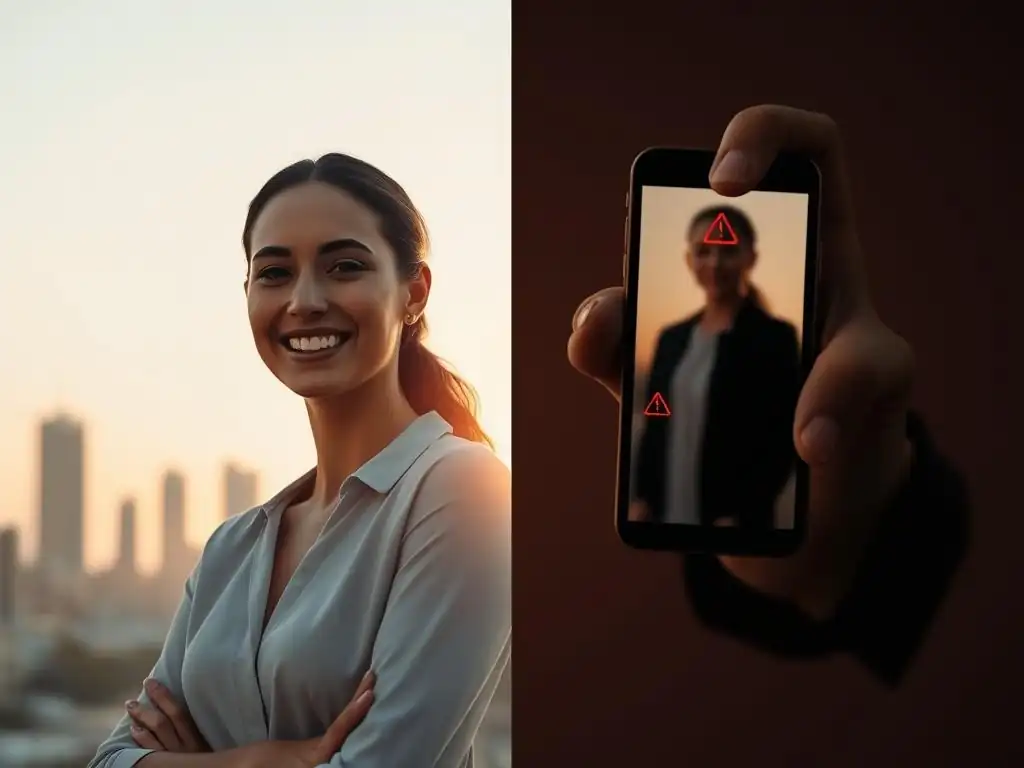
This section focuses on identifying potential red flags during a first date encountered through online dating. Recognizing these warning signs can help you protect your safety and well-being, ultimately leading to more positive and fulfilling dating experiences. Remember, your safety and comfort are paramount. Trust your instincts; if something feels off, it probably is.
Excessive Drinking or Drug Use on a First Date
Excessive alcohol consumption or drug use on a first date is a major red flag. While enjoying a drink or two is perfectly normal, becoming intoxicated quickly or exhibiting signs of substance abuse can indicate underlying issues. This behavior can cloud judgment, leading to risky situations and potentially unsafe interactions. It also suggests a lack of self-control and consideration for your well-being.
For example, if your date insists on ordering multiple strong drinks immediately, becomes belligerent or aggressive after a few drinks, or tries to pressure you to consume more alcohol than you're comfortable with, these are serious warning signs. Similarly, evidence of drug use, such as paraphernalia or erratic behavior consistent with intoxication, should be taken very seriously. Remember, a healthy relationship is built on mutual respect and consideration, not fueled by substance abuse. Your safety and well-being should always come first. Prioritizing your health and avoiding potentially dangerous situations is crucial when navigating the world of online dating.
Consider this scenario: You meet someone online who seems charming and engaging. On your first date, they order several shots of hard liquor immediately, becoming increasingly loud and boisterous. They then try to persuade you to "loosen up" and have more drinks than you want. This escalation in behavior is a significant red flag and a clear indicator that you should prioritize your safety and end the date.
It's important to remember that substance abuse can mask deeper personality issues and create an environment where healthy communication and boundaries are difficult, if not impossible, to establish. Prioritizing your safety and ending the date is the best course of action in such situations.
Controlling Behavior or Attempts to Isolate You
Controlling behavior, even in subtle forms, is a serious red flag that should not be ignored. This can manifest in several ways, including attempts to dictate your choices, criticize your decisions, or isolate you from friends and family. A healthy relationship is built on mutual respect and independence, not control and manipulation. Online dating, with its emphasis on initial anonymity, can unfortunately increase the risk of encountering controlling individuals.
For instance, a controlling date might insist on choosing the restaurant, the activities, and the conversation topics, leaving you with little to no say in the date's planning. They might also criticize your clothing choices, your friends, or your job. More concerning is if they try to limit your communication with others, suggesting that you delete social media accounts or reduce contact with loved ones. This is a clear sign of manipulative and potentially abusive behavior. These behaviors often escalate over time, so early detection is crucial.
Consider this: Your date constantly checks your phone, criticizes your outfit choices, and dismisses your opinions on various topics. They also suggest you should reduce contact with your friends because they "waste your time." This pattern of behavior indicates a controlling personality and a potential for future abuse.
Disrespectful or Rude Behavior Towards Others
How someone treats others, especially those in service roles, is a strong indicator of their character and respect for others. Observe their interactions with waitstaff, bartenders, or even strangers on the street. Disrespectful or rude behavior towards others indicates a lack of empathy and consideration, traits that are not conducive to a healthy and respectful relationship.
For instance, if your date is consistently rude to the server, makes inappropriate comments, or exhibits impatience and lack of consideration towards others, it's a clear indication of a potential incompatibility. This behavior often reflects a deeper pattern of disrespect and disregard for others' feelings. This behavior extends beyond simple rudeness; it reveals a fundamental lack of respect for boundaries and the well-being of others. Such behavior is a significant red flag in any relationship, especially one that started online.
Remember, how someone treats others often reflects how they will treat you. A lack of respect towards others is a strong indicator that they may not respect you either. Trust your instincts and prioritize your own well-being.
Dishonesty or Contradictions During the Date
During your first date, pay close attention to the consistency of your date's words and actions. Online dating profiles can sometimes present an idealized version of someone, so discrepancies between their online persona and their in-person behavior are a significant red flag. For example, if their profile boasts a love of hiking and outdoor activities, but they express disdain for anything beyond a comfortable couch during the date, it's a cause for concern. This isn't necessarily a dealbreaker, but it indicates a potential lack of honesty or self-awareness.
More seriously, inconsistencies in their storytelling—contradictory accounts of their past experiences, for instance—suggest a potential problem with truthfulness. Remember, trust is the foundation of any healthy relationship, and early signs of dishonesty should not be ignored. Small inconsistencies might be easily explained, but a pattern of conflicting information warrants further investigation or, perhaps, ending the date.
Trust your gut; if something feels off, it likely is. Consider the overall impression; even small fibs can snowball into larger issues down the line. This isn't about perfection; it's about authenticity and respect for your time and emotional well-being.
Unrealistic Expectations and Pressure for Commitment
A healthy first date fosters a sense of ease and mutual exploration. However, some individuals may exhibit a concerning level of urgency or unrealistic expectations regarding the relationship's trajectory. Pressuring you for commitment early on, such as discussing marriage or moving in together, is a major red flag. Similarly, intense declarations of love or possessiveness after only one encounter should raise serious concerns.
These behaviors often indicate insecurity, a lack of respect for your boundaries, or potentially even manipulative tendencies. Remember, building a strong relationship takes time and mutual understanding. Healthy relationships evolve organically, not through forceful declarations or unrealistic expectations.
Don't feel pressured to reciprocate intense feelings or commit to anything more than getting to know someone better. If your date exhibits these behaviors, prioritize your well-being and consider ending the date or avoiding further contact. Healthy relationships are built on mutual respect and understanding, not pressure or unrealistic timelines.
Ignoring Your Boundaries or Disregarding Your Comfort Level
Respect for boundaries is paramount in any relationship. If your date disregards your comfort level or ignores your stated boundaries, it's a critical red flag. This could manifest in various ways, from ignoring your requests for physical space to pushing conversations into uncomfortable territory. For example, if you express discomfort with a particular topic or activity, a respectful date will acknowledge and respect your feelings.
Conversely, a date who insists on continuing despite your discomfort demonstrates a lack of respect and consideration. This behavior can escalate into controlling or manipulative tactics in future interactions. Remember, your comfort and safety are paramount. Prioritize your well-being and don't hesitate to end the date if your boundaries are consistently ignored or violated.
Setting boundaries is not being difficult; it's about self-respect and establishing healthy relationship dynamics from the outset. Never feel obligated to compromise your comfort for anyone, especially on a first date. Your safety and emotional well-being are paramount.
How to Respond to Red Flags on a First Date
Encountering red flags on a first date can be unsettling, but knowing how to react is crucial for your safety and well-being. Remember, your comfort and safety are paramount. Don't feel pressured to continue a date if something feels off. This section focuses on practical strategies for navigating these situations, empowering you to prioritize your well-being while engaging in online dating. The goal is to provide you with the tools to make informed decisions and protect yourself throughout the process. This is vital for successful online dating and building healthy relationships.
Setting Boundaries and Asserting Yourself
A key aspect of online dating safety is establishing and maintaining clear boundaries. This involves communicating your needs and limits directly and assertively. If your date is behaving in a way that makes you uncomfortable – for example, being overly aggressive, disrespectful, or ignoring your requests – you have every right to address it. This doesn't necessarily mean confrontation; it's about expressing your discomfort calmly but firmly.
For instance, if your date is monopolizing the conversation, you could politely say, "I'd love to hear more about your work, but I'd also like to share some things about my life too." If they are making you feel unsafe by pushing boundaries, you could say something like, "I'm not comfortable with that," or "Please respect my personal space." Practicing assertive communication beforehand can help you feel more confident in these situations. Remember, a healthy relationship is built on mutual respect and understanding. Your date should respect your boundaries; if they don't, that's a significant red flag.
Trusting Your Instincts and Prioritizing Your Safety
Your intuition is a powerful tool. If something feels wrong, it probably is. Don't dismiss your gut feeling just because you've invested time in the date or because you want to be polite. Prioritizing your safety should always come first. This means being aware of your surroundings, having a plan for getting home safely, and sharing your location with a trusted friend or family member.
Consider using a safety app that allows you to share your real-time location with others. Always meet in a public place for the first date, and let someone know the details – who you're meeting, where, and when. If you're using a ride-sharing service, ensure you're getting into the correct vehicle and that the driver matches the information provided in the app. This proactive approach to safety is essential, especially in the context of online dating where you're meeting someone you've only interacted with virtually. Remember, being cautious isn't being paranoid; it's being responsible.
Exiting the Date Gracefully and Safely
If you've identified several red flags and feel unsafe, you need a plan to exit the date safely. This might involve making an excuse to leave, such as a prior engagement or a sudden family emergency. However, it's equally important to prioritize your safety and well-being. If you feel threatened or unsafe, don't hesitate to call for help.
Have a pre-planned escape route. This could involve having a friend call you at a pre-determined time, giving you an excuse to leave. Or it could be as simple as having a ride-sharing app ready to go. If you feel truly threatened, don't hesitate to contact emergency services.
Remember, your safety is paramount, and there's no shame in taking steps to protect yourself. Exiting a date doesn't have to be confrontational; a simple "I'm not feeling comfortable continuing this date" can suffice. Your priority should be your safety and peace of mind. Following your instincts and prioritizing your well-being is crucial for successful and safe online dating experiences.
Communicating Your Concerns After the Date (if necessary)
If you experienced any red flags during your first date, it's crucial to process your feelings and decide on the best course of action. Don't feel pressured to engage further if something felt off. Your safety and well-being are paramount. If the date ended amicably but left you with lingering unease – perhaps due to inconsistencies in their story, overly aggressive behavior, or a general feeling of discomfort – you might choose to communicate this, but only if you feel safe and comfortable doing so.
Consider the severity of the red flag. A minor inconsistency might not warrant a direct confrontation, while a major breach of trust or boundary violation absolutely does. If you decide to communicate, do so calmly and directly. Avoid accusatory language; instead, focus on how their actions made you feel. For example, instead of saying, "You lied to me about your job," try, "I felt uncomfortable when I learned there was a discrepancy between what you told me and what I found online. It made me question the foundation of our connection."
Remember, you are not obligated to provide extensive explanations or justifications. A simple, "I don't think we're a good match," can suffice. If you feel threatened or unsafe, prioritize your safety and avoid further contact. Consider confiding in a trusted friend or family member about your experience. Their support can be invaluable during this time. This process helps you set healthy boundaries and assert your personal safety in the online dating world. Learning to recognize and address these situations empowers you to navigate future dates with greater confidence and self-assurance.
Blocking and Reporting Inappropriate Behavior
If your first date involved inappropriate behavior—harassment, aggression, or any violation of your personal boundaries—blocking and reporting are essential steps. Don't hesitate to take immediate action to protect yourself. Most online dating platforms provide tools to block users, preventing them from contacting you again. Utilize this feature without delay. Blocking is a straightforward and effective way to cut off communication and ensure your safety.
Further, consider reporting the inappropriate behavior to the dating platform itself. Many platforms have robust reporting mechanisms designed to address such incidents. Providing details about the specific behavior and any evidence you have (screenshots, for example) can help the platform take appropriate action, potentially preventing others from experiencing similar situations. Reporting not only protects you but also contributes to a safer online dating environment for everyone.
Remember, you are not alone, and your experience is valid. Taking proactive steps to block and report helps to create a culture of accountability and respect within the online dating community. Consider saving any evidence like messages or screenshots as well; this could be helpful in future situations. 📱 Don't underestimate the importance of self-preservation in the online dating world.
Protecting Yourself After a Problematic First Date

This section focuses on the crucial steps to take after a first date that raised concerns, helping you prioritize your safety and well-being while navigating the complexities of online dating. Remember, your safety is paramount. Recognizing and acting upon red flags is key to protecting yourself in the online dating world. This is especially important when dealing with "online dating red flags first date" situations.
Reviewing and Updating Your Online Dating Profile Settings
Following a date that left you feeling uneasy, immediately review and update your online dating profile settings. This proactive approach can significantly reduce the risk of future unwanted contact. Consider these actions:
- Limit profile visibility: Temporarily reduce the visibility of your profile to only your matches or even make it completely invisible. This prevents further contact from the individual in question.
- Block the user: Most dating platforms offer blocking functionality. Use this feature to prevent the person from contacting you again through the platform. This is a simple but effective step in managing unwanted attention.
- Report inappropriate behavior: If the person behaved inappropriately, report their actions to the dating platform's administrators. Many platforms have robust reporting mechanisms designed to handle such situations, helping to maintain a safer environment for all users. Providing specific details about their behavior will help expedite the process.
- Review your photos and information: Ensure that the information you've shared is still appropriate and doesn't inadvertently reveal too much personal information that could be used to identify you or your location. Consider removing photos that show landmarks or easily identifiable locations.
- Adjust your communication preferences: Review your notification settings and limit how much information you share publicly on the platform. Consider reducing the frequency of notifications or disabling certain features to better control your interactions.
Proactive safety measures are vital, especially when meeting someone from an online dating platform. Before, during, and after your date, maintain open communication with your support network:
- Pre-date communication: Before meeting anyone, share your date's profile information, planned meeting location, and estimated time of return with a trusted friend or family member. This allows someone to check in if you don't return as planned.
- Live location sharing: Consider using location-sharing apps to allow a trusted contact to track your whereabouts in real-time during your date. This added layer of security can provide significant peace of mind.
- Check-in updates: Regularly update your trusted contact on your date's progress and your anticipated arrival time home. A simple text message can make a big difference.
- Post-date debrief: After the date, regardless of how it went, inform your contact that you arrived home safely. This simple act closes the communication loop and ensures your safety is confirmed.
- Emergency contact information: Ensure that your emergency contact information is readily accessible to your trusted friends and family, including your phone number and location.
Seeking Support from Friends, Family, or Professionals
If you experienced a problematic first date, remember that you are not alone. Seeking support is a sign of strength, not weakness:
- Talk to someone you trust: Sharing your experience with a trusted friend, family member, or therapist can help process your emotions and gain valuable perspective. Talking about it can significantly help reduce feelings of isolation and anxiety.
- Professional support: If you feel overwhelmed or unsafe, consider seeking professional help from a therapist or counselor specializing in trauma or relationship issues. They can provide guidance and support as you navigate these challenging emotions.
- Support groups: Online and in-person support groups for individuals navigating online dating can offer a sense of community and shared experience. Connecting with others who understand your situation can be incredibly beneficial.
- Remember your worth: It's crucial to remember that you deserve to feel safe and respected. A problematic date does not diminish your worth or invalidate your experiences. Prioritizing your well-being is essential.
Remember, prioritizing your safety and well-being is crucial when navigating the world of online dating. By taking these steps, you can effectively manage risks and build confidence in your dating journey. Learning to identify "online dating red flags first date" and acting accordingly is a significant part of online dating safety.
Reporting concerning behavior to the dating platform
If your first date raised serious concerns—from inappropriate behavior to outright harassment—reporting the individual to the online dating platform is crucial. Most reputable platforms have robust reporting mechanisms in place to help protect their users. These mechanisms often involve a straightforward process, usually accessible through the user's profile settings or by flagging specific messages or interactions. Take the time to document the concerning behavior; screenshots of messages, details of the date's location and events, and even witness accounts (if applicable) can significantly strengthen your report.
Remember, your safety and the safety of other users are paramount. By reporting problematic individuals, you contribute to a safer online dating environment for everyone. The more detailed and comprehensive your report, the better equipped the platform is to take appropriate action, which may include suspending or banning the user's account. Don't hesitate to utilize this valuable resource; it’s a vital step in protecting yourself after a negative experience.
Many platforms also offer resources and support for users who have experienced harassment or abuse, providing additional avenues for help and guidance. Don't underestimate the impact of reporting; it’s a powerful tool in fostering a more responsible and respectful online dating community. Remember to review the platform's specific reporting guidelines for the most effective approach. Your report might lead to a safer experience for others in the future.
Moving Forward: Healthy Dating Practices
This section focuses on establishing healthy dating practices after identifying potential red flags on a first date. Remember, recognizing red flags is crucial, but equally important is knowing how to move forward in a healthy and safe manner. This isn't just about avoiding bad dates; it's about fostering positive and respectful relationships.
The goal is to cultivate genuine connections based on trust, respect, and shared values. Learning to identify and address these aspects early on significantly increases your chances of finding a compatible and fulfilling partnership. This section will help you navigate the complexities of online dating and build healthier relationships.
Prioritizing Communication and Transparency
Open and honest communication is the cornerstone of any successful relationship, especially one born from online dating. After a first date, regardless of whether you perceived red flags, take time for self-reflection. Consider what aspects of the date felt comfortable or uneasy. Did the person match their online profile? Did their behavior align with their words? Honest self-assessment is critical.
If you felt uncomfortable or noticed inconsistencies, don't hesitate to communicate your concerns. This doesn't necessarily mean ending things immediately. Instead, express your observations in a calm and respectful manner. For example, if they were significantly less engaging in person than in their messages, you might say, "I noticed our conversation flowed more easily online. Is there anything you'd like to share about that?"
This approach opens a dialogue and allows them to address any potential misunderstandings. Transparency fosters trust, and a willingness to address concerns indicates maturity and respect. Remember, healthy communication involves both expressing your feelings and actively listening to theirs. This two-way street is essential for building a strong foundation.
Building Trust Gradually and Respectfully
Trust is earned, not given, especially in the context of online dating where initial interactions are often limited. Avoid rushing into intimacy or deep commitments. Let the relationship develop organically, allowing time to observe consistent behaviors and patterns. This doesn't mean being overly cautious or suspicious, but rather being mindful and observant.
Consider setting clear boundaries. This could include limiting the sharing of personal information until you feel comfortable, being mindful of physical intimacy, and ensuring your safety by meeting in public places initially. Respect their boundaries as well. Healthy relationships are built on mutual trust and respect, and this is cultivated through consistent, positive interactions over time. Don't be afraid to slow things down if you feel pressured or unsure. Trust takes time, and rushing the process can often lead to disappointment or even harm. Building trust is a continuous process that requires patience, honesty, and mutual respect.
A successful relationship thrives on mutual respect and shared values. After a first date, reflect on whether the person demonstrated respect for your opinions, boundaries, and time. Did their actions align with your values? Did you feel heard and understood? Did they show empathy and consideration for your feelings?
Disagreements are inevitable in any relationship, but the way those disagreements are handled is indicative of the level of mutual respect present. If the first date revealed a significant clash of values or a lack of respect, it's important to recognize this as a potential red flag. Healthy relationships are built on a foundation of mutual understanding and appreciation.
Shared values don't necessarily mean complete agreement on everything, but rather a fundamental respect for each other's beliefs and perspectives. Focus on finding someone who respects you for who you are, shares your core values, and treats you with kindness and consideration. This is crucial for long-term compatibility and happiness in online dating.
Understanding Consent and Boundaries in Dating
Navigating the complexities of dating, especially after meeting someone online, requires a clear understanding of consent and healthy boundaries. Consent isn't just about saying "yes"—it's about enthusiastic and ongoing agreement. It's crucial to remember that silence or lack of resistance does not constitute consent. A person should feel empowered to say "no" at any point, without fear of judgment or pressure. This applies to physical intimacy, sharing personal information, and even simply continuing a date if you're feeling uncomfortable. Remember, your comfort and safety are paramount. If something feels off or you're experiencing any hesitation, trust your instincts.
Setting boundaries is equally important. These are the limits you establish to protect your emotional and physical well-being. Healthy boundaries might involve limiting how much personal information you share early on, refusing to engage in conversations that make you feel uneasy, or setting clear expectations about physical affection. Communicating these boundaries clearly and assertively is key.
Don't be afraid to be direct. For example, you might say, "I'm not comfortable sharing my address yet," or "I'm not ready for physical intimacy at this stage." A respectful partner will understand and respect your boundaries. Remember, respecting boundaries is a fundamental aspect of a healthy relationship.
It shows consideration, care, and mutual respect, essential elements for building a strong and meaningful connection. Ignoring or dismissing your boundaries is a significant red flag in online dating and should not be tolerated. Prioritizing your well-being and safety should always come first. Your comfort level dictates the pace and nature of the relationship, and it's okay to prioritize your personal needs.
Understanding consent and boundaries is not just about protecting yourself from potential harm; it's also about fostering a relationship built on mutual respect and trust. By clearly communicating your limits and ensuring that your date respects them, you're setting the stage for a healthy and fulfilling relationship. This proactive approach to dating significantly reduces the risk of encountering harmful situations and empowers you to take control of your dating experience. Remember, a healthy relationship is built on mutual respect, understanding, and clear communication.
Frequently Asked Questions
What are some common red flags to watch out for on a first online date?
Some major red flags include excessive negativity or controlling behavior. Also be wary of someone who pressures you to meet quickly or reveals too much personal information too soon. Trust your gut feeling.
How can I tell if someone is being genuinely interested or just playing games on a first date?
Genuine interest shows through active listening, asking thoughtful questions, and respecting your boundaries. Look for consistent effort in communication and planning. Games often involve inconsistency, mixed signals, or lack of follow-up.
What should I do if I encounter a red flag on a first date?
Your safety is paramount. If you feel uncomfortable or unsafe, end the date immediately. Trust your instincts and don't feel pressured to continue. Let a friend or family member know your plans and location beforehand.
Is it okay to end a first date early if I'm not feeling a connection?
Absolutely! It's perfectly acceptable to end a date early if you're not feeling a connection. Politely excuse yourself and leave. You're not obligated to spend more time with someone you don't feel comfortable with.
How can I protect myself while online dating and meeting people for the first time?
Always meet in a public place for your first date. Let someone know where you're going and when you expect to be back. Share your location with a trusted friend. Never feel pressured to share more personal information than you're comfortable with.
Final Reflection: Decoding the Signals, Protecting Your Heart
The landscape of dating, especially online, is fraught with complexities, and recognizing red flags on that first date is no longer a luxury, but a necessity. Ignoring warning signs can lead to heartache and even danger, making the ability to discern genuine connection from manipulative behavior a crucial life skill. The prevalence of online dating platforms means more opportunities for connection, but also a heightened risk of encountering individuals who aren't who they seem.
The impact of this heightened awareness is profound. We're seeing a shift in societal expectations around dating safety, with more open conversations about healthy boundaries and consent. The most important thing in communication is hearing what isn't said.
– Peter Drucker. This quote rings true in dating; often, the unspoken actions and subtle behaviors reveal more than explicit words. Learning to read between the lines, to observe body language and assess the overall energy of an interaction, is paramount to protecting oneself emotionally and physically.
So, what will you do with this knowledge? Take the time to reflect on your own dating experiences. Have you encountered any of these red flags? More importantly, how can you actively incorporate these insights into your future interactions? Don't let fear paralyze you, but let awareness empower you. Approach each date with mindful observation, prioritize your safety and well-being, and remember that a healthy relationship is built on mutual respect, trust, and open communication. Your happiness and safety are worth protecting.
Uncover Your Dating Power: Spotting Red Flags & Building a Safer Future
Thank you for taking the time to learn about recognizing red flags on a first date! You've gained valuable knowledge to prioritize your safety and well-being. Let's put this into practice.
- Create a Personal Safety Checklist: Review the red flags discussed and create a personalized checklist for your next date. Consider specific questions or observations you'll focus on. This is the first step to feeling empowered.
- Share Your Knowledge: Discuss this information with a trusted friend or family member. Talking through these points can reinforce your understanding and build a supportive network for navigating the dating world.
- Challenge Dating Norms: Consider common dating expectations that might actually be red flags—for example, the expectation that one person always pays on a first date. Think about how you can approach such situations differently. This is a powerful way to redefine your dating experience.
Ready to take control of your dating journey? What's the one red flag you're most determined to identify on your next date?