
Decoding Torso Alignment: What It Reveals About Your Date's Comfort Level


Ready to unlock the secrets to online dating success? At OnlineDatingSuccess.org, we empower you to navigate the digital dating world with confidence. But did you know your date's body language can reveal volumes about their comfort level, even online? Our latest First Date Advice article, "Decoding Torso Alignment: What It Reveals About Your Date's Comfort Level," dives deep into the often-overlooked clues hidden in online body language— crucial information for online dating safety and building meaningful connections. Discover how to interpret these subtle signals and take control of your dating experience. Let's get started!
- Understanding Body Language in Online Dating Safety
- Decoding Torso Language: Open vs. Closed Postures
- Body Language Online Dating Safety: Practical Tips for Safe Dates
- Body Language and Online Dating Success: Building Trust
- Beyond the Torso: Observing Other Nonverbal Cues
- Putting it All Together: A Holistic Approach to Body Language Interpretation
-
Frequently Asked Questions
- How can I tell if someone is uncomfortable during a video call on a dating app?
- What is the significance of "closed-off" body language in online dating?
- Are there specific body language cues to watch for related to online dating safety?
- How can I improve my own body language during online dating interactions?
- Can body language alone determine if someone is safe to meet in person?
- Final Reflection: Unveiling Trust Through Posture
- Unlock Your Dating Intuition: Decode Body Language Now!
Understanding Body Language in Online Dating Safety
Online dating presents a unique challenge: building connection and assessing compatibility through a screen. While words convey a lot, nonverbal cues—often subtle—can reveal much about your date's true feelings and comfort level, significantly impacting your online dating safety. This article delves into the often-overlooked world of body language in online dating, focusing specifically on torso alignment as a key indicator of comfort and potential warning sign.
Understanding these nonverbal signals can help you navigate the complexities of online dating, fostering safer and more meaningful interactions. This is crucial because while text-based communication is convenient, it lacks the richness of in-person interaction, making it essential to be attuned to the visual cues available to you, even through a video call.
Ignoring these signals could lead to uncomfortable or even unsafe situations. Mastering the art of reading body language will enhance your online dating experience, enabling you to make more informed decisions about your safety and well-being.
The Importance of Nonverbal Cues in First Impressions
First impressions are critical in online dating, often setting the tone for the entire interaction. While you might carefully craft your profile and messages, your body language during a video call or even in a series of photos can either reinforce or contradict your written words. Nonverbal cues like posture, facial expressions, and hand gestures reveal a lot about your date's personality, emotional state, and level of comfort.
For example, a person leaning in slightly during a video chat often indicates engagement and interest, while someone who frequently looks away or fidgets might be feeling anxious or uncomfortable. These subtle signals can be the difference between a promising connection and a potentially unsafe encounter. Consider the impact of a forced smile versus a genuine one – the difference is palpable, even through a screen.
Learning to interpret these cues is a vital skill for navigating the world of online dating safely and effectively. The ability to assess someone's comfort level will help you gauge whether or not the interaction is progressing in a healthy manner.
Recognizing Discomfort: Subtle Signs to Watch For
Recognizing signs of discomfort is crucial for online dating safety. These signs can manifest in various ways, often subtly, and missing them can have consequences. Some common indicators include:
- Increased fidgeting: Excessive shifting, touching hair, or adjusting clothing can suggest nervousness or discomfort.
- Avoidance of eye contact: While some individuals naturally avoid direct eye contact, consistently avoiding it can signal disinterest or unease.
- Closed-off body posture: Crossed arms or legs often indicate defensiveness or a lack of openness.
- Rapid blinking or lip biting: These can be signs of stress or anxiety.
- Changes in tone or speech patterns: A sudden shift to a more hesitant or guarded tone of voice can reveal underlying discomfort.
- Frequent interruptions or attempts to end the conversation prematurely: This can indicate a desire to escape an uncomfortable situation.
It's important to remember that these signs, taken individually, may not be conclusive. However, when several of these behaviors are observed together, they can strongly suggest that your date is feeling uncomfortable or unsafe. Being aware of these nonverbal cues empowers you to respond appropriately, protecting yourself and ensuring your safety.
Torso Alignment as a Key Indicator of Comfort
Torso alignment is a powerful, often overlooked, indicator of comfort and engagement. When someone feels comfortable and engaged in a conversation, their torso will naturally tend to lean slightly towards the person they're interacting with. This subtle shift demonstrates openness and interest.
Conversely, if someone is leaning away, their torso turned slightly away from the camera or you, it may suggest discomfort, disinterest, or a desire to create distance. This is particularly relevant in online dating, where visual cues are often limited. Analyzing your date's torso alignment during a video call can provide valuable insights into their comfort level and overall engagement.
A consistently turned-away torso, coupled with other signs of discomfort, could be a significant warning sign that requires careful consideration. Remember to consider the context – a slightly turned torso might be due to a physical constraint, but a persistent turning away, especially in combination with other negative cues, should warrant attention. Prioritizing your safety and well-being is paramount in online dating, and paying attention to these subtle signals is a crucial part of that process.
Decoding Torso Language: Open vs. Closed Postures

Torso alignment is a powerful, often subconscious, indicator of comfort and interest in online dating interactions, even more so during video calls or virtual first dates. Understanding how your date's torso positioning shifts can provide valuable insights into their true feelings, enhancing your online dating safety and helping you navigate the conversation more effectively. While verbal cues are important, nonverbal communication, especially body language, can reveal a wealth of information that words often conceal.
This section focuses on interpreting torso language to better understand your date's comfort level and potentially identify any red flags. Remember, observing body language should be done in conjunction with other cues and should never be the sole basis for judgment.
Open Posture: Signs of Ease and Connection
An open posture is generally characterized by a relaxed, forward-leaning torso. This suggests comfort, engagement, and a willingness to connect. Observe these key indicators:
- Forward Lean: A slight forward lean towards the screen indicates active listening and interest. It shows they are invested in the conversation and feel comfortable engaging with you. A pronounced lean, however, might suggest over-familiarity or even encroachment of personal space in a virtual setting. Finding the balance is key.
- Uncrossed Arms: Uncrossed arms are a clear sign of openness. It visually communicates approachability and a lack of defensiveness. This is a positive sign, suggesting your date feels safe and relaxed in your virtual company.
- Shoulder Relaxation: Relaxed shoulders, not hunched or tense, further reinforce the feeling of ease and comfort. This suggests a lack of anxiety or stress, a crucial element for a positive online dating experience.
- Mirroring: Subconscious mirroring of your posture or gestures is a strong indicator of connection and rapport. If your date subtly mirrors your torso movements, it indicates a positive engagement and a subconscious desire to connect.
Closed Posture: Indicators of Discomfort or Disinterest
Conversely, a closed posture often signals discomfort, disinterest, or even a feeling of being threatened. Be aware of these signs:
- Leaning Back: A significant lean away from the screen can suggest disinterest, discomfort, or a desire to create distance. It might indicate they are not fully engaged in the conversation.
- Crossed Arms: Crossed arms act as a physical barrier, subconsciously creating a sense of protection. This can signal defensiveness, insecurity, or a lack of comfort in the interaction. It's important to consider the context, however. Sometimes, it can simply mean they're cold!
- Tense Shoulders: Hunched or tense shoulders often indicate stress, anxiety, or discomfort. This could be related to the conversation itself, or simply a general feeling of unease in the online dating context.
- Avoiding Eye Contact (Combined with Closed Posture): While eye contact is important, its absence alone shouldn't be interpreted negatively. However, combined with a closed torso posture, it significantly strengthens the signal of discomfort or disinterest.
Mixed Signals: Interpreting Ambiguous Body Language
It's crucial to remember that body language is rarely straightforward. You might encounter mixed signals, where a date exhibits both open and closed postures during the interaction. This ambiguity requires careful consideration of the context and other cues:
- Context is Key: Consider the conversation's flow. Did a specific topic cause a shift in posture? A sudden change in body language might be triggered by a sensitive subject, rather than a rejection of you personally.
- Cultural Differences: Be mindful of cultural norms. What might be considered a closed posture in one culture could be perfectly acceptable in another.
- Individual Differences: Some individuals are naturally more reserved than others. A slightly closed posture doesn't necessarily indicate a lack of interest; it might simply reflect their personality.
- Technical Issues: Poor internet connection or technical difficulties can also affect posture. If your date seems distracted or their video is freezing, their body language may be less reliable.
Interpreting body language requires sensitivity and nuance. While torso alignment offers valuable insights into your date's comfort level, it's just one piece of the puzzle. Combine your observations with other verbal and nonverbal cues to gain a more complete understanding of the interaction. Remember, prioritizing your online dating safety means paying attention to all aspects of the virtual encounter.
Body Language Online Dating Safety: Practical Tips for Safe Dates
Online dating offers exciting possibilities, but prioritizing your safety is paramount. While profiles and messaging provide initial insights, body language during your first in-person meeting offers a crucial layer of information. Understanding and interpreting non-verbal cues can significantly enhance your safety and help you assess your date's comfort level and intentions. This section focuses on practical tips to navigate potential risks using body language as a key indicator. Remember, trusting your instincts is crucial; if something feels off, it likely is.
Identifying Potential Red Flags Through Body Language
Observing your date's body language can reveal subtle yet significant clues about their intentions and comfort levels. Certain behaviors might signal discomfort or even potential danger. Let's explore some key red flags to watch out for:
- Excessive Nervousness: While some nervousness is normal on a first date, excessive fidgeting, rapid blinking, or constantly touching their face might indicate discomfort or deception. Pay attention to the intensity and context of these behaviors. A consistently tense posture, coupled with avoidance of eye contact, could be a warning sign.
- Invasion of Personal Space: Respecting personal boundaries is vital. If your date consistently encroaches on your personal space, disregarding your attempts to subtly increase the distance, it could be a sign of aggression or lack of respect for your boundaries. This is a significant red flag and should be addressed immediately.
- Inconsistent Body Language: Discrepancies between verbal and non-verbal communication should raise your awareness. For example, if your date says they're enjoying themselves but their body language conveys discomfort (e.g., crossed arms, averted gaze), this incongruence warrants attention.
- Defensive Posturing: Crossed arms, legs tightly together, and a generally closed-off posture can indicate defensiveness, anxiety, or even hostility. This isn't necessarily a direct threat, but it does suggest a lack of comfort or openness.
- Lack of Eye Contact: While fleeting moments of averted gaze are normal, prolonged avoidance of eye contact can suggest dishonesty or a lack of engagement. Observe the context; brief glances away are different from consistently avoiding your gaze.
The table below summarizes these red flags for quick reference:
| Red Flag | Description | Severity Level |
|---|---|---|
| Excessive Nervousness | Excessive fidgeting, rapid blinking, constant face touching | Medium |
| Invasion of Personal Space | Disregarding personal boundaries, consistently close proximity | High |
| Inconsistent Body Language | Discrepancy between verbal statements and non-verbal cues | Medium to High |
| Defensive Posturing | Crossed arms, legs tightly together, closed-off body language | Medium |
| Lack of Eye Contact | Prolonged avoidance of eye contact | Medium |
Remember, these are indicators, not definitive proof of malicious intent. However, they provide valuable information to inform your judgment and prioritize your safety.
Responding to Discomfort: Strategies for De-escalation
If you observe red flags or feel uncomfortable, take proactive steps to de-escalate the situation. Direct confrontation isn't always necessary or safe, but subtle strategies can help you regain control and ensure your safety.
- Change the Environment: If you're in a secluded area, suggest moving to a more public space. This simple act can significantly increase your sense of security.
- Establish Boundaries: Subtly increase the physical distance between you and your date. If they invade your personal space, politely but firmly re-establish your boundaries.
- Use a Pre-arranged Safety Check-in: Before the date, let a trusted friend or family member know your plans, including the location and time. Arrange a check-in time; if you don't check in, they know to take action.
- Create an Excuse to Leave: If the situation worsens, having a prepared excuse to leave gracefully can help you avoid direct confrontation. A simple, “I’ve had a long day, and I need to head home,” is often sufficient.
- Trust Your Gut: Your intuition is a powerful tool. If you feel uneasy, regardless of the specific body language cues, prioritize your safety and leave.
It's crucial to prioritize your well-being. Don't feel obligated to continue a date if it makes you uncomfortable. Your safety is paramount.
Prioritizing Your Safety: Knowing When to Leave
Ultimately, your safety is the most important factor. Don't hesitate to end a date if you feel unsafe, regardless of the reason. Body language is a powerful tool, but it's not foolproof. Trust your instincts and prioritize your well-being above all else.
Remember these key actions:
- Have an escape plan: Identify potential exits and safe places nearby before the date begins.
- Communicate your boundaries: Clearly communicate your comfort levels and boundaries throughout the date.
- Trust your intuition: Don't ignore your gut feeling if something doesn't feel right.
- Have a backup plan: Arrange for transportation if you need to leave unexpectedly.
- Inform others: Let someone know your plans and check in with them during the date.
Online dating should be a positive experience. By understanding body language and prioritizing your safety, you can significantly increase your chances of having a safe and enjoyable first date. Remember, your safety is never a compromise.
Body Language and Online Dating Success: Building Trust

Online dating presents unique challenges when it comes to assessing compatibility and ensuring safety. While profiles offer a glimpse into someone's personality and interests, they often lack the crucial element of nonverbal cues – the subtle shifts in posture, gestures, and expressions that reveal so much about a person's true feelings and intentions. Mastering the interpretation of body language, particularly torso alignment, can significantly enhance your online dating success and contribute to a safer dating experience.
This section focuses on how understanding body language, specifically torso alignment, can help you build trust and navigate the complexities of online dating. We'll explore how to identify signs of comfort and discomfort, and ultimately, how to create a more positive and secure first date environment.
The Role of Nonverbal Communication in Building Rapport
Nonverbal communication, often unconscious, constitutes a significant portion of human interaction. In online dating, where initial interactions are largely visual and textual, interpreting nonverbal cues from photos and video calls becomes even more critical. Torso alignment, specifically, offers valuable insights into your date's comfort level and receptiveness. A slightly leaned-in torso often indicates engagement and interest, signaling a positive response to the conversation. Conversely, a slumped posture or a torso angled away might suggest disinterest, discomfort, or even a feeling of being threatened. Consider these examples:
- Open Posture: An open posture, with shoulders relaxed and arms uncrossed, suggests openness and approachability. This is a positive sign indicating comfort and willingness to connect.
- Closed Posture: A closed posture, characterized by crossed arms, hunched shoulders, and a turned-away torso, often indicates discomfort, nervousness, or a lack of trust. This might warrant a more cautious approach or a reevaluation of the situation.
- Mirroring: Subconscious mirroring of your posture or gestures can be a strong indicator of connection and rapport. If your date subtly mirrors your movements, it suggests a subconscious attempt to connect and build a sense of harmony.
Understanding these subtle cues allows you to adjust your communication style accordingly, fostering a more positive and engaging interaction. It's crucial to remember that these are general indicators, and individual variations exist.
Creating a Safe and Comfortable Environment on a First Date
The goal of any first date is to establish a safe and comfortable environment where both parties feel relaxed and able to be themselves. By paying attention to your date's body language, particularly torso alignment, you can contribute significantly to this goal. If you notice signs of discomfort, such as a consistently turned-away torso or fidgeting, it's important to address the situation empathetically. This might involve checking in with your date directly, asking if they're comfortable, or subtly adjusting the conversation to a less sensitive topic.
Remember, creating a safe space is a shared responsibility. Your attentiveness to nonverbal cues demonstrates respect and care, making your date feel more at ease. Active listening and responsive communication are key to building trust and ensuring a positive experience for both of you. Prioritizing safety and comfort is paramount in the context of "body language online dating safety".
Interpreting Body Language to Improve Your Dating Strategy
Analyzing body language is not about manipulation; it's about improving communication and building stronger connections. By understanding how torso alignment and other nonverbal cues reveal comfort levels, you can adapt your approach to foster a more positive and safe dating experience. For example, if your date consistently displays a closed posture, you might consider changing the setting or the conversation topic.
Perhaps a more private location or a lighter, less intense discussion would make them feel more comfortable. Remember that consistent attention to your date's nonverbal communication demonstrates respect and genuine interest, leading to a more meaningful connection. This proactive approach contributes directly to successful online dating and enhances your overall dating strategy by focusing on building trust and creating mutually comfortable interactions.
Effective use of this knowledge contributes significantly to "body language online dating safety." Remember, paying attention to these details is a sign of respect and consideration, vital elements in creating a successful and safe dating experience.
Beyond the Torso: Observing Other Nonverbal Cues
Analyzing torso alignment offers valuable insights into your date's comfort level, but it's crucial to remember that body language is a multifaceted communication system. To gain a truly comprehensive understanding, you must observe other nonverbal cues in conjunction with torso positioning. Ignoring these additional signals could lead to misinterpretations and potentially unsafe situations. Remember, online dating safety relies heavily on your ability to read subtle signs. This section will delve into several key areas beyond the torso to enhance your ability to assess your date's comfort and intentions.
Facial Expressions and Their Significance
Facial expressions are arguably the most powerful indicators of a person's emotional state. While a slightly tilted torso might suggest openness, a tense jawline or furrowed brow alongside it paints a very different picture. Consider these examples:
- Genuine Smile vs. Forced Smile: A genuine smile engages the muscles around the eyes, creating "crow's feet." A forced smile only involves the mouth muscles. A forced smile, coupled with a closed-off torso, could signal discomfort or even deception. This is vital for online dating safety, as it might indicate a mismatch between verbal and nonverbal communication.
- Microexpressions: These fleeting facial expressions, lasting only fractions of a second, can reveal hidden emotions. While difficult to detect, practicing mindful observation can improve your ability to spot them. Learning to recognize microexpressions can greatly enhance your ability to assess the genuineness of your date's interactions, a crucial aspect of online dating safety.
- Eye Contact: Sustained, comfortable eye contact usually signifies engagement and trust. However, excessive or unwavering eye contact can be unsettling, while avoiding eye contact can suggest disinterest or even anxiety. The context of eye contact, combined with other cues, provides a richer understanding of your date's feelings. Consistent avoidance of eye contact, for example, coupled with a closed-off posture, is a strong warning sign.
The careful observation of facial expressions, in conjunction with other body language cues, is essential for ensuring your online dating safety. Remember, inconsistencies between verbal and nonverbal communication are often significant red flags.
Hand Gestures and Their Meaning
Hand gestures often accompany and amplify verbal communication, providing further insight into your date's emotional state. Consider the following:
- Open Palms: Generally signify honesty and openness. Open palms, combined with an open torso, suggest comfort and trust.
- Clenched Fists: Often indicate tension, anger, or anxiety. This gesture, particularly when accompanied by a closed-off torso and averted gaze, warrants careful consideration. This is a key aspect of online dating safety, as it might indicate a potential for aggression or discomfort.
- Nervous Gestures: These can include fidgeting, touching the face repeatedly, or playing with objects. While not inherently negative, excessive nervous gestures, especially when combined with other negative body language cues, could suggest discomfort or deception.
- Illustrative Gestures: These gestures naturally accompany speech and help to convey meaning. The use of illustrative gestures often points to engagement and a genuine desire to communicate.
Understanding the nuances of hand gestures allows you to read between the lines, improving your ability to interpret your date's true feelings and ensuring your online dating safety.
While often overlooked, leg and foot positioning can reveal subconscious emotions and intentions. Pay attention to these details:
- Legs Crossed: Often indicates defensiveness or discomfort. Crossed legs, especially when combined with a closed-off torso and minimal eye contact, can signal a lack of comfort or interest. This is a significant consideration for online dating safety, as it may signal a desire to end the interaction.
- Legs Uncrossed and Pointed Towards You: This generally suggests interest and engagement. However, the context is crucial; if this is combined with other negative cues, it might be deceptive.
- Feet Turned Away: Even if the torso is facing you, feet turned away suggest a desire to leave or disengagement. This is a crucial component of online dating safety, as it might signal a desire to disengage from the interaction.
- Restless Legs: Constant shifting or tapping of the feet can indicate nervousness or impatience. Again, context is key; assess this in relation to other body language cues.
By carefully observing leg and foot positioning, along with other nonverbal cues, you can gain a more complete picture of your date's comfort level and intentions, enhancing your online dating safety and potentially preventing uncomfortable or unsafe situations. Remember, consistent attention to detail is crucial for navigating the complexities of online dating.
Putting it All Together: A Holistic Approach to Body Language Interpretation
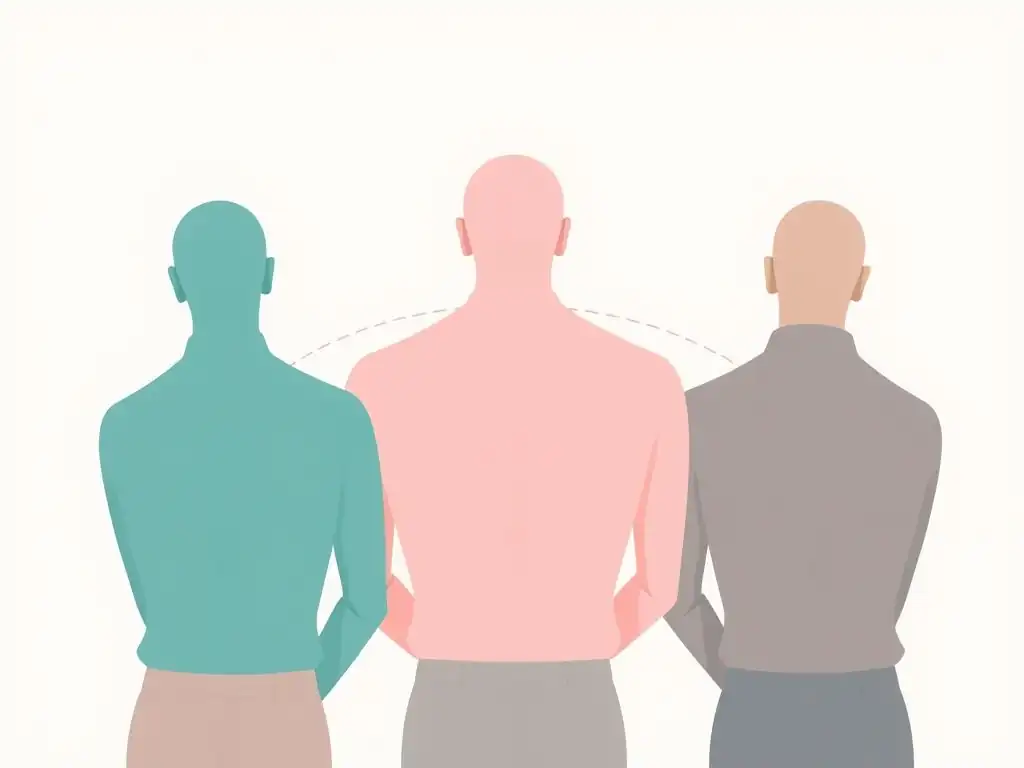
Combining Verbal and Nonverbal Cues for Accurate Assessment
Interpreting body language in online dating, particularly from video chats or even still images, requires a nuanced approach. Relying solely on torso alignment to gauge comfort levels can be misleading. A seemingly relaxed posture might mask underlying anxieties, while a tense posture could simply reflect nervousness in a new situation.
Therefore, it's crucial to combine nonverbal cues like torso alignment with verbal communication. For example, someone might have a slightly slumped posture (indicating potential discomfort) but be engaging in lively, confident conversation. This discrepancy suggests that the initial impression of discomfort might be due to factors unrelated to the date itself, like tiredness or a less-than-ideal environment.
Analyzing inconsistencies between verbal and nonverbal cues is key. Does their enthusiastic tone contrast with a closed-off body posture? Is their laughter genuine, or does it feel forced, paired with a stiff torso? These discrepancies can offer valuable insights into their true feelings and comfort levels.
Remember, the goal isn't to label someone as "safe" or "unsafe" based on a single observation, but to build a holistic understanding of their behavior. Paying close attention to subtle shifts in their posture and tone throughout the conversation can provide a more comprehensive picture. Consistent incongruence between verbal and nonverbal communication warrants closer attention and perhaps a cautious approach.
Developing Your Body Language Awareness for Safer Dating
Improving your ability to read body language is a valuable skill, not just for online dating safety, but for all interpersonal relationships. This involves active observation and practice. Start by paying attention to your own body language. Are you projecting confidence and openness? Understanding your own nonverbal communication can help you better interpret the signals of others.
Consider consciously practicing observation during everyday interactions. Watch how people react in different social settings. Note the subtle shifts in their posture, facial expressions, and gestures. This practice will sharpen your perception and improve your ability to detect incongruence between verbal and nonverbal cues.
Online resources, such as videos and articles focusing on body language interpretation, can further enhance your skills. Remember, becoming proficient in reading body language is an ongoing process that requires consistent effort and self-reflection. The more you practice, the more adept you'll become at recognizing subtle cues that might indicate discomfort or potential safety concerns. This enhanced awareness will empower you to make informed decisions about your online dating interactions and prioritize your safety.
You might even consider keeping a journal to document your observations. Note the context of the interaction, the individual's verbal and nonverbal cues, and your overall impression. This will help you identify patterns and refine your interpretation skills. The goal is to develop a keen awareness of both your own body language and that of others, fostering a safer and more fulfilling online dating experience.
Trusting Your Instincts: Recognizing When Something Feels Off
Even with a thorough understanding of body language, your intuition remains a critical safety net. That gut feeling—that sense that something isn't quite right—is often a valuable indicator, even if you can't pinpoint the exact reason. Trust your instincts; they're often accurate. If a date's body language seems inconsistent with their words, or if you feel uneasy despite seemingly positive indicators, don't dismiss your concerns.
Prioritizing your safety should always be paramount. If a date makes you feel uncomfortable, regardless of their apparent body language, it's perfectly acceptable to end the interaction. Remember, a successful online dating experience prioritizes your well-being. Don't hesitate to end a video call or decline further communication if something feels off.
Your safety and comfort are of utmost importance. The ability to recognize and act upon that feeling is a crucial element of online dating safety. This intuitive awareness, combined with your growing understanding of body language, will empower you to navigate the online dating world with confidence and protect yourself from potential harm. Your well-being is the ultimate priority.
Frequently Asked Questions
How can I tell if someone is uncomfortable during a video call on a dating app?
Observe their torso alignment. A tilted torso or constantly shifting posture might indicate discomfort or disinterest. Pay attention to their overall body language.
What is the significance of "closed-off" body language in online dating?
Closed-off postures, like crossed arms or legs, often signal nervousness, discomfort, or a lack of trust. It doesn't automatically mean rejection, but it's a cue to be aware of.
Yes, look for signs of discomfort or anxiety. Avoidance of eye contact, nervous fidgeting, or reluctance to show their surroundings during video calls could be red flags.
How can I improve my own body language during online dating interactions?
Maintain open and inviting posture. Make eye contact, smile genuinely, and use expressive hand gestures (appropriately). Good posture conveys confidence.
Can body language alone determine if someone is safe to meet in person?
No, body language is just one piece of the puzzle. Always prioritize thorough vetting, including background checks and meeting in public places. Trust your instincts.
Final Reflection: Unveiling Trust Through Posture
Understanding torso alignment is not just about deciphering subtle cues; it's about recognizing potential red flags and fostering safer online dating experiences. The seemingly insignificant tilt of the shoulders or the subtle shift of the torso can reveal volumes about a person's comfort level and genuine intentions, offering a crucial layer of protection in the often-unpredictable world of online dating.
The impact of body language on our perceptions, particularly in the vulnerable space of online interactions, is profound and often underestimated. We are inherently drawn to cues of openness and comfort, and a closed-off posture can be a subconscious warning sign. The body never lies.
This adage rings particularly true in the context of online dating, where visual cues are often our primary means of assessing a potential partner's authenticity. Recognizing these subtle signals empowers us to make more informed decisions about our safety and well-being.
Now, consider your own body language. How do you present yourself online? Are you projecting confidence and openness, or are you inadvertently sending signals of discomfort or apprehension? Take a moment to reflect on your online interactions and consciously cultivate a posture that reflects your true self while prioritizing your safety. By understanding the power of body language, both in interpreting others and in presenting yourself, you can navigate the world of online dating with greater awareness, confidence, and security.
Unlock Your Dating Intuition: Decode Body Language Now!
Thanks for exploring the fascinating world of body language and its impact on dating! You've gained valuable insights into understanding comfort levels through subtle cues like torso posture. Ready to put this knowledge into practice?
- Become a keen observer: Pay close attention to your date's posture during your next encounter. Notice subtle shifts and angles—you'll be amazed at what you discover!
- Share your knowledge: Discuss these insights with friends, sharing your newfound understanding of nonverbal communication. See if they can spot the subtle signs!
- Practice your skills: Try identifying body language cues in everyday interactions—with friends, family, and even strangers. It's a fun way to hone your observational skills and improve your understanding of nonverbal communication.
What exciting discoveries will you make about body language on your next date?