
Swipe Right on SelfCare: How to Protect Your Mental Health While Dating Online


Welcome to OnlineDatingSuccess.org, your guide to navigating the exciting yet sometimes challenging world of online dating. Are you ready to transform your online dating experience? We understand the emotional rollercoaster, and that's why we're dedicated to helping you build meaningful connections while prioritizing your well-being. Discover essential strategies and practical advice, starting with our insightful article on Online Dating Mental Health Tips, where you'll learn how to safeguard your mental health amidst the swiping and messaging. Ready to swipe right on self-care? Let's begin!
- Understanding the Emotional Rollercoaster of Online Dating
- Online Dating Mental Health Tips: Protecting Your Wellbeing
- Strategies for Healthy Online Dating Habits
- When to Seek Professional Help for Online Dating-Related Stress
- Finding Therapists Specializing in Online Dating Challenges
- Utilizing Online Resources for Mental Health Support
- Maintaining a Healthy Mindset While Navigating Online Dating
- Long-Term Strategies for Online Dating Success and Wellbeing
-
Frequently Asked Questions
- How can online dating impact my mental health?
- What are some signs my mental health is suffering due to online dating?
- How can I protect myself from negativity on dating apps?
- What are some healthy strategies for managing online dating stress?
- Where can I find additional support for mental health concerns related to online dating?
- Final Reflection: Cultivating Digital Wellness in the Age of Dating
- Unleash Your Dating Confidence: Prioritize Your Well-being
Understanding the Emotional Rollercoaster of Online Dating
Online dating, while offering exciting possibilities for connection and romance, can also be an emotional rollercoaster. The constant swiping, messaging, and potential for rejection can significantly impact mental wellbeing. This article explores practical strategies to protect your mental health while navigating the world of online dating, focusing on building resilience, managing expectations, and prioritizing self-care. We'll delve into recognizing signs of burnout, setting realistic goals, and cultivating a healthy approach to online interactions to ensure your online dating journey contributes positively to your overall mental health and well-being.
This is crucial because the pursuit of love shouldn't come at the cost of your emotional stability. Learning to navigate the emotional landscape of online dating is key to a successful and fulfilling experience. We'll arm you with the knowledge and tools to make online dating a positive and empowering experience, rather than a source of stress and anxiety.
Online dating presents a unique blend of exhilarating highs and disappointing lows. The initial excitement of matching with someone interesting, engaging in stimulating conversations, and the anticipation of a potential date can be incredibly uplifting. However, this is often intertwined with the potential for rejection, ghosting, or encountering individuals who aren't a good match. This constant fluctuation between hope and disappointment can leave you feeling emotionally drained.
It's important to acknowledge these emotional shifts as a normal part of the process and to develop coping mechanisms to handle both the positive and negative experiences. For example, celebrating small victories, like a meaningful conversation, can boost your morale, while practicing self-compassion after a rejection can prevent feelings of self-doubt from spiralling. Remember, not every connection will lead to a relationship, and that's okay.
Recognizing Signs of Dating App Fatigue and Burnout
Dating app fatigue is a real phenomenon, characterized by feelings of exhaustion, frustration, and discouragement stemming from prolonged use of online dating platforms. Signs can include decreased motivation to engage with profiles, a sense of hopelessness about finding a compatible partner, irritability, increased cynicism about online dating, and even avoiding social interactions altogether. This burnout can manifest physically as well, with symptoms such as sleep disturbances, changes in appetite, and decreased energy levels.
If you are experiencing several of these symptoms, it's crucial to take a break from online dating. Consider limiting your daily app usage, deleting the apps entirely for a period of time, focusing on self-care activities, and re-evaluating your approach to online dating before returning. Prioritizing your mental and physical wellbeing is paramount.
Setting Realistic Expectations: Avoiding Disappointment in Online Dating
One of the biggest contributors to negative mental health outcomes in online dating is unrealistic expectations. The curated nature of online profiles, coupled with the idealized portrayals often presented, can lead to disappointment when reality doesn't match the perceived image. It's crucial to remember that online profiles are snapshots, not complete representations of a person. Furthermore, the sheer volume of potential matches can create an illusion of endless possibilities, leading to dissatisfaction with any individual connection.
Setting realistic expectations, focusing on genuine connection rather than superficial attributes, and accepting that finding a compatible partner takes time and effort are crucial steps in protecting your mental health. Remember to appreciate the process of getting to know yourself better and enjoying the journey, rather than solely focusing on the end goal of finding a partner. This proactive approach will significantly reduce the likelihood of disappointment and enhance your overall experience.
Online Dating Mental Health Tips: Protecting Your Wellbeing
This section focuses on practical strategies to safeguard your mental health while navigating the often-challenging world of online dating. Remember, prioritizing your well-being is crucial for a positive and fulfilling experience. The emotional rollercoaster of online dating can be intense, so proactive self-care is not a luxury, but a necessity. We'll explore techniques to build resilience, manage expectations, and maintain healthy boundaries. These online dating mental health tips are designed to help you thrive, not just survive, the online dating landscape.
Prioritizing Self-Care During the Dating Process
Online dating, while offering exciting possibilities, can be surprisingly draining. The constant swiping, messaging, and managing expectations can lead to burnout. Therefore, integrating self-care practices into your online dating routine is paramount. This isn't about pampering; it's about proactively protecting your mental and emotional energy.
Consider these strategies:
- Scheduled Digital Detox: Designate specific times each day or week to disconnect entirely from dating apps and social media. This allows you to recharge and refocus on activities that nourish your soul, such as reading, spending time in nature, or pursuing hobbies. Even 30 minutes a day can make a significant difference.
- Mindful Engagement: Instead of passively swiping through profiles, approach online dating with intention. Focus on connecting with individuals who genuinely resonate with you, rather than getting caught up in the numbers game. This reduces the likelihood of feeling overwhelmed and discouraged.
- Realistic Expectations: Online dating is a process, not a race. Avoid comparing yourself to others or setting unrealistic expectations about finding "the one" immediately. Celebrate small victories and focus on building genuine connections, rather than solely on finding a partner.
- Healthy Lifestyle: Maintaining a healthy lifestyle is crucial for mental well-being. Prioritize sleep, exercise, and a balanced diet. These foundational elements contribute significantly to your emotional resilience and ability to navigate the ups and downs of online dating.
Building Resilience Against Rejection in Online Dating
Rejection is an inevitable part of online dating. Learning to cope with it healthily is essential for maintaining a positive mindset. It's crucial to remember that rejection doesn't reflect your worth; it simply means that a particular person wasn't the right match.
Here are some tips to help you build resilience:
- Self-Compassion: Treat yourself with the same kindness and understanding you would offer a friend facing rejection. Avoid self-criticism and focus on self-acceptance.
- Reframing Rejection: View rejection as an opportunity for growth and learning. Analyze what you've learned from each interaction and use that knowledge to improve your profile, communication, and dating strategy.
- Focus on Your Strengths: Remind yourself of your positive qualities and accomplishments. Rejection in online dating doesn't diminish your value or potential for finding a fulfilling relationship.
- Seek Support: Lean on your support system—friends, family, or a therapist—to process your feelings and gain perspective. Talking about your experiences can help you to manage negative emotions.
Maintaining Boundaries to Protect Your Mental Health
Setting and maintaining healthy boundaries is critical for protecting your mental health in online dating. This involves defining your limits and communicating them clearly to others.
Consider these boundary-setting strategies:
- Time Limits: Set limits on the amount of time you spend on dating apps each day. This prevents you from becoming overly consumed by the process and neglecting other aspects of your life.
- Communication Boundaries: Establish clear guidelines for how you prefer to communicate with potential matches. For example, you might prefer to limit communication to the app initially, or you might set a time limit for messaging before moving to a phone call or in-person meeting.
- Personal Information: Be cautious about sharing personal information online. Protect your privacy and avoid disclosing sensitive details until you have built trust with a potential partner. This is crucial for personal safety and mental well-being.
- Respecting Your Needs: Prioritize your own needs and feelings. Don't feel pressured to respond to messages immediately or to engage in activities that make you uncomfortable. Your well-being should always come first.
Remember, navigating online dating successfully is a marathon, not a sprint. By prioritizing self-care, building resilience, and establishing clear boundaries, you can significantly improve your overall experience and protect your mental health. These online dating mental health tips are designed to equip you with the tools you need to thrive in this exciting yet sometimes challenging environment.
Recognizing and Addressing Dating App Addiction
Online dating, while offering exciting possibilities of connection, can unfortunately become addictive for some. The constant stream of notifications, the pursuit of validation through matches and messages, and the dopamine rush of a new connection can create a cycle that's difficult to break. Recognizing the signs of dating app addiction is the crucial first step towards reclaiming your mental wellbeing. Are you spending excessive amounts of time on dating apps, neglecting other important aspects of your life?
Do you feel anxious or irritable when you're not actively using them? Do you find yourself prioritizing app usage over real-life interactions and commitments? These are all potential indicators.
The feeling of needing to constantly check for new messages or matches, even when you know you shouldn't, is another significant red flag. It's important to differentiate between casually using a dating app and letting it consume your life. Casual use allows for balance and integration into a fulfilling life, while addiction leads to neglect of responsibilities and a decline in mental health.
Dating app addiction often mirrors other forms of behavioral addiction, sharing similar underlying mechanisms. The constant feedback loop, the anticipation of reward, and the potential for immediate gratification all contribute to the addictive nature of these platforms. This can lead to feelings of emptiness and dissatisfaction even after achieving success on the app, such as finding a date or a partner. The cycle of searching, matching, messaging, and potentially dating can become a substitute for genuine connection and self-fulfillment, leaving individuals feeling unfulfilled and constantly chasing the next “high.” This can significantly impact self-esteem and create a negative self-image, particularly if the user experiences repeated rejection or feels pressure to maintain an idealized online persona. The constant comparison to others presented on these platforms further exacerbates these feelings. It is crucial to understand that this is a serious issue, and seeking professional help is a sign of strength, not weakness.
Addressing dating app addiction requires a multifaceted approach. First, it’s vital to acknowledge the problem and commit to making changes. This often involves setting clear boundaries and limits on app usage. Try establishing specific time slots for using the app and sticking to them rigorously. Delete the app from your phone, or at least disable push notifications, to reduce the temptation to constantly check for updates.
This mindful approach to usage can help to break the cycle of compulsive checking and alleviate anxiety. Finding alternative, healthier ways to spend your time is equally important. Engage in activities you enjoy, such as hobbies, sports, or spending time with loved ones. These activities will help you to prioritize your wellbeing and build a more balanced life. Consider seeking support from friends, family, or a therapist.
Talking about your struggles can provide valuable perspective and emotional support, and a therapist can offer tailored strategies for managing addiction. Remember, recovering from dating app addiction is a journey, not a sprint, and setbacks are a normal part of the process. Be patient with yourself and celebrate your progress along the way. 🎉
Strategies for Healthy Online Dating Habits
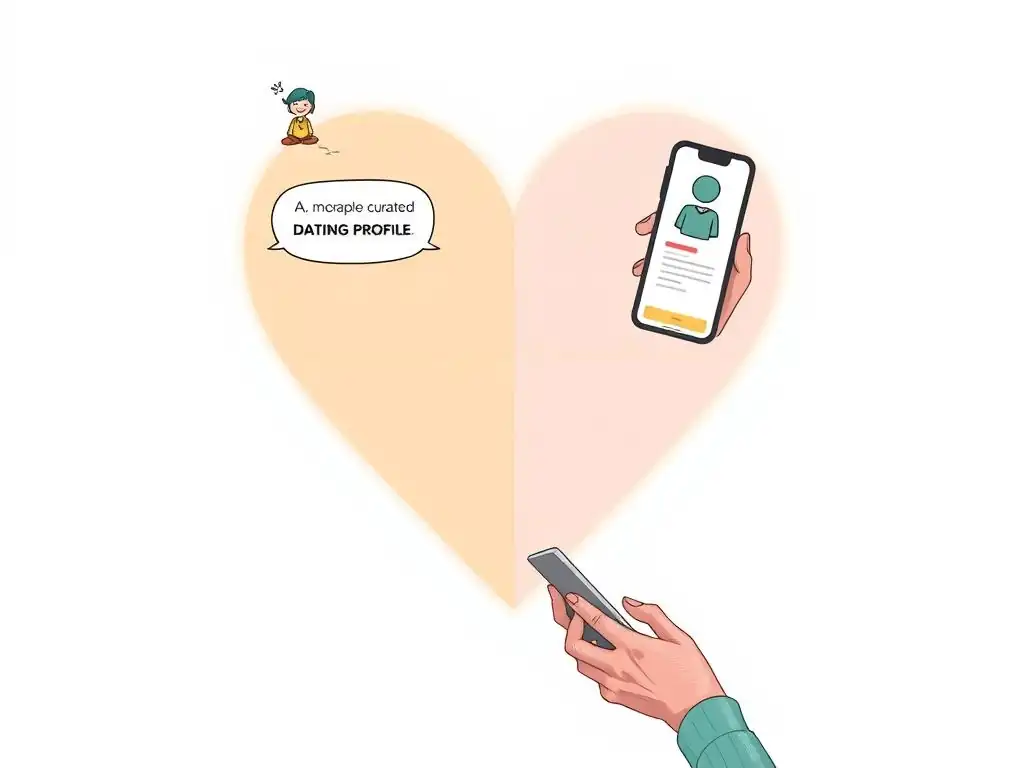
This section focuses on proactive steps you can take to cultivate a positive and mentally healthy approach to online dating. Remember, your mental wellbeing is paramount, and these strategies are designed to help you prioritize it. The goal isn't to eliminate the challenges of online dating, but to equip you with the tools to navigate them effectively and minimize negative impacts on your mental health.
Curating a Positive Online Dating Experience
Creating a positive online dating experience begins with mindful profile creation and realistic expectations. Avoid focusing solely on superficial aspects; instead, highlight your authentic self and values. A genuine profile attracts compatible individuals who appreciate you for who you are. Remember that your profile is a snapshot, not a comprehensive biography. Focus on key personality traits and interests that genuinely reflect you.
Avoid using overly filtered photos or presenting an unrealistic image of yourself. Authenticity is key to building genuine connections. Consider asking a trusted friend for feedback on your profile to ensure it accurately represents you and is engaging to potential matches. This process helps filter out unrealistic expectations and ensures that your profile attracts individuals who appreciate your genuine personality.
Furthermore, remember that not every interaction will lead to a match, and that's okay! Focus on the positive interactions and learn from the experiences that don't quite work out. Rejection is a part of the process, and it does not reflect your worth. By maintaining a positive attitude and prioritizing self-respect, you can foster a healthier online dating journey.
Time Management and Online Dating: Avoiding Overuse
Online dating can be addictive; the constant notifications and potential for interaction can consume significant time and mental energy. It’s crucial to establish healthy boundaries and manage your time effectively. Set specific time limits for online dating each day. For example, dedicate only one hour in the evening to checking messages and browsing profiles.
Stick to your schedule religiously; avoid impulsive late-night scrolling sessions. Remember, your well-being extends beyond the digital realm. Prioritize other activities that nurture your mental and physical health, such as exercise, hobbies, spending time with loved ones, or pursuing personal interests. These activities provide a balanced perspective and prevent online dating from dominating your life.
Consider using app timers or website blockers to enforce your time limits. These tools can be incredibly helpful in managing your online dating usage and preventing excessive engagement. Remember, balance is key to a healthy lifestyle, and online dating should complement, not replace, other important aspects of your life.
Building a Supportive Network: Sharing Experiences and Seeking Help
Sharing your online dating experiences with a supportive network of friends or family can significantly impact your mental health. Talking about your successes and frustrations can help you process your emotions and maintain perspective. A supportive network can offer encouragement, practical advice, and a safe space to vent frustrations.
If you find yourself struggling with the emotional toll of online dating, don't hesitate to seek professional help. A therapist or counselor can provide guidance and coping mechanisms to manage stress and anxiety related to online dating. Remember, seeking help is a sign of strength, not weakness.
There are many resources available to support you, and prioritizing your mental wellbeing is essential. Consider joining a support group specifically for individuals navigating online dating; sharing experiences with others facing similar challenges can foster a sense of community and reduce feelings of isolation. Remember, you are not alone in this journey, and seeking support is a valuable step towards a healthier and more fulfilling experience.
Utilizing Apps Mindfully: A Balanced Approach to Online Dating
Mindful usage of dating apps is crucial for protecting your mental well-being. It's easy to get caught in a cycle of endless swiping, leading to feelings of inadequacy or frustration. Instead of letting the app control your time and emotions, take a proactive approach. Set realistic goals for your app usage. For example, dedicate only 30 minutes to swiping each day, or limit yourself to a specific number of profiles reviewed. This prevents the app from becoming an all-consuming activity. Remember that the purpose of these apps is to facilitate connections, not to define your self-worth.
Furthermore, consider scheduling specific times for app usage. This approach helps to avoid aimless scrolling throughout the day, which can negatively impact your mood and productivity. Integrate app usage into your existing routine, perhaps after completing a task or during a designated break. This conscious scheduling can transform a potentially addictive behavior into a manageable part of your daily life. Don't let the app dictate your schedule; instead, integrate it into your pre-existing structure.
Prioritize real-life activities and connections. Online dating should complement, not replace, your offline social life. Make time for hobbies, friendships, and family. A balanced life reduces dependence on validation from online interactions. Engage in activities that bring you joy and fulfillment, thereby reducing the likelihood of relying on dating apps as a primary source of happiness or self-esteem. Remember that a fulfilling life extends far beyond the confines of a dating app. A strong support system of friends and family is invaluable in navigating the sometimes-challenging world of online dating.
Remember to take breaks. If you find yourself feeling overwhelmed, frustrated, or down after using a dating app, take a break. Step away from your phone, engage in a relaxing activity, and reconnect with yourself. This prevents burnout and allows you to approach online dating with a fresh perspective. Regular breaks are essential for maintaining a healthy balance and preventing negative mental health impacts. Consider using a timer to remind yourself to take breaks, ensuring you don't spend excessive amounts of time on the app without consciously deciding to do so. Your mental health is paramount.
Online dating, while offering exciting possibilities, can also significantly impact mental wellbeing. The constant swiping, the pressure to present a perfect image, the anxieties of rejection, and the potential for negative interactions can lead to considerable stress. Knowing when to seek professional help is crucial for protecting your mental health. This isn't about weakness; it's about proactively managing your well-being in a challenging environment. Many people benefit from professional guidance to navigate the emotional rollercoaster of online dating.
Recognizing the Need for Professional Support
Several signs indicate you might benefit from professional support for online dating-related stress. These aren't necessarily isolated incidents but rather patterns of behavior or feeling. Consider seeking help if you experience:
- Persistent negative emotions: Feeling consistently down, anxious, or depressed for extended periods, directly linked to your online dating experiences. This isn't about occasional bad dates; it's about a pervasive sense of negativity impacting your daily life.
- Significant impact on daily life: Is your online dating activity interfering with your work, sleep, social life, or other essential aspects of your well-being? If your online dating is consuming excessive time and energy, detracting from other important areas of your life, it’s a strong indicator that professional help could be beneficial.
- Obsessive behavior: Do you find yourself constantly checking dating apps, endlessly analyzing messages, or ruminating over interactions? This obsessive behavior can be a sign of underlying anxiety or even a developing compulsion.
- Changes in self-esteem: Are you experiencing a noticeable decline in self-worth or confidence due to repeated rejection or negative experiences on dating apps? A healthy self-image is crucial, and professional help can assist in rebuilding it.
- Self-harm tendencies: If you are experiencing thoughts of self-harm or engaging in self-harming behaviors in response to online dating struggles, it is absolutely crucial to seek immediate professional help. This is a serious matter requiring urgent attention.
Finding Therapists Specializing in Online Dating Challenges
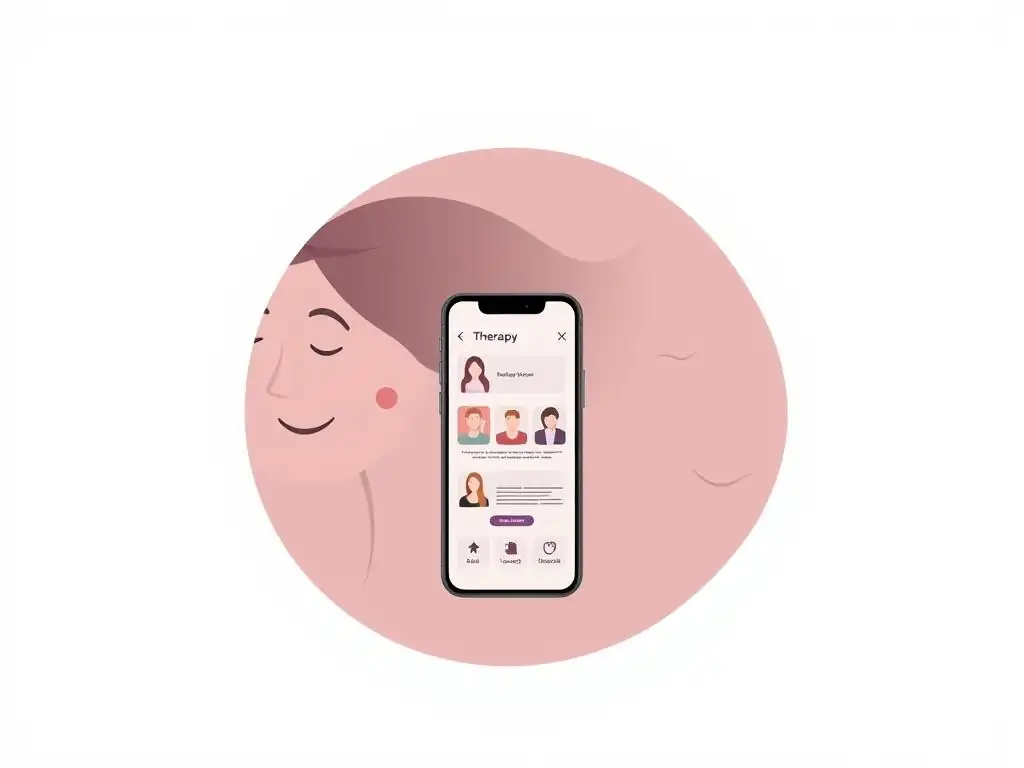
Finding a therapist specializing in online dating challenges can significantly improve your experience. Not all therapists have the same level of expertise in this specific area. While many therapists can address general anxiety and relationship issues, some have dedicated their practice to understanding the unique pressures of the online dating world.
Finding Therapists Specializing in Online Dating Challenges
Locating a specialist requires proactive searching. Consider these approaches:
- Online directories: Many online directories allow you to filter therapists by specialization. Search for terms like "relationship therapist," "dating coach," or "online dating anxiety" to find professionals with relevant experience. Look for therapists who explicitly mention experience with online dating challenges in their profiles.
- Referrals: Ask your primary care physician, friends, or family members for referrals to therapists specializing in relationship issues. Word-of-mouth recommendations can be invaluable.
- Professional organizations: Contact professional organizations for therapists or counselors in your area. They often have referral services that can connect you with qualified practitioners.
- Consider online therapy: Online therapy offers convenience and accessibility. Many platforms allow you to search for therapists specializing in specific areas, including relationship and dating issues.
Remember to schedule an initial consultation to discuss your needs and ensure a good therapeutic fit. The right therapist will create a safe and supportive space for you to explore your experiences and develop coping mechanisms.
Utilizing Online Resources for Mental Health Support
While professional help is invaluable, various online resources offer support and guidance for managing online dating-related stress. These resources can supplement professional therapy or provide initial support before seeking professional help.
Utilizing Online Resources for Mental Health Support
Several online resources can be extremely helpful:
- Mental health apps: Many apps offer guided meditations, cognitive behavioral therapy (CBT) techniques, and self-help tools to manage anxiety and stress. These apps can provide readily available support and practical strategies for coping with the challenges of online dating.
- Support groups: Online support groups provide a safe space to connect with others facing similar challenges. Sharing experiences and learning from others can be incredibly helpful in reducing feelings of isolation and shame. Look for groups specifically focused on online dating or relationship anxieties.
- Informational websites and blogs: Numerous websites and blogs offer valuable advice and information on navigating online dating responsibly and protecting your mental health. These resources can provide strategies for setting boundaries, managing expectations, and building resilience.
- Helplines and crisis lines: If you're experiencing a mental health crisis, don't hesitate to contact a helpline or crisis line. These services offer immediate support and can help you connect with professional help if needed.
Remember, prioritizing your mental health is essential, especially when navigating the complexities of online dating. Utilizing a combination of professional support and readily available online resources can significantly improve your overall well-being and enhance your online dating experience. Don't hesitate to seek help—it's a sign of strength, not weakness.
Online dating, while offering exciting possibilities for connection, can also present unique challenges to mental wellbeing. The constant swiping, the potential for rejection, and the pressure to present a perfect online persona can take a toll. This section focuses on practical strategies to maintain a positive and resilient mindset throughout your online dating journey.
Remember, your mental health is paramount, and prioritizing self-care is not selfish; it's essential for a fulfilling experience, both online and offline. We'll explore techniques to cultivate self-compassion, celebrate progress, and focus on personal growth – all crucial components of navigating the online dating world successfully and healthily. This is about building resilience and finding joy in the process, regardless of the outcome of individual interactions.
Focusing on Self-Improvement and Personal Growth
Online dating provides a fantastic opportunity for self-reflection and personal growth. Instead of solely focusing on finding a partner, consider how the process can enhance your life. Each profile you create, each message you send, each date you go on – these are all chances to learn more about yourself and what you truly desire in a relationship.
Think about it this way: Every rejection isn't a failure; it's feedback. Analyze what might have contributed to the lack of connection. Did your profile accurately reflect your personality? Was your communication style effective? Were your expectations realistic? Use these experiences as stepping stones to refine your approach and become a more confident and self-assured individual.
Consider incorporating self-improvement activities outside of the dating apps. Engage in hobbies you enjoy, pursue personal goals, and nurture existing relationships. A well-rounded life outside of online dating will make you a more attractive and emotionally stable partner, and significantly improve your overall mental wellbeing. This proactive approach to self-improvement will not only benefit your online dating experience but also enrich your life in countless ways. Remember, the goal is not just to find a partner, but to become the best version of yourself.
Cultivating Self-Compassion and Self-Acceptance
The online dating world can be incredibly competitive and at times, disheartening. Rejection is inevitable, and it's crucial to respond with self-compassion rather than self-criticism. Remember that everyone experiences rejection; it's a normal part of life, and certainly a part of online dating.
Practice self-acceptance by focusing on your strengths and positive qualities. Create a list of things you appreciate about yourself – your sense of humor, your kindness, your intelligence, your passions. Refer to this list when feeling down or discouraged. Remind yourself of your worth, regardless of the successes or setbacks you experience in your online dating journey. This is vital for maintaining a healthy mental state.
Avoid comparing yourself to others. Social media often presents a curated and unrealistic view of people's lives. Focus on your own journey and celebrate your unique qualities. Remember, you are worthy of love and happiness, and your self-worth is not determined by your success or failure in online dating. Embrace your imperfections; they make you unique and relatable.
Celebrating Small Victories and Recognizing Progress
Online dating can feel like a marathon, not a sprint. Instead of focusing solely on the ultimate goal of finding a partner, celebrate the small victories along the way. Did you finally write a profile that you feel truly represents you? Did you have a genuinely enjoyable conversation with someone new? Did you muster the courage to initiate contact with someone who intrigued you? These are all significant achievements that deserve acknowledgement.
Keep a journal to track your progress and celebrate your successes, no matter how small. This helps you to maintain perspective and recognize how far you've come. Acknowledge your efforts and resilience, even if you haven't yet found "the one." The journey itself is a testament to your courage and determination. This positive reinforcement will boost your confidence and motivate you to continue moving forward. Remember, progress, not perfection, is the key to a successful and fulfilling online dating experience. 🎉
Embracing the Journey: Finding Fulfillment Beyond Online Dating
Online dating, while offering exciting possibilities, can also be a rollercoaster of emotions. Rejection, disappointment, and the pressure to present a perfect online persona can take a toll on your mental wellbeing. It's crucial to remember that your self-worth isn't determined by the number of matches or messages you receive. A healthy approach involves cultivating a sense of fulfillment that extends beyond the digital realm. This means focusing on activities and relationships that bring you joy and satisfaction outside of the dating app.
Prioritize self-care activities that nourish your mind, body, and soul. This could involve anything from engaging in a favorite hobby – painting, hiking, playing a musical instrument – to spending quality time with loved ones, pursuing personal growth through reading or learning new skills, or simply relaxing with a good book and a cup of tea. Remember that a balanced life is a happy life, and online dating should complement, not define, your overall well-being.
For instance, consider someone who dedicates significant time to online dating, neglecting their friendships and hobbies. They might experience a surge of excitement with each match, but this excitement is short-lived and often replaced by disappointment when things don't progress. In contrast, someone who maintains a fulfilling life outside of online dating experiences these highs and lows with more perspective. They understand that their happiness doesn't depend solely on finding a romantic partner online. Their sense of self-worth is rooted in their accomplishments, relationships, and personal interests, making the online dating experience less stressful and more enjoyable.
Moreover, actively seek out social connections outside of the dating app context. Join clubs or groups related to your interests, volunteer your time to a cause you care about, or reconnect with old friends. These connections provide a sense of belonging and support, buffering against the potential disappointments of online dating. Building strong friendships and family relationships provides a solid foundation for emotional resilience, helping you navigate the ups and downs of online dating with greater ease and emotional stability.
Remember, a rich and fulfilling life is not solely dependent on romantic relationships. The journey of self-discovery and personal growth is just as important, if not more so. Embrace it fully!
Long-Term Strategies for Online Dating Success and Wellbeing
This section focuses on cultivating sustainable practices to safeguard your mental health while navigating the online dating world. It's crucial to remember that online dating is a marathon, not a sprint. Building meaningful connections takes time, patience, and self-compassion. Focusing solely on immediate gratification can lead to disappointment and negatively impact your mental wellbeing. Instead, let's explore strategies for long-term success and emotional resilience.
Maintaining Healthy Relationship Expectations
Many online daters fall into the trap of unrealistic expectations, fueled by idealized portrayals of relationships in media. This can lead to disappointment and frustration when reality doesn't match the fantasy. It's vital to cultivate realistic expectations about the online dating process. Understand that not every connection will blossom into a long-term relationship. Many interactions will be brief, and that's perfectly okay.
It's important to approach each interaction with an open mind but also with a healthy dose of skepticism. Don't project your ideal partner onto someone you've only exchanged a few messages with. Focus on getting to know the individual authentically, appreciating their unique qualities and flaws. Remember, connection takes time. Avoid rushing into serious commitments before establishing a solid foundation of trust and mutual understanding.
Consider journaling your dating experiences. This can help you identify patterns, process your emotions, and track your progress. Reflecting on both positive and negative encounters provides valuable insights into your dating style and helps you refine your approach. This self-awareness is a cornerstone of online dating mental health.
Building Healthy Communication Skills Online and Offline
Effective communication is paramount in any relationship, but it's especially crucial in the context of online dating, where nuances can easily be lost in translation. Misunderstandings can easily arise from text-based communication, so it's essential to develop clear and assertive communication skills. Practice expressing your needs and boundaries directly, without resorting to passive-aggressive behavior.
Learn to recognize and manage emotional triggers. Online dating can be emotionally charged, and it's important to be aware of your own emotional responses. If you find yourself feeling overwhelmed or triggered by a particular interaction, take a break. Step away from the app, practice self-care, and return when you feel more centered and capable of communicating constructively.
Example Scenarios & Solutions
Scenario 1: You've been messaging someone for a week, and they haven't suggested meeting in person. You feel frustrated and ignored.
Solution: Instead of passively waiting, directly express your interest in meeting. "I've enjoyed getting to know you, and I'd love to meet up for coffee sometime this week. Are you free?"
Scenario 2: Someone is being overly critical or disrespectful in their messages.
Solution: Don't tolerate this behavior. Set a clear boundary. "I appreciate your honesty, but I'm not comfortable with this tone. I'm going to unmatch you."
Prioritizing Authentic Connections Over Quantity
In the world of dating apps, it's easy to get caught up in the numbers game – the number of matches, messages, and dates. However, prioritizing the quality of your interactions over quantity is crucial for your mental wellbeing. Focusing solely on accumulating matches can lead to feelings of inadequacy and disappointment. Instead, concentrate on building genuine connections with individuals who align with your values and interests.
Remember, online dating is a tool, not a guarantee. It's a means to an end, not the end itself. The goal isn't to accumulate matches but to find meaningful connections. Be patient, be selective, and prioritize your emotional wellbeing throughout the process.
If you find yourself feeling overwhelmed or discouraged, take a break from online dating. Focus on self-care and nurturing your existing relationships. Your mental health is paramount, and prioritizing it will ultimately lead to more fulfilling and sustainable relationships. Remember to practice self-compassion; online dating can be challenging, and it's okay to take breaks and prioritize your mental health.
Integrating Offline Activities to Balance Online Dating
Online dating, while potentially rewarding, can be intensely time-consuming and emotionally taxing. Constantly checking for messages, crafting the perfect response, and navigating the complexities of virtual interactions can lead to burnout and negatively impact your mental health. Therefore, it's crucial to integrate offline activities into your routine to maintain a healthy balance. This isn't about abandoning online dating entirely; instead, it's about creating a life rich with experiences and connections outside of the digital realm. This approach fosters a sense of self-worth independent of online validation and allows you to approach online dating with a clearer perspective.
One effective strategy is to schedule dedicated "offline" time. This could involve setting aside specific days or evenings each week for activities unrelated to online dating. Perhaps you dedicate Tuesdays to pursuing a hobby like painting, Thursdays to meeting friends for dinner, or weekends to exploring your city. The key is consistency; scheduling these activities ensures that they become a regular part of your routine, preventing online dating from consuming your entire life. This deliberate scheduling acts as a safeguard against the addictive nature of constant app checking and the often-frustrating cycle of swiping and messaging.
Furthermore, consider engaging in activities that promote self-care and personal growth. This could involve anything from practicing mindfulness and meditation to joining a book club or taking a fitness class. These activities not only provide a much-needed break from the intensity of online dating but also contribute to your overall well-being. They allow you to focus on self-improvement and personal fulfillment, building confidence and resilience, qualities that are invaluable in navigating the challenges of online dating and forming healthy relationships. Remember, a strong sense of self is the cornerstone of healthy relationships, both online and offline.
Engaging in offline activities also helps you to cultivate a richer and more fulfilling life, making you a more interesting and well-rounded individual. This, in turn, translates to a more authentic and engaging online dating profile. Instead of relying solely on curated photos and superficial descriptions, you can showcase your passions and interests through genuine experiences, fostering more meaningful connections with potential partners.
Think about it: sharing your enthusiasm for hiking a challenging trail or discussing the latest book you read will spark conversations far more engaging than simply listing hobbies on your profile. The offline experiences enrich your online presence, leading to more substantial and fulfilling interactions.
The benefits extend beyond personal fulfillment. Offline activities provide opportunities for spontaneous social interactions and genuine connections. You might meet someone new through a shared hobby or activity, leading to a relationship that evolved organically, outside the often-artificial environment of dating apps. These unexpected encounters can be incredibly rewarding, reminding you that connections can happen in various ways, not solely through meticulously crafted online profiles. Maintaining a balanced life, rich with offline experiences, enhances your overall happiness and increases your resilience to the inevitable ups and downs of online dating.
Frequently Asked Questions
How can online dating impact my mental health?
Online dating can affect mental health both positively and negatively. While it offers opportunities to meet people, it can also lead to rejection, comparison, and low self-esteem if not approached with a healthy mindset. Managing expectations is key.
What are some signs my mental health is suffering due to online dating?
Signs include increased anxiety, feeling down or depressed after using dating apps, constantly comparing yourself to others, neglecting other aspects of your life, or experiencing obsessive checking of dating apps. Seek professional help if these feelings persist.
How can I protect myself from negativity on dating apps?
Limit your time spent on dating apps, focus on positive self-talk, and remember that rejection is a normal part of dating. Don't take negative interactions personally and prioritize your well-being over finding a partner immediately. Set boundaries and don't engage with disrespectful users.
What are some healthy strategies for managing online dating stress?
Practice self-care through activities you enjoy (exercise, hobbies, spending time with loved ones). Maintain a balanced lifestyle, get enough sleep, and eat nutritious food. Consider mindfulness and meditation techniques to manage anxiety.
Reach out to friends, family, or a therapist. Many online resources offer support and advice on mental health. Remember you're not alone, and seeking help is a sign of strength, not weakness. Consider exploring resources specifically focused on online dating and mental wellness.
Final Reflection: Cultivating Digital Wellness in the Age of Dating
The ease of connection offered by online dating platforms often masks a complex reality: navigating the emotional landscape of modern romance can significantly impact our mental well-being. The pressure to present a perfect online persona, the potential for rejection, and the sheer volume of interactions can take a toll. Ignoring this reality is a disservice to ourselves and our pursuit of healthy relationships.
The impact of online dating on mental health is a pervasive and often overlooked aspect of our increasingly digital lives. It's not simply about finding a partner; it's about how we engage with the process, how we manage our expectations, and how we prioritize self-care amidst the whirlwind of notifications and potential matches. The greatest discovery of all time is that a person can change his future by merely changing his attitude.
- Oprah Winfrey. This quote rings true in the context of online dating; by changing our approach and prioritizing our mental health, we can significantly alter our experience and increase our chances of finding genuine connection.
Now, consider your own online dating journey. How have you prioritized your mental well-being amidst the challenges and excitement? What strategies have worked best for you? I encourage you to actively cultivate a mindful approach to online dating, setting boundaries, practicing self-compassion, and remembering that your worth is not determined by the number of matches or messages you receive. Embrace the journey, prioritize your mental health, and remember that genuine connection begins with self-love and self-respect.
Unleash Your Dating Confidence: Prioritize Your Well-being
Thank you for exploring the connection between online dating and mental health! We hope you've gained valuable insights into safeguarding your well-being while navigating the exciting, and sometimes challenging, world of digital romance.
Now, let's put your newfound knowledge into action. Here's how:
- Prioritize self-care this week: Schedule a relaxing activity, whether it's a long bath, a walk in nature, or even just 15 minutes of mindful breathing. Make this a priority—a non-negotiable part of your week.
- Share this article: Discuss mental health and online dating with a friend who might benefit from these tips. You might be surprised how many people appreciate this kind of support.
- Journal your experiences: Reflect on your dating experiences and how you're prioritizing your well-being. Note your emotional responses and identify strategies for managing any challenges.
Ready to cultivate a healthier and happier approach to online dating? What's one small step you can take today to nurture your mental well-being?