
Privacy Awareness: Protecting Yourself from Potential Risks

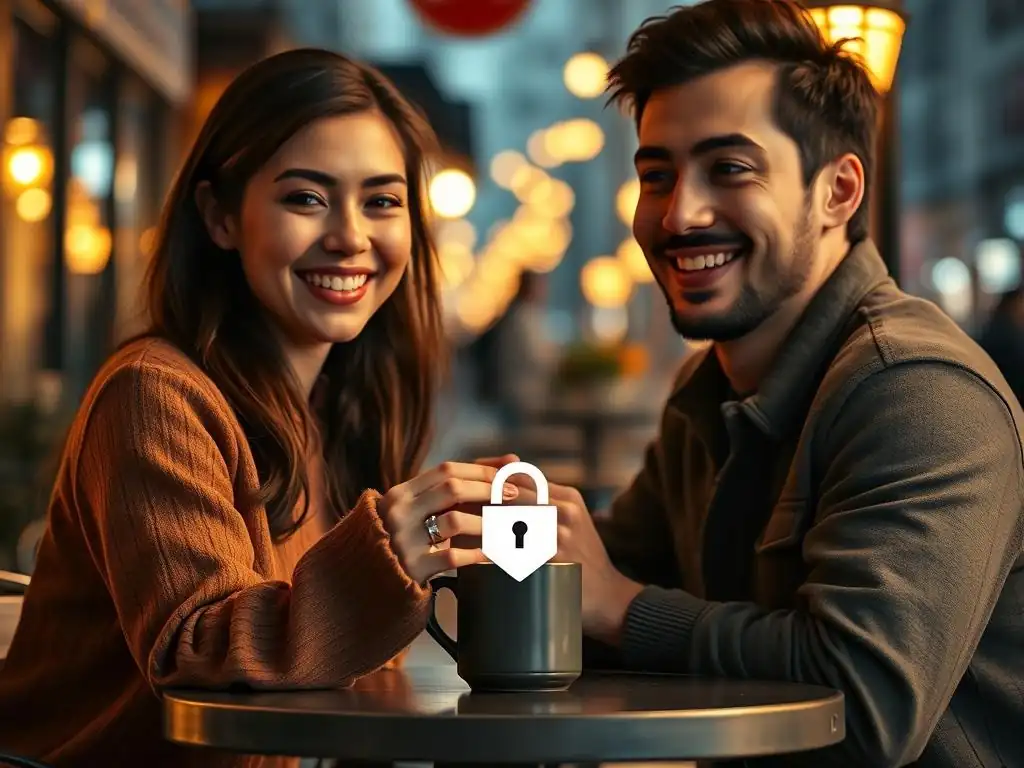
Welcome to OnlineDatingSuccess.org, your guide to navigating the exciting – and sometimes tricky – world of online dating. Are you ready to find meaningful connections but concerned about your safety? Then you've come to the right place. This website is dedicated to helping you build a successful online dating experience.
We'll equip you with the knowledge you need to craft a compelling profile, communicate effectively, and, crucially, stay safe. Dive in and discover essential online dating safety tips – because building a fulfilling relationship starts with prioritizing your well-being. Let's explore Privacy Awareness: Protecting Yourself from Potential Risks and unlock the secrets to a safer and more successful online dating journey.
- Understanding Online Dating Safety Tips: Balancing Honesty and Privacy
- Avoiding Catfishing and Online Dating Scams: Red Flags and Prevention
- Managing Your Online Presence: Protecting Your Privacy Beyond Dating Apps
- Online Dating Safety Tips for Specific Situations
- Building Trust and Maintaining Privacy: A Holistic Approach to Online Dating Safety
-
Frequently Asked Questions
- How can I protect my personal information on online dating sites?
- What are some red flags to watch out for in online dating?
- How can I verify the identity of someone I meet online?
- What steps should I take to ensure safe in-person meetings?
- What should I do if I experience harassment or feel unsafe online?
- Final Reflection: Navigating the Digital Landscape of Love and Privacy
- Unlock Your Digital Fortress: Secure Your Online Dating Journey
Understanding Online Dating Safety Tips: Balancing Honesty and Privacy
Navigating the world of online dating requires a delicate balance: being open and honest to attract potential partners while safeguarding your personal information and privacy. This article delves into crucial online dating safety tips, focusing on practical strategies to protect yourself from potential risks without sacrificing authenticity. We'll explore how to strategically share information, utilize privacy settings effectively, and maintain a healthy sense of caution throughout your online dating journey. The goal is to empower you to build meaningful connections while minimizing vulnerabilities.
Successfully navigating online dating hinges on understanding that honesty and privacy aren't mutually exclusive; rather, they are complementary aspects of a safe and fulfilling experience. This guide provides actionable steps to achieve this balance and foster positive interactions within the online dating landscape. Remember, your safety and well-being are paramount.
Protecting Your Personal Information: Online Dating Safety Best Practices
Protecting your personal information is the cornerstone of online dating safety. Avoid sharing sensitive details like your full address, workplace address, exact location, or full name prematurely. Even seemingly innocuous details can be pieced together by malicious actors to create a complete picture of your life. Instead, consider using a nickname or a variation of your name initially. When sharing photos, avoid images that reveal identifying information such as license plates, house numbers, or specific landmarks.
It's also crucial to be wary of phishing scams. Legitimate dating platforms will never request your banking details, social security number, or password via email or text message. Always be vigilant and report any suspicious activity to the platform immediately. Remember, a little caution can go a long way in ensuring your safety. Consider these additional tips:
- Use a strong, unique password: Avoid reusing passwords across different platforms.
- Enable two-factor authentication: This adds an extra layer of security to your account.
- Regularly review your privacy settings: Dating apps and websites frequently update their settings. Stay informed about the latest privacy features.
- Be mindful of the information you share on your profile: Avoid posting overly personal details that could be used to identify or locate you.
Sharing information strategically is key to building trust and connection while maintaining your privacy. Start by revealing general information about your interests, hobbies, and lifestyle. As you get to know someone better and build trust, you can gradually share more personal details. This approach allows you to gauge their intentions and assess their respect for your boundaries. Avoid rushing into sharing intimate information or highly personal details early in the dating process. Remember to always trust your instincts. If something feels off or makes you uncomfortable, it’s okay to pause or end the conversation. Consider employing these strategies:
- Use video calls: Before meeting in person, consider a video call to verify the person's identity and build rapport.
- Meet in public places: For initial in-person meetings, choose well-lit and populated areas.
- Let someone know your plans: Inform a friend or family member of your date's details, including the time, location, and the person's contact information.
The Importance of Privacy Settings on Dating Apps and Websites
Leveraging the privacy settings on dating apps and websites is paramount for online dating safety. Most platforms offer various levels of customization, allowing you to control who can see your profile, contact you, and access your information. Take the time to explore and understand these settings thoroughly, adjusting them to reflect your comfort level. For example, you can choose to hide your age, location, or other personal details from certain users or even restrict who can message you.
Regularly review and update your privacy settings, as apps and websites sometimes update their features. Remember, you are in control of your online presence and have the right to prioritize your safety and comfort. Actively managing your privacy settings is an ongoing process, not a one-time task. Consider these points:
- Review your profile visibility: Determine who can see your profile and what information is visible.
- Manage your messaging settings: Control who can message you and how you receive messages.
- Check your location settings: Decide whether to share your precise location or keep it hidden.
- Report any suspicious behavior: If you encounter inappropriate or harassing behavior, report it to the platform immediately.
Remember, online dating safety is a continuous process of awareness and vigilance. By implementing these strategies and prioritizing your privacy, you can enjoy the benefits of online dating while minimizing potential risks. Your safety and well-being are always the top priority.
Avoiding Catfishing and Online Dating Scams: Red Flags and Prevention
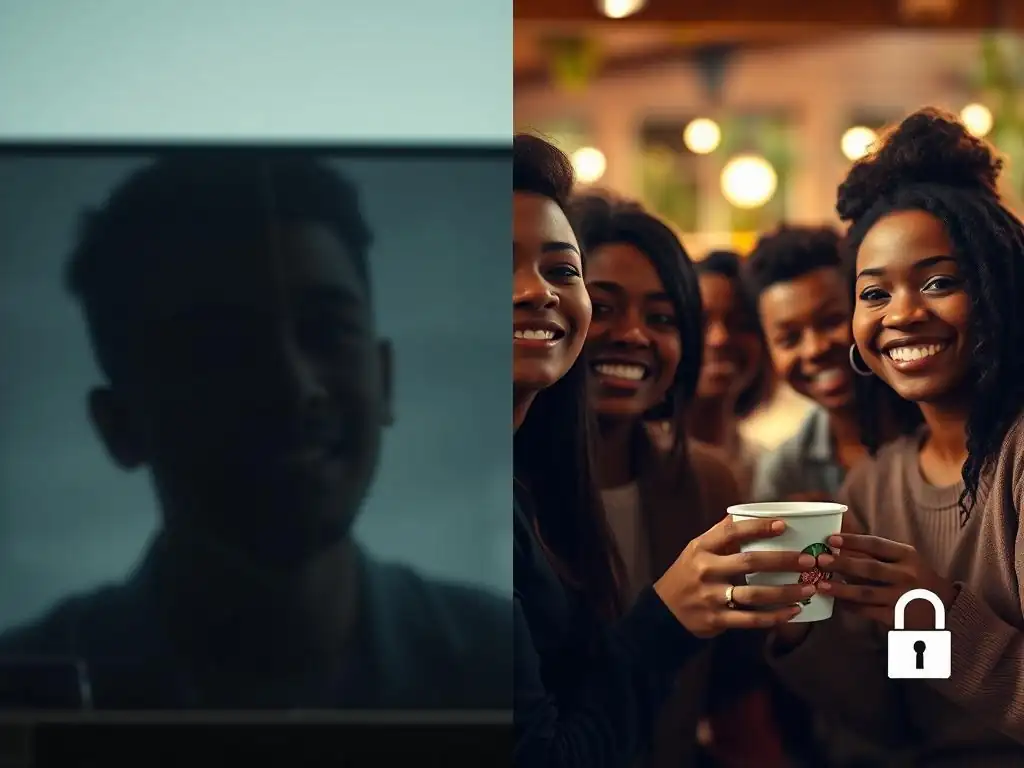
Online dating safety tips are crucial for navigating the digital world of romance. Catfishing and online dating scams are unfortunately prevalent, preying on the vulnerabilities of those seeking connection. Understanding how to identify and avoid these risks is paramount to a safe and positive online dating experience. This section will equip you with the knowledge to protect yourself from potential harm.
Identifying Potential Scammers: Recognizing Warning Signs
Recognizing warning signs is the first line of defense against scammers. Many scammers operate using similar tactics, making it easier to spot them with practice. Here are some key red flags to watch out for:
- Inconsistencies in their profile: Do their photos seem too perfect? Are there discrepancies between their profile information and what they tell you in messages? Be wary of profiles lacking personal details or those with overly generic descriptions. 💔
- Rapid escalation of the relationship: Scammers often attempt to move the relationship forward quickly, pushing for personal information or financial assistance before you've even met in person. This is a major red flag. 🚩
- Requests for money or financial assistance: This is a classic scam tactic. Legitimate individuals will not ask you for money, especially early in the relationship. Never send money to someone you've only met online. 💰🚫
- Pressure to move the conversation off the dating app: Scammers often try to quickly move communication to less secure platforms, such as email or text, to avoid detection by the dating app's safety measures. Be cautious about this. ✉️
- Vague or evasive answers to your questions: If someone consistently avoids answering direct questions about their life or background, it could be a sign they're hiding something. 🤔
- Professional photos that are too good to be true: Highly professional photos, especially those that look like they came from a photoshoot, can be a sign of a fake profile. Be skeptical of profiles with only perfect pictures. ✨
Safe Communication Practices: Protecting Yourself Online
Safe communication is critical for minimizing your risk. While building trust is important, remember that caution is key. Here are some safe communication practices to adopt:
- Verify their identity: Before sharing personal information, try to verify their identity through social media or other means. However, be aware that scammers can also create fake social media profiles.
- Video call before meeting in person: A video call can help you confirm their identity and build a more authentic connection. This step can significantly reduce the risk of catfishing. 📹
- Meet in public places: When you decide to meet in person, always choose a well-lit and public location. Let a friend or family member know where you're going and when you expect to be back. 🗺️
- Never share your location until you're ready to meet: Avoid sharing your exact address or other location details with someone you haven't met in person and trust completely.
- Trust your instincts: If something feels off or you have any doubts, trust your gut feeling. It's always better to err on the side of caution. Your safety is paramount. 🧘♀️
Avoiding Sharing Sensitive Information: Financial and Personal Details
Protecting your personal information is crucial for online dating safety. Never share sensitive information with someone you haven't met in person and thoroughly vetted. This includes:
- Financial information: Never share your bank account details, credit card numbers, social security number, or any other financial information. 💳🚫
- Address and location details: Avoid sharing your home address or precise location until you've met the person in person and feel comfortable doing so. 🏡
- Personal identification numbers (PINs): Never share your PINs or passwords with anyone, regardless of how well you think you know them. 🔒
- Work information: Be cautious about sharing details about your workplace or job. This information could be used to target you or your family.
- Family details: Avoid sharing excessive details about your family members, especially children. This information could be used to exploit or manipulate you. 👪
Remember, building a genuine connection takes time. Don't rush into a relationship, and always prioritize your safety and well-being. By following these online dating safety tips, you can significantly reduce your risk of encountering scammers and catfishes. Staying vigilant and informed is your best defense.
Managing Your Online Presence: Protecting Your Privacy Beyond Dating Apps
Protecting your privacy in online dating extends far beyond the specific apps you use. Your overall online presence significantly impacts your safety and security. A potential date can easily find information about you through a simple Google search, revealing details you might prefer to keep private. This section focuses on proactive steps to manage your digital footprint and enhance your online dating safety. Understanding how to control the information available about you is crucial for navigating the world of online dating safely and confidently. Effective online dating safety tips often involve a holistic approach to managing your digital self.
Social media platforms are prime sources of personal information. Carefully reviewing and adjusting your privacy settings on platforms like Facebook, Instagram, Twitter, and LinkedIn is a fundamental aspect of online dating safety. Many users unknowingly share far more information than they intend. Here's a checklist to ensure your online dating safety:
- Facebook: Limit the visibility of your posts, photos, and friends list to "Friends Only" or even a more restrictive custom audience. Review your tagged photos and remove any you're uncomfortable with potential dates seeing. Be mindful of the information included in your "About" section, ensuring you don't reveal overly personal details like your exact address or workplace.
- Instagram: Similar to Facebook, restrict your posts and stories to "Close Friends" or "Followers Only." Be cautious about geotagging your location in photos, as this can reveal your whereabouts. Regularly review and approve or reject tags from others.
- Twitter: Protect your tweets by setting your account to "Protected," limiting visibility only to approved followers. Avoid sharing sensitive information, especially location details or personal contact information.
- LinkedIn: While generally a professional platform, be mindful of the information you include. Consider limiting the visibility of your contact information and only accepting connection requests from people you know.
Remember, even seemingly innocuous details can be pieced together to create a comprehensive profile. Proactive management of your social media settings is a vital component of comprehensive online dating safety tips. This proactive approach helps minimize the risk of unwanted attention or even potential harm.
Safeguarding Your Identity Online: Tips for Online Dating Safety
Beyond social media, safeguarding your identity online requires vigilance. Avoid using the same passwords across multiple accounts. A breach on one platform could compromise others. Consider using a password manager to generate and store strong, unique passwords. Furthermore, be wary of phishing scams—emails or messages that appear legitimate but aim to steal your personal information. Never click on suspicious links or provide sensitive data unless you are absolutely certain of the sender's authenticity. This is crucial for maintaining your online dating safety.
Using strong, unique passwords across different platforms is one of the most important online dating safety tips. Consider incorporating a mix of uppercase and lowercase letters, numbers, and symbols. Regularly update your passwords to further enhance security. Always be suspicious of unsolicited emails or messages requesting personal information. Legitimate organizations will rarely request such details via email.
Here’s a table summarizing essential identity protection strategies:
| Strategy | Description | Importance for Online Dating Safety |
|---|---|---|
| Strong Passwords | Use unique, complex passwords for each account. | Prevents unauthorized access to your accounts. |
| Password Manager | Use a reputable password manager to generate and store passwords securely. | Simplifies password management and enhances security. |
| Two-Factor Authentication | Enable 2FA wherever possible for added security. | Adds an extra layer of protection against unauthorized logins. |
| Phishing Awareness | Be cautious of suspicious emails or messages requesting personal information. | Prevents identity theft and scams. |
| Regular Security Checks | Regularly review your accounts' security settings and activity. | Helps detect and address potential security breaches promptly. |
Maintaining Privacy While Building Connections: A Balanced Approach
Balancing privacy with building connections requires careful consideration. While sharing some personal information is often necessary to build rapport, avoid revealing overly sensitive details early in the process. Use caution when sharing photos; avoid pictures that reveal too much about your daily life or location. Remember, online dating safety tips emphasize gradual disclosure of personal information.
Gradually revealing information fosters trust and allows you to assess compatibility without compromising your safety. Prioritize meeting in public places for initial dates, and inform a friend or family member of your plans. Trust your instincts; if something feels off, don't hesitate to end the interaction. This balanced approach to sharing personal information and maintaining vigilance is a cornerstone of effective online dating safety. Remember, your safety and well-being are paramount. Prioritize your security, and enjoy the process of connecting with others online responsibly.
Online Dating Safety Tips for Specific Situations
This section delves into practical online dating safety tips, categorized by specific scenarios you might encounter. Remember, prioritizing your safety and well-being is paramount throughout your online dating journey. These tips, combined with sound judgment, will significantly reduce your risk.
Protecting Yourself When Meeting in Person: Safety Precautions
Meeting someone you've connected with online for the first time can be exciting, but it's crucial to prioritize safety. Never rush into an in-person meeting. Take your time getting to know someone virtually before arranging a face-to-face encounter. Here’s a breakdown of essential safety precautions:
- Public Places First: Always choose a well-lit, public location for your first meeting. A busy coffee shop, restaurant, or park during daylight hours are ideal. Avoid secluded areas or inviting someone to your home or theirs initially.
- Tell Someone Your Plans: Inform a trusted friend or family member about your date – who you're meeting, where, when, and how you'll be getting there. Share your date's profile information and contact details as well. Consider sharing your live location with them using a location-sharing app.
- Transportation Control: Drive yourself to the meeting or use a ride-sharing service. This gives you control over your departure and avoids reliance on your date for transportation.
- Trust Your Instincts: If something feels off or makes you uncomfortable at any point, leave immediately. Don't worry about being polite; your safety is paramount. Have an exit strategy planned – a pre-arranged call or text to a friend, or even a code word, can provide a discreet way to signal for help.
- Limit Alcohol Consumption: Avoid excessive alcohol consumption on your first date. Staying clear-headed will help you maintain awareness and make safer decisions.
- Be Mindful of Your Surroundings: Pay attention to your surroundings throughout the date. Be aware of your belongings and avoid distractions that could make you vulnerable.
Handling Unwanted Advances or Harassment: Reporting Mechanisms
Unfortunately, online dating isn't always a positive experience. Unwanted advances, harassment, or even threats can occur. Knowing how to handle these situations and report them is crucial for your safety and well-being.
- Document Everything: If you experience unwanted behavior, meticulously document all interactions. Save screenshots of messages, emails, or any other form of communication. Note the dates, times, and specific details of the incidents.
- Block and Report: Most dating apps and websites provide tools to block users and report inappropriate behavior. Utilize these features immediately. Blocking prevents further contact, and reporting allows the platform to investigate and potentially take action against the offender.
- Contact Law Enforcement: If the harassment is severe, persistent, or involves threats of violence, contact your local law enforcement agency. They can provide support and investigate the matter.
- Seek Support: Don't hesitate to reach out to friends, family, or a support group for emotional support. Talking about your experience can help you process your emotions and develop coping strategies.
- Consider Legal Action: In some cases, you may choose to pursue legal action against the harasser. Consult with an attorney to discuss your options and determine the best course of action.
Addressing Privacy Concerns with Dating App Support: Reporting Issues
Protecting your personal information is crucial when using online dating apps. Dating platforms have a responsibility to maintain user safety and address privacy concerns. If you encounter privacy violations or suspect your data has been misused, follow these steps:
- Review App Privacy Policies: Familiarize yourself with the privacy policy of the dating app you're using. Understand how your data is collected, used, and protected.
- Report Privacy Violations: Most dating apps have mechanisms for reporting privacy concerns. Use these channels to report any suspicious activity or potential breaches of your privacy.
- Contact Customer Support: If you can't find a specific reporting mechanism, contact the app's customer support team directly. Explain your concerns clearly and provide any relevant information or evidence.
- Secure Your Account: Take proactive steps to secure your account. Use a strong, unique password, enable two-factor authentication, and review your privacy settings regularly.
- Monitor Your Accounts: Regularly check your bank statements and credit reports for any unauthorized activity. This can help you detect any potential misuse of your financial information.
Remember, your safety and privacy are paramount. By following these online dating safety tips and taking proactive steps to protect yourself, you can significantly enhance your online dating experience while minimizing potential risks. Always trust your instincts and don't hesitate to seek help if needed.
Building Trust and Maintaining Privacy: A Holistic Approach to Online Dating Safety
This section delves into the crucial balance between building trust and safeguarding your personal information while navigating the online dating landscape. Successfully navigating the world of online dating requires a nuanced understanding of how to protect yourself without hindering the development of genuine connections. Striking this balance is key to maximizing your online dating safety. The goal is to foster authentic interactions while minimizing vulnerabilities. This involves a multi-faceted approach, encompassing careful profile creation, cautious communication, and ongoing vigilance. Remember, your safety and privacy are paramount.
Fostering Healthy Communication: Respectful Boundaries Online
Establishing clear boundaries from the outset is a cornerstone of online dating safety. This doesn't mean being standoffish; rather, it involves a strategic approach to sharing personal information. Avoid revealing sensitive details like your full address, workplace, or exact location, especially in the initial stages of communication. Instead of immediately providing your phone number, consider using the dating app's messaging system for a period of time. This allows you to gauge someone's character and intentions before sharing more direct contact information.
Consider using pseudonyms or nicknames initially to maintain a level of privacy while still engaging in conversation. This can help you feel safer and more comfortable during the getting-to-know-you phase. Remember, it's perfectly acceptable to decline requests for personal information until you feel comfortable. Trust your instincts – if something feels off, it's okay to disengage. Online dating safety is about proactively protecting yourself. This includes being assertive about your boundaries and not feeling pressured to disclose more information than you're comfortable with. The right person will respect your need for privacy.
Maintaining Privacy During the Relationship Development Phase: Safe Communication
As your online interactions progress and you begin to develop a connection, the question of transitioning to offline communication arises. Even at this stage, maintaining your privacy remains crucial. Before agreeing to meet in person, verify the other person's identity using available resources.
Reverse image searching photos and checking their profile on other social media platforms can provide additional context and reassurance. Always inform a trusted friend or family member about your plans, including the time, location, and the person you're meeting. Sharing your location in real-time with someone you trust via a location-sharing app is also a smart safety precaution.
Consider arranging your first in-person meeting in a public place, where you can easily leave if needed. Be mindful of the information you share during conversations; avoid revealing overly personal details that could compromise your security or safety. This includes avoiding detailed descriptions of your daily routines or revealing too much about your financial situation. Remember, building trust takes time, and prioritizing your privacy does not equate to distrust. It’s a crucial component of online dating safety. Take things slowly, and prioritize your own safety and well-being.
Prioritizing Your Privacy in Long-Term Online Relationships: Ongoing Protection
Even in established relationships that began online, maintaining privacy remains important. While trust is essential, it's crucial to retain a degree of personal space and control over your information. Avoid oversharing on social media about your relationship or personal life, as this can inadvertently expose you to risks. Regularly review your privacy settings on all social media platforms and dating apps to ensure they align with your comfort level. This is a continuous process, not a one-time task. Consider using different passwords for different accounts to enhance your overall online security.
It's also crucial to be mindful of the information your partner shares about you. If you feel uncomfortable with the level of personal information they are sharing with others, have an open and honest conversation about your concerns. Remember, a healthy relationship respects individual boundaries and privacy.
Maintaining a healthy balance between intimacy and privacy is a key aspect of a successful and safe long-term relationship, regardless of its online origins. Prioritizing your privacy is not only about safety but also about maintaining a sense of self and autonomy within the relationship. This ongoing commitment to privacy is a testament to a healthy and respectful partnership.
Frequently Asked Questions
How can I protect my personal information on online dating sites?
Never share sensitive information like your full address, workplace, or financial details early on. Use a separate email address and strong password specifically for dating. Verify the site's security measures.
What are some red flags to watch out for in online dating?
Be wary of profiles with limited information, inconsistent details, or excessive flattery. Avoid anyone who pressures you to meet quickly or share personal details too soon. Trust your gut instincts; if something feels off, it probably is.
How can I verify the identity of someone I meet online?
Conduct a reverse image search of their profile pictures. Check their social media presence for consistency. Video chat before meeting in person to confirm their identity and assess their demeanor.
What steps should I take to ensure safe in-person meetings?
Always meet in a public place for the first date. Let a friend or family member know where you're going, who you're meeting, and when you expect to be back. Have a backup plan in case you feel uncomfortable.
What should I do if I experience harassment or feel unsafe online?
Report the incident to the dating platform's support team. Block the user immediately. Consider saving any evidence of harassment, such as screenshots or messages. If you feel threatened, contact the police.
The pursuit of connection in the digital age is a double-edged sword; while online dating offers unprecedented opportunities for romance, it also presents significant privacy risks. Ignoring these risks can have devastating consequences, from identity theft to emotional manipulation. Understanding and proactively protecting your privacy is no longer optional; it's essential for navigating this complex landscape safely and confidently.
The pervasiveness of online dating has fundamentally reshaped how we approach relationships, yet the conversation around online safety often lags behind. This imbalance leaves many vulnerable to exploitation. The ease with which personal information can be gathered and misused underscores the urgent need for greater awareness and proactive measures. The price of liberty is eternal vigilance,
and in the digital realm, this vigilance is paramount to protecting not only our data but also our emotional well-being.
Consider the information you share online – is it truly necessary? What steps are you taking to secure your accounts and protect your identity? This article has provided a starting point, but the journey towards true online safety is a continuous process of learning and adaptation. Take control of your digital footprint, be mindful of the information you share, and remember that your privacy is a fundamental right worth fiercely protecting. Your safety and well-being are worth the effort.
Unlock Your Digital Fortress: Secure Your Online Dating Journey
Thank you for taking the time to learn about online privacy! You've gained crucial knowledge to navigate the dating world safely. Let's put that knowledge into action.
- Prioritize your privacy settings: Immediately review your social media and dating app privacy settings, making them as restrictive as possible. This is your first line of defense against unwanted attention and potential scams.
- Strengthen your passwords: Create strong, unique passwords for all your online accounts. Avoid easily guessable information like pet names or birthdays. Consider using a password manager to help you generate and securely store complex passwords.
- Share your newfound wisdom: Discuss online safety with your friends who are also online dating. Spreading awareness helps create a safer online environment for everyone.
What small step will you take today to improve your online safety?