
The Power of Perspective: Reframing Rejection & Disappointment on Dating Apps


Welcome to OnlineDatingSuccess.org, your guide to navigating the exciting yet often challenging world of online dating. Are you ready to transform your dating app experience? We understand the sting of rejection, and that's why we've crafted expert advice on Dating app rejection coping strategies, empowering you to build resilience and maintain a positive outlook. Discover how to reframe setbacks, attract the right connections, and ultimately find meaningful relationships. Let's unlock your dating potential – explore our resources and start your journey today!
- Understanding Dating App Rejection: Why It Happens and How to Process It
-
Developing Healthy Coping Mechanisms for Dating App Rejection
- Reframing Negative Self-Talk: Challenging Negative Thoughts and Beliefs
- Practicing Self-Compassion: Treating Yourself with Kindness and Understanding
- Setting Realistic Expectations: Understanding the Nature of Online Dating
- Focusing on Self-Improvement: Using Rejection as Motivation for Personal Growth
- Shifting Your Perspective: Reframing Rejection as a Learning Opportunity
- Building Resilience Against Dating App Rejection: Long-Term Strategies
- Dating App Rejection Coping Strategies: Practical Tips and Techniques
-
Frequently Asked Questions
- What's the biggest mistake people make when dealing with dating app rejection?
- How can I stop feeling so discouraged after multiple rejections?
- Are there specific things I can do to improve my dating app profile to reduce rejection?
- How can I reframe negative thoughts after being ghosted or unmatched?
- What's the most effective way to cope with rejection on dating apps and move forward?
- Final Reflection: Finding Strength in the Swipe
- Unlock Your Dating App Potential: Embrace a New Perspective
Understanding Dating App Rejection: Why It Happens and How to Process It
Navigating the world of online dating can be exhilarating, but it also comes with its fair share of challenges. Rejection, a common experience for many users, can significantly impact self-esteem and mental wellbeing. This article, part of our series on responsible online dating practices, explores the power of perspective in reframing rejection and disappointment on dating apps.
We'll delve into the common reasons behind rejection, examine the psychological impact, and equip you with practical coping strategies to navigate these setbacks with resilience and self-compassion. Understanding the nuances of online dating rejection is crucial for building a healthy and positive experience, ultimately leading to more meaningful connections.
Learning to manage the emotional toll of rejection is not just about improving your dating success; it's about prioritizing your mental health and well-being in the digital dating landscape. This is about developing robust coping mechanisms that empower you to continue your online dating journey with confidence and self-worth, regardless of temporary setbacks.
Common Reasons for Dating App Rejection
Rejection on dating apps can stem from a variety of factors, often unrelated to your inherent worth or attractiveness. Understanding these reasons can help you approach future interactions with more self-awareness and less self-criticism. Let's explore some common causes:
- Incompatibility: Sometimes, rejection simply means you and the other person aren't a good match. Differences in values, lifestyle, or relationship goals can lead to a mismatch, even if both individuals are perfectly wonderful people. This isn't a reflection on your worth; it's simply a matter of finding the right fit. Think of it like trying on clothes – some styles just don't suit you, and that's okay!
- Incomplete Profiles: A poorly constructed profile, lacking key information or engaging photos, can hinder your chances. A lack of effort can signal disinterest or lack of seriousness to potential matches.
- Poor Communication: Even with a great profile, poor communication skills can be a deal-breaker. Being unresponsive, sending generic messages, or coming across as overly aggressive can deter potential matches.
- High Competition: Dating apps are saturated with users, creating a highly competitive environment. Even with a strong profile and engaging communication, sometimes you may simply be overlooked. Remember, it's a numbers game, and rejection doesn't necessarily indicate anything about you personally.
- Unrealistic Expectations: Setting unrealistic standards or expectations for potential partners can lead to disappointment and frequent rejection. Focusing on finding a compatible partner rather than an "ideal" one can greatly improve your experience.
The Psychology of Rejection: Emotional Impact and Coping Strategies
Rejection, whether online or offline, can trigger a range of negative emotions, including sadness, anger, frustration, and even feelings of inadequacy. Understanding the psychological impact of rejection is the first step towards developing effective coping mechanisms. The emotional toll can be significant, especially in the context of online dating, where interactions often feel more superficial and less personal.
It's important to remember that these feelings are normal and valid. However, dwelling on negative emotions can be detrimental to your mental well-being. Here are some coping strategies to help you process rejection in a healthy way:
- Self-Compassion: Treat yourself with the same kindness and understanding you would offer a friend facing a similar situation. Avoid self-blame and focus on self-care.
- Mindfulness: Practice mindfulness techniques like meditation or deep breathing to manage negative emotions and promote self-awareness.
- Healthy Distraction: Engage in activities you enjoy to take your mind off rejection and boost your mood.
- Seek Support: Talk to trusted friends, family members, or a therapist about your experiences. Sharing your feelings can help alleviate stress and gain a new perspective.
- Reframe Rejection: Instead of viewing rejection as a personal failure, consider it an opportunity for growth and self-discovery. What can you learn from this experience? What can you improve in your profile or communication style?
Identifying Your Emotional Response to Rejection on Dating Apps
Understanding your personal emotional responses to rejection is crucial for developing effective coping mechanisms. Take some time to reflect on your past experiences with dating app rejection. What emotions do you typically feel? How do you typically react? Do you withdraw, become angry, or engage in self-criticism?
| Emotional Response | Typical Reaction | Healthy Coping Strategy |
|---|---|---|
| Sadness/Disappointment | Withdrawing from dating apps | Allow yourself time to process emotions, engage in self-care activities |
| Anger/Frustration | lashing out at others | Express feelings constructively, practice mindfulness |
| Self-Criticism/Inadequacy | Questioning self-worth | Practice self-compassion, focus on positive attributes |
| Anxiety/Fear | Avoiding dating apps altogether | Challenge negative thoughts, seek support from friends/family |
By recognizing your emotional patterns, you can develop personalized strategies to manage rejection more effectively and build resilience in the face of setbacks. Remember, the journey of online dating is not always smooth, but with self-awareness and healthy coping mechanisms, you can navigate the challenges with grace and self-compassion.
Developing Healthy Coping Mechanisms for Dating App Rejection
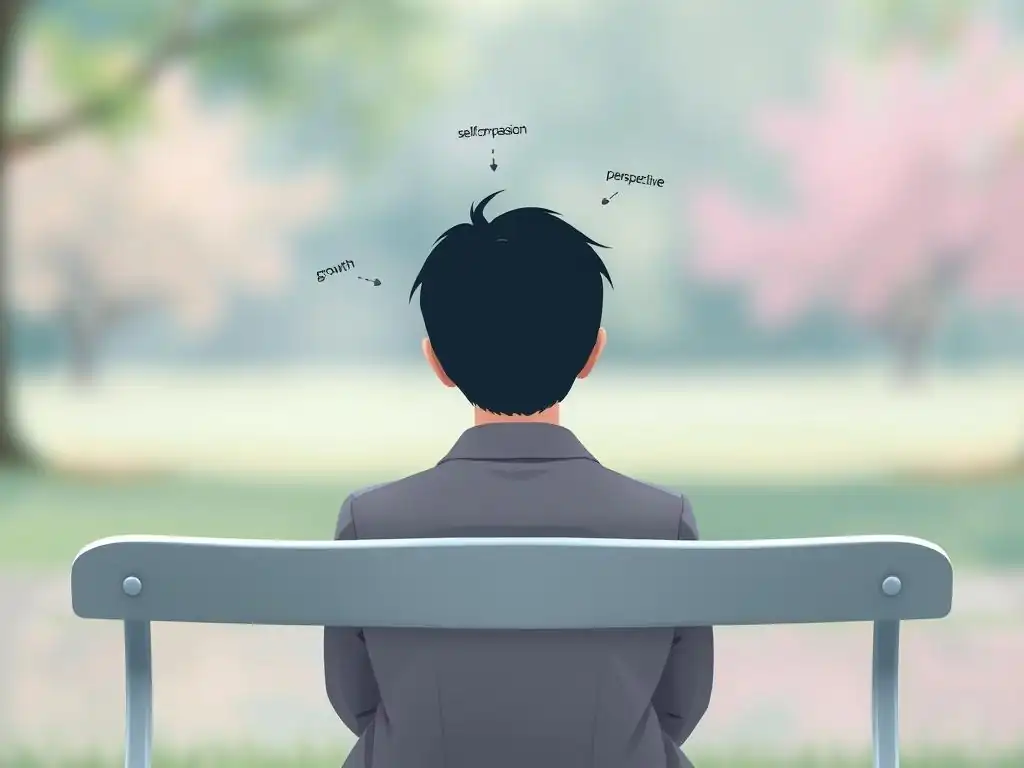
Dating app rejection is, unfortunately, a common experience. The constant stream of profiles, the swipe-right-or-left dynamic, and the often-immediate nature of responses can create a volatile emotional landscape. Successfully navigating this requires developing robust coping mechanisms, moving beyond simple resilience to proactive strategies for emotional well-being. This section explores practical techniques to transform negative experiences into opportunities for growth and self-discovery. Mastering these strategies is crucial for maintaining a positive mindset and maximizing your chances of finding a meaningful connection. Remember, your worth isn't determined by the number of matches you receive.
Reframing Negative Self-Talk: Challenging Negative Thoughts and Beliefs
Rejection on dating apps frequently triggers negative self-talk. Phrases like "I'm not good enough," "I'll never find anyone," or "There's something wrong with me" become common refrains. However, these thoughts are often inaccurate and unhelpful. The key is to actively challenge these negative beliefs.
One effective technique is cognitive restructuring. This involves identifying negative thoughts, examining the evidence supporting and contradicting them, and then replacing them with more balanced and realistic ones. For example, if you receive a rejection, instead of assuming it's due to a personal flaw, consider alternative explanations: Perhaps the other person wasn't looking for a long-term relationship, their preferences simply didn't align with yours, or they were already engaged with someone else. There are countless reasons for a lack of connection, and it rarely reflects your inherent worth.
Keep a journal to track negative thoughts and their counterarguments. This helps to build a more objective perspective over time. Consider using a simple table to organize your reflections:
| Negative Thought | Evidence Against | Realistic Alternative |
|---|---|---|
| "I'm unattractive." | Received compliments recently; friends say I'm attractive. | "Some people may not find me attractive, but that doesn't diminish my worth." |
| "I'll never find anyone." | Many successful relationships start online; I have positive qualities to offer. | "Finding the right person takes time and effort; I'll keep trying and learning." |
| "There's something wrong with me." | I'm kind, intelligent, and have many positive attributes. | "This rejection doesn't define me; I'm a valuable person with much to offer." |
Remember, self-compassion is key. Be kind to yourself during this process. Rejection is a part of life, and it doesn't mean you are inherently flawed.
Practicing Self-Compassion: Treating Yourself with Kindness and Understanding
Self-compassion is crucial in navigating the emotional rollercoaster of online dating. It involves treating yourself with the same kindness and understanding you would offer a friend facing similar challenges. Instead of harshly criticizing yourself after a rejection, acknowledge your feelings, validate your experience, and offer yourself support.
Engage in self-soothing activities that bring you comfort and joy. This could include spending time in nature, listening to calming music, practicing mindfulness, engaging in hobbies, or connecting with supportive friends and family. Prioritize self-care activities that nourish your mind, body, and spirit. Remember, taking care of yourself isn't selfish—it's essential for your well-being. This proactive approach to self-care becomes a powerful buffer against the negativity of dating app rejection. Think of it as building emotional resilience – a muscle you strengthen over time.
Setting Realistic Expectations: Understanding the Nature of Online Dating
Online dating, while offering exciting possibilities, often presents a skewed reality. The sheer volume of profiles can lead to unrealistic expectations and a sense of constant comparison. Remember that online dating is a numbers game; not every interaction will lead to a connection. It's important to approach it with a balanced perspective, understanding that rejection is a normal part of the process.
Focus on building a strong profile that accurately reflects your personality and preferences. Avoid idealizing potential matches; instead, strive for authentic connection. Set clear goals for your online dating experience, and regularly evaluate your progress. Are you engaging in healthy behaviors? Are you protecting your mental well-being? If not, adjust your approach accordingly. Dating app rejection coping strategies are ultimately about creating a sustainable and positive experience, not just about finding a partner. Remember, building meaningful connections takes time and patience. The journey itself is valuable, even if the immediate outcome isn't always what you hoped for.
Focusing on Self-Improvement: Using Rejection as Motivation for Personal Growth
Rejection on dating apps, while undeniably painful, presents a unique opportunity for self-reflection and growth. Instead of viewing rejection as a personal failing, consider it a chance to identify areas for improvement and invest in yourself. This isn't about changing who you are fundamentally, but rather refining your presentation and understanding of your own needs and desires.
One powerful strategy is to analyze your dating app profile objectively. Ask yourself: Are your photos representative of your current self and lifestyle? Do your prompts accurately reflect your personality and interests, or are they generic and uninspired? A fresh pair of eyes—perhaps a trusted friend—can offer valuable feedback on areas needing improvement.
Consider updating your photos with more recent, high-quality images showcasing your hobbies and interests. Rewriting your prompts to be more specific and engaging can also significantly impact your results. Instead of saying "I love to travel," try "My last adventure took me to the Amalfi Coast, and I'm already planning my next trip to Southeast Asia!" – this provides concrete details and sparks conversation.
Beyond your profile, examine your communication style. Are you approaching potential matches with confidence and authenticity? Are your messages engaging and thoughtful, or do they come across as generic or superficial? Consider the quality of your interactions; are you actively listening and showing genuine interest in the other person, or are you primarily focused on yourself? Practicing active listening and asking thoughtful questions can dramatically improve your connections. Remember, online dating is about building relationships, not just collecting matches.
Furthermore, rejection can highlight areas in your life that you might be neglecting. Perhaps your dating profile reflects a lack of fulfillment in other aspects of your life. This could be an opportunity to pursue a new hobby, reconnect with old friends, or focus on your career goals. By investing in your personal well-being, you'll not only boost your confidence but also become a more attractive and fulfilled individual. This holistic approach to self-improvement will make you a more compelling and confident person, both on and off dating apps.
Remember, the goal is not simply to find a partner, but to become the best version of yourself. The right person will appreciate the authentic, confident individual you've become. This journey of self-discovery is incredibly rewarding, regardless of the outcome of your dating app experiences. Embrace the process, and remember that personal growth is a continuous journey.
Shifting Your Perspective: Reframing Rejection as a Learning Opportunity
Dating apps, while offering exciting possibilities for connection, can also be a source of disappointment. Rejection is an inevitable part of the online dating experience. However, instead of viewing each "no" as a personal failure, we can reframe it as valuable feedback and a stepping stone towards success. This shift in perspective is crucial for maintaining mental wellbeing and ultimately finding a compatible partner.
The key is to adopt a growth mindset, viewing setbacks as opportunities for learning and self-improvement. This empowers you to take control of your dating journey, reducing the sting of rejection and increasing your chances of finding a meaningful connection. Remember, even successful individuals in any field face numerous setbacks before achieving their goals. Dating is no different.
Analyzing Your Dating App Profile: Identifying Areas for Improvement
Your dating profile is your first impression – it's the virtual storefront showcasing "you" to potential matches. A lack of engagement might signal areas needing attention. Let's analyze common pitfalls and how to address them:
- Photo Selection: Are your photos current, high-quality, and showcasing your personality? Do they accurately reflect your lifestyle and interests? Consider feedback from trusted friends on photo choices. Avoid overly filtered or misleading images. A mix of solo shots and photos with friends can be beneficial.
- Bio Content: Is your bio engaging, informative, and reflective of your personality? Does it highlight your key interests and values? Avoid generic statements. Instead, be specific and authentic. Think about what makes you unique and showcase it! A touch of humor can also be very effective.
- Profile Completeness: Have you completed all relevant sections of your profile? A thorough profile provides more information for potential matches to assess compatibility. Consider adding details about your hobbies, career aspirations, and what you're looking for in a partner.
- Targeting & Preferences: Are your search preferences aligned with your desired partner? Too broad a net might lead to mismatched connections. Refine your preferences based on your experiences and what you're truly looking for. Being too specific can limit your pool, but being too broad can feel overwhelming. Finding the right balance is key.
Consider this: A study by [specific information pending] showed that profiles with [specific data on effective profile elements] received significantly more matches than those lacking these features. This emphasizes the importance of crafting a compelling and accurate online representation.
Refining Your Communication Style: Improving Interactions with Potential Matches
Even with a captivating profile, communication is key. Analyzing unsuccessful interactions can reveal areas for improvement.
- Initiating Conversations: Are your opening messages engaging and personalized? Avoid generic greetings. Instead, reference something specific from their profile that sparks your interest. Show genuine curiosity.
- Maintaining Conversations: Are you actively listening and responding thoughtfully? Are you sharing about yourself while also asking engaging questions? A balanced conversation is crucial. Avoid dominating the conversation or being unresponsive.
- Red Flags: Are you picking up on red flags early on? Trust your instincts and don't hesitate to move on if something feels off. Ignoring red flags can lead to wasted time and emotional distress.
- Respectful Disengagement: If you're no longer interested, communicate this respectfully and concisely. Ghosting is never acceptable. A brief, polite message is preferable.
Remember, effective communication involves active listening, empathy, and a genuine interest in getting to know the other person. This fosters meaningful connections and reduces the likelihood of rejection due to communication breakdowns.
Learning from Past Experiences: Gaining Insights from Rejected Matches
Rejection can be painful, but it offers an invaluable opportunity for self-reflection and growth. Instead of dwelling on the negative, analyze the patterns and insights gained from past experiences:
- Identifying Patterns: Are there recurring themes in the types of people who don't respond or those who reject you? This might highlight areas where your preferences or expectations need adjustment.
- Self-Awareness: Reflect on your own behavior and communication style. Are there aspects you could improve? Honest self-assessment is key to personal growth.
- Seeking Feedback (If Appropriate): In some cases, you might consider gently asking for feedback from a rejected match (only if you feel comfortable and the interaction was relatively positive). This can provide valuable insights, but remember, you're not obligated to seek feedback and it's perfectly acceptable to move on.
- Adjusting Expectations: Are your expectations realistic? Dating is a process, and it's unlikely you'll find the perfect match immediately. Adjusting expectations and focusing on building genuine connections can lead to more fulfilling experiences.
By viewing rejection as a learning opportunity and practicing self-compassion, you can transform the online dating experience from one of frustration to one of growth and self-discovery. Remember, the journey to finding a compatible partner is a marathon, not a sprint. Embrace the learning process and celebrate your progress along the way. 🎉
The Value of Persistence and Patience: Maintaining a Positive Outlook
Rejection on dating apps can feel disheartening, especially after investing time and effort into crafting the perfect profile and engaging in thoughtful conversations. It's easy to become discouraged and question your worth or approach. However, successful online dating often requires persistence and patience. Think of each interaction, whether it leads to a date or not, as a valuable data point in your journey. Every "no" brings you closer to a "yes," refining your understanding of what you're looking for and how to best present yourself.
Consider the sheer volume of profiles on most dating apps. The odds of immediate success are statistically low. Instead of viewing each rejection as a personal failure, reframe it as a filtering process. The people who don't connect with you might simply not be compatible, and that's perfectly okay. It's about finding the right match, not necessarily the first match. Remember, compatibility is a two-way street; it's not always about you.
Maintaining a positive outlook is crucial. Celebrate small victories – a thoughtful message, an engaging conversation, even a simple "like" can boost your confidence and remind you of your positive attributes. Focus on self-improvement. Use the time between interactions to refine your profile, work on your communication skills, or even explore new hobbies to enrich your life.
This proactive approach not only improves your chances of success but also fosters a sense of self-worth independent of dating app outcomes. Remember, your value isn't determined by the number of matches you receive. It's about finding someone who truly appreciates you for who you are.
Developing resilience is key to navigating the ups and downs of online dating. Rejection is inevitable, but it doesn't have to define your experience. By embracing persistence, practicing patience, and maintaining a positive outlook, you can transform the challenges of online dating into opportunities for growth and self-discovery. This resilient mindset will not only help you cope with rejection but also enhance your overall well-being and increase your chances of finding a meaningful connection. Remember to be kind to yourself throughout the process; it's a marathon, not a sprint.
Building Resilience Against Dating App Rejection: Long-Term Strategies

Dating app rejection is, unfortunately, a common experience. The constant stream of swipes, matches, and ultimately, the lack thereof, can take a toll on one's self-esteem and mental wellbeing. However, developing robust coping strategies is key to navigating this aspect of online dating successfully. Instead of viewing rejection as a personal failing, we can reframe it as a natural part of the process, a filter even, that helps us find the right match. This section focuses on building long-term resilience, allowing you to approach online dating with a healthier perspective and reduced emotional vulnerability.
Maintaining a Balanced Lifestyle: Prioritizing Self-Care and Well-being
The impact of dating app rejection is magnified when we neglect our overall well-being. Prioritizing self-care isn't a luxury; it's a fundamental strategy for building resilience. This means actively engaging in activities that nurture your physical and mental health. Regular exercise, for example, releases endorphins, which have mood-boosting effects.
A balanced diet provides the necessary nutrients for optimal brain function and energy levels. Sufficient sleep is crucial for emotional regulation and cognitive function. Consider incorporating mindfulness practices like meditation or yoga to manage stress and anxiety. These practices are not merely passive activities; they are active investments in your emotional fortitude and ability to cope with setbacks.
Remember, a strong foundation of self-care makes you less susceptible to the emotional swings caused by online dating's unpredictable nature. For instance, dedicating just 30 minutes a day to exercise can significantly improve your mood and resilience. Similarly, prioritizing 7-8 hours of sleep can dramatically improve your emotional regulation and reduce stress levels.
Focusing on Offline Connections: Building Relationships Beyond Dating Apps
While dating apps offer convenience, relying solely on them for social connection can be detrimental to mental well-being. Rejection on these platforms can feel particularly isolating if your social life is limited to the digital sphere. Actively cultivating offline relationships is crucial. Reconnect with old friends, nurture existing friendships, and explore new social activities. Joining clubs, taking classes, or volunteering are all excellent ways to meet people organically and build genuine connections.
These offline interactions provide a sense of belonging and support that can buffer the impact of dating app rejections. They offer a balanced perspective, reminding you that connection and belonging extend beyond the confines of a dating profile. For example, joining a book club can introduce you to like-minded individuals, fostering meaningful friendships and reducing reliance on dating apps for social interaction. The sense of community and shared interests can significantly improve your overall well-being and resilience.
Seeking Support: Talking to Friends, Family, or Therapists
It's important to remember that you don't have to navigate these challenges alone. Talking to trusted friends, family members, or a therapist can provide invaluable support and perspective. Sharing your experiences can help you process your emotions, gain new insights, and feel less isolated.
A therapist can provide guidance and tools to develop healthy coping mechanisms and address underlying issues that may be contributing to your emotional vulnerability. Don't hesitate to seek professional help if you're struggling to cope with dating app rejection or experiencing significant distress. Remember, seeking support is a sign of strength, not weakness.
A supportive network can provide emotional validation, practical advice, and a sense of community that can significantly improve your ability to navigate the ups and downs of online dating and build resilience against rejection. Consider scheduling a consultation with a therapist specializing in relationship issues or anxiety to help you manage your emotional responses to rejection more effectively. Even a few sessions can provide valuable tools and strategies for long-term mental wellbeing.
Celebrating Small Wins: Acknowledging Progress and Positive Experiences
Navigating the world of online dating often feels like a rollercoaster. Rejection is, unfortunately, a common experience. However, focusing solely on the negative aspects can be incredibly detrimental to your mental wellbeing and overall success. A crucial aspect of building resilience against dating app rejection involves actively celebrating even the smallest of wins. These small victories, often overlooked, are vital stepping stones towards your larger dating goals.
One significant "small win" is simply completing your dating profile. Creating a profile that accurately represents you, showcasing your personality and interests, takes time and effort. Acknowledge this accomplishment! You've taken a proactive step towards finding connection, and that deserves recognition. Don't underestimate the power of self-congratulation in boosting your confidence and motivation.
Another often-missed win is engaging in meaningful conversations. Even if a connection doesn't lead to a date, a pleasant and respectful exchange demonstrates your ability to connect with others. This skill is invaluable, both in dating and in life. Celebrate the fact that you're able to communicate effectively and build rapport, even if the outcome isn't a romantic relationship. This builds your confidence in your social interactions, making future encounters less daunting.
Furthermore, consider the positive feedback you receive. A "like" or a positive comment on your profile, however small it may seem, signifies that someone finds you appealing. These little affirmations can significantly improve your self-esteem and reinforce your confidence. Keep a mental (or physical) log of these positive interactions; it's a powerful reminder of your attractiveness and worth. This positive reinforcement is crucial for combatting the negativity associated with rejection.
Finally, remember that each interaction, whether positive or negative, represents a learning experience. Every conversation, every date (or lack thereof), provides valuable insights into your preferences, communication style, and what you seek in a partner. Embrace these lessons as stepping stones to growth and improvement. This perspective shift transforms rejection from a setback into an opportunity for self-discovery and refinement. By celebrating these small wins, you build a more positive and resilient mindset, making the journey of online dating significantly more rewarding and manageable. 🎉
Dating App Rejection Coping Strategies: Practical Tips and Techniques
Navigating the world of online dating often involves facing rejection. It's a common experience, yet the sting can be significant. Developing effective coping strategies is crucial for maintaining mental wellbeing and increasing the chances of a positive online dating experience. This section explores practical techniques to help you process rejection and disappointment constructively, ultimately empowering you to approach online dating with resilience and self-compassion. Remember, rejection on a dating app doesn't reflect your worth; it simply means that particular connection wasn't meant to be.
Mindfulness and Meditation: Managing Negative Emotions
Rejection can trigger a cascade of negative emotions: sadness, frustration, anger, even self-doubt. Mindfulness and meditation practices offer powerful tools to manage these intense feelings. By focusing on the present moment, you can detach from the rumination and self-criticism that often accompany rejection.
Mindfulness involves paying attention to your thoughts and feelings without judgment. When you experience rejection, try this: take a few deep breaths, notice the physical sensations in your body (perhaps a tightness in your chest or a knot in your stomach), and acknowledge your emotions without trying to change them. Simply observe them as they arise and pass.
Meditation, even for a few minutes daily, can significantly improve your emotional regulation. Guided meditations specifically designed for managing stress and anxiety are readily available. Regular practice cultivates a sense of calm and inner peace, making you better equipped to handle the inevitable bumps in the online dating journey. The key is consistency; even short, regular sessions are more effective than infrequent, longer ones.
Consider incorporating mindfulness into your daily routine, perhaps during your morning coffee or before bed. This proactive approach can significantly reduce the impact of future rejections. Studies show that regular meditation practice can reduce cortisol levels (the stress hormone), promoting a more balanced emotional response.
Journaling: Processing Feelings and Identifying Patterns
Journaling provides a safe and private space to process your emotions and reflect on your online dating experiences. Writing down your feelings, even if they are messy and confusing, can help you gain clarity and perspective. Don't worry about grammar or style; just let your thoughts flow onto the page.
Consider focusing your journaling on specific aspects of your experiences. For example, you might track the types of profiles that elicit a response from you and those that don't. This can help you identify patterns in your preferences and refine your profile accordingly. Another approach is to reflect on the specific reasons you believe you might have been rejected. This self-reflection, however, should be approached with self-compassion. Avoid overly critical self-judgment; instead, focus on identifying areas for potential improvement in your communication or profile.
For example, you could write: "I felt disappointed when I didn't receive a response from [profile name]. I think my opening message might have been too generic. Next time, I will try to personalize my message more." By analyzing your experiences in this way, you can learn from each rejection and improve your approach. The cumulative effect of this reflective practice can be powerful in building resilience and confidence. This process moves beyond simply coping with rejection; it empowers you to actively learn and improve your online dating strategy.
Setting Boundaries: Protecting Your Emotional Well-being
Setting healthy boundaries is essential for protecting your emotional well-being in the context of online dating. This involves defining what you are and are not willing to tolerate. For example, you might decide to unmatch with anyone who is disrespectful, rude, or sends inappropriate messages. You might also set a limit on the amount of time you spend on dating apps each day to avoid becoming overly invested or disheartened by lack of success.
Remember that you have the right to prioritize your own emotional health. Don't hesitate to unmatch or block anyone who makes you feel uncomfortable or unsafe. It's crucial to remember that your self-worth is not contingent upon receiving matches or messages. Your value is intrinsic, and online dating is simply one aspect of your life.
Consider creating a list of your personal boundaries. This could include things like: "I will not respond to messages that are sexually suggestive or aggressive," "I will limit my time on dating apps to one hour per day," or "I will take a break from dating apps if I start to feel overwhelmed or discouraged." Having these boundaries clearly defined will help you maintain a healthy and balanced approach to online dating, reducing the emotional toll of rejection.
Prioritizing your mental wellbeing is not a sign of weakness; it's a sign of self-respect and self-care. This proactive approach to self-preservation is a key element in successfully navigating the complexities of online dating.
Time Management: Avoiding Excessive App Usage
Dating apps, while offering exciting possibilities, can easily become time sinks. Excessive app usage can lead to frustration, disappointment, and even feelings of inadequacy if you're not seeing the results you desire. Implementing effective time management strategies is crucial for maintaining a healthy mental state and preventing burnout. Instead of passively scrolling for hours, set specific time limits for your app usage.
Consider using app timers or built-in features (if available) to restrict your access. For example, you could allocate 30 minutes in the evening for checking messages and browsing profiles, and then put your phone away. This structured approach prevents you from falling into the trap of endless swiping and comparing yourself to others.
Remember that online dating is only one aspect of your life. Prioritize other activities that bring you joy and fulfillment, such as spending time with friends and family, pursuing hobbies, or engaging in self-care activities. These activities offer a much-needed counterbalance to the often unpredictable nature of online dating.
Scheduling these activities—just like scheduling your app usage—reinforces their importance and helps you maintain a healthy perspective. Think of it this way: a balanced life is a more fulfilling life, and a fulfilled life is better equipped to handle the occasional setbacks inherent in online dating. Ignoring this balance can lead to feelings of anxiety and depression, making rejection feel even more impactful.
Consider tracking your app usage to identify patterns and potential areas for improvement. Many smartphones offer built-in screen time tracking tools that can provide valuable insights into your app habits. Analyzing this data can reveal if you're spending more time than you'd like on dating apps.
If you discover that you're consistently exceeding your self-imposed limits, it's a sign that you need to adjust your strategy. This data-driven approach allows for a more objective assessment of your app usage and helps you make informed decisions about how to better manage your time. The goal isn't to eliminate app usage entirely, but rather to create a healthy and sustainable relationship with it—one that doesn't negatively impact your mental well-being.
Frequently Asked Questions
What's the biggest mistake people make when dealing with dating app rejection?
The biggest mistake is taking rejection personally. It's rarely about you as a person; it's often about compatibility or timing. Focus on what you can control.
How can I stop feeling so discouraged after multiple rejections?
Remember that rejection is part of the process. Celebrate small wins, focus on self-improvement, and limit your time on apps if it's causing significant distress. Diversify your dating strategies.
Are there specific things I can do to improve my dating app profile to reduce rejection?
Yes! High-quality photos, a compelling bio, and showcasing your personality are crucial. Ask for feedback from trusted friends. Also, be clear about what you're looking for.
How can I reframe negative thoughts after being ghosted or unmatched?
Practice self-compassion. Challenge negative self-talk by identifying and disputing irrational thoughts. Remember that ghosting is a reflection of the other person, not a judgment of your worth.
What's the most effective way to cope with rejection on dating apps and move forward?
Focus on self-care, engage in activities you enjoy, and reflect on your dating goals. Don't be afraid to seek support from friends or a therapist. Remember that finding the right connection takes time and effort.
Final Reflection: Finding Strength in the Swipe
The sting of rejection on dating apps is a universal experience, yet the power to reframe that negativity into a positive learning opportunity remains largely untapped. This article explored practical strategies for navigating the emotional rollercoaster of online dating, emphasizing the importance of self-compassion, realistic expectations, and a proactive approach to self-improvement. But it's more than just coping mechanisms; it's about cultivating a resilient mindset that transcends the digital realm.
The impact of online dating extends far beyond the immediate search for a partner; it reflects our broader societal anxieties around self-worth, validation, and connection. The constant stream of judgments, both implicit and explicit, can significantly impact self-esteem. The greatest discovery of all time is that a person can change his future by merely changing his attitude.
- Oprah Winfrey. This quote rings particularly true in the context of online dating, where a shift in perspective can transform a series of rejections into a journey of self-discovery and growth. We must remember that the app is a tool, not a reflection of our inherent worth.
Now, consider your own experiences. How have you navigated rejection in the digital dating world? What strategies have worked for you, and which haven't? More importantly, what lessons have you learned about yourself, your desires, and your resilience? I encourage you to actively cultivate self-compassion, to view each "no" not as a personal failing, but as a redirection towards a more fulfilling path. Embrace the journey, learn from each experience, and remember that your worth is inherent, regardless of the number of matches or messages you receive. The power to redefine your narrative lies within you.
Unlock Your Dating App Potential: Embrace a New Perspective
Thank you for exploring how to reframe rejection and disappointment. We hope you gained valuable insights into building resilience and maintaining a positive outlook on your dating app journey. Now let's put those insights into action!
- Revisit your dating profile: Consider what you learned today and identify one area to improve. Does your bio accurately reflect your personality? Could your photos benefit from a fresh approach? Even small changes can significantly impact your results.
- Try a new approach: Experiment with a different opening line or interaction style – one that better reflects your newfound confidence and self-awareness. For example, try focusing on a shared interest instead of generic compliments.
- Share your thoughts: Let's build a supportive community! Share your experiences (positive or negative) and any key takeaways in the comments below. What new strategies will you use?
What small change in perspective will you make today to transform your dating app experience?