
From Digital Drama to RealLife Romance: Protecting Your Mental Health Online


Ready to transform your online dating experience from frustrating to fulfilling? At OnlineDatingSuccess.org, we understand the emotional rollercoaster of navigating the digital dating world. This is why we're diving deep into online dating mental health tips, offering practical strategies to protect your well-being while searching for meaningful connections. Discover how to navigate potential pitfalls and emerge stronger, ready for real-life romance. Let's build a healthier, happier approach to finding love online.
- Understanding the Emotional Rollercoaster of Online Dating
- Setting Healthy Boundaries for Online Dating
- Building Resilience and Self-Care Strategies for Online Dating
- Fostering Positive Online Interactions
- When to Seek Professional Help: Recognizing the Need for Support
- From Digital Drama to Real Life: Transitioning Successfully
-
Frequently Asked Questions
- How can online dating affect my mental health?
- What are some strategies for protecting my mental health while online dating?
- How do I deal with negative experiences or online harassment?
- Is it normal to feel anxious or discouraged while online dating?
- How can I maintain a positive mindset while using dating apps?
- Final Reflection: Weaving a Safer Path Through Digital Courtship
- Unleash Your Authentic Self: Cultivate Healthier Online Connections
Understanding the Emotional Rollercoaster of Online Dating
Online dating, while offering exciting possibilities of connection and romance, can also be a surprisingly turbulent emotional landscape. The constant swiping, the anticipation of a match, the potential for rejection – it all contributes to a unique set of stressors that can significantly impact mental wellbeing. This article explores the emotional rollercoaster inherent in online dating and provides practical tips for navigating it successfully, fostering a positive and healthy experience.
We'll delve into recognizing signs of burnout, identifying unrealistic expectations, and ultimately, transforming the digital drama into real-life romance, prioritizing your mental health throughout the process. Learning to manage the emotional ups and downs is crucial for a positive and fulfilling online dating journey, allowing you to focus on building genuine connections rather than succumbing to the pressures and anxieties often associated with the digital dating world.
This is especially important given the increasing prevalence of online dating as a primary method for meeting romantic partners. Taking proactive steps to protect your mental health is not only beneficial but essential for a successful and enjoyable experience.
Online dating presents a unique blend of exhilarating highs and crushing lows. The initial excitement of matching with someone who seems interesting can be incredibly rewarding, fueling hope and anticipation. However, this can quickly shift to disappointment if conversations fizzle out, dates don't materialize, or worse, you encounter negativity or even harassment. The constant comparison to others, fueled by the endless stream of profiles, can also contribute to feelings of inadequacy and low self-esteem.
It's crucial to remember that rejection is a normal part of the process. Not every connection will lead to a lasting relationship, and that's okay. Learning to manage these emotional fluctuations involves practicing self-compassion, setting realistic expectations, and focusing on building genuine connections rather than solely pursuing quantity over quality. Maintaining a healthy balance between online engagement and offline activities is also essential to prevent becoming overly invested in the digital world. This might involve scheduling dedicated time for dating apps and setting boundaries to avoid constant checking.
Consider this: A recent study [specific information pending] indicated a correlation between excessive online dating activity and increased levels of anxiety and depression. This highlights the importance of mindful engagement and self-care.
Recognizing Signs of Dating App Burnout and Digital Fatigue
Dating app burnout is a very real phenomenon. It's characterized by feelings of exhaustion, frustration, and disillusionment resulting from the overwhelming nature of online dating. Symptoms can include decreased motivation to use dating apps, feelings of cynicism towards potential matches, irritability, and even a sense of despair. Digital fatigue, a broader term encompassing the mental and emotional exhaustion from excessive screen time, often accompanies this.
Recognizing the signs of burnout is the first step towards addressing it. If you find yourself constantly scrolling through profiles without genuine interest, feeling overwhelmed by the sheer volume of messages, or experiencing a sense of hopelessness, it's time to take a break. This might involve temporarily deleting the apps, focusing on self-care activities, or simply limiting your daily usage.
Remember, taking a step back doesn't mean giving up; it's about prioritizing your mental wellbeing to return refreshed and with a renewed sense of purpose. Remember to take breaks, engage in offline activities, and prioritize self-care. This can include exercise, hobbies, spending time with friends and family, and engaging in activities that bring joy and relaxation.
Identifying Unrealistic Expectations and Their Impact on Mental Wellbeing
One of the biggest pitfalls of online dating is setting unrealistic expectations. The curated nature of online profiles often leads to idealized perceptions of potential partners. This can result in disappointment when reality doesn't quite match the carefully constructed online persona. Furthermore, the constant exposure to a vast pool of potential partners can fuel a sense of endless possibilities, making it difficult to commit to any single person.
It's important to cultivate a realistic perspective. Remember that online profiles are snapshots, not comprehensive representations of individuals. Focus on genuine connection rather than solely pursuing perfection. Practice self-acceptance and avoid comparing yourself to others. Remember that healthy relationships are built on mutual respect, shared values, and genuine connection, not just superficial attributes. By focusing on these core aspects, you can create a more fulfilling and less stressful online dating experience. This will allow you to prioritize your mental wellbeing and increase your chances of forming meaningful connections.
Setting Healthy Boundaries for Online Dating
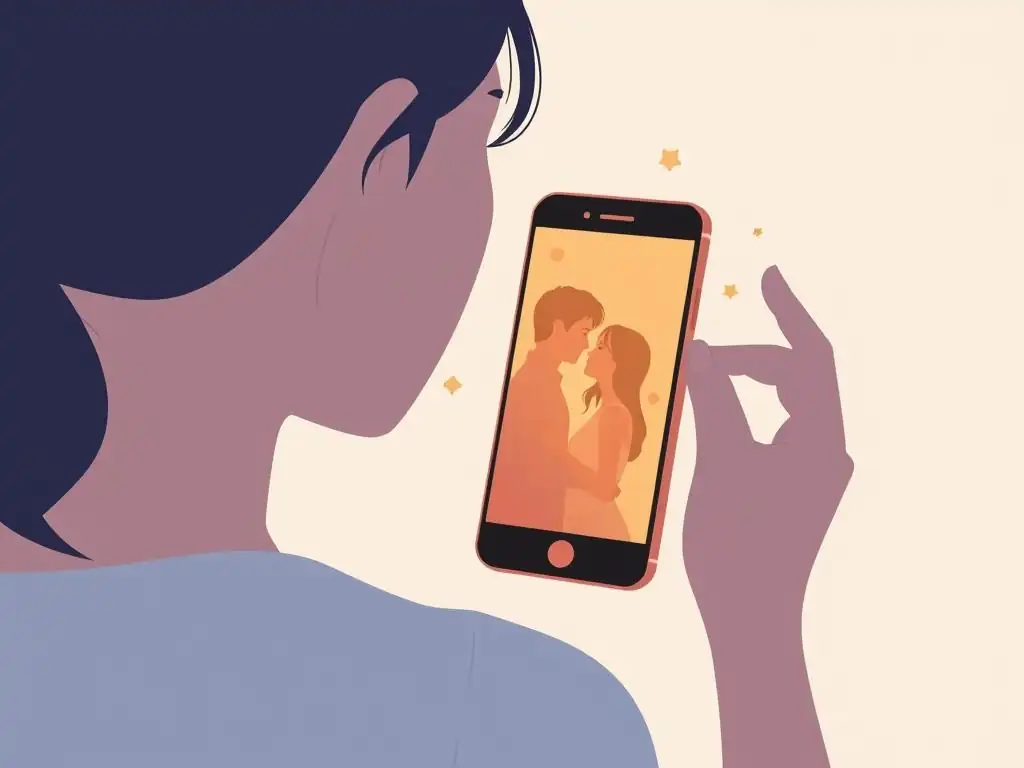
Online dating, while offering exciting possibilities, can also significantly impact mental well-being if not approached responsibly. Establishing clear boundaries is crucial for protecting your mental health and fostering positive experiences. This section focuses on practical strategies for setting and maintaining these boundaries, ensuring your online dating journey contributes to your overall well-being, rather than detracting from it. Remember, healthy boundaries aren't about isolating yourself; they're about prioritizing your mental health and creating a sustainable approach to online dating.
Time Management: Avoiding Excessive Online Dating Time
Excessive time spent on dating apps can lead to feelings of frustration, disappointment, and even addiction. It's essential to allocate specific time slots for online dating and stick to them. Think of it like any other commitment – you wouldn't let work consume your entire life, so don't let online dating do the same.
Consider these strategies for effective time management:
- Schedule specific times: Designate 30-60 minutes each day or every other day for checking messages and browsing profiles. Treat this as an appointment you can't miss, but also an appointment you can't overstay.
- Set timers: Use phone timers or app timers to help you stay within your allocated time. When the timer goes off, log off, regardless of whether you've finished everything.
- Establish a "no-phone" zone: Create specific times and places where you're completely disconnected from dating apps. This could be during meals, before bed, or while spending time with loved ones.
- Track your usage: Many smartphones have built-in screen time trackers. Use these tools to monitor your online dating app usage and identify areas where you might be overspending your time. This data can help you make adjustments to your schedule.
- Reward yourself: When you successfully stick to your allocated time, reward yourself with something you enjoy. This positive reinforcement can help build healthy habits.
Remember, moderation is key. Online dating shouldn't become a substitute for real-life interactions or other important aspects of your life. Prioritize self-care and ensure online dating complements, not consumes, your well-being.
It's easy to become engrossed in the virtual world of online dating, neglecting your existing offline relationships and social life. This imbalance can negatively affect your mental health and lead to feelings of isolation, even while seemingly connecting with many people online. Maintaining a robust offline social life is crucial for grounding yourself and offering a healthy counterpoint to the often unpredictable nature of online interactions.
Here's how to balance your online and offline lives:
- Prioritize existing relationships: Make time for friends and family. Schedule regular meetups, phone calls, or video chats. These connections provide vital support and perspective.
- Engage in hobbies and interests: Dedicate time to activities you enjoy outside of online dating. This could be anything from exercising to reading to pursuing creative endeavors. These activities provide a sense of purpose and fulfillment.
- Join clubs or groups: Participating in activities that align with your interests can help you meet new people offline in a less pressured environment than online dating.
- Schedule social events: Plan regular social gatherings with friends, family, or colleagues. This helps create a sense of belonging and reduces feelings of loneliness.
- Be mindful of your energy levels: If you find yourself feeling drained after spending time on dating apps, take a break and focus on activities that recharge you.
Striking a balance between online and offline interactions is essential for maintaining a healthy perspective and preventing burnout. Remember, real-life connections provide a crucial foundation for emotional well-being.
Screening Potential Partners: Identifying Red Flags and Avoiding Toxic Individuals
Online dating exposes you to a wide range of personalities, some of which may be toxic or harmful. Learning to identify red flags early on is crucial for protecting your mental health. Don't be afraid to end conversations or block users who exhibit concerning behavior. Your safety and well-being are paramount.
Key red flags to watch out for include:
| Red Flag Category | Specific Examples | Impact on Mental Health |
|---|---|---|
| Communication Style | Excessive negativity, controlling behavior, constant demands for attention, gaslighting | Anxiety, stress, feelings of inadequacy, low self-esteem |
| Personal History | History of abusive relationships, unstable relationships, lack of accountability | Fear, distrust, insecurity, triggering of past trauma |
| Online Behavior | Inconsistent profiles, fake profiles, overly aggressive messaging, pressure for intimacy | Confusion, frustration, feeling manipulated, safety concerns |
| Respect for Boundaries | Ignoring your boundaries, pushing for more than you're comfortable with, disrespect | Anger, resentment, violation of personal space, feeling violated |
Remember, trusting your instincts is vital. If something feels off, it probably is. Don't hesitate to remove yourself from the situation. Prioritizing your safety and well-being is always the right decision. Seeking support from friends, family, or a therapist can also be invaluable in navigating challenging online dating experiences. Taking care of your mental health in the context of online dating is a continuous process, requiring vigilance, self-awareness, and a commitment to prioritizing your well-being.
Building Resilience and Self-Care Strategies for Online Dating
Navigating the world of online dating can be emotionally taxing. Rejection, ghosting, and the pressure to present a perfect online persona can take a toll on your mental wellbeing. Building resilience and incorporating self-care strategies are crucial for protecting your mental health while searching for a meaningful connection.
This section focuses on practical techniques to help you navigate the emotional ups and downs of online dating and emerge stronger and more confident. Remember, prioritizing your mental health isn't selfish; it's essential for a fulfilling online dating experience and ultimately, a healthy relationship. This is key to successfully applying online dating mental health tips.
Practicing Self-Compassion and Positive Self-Talk
Online dating often involves comparing yourself to others, leading to negative self-talk and low self-esteem. Combat this by practicing self-compassion. Treat yourself with the same kindness and understanding you would offer a friend facing similar challenges. Instead of dwelling on rejections, acknowledge your feelings, validate your experience, and remind yourself of your strengths and worth.
Positive self-talk is equally important. Replace negative thoughts ("I'll never find anyone," "I'm not good enough") with positive affirmations ("I am worthy of love," "I am attractive and interesting," "I am confident and capable"). Write these affirmations down and repeat them regularly, especially before engaging in online dating activities. Consider keeping a journal to track your progress and celebrate your successes, no matter how small. Even a single positive interaction can be a significant victory. This active practice of self-compassion and positive self-talk is a cornerstone of effective online dating mental health tips.
Developing Healthy Coping Mechanisms for Rejection and Disappointment
Rejection is an inevitable part of online dating. Developing healthy coping mechanisms is crucial for preventing negative emotions from overwhelming you. When faced with rejection, avoid immediately jumping back into the dating pool; instead, allow yourself time to process your feelings. Engage in activities that bring you joy and relaxation, such as spending time in nature, listening to music, reading, or pursuing hobbies.
Consider talking to a trusted friend or family member about your experience. Sharing your feelings can provide emotional support and perspective. If you find yourself struggling to cope, seeking professional help from a therapist or counselor is a sign of strength, not weakness. They can provide guidance and tools to help you navigate the emotional challenges of online dating and develop more effective online dating mental health tips tailored to your needs. Remember, seeking help is a sign of self-awareness and a commitment to your wellbeing.
Prioritizing Self-Care Activities: Mindfulness and Stress Reduction Techniques
Prioritizing self-care is not a luxury; it's a necessity, especially when dealing with the emotional rollercoaster of online dating. Incorporate mindfulness practices into your daily routine. Mindfulness involves paying attention to the present moment without judgment. Simple techniques like deep breathing exercises, meditation, or yoga can help reduce stress and improve your overall mental wellbeing.
Engage in activities you enjoy and that help you relax. This could include spending time with loved ones, pursuing hobbies, exercising, or simply taking a relaxing bath. Make time for these activities regularly, even if it's just for a few minutes each day. Setting boundaries is also important.
Limit your time spent on dating apps to prevent burnout and avoid excessive scrolling or comparing yourself to others. Remember, your mental health is paramount. By prioritizing self-care and incorporating stress reduction techniques, you'll be better equipped to handle the challenges of online dating and build a healthier, more fulfilling experience. These self-care strategies are essential components of comprehensive online dating mental health tips.
Fostering Positive Online Interactions
This section focuses on cultivating a positive and healthy online dating experience, directly addressing the concerns surrounding online dating mental health. Successfully navigating the digital dating world requires proactive strategies to foster positive interactions. By implementing effective communication, managing negative encounters, and building authentic connections, you can significantly improve your mental well-being throughout your online dating journey. Remember, your mental health is paramount; prioritizing it will lead to a more fulfilling and less stressful experience.
Effective Communication Strategies: Promoting Respect and Understanding
Clear, respectful communication is the cornerstone of positive online dating interactions. Ambiguity and misinterpretations can easily lead to misunderstandings and hurt feelings, impacting your mental health. Here are some key strategies:
- Be upfront and honest: Avoid playing games or hiding your true intentions. Authenticity builds trust and reduces the risk of wasted time and emotional investment on incompatible matches. State your intentions clearly in your profile and messages.
- Use active listening: Pay attention to what your match is saying, both verbally and nonverbally. Ask clarifying questions to ensure understanding and demonstrate genuine interest. This shows respect and builds rapport.
- Practice empathy: Try to see things from your match's perspective. Even if you disagree, acknowledge their feelings and viewpoints. Empathy fosters understanding and prevents unnecessary conflicts.
- Set boundaries: Communicate your boundaries clearly and respectfully. This includes setting limits on how much time you spend messaging, the topics you're comfortable discussing, and what you're looking for in a relationship. Protecting your boundaries is crucial for your mental well-being.
- Use "I" statements: Instead of blaming or accusing ("You always..."), focus on expressing your own feelings and needs ("I feel... when..."). This approach promotes constructive dialogue and reduces defensiveness. For example, instead of "You're always late responding," try "I feel a little neglected when responses take a long time."
Managing Negative Interactions: Handling Rude or Disrespectful Behavior
Not every online interaction will be positive. Learning to manage negative experiences is crucial for protecting your mental health. Here's how to navigate difficult situations:
- Identify and block: Don't hesitate to block or report users who engage in rude, disrespectful, or harassing behavior. Many dating platforms offer robust reporting mechanisms. Prioritizing your safety and well-being is key.
- Limit contact: If a conversation turns unpleasant, politely excuse yourself and end the interaction. You're not obligated to engage with anyone who makes you feel uncomfortable.
- Don't take it personally: Remember that negative behavior often reflects the other person's issues, not your worth. Their actions are a reflection of them, not you.
- Seek support: Talk to a trusted friend, family member, or therapist about negative experiences. Sharing your feelings can help you process them and prevent them from negatively impacting your mental health. Consider journaling to track your feelings and identify patterns.
- Take breaks: If online dating is causing you significant stress, take a break. Stepping back can provide valuable perspective and allow you to recharge before returning. Remember, online dating should enhance your life, not detract from it.
Building Authentic Connections: Promoting Genuine Interactions Over Superficial Ones
Authenticity is key to forming meaningful connections. Focusing on superficial aspects can lead to disappointment and frustration, negatively affecting your mental well-being.
- Focus on substance over style: Prioritize genuine connection over superficial attributes. Engage in meaningful conversations about values, interests, and life goals.
- Be yourself: Don't try to be someone you're not to impress others. Authenticity attracts genuine connections. Embrace your unique qualities and let your personality shine through.
- Share your vulnerabilities: Gradually sharing your vulnerabilities can deepen connections. This fosters trust and intimacy, leading to more fulfilling relationships. However, proceed with caution and ensure you feel safe and comfortable.
- Be patient: Building meaningful relationships takes time. Don't get discouraged if you don't find a perfect match immediately. Focus on enjoying the process and learning from each interaction.
- Manage expectations: Avoid putting unrealistic pressure on yourself or your matches. Remember that online dating is a journey, not a race. Celebrate small victories and learn from setbacks. A positive mindset is crucial for your mental well-being.
When to Seek Professional Help: Recognizing the Need for Support
Navigating the world of online dating can be emotionally taxing. While it offers exciting possibilities for connection, it also presents unique challenges that can negatively impact mental well-being. Knowing when to seek professional help is crucial for protecting your mental health and ensuring a positive online dating experience. This section focuses on identifying the warning signs that indicate it's time to reach out for support. Ignoring these signs can lead to prolonged distress and hinder your ability to build healthy relationships, both online and offline. Remember, seeking help is a sign of strength, not weakness.
Experiencing occasional frustration or disappointment with online dating is normal. However, persistent negative emotions or behaviors warrant attention. Here are some key warning signs to watch out for:
- Persistent feelings of anxiety or depression: Do you consistently feel overwhelmed, hopeless, or excessively worried about your online dating experiences? Do these feelings interfere with your daily life, work, or other relationships? If so, professional help may be beneficial.
- Obsessive checking of dating apps: Are you constantly refreshing your apps, checking for messages, or feeling a compulsive need to be online? This can be a sign of unhealthy attachment and dependence on validation from online interactions.
- Negative self-perception and low self-esteem: Does online dating consistently reinforce negative feelings about yourself, your appearance, or your worth? Are you excessively comparing yourself to others? This can lead to a downward spiral in self-esteem.
- Significant changes in sleep, appetite, or energy levels: Online dating stress can manifest physically. Noticeable changes in these areas, especially if persistent, are a cause for concern.
- Social withdrawal and isolation: Are you avoiding social interactions outside of online dating? Are you neglecting your existing relationships due to the time and energy you're investing in online dating?
- Increased alcohol or substance use: Are you turning to alcohol or other substances to cope with the emotional challenges of online dating? This is a dangerous coping mechanism that can worsen mental health issues.
- Suicidal thoughts or self-harm: These are extremely serious warning signs requiring immediate professional intervention. If you're experiencing these thoughts, please reach out for help immediately.
The frequency and intensity of these symptoms are crucial. Experiencing one or two briefly is not necessarily cause for alarm. However, persistent or severe symptoms that significantly impact your daily life require professional assessment and support.
Finding Mental Health Resources and Support Networks
Fortunately, numerous resources are available to help individuals navigate the mental health challenges associated with online dating. These resources offer a range of support options, from self-help tools to professional therapy. Finding the right resource depends on your individual needs and preferences.
It's important to remember that seeking support is not a sign of weakness. Many people benefit from professional guidance when dealing with the complexities of online dating and its impact on their mental well-being.
Remember to research therapists or counselors specializing in relationship issues or online dating-related anxieties. Look for professionals who understand the unique pressures of the digital dating landscape.
Utilizing Therapy and Counseling for Online Dating Challenges
Therapy and counseling provide a safe and supportive environment to explore the emotional challenges you're facing. A therapist can help you:
- Identify and manage negative thought patterns: Therapy can help you challenge self-critical thoughts and develop healthier ways of thinking about yourself and your online dating experiences.
- Develop healthy coping mechanisms: Learn effective strategies for managing stress, anxiety, and disappointment related to online dating.
- Improve communication skills: Work on improving your communication skills to foster healthier interactions with potential partners.
- Set realistic expectations: Therapy can help you establish more realistic expectations about online dating and avoid unrealistic comparisons with others.
- Build self-esteem and confidence: Develop a stronger sense of self-worth, independent of online validation.
- Process past relationship trauma: If past experiences are impacting your current online dating experiences, therapy can provide a safe space to process these emotions.
Therapy offers a personalized approach to address your unique challenges. A skilled therapist can tailor interventions to your specific needs, helping you navigate the complexities of online dating and build healthier relationships. Remember, investing in your mental well-being is an investment in your overall happiness and success.
From Digital Drama to Real Life: Transitioning Successfully
This section focuses on the crucial step of transitioning from the online dating world to real-life interactions, minimizing potential anxieties and maximizing the chances of a successful, healthy relationship. Successfully navigating this transition requires careful planning and a proactive approach to managing expectations. Many users find this the most challenging aspect of online dating, so understanding the potential pitfalls and developing coping strategies is vital for your mental well-being. The shift from curated profiles and carefully crafted messages to spontaneous, in-person interactions can be jarring. Remember, the person you're meeting is likely experiencing similar feelings.
Maintaining Healthy Boundaries in Real-Life Relationships
Maintaining healthy boundaries is paramount, both online and offline. While the initial excitement of a new connection can be intoxicating, it's crucial to establish clear boundaries from the outset. This involves respecting each other's time, space, and emotional needs. For instance, avoid constant texting or calling, especially in the early stages. Allow for personal time and activities outside of the relationship.
Early discussions about expectations regarding exclusivity, commitment, and future goals are also beneficial to avoid misunderstandings and potential conflict. Remember, healthy relationships are built on mutual respect and understanding, not on constant attention or dependence. Setting boundaries early on prevents resentment and fosters a more balanced and sustainable connection. This is crucial for your mental health, preventing the feeling of being overwhelmed or controlled. Don't be afraid to assertively communicate your needs and limits; a healthy partner will respect them.
Integrating Online Connections into Your Offline Life
Successfully integrating online connections into your offline life requires a gradual and mindful approach. Don't rush the process. Start with casual, low-pressure meetups in public places. This allows you to assess compatibility in a safe environment before escalating the relationship. Gradually increase the frequency and intimacy of your interactions as you feel more comfortable and confident.
Remember, the online persona is just one aspect of a person; real-life interactions provide a much richer and more complete picture. Be patient and allow the relationship to develop organically. Avoid comparing your real-life interactions to the idealized online version. Focus on building a genuine connection based on shared experiences and mutual respect, not on maintaining a perfect online image. Online dating is a tool; it shouldn't define your entire relationship.
Cultivating a Positive Mindset for Long-Term Relationships
Cultivating a positive mindset is essential for building lasting relationships. Focus on the positive aspects of your online dating experience, celebrating small victories and learning from setbacks. Remember, not every connection will lead to a long-term relationship, and that's okay. View each interaction as an opportunity for growth and self-discovery. Practice self-compassion and avoid self-criticism. Remember your worth and value regardless of the outcome of your online dating endeavors.
Embrace the journey, focusing on personal growth and self-improvement. A positive outlook will significantly enhance your overall well-being and increase your chances of finding a fulfilling and lasting relationship. Remember to prioritize self-care, engage in activities that bring you joy, and maintain supportive relationships outside of the dating world. This holistic approach will bolster your resilience and foster a healthy perspective on relationships. The journey to finding love should be enriching, not draining.
Frequently Asked Questions
How can online dating affect my mental health?
Online dating can impact mental health both positively and negatively. Rejection and comparison to others can lead to anxiety and low self-esteem. However, finding a meaningful connection can significantly boost your well-being.
What are some strategies for protecting my mental health while online dating?
Prioritize self-care, including healthy habits and boundaries. Limit your time spent on dating apps, focus on genuine connections, and don't take rejection personally. Remember, it's a numbers game.
How do I deal with negative experiences or online harassment?
Block and report abusive users immediately. Lean on your support system for emotional support. Remember that negative experiences don't reflect your worth; it's their behavior.
Is it normal to feel anxious or discouraged while online dating?
Yes, it's completely normal to feel anxious or discouraged at times. Online dating can be challenging. Practice self-compassion, and remember that many people experience similar feelings.
How can I maintain a positive mindset while using dating apps?
Focus on your personal growth and self-improvement. Celebrate small wins, and remember that the goal is to find a compatible partner, not to be perfect. Maintain realistic expectations.
Final Reflection: Weaving a Safer Path Through Digital Courtship
The rise of online dating has irrevocably changed how we connect, yet its impact on our mental wellbeing remains a largely uncharted territory. Navigating the complexities of digital romance often leaves us vulnerable to emotional turmoil, from ghosting and catfishing to the constant pressure of curated profiles and superficial interactions. This vulnerability necessitates a proactive approach to safeguarding our mental health within this increasingly prevalent landscape.
The pervasive nature of online dating has profoundly shaped our expectations of relationships, blurring the lines between authentic connection and performative self-presentation. The constant stream of notifications, the pressure to maintain an "ideal" online persona, and the potential for rejection can all contribute to anxiety and low self-esteem. As the poet Mary Oliver wisely reminds us, Tell me, what is it you plan to do with your one wild and precious life?
This question becomes even more poignant when considering how we choose to engage with online dating, urging us to prioritize our mental health above the fleeting allure of digital validation.
You hold the power to redefine your online dating experience. By consciously cultivating healthy boundaries, prioritizing self-compassion, and remembering the inherent value of genuine connection over superficial metrics, you can transform the digital dating world from a source of anxiety into a space for meaningful exploration. Take a moment to reflect on your own online dating habits. What boundaries can you establish to protect your mental wellbeing? How can you cultivate a more authentic and fulfilling online presence? The journey to a healthier digital romance begins with you.
Unleash Your Authentic Self: Cultivate Healthier Online Connections
Thank you for exploring mindful online dating! We hope you've gained valuable insights into protecting your mental well-being while navigating the complexities of digital romance. Now, let's put that knowledge into action.
Here's how you can take control of your online dating experience:
- Prioritize self-care: Make time each day for activities that nurture your mind and body. This could be anything from meditation and exercise to spending quality time with loved ones offline. A strong foundation of self-care significantly improves your online interactions.
- Set healthy boundaries: Define your limits and communicate them clearly. Whether it's limiting screen time, refusing to engage in negativity, or taking breaks from dating apps, setting boundaries protects your emotional well-being.
- Share your knowledge: Discuss this article with a friend who's also navigating the online dating world. Sharing your experiences can strengthen your relationships and build resilience for both of you.
What's one small step you can take today to improve your digital well-being and foster healthier connections?