
Consent and SelfRespect: Valuing Your Boundaries in Online Dating


Welcome to OnlineDatingSuccess.org, your guide to navigating the exciting yet complex world of online dating! Are you ready to build meaningful connections while prioritizing your well-being? This site is dedicated to helping you achieve just that.
We'll equip you with the knowledge and strategies to create a compelling profile, communicate effectively, and, most importantly, establish healthy online dating safety boundaries. Learn how to confidently navigate the dating scene and discover the power of consent and self-respect in building lasting relationships. Dive into our article on "Online dating safety boundaries" to unlock the secrets to a safer and more fulfilling online dating experience.
- Understanding Online Dating Safety Boundaries: Defining Consent
- Establishing Healthy Boundaries in Online Interactions
- Navigating Difficult Situations: Handling Boundary Violations
- Maintaining Healthy Relationships: Post-Date Boundaries
-
Frequently Asked Questions
- How can I set healthy boundaries in online dating?
- What are some red flags to watch out for regarding safety?
- How do I ensure my personal information stays safe online?
- What constitutes consent in online dating interactions?
- What should I do if I feel uncomfortable or unsafe during an online dating interaction?
- Final Reflection: Reclaiming Agency in the Digital Dating World
- Unlock Your Dating Confidence: Set Healthy Boundaries Now!
Understanding Online Dating Safety Boundaries: Defining Consent
Navigating the world of online dating requires a proactive approach to personal safety and well-being. This article focuses on the crucial intersection of consent and self-respect within the online dating landscape, equipping you with the knowledge and tools to establish healthy boundaries and foster positive, respectful interactions. Understanding and practicing consent is paramount to ensuring your safety and building meaningful connections, rather than experiencing negative or even harmful encounters. We will explore what constitutes consent in the digital realm, how to identify non-consensual behaviors, and how to effectively communicate your boundaries to potential partners.
Ultimately, prioritizing your safety and well-being is key to a successful and fulfilling online dating experience. This guide provides practical strategies to help you navigate the complexities of online dating while maintaining your self-respect and prioritizing your personal safety. Remember, your comfort and safety are non-negotiable.
What Does Consent Look Like in Online Dating?
Consent in online dating, just like in any other context, is a freely given, enthusiastic, and informed agreement. It's not something that can be assumed or coerced. It's crucial to remember that silence or lack of explicit refusal does not equate to consent. Consent must be ongoing; what someone agrees to at one point in time may not be applicable later. For example, agreeing to a video call initially doesn't automatically imply consent to share intimate images later.
Let's break down the key elements:
- Freely Given: Consent cannot be given under pressure, duress, or manipulation. This includes situations where someone feels obligated to agree due to fear of rejection or other forms of intimidation.
- Enthusiastic: Consent should be affirmative and enthusiastic, not passive or reluctant. A simple "yes" is a good start, but genuine enthusiasm demonstrates true agreement. A hesitant or unsure "yes" is not consent.
- Informed: Consent requires a full understanding of what is being agreed to. This means being clear about the activity, its potential consequences, and the individual's boundaries. For example, sharing personal information requires understanding the potential risks involved.
- Ongoing: Consent is not a one-time event. It must be actively given for each interaction and can be withdrawn at any time.
Think of it like this: Consent is an active "yes," not a passive "maybe" or a silent "I guess." Always prioritize your feelings and comfort level. If something feels wrong or makes you uncomfortable, it's perfectly acceptable to withdraw your consent and end the interaction.
Recognizing Non-Consensual Behavior Online
Non-consensual behavior in online dating manifests in various forms, often subtle but equally damaging. It's crucial to be aware of these red flags and take appropriate action to protect yourself. Examples include:
- Unwanted sexual advances: This includes unsolicited sexually explicit messages, photos, or videos.
- Pressuring for intimacy: This involves persistent attempts to escalate the relationship physically despite clear indications of discomfort or refusal.
- Sharing personal information without consent: This could involve sharing private photos or details to others without your permission.
- Stalking or harassment: This includes repeated unwanted contact, threats, or monitoring your online activity.
- Ignoring boundaries: Continuously pushing boundaries you've clearly communicated.
- Revenge porn: Sharing intimate images or videos without consent after a relationship ends.
If you encounter any of these behaviors, immediately cease communication, block the individual, and consider reporting the incident to the platform or authorities if necessary. Remember, you are not responsible for someone else's behavior.
Setting Clear Boundaries in Your Dating Profile: Protecting Your Personal Information
Protecting your personal information is crucial for online dating safety. Your dating profile should reflect your comfort level with sharing information. Consider these strategies:
- Avoid sharing Personally Identifiable Information (PII): This includes your full name, address, workplace, phone number, or social media handles in your profile or early messages.
- Use caution with photos: Avoid posting photos that reveal too much personal information about your location or lifestyle.
- Be mindful of what you share in messages: Avoid revealing sensitive details about your daily routine or financial information.
- Utilize the privacy settings: Familiarize yourself with the privacy settings of the dating platform and adjust them to your comfort level.
- Trust your instincts: If something feels wrong or unsafe, don't hesitate to block the user or report them to the platform.
Creating a safe and respectful online dating experience requires proactive effort and a strong understanding of consent and boundaries. By prioritizing your safety and well-being, you pave the way for genuine connections and positive experiences. Remember, your safety and self-respect are paramount. 💪
Communicating Your Boundaries Clearly: Direct and Indirect Communication Strategies
Setting boundaries in online dating requires clear communication, both direct and indirect. Direct communication involves explicitly stating your preferences and limits. This might involve saying things like, "I'm not comfortable sharing personal details until we've met in person," or "I prefer to keep our conversations on the platform for now." The key to effective direct communication is to be assertive but respectful. Avoid accusatory language or making the other person feel judged.
For example, instead of saying, "You're being pushy," try, "I appreciate your interest, but I'd prefer to take things slower." This approach ensures your message is received clearly without causing unnecessary defensiveness. Remember, your comfort is paramount, and direct communication empowers you to maintain control over your online dating experience. Directness also sets a precedent for respectful interaction, signaling that you value your safety and won't tolerate inappropriate behavior.
Indirect communication involves setting boundaries through your actions and choices. This might include limiting the amount of personal information you share in your profile, avoiding overly revealing photos, or choosing to only communicate through the dating app's messaging system initially. For instance, if someone repeatedly asks for your phone number before you feel comfortable, you can choose to ignore the request or politely reiterate your preference to communicate within the app.
Similarly, limiting the time you spend chatting with someone who makes you feel uneasy is a form of indirect boundary setting. While not as explicit as direct communication, indirect strategies are still powerful tools for protecting your personal safety and emotional well-being. It's important to note that indirect strategies shouldn't be used instead of direct communication when necessary; they function best as supplementary tools to reinforce your expressed boundaries.
Observe their reaction to your indirect cues. If they continue to disregard your boundaries, it’s crucial to use direct communication to reinforce your limits and potentially end the interaction.
Combining both direct and indirect strategies is often the most effective approach. You might, for example, state directly that you're not comfortable meeting in person until you've had several conversations online (direct), while simultaneously limiting the personal information you share in your profile (indirect). This layered approach creates a robust system of protection, ensuring your boundaries are both communicated and reinforced.
Remember, consistent application of your chosen strategies is key to maintaining your safety and self-respect in the online dating world. Consistency demonstrates to potential partners that you are serious about your boundaries and that you won't tolerate being disrespected. This proactive approach to safety helps you navigate the complexities of online dating with confidence and self-assurance.
Establishing Healthy Boundaries in Online Interactions

Online dating safety boundaries are crucial for a positive and safe experience. Navigating the digital world of romance requires establishing clear limits from the outset. This isn't about being unfriendly; it's about self-respect and protecting your well-being. Remember, you have the right to control your interactions and dictate the pace of any developing relationship. This section will explore practical strategies for setting and maintaining healthy boundaries in your online dating journey. Prioritizing your safety and emotional well-being should always be paramount.
Protecting Your Privacy: Managing Personal Data Sharing
Protecting your privacy is paramount when engaging in online dating. Avoid sharing Personally Identifiable Information (PII) prematurely. This includes your full address, workplace, phone number, and exact location. Consider using a dedicated email address solely for online dating correspondence, separating it from your primary personal inbox.
Think twice before sharing images; ensure they don't reveal identifying details about your home or workplace. Remember, even seemingly innocuous information can be pieced together to compromise your safety. Many people inadvertently share too much too soon, leading to uncomfortable situations or even harassment. A gradual approach, where you reveal information only as you build trust and comfort, is a strong online dating safety boundary.
Consider the information you share on your profile. While you want to present an accurate picture of yourself, avoid oversharing sensitive details. Keep your profile updated with current information, but be mindful of what you reveal. Review your privacy settings on all dating platforms frequently to ensure your data is appropriately protected. This proactive approach contributes significantly to online dating safety boundaries. Remember, your privacy is your right, and protecting it is a key aspect of maintaining healthy boundaries in the online dating world.
Saying No and Setting Limits: Respectful Rejection Techniques
Learning to say "no" is a vital skill in online dating, and an essential part of establishing strong online dating safety boundaries. It's perfectly acceptable – and often necessary – to decline dates, requests for personal information, or further contact. You don't owe anyone an explanation beyond a polite but firm refusal.
Direct and assertive communication is key. Phrases like, "Thank you for your interest, but I'm not feeling a connection," or "I'm not comfortable sharing that information yet," are effective and respectful ways to establish your boundaries. Avoid feeling obligated to respond to every message or request; prioritizing your own comfort is crucial.
Remember, your feelings and comfort are valid. Don't let pressure from others dictate your decisions. If someone persists after you've said no, it's a major red flag. Block and report such behavior immediately. Practicing assertive communication is crucial in establishing healthy online dating safety boundaries. Learning these skills empowers you to navigate the dating world with confidence and respect for your own needs. Prioritize your emotional well-being; your peace of mind is invaluable.
Identifying and Avoiding Red Flags: Recognizing Warning Signs of Unhealthy Behavior
Recognizing red flags early on is crucial for online dating safety boundaries. Be wary of individuals who are overly demanding, possessive, or controlling in their communication. Pressure to meet up too quickly, aggressive or insistent messaging, or attempts to manipulate your emotions are all major warning signs. Pay attention to inconsistencies in their profile or stories. If something feels off, trust your intuition.
| Red Flag | Description | Action |
|---|---|---|
| Overly demanding behavior | Constant messaging, pressure to meet immediately, controlling language. | Limit contact, block if necessary. |
| Inconsistencies in profile | Discrepancies between profile information and conversations. | Investigate further, consider reporting if suspicious. |
| Aggressive or insistent messaging | Pressuring you to respond, ignoring your boundaries. | Block and report. |
| Controlling behavior | Trying to dictate your actions, limiting your interactions with others. | End communication immediately. |
| Lack of respect for boundaries | Ignoring your requests or attempts to set limits. | Block and report. |
Remember, your safety and well-being are paramount. If you encounter any of these red flags, don't hesitate to end communication and block the individual. Prioritizing your online dating safety boundaries is an act of self-care. Trust your instincts; they are often correct. Building a safe and respectful online dating experience requires vigilance and a commitment to protecting your emotional and physical well-being. Protecting yourself is not selfish; it's essential.
Building Confidence in Setting Boundaries: Self-Assertiveness Techniques
Building confidence in setting boundaries in online dating, and in life, is a journey, not a destination. It requires consistent practice and self-compassion. Many people struggle with assertiveness, fearing rejection or conflict. However, healthy boundaries are crucial for your well-being and safety, particularly in the often-unpredictable world of online dating. Learning to assert yourself confidently will not only protect you but also enhance your dating experience.
One effective technique is practicing assertive communication. This involves expressing your needs and wants clearly and respectfully, while also acknowledging the other person's perspective. Instead of passively accepting unwanted advances or ignoring red flags, assertively communicate your discomfort. For example, if someone is pressuring you for a date before you're ready, you can say something like, "I appreciate your interest, but I'm not comfortable meeting in person yet. I'd like to get to know you better online first." This statement clearly communicates your boundary without being aggressive or accusatory.
Another powerful tool is role-playing. Practice scenarios where you might need to set a boundary. This could involve a friend or even practicing alone in front of a mirror. Rehearsing different responses helps build confidence and allows you to refine your communication style. Consider scenarios like someone sharing inappropriate photos, making persistent unwanted contact, or ignoring your requests for space. By mentally preparing for these situations, you'll feel more equipped to handle them effectively in real-time.
Furthermore, remember that setting boundaries is not selfish; it's essential for self-respect. Prioritizing your own emotional and physical safety is never wrong. If someone reacts negatively to your boundaries, it reflects their inability to respect you, not a flaw in your approach. Recognize that you deserve to be treated with respect and that setting boundaries is a sign of strength, not weakness. This positive self-talk can significantly boost your confidence when navigating challenging online interactions. It's crucial to remember that your feelings are valid, and you have the right to protect yourself.
Finally, consider seeking support. Talking to a trusted friend, family member, or therapist can provide encouragement and guidance. They can offer perspective, help you practice assertive communication, and provide emotional support when facing difficult situations. Remember, you don't have to navigate this alone. Building self-confidence in setting boundaries is a process that involves self-reflection, practice, and support. The more you practice, the more confident and comfortable you will become in protecting yourself and valuing your well-being in the online dating world. This empowers you to create a safer and more fulfilling experience.
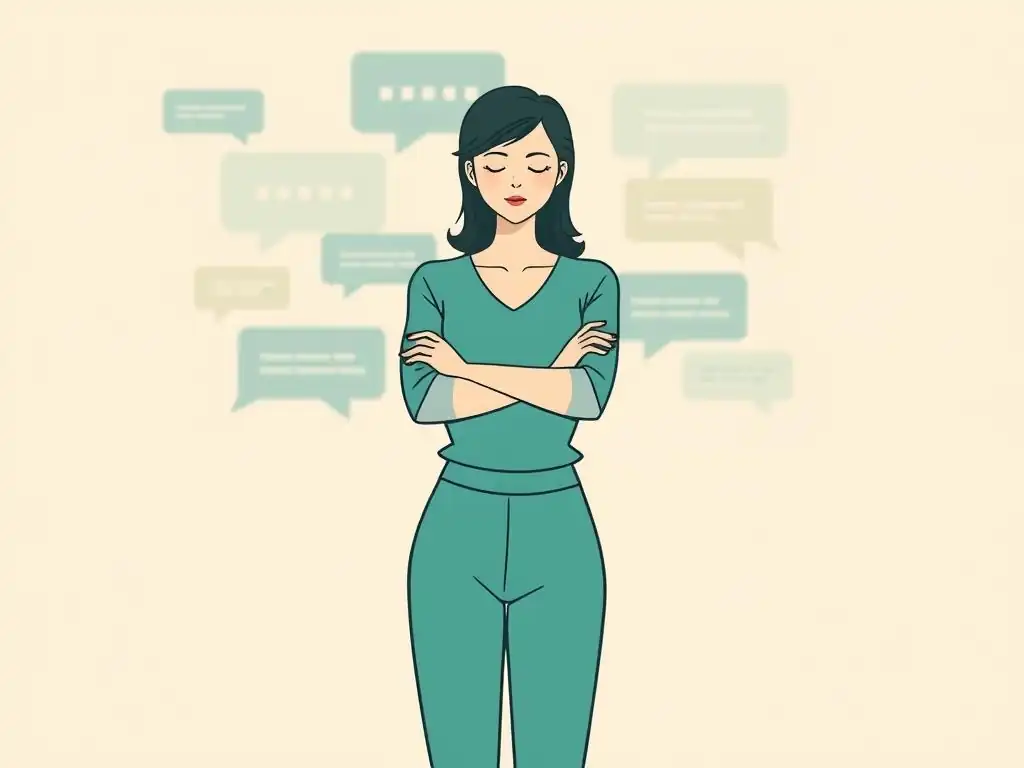
Online dating safety boundaries are crucial for a positive and respectful experience. Unfortunately, despite our best efforts, we might encounter situations where those boundaries are violated. This section focuses on practical strategies for navigating these difficult circumstances, emphasizing your safety and well-being. Remember, you have the right to feel safe and respected in your online interactions. Ignoring a boundary violation can lead to further issues, so proactive responses are key.
Responding to Unwanted Advances: Strategies for De-escalation
Responding to unwanted advances requires a calm and assertive approach. The goal is to de-escalate the situation while firmly communicating your discomfort. Avoid engaging in lengthy arguments or justifying your boundaries – your feelings are valid, and you don't owe anyone an explanation.
Here are some effective strategies:
- Direct and concise communication: A simple, "I'm not comfortable with this conversation," or "Please stop," is often sufficient. Be clear and direct, leaving no room for misinterpretation.
- Setting clear expectations: If the unwanted advance is persistent, reiterate your boundary more firmly. For example, "I've asked you to stop, and I will report you if this continues."
- Ignoring and blocking: If the individual continues despite your clear communication, ignoring their messages and blocking them is a perfectly acceptable response. Prioritize your safety and mental health.
- Using pre-written responses: Prepare some canned responses to unwanted messages to help you react quickly and confidently. This can be especially helpful if you're feeling overwhelmed or emotionally vulnerable.
Consider these examples:
| Unwanted Advance | Effective Response | Ineffective Response |
|---|---|---|
| "Hey, wanna meet up tonight?" (after you've stated your preference for slower pacing) | "I'm not comfortable with that. I've already expressed my preference for getting to know each other better online first." | "Oh, I'm busy tonight, maybe another time?" (leaves the door open) |
| Sending sexually explicit images unsolicited | "I find this inappropriate and offensive. Please stop contacting me immediately." | Engaging in a debate about the appropriateness of the images. |
| Persistent messaging after being ignored | "I've already stated that I'm not interested. I'm blocking you now." | Responding with short, unenthusiastic answers. |
Remember, your comfort and safety are paramount. Don't hesitate to take strong action if necessary.
Knowing When to Disengage: Recognizing When to Block or Report
Knowing when to block or report a user is a critical aspect of online dating safety boundaries. While direct communication is often the first step, persistent violation of boundaries warrants stronger action. Blocking prevents further contact, while reporting alerts the platform to potentially harmful behavior.
Consider blocking or reporting if:
- The individual ignores your boundaries despite repeated requests to stop. This indicates a disregard for your well-being and a potential for escalation.
- The individual engages in threatening or harassing behavior. This includes verbal abuse, threats of violence, or stalking.
- The individual sends unsolicited sexually explicit content or engages in other forms of inappropriate behavior. This constitutes harassment and violates platform terms of service.
- You feel unsafe or uncomfortable. Your intuition is a valuable tool. If a situation feels wrong, trust your gut and take action.
Reporting mechanisms vary across different online dating platforms, but generally involve reporting the profile or specific messages. Document instances of harassment with screenshots if possible. Remember, reporting is not just about protecting yourself; it helps create a safer environment for other users.
Seeking Support: Resources and Help for Online Dating Safety
Navigating difficult situations in online dating can be emotionally challenging. Remember that you're not alone, and support is available. Several resources offer guidance and assistance for victims of online harassment and abuse.
Consider reaching out to:
- Friends and family: Talking to trusted individuals can provide emotional support and perspective.
- Online dating platform support: Many platforms offer help centers and reporting mechanisms for dealing with harassment.
- Mental health professionals: Therapists and counselors can provide support and guidance in processing difficult experiences.
- Victim support organizations: These organizations offer specialized support and resources for victims of online abuse.
Prioritizing your mental health and safety is essential. Don't hesitate to seek help if you need it. Remember, establishing and enforcing online dating safety boundaries is a crucial step towards a positive and respectful online dating experience. You deserve to feel safe and respected.
Protecting Your Mental Health: Self-Care After a Negative Experience
Experiencing a boundary violation in online dating can be incredibly upsetting and emotionally draining. It's crucial to prioritize your mental health and practice self-care after such an incident. Ignoring your emotional needs can lead to further distress and even impact your ability to navigate future online dating interactions healthily. Remember, you are not alone, and seeking support is a sign of strength, not weakness.
One of the most effective self-care strategies is to allow yourself to feel your emotions. Don't try to suppress or ignore feelings of anger, disappointment, or sadness. Acknowledge these emotions and allow yourself time to process them. Journaling can be a helpful tool for this; writing down your thoughts and feelings can provide a sense of release and clarity. Talking to a trusted friend, family member, or therapist can also be incredibly beneficial. Sharing your experience can help you feel validated and less isolated.
Beyond emotional processing, engaging in activities that bring you joy and relaxation is essential. This could involve anything from spending time in nature, listening to music, reading a book, or pursuing a hobby you enjoy. Prioritize activities that help you de-stress and recharge. Ensure you're getting enough sleep, eating nutritious meals, and engaging in regular physical activity. These basic self-care practices can significantly impact your overall well-being, especially during challenging times.
Consider limiting your exposure to online dating platforms temporarily. Taking a break can provide the space you need to heal and regain your emotional equilibrium before re-engaging. Use this time to reflect on your experiences, reassess your boundaries, and develop strategies for protecting yourself in the future. Remember that setting healthy boundaries is a continuous process, and it's okay to adjust your approach as needed.
Taking care of yourself is not selfish; it's essential for your well-being and for building healthy relationships both online and offline. Prioritizing your mental health after a negative experience is a crucial step in navigating online dating safely and effectively. Remember, your well-being is paramount.
Maintaining Healthy Relationships: Post-Date Boundaries
This section focuses on establishing and maintaining healthy boundaries after a date, a crucial aspect of online dating safety boundaries. It's not just about the initial interactions; it's about setting clear expectations and prioritizing your well-being throughout the dating process. Remember, healthy boundaries are not about being unfriendly; they're about respecting yourself and your needs.
Respectful Communication After a Date: Setting Expectations for Future Interactions
Following a date, clear and respectful communication is paramount. This involves promptly responding to messages, even if it's to express a lack of interest. Ghosting, or abruptly ceasing all contact without explanation, is disrespectful and can be emotionally damaging. Instead, consider crafting a brief, polite message expressing your feelings.
For example: "I enjoyed meeting you last night, but I don't feel a romantic connection. I wish you all the best in your search." This approach demonstrates respect for the other person's time and feelings, while also protecting your own emotional well-being. Consistent and honest communication helps establish healthy online dating safety boundaries.
Consider these points when communicating after a date:
- Timeliness: Aim to respond within 24-48 hours. Prolonged silence can be misinterpreted.
- Honesty: Be truthful about your feelings, even if it's not what the other person wants to hear.
- Clarity: Avoid ambiguous language that could lead to misinterpretations.
- Respect: Maintain a respectful tone, regardless of your feelings about the date.
Managing Expectations: Understanding the Dating Process
Online dating is a process, not a race. Many people navigate multiple dates before finding a compatible partner. Managing expectations is crucial for preventing disappointment and maintaining your mental health. Avoid placing undue pressure on yourself or your dates to progress rapidly. Remember, it's okay to take things slow and get to know someone gradually. Setting realistic expectations about the dating process is a key element of online dating safety boundaries.
Let's look at some common pitfalls and how to avoid them:
| Pitfall | Solution |
|---|---|
| Idealizing potential partners | Focus on getting to know the person, flaws and all. |
| Expecting instant connection | Allow time for a connection to develop naturally. |
| Comparing yourself to others | Focus on your own journey and avoid social media comparisons. |
| Over-investing too quickly | Take things slow and avoid making major life decisions based on early dates. |
Remember that ❤️ is a marathon, not a sprint!
Prioritizing Your Well-being: Self-Care and Relationship Health
Maintaining your well-being is crucial during the online dating journey. This involves practicing self-care, setting boundaries, and recognizing your emotional needs. If a date leaves you feeling drained, uncomfortable, or disrespected, don't hesitate to prioritize your well-being. This could involve taking a break from dating, focusing on self-care activities, or seeking support from friends and family. Prioritizing self-care is a fundamental part of establishing strong online dating safety boundaries.
Here are some self-care strategies to consider:
- Engage in activities you enjoy, such as hobbies, exercise, or spending time with loved ones.
- Practice mindfulness and stress-reduction techniques like meditation or deep breathing.
- Maintain a healthy lifestyle through proper diet, exercise, and sufficient sleep.
- Set aside time for yourself each day to relax and recharge.
- Don't hesitate to seek professional help if you're struggling with the dating process.
Remember, healthy relationships are built on mutual respect, open communication, and a commitment to each other's well-being. By setting and maintaining healthy boundaries, you are not only protecting yourself but also creating a space for more meaningful and fulfilling connections.
Long-Term Relationship Boundaries: Maintaining Consent and Respect
Building a healthy long-term relationship after meeting on an online dating platform requires ongoing attention to consent and respect. The initial excitement of a new connection can sometimes overshadow the importance of establishing and maintaining clear boundaries. Remember that consent isn't a one-time event; it's an ongoing process of communication and mutual respect that evolves with the relationship. Just because you've established a relationship doesn't mean that boundaries cease to be important. In fact, healthy boundaries are crucial for the longevity and well-being of any relationship.
One crucial aspect is open communication about physical intimacy. This includes discussing comfort levels with different types of physical affection, frequency, and setting boundaries around sexual activity. Avoid pressure or coercion, and always ensure enthusiastic consent before engaging in any intimate act. Regularly checking in with your partner to ensure that you both still feel comfortable and respected is essential. For example, a couple might agree to discuss their comfort levels with intimacy before each encounter, ensuring that their needs and desires remain aligned. This proactive approach can prevent misunderstandings and maintain mutual respect.
Beyond physical intimacy, emotional boundaries are equally important. This includes respecting each other's need for personal space, alone time, and independent activities. Healthy relationships allow individuals to maintain their own identities and interests outside of the partnership. Openly communicating about emotional needs and limits prevents feelings of being overwhelmed or suffocated. For instance, establishing clear boundaries around emotional availability can prevent one partner from feeling overburdened by the other's emotional needs. One might establish a boundary around responding to emotionally charged messages late at night, ensuring they have time to process and respond appropriately.
Financial boundaries are also a significant aspect of long-term relationship health. Discussions about shared expenses, individual finances, and financial goals should occur openly and honestly. Transparency and mutual agreement on financial matters prevent resentment and conflict down the line. This might involve creating a joint budget, discussing individual spending habits, or establishing clear expectations regarding financial contributions to shared expenses.
It's important to avoid assumptions and to communicate clearly about financial expectations to maintain mutual respect and avoid any financial burden on either partner. Remember, maintaining open communication around finances is crucial to avoid future conflicts and build a strong foundation of trust. A shared understanding of financial goals and responsibilities promotes a sense of partnership and equity within the relationship.
Finally, remember that boundaries are not static; they evolve as the relationship progresses. Regularly revisiting and adjusting boundaries as your needs and desires change is vital for maintaining a healthy and respectful dynamic. Open communication, empathy, and mutual respect form the bedrock of a strong and fulfilling long-term relationship.
Regular check-ins and willingness to adapt to changing circumstances are key to navigating this aspect of online dating safety boundaries successfully. The ongoing conversation about boundaries is as important as establishing them in the first place. This continuous dialogue ensures that both individuals feel safe, respected, and valued within the relationship.
Frequently Asked Questions
How can I set healthy boundaries in online dating?
Setting healthy boundaries involves clearly communicating your expectations and limits to potential dates. This includes being upfront about what you're comfortable with, both online and offline, and respecting others' boundaries as well. Don't be afraid to say no.
What are some red flags to watch out for regarding safety?
Red flags can include pressure to move quickly offline, excessive flattery or intense interest early on, and avoidance of video calls or meeting in public. Trust your instincts; if something feels off, it probably is.
How do I ensure my personal information stays safe online?
Avoid sharing sensitive personal information like your full address or workplace until you've met someone in person and feel comfortable. Be cautious about the information you share on your profile and be mindful of scams. Use strong passwords and consider enabling two-factor authentication.
What constitutes consent in online dating interactions?
Consent is enthusiastic and freely given agreement. It's crucial to obtain explicit consent before engaging in any intimate conversation or sharing personal information. Consent can be withdrawn at any time.
What should I do if I feel uncomfortable or unsafe during an online dating interaction?
If you feel uncomfortable or unsafe, immediately block and report the person. Reach out to a trusted friend or family member for support. You can also report the situation to the dating platform itself. Prioritize your safety and well-being.
Final Reflection: Reclaiming Agency in the Digital Dating World
The erosion of consent in online dating is not merely a technological glitch; it's a societal reflection of power imbalances that demand urgent attention. The ease of connection offered by dating apps often masks the complexities of human interaction, leaving many vulnerable to manipulation and disrespect. This necessitates a proactive approach to personal safety and the unwavering assertion of our boundaries.
The ongoing conversation surrounding consent and self-respect in online dating is crucial because it challenges the normalization of disrespectful behavior. It forces us to confront the ways in which societal pressures and technological advancements can blur the lines of healthy relationships. The only way to do great work is to love what you do.
– Steve Jobs. While not directly about dating safety, this quote speaks to the importance of self-respect and valuing your own boundaries, which are essential for healthy relationships, both online and offline. Ignoring these boundaries, whether out of fear of missing out or societal pressure, ultimately diminishes our sense of self-worth and agency.
Now, consider your own online dating experiences. Reflect on the moments where you felt empowered and respected, and contrast them with instances where your boundaries were disregarded. What steps can you take to prioritize your safety and well-being in the digital realm? You deserve to navigate the world of online dating with confidence and self-respect. Embrace the power of setting clear boundaries, communicating your needs assertively, and prioritizing your emotional well-being above all else. This is not just about safety; it's about reclaiming your agency and building authentic connections based on mutual respect.
Unlock Your Dating Confidence: Set Healthy Boundaries Now!
Thank you for exploring the crucial topic of consent and self-respect in online dating. We hope you gained valuable insights into building healthier relationships. Now let's put that knowledge into practice!
- Prioritize your boundaries: Take a few minutes today to clearly define your personal limits and what you won't compromise on in dating. Writing them down is the first step toward confident and fulfilling relationships.
- Share your experience: Have you successfully set healthy boundaries in your dating life? Let's build a supportive community by sharing your experiences in the comments below. Your perspective could help others.
- Refer to this guide often: Bookmark this article—it's a valuable resource you can consult as you navigate the online dating world.
What's one small step you can take today to better protect your boundaries in your dating life?