
LocationBased Dating: How to Choose a LocationBased App That Suits Your Needs


Ready to ditch the dating app doldrums and find meaningful connections? At OnlineDatingSuccess.org, we empower you to navigate the world of online dating with confidence. This isn't just about swiping—it's about strategy. Discover how choosing the best location-based dating app can dramatically increase your chances of finding your perfect match. Dive into our expert advice and unlock the secrets to online dating success, starting with our in-depth guide on location-based dating apps.
- Understanding the Best Location-Based Dating App for You
- Key Features to Consider in a Location Based Dating App
- Top Location-Based Dating Apps Compared: A Detailed Analysis
- Choosing the Right Location-Based Dating App: A Step-by-Step Guide
- Maximizing Your Success with Location-Based Dating Apps
- Frequently Asked Questions
- Final Reflection: Navigating the Landscape of Location-Based Love
- Unlock Your Dating Potential: Find Your Perfect Match Today!
Understanding the Best Location-Based Dating App for You
Finding love in the digital age can feel like navigating a complex maze, but location-based dating apps offer a unique advantage: connecting you with potential partners in your immediate vicinity. This article serves as your guide to selecting the best location-based dating app that aligns perfectly with your individual needs and dating aspirations. We'll explore crucial factors to consider, from defining your relationship goals to understanding the nuances of proximity settings and demographic targeting.
Choosing the right app isn't just about finding matches; it's about optimizing your chances of forging meaningful connections and ultimately, finding happiness. Let's dive into the key elements to help you make an informed decision and maximize your online dating success.
Defining Your Dating Goals: Casual Dating vs. Long-Term Relationships
Before you even think about downloading an app, it's crucial to clarify what you're looking for. Are you seeking casual encounters, or are you hoping to find a long-term partner? This seemingly simple question significantly impacts your app choice.
Some apps cater specifically to casual dating, emphasizing quick connections and prioritizing ease of use. Others focus on fostering deeper connections and facilitating long-term relationships. Consider these differences:
- Casual Dating Apps: These apps often prioritize features that encourage quick matches and communication, such as swiping mechanisms and instant messaging. They may have a larger user base, increasing the chances of finding someone quickly. However, the focus on immediate gratification might not be ideal for those seeking lasting relationships.
- Long-Term Relationship Apps: Apps designed for serious relationships often incorporate features that encourage meaningful interactions. These features might include detailed profiles, in-depth questionnaires to assess compatibility, and options for video calls to enhance connection. While the user base might be smaller, the quality of matches is often higher.
Understanding your dating goals from the start will help you narrow down your app choices and avoid wasting time on platforms that don't align with your objectives. Think about your priorities: Are you prioritizing quantity or quality of matches? This will heavily influence your app selection.
Proximity Preferences: How Far Are You Willing to Travel?
Location-based dating apps, by their very nature, emphasize proximity. However, the definition of "proximity" varies greatly depending on the app and its user base. Some apps allow you to set a radius of several miles, while others might focus on a smaller, more localized area.
Consider your willingness to travel to meet potential partners. Are you looking for someone within walking distance, or are you willing to drive a longer distance for a promising match? This directly influences the settings you’ll use within the app and the type of app you should choose.
- Apps with adjustable radius settings: Many apps allow you to customize your search radius, giving you control over the geographic area from which you receive matches. This flexibility is ideal for those who are willing to travel, but also want to prioritize local connections.
- Hyperlocal apps: Some apps focus on connecting users within a very small radius, such as a specific neighborhood or city. These apps are excellent for those who prioritize meeting someone nearby and minimizing travel time.
Carefully consider your commute, transportation options, and your personal comfort level with traveling to meet potential dates when choosing your proximity settings and the appropriate app.
Demographic Targeting: Age, Interests, and Relationship Status
Most location-based dating apps allow you to filter potential matches based on various demographic factors, including age, interests, and relationship status. Leveraging these filters is crucial for increasing your chances of finding compatible partners.
- Age Range: Defining your preferred age range helps you avoid matches outside your desired demographic. Most apps allow for a flexible range, allowing you to specify your preferences with precision.
- Interests: Many apps incorporate interest-based matching, connecting you with individuals who share your hobbies, passions, and lifestyle preferences. This feature significantly enhances the potential for meaningful connections. The more specific you are in defining your interests, the better your matches will be.
- Relationship Status: Clarifying your desired relationship status (e.g., single, divorced, widowed) ensures you're connecting with individuals who share similar relationship goals. This helps avoid misunderstandings and wasted time.
Effectively using these demographic filters will dramatically improve the quality of your matches and your overall dating experience. Remember, the goal is to find compatible partners, and demographic targeting is a powerful tool to achieve that.
Key Features to Consider in a Location Based Dating App

Choosing the best location-based dating app requires careful consideration of several key features. While the promise of connecting with singles in your immediate vicinity is exciting, the app's functionality and safety measures are paramount. This section delves into crucial aspects to evaluate before committing to a specific platform.
A seamless user experience is critical for a positive online dating journey. The best location-based dating app will boast intuitive navigation and an aesthetically pleasing design. Frustration stemming from a clunky interface can quickly dampen enthusiasm and lead users to abandon the app altogether. Look for apps with clear menus, easy-to-understand profile creation processes, and a visually appealing layout that's free of clutter.
Consider these aspects when assessing UI/UX:
- Intuitive Search Filters: Can you easily filter potential matches based on distance, age, interests, and other relevant criteria? A well-designed search function is essential for efficiently finding compatible individuals within your desired proximity.
- Profile Creation Simplicity: Is the profile creation process straightforward and user-friendly? Avoid apps that require excessive information upfront or have complicated interfaces.
- Messaging System Clarity: Is the messaging system clear and easy to use? Can you easily send and receive messages, and are notifications timely and unobtrusive?
- Visual Appeal: Does the app have a modern and visually appealing design? A well-designed app is more engaging and enjoyable to use.
The overall experience should feel smooth and effortless. A poorly designed app, even with excellent features, can be frustrating to navigate, leading to a negative experience and potentially hindering your chances of finding a meaningful connection. Remember, a positive user experience is crucial for maintaining engagement and maximizing your chances of success.
Safety and Security Features: Verification Processes, Reporting Mechanisms
Safety should be a top priority when using any dating app, especially location-based ones. The best location-based dating app will implement robust safety and security measures to protect its users. Before signing up, investigate the app's security protocols.
Here's what to look for:
- Verification Processes: Does the app employ verification processes like photo verification or phone number confirmation? These measures help to filter out fake profiles and enhance the overall safety of the platform. Strong verification significantly reduces the risk of encountering scams or fraudulent profiles.
- Reporting Mechanisms: Does the app provide easy-to-use mechanisms for reporting inappropriate behavior or suspicious profiles? A responsive and effective reporting system is vital for addressing safety concerns promptly. Look for clear instructions on how to report users and what actions the app takes in response to reports.
- Privacy Settings: Does the app offer granular control over your privacy settings? You should be able to choose precisely what information you share with other users and how much of your location data is revealed. Transparency and user control over privacy settings are crucial.
- Data Encryption: While not always explicitly stated, inquire or research whether the app uses encryption to protect user data. This is a crucial aspect of maintaining user security and preventing data breaches.
Failing to prioritize safety can lead to unpleasant experiences and compromise your personal information. Thoroughly researching the safety features of a location-based dating app is an investment in your online well-being.
Matching Algorithms: How the App Connects You with Potential Partners
The matching algorithm is the heart of any dating app, determining who you'll encounter. The best location-based dating app will utilize a sophisticated algorithm that considers various factors to connect you with compatible individuals in your area. Understanding how the algorithm works is crucial for maximizing your chances of success.
Consider these factors:
- Proximity-Based Matching: How accurately does the app identify users within your specified proximity? Inaccurate location data can severely limit your options.
- Interest-Based Matching: Does the algorithm consider your interests and preferences when suggesting potential matches? A robust algorithm will go beyond simple location data to find individuals with shared interests and values.
- Compatibility Factors: What other factors does the app use to determine compatibility? Some apps incorporate personality tests or questionnaires to improve matching accuracy.
- Algorithm Transparency: While the exact details of an algorithm are often proprietary, look for apps that offer some level of transparency regarding the factors they consider.
Understanding the matching algorithm helps you manage your expectations and optimize your profile to attract the right kind of matches. A transparent and effective algorithm increases the likelihood of finding compatible partners within your geographical area. Remember, the best algorithm will balance proximity with compatibility for a more effective matching process.
Communication Tools: Messaging, Video Chat, and other Interaction Features
Choosing a location-based dating app hinges significantly on its communication features. Effective communication is crucial for building connections and fostering genuine relationships. A robust messaging system is paramount; consider apps offering features beyond simple text. The best location-based dating apps often provide options for sending photos, videos, voice notes, or even GIFs, allowing for richer and more expressive interactions.
These multimedia options can help you better convey your personality and build rapport more quickly than text alone. Think about how you prefer to communicate – are you a visual person who appreciates images? Do you value the nuance of voice communication? The ideal app will cater to your communication style.
Furthermore, the availability of video chat is a game-changer. While text-based communication is a great starting point, a video call allows for a much more personal and authentic connection. It lets you assess body language, gauge genuine interest, and build a stronger sense of trust before meeting in person.
This feature is particularly valuable in location-based dating, as it allows you to connect with people nearby before committing to an in-person meeting, reducing the risk and increasing safety. Look for apps that integrate video chat seamlessly into their interface, making it easy and convenient to initiate calls. The quality of the video and audio should also be considered; a poor connection can significantly hinder the experience.
Beyond messaging and video chat, explore other interaction features. Some apps offer "reactions" or "likes" that go beyond a simple swipe. Others might incorporate interactive games or quizzes to break the ice and spark conversation. These features can add a fun and engaging element to the experience, helping you find common ground and connect with potential matches on a deeper level.
Consider whether such features align with your personality and dating style. Do you prefer a more straightforward approach, or do you enjoy playful interactions? The right app will reflect your preferences and enhance your dating journey. Remember, the goal is to find an app that facilitates meaningful interactions and helps you forge authentic connections with others.
Top Location-Based Dating Apps Compared: A Detailed Analysis
This section dives deep into the features, pros, cons, and target audiences of three leading location-based dating apps: Tinder, Bumble, and Hinge. Understanding these nuances will help you choose the best location-based dating app for your specific needs and dating goals. We'll analyze each app based on its functionality, user experience, and the type of connections it fosters. Remember, the "best" app is subjective and depends heavily on individual preferences.
Tinder: Features, Pros, Cons, and Target Audience
Tinder, a pioneer in the location-based dating app arena, remains incredibly popular. Its core functionality revolves around swiping left (reject) or right (accept) on user profiles based on photos and brief bios. Matching occurs only when mutual interest is expressed.
Features:
- Simple and intuitive swipe-based interface.
- Photo-centric profiles with limited biographical information.
- "Super Likes" and "Boosts" for increased visibility (paid features).
- Integration with other social media platforms (optional).
- Extensive user base, leading to a higher chance of finding matches.
Pros:
- Ease of use: The interface is incredibly straightforward, making it accessible to even the most tech-unsavvy users.
- Large user base: The sheer number of users significantly increases the chances of finding compatible matches.
- Quick and efficient matching: The swipe system allows for rapid profile evaluation and matching.
Cons:
- Superficiality: The emphasis on photos can lead to superficial judgments and a lack of meaningful connection.
- High volume of matches (potentially overwhelming): The large user base can result in a deluge of matches, making it difficult to manage.
- Paid features for enhanced visibility: While free to use, unlocking certain features requires a subscription.
Target Audience:
Tinder appeals to a broad audience, ranging from casual daters to those seeking long-term relationships. However, its focus on quick swiping and visual appeal attracts a younger demographic, generally aged 18-35, and those prioritizing a high volume of potential matches. It's a great option for those looking to meet new people quickly and efficiently.
Bumble: Features, Pros, Cons, and Target Audience
Bumble distinguishes itself through its empowering feature: women initiate the conversation. This puts women in control of the interaction, fostering a more respectful and less aggressive dating environment.
Features:
- Swipe-based matching similar to Tinder.
- Women initiate contact within 24 hours of a match.
- "Bumble BFF" mode for finding platonic friends.
- "Bumble Bizz" mode for professional networking.
- In-app video and voice calls.
Pros:
- Empowering for women: Gives women more control over the interaction.
- More focused and intentional interactions: The 24-hour time limit encourages quicker communication.
- Multiple modes: Offers options beyond romantic dating.
Cons:
- Time-sensitive interactions: The 24-hour limit can be stressful.
- Smaller user base compared to Tinder (though still substantial): May lead to fewer potential matches.
- Some users find the time limit restrictive.
Target Audience:
Bumble attracts a user base that values respect and agency. It's particularly appealing to women who want to avoid unsolicited messages and control the pace of the interaction. The age range is similar to Tinder, but Bumble's emphasis on respectful communication may attract a slightly more mature audience seeking meaningful connections.
Hinge: Features, Pros, Cons, and Target Audience
Hinge distinguishes itself by focusing on meaningful connections through detailed profiles and prompts. It encourages users to showcase their personality and interests beyond superficial visuals.
Features:
- Detailed profiles with prompts encouraging self-expression.
- Emphasis on shared interests and values.
- "Likes" and "Comments" on profile details.
- "Roses" for increased visibility (paid feature).
- Strong emphasis on building connections through meaningful conversations.
Pros:
- Meaningful connections: The focus on detailed profiles and prompts facilitates deeper interactions.
- Higher quality matches: The system encourages users to be more thoughtful in their profile creation and interactions.
- Less superficial than Tinder: Prioritizes genuine connection over quick swiping.
Cons:
- Smaller user base than Tinder and Bumble: May result in fewer matches.
- More time-consuming to set up a profile: Requires thoughtful consideration and effort.
- Paid features for enhanced visibility.
Target Audience:
Hinge is ideal for individuals seeking genuine connections and long-term relationships. Its audience tends to be slightly older and more relationship-oriented than Tinder's, prioritizing quality over quantity. Users who value meaningful conversations and compatibility will find Hinge a better fit. This app is a strong contender for the title of best location-based dating app for those seeking something more substantial.
Choosing the Right Location-Based Dating App: A Step-by-Step Guide
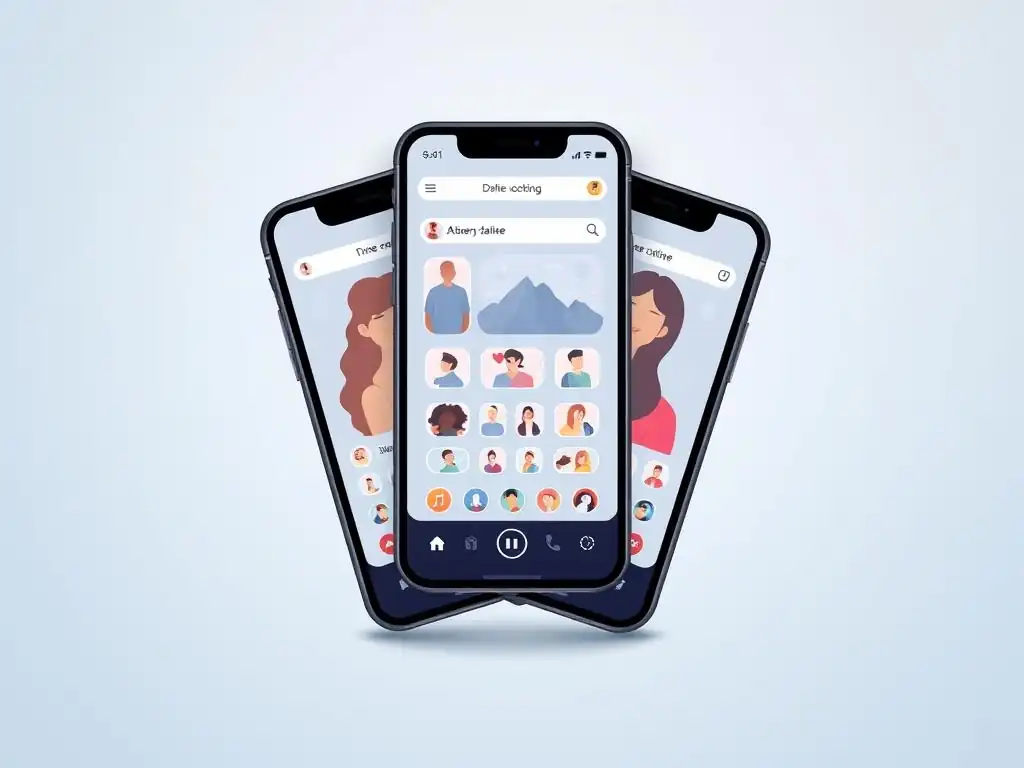
Finding the best location-based dating app can feel overwhelming. With so many options vying for your attention, it's crucial to approach your search strategically. This guide breaks down the process into manageable steps, helping you find the perfect platform to meet your dating goals. Remember, the ideal app isn't a one-size-fits-all solution; it's about finding the best fit for your unique needs and preferences.
Step 1: Identify Your Dating Needs and Preferences
Before diving into app reviews, take some time for self-reflection. Understanding your dating goals is paramount in selecting the right platform. Ask yourself these key questions:
- What kind of relationship are you seeking? Are you looking for a casual fling, a serious relationship, or something in between? Different apps cater to different relationship styles. Some prioritize casual connections, while others focus on fostering long-term partnerships.
- What are your dealbreakers? Consider your non-negotiables – age range, lifestyle preferences, or specific interests. Knowing your dealbreakers helps you narrow down your choices and avoid wasting time on incompatible apps.
- What's your comfort level with technology? Some apps are more user-friendly than others. If you're not tech-savvy, you'll want to choose an app with a simple and intuitive interface.
- What's your budget? Many apps offer both free and premium versions. Decide if you're willing to pay for additional features like unlimited swipes or advanced search filters.
- What's your preferred communication style? Do you prefer quick, text-based chats or more in-depth conversations? Some apps are better suited for quick exchanges, while others encourage longer, more meaningful interactions.
Consider this table summarizing different app features and their target audiences:
| App Feature | Ideal for | Not Ideal for |
|---|---|---|
| Focus on casual relationships | Users seeking quick connections | Users seeking long-term commitment |
| Emphasis on long-term relationships | Users seeking serious partnerships | Users seeking casual encounters |
| Detailed profiles and questionnaires | Users who value compatibility assessments | Users who prefer quick swiping and matching |
| Simple interface | Tech-unsavvy users | Tech-savvy users looking for advanced features |
| Free vs. Paid features | Budget-conscious users | Users willing to pay for premium features |
Remember, honesty with yourself about your needs and expectations is crucial for a successful online dating experience.
Step 2: Research and Compare Different Location-Based Dating Apps
Once you've clarified your preferences, it's time to research different location-based dating apps. Don't just rely on advertisements; delve deeper to understand each app's unique features and target audience. Consider these factors:
- User base: A larger user base generally translates to more potential matches. However, a smaller, more niche app might be better suited if you have specific preferences.
- Matching algorithm: Understand how the app matches users. Some use advanced algorithms based on compatibility, while others rely on simple location-based proximity.
- Safety features: Prioritize apps with robust safety features, such as verification processes, blocking options, and reporting mechanisms. Your safety and security should always be a top priority.
- Privacy settings: Review the app's privacy policy to ensure your personal information is protected. Choose an app that gives you control over what information is shared with other users.
- Features: Compare the features offered by different apps. Some might offer video chat, icebreaker questions, or advanced search filters.
This process requires careful consideration and comparison. Take your time; don't rush into choosing an app before thoroughly investigating your options.
Step 3: Read Reviews and Check App Store Ratings
Before committing to an app, always check user reviews and app store ratings. These provide valuable insights into other users' experiences. Look for patterns in reviews – are there recurring complaints about bugs, safety issues, or lack of genuine profiles?
Pay attention to both positive and negative reviews. Positive reviews can highlight the app's strengths, while negative reviews can point out potential shortcomings. A balanced perspective, considering both positive and negative feedback, will give you a more accurate picture of the app's overall quality and suitability for your needs.
Remember, app store ratings are a useful metric, but they shouldn't be the sole determinant of your choice. Consider the context of the reviews and weigh them against your own dating goals and preferences. Finding the best location-based dating app is a personalized journey – let your research guide you to the perfect platform for your unique needs.
Step 4: Create a Compelling Profile That Reflects Your True Self

Crafting a compelling profile is crucial for success in any dating app, but it's especially important when using a location-based app because you're connecting with people in your immediate vicinity. Think of your profile as your first impression – it needs to be both authentic and engaging. Avoid generic statements; instead, showcase your unique personality and interests. What makes you stand out from the crowd? Are you a passionate hiker? A bookworm with a quirky sense of humor? A foodie who loves exploring new restaurants? Let your personality shine through!
High-quality photos are essential. Choose a variety of pictures that show you in different settings and activities. Include a solo shot showcasing your face clearly, a few photos with friends or family (to demonstrate social skills and a sense of belonging), and perhaps a picture showcasing a hobby or interest. Avoid overly filtered or posed photos; natural shots are generally more appealing. Remember, the goal is to attract genuine connections, not mislead potential matches.
Consider including a brief, engaging bio that highlights your key characteristics and interests, using keywords that potential matches might search for. For example, if you're a dog lover, mention your furry friend! This can be a great conversation starter. Finally, be honest and upfront about what you're looking for in a relationship.
This will help attract individuals who share your values and relationship goals, saving you time and effort in the long run. Authenticity is key to finding a genuine connection. Don't try to be someone you're not; embrace your individuality and let it shine through your profile. This is the best way to attract the right kind of matches.
Step 5: Start Connecting and Communicating with Potential Matches
Once you've created a profile that accurately reflects you, it's time to start connecting with potential matches! Location-based apps often present you with a curated selection of profiles based on your proximity and preferences. Take your time reviewing profiles; don't just swipe right on everyone. Read their bios carefully, pay attention to their photos, and look for common interests or shared values.
When you find someone who piques your interest, don't be afraid to send a thoughtful message. Avoid generic greetings like "Hey" or "Hi." Instead, try referencing something specific from their profile, showing that you've actually taken the time to read it.
For example, if their bio mentions a love for hiking, you could say something like, "Your photos of your hike in Yosemite are stunning! I'm also a big fan of hiking; have you ever been to [local hiking trail]?" This demonstrates genuine interest and provides an easy conversation starter.
Remember to keep your communication respectful and engaging. Be yourself, be positive, and be mindful of the other person's time and energy. Avoid overly long or overly personal messages in your initial interactions. Keep it light and fun, focusing on getting to know each other better.
If the conversation flows well and you feel a connection, suggest moving the conversation to a more private platform, such as a phone call or video chat, after exchanging a few messages. This is a crucial step towards building a more meaningful connection. Remember to prioritize safety; always meet in a public place for your first date and let a friend or family member know where you are going and when you expect to be back. Building meaningful connections takes time and effort, so be patient and persistent.
Don't get discouraged if you don't find a match immediately. The right person will come along, and the effort you put into crafting a great profile and engaging in thoughtful communication will significantly increase your chances of finding a fulfilling relationship. Finding the best location-based dating app is only the first step; building genuine connections requires effort and authenticity.
Maximizing Your Success with Location-Based Dating Apps
Choosing the best location-based dating app is only the first step. To truly maximize your success, you need a strategic approach encompassing profile optimization, effective communication, and a strong focus on safety. This section delves into these crucial elements, providing practical tips to help you navigate the world of location-based dating effectively and confidently. Remember, the goal is to build meaningful connections, not just accumulate matches.
Crafting an Engaging Profile for Location-Based Dating
Your profile is your first impression – it's what attracts potential matches and determines whether they'll even consider contacting you. For location-based apps, this is even more critical, as proximity plays a significant role. Think of your profile as a digital storefront showcasing the best version of yourself.
Here's how to craft a profile that stands out:
- High-Quality Photos: Use clear, recent photos that showcase your personality and interests. Avoid blurry selfies or group shots where you're difficult to identify. Include a variety of photos – one casual, one dressed up, one showcasing a hobby. A smiling face is always a plus! 😄
- Compelling Bio: Don't just list facts; tell a story. Highlight your personality, values, and interests. What makes you unique? What are you passionate about? Use humor where appropriate, but keep it tasteful. Avoid clichés and negativity.
- Specific Interests: Instead of saying "I like to travel," say "I recently backpacked through Southeast Asia and am planning a trip to Patagonia next year." Specificity makes your profile more engaging and provides conversation starters.
- Show, Don't Tell: Instead of saying "I'm adventurous," describe an adventurous experience. This allows potential matches to connect with your experiences rather than just abstract qualities.
- Keywords: Naturally incorporate keywords relevant to your interests and lifestyle. For example, if you're a foodie, mention your favorite restaurants or cuisines. This helps your profile appear in relevant searches. Consider variations of "best location-based dating app" to improve your app's search ranking.
Effective Communication Strategies for Location-Based Dating Apps
Once you've secured a match, the next challenge is initiating and maintaining engaging conversations. Remember, the goal is to build a genuine connection, not just exchange superficial pleasantries.
Here are some key strategies:
- Personalized Messages: Avoid generic greetings. Refer to something specific in their profile – a shared interest, a travel photo, or something mentioned in their bio. This shows you've actually taken the time to read their profile.
- Ask Open-Ended Questions: Instead of asking yes/no questions, ask questions that encourage detailed responses. For example, instead of "Do you like hiking?" ask "What's your favorite hiking trail and why?"
- Active Listening: Pay attention to their responses and ask follow-up questions. Show genuine interest in getting to know them.
- Be Authentic: Don't try to be someone you're not. Authenticity is attractive.
- Manage Expectations: Be realistic about the pace of the relationship. Don't pressure them into meeting in person too soon.
- Be Respectful: Treat every match with respect and kindness. Remember, you're both looking for a connection, not a competition.
Safety Tips for Meeting People from Location-Based Dating Apps
Safety should always be your top priority when meeting people from location-based dating apps. Remember, you're meeting strangers, so it's crucial to take precautions.
Here are some essential safety tips:
- Public Places: Always meet in a well-lit, public place for your first meeting. Avoid meeting at their home or your home.
- Tell a Friend: Let a friend or family member know where you're going, who you're meeting, and when you expect to be back.
- Meet During the Day: Choose a time when it's light outside.
- Have Your Own Transportation: Don't rely on your date for transportation. This gives you more control over the situation.
- Trust Your Instincts: If something feels off, don't hesitate to leave. Your safety is paramount.
- Background Checks (Optional): Consider using a background check service (if available and legal in your jurisdiction) for added peace of mind. This is an optional but potentially valuable step.
- Limit Personal Information: Avoid sharing sensitive personal information, such as your full address or workplace, until you've met in person and feel comfortable.
Remember, using a best location-based dating app is only part of the equation. By focusing on these strategies, you significantly increase your chances of finding a meaningful connection while prioritizing your safety and well-being.
Frequently Asked Questions
What is a location-based dating app?
A location-based dating app uses your GPS to connect you with single people in your immediate vicinity. This allows for easier in-person meetings and potentially quicker connections.
What are some of the best location-based dating apps?
Several apps excel, depending on your needs. Popular choices include Tinder, Bumble, and Hinge, each offering slightly different features and user demographics. Consider your preferences when choosing.
How do I stay safe using a location-based dating app?
Prioritize safety by meeting in public places for first dates, letting a friend know your plans, and never sharing too much personal information too early in the process. Trust your instincts.
Are location-based dating apps effective for finding meaningful relationships?
While some find casual connections, many also form lasting relationships through location-based apps. Success depends on your approach, profile quality, and communication skills.
How do I choose the best location-based dating app for my needs?
Consider your dating goals (casual or serious), desired age range, and the app's user base. Read reviews and try a few free versions to find the best fit for you.
The quest for connection in the digital age is more nuanced than ever, and choosing the right location-based dating app can significantly impact your journey. Finding genuine compatibility isn't just about swiping; it's about understanding the platform's strengths and aligning them with your personal dating goals. The right app can be the key that unlocks meaningful connections, while the wrong one can lead to frustration and wasted time.
The rise of location-based dating has fundamentally altered how we approach romance, shifting the focus from broad searches to hyper-local interactions. This change reflects a deeper societal shift towards valuing authenticity and immediate connection. The best love is the kind that awakens the soul and makes us reach for more, that plants a fire in our hearts and brings peace to our minds.
This quote, while not explicitly about dating apps, speaks to the core desire driving our use of these platforms – the yearning for a genuine, soul-stirring connection. The impact of these apps on modern relationships is undeniable, shaping how we meet, interact, and ultimately, build relationships.
Consider the information presented in this article as a roadmap. Don't just passively consume the rankings; actively reflect on your own dating preferences, your comfort level with different app features, and the type of connection you genuinely seek. Choose wisely, be authentic, and remember that the best location-based dating app is the one that empowers you to find your own unique path to love. Your journey to connection starts with a conscious choice, a choice informed and empowered by the knowledge you've gained here.
Unlock Your Dating Potential: Find Your Perfect Match Today!
Thank you for exploring location-based dating apps! We hope you found helpful information to guide your choice of platform. Now, let's put that knowledge to work. Ready to find your perfect match?
- Explore Dating Apps: Download a couple of apps discussed in the article and start browsing profiles. Consider which app's design and features best suit your preferences and dating goals.
- Create a Memorable Profile: Showcase your personality and interests with appealing photos and a captivating bio. Let your true self shine through!
- Connect and Engage: Don't be afraid to send the first message! You never know who you might connect with. Remember the advice from the article on starting conversations.
What qualities are you seeking in a partner, and which app will you use to find them? Share your thoughts in the comments below!