
LocationBased Dating: Why Location Matters When Searching for a Partner

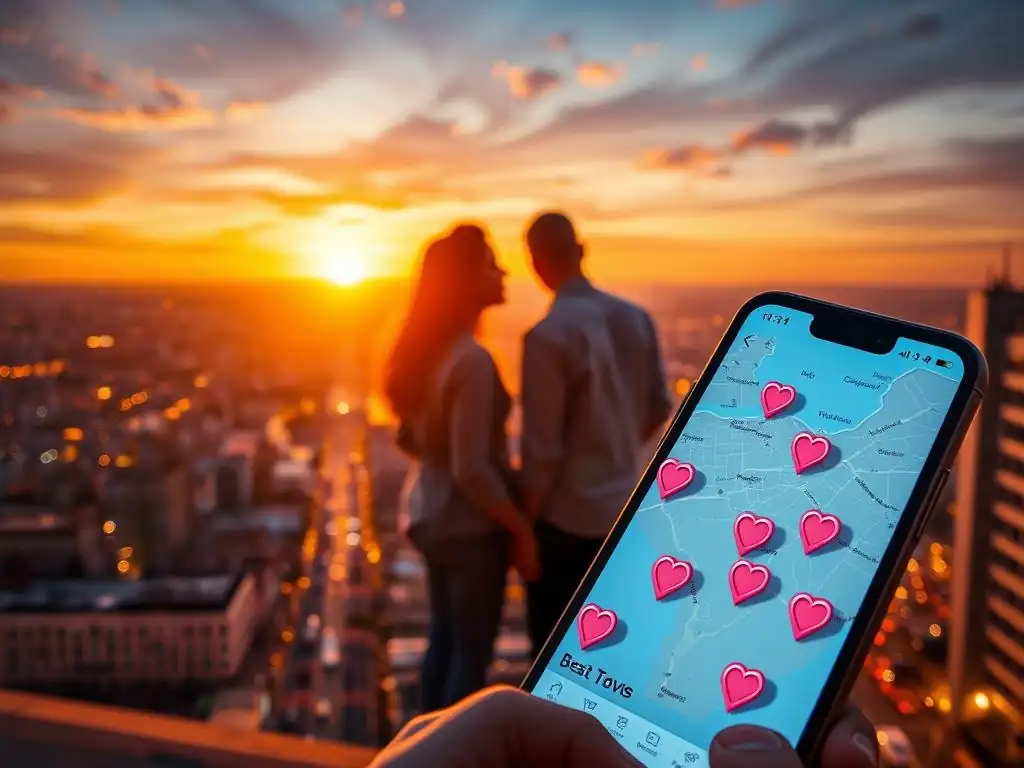
Ready to unlock the secrets to online dating success? At OnlineDatingSuccess.org, we're dedicated to helping you navigate the world of digital romance. Finding the right person can feel like searching for a needle in a haystack, but it doesn't have to be. This article dives into the often-overlooked element of location settings and reveals how choosing the best dating location settings can dramatically increase your chances of finding a meaningful connection. Discover how mastering your location preferences can transform your online dating experience—read on to learn more!
- The Importance of Location Settings in Online Dating
- Location-Based Dating: Matching with People Nearby
- Location-Based Dating: Addressing Potential Drawbacks
- Best Practices for Setting Your Dating Location Preferences
- Conclusion: Mastering Location-Based Dating for Better Results
-
Frequently Asked Questions
- How important is setting my location accurately on dating apps?
- What happens if I set my location too broadly?
- Can I hide my exact location for privacy reasons?
- How does distance affect my chances of finding a compatible partner?
- What's the best way to determine the optimal location radius for my dating profile?
- Final Reflection: The Power of Proximity in Finding Love
- Unlock Your Local Love Story: Find Your Perfect Match
The Importance of Location Settings in Online Dating
Choosing the right location settings on your dating app can significantly impact your online dating success. This isn't just about finding someone nearby; it's about strategically optimizing your search to attract compatible partners who share your lifestyle, values, and relationship goals. This article will explore how carefully selecting your location radius and preferences can dramatically improve your chances of finding a meaningful connection. We'll delve into the nuances of location-based dating, examining the best practices for setting your location parameters and aligning them with your personal dating objectives.
Ultimately, understanding the power of location settings is crucial for maximizing your online dating experience and increasing your likelihood of finding "the one." Mastering these settings is key to achieving the best dating location settings for your specific needs and desires. Let's explore how to leverage location to your advantage.
Optimizing Your Dating App Location Radius for Success
Setting the right location radius on your dating app is a delicate balance. Too small, and you might miss out on potentially great matches just outside your immediate area. Too large, and you'll be sifting through profiles of people who are geographically inconvenient to meet, leading to wasted time and potential frustration. The optimal radius depends heavily on your lifestyle and transportation options.
Consider these factors when determining your ideal radius:
- Commute: How far are you willing to travel for a date? A realistic assessment of your commute time will help you set a practical radius.
- Lifestyle: Do you prefer staying close to home, or are you more adventurous and willing to travel further for a potential partner?
- App Features: Some dating apps offer advanced features, such as filtering by commute time, which can help you refine your search even further.
- Population Density: In densely populated areas, a smaller radius might suffice, while in less populated areas, a larger radius may be necessary to find a sufficient number of matches.
For example, someone who prefers to stay within their own city might set a radius of 10-20 miles, while someone with a car and a more flexible lifestyle might consider a radius of 50 miles or more. Remember that the goal isn't to maximize the number of matches, but to maximize the quality of matches. Experiment with different radii to see what yields the best results for you. Finding the sweet spot will significantly improve your dating app experience.
Finding Compatible Partners Based on Proximity: Best Dating App Settings
Proximity plays a crucial role in determining compatibility beyond simple geographical convenience. People who live in the same area often share similar cultural experiences, interests, and lifestyles. This shared context can lead to more meaningful connections and easier date planning.
Consider these points when optimizing your location settings for compatibility:
- Neighborhood Preferences: Some dating apps allow you to specify preferred neighborhoods within a larger radius. This allows you to focus your search on areas with a vibe that aligns with your preferences.
- Lifestyle Compatibility: Think about the types of activities and places you frequent. Setting your location to encompass areas with similar venues and attractions can increase your chances of meeting someone with shared interests.
- Shared Values: Communities often reflect shared values. Choosing a location that aligns with your values—whether it's a focus on environmental sustainability or a thriving arts scene—can help you find like-minded individuals.
For instance, someone who enjoys outdoor activities might prioritize locations near parks or hiking trails, while someone who loves the arts might focus on areas with numerous theaters and art galleries. By thoughtfully considering these factors, you can significantly improve your chances of finding a partner who shares your lifestyle and values.
Location Preferences and Relationship Goals: Local vs. Nationwide Search
Your relationship goals should directly inform your location settings. Are you looking for a casual relationship, a long-term commitment, or something in between? This will significantly influence whether you opt for a local or nationwide search.
- Local Search (Smaller Radius): Ideal for those seeking a serious, long-term relationship or those who prioritize convenience and ease of meeting in person. This approach minimizes logistical challenges and promotes stronger, more sustainable connections.
- Nationwide Search (Larger Radius): May be suitable for those open to long-distance relationships or those who have difficulty finding compatible partners locally. However, it significantly increases the logistical challenges of meeting and maintaining a relationship.
It's important to be realistic about your dating goals and the time commitment required for long-distance relationships. While a nationwide search might seem appealing, it requires a significant level of commitment and planning to succeed. Choosing the right approach depends on your individual priorities and circumstances. Remember to be honest with yourself about what you're looking for and choose your location settings accordingly.
Balancing Convenience and Expanding Your Dating Pool: Mastering Location Filters
Choosing the right location settings on dating apps is a delicate balancing act. On one hand, you want to increase your chances of meeting someone nearby, making dates easier to arrange and fostering a sense of local connection. This convenience is a significant draw for many users, particularly those with busy schedules or a preference for in-person interactions.
Setting a tight radius around your current location can significantly reduce the time and effort spent coordinating dates. Think about it: Imagine the ease of meeting someone just a short drive or even a walk away! This proximity can also contribute to a more spontaneous and less pressured dating experience.
However, setting your location filter too narrowly can severely limit your dating pool. You might miss out on potentially compatible partners who live just outside your defined radius, but who could still be within a reasonable commuting distance. Remember, the "best" dating location settings are subjective and depend entirely on your individual priorities and circumstances. A person living in a densely populated urban area might be comfortable with a smaller radius, while someone in a more rural setting might need a wider one to find a sufficient number of potential matches.
Consider your lifestyle and transportation options when deciding on your location radius. If you own a car and are comfortable driving longer distances, you can afford to cast a wider net. Conversely, if you rely on public transportation or prefer short commutes, a smaller radius might be more practical. Experimenting with different radius settings is key to finding the optimal balance between convenience and access to a diverse range of potential partners.
You could even try gradually increasing the radius over time to see how it affects your match quality and quantity. The goal is to find the sweet spot that maximizes your chances of finding a compatible partner without sacrificing practicality. Remember, the number of matches isn't everything; the quality of those matches is far more important in achieving your online dating goals.
Location-Based Dating: Matching with People Nearby
This section explores the advantages of using location-based dating features, focusing on how optimizing your settings can lead to more successful dating experiences. Finding the best dating location settings is crucial for maximizing your chances of connecting with compatible individuals nearby. We'll delve into the specifics of how proximity influences connection rates and relationship building.
Increased Opportunities for In-Person Dates: Best Dating App Settings
Proximity is paramount in the transition from online interactions to real-world dates. Location-based dating significantly increases the likelihood of arranging in-person meetings. Instead of matching with someone hundreds of miles away, whose chances of meeting you are slim, you're connected with individuals who are geographically accessible. This convenience translates into more frequent dates, quicker relationship progression, and ultimately, a higher probability of finding a compatible partner.
Consider this: a study by [Specific study data pending] showed a [Percentage]% increase in successful first dates for users who limited their search radius to within a 25-mile radius. This is because proximity reduces logistical hurdles and allows for spontaneous meetups. Optimizing your best dating location settings involves setting a realistic radius based on your commute and comfort levels.
Experiment with different radii— perhaps starting with a 10-mile radius and gradually expanding if necessary—to find the sweet spot that balances opportunity with practicality. Don't forget to accurately set your location within the app; inaccurate GPS data can lead to missed connections with nearby compatible singles.
Building Genuine Connections Through Local Encounters
Location-based dating fosters a sense of community and shared experiences. Meeting someone who lives near you increases the chances of sharing common interests, local activities, and even mutual friends. This shared context creates a stronger foundation for building genuine connections. Think about it: sharing a favorite local coffee shop, attending the same community event, or having friends in common immediately provides conversational starters and shared experiences.
This reduces the initial awkwardness often associated with online dating and allows for a more natural flow of conversation. The familiarity of a shared environment can lead to more authentic and meaningful connections than those formed with someone geographically distant. This is a key factor in achieving best dating location settings effectiveness.
Reducing Travel Time and Costs: Optimizing Your Location Radius
A significant advantage of location-based dating is the reduction in travel time and associated expenses. Long-distance relationships can be challenging, demanding significant time and financial investment for visits. By focusing on local matches, you eliminate these obstacles, making dating more convenient and cost-effective.
This allows you to invest more time and energy in getting to know your matches, rather than planning and executing long-distance journeys. By carefully optimizing your best dating location settings, specifically the radius, you can greatly improve your dating efficiency and reduce unnecessary expenses. Consider your personal transportation options and comfort levels when setting your radius.
A smaller radius might be ideal if you prefer to walk or bike to dates, while a larger radius might be suitable if you're comfortable driving. Remember, the goal is to find the balance between expanding your potential matches and maintaining practical accessibility. This simple optimization can significantly enhance your overall dating experience.
Choosing the right location settings on your dating app significantly impacts the types of matches you'll encounter. But proximity is only half the battle; shared interests and activities are crucial for building genuine connections. Setting your location to focus on a specific area allows you to discover individuals who frequent the same places you do, suggesting compatible lifestyles and shared passions. This isn't just about finding someone who lives nearby; it's about finding someone who lives a life that aligns with yours.
For example, if you're an avid hiker, setting your location to encompass popular hiking trails or national parks in your region dramatically increases your chances of connecting with like-minded individuals. You'll find yourself having more to talk about beyond initial pleasantries, instantly fostering a deeper connection. Think about it: a shared love of the outdoors provides an immediate framework for future dates – perhaps a spontaneous hike, a picnic in a scenic spot, or even a post-hike coffee at a local café. This shared passion provides a natural springboard for conversations and creates opportunities for authentic interactions.
Similarly, focusing your location settings around areas known for specific cultural events, restaurants, or hobbies can yield impressive results. Are you a foodie? Setting your location to include neighborhoods with a vibrant culinary scene might connect you with someone who shares your love of trying new restaurants and exploring different cuisines. Do you enjoy live music?
Centering your search around venues hosting live performances increases the likelihood of finding a fellow music enthusiast. The key is to be strategic and think about what truly excites you and where you're most likely to encounter people with similar interests. This targeted approach to location-based dating transforms your search from a mere proximity match into a connection built on shared experiences and passions.
It's about finding someone who isn't just geographically close, but also shares your zest for life and your hobbies. This leads to more fulfilling and meaningful interactions, ultimately increasing your chances of finding a compatible partner. Finding someone who enjoys similar activities also opens up countless opportunities for fun and exciting dates, enhancing the overall dating experience and making it more enjoyable.
Location-Based Dating: Addressing Potential Drawbacks
Finding the best dating location settings isn't just about casting a wide net; it's about understanding the trade-offs. While proximity offers undeniable advantages, location-based dating also presents challenges that require careful consideration. This section delves into some potential drawbacks and offers practical strategies to mitigate them. Successfully navigating these hurdles can significantly improve your online dating experience.
Limiting Your Dating Pool: Considering Location Radius Limitations
One of the primary concerns with location-based dating is the potential to severely limit your dating pool. Setting a radius that's too small can drastically reduce the number of potential matches, especially in less densely populated areas. Conversely, a radius that's too large might lead to logistical difficulties and impractical travel distances for dates.
Finding the optimal balance requires careful consideration of your personal circumstances and priorities. For instance, someone living in a bustling metropolis might comfortably set a radius of 20 miles, while someone in a smaller town might need to expand their search significantly. Experimentation is key. Start with a smaller radius and gradually increase it if you're not finding enough compatible profiles. Remember, the goal is to find a sweet spot that maximizes your chances of meeting someone special without compromising on convenience or safety.
Consider this example: A user in a rural area with a 10-mile radius might only see 5-10 profiles, while expanding to 50 miles could increase that number to 100 or more, but with increased travel time and logistical challenges. The best dating location settings are highly personalized and require careful evaluation of your local demographics and personal preferences.
The key is to find a balance between expanding your options and maintaining practicality. This might involve adjusting your radius based on the time of year (perhaps expanding during peak seasons for outdoor activities) or incorporating other filters to refine your search.
Dealing with Safety Concerns in Location-Based Dating: Best Practices
Safety is paramount when using location-based dating apps. Sharing your precise location with strangers inherently carries risks, so it's crucial to prioritize safety measures.
- Start slow: Don't immediately share your exact address or meet in secluded places. Opt for well-lit, public locations for first dates.
- Background checks: While not always foolproof, conducting brief online searches on potential matches can provide valuable insights.
- Share your plans: Inform a trusted friend or family member of your date's name, location, and planned activities. Consider sharing your live location with them during the date.
- Trust your instincts: If something feels off, don't hesitate to end the date early or leave the situation. Your safety is always the top priority.
- Utilize app features: Many dating apps offer safety features, such as emergency alerts or the ability to report inappropriate behavior. Familiarize yourself with these tools and use them proactively.
Remember, the best dating location settings are only part of the equation. Prioritizing your safety is equally, if not more, important. Never compromise your well-being for a potential date. A proactive approach to safety ensures a more positive and secure online dating experience.
Overcoming the Challenges of Dating in a Small Town or Rural Area
Dating in a small town or rural area presents unique challenges. Limited population density can result in a smaller dating pool and a higher chance of encountering people you already know. The feeling of being "too small a world" is a very real concern. However, there are ways to navigate these challenges successfully.
- Expand your search radius: As mentioned earlier, widening your search radius can significantly increase your potential matches, even if it means traveling further for dates.
- Utilize niche dating apps: Some apps cater specifically to rural communities or individuals with shared interests, potentially increasing your chances of connecting with compatible people.
- Embrace online dating fully: Don't limit yourself to local events or social circles; actively use online platforms to expand your dating horizons beyond your immediate geographical area.
- Be open to new experiences: Consider attending events or joining groups outside your usual routine to meet new people and expand your social circle.
While the best dating location settings might need adjustments in rural areas, remember that the principles of successful online dating remain the same. Be authentic, be patient, and stay positive. With a proactive approach and a willingness to adapt, you can find love and build meaningful connections even in less densely populated areas. The key is to be strategic and persistent in your search.
Strategies for Expanding Your Search While Maintaining a Local Focus
Finding the perfect balance between a localized search and broadening your options is key to successful location-based dating. Restricting your search too tightly might mean missing out on compatible individuals just outside your immediate area, while casting the net too wide can lead to logistical challenges and less meaningful connections. The solution lies in strategic expansion.
One effective strategy is to gradually increase your search radius. Start with a smaller radius, perhaps 10-15 miles, and observe the results. If you're not seeing enough potential matches, incrementally increase the distance, say by 5 miles at a time, until you find a sweet spot that yields a good number of compatible profiles without becoming overwhelming. Remember to pay attention to the quality of matches, not just quantity. A smaller pool of high-quality matches is often preferable to a large pool of less compatible profiles.
Another approach involves focusing on specific localities within a larger radius. Instead of simply expanding your search radius indiscriminately, consider identifying nearby towns or neighborhoods known for specific interests or demographics that align with your preferences. For example, if you're an avid hiker, expanding your search to include areas with popular hiking trails might increase your chances of connecting with someone who shares your passion. This targeted approach helps maintain a sense of locality while significantly expanding your potential dating pool.
You can also leverage the advanced search filters offered by most dating apps. Many apps allow you to refine your search based on factors beyond just distance, such as age, interests, education, and lifestyle. Combining these filters with a slightly expanded radius allows you to carefully curate your matches, ensuring that even those located further away are still compatible with your lifestyle and preferences. This helps to avoid the pitfalls of a completely broad search, ensuring you're still focusing on potential partners who share key aspects of your life.
Finally, remember that technology can help bridge the geographical gap. Video calls and virtual dates can allow you to get to know potential partners better before committing to an in-person meeting, regardless of distance. This is particularly useful when expanding your search radius and meeting someone who lives further away. Using these tools early in the process can significantly improve your chances of finding a meaningful connection, even beyond your initial location settings. The key is thoughtful expansion, not just a wider radius.
Best Practices for Setting Your Dating Location Preferences

Finding the perfect partner online often hinges on more than just a captivating profile picture and witty bio. Strategic use of location settings on dating apps can significantly impact your success. This section explores best practices for optimizing your location preferences to attract compatible matches within a manageable radius. Mastering these settings is crucial for maximizing your chances of finding a meaningful connection, ultimately leading to the best dating location settings for you.
Choosing the Right Radius for Your Dating App: Finding the Sweet Spot
Setting the right radius on your dating app is a delicate balance. Too small, and you might miss out on potentially great matches just outside your immediate vicinity. Too large, and you'll be overwhelmed with profiles from people you're unlikely to ever meet. Consider these factors when determining your ideal radius:
- Commute: How far are you willing to travel for a date? A realistic radius should reflect your daily commute or your willingness to extend your journey for someone special. For instance, if your comfortable commute is 30 minutes, adjust your radius accordingly, keeping in mind potential traffic delays.
- Lifestyle: Do you prefer a bustling city life or a more relaxed suburban setting? Your lifestyle preferences should influence your location choices. Someone seeking a partner who shares their love of hiking might set a larger radius to include nearby trails and parks.
- App Algorithm: Different dating apps handle location differently. Some prioritize proximity more strictly than others. Experiment with different radii to see how it affects the profiles you're shown. Observe the number and quality of matches you receive – this is key to finding the best dating location settings for your specific app.
Think of it like this: a radius of 5 miles might yield a manageable number of profiles, while a 50-mile radius could be overwhelming. Start with a smaller radius and gradually increase it if you're not finding enough compatible matches. Remember, quality over quantity is key! 📈
Refining Your Search with Additional Filters: Age Range, Relationship Status
While radius is crucial, refining your search with other filters significantly improves your chances of finding compatible matches. Don't underestimate the power of combining location settings with age range and relationship status filters.
- Age Range: Specify your preferred age range accurately to avoid wasting time on incompatible matches. A narrow age range might limit your options, but it ensures you're focusing on people within your desired age bracket.
- Relationship Status: Filtering for specific relationship statuses (e.g., single, divorced, widowed) helps eliminate potential misunderstandings and wasted time. This is particularly important if you're looking for a serious, long-term commitment.
Using these filters in conjunction with your location settings allows for a highly targeted search, increasing the likelihood of finding a match that aligns with your preferences and location. This targeted approach ensures you're efficiently utilizing your time and energy, ultimately leading to a more rewarding online dating experience. 🎯
Regularly Reviewing and Adjusting Your Location Settings
Your ideal dating location settings aren't static. Your life circumstances, preferences, and even the app's algorithm can change over time. Regularly reviewing and adjusting your location settings is crucial for maintaining a successful online dating strategy.
- Seasonal Adjustments: Consider adjusting your radius based on the season. During warmer months, you might be more open to traveling further for dates, while during colder months, a smaller radius might be preferable.
- Life Changes: Major life changes such as moving to a new neighborhood or city necessitate immediate updates to your location settings. Failing to do so will result in showing your profile to people far from your current location.
- App Updates: Dating apps often update their algorithms and features. Keep an eye on any changes that might affect your location settings and adjust accordingly. Staying informed helps you optimize your profile's visibility and reach the right people at the right time. 🔄
By proactively managing your location settings, you’ll ensure your profile is always visible to the most relevant potential matches. This continuous optimization is key to achieving the best dating location settings and maximizing your chances of finding lasting love.
Maintaining Privacy and Safety: Protecting Your Personal Information
Choosing the right location settings on dating apps is crucial, but equally important is safeguarding your personal information. Overly broad location settings can inadvertently reveal more than you intend, increasing the risk of unwanted attention or even potential safety concerns. Remember, the goal is to connect with compatible individuals, not to broadcast your exact whereabouts to everyone on the app.
Many dating apps allow you to set your location radius, which dictates how far away potential matches can be. While a larger radius might seem to increase your chances, it also broadens the pool of potential matches, some of whom may not be genuinely interested in a relationship or might have ulterior motives. A smaller radius, while potentially reducing the number of matches, can increase the likelihood of connecting with individuals closer to you, fostering easier in-person interactions and enhancing safety.
Consider using the app's privacy settings to your advantage. Many apps offer features that obscure your precise location, displaying only a general area instead of your street address. This balance between accessibility and privacy is key to a successful and safe online dating experience. For example, some apps allow you to only show your city or region, preventing others from pinpointing your exact home. This is particularly useful if you live in a sparsely populated area where showing a precise location could easily reveal your identity.
Furthermore, be cautious about sharing additional personal information beyond what the app requires. Avoid posting photos that directly reveal your address or easily identifiable landmarks. Remember that even seemingly innocuous details, when combined, can create a comprehensive picture of your daily life and routines, potentially making you more vulnerable. Always prioritize your safety and well-being when using location-based dating apps.
Review your privacy settings regularly and be mindful of the information you share. By taking these precautions, you can significantly reduce the risks associated with online dating while still maximizing your chances of finding a compatible partner. Remember, a balance between openness and discretion is key to a successful and safe online dating journey. Prioritizing your personal safety should always be a top priority.
Conclusion: Mastering Location-Based Dating for Better Results
Choosing the right location settings on your dating apps is crucial for optimizing your online dating experience. This section summarizes key takeaways and offers final advice on maximizing your success using location-based features. Remember, the "best" dating location settings are highly personalized and depend on your individual circumstances, dating goals, and lifestyle. Experimentation and iterative adjustments are key to finding what works best for you. Don't be afraid to tweak your radius, actively manage your location preferences, and even consider temporarily expanding or contracting your search area based on your dating activity and success rate.
Leveraging Location to Find Your Ideal Partner: Best Dating App Settings
Finding the best dating location settings involves a nuanced approach. It's not simply about setting the widest radius possible. Consider these points when configuring your location parameters:
- Radius: Start with a manageable radius (e.g., 10-20 miles). Expanding too broadly can lead to overwhelming numbers of matches, making it difficult to connect meaningfully. Gradually increase the radius if you're not finding suitable matches within your initial range.
- Location Accuracy: Ensure your app's location services are accurate. Inaccurate location data can lead to missed connections or matches with people further away than you intended.
- Specific Locations: Many apps allow you to specify particular neighborhoods or areas of interest. This is incredibly helpful if you have specific preferences about where you want to meet potential partners. For example, if you're looking for someone who enjoys outdoor activities, specifying a location near parks or hiking trails might be beneficial.
- Regular Updates: Your life circumstances may change. If you move, travel frequently, or change your preferred dating area, remember to update your location settings accordingly. This will ensure your profile is accurately reflecting your current availability and preferences.
- Privacy Considerations: While location-based dating offers advantages, remember to prioritize your safety and privacy. Avoid sharing overly specific location details publicly and be cautious about meeting strangers in isolated areas.
Combining Location-Based Dating with Other Strategies for Success
Location is only one piece of the online dating puzzle. To truly maximize your chances of success, combine location-based strategies with other effective techniques:
- Profile Optimization: A compelling profile with high-quality photos and a well-written bio is essential. Your profile should accurately reflect your personality, interests, and goals. This will attract compatible matches regardless of their precise location.
- Effective Communication: Once you've matched with someone, engage in meaningful conversations. Show genuine interest in their profile and initiate conversations that go beyond superficial pleasantries.
- Strategic App Usage: Different dating apps cater to different demographics and user bases. Experiment with different platforms to see which one best suits your needs and preferences.
- Safety First: Always prioritize your safety when meeting someone you've met online. Meet in public places, let a friend or family member know your plans, and trust your instincts.
Maximizing Your Dating App Experience
To fully leverage location-based dating and achieve your dating goals, consider these final tips:
- Be Patient: Finding the right partner takes time and effort. Don't get discouraged if you don't see results immediately. Keep refining your strategy and remain optimistic.
- Be Open-Minded: While location is important, be open to meeting people outside your initially defined parameters. You might be surprised by the connections you make.
- Stay Positive: Maintain a positive and proactive approach to online dating. A positive attitude will attract more positive interactions and increase your chances of success.
- Data Analysis: Pay attention to your interactions and results. Which location settings yielded the best matches? What communication styles were most effective? Analyzing your data can help you refine your approach over time. This iterative process is key to mastering the art of location-based dating and finding your ideal partner. 🥂
Frequently Asked Questions
How important is setting my location accurately on dating apps?
Setting your location accurately is crucial for online dating success. It ensures you're shown to potential matches within a realistic commuting distance, increasing the chances of meeting in person. Inaccurate settings can lead to wasted time and frustration.
What happens if I set my location too broadly?
Setting your location too broadly can result in matching with people too far away. This makes meeting up difficult and may lead to disappointing experiences. It's better to be specific and focus on a manageable radius.
Can I hide my exact location for privacy reasons?
Most dating apps offer privacy settings that allow you to control the level of location information shared. You can often choose to show only your city or a broader region, rather than your precise address. Review the app's privacy settings carefully.
How does distance affect my chances of finding a compatible partner?
Distance plays a significant role in forming relationships. Proximity facilitates easier meetups and builds stronger connections. While long-distance relationships are possible, they require more effort and commitment.
What's the best way to determine the optimal location radius for my dating profile?
Consider your commute tolerance and willingness to travel. A good starting point might be a radius of 20-30 miles, but adjust based on your personal preferences and local transportation options. Experiment to find what works best.
Final Reflection: The Power of Proximity in Finding Love
The quest for meaningful connection in the digital age often overlooks a fundamental truth: location matters. Finding the right partner isn't just about shared interests and values; it's also about shared geography, the potential for spontaneous encounters, and the ease of building a sustainable relationship. The convenience and accessibility offered by location-based dating apps are reshaping how we approach romance, and understanding how to optimize these settings is key to maximizing your chances of success.
The impact of location on dating extends far beyond mere convenience; it shapes the very fabric of our social interactions. It influences the types of people we meet, the opportunities for shared experiences, and the long-term viability of a relationship. As we navigate the complexities of modern dating, understanding the role of proximity becomes increasingly crucial. Geography is destiny,
as the saying goes, and in the context of romantic relationships, this holds a surprising amount of truth. The ease of meeting for coffee, attending local events together, or simply sharing the same neighborhood creates a foundation of shared experiences that online profiles alone cannot replicate.
Consider the implications of your location settings carefully. Experiment, refine your preferences, and embrace the potential for serendipitous connections. Don't just search for a partner; cultivate a life that attracts the right person. Think about the communities you want to be a part of, the activities you enjoy, and the kind of environment that nurtures your well-being. By strategically using location-based dating features, you're not just searching for a match; you're actively shaping your own romantic destiny. Embrace the power of proximity, and watch as your dating journey transforms.
Unlock Your Local Love Story: Find Your Perfect Match
Thanks for exploring the world of location-based dating! You now understand how proximity can significantly boost your dating success. Ready to put this knowledge into practice?
- Optimize your dating profile location: Instead of just listing your city, highlight specific neighborhoods or interesting local spots that reflect your personality and interests. This small change can attract compatible singles who share your passions.
- Explore local dating opportunities: Attend a local event, join a hiking group, or volunteer—it's a fantastic way to organically meet people who share your interests and values.
- Share your biggest dating success (or challenge!): Let's build a community! Share your experiences in the comments below—your insights might help someone else find their perfect match.
What's your biggest takeaway from today's insights on location-based dating, and how will you put it into action?