
The Mindful Match: Choosing Partners That Align With Secure Attachment


Tired of swiping left and feeling frustrated? At OnlineDatingSuccess.org, we believe finding lasting love online is entirely possible. This website is your guide to navigating the complexities of online dating, from crafting a compelling profile to fostering healthy connections. Discover how understanding your attachment style, particularly through a secure attachment dating profile, can dramatically increase your chances of finding a meaningful relationship. Ready to unlock your dating potential and attract the right partner? Let's dive into the world of mindful matching!
- Understanding Secure Attachment in Online Dating
- Crafting a Secure Attachment Dating Profile
- Identifying Secure Attachment in Online Interactions
- Navigating Dating with Secure Attachment in Mind
- Long-Term Relationship Building with a Securely Attached Partner
-
Frequently Asked Questions
- What is a "secure attachment style," and why is it important in online dating?
- How can I tell if someone has a secure attachment style from their online dating profile?
- My dating profile highlights my secure attachment. How can I attract others with similar styles?
- Are there specific phrases or keywords I should include in my profile to signal secure attachment?
- How can I identify insecure attachment styles in potential partners' profiles, and what should I do?
- Final Reflection: Cultivating Secure Connections in a Digital Age
- Unlock Your Happiest Relationships: Start Building Secure Connections Today!
Understanding Secure Attachment in Online Dating
Finding love in the digital age can feel like navigating a minefield. But what if there was a roadmap to help you identify compatible partners and build healthier, more fulfilling relationships? This article explores the crucial role of secure attachment in online dating, offering practical insights into recognizing secure attachment styles in potential partners and avoiding those with insecure attachment patterns.
By understanding the nuances of attachment theory, you can significantly improve your chances of finding a meaningful connection that fosters growth and mutual respect. This guide will equip you with the tools to craft a dating profile that attracts secure individuals and to discern those who exhibit signs of anxious-preoccupied, dismissive-avoidant, or fearful-avoidant attachment styles. Ultimately, learning to identify secure attachment in online dating empowers you to create a more fulfilling and successful online dating experience.
Defining Secure Attachment and its Impact on Relationships
Secure attachment, the cornerstone of healthy relationships, stems from consistent and responsive caregiving in childhood. Individuals with a secure attachment style generally possess a positive self-image and a trusting view of others. They are comfortable with intimacy and independence, able to form close bonds without fear of abandonment or engulfment. In the context of online dating, this translates to individuals who are authentic in their profiles, communicate openly and honestly, and respect boundaries. They seek genuine connections and are less likely to engage in manipulative or game-playing behaviors. Conversely, a lack of secure attachment can manifest in various ways, impacting communication, trust, and the overall success of the relationship. Research shows that secure attachment styles are strongly correlated with relationship satisfaction and longevity. 1 Understanding the core tenets of secure attachment—trust, autonomy, and intimacy—is paramount in building healthy relationships online and offline.
Recognizing Signs of Secure Attachment in Online Dating Profiles
Spotting a secure attachment style in online dating profiles requires careful observation. Look for profiles that are:
- Authentic and genuine: Photos are realistic, and the profile description is honest and self-aware, avoiding excessive boasting or negativity.
- Positive and optimistic: The language used conveys a sense of self-confidence and optimism about finding a meaningful connection.
- Clear about their wants and needs: The profile clearly states what they're looking for in a partner and avoids vague or contradictory statements.
- Respectful and considerate: The profile demonstrates respect for others and refrains from making derogatory or judgmental comments.
- Open to communication: They might actively encourage communication in their profile or express a desire for genuine connection.
For example, a secure profile might say something like: "I'm looking for a genuine connection with someone who values open communication and mutual respect. I enjoy [hobbies], and I'm excited to meet someone who shares my passion for [activity]." This demonstrates authenticity, clarity, and a focus on healthy relationship dynamics. Conversely, profiles filled with excessive selfies, vague statements, or unrealistic expectations might indicate an insecure attachment style.
Identifying Insecure Attachment Styles in Potential Partners
While recognizing secure attachment is crucial, understanding insecure attachment styles is equally important for navigating online dating effectively. Three main insecure attachment styles frequently appear:
- Anxious-Preoccupied: These individuals often crave constant reassurance and validation. Their profiles might be overly emotional, dramatic, or clingy in their tone. They may express a high level of neediness or fear of abandonment.
- Dismissive-Avoidant: These individuals tend to avoid intimacy and emotional closeness. Their profiles might be brief, impersonal, or even boastful. They may appear distant or uninterested in deeper connections.
- Fearful-Avoidant: These individuals have a complex mix of desire for connection and fear of intimacy. Their profiles might be contradictory or confusing, reflecting a struggle between wanting a relationship and fearing vulnerability.
Recognizing these patterns helps you make informed decisions about who to connect with. Remember, understanding attachment styles isn't about judgment; it's about self-awareness and building healthier relationships. By focusing on secure attachment, you increase your chances of forming a lasting and fulfilling connection.
1 [Specific information pending: Insert citation for research on secure attachment and relationship satisfaction]
Crafting a Secure Attachment Dating Profile
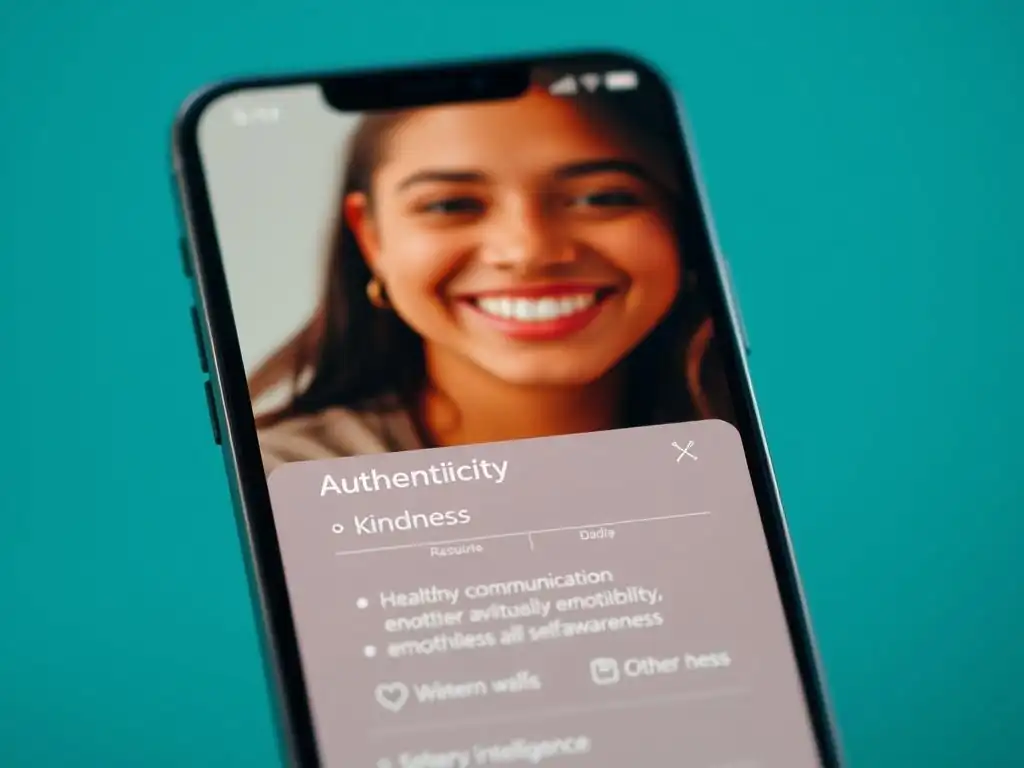
This section focuses on how to create an online dating profile that authentically reflects a secure attachment style, attracting compatible partners and minimizing mismatches. Remember, your profile is your first impression – make it count! The goal isn't to portray perfection, but to present a genuine and approachable self. A well-crafted "secure attachment dating profile" hinges on clarity, honesty, and a positive outlook.
Showcasing Your Secure Attachment Traits Online
Creating a profile that subtly communicates secure attachment requires careful consideration of what you highlight. Avoid overly needy or desperate language. Instead, focus on showcasing your independence and self-sufficiency while simultaneously expressing your openness to connection.
Here are some actionable tips:
- Highlight your hobbies and interests: Share activities you genuinely enjoy, demonstrating a fulfilling life outside of the search for a partner. For example, instead of saying "Looking for my soulmate," try "I love hiking, trying new restaurants, and spending time with my friends. Always up for an adventure!" This showcases independence and interests.
- Use positive and confident language: Avoid negative self-talk or focusing on past relationship failures. Instead, emphasize your positive qualities and what you bring to a relationship. Examples include: "I'm looking for a genuine connection with someone who values honesty and communication," or "I'm confident and independent, but also enjoy sharing my life with someone special."
- Post high-quality photos: Choose photos that show you in various settings, engaging in activities you enjoy. Avoid overly posed or filtered photos. Authenticity is key! A genuine smile goes a long way in conveying approachability and warmth.
- Be specific about your relationship goals: Instead of vague statements, be clear about what you're looking for in a partner and a relationship. For example, instead of "Looking for something serious," try "I'm looking for a long-term, committed relationship built on trust and mutual respect." This is direct, honest, and shows maturity.
- Showcase your emotional intelligence: This can be subtly done by mentioning your appreciation for meaningful conversations or your commitment to personal growth. For instance, "I value open communication and emotional intimacy in a relationship."
Remember, your profile should reflect your personality and values. Don't try to be someone you're not; authenticity is crucial in attracting a compatible partner.
Attracting Securely Attached Partners Through Profile Optimization
Optimizing your profile to attract securely attached individuals involves understanding their characteristics and tailoring your presentation accordingly. Securely attached individuals value authenticity, emotional intelligence, and healthy communication. They are less likely to be drawn to profiles that display neediness, desperation, or a lack of self-awareness.
Consider these optimization strategies:
- Avoid overly suggestive or provocative photos or language: Securely attached individuals are generally looking for genuine connection, not superficial encounters. Your profile should reflect this.
- Emphasize your emotional availability: Subtly convey your ability to form healthy attachments by highlighting your emotional intelligence and capacity for empathy.
- Use keywords that resonate with secure attachment: Incorporate words like "trust," "communication," "respect," "honesty," and "commitment" naturally within your profile. This signals to other securely attached individuals that you share similar values.
- Showcase your social life: Including photos or mentions of spending time with friends and family can subtly communicate your ability to maintain healthy relationships, a key characteristic of secure attachment.
Using Language and Imagery That Reflect Secure Attachment
The language you use in your profile is crucial in conveying your attachment style. Avoid language that suggests insecurity or neediness. Instead, focus on positive affirmations and descriptions that highlight your strengths and values.
Here's a comparison:
| Insecure Language | Secure Language |
|---|---|
| "I'm lonely and looking for someone." | "I'm looking for a meaningful connection." |
| "I need someone to complete me." | "I'm looking for a partner to share my life with." |
| "I've been hurt in the past." | "I've learned valuable lessons from past relationships and am ready for a healthy one." |
| "I'm desperate for love." | "I value love and am ready to build a strong relationship." |
Using imagery that reflects emotional stability and independence is equally important. Choose photos that show you engaged in activities you enjoy, surrounded by positive influences. Avoid photos that portray you as sad, lonely, or overly reliant on others. Your profile should project confidence, warmth, and a sense of emotional well-being—all hallmarks of a secure attachment style. The right "secure attachment dating profile" will resonate with those seeking the same stability and healthy relationships.
Identifying Secure Attachment in Online Interactions
Finding a partner with a secure attachment style can significantly increase your chances of a healthy and fulfilling relationship. But how do you identify these qualities in the often-truncated and curated world of online dating? It requires a keen eye and a mindful approach, focusing on subtle cues rather than grand pronouncements. This section will equip you with the tools to better discern secure attachment in online interactions, helping you craft a “Secure attachment dating profile” in your own approach.
Recognizing Secure Communication Styles in Messages
Securely attached individuals tend to communicate openly, honestly, and respectfully. Their messages are generally:
- Direct and straightforward: They avoid playing games or sending mixed signals. For example, instead of cryptic hints, they'll directly express their interest or availability.
- Empathetic and responsive: They actively listen and respond thoughtfully to your messages, demonstrating genuine interest in getting to know you. They ask questions and show they've read and considered your responses.
- Balanced and respectful: They maintain healthy boundaries and respect your time and autonomy. They don't bombard you with messages or demand constant attention. They understand the give and take of communication.
- Self-aware and authentic: They present themselves honestly, without excessive boasting or self-deprecation. Their profile and messages reflect their true personality and values.
Look for messages that avoid excessive negativity, drama, or victim-blaming. A secure individual takes responsibility for their actions and emotions. For instance, instead of blaming their ex for all their relationship woes, they might discuss past experiences in a more reflective and growth-oriented manner. This demonstrates emotional maturity – a key indicator of secure attachment. Conversely, messages filled with excessive negativity or blaming others should raise a red flag.
Spotting Red Flags of Insecure Attachment in Early Conversations
While identifying secure attachment is crucial, recognizing the signs of insecure attachment is equally important for protecting yourself. Here are some red flags to watch out for:
- Excessive neediness or clinginess: Constantly messaging, demanding immediate responses, or expressing overwhelming dependence are all signs of potential insecurity.
- Controlling or possessive behavior: Early attempts to control your online activity or dictate your behavior should be taken seriously. This can manifest as jealousy over seemingly innocuous interactions or attempts to isolate you from other contacts.
- Intense emotional volatility: Rapid shifts between intense affection and anger or hostility are warning signs of an unstable attachment style.
- Idealization and devaluation: Switching rapidly between overly positive and overly negative assessments of you or themselves is a hallmark of insecure attachment. This can be a sign of unstable self-esteem and a tendency toward unstable relationships.
- Fear of intimacy or commitment: While some hesitation is normal, consistent avoidance of deeper conversations about feelings or future plans can indicate a fear of intimacy.
Remember, these are early warning signs. One instance doesn't necessarily mean someone is insecurely attached, but a pattern of these behaviors should prompt careful consideration. Early identification prevents wasting time and emotional energy on potentially unhealthy relationships.
Building Trust and Connection Through Secure Communication Practices
Creating a foundation of trust and connection online requires conscious effort and mindful communication. Here are some strategies to foster secure attachment in your online interactions:
- Be authentic and transparent: Present yourself honestly and avoid portraying an idealized version of yourself. This attracts individuals who appreciate genuineness.
- Respect boundaries: Respect the other person's need for space and time. Avoid overwhelming them with messages.
- Practice active listening: Show genuine interest in their thoughts and feelings. Respond thoughtfully and attentively.
- Communicate your needs clearly: Express your feelings and expectations openly and honestly, but respectfully.
- Maintain healthy boundaries: Don't share too much personal information too soon. Take your time getting to know someone before making yourself vulnerable.
- Focus on building genuine connection: Prioritize meaningful conversations over superficial interactions.
By understanding the nuances of secure attachment and practicing mindful communication, you can significantly increase your chances of forming healthy and fulfilling relationships through online dating. Remember, building a “Secure attachment dating profile” is not just about your profile picture; it's about cultivating a genuine and authentic online presence that attracts compatible partners.

This section delves into the practical application of secure attachment theory within the online dating landscape. Understanding your attachment style is crucial for building healthy relationships, but translating that understanding into successful online interactions requires specific strategies. We'll explore how to cultivate self-respect, manage rejection, and identify when a match isn't conducive to your well-being. Remember, a secure attachment dating profile reflects not just your ideal partner, but also your commitment to healthy relationship dynamics.
Setting Boundaries and Maintaining Self-Respect
Establishing clear boundaries is paramount for anyone navigating online dating, but it's especially important for individuals prioritizing secure attachment. This involves setting limits on communication styles, expectations, and the pace of the relationship. For example, you might decide to avoid sharing deeply personal information too early in the interaction, or to limit contact to specific times of day to maintain a healthy balance. This isn't about being unapproachable; it's about protecting your emotional well-being and ensuring you’re not inadvertently setting yourself up for disappointment or manipulation.
A secure attachment style fosters self-respect. This means recognizing your worth and not settling for less than you deserve. If a potential partner consistently disrespects your boundaries, ignores your needs, or engages in manipulative behavior, it's crucial to end the interaction. Don't feel obligated to justify your decisions. Your emotional well-being is priority number one. Remember, a healthy relationship starts with respecting your own needs and limits. This is a cornerstone of building a secure attachment dating profile that attracts compatible partners.
Handling Rejection and Maintaining Emotional Well-being
Rejection is an inevitable part of online dating. However, the way you handle rejection significantly impacts your emotional well-being. A secure attachment style allows you to view rejection not as a personal failure, but as a natural part of the process. It's about recognizing that compatibility isn't always guaranteed, and that finding the right partner takes time and effort.
Instead of dwelling on rejection, focus on self-compassion. Acknowledge your feelings, allow yourself to grieve the lost potential, but don't let rejection define your self-worth. Remember your positive qualities and celebrate your strengths. Use this experience as an opportunity for self-reflection; perhaps you can refine your secure attachment dating profile to better attract compatible partners, or you might learn more about what you truly seek in a relationship. Maintain a healthy perspective, focusing on your self-growth and emotional resilience.
Recognizing When to Move On from Insecure Matches
Identifying insecure attachment patterns in potential partners is crucial for maintaining your own emotional well-being. Insecure attachment manifests in various ways, including excessive neediness, jealousy, controlling behavior, or a fear of intimacy. These behaviors can be subtly disguised, so it's essential to be attentive and observant. For example, consistent negativity, emotional manipulation, or a disregard for your feelings are red flags indicative of an insecure attachment style.
Examples of Insecure Attachment Behaviors in Online Dating:
- Constant messaging and demands for immediate responses.
- Excessive questioning about your past relationships.
- Jealousy or possessiveness early in the dating process.
- Attempts to control your online activity or social interactions.
- Hot and cold behavior, alternating between intense affection and withdrawal.
Recognizing these patterns is key to protecting your emotional health. While it can be difficult to let go of a connection, prioritizing your well-being means recognizing when a relationship is not conducive to your growth and happiness. Remember, a secure attachment dating profile attracts partners who value healthy communication, mutual respect, and emotional security. Choosing to move on from insecure matches is a testament to your self-respect and commitment to building fulfilling, lasting relationships.
Long-Term Relationship Building with a Securely Attached Partner
Finding a partner with a secure attachment style significantly increases your chances of building a healthy, long-lasting relationship. This section delves into the practical aspects of nurturing such a connection, moving beyond the initial stages of dating and into the realm of sustained commitment. Understanding the nuances of secure attachment in the context of a long-term partnership is crucial for cultivating a fulfilling and resilient bond. Remember, even with a securely attached partner, consistent effort and mindful communication are key.
Fostering Healthy Communication and Conflict Resolution
Securely attached individuals generally possess excellent communication skills. However, even the healthiest relationships experience conflict. The key difference lies in how disagreements are handled. With a securely attached partner, conflict resolution often involves:
- Open and honest dialogue: Instead of bottling up emotions, both partners feel comfortable expressing their needs and concerns directly, without resorting to blame or accusations.
- Active listening: Each partner actively listens to understand the other's perspective, validating their feelings even if they don't agree with their viewpoint. This creates a safe space for vulnerability.
- Compromise and collaboration: Solutions are found collaboratively, focusing on mutual satisfaction rather than winning or losing. This reflects the secure attachment's belief in the relationship's resilience.
- Seeking professional help when needed: Recognizing the limits of self-help, securely attached individuals are often comfortable seeking couples therapy or counseling if needed, viewing it as a sign of strength, not weakness.
For example, a disagreement about finances might be addressed by openly discussing spending habits, collaboratively creating a budget, and seeking financial advice if necessary, instead of escalating into a shouting match or silent treatment. This proactive and collaborative approach is a hallmark of secure attachment in long-term relationships. The ability to navigate disagreements constructively fosters trust and strengthens the bond.
Maintaining Emotional Intimacy and Connection
Maintaining emotional intimacy requires consistent effort and a willingness to be vulnerable. With a securely attached partner, this process is often smoother due to their inherent comfort with emotional closeness and self-disclosure. However, life's stresses can still impact intimacy. To maintain this vital aspect of the relationship, consider:
- Regular quality time: Scheduling dedicated time for connection, free from distractions, is crucial. This could involve anything from a quiet dinner together to engaging in a shared hobby.
- Expressing appreciation: Regularly expressing gratitude and affection strengthens the bond. Small gestures of love and appreciation go a long way in maintaining emotional intimacy.
- Prioritizing emotional support: Being there for each other during challenging times is paramount. Offering empathy, understanding, and a listening ear is essential for maintaining emotional intimacy.
- Continued self-reflection and growth: Individual growth and self-awareness contribute to a healthier relationship. Continuously working on oneself fosters a more fulfilling and intimate connection.
Data suggests that couples who prioritize emotional intimacy report higher levels of relationship satisfaction and longevity. This is especially true for couples where both partners are securely attached. The ability to openly share feelings, provide support, and maintain a strong emotional connection forms the bedrock of a thriving long-term relationship.
Building a Secure and Fulfilling Relationship
Building a secure and fulfilling relationship with a securely attached partner involves consistent nurturing and mindful attention. It’s not a passive process; it demands active participation from both individuals. Here are some key strategies:
- Prioritizing individual well-being: Maintaining individual happiness and fulfillment is crucial for a healthy relationship. A secure attachment style allows for individual pursuits while maintaining a strong connection.
- Celebrating successes and supporting each other through challenges: Shared experiences, both positive and negative, strengthen the bond. Mutual support and celebration create a sense of shared journey.
- Maintaining open communication about relationship goals and expectations: Regularly discussing long-term goals and expectations ensures both partners are on the same page and working towards a shared vision. This proactive approach prevents misunderstandings and conflict down the line.
- Adapting to change and growth: Relationships evolve over time. The ability to adapt to life changes and individual growth is crucial for maintaining a strong and fulfilling partnership.
Remember, a "secure attachment dating profile" doesn't guarantee a perfect relationship, but it significantly increases the likelihood of building a healthy, long-lasting, and fulfilling partnership. The key is to cultivate mutual respect, understanding, and a commitment to consistent nurturing of the relationship. The journey requires ongoing effort and a willingness to adapt and grow together. The rewards, however, are immeasurable.
Frequently Asked Questions
What is a "secure attachment style," and why is it important in online dating?
A secure attachment style means you're comfortable with intimacy and independence. In online dating, this translates to healthy relationships built on trust and mutual respect, leading to more fulfilling connections. It's crucial for building lasting relationships.
How can I tell if someone has a secure attachment style from their online dating profile?
Look for profiles that showcase self-awareness, positive self-image, and a balanced outlook on relationships. Avoid profiles that project desperation or negativity. Pay attention to their communication style – are they respectful and communicative?
My dating profile highlights my secure attachment. How can I attract others with similar styles?
Use language that reflects your emotional maturity and healthy relationship goals. Highlight your independence and self-confidence, while also expressing your desire for a meaningful connection. Be upfront about what you're looking for in a partner.
Are there specific phrases or keywords I should include in my profile to signal secure attachment?
While avoiding direct labels, use words like "authentic," "independent," "respectful," "trustworthy," and "committed." Focus on describing your values and desires rather than explicitly stating your attachment style. Show, don't tell.
How can I identify insecure attachment styles in potential partners' profiles, and what should I do?
Look for signs of neediness, jealousy, or controlling behavior in their profile and communication. If you notice red flags, proceed with caution. Prioritize your safety and well-being. Trust your intuition.
Final Reflection: Cultivating Secure Connections in a Digital Age
The pursuit of secure attachment in dating is no longer a niche concept; it's a vital key to building lasting, fulfilling relationships in our increasingly interconnected world. The rise of dating apps and online interactions, while offering unprecedented access to potential partners, has also amplified the challenges of authentic connection. Understanding and prioritizing secure attachment styles becomes even more crucial in navigating this complex landscape.
The impact of attachment theory on our understanding of relationships is profound and ongoing. It's shifted the conversation from simply finding a partner to understanding the fundamental dynamics that shape our connections. The most important thing a child needs is a parent who is consistently loving and available.
This simple truth, often overlooked, underscores the importance of secure attachment in shaping healthy adult relationships. We are all products of our past experiences, and recognizing how our attachment style influences our choices in partners is the first step towards building healthier, more fulfilling relationships.
You now hold the power to consciously cultivate secure connections. Reflect on your own attachment style, identify potential patterns in your past relationships, and actively seek partners who demonstrate emotional availability, empathy, and a willingness to build a strong, mutual foundation. Don't just swipe; connect. Don't just search; understand. The journey to finding a mindful match begins with self-awareness and a commitment to building secure, lasting love.
Unlock Your Happiest Relationships: Start Building Secure Connections Today!
Thank you for exploring the power of secure attachment in finding lasting love. We hope you gained valuable insights into building healthier, more fulfilling relationships. Now it's time to put that knowledge into practice!
Here's how you can cultivate more secure connections:
- Identify your attachment style: Take time for self-reflection. Consider journaling about past relationships, looking for recurring patterns in your interactions and emotional responses. This is a crucial first step towards building healthier relationships.
- Practice mindful communication: Actively apply the communication techniques you've learned to your current relationships. Pay close attention to your emotions and the emotions of your partner or loved ones. Honest and open communication is key.
- Share this article with a friend! Discuss the concepts and support each other in building more secure connections. Working together can provide valuable insights and encouragement.
What concrete step will you take today to strengthen your relationships and foster greater security?