
Master the Art of Profile Analysis: Spotting Attachment Patterns in Online Dating


Ready to unlock the secrets to online dating success? At OnlineDatingSuccess.org, we empower you to navigate the world of digital romance with confidence. This isn't just about finding a match; it's about building meaningful connections. Our expert advice covers everything from crafting irresistible profiles to fostering healthy communication. But first, let's dive into the fascinating world of online dating profile analysis and uncover how understanding attachment styles can transform your dating experience. Discover how to spot those crucial patterns – and learn how to use that knowledge to find the right person for you.
- Understanding Online Dating Profile Analysis: A Key to Success
- Attachment Styles and Their Manifestations in Online Dating Profiles
- Practical Techniques for Online Dating Profile Analysis
- Refining Your Online Dating Profile Analysis Skills
- Leveraging Profile Analysis for Successful Online Dating
- Frequently Asked Questions
- Final Reflection: Decoding Connection: The Power of Profile Analysis in Online Dating
- Unlock Your Dating Potential: Decode Their Profile, Decode Their Heart
Understanding Online Dating Profile Analysis: A Key to Success
Navigating the world of online dating can feel like deciphering a complex code. Successful connections hinge on more than just attractive photos; they require understanding the nuances of personality and relationship patterns subtly revealed within a profile. This article delves into the art of online dating profile analysis, focusing specifically on identifying attachment styles.
By learning to recognize these patterns, you can significantly improve your chances of finding a compatible partner and building a healthy, fulfilling relationship. Mastering profile analysis empowers you to make informed decisions, saving you time and emotional energy while increasing your likelihood of connecting with someone truly aligned with your needs and desires.
We'll explore how to look beyond the surface-level information, interpreting nonverbal cues and identifying potential red flags, all to help you navigate the complexities of online dating with confidence and clarity. This is more than just assessing compatibility; it's about protecting your emotional well-being and fostering genuine connections.
Deciphering Online Dating Profiles: Beyond the Surface
Online dating profiles often present a curated version of reality. While photos and basic information provide a first impression, a deeper analysis is crucial for understanding the individual's personality and relationship patterns. This involves carefully examining the text within the profile. What is the tone of their self-description? Is it boastful, humble, humorous, or self-deprecating? Do they focus on accomplishments, hobbies, or their search for a partner?
The language used reveals a lot about their communication style and priorities. For instance, someone who consistently uses negative language or focuses heavily on their past disappointments might indicate an anxious attachment style. Conversely, someone who presents a very limited personal narrative might suggest an avoidant attachment style. Remember to consider the overall impression conveyed – the feeling the profile evokes. Does it feel genuine, authentic, and approachable, or does it seem contrived or superficial?
Consider this example: A profile filled with overly positive and idealized descriptions, paired with generic photos might suggest a tendency toward insecurity and a need for external validation. On the other hand, a profile that's overly detailed and emotionally intense could signal anxiety and a fear of abandonment. A balanced and honest profile, showcasing both strengths and vulnerabilities, often suggests a more secure attachment style. Analyzing this detail requires careful observation and critical thinking.
The Importance of Nonverbal Cues in Profile Analysis
Beyond the written word, nonverbal cues play a significant role in online dating profile analysis. While you can't directly observe body language, the choices people make in their profiles reveal a great deal. Think about the photos they choose – are they candid shots, professionally taken photos, or selfies?
The setting of the photos, the clothing they wear, and even their facial expressions communicate unspoken messages. Someone who primarily uses highly filtered or heavily edited photos might be signaling a preoccupation with appearance and a potential lack of self-acceptance. Alternatively, someone who showcases a variety of photos depicting different aspects of their life (hobbies, social events, solo activities) might indicate a greater sense of self-awareness and confidence.
Furthermore, the number of photos, as well as the presence or absence of group photos, can also be telling. A profile with very few photos might suggest shyness or a reluctance to share personal information. Conversely, a profile with an excessive number of photos could reflect a need for attention or validation. Paying close attention to these subtle details provides a more comprehensive understanding of the individual's personality and approach to relationships. Remember, it's about piecing together a coherent narrative from all available information.
Identifying Red Flags in Online Dating Profiles: A Cautious Approach
While online dating profile analysis is a valuable tool, it's crucial to approach it with caution. Not all seemingly negative cues indicate incompatibility or potential problems. However, certain red flags should trigger a heightened sense of awareness and encourage further investigation. These might include profiles that are excessively vague, lack personal details, or contain inconsistencies.
Be wary of profiles that are overly focused on negativity, criticize ex-partners extensively, or promote unrealistic expectations for a relationship. A consistent pattern of evasiveness or a reluctance to answer direct questions should raise concerns. Additionally, profiles that appear too "perfect" or lack any hint of vulnerability can be cause for skepticism.
Remember, the goal of online dating profile analysis is not to judge individuals but to gain a better understanding of their communication styles, relationship patterns, and potential compatibility with your own. By combining careful observation with critical thinking, you can significantly enhance your online dating experience and increase your chances of finding a meaningful connection. Proceed with empathy and understanding, while always prioritizing your safety and well-being.
Attachment Styles and Their Manifestations in Online Dating Profiles
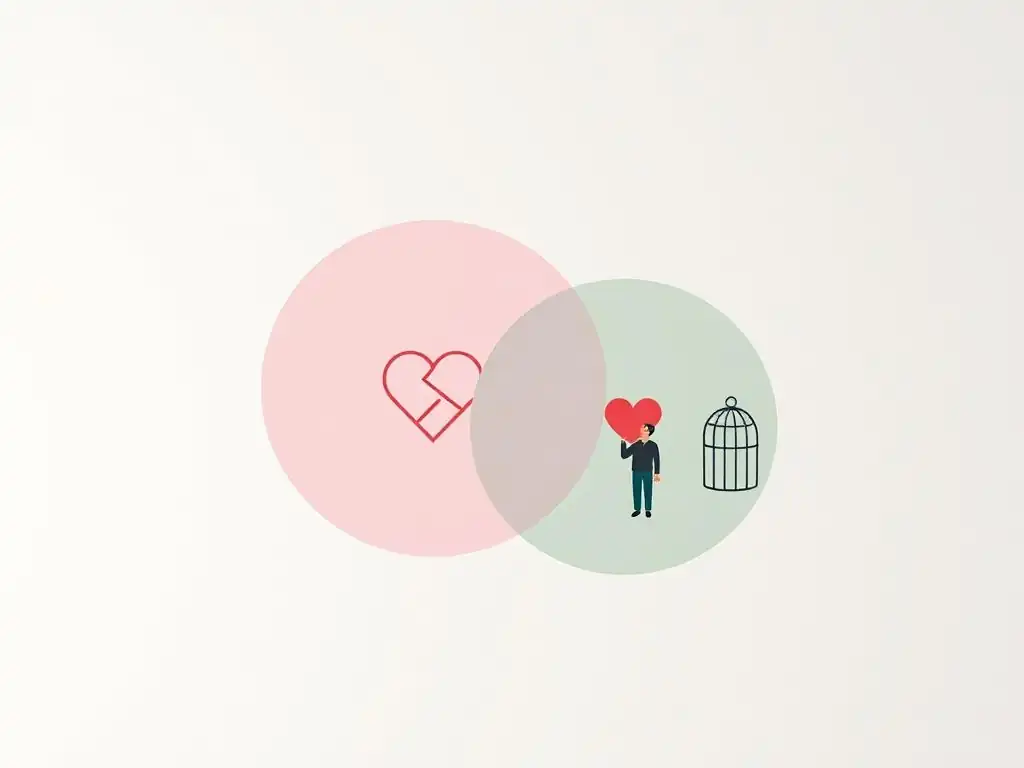
This section delves into the nuanced ways attachment styles manifest in online dating profiles, providing you with the tools to perform effective online dating profile analysis. Understanding these patterns can significantly improve your online dating experience, helping you identify compatible partners and avoid potentially problematic relationships. Remember, recognizing these patterns isn't about labeling individuals, but about understanding communication styles and relationship dynamics. This knowledge empowers you to make informed decisions and build healthier connections.
Recognizing Secure Attachment in Online Dating Profiles
Individuals with a secure attachment style generally present themselves authentically and confidently in their online dating profiles. Their profiles often reflect a balanced self-perception, neither overly self-deprecating nor boastful. Look for these key indicators:
- Realistic Self-Presentation: Their photos are likely natural and unedited, showcasing a variety of activities and settings. They don't shy away from showing their vulnerabilities or imperfections. Their descriptions are honest and straightforward, avoiding excessive embellishment or idealized portrayals.
- Positive and Balanced Language: The language used in their profile is generally positive and optimistic, reflecting a healthy sense of self-worth and a realistic outlook on relationships. They might mention their hobbies and interests with enthusiasm, but also acknowledge their flaws and imperfections in a self-aware manner. They're comfortable expressing their needs and desires without being demanding.
- Clear Communication Preferences: Securely attached individuals often explicitly state their communication preferences. For example, they might indicate their preferred methods of contact or their expectations for the frequency and nature of communication. This transparency reflects their comfort with healthy boundaries and open communication.
- Focus on Connection and Shared Interests: Their profiles often emphasize genuine connection and shared interests. They are less focused on superficial qualities and more interested in finding someone with whom they can build a meaningful relationship. Their descriptions might highlight activities they enjoy and their values, suggesting a desire for genuine compatibility.
Spotting Anxious-Preoccupied Attachment in Online Dating Profiles
Anxious-preoccupied attachment often manifests in online dating profiles through a desperate need for validation and reassurance. These profiles frequently exhibit the following characteristics:
- Overly Self-Critical Language: Their profiles might contain self-deprecating statements, seeking validation from potential partners. They may express insecurity or doubt about their worthiness of love. They might excessively highlight their imperfections or downplay their positive qualities.
- Idealized Descriptions of Partners: They might present an idealized image of their desired partner, often with unrealistic expectations. They might express a strong desire for immediate commitment or intense connection.
- Urgent Tone and Frequent Updates: Their profiles might be frequently updated, reflecting their constant need for attention and validation. The tone of their profile might be excessively urgent or pleading, conveying a sense of desperation.
- Excessive Self-Disclosure: They may overshare personal information early on, seeking immediate intimacy and connection. This can be a sign of their underlying insecurity and need for reassurance. Their profiles might contain details that are overly personal or revealing, potentially compromising their safety and privacy.
Identifying Dismissive-Avoidant Attachment in Online Dating Profiles
Individuals with a dismissive-avoidant attachment style often present themselves as self-sufficient and emotionally independent in their online dating profiles. However, this independence often masks a fear of intimacy and commitment. Look for these clues:
- Minimized Personal Information: Their profiles might contain limited personal information, avoiding vulnerability and emotional disclosure. They might focus on superficial details, rather than sharing their thoughts and feelings.
- Casual and Detached Tone: Their language is often casual and detached, lacking emotional depth or warmth. They may avoid expressing their needs or desires, projecting an image of emotional unavailability.
- Focus on Independence and Self-Reliance: They might emphasize their independence and self-reliance, potentially downplaying the importance of relationships. They might highlight their accomplishments and achievements as a way to project an image of strength and self-sufficiency.
- Limited or Vague Descriptions of Relationships: Their descriptions of past relationships or their ideal partner are often vague or absent. This reluctance to discuss their relationship history may indicate a fear of emotional intimacy and commitment. They might avoid discussing their emotional needs or vulnerabilities, reinforcing their image of emotional independence.
Remember, these are general tendencies, and individual profiles may exhibit variations. Effective online dating profile analysis requires a holistic approach, considering the overall tone, language, and content of the profile as a whole. Using this knowledge to understand potential partners' communication styles and relationship dynamics can significantly enhance your chances of finding a compatible and fulfilling relationship.
Detecting Fearful-Avoidant Attachment in Online Dating Profiles
Individuals with a fearful-avoidant attachment style present a unique challenge in online dating profile analysis. They often experience a deep internal conflict: a strong desire for connection coupled with an intense fear of intimacy and rejection. This internal struggle manifests in their profiles in complex and sometimes contradictory ways. Understanding these nuances is crucial for successful navigation of online dating interactions with this personality type.
One common characteristic is a profile that simultaneously projects both a longing for connection and a guardedness that actively pushes potential partners away. You might find profiles filled with romantic ideals and expressions of vulnerability, yet the accompanying photos might show the individual distant, unsmiling, or even hiding their face partially. This discrepancy reveals the internal conflict: a desire to be seen and loved, but a simultaneous fear of the vulnerability that genuine connection requires.
The language used in their profiles can be equally telling. They might express a desire for a "soul mate" or a "deep connection," yet simultaneously express cynicism about relationships or mention past negative experiences in a way that feels self-deprecating or overly pessimistic. This combination of hope and negativity is a hallmark of the fearful-avoidant style. They crave love but fear being hurt, leading to self-sabotaging behaviors that are often unintentionally reflected in their online presentation.
Furthermore, their profile activity can be erratic. They might be highly active one day, engaging in numerous interactions, only to disappear for extended periods, leaving potential partners wondering about their commitment or interest. This inconsistency is a direct reflection of their internal struggle to manage their fear of intimacy. Periods of engagement represent moments where their desire for connection outweighs their fear, while periods of withdrawal represent a retreat back into their protective shell.
Finally, pay attention to the type of photos they choose. While a desire for connection might lead them to post pictures that show them in social settings or engaging in activities they enjoy, there might be a noticeable absence of solo shots that showcase genuine self-expression and confidence. This avoidance of self-portraiture can be a subtle but significant indicator of their underlying anxieties related to self-worth and self-presentation. Remember, identifying this attachment style is not about judgment, but about understanding potential challenges and navigating interactions with empathy and patience.
Practical Techniques for Online Dating Profile Analysis
This section delves into practical methods for analyzing online dating profiles to uncover potential attachment styles. Remember, this is not an exact science, but a helpful tool for gaining insights into a potential partner's personality and relationship tendencies. Successful online dating profile analysis requires a keen eye for detail and a nuanced understanding of attachment theory. We'll focus on visual cues, written communication, and observed interaction styles. Mastering these techniques can significantly improve your online dating experience and help you connect with compatible individuals.
Analyzing Profile Pictures: A Visual Guide
Profile pictures offer a wealth of non-verbal information. They are often carefully curated, revealing conscious and subconscious choices that can hint at attachment styles. Consider these points:
- Solo vs. Group Photos: A preponderance of solo shots might suggest a need for independence (possibly indicative of an avoidant attachment style), while numerous group photos could point towards a more secure or anxious attachment style, valuing social connection. However, this is not absolute; some individuals simply prefer certain types of photos.
- Photo Content: Pictures depicting activities (hiking, playing sports, attending concerts) reveal interests and preferred social settings. Someone who consistently posts photos showcasing adventurous activities might be more independent, while those focused on intimate settings with loved ones could suggest a secure attachment style.
- Facial Expressions and Body Language: Genuine smiles, open postures, and relaxed body language often signal a more secure attachment style. Conversely, forced smiles, defensive postures, or lack of eye contact might indicate insecurity or avoidance. Analyze multiple photos to identify patterns.
- Photo Quality and Quantity: High-quality, well-lit photos often suggest someone who values self-presentation and puts effort into their online profile. Conversely, a scarcity of photos, or low-quality images, might suggest reluctance or disinterest in online dating. This could be linked to various attachment styles.
- Examples: A profile with many solo shots of someone hiking in nature, showcasing independence and self-reliance, might suggest an avoidant tendency. On the other hand, a profile overflowing with group photos at social gatherings and family events might indicate a secure attachment style, prioritizing connection and belonging.
Interpreting Profile Descriptions: Words Speak Volumes
The written content of a dating profile is crucial for understanding communication patterns and personality traits linked to attachment styles. Pay close attention to:
- Self-Description: Look for keywords and phrases that reveal self-perception. Someone who describes themselves as "independent" or "self-sufficient" might lean towards an avoidant style, while someone emphasizing their need for connection and intimacy may be more anxious.
- Relationship Goals: Explicitly stated relationship goals offer valuable insight. Ambiguity or vagueness might suggest avoidance, while overly demanding or idealistic expectations could point towards an anxious attachment style.
- Tone and Style: The overall tone (positive, negative, humorous, serious) reflects personality. A cynical or guarded tone might indicate avoidance, while overly enthusiastic or needy language could suggest anxiety.
- Use of "I" vs. "We": An overreliance on "I" statements could be a sign of independence (possibly avoidant), while frequent use of "we" might suggest a preference for partnership (possibly secure or anxious).
- Examples: A profile stating, "Seeking a partner who respects my independence and doesn't need constant reassurance," could signal avoidant tendencies. Conversely, a profile expressing, "Looking for someone to build a life with, someone I can share everything with," might indicate a secure or anxious attachment style.
Assessing Communication Style Through Profile Interactions
While profile analysis provides initial insights, observing communication styles during interactions offers deeper understanding. Look for these patterns:
- Responsiveness: Prompt and engaging responses suggest a secure attachment style. Delayed or infrequent responses might indicate avoidance. Overly eager or demanding responses could point towards anxiety.
- Conversation Initiation: Who initiates conversations? Someone consistently initiating contact might be more anxious, whereas someone who waits for others to reach out might be avoidant.
- Conversation Depth and Breadth: Do conversations explore deeper topics and emotions, or remain superficial? A willingness to delve into personal experiences generally signals a secure attachment. Superficial conversations might be a sign of avoidance.
- Emotional Expression: Is there open and honest expression of emotions, or a tendency to avoid vulnerability? Openness and honesty often suggest security, while emotional suppression or avoidance might indicate an insecure attachment style.
- Examples: A user who responds quickly and thoughtfully to messages, initiating conversations and engaging in meaningful discussions, is likely to have a secure attachment style. In contrast, a user who rarely replies, keeps conversations brief, and avoids personal topics likely displays avoidant tendencies. Someone who is excessively needy and demanding of attention in their communication could exhibit anxious attachment traits.
Remember, these are guidelines, not definitive diagnoses. Use this information to gain a better understanding of potential partners and improve your online dating experience. Always prioritize respectful and mindful interactions.
Evaluating Compatibility Through Profile Analysis
Analyzing online dating profiles for compatibility goes beyond simply looking for shared interests. It involves a deeper dive into understanding potential partners' values, communication styles, and life goals, all subtly hinted at within their profile content and imagery. This is where understanding attachment styles plays a crucial role.
Someone with an anxious attachment style might present a profile brimming with emotional vulnerability and a desire for intense connection, while someone with an avoidant attachment style may showcase independence and a reluctance to share deeply personal information. Recognizing these subtle cues allows you to assess whether your own attachment style is likely to complement theirs or create conflict.
For instance, if you're someone who thrives on frequent communication and emotional intimacy (secure or anxious attachment), you might find a partner with an avoidant attachment style frustrating. Their profile's emphasis on self-reliance and limited emotional expression might signal a potential incompatibility. Conversely, if you value independence and personal space (avoidant attachment), a partner who projects a need for constant reassurance (anxious attachment) could be overwhelming. Successful online dating profile analysis involves anticipating these potential dynamics.
Effective compatibility assessment also requires examining the profile's overall tone. Does it project positivity and optimism, or negativity and cynicism? Does the language used suggest openness and emotional intelligence, or defensiveness and guardedness? These seemingly minor details can reveal much about a person's emotional regulation and conflict resolution styles, factors crucial for long-term relationship success. A profile filled with complaints or negativity might indicate a tendency toward conflict, while a profile that emphasizes gratitude and positive experiences suggests a more optimistic outlook on life and relationships.
Remember, online dating profile analysis is not about finding a perfect match, but about identifying potential compatibility challenges before investing significant time and emotional energy. By carefully considering the nuances of a profile, including the subtle signals related to attachment styles and overall personality traits, you can significantly improve your chances of finding a relationship that is both fulfilling and sustainable. This proactive approach empowers you to make informed decisions, leading to more successful online dating experiences. The key is to look beyond superficial details and delve into the underlying emotional landscape portrayed within the profile.
Refining Your Online Dating Profile Analysis Skills

This section delves into practical techniques to enhance your online dating profile analysis capabilities. Mastering this skill allows you to identify potential compatibility and avoid time-consuming mismatches. Remember, the goal isn't to label someone, but to understand potential communication styles and relationship dynamics. This understanding empowers you to make informed decisions about who to connect with. Effective profile analysis goes beyond surface-level observations; it requires a nuanced understanding of subtle cues and contextual clues.
Case Study: Analyzing a Sample Profile for Attachment Styles
Let's analyze a hypothetical online dating profile to illustrate the process. Consider this profile:
"I love hiking, trying new restaurants, and spending quiet evenings at home with a good book. I value honesty and loyalty above all else. Looking for someone genuine and kind to share adventures and quiet moments with."
This profile, on the surface, seems quite balanced. However, a closer look reveals potential indicators:
- The mention of both adventurous activities (hiking, new restaurants) and quiet evenings at home: This suggests a potential for a secure attachment style. Secure individuals often enjoy both social interaction and independent time. They are comfortable with intimacy and autonomy.
- Emphasis on honesty and loyalty: This points towards a desire for stability and commitment, a hallmark of secure attachment, but also possibly an anxious attachment style seeking reassurance. Further investigation would be needed.
- The phrasing "Looking for someone genuine and kind to share adventures and quiet moments with": The inclusive nature of this statement indicates a preference for a balanced relationship, further supporting the possibility of a secure attachment style. However, the wording could also indicate avoidance if this person is seeking a superficial connection rather than a deep commitment.
Let's contrast this with another example:
"I'm always up for a good time! Love meeting new people and exploring different places. I'm independent and don't like being tied down."
This profile strongly suggests an avoidant attachment style. The emphasis on independence and dislike of being "tied down" indicates a potential reluctance to commit or engage in deep emotional intimacy. The focus on social activities might mask a fear of close relationships.
| Profile Feature | Secure Attachment Indicators | Avoidant Attachment Indicators | Anxious Attachment Indicators |
|---|---|---|---|
| Activities Mentioned | Balance of social and solitary activities | Primarily social activities, avoiding mentions of intimacy | Frequent mentions of loneliness or seeking validation |
| Relationship Desires | Seeking genuine connection, shared experiences, commitment | Emphasis on independence, freedom, avoiding commitment | Intense focus on finding "the one", expressing needs strongly |
| Language Used | Positive, balanced, realistic | Casual, detached, possibly dismissive | Overly emotional, potentially dramatic or needy |
Remember, these are potential indicators. Multiple profiles need to be analyzed to better understand the nuances of attachment styles in online dating.
Continuous Learning and Improvement in Profile Assessment
Improving your profile analysis skills is an ongoing process. Regularly review and refine your approach. Consider these steps:
- Study different profile examples: Analyze various profiles, noting the language used, the activities mentioned, and the overall tone. Try to identify patterns associated with different attachment styles.
- Seek feedback from others: Discuss your assessments with friends or professionals experienced in relationship dynamics. This can help you identify biases or areas for improvement.
- Stay updated on relationship trends: Online dating is constantly evolving. Staying informed about current trends and communication styles will help you adapt your analysis techniques.
- Practice, practice, practice: The more profiles you analyze, the better you'll become at identifying subtle cues and patterns. Don't be afraid to make mistakes; learning from them is crucial.
Combining Profile Analysis with Other Dating Strategies
Profile analysis is just one piece of the puzzle. It's crucial to combine this skill with other effective online dating strategies:
- Effective Communication: Even with insightful profile analysis, clear and respectful communication is vital. Use your understanding of attachment styles to tailor your approach.
- Safe Dating Practices: Prioritize safety throughout the online dating process, regardless of perceived attachment style.
- Realistic Expectations: Remember that online profiles present a curated version of someone's personality. Be open to learning more during actual interactions.
By combining profile analysis with other dating strategies, you significantly increase your chances of finding a compatible and fulfilling relationship. Remember, empathy and understanding are key to navigating the complexities of online dating.
Leveraging Profile Analysis for Successful Online Dating
Online dating profile analysis is a crucial skill for navigating the complexities of modern romance. By carefully examining profiles, you can gain valuable insights into potential partners' personalities, communication styles, and relationship goals, significantly increasing your chances of finding a compatible match. This isn't about superficial judgments; it's about using available information to make informed decisions and avoid wasting time on incompatible connections.
Think of it as a pre-screening process that enhances your online dating experience. Instead of relying solely on chance encounters, you're proactively shaping your journey towards meaningful relationships. This approach empowers you to take control of your dating life and focus your energy on individuals with whom you share genuine compatibility.
Building Meaningful Connections Through Accurate Profile Assessment
Accurately assessing online dating profiles involves more than just looking at photos. Pay close attention to the written content. What kind of language do they use? Is it positive and optimistic, or negative and cynical? Do they focus on accomplishments, or on their search for a partner? A profile filled with self-deprecating humor might signal insecurity, while one boasting only of material possessions could suggest a superficial nature.
Look for clues about their values and interests. Do they mention volunteering, traveling, or pursuing hobbies? These details reveal aspects of their personality and lifestyle that might align with your own. For example, a profile emphasizing community involvement might indicate someone with a strong sense of social responsibility. Conversely, a profile focused solely on career achievements could suggest someone who prioritizes ambition above all else. Remember, the goal is to identify potential compatibility, not to judge.
Avoiding Relationship Pitfalls Using Profile Analysis
Profile analysis can help you avoid potential relationship pitfalls by identifying red flags early on. Someone who consistently posts angry or negative comments might be prone to conflict. A profile that lacks personal details or uses generic phrases could indicate a lack of authenticity or a reluctance to be vulnerable.
Be wary of profiles that seem too good to be true – overly polished and lacking any imperfections. This could be a sign of someone trying to present a false image. Analyzing profiles also helps to manage expectations.
If someone's profile suggests a lifestyle vastly different from your own, it's likely that a long-term relationship would be challenging. For instance, a profile showcasing a love for extreme sports might not be a good match for someone who prefers quiet evenings at home. Using profile analysis as a tool for pre-emptive compatibility assessment significantly reduces the risk of investing time and energy in relationships destined to fail.
Maximizing Your Online Dating Experience with Intelligent Profile Analysis
Intelligent profile analysis is a continuous learning process. The more you practice, the better you'll become at recognizing subtle cues and patterns. Start by focusing on specific aspects of profiles, such as the tone of the writing, the choice of photos, and the overall presentation. Then, gradually expand your analysis to encompass a broader range of factors.
Consider keeping a journal to track your observations and reflect on your experiences. Note what worked well and what didn't. This will help you refine your approach and improve your ability to identify compatible partners. Remember, the goal is not to find perfection, but to find someone with whom you share common values, interests, and life goals.
By mastering the art of online dating profile analysis, you'll significantly enhance your chances of building a meaningful and lasting relationship. This proactive approach transforms online dating from a frustrating ordeal into a strategic journey towards finding the right partner. 📈
Frequently Asked Questions
What is online dating profile analysis?
Online dating profile analysis involves carefully examining dating profiles to understand a person's personality, values, and potential relationship patterns. It helps you identify red flags or compatibility indicators. This process enhances your online dating experience.
How can I analyze attachment styles in online dating profiles?
Look for clues in their wording and imagery. Do they project independence or desperation? The way they present themselves often reflects their attachment style; secure, anxious, avoidant, or fearful. Consider their photos and self-descriptions for further insight.
What are some red flags to watch out for during profile analysis?
Vague profiles, excessive negativity, or lack of personal information are red flags. Beware of profiles that seem too good to be true or focus heavily on physical attributes. Always prioritize profiles showcasing authenticity.
How can profile analysis improve my online dating success?
By analyzing profiles, you can save time and energy by focusing on compatible matches. Understanding someone's communication style and potential relationship patterns helps you avoid potential conflicts and build stronger connections.
Is profile analysis applicable to all dating apps?
Yes, profile analysis techniques are applicable across various dating apps and websites. The core principles remain the same: observe communication styles, presented personality, and imagery to gain insights into potential compatibility and red flags. Adapt your approach based on each platform's specific features.
Final Reflection: Decoding Connection: The Power of Profile Analysis in Online Dating
Understanding online dating profiles is no longer a luxury; it's a necessity for navigating the complexities of modern relationships. The ability to decipher subtle cues and attachment patterns within a carefully curated online persona can significantly impact your dating experience, leading to more meaningful connections and fewer wasted swipes. This skill empowers you to take control of your dating journey, moving beyond superficial judgments and towards a deeper understanding of potential partners.
The impact of understanding attachment styles in online dating extends far beyond the initial connection. It allows us to approach relationships with greater self-awareness and empathy, recognizing our own patterns and those of others. This understanding can prevent us from repeating past relationship mistakes and foster healthier, more fulfilling partnerships. The greatest love story is the one you live.
This quote speaks to the importance of actively shaping our relationships, and profile analysis provides a crucial tool in that process. By understanding the subtle signals within a profile, we can better understand the potential for compatibility and build a stronger foundation for a lasting connection.
Now, consider your own online dating experiences. Have you noticed patterns in the profiles that attract you? What are your own attachment tendencies, and how might they be influencing your choices? Take some time to reflect on these questions. Use the knowledge gained from this article to consciously curate your own profile, attracting those who resonate with your values and relationship goals. Embrace the power of self-awareness and strategic profile analysis to unlock a more fulfilling and authentic online dating journey.
Unlock Your Dating Potential: Decode Their Profile, Decode Their Heart
Thanks for exploring the fascinating world of online dating profile analysis! You've gained valuable tools to better understand relationship dynamics and improve your dating success. Ready to apply your new knowledge?
- Dive deeper: Analyze a dating profile that interests you. See if you can identify subtle behavioral cues and test your new skills. This is the best way to solidify your understanding.
- Share your insights: Discuss your analysis of a profile with a friend, or share an anonymized example in the comments below—let's learn from each other!
- Challenge yourself: Create a dating profile that subtly conveys emotional security and healthy relationship expectations. Observe the responses you receive.
What kind of relationship dynamics are you most drawn to, and why do you think that is?