
Dating Profile Deep Dive: Recognizing the Signs of Dismissive Attachment


Tired of online dating feeling like a frustrating game of cat and mouse? You're not alone. At OnlineDatingSuccess.org, we're dedicated to helping you navigate the complexities of finding love online. This week, we're diving deep into the often-missed red flags of dismissive attachment in dating profiles. Learn to spot the subtle signs and unlock the secret to building genuine connections – your happily ever after might be closer than you think!
- Understanding Dismissive Attachment in Online Dating
-
Spotting Dismissive Attachment Dating Profiles: Key Indicators
- Examining Profile Pictures: Clues in Visual Cues
- Analyzing Profile Descriptions: Language and Tone
- Evaluating Their Self-Presentation: Confidence vs. Arrogance
- Assessing Their Dating Preferences and Expectations: Short-term Focus?
- Recognizing Avoidance Behaviors in Messaging: Limited Engagement, Short Responses
-
Decoding the Red Flags: Common Traits in Dismissive Profiles
- The "Too Cool" Factor: Detached and Unreachable
- The Perfectionist Profile: Unrealistic Expectations and High Standards
- The Minimalist Profile: Lack of Detail and Emotional Investment
- The Player Persona: Multiple Dating Profiles or Vague Relationship Goals
- The Ghosting Predictor: Inconsistency and Lack of Commitment
- Navigating Interactions with Dismissive Individuals Online
- Successful Online Dating with Attachment Awareness
-
Frequently Asked Questions
- How can I spot a dismissive attachment style in a dating profile?
- What kind of language might indicate dismissive attachment in online dating?
- Are there specific profile pictures that might suggest dismissive attachment?
- How can I tell the difference between a dismissive attachment style and someone who is simply independent?
- What should I do if I suspect someone has a dismissive attachment style on a dating app?
- Final Reflection: Unmasking Insecurity in the Digital Age
- Unlock Your Dating Potential: Move Beyond Dismissive Attachment
Understanding Dismissive Attachment in Online Dating
Navigating the world of online dating can feel like deciphering a complex code. While many focus on crafting the perfect profile picture or writing a witty bio, understanding the underlying attachment styles of potential partners can significantly increase your chances of finding a compatible and fulfilling relationship. This article delves into the often-overlooked area of identifying dismissive attachment in online dating profiles.
Learning to spot the subtle (and sometimes not-so-subtle) signs of this attachment style can save you time, heartache, and ultimately, help you find a more meaningful connection. We'll explore what dismissive attachment is, its key characteristics in online profiles, and how it differs from other attachment styles, equipping you with the knowledge to make more informed choices in your online dating journey. The ability to effectively “Spot dismissive attachment dating profiles” is a crucial skill for anyone serious about finding lasting love online.
What is Dismissive Attachment?
Dismissive attachment is an attachment style characterized by a tendency to suppress emotions and prioritize independence to the point of emotional unavailability. Individuals with this style often value self-reliance above all else and may appear aloof, distant, or even avoidant of intimacy. They may have difficulty expressing vulnerability or forming deep emotional connections.
This isn't necessarily rooted in malice; it's often a defense mechanism developed in response to past experiences where emotional needs weren't met or were dismissed. In online dating, this translates to specific behaviors and patterns in their profiles and communication that we will explore further. Think of it as a kind of emotional armor—a protective shell designed to prevent potential hurt.
Understanding the root of this behavior is crucial to interpreting its manifestation in online dating profiles. It's important to remember that everyone falls somewhere on a spectrum, and recognizing these tendencies doesn’t mean someone is inherently "bad" or incapable of love; rather, it provides insight into their communication style and emotional needs.
Identifying Dismissive Attachment Styles: Key Characteristics
Identifying dismissive attachment in online dating profiles requires a keen eye for subtle cues. Here are some key characteristics to look for:
- Limited Personal Information: Profiles may lack depth or detail. Biographical information might be minimal, avoiding personal anecdotes or emotional disclosures. They might focus heavily on accomplishments or superficial details rather than revealing anything truly personal.
- Generic or Vague Language: Their profile descriptions might use generic phrases and avoid specific details about their personality, interests, or values. They may say things like "I like to have fun" or "I'm looking for someone special" without providing concrete examples.
- Lack of Emotional Expression: Photos may lack warmth or genuine smiles. Their writing style might be detached and unemotional, avoiding expressions of vulnerability or affection. They may avoid using emojis or emotionally evocative language.
- Focus on Independence and Self-Sufficiency: Their profiles may heavily emphasize their independence, self-reliance, and achievements. They may boast about their career success, hobbies, or physical fitness, often overshadowing any mention of emotional needs or desires for a relationship.
- Inconsistent or Infrequent Communication: They may respond sporadically to messages or take a long time to reply. Their communication might be brief and to the point, lacking warmth or engagement.
Dismissive Attachment vs. Other Attachment Styles in Online Dating Profiles
It's important to distinguish dismissive attachment from other attachment styles. While a dismissive profile may share similarities with others, understanding the nuances is key.
| Attachment Style | Profile Characteristics | Communication Style |
|---|---|---|
| Dismissive | Minimal personal information, generic language, lack of emotional expression, focus on independence | Inconsistent, brief, emotionally detached, slow to respond |
| Anxious-Preoccupied | Excessive personal details, emotional language, seeking validation, fear of rejection | Frequent, intense, needy, overly expressive |
| Fearful-Avoidant | Conflicting information, self-deprecating language, desire for connection but fear of intimacy | Inconsistent, hesitant, guarded, may pull away suddenly |
| Secure | Balanced personal information, authentic language, comfortable expressing emotions, healthy boundaries | Consistent, responsive, emotionally available, respectful |
Understanding these differences will help you navigate the complexities of online dating and make more informed decisions about who to pursue. Remember, these are general tendencies, and individual experiences vary. The key is to look for patterns and be mindful of your own emotional well-being throughout the process. 😍
Spotting Dismissive Attachment Dating Profiles: Key Indicators
Finding love online requires navigating a complex landscape of personalities and attachment styles. Understanding attachment styles can significantly improve your dating experience, helping you identify potential compatibility and avoid potentially frustrating relationships. This section focuses on recognizing the subtle yet revealing signs of dismissive attachment in online dating profiles, enabling you to make more informed decisions about who to connect with. Learning to spot dismissive attachment dating profiles is a crucial skill for anyone serious about finding a meaningful connection.
Examining Profile Pictures: Clues in Visual Cues
Profile pictures often speak volumes about a person's personality and self-perception. Individuals with dismissive attachment styles tend to present themselves in specific ways in their photos. Look for these visual cues:
- Numerous Selfies: A disproportionate number of selfies, particularly those taken at flattering angles, can suggest a preoccupation with self-image and a lack of genuine interest in connecting with others. They may prioritize presenting a carefully curated version of themselves rather than showing authentic vulnerability.
- Distant or Aloof Expressions: Many photos might feature the individual looking away from the camera, exhibiting a detached or cool demeanor. This visual distance mirrors their emotional distance in relationships.
- Focus on Material Possessions: Pictures showcasing luxury cars, expensive vacations, or designer items could indicate a need for external validation and a focus on superficial achievements rather than genuine emotional connection. This reflects the dismissive avoidant tendency to prioritize achievement and status over intimacy.
- Lack of Photos with Others: The absence of pictures with friends or family might suggest a reluctance to engage in close relationships or a difficulty forming meaningful bonds. This supports the characteristic avoidance of intimacy associated with a dismissive attachment style.
- Highly Edited or Filtered Images: Overly polished and filtered pictures might signal an attempt to create a flawless, idealized persona, masking vulnerability and authenticity. This aligns with the dismissive attachment's tendency to present a "perfect" self to avoid intimacy.
Analyzing Profile Descriptions: Language and Tone
The written content of a dating profile offers further insights into an individual's attachment style. Pay close attention to the language and tone used in their profile description. Here's what to look for:
- Self-Reliant and Independent Focus: Profiles that emphasize self-sufficiency to an extreme degree, often using phrases like "I'm independent and don't need anyone," or "I do my own thing," may indicate a dismissive attachment style. While independence is valuable, an excessive focus on it can mask a fear of intimacy.
- Vague or Superficial Descriptions: Lack of detail or substance in the "about me" section can point towards a reluctance to self-disclose and share personal information. This reluctance stems from a desire to maintain emotional distance.
- Negative or Cynical Language Regarding Relationships: Statements like "Relationships are too much work" or "I've been burned before" can be red flags. While past experiences influence perspectives, a consistently negative outlook on relationships suggests potential difficulty forming close bonds.
- Emphasis on Achievements and Status: Profiles that heavily focus on career success, material possessions, or other accomplishments without mentioning personal values or emotional needs might reflect a dismissive attachment style prioritizing external validation over emotional intimacy.
- Absence of Emotional Vulnerability: A lack of personal anecdotes or expressions of vulnerability suggests a reluctance to connect on a deeper emotional level. This is a hallmark of the dismissive attachment style's avoidance of intimacy and emotional closeness.
Evaluating Their Self-Presentation: Confidence vs. Arrogance
Differentiating between genuine confidence and arrogant self-assuredness is crucial in spotting dismissive attachment. While confident individuals are secure in themselves, those with dismissive attachment often display arrogance as a defense mechanism.
- Excessive boasting or bragging: While some self-promotion is normal, excessive boasting about achievements, possessions, or physical attributes can be a sign of insecurity masked by arrogance. This reflects a need for external validation often found in dismissive attachment.
- Dismissive tone toward others: A condescending or dismissive tone towards other users or potential partners in their profile description can reveal a lack of empathy and a tendency to devalue others. This aligns with the dismissive attachment's tendency to distance themselves emotionally.
- Unrealistic expectations: Setting unrealistic standards for potential partners or expressing an expectation of perfection may indicate a fear of vulnerability and an attempt to maintain control. This is a common defense mechanism for individuals with dismissive attachment.
- Lack of self-awareness: An inability to acknowledge personal flaws or shortcomings suggests a lack of emotional self-awareness, a common characteristic of individuals with dismissive attachment. They may project an image of flawlessness to avoid intimacy.
- Inconsistent self-portrayal: Contradictory statements or a lack of coherence in their profile might indicate a struggle with self-identity and a difficulty in expressing their true selves. This inconsistency is often a hidden indicator of dismissive attachment. Remember, understanding attachment styles is a tool to enhance your dating journey, not to judge individuals. Using this knowledge empowers you to make more conscious decisions about who you connect with online.
Assessing Their Dating Preferences and Expectations: Short-term Focus?
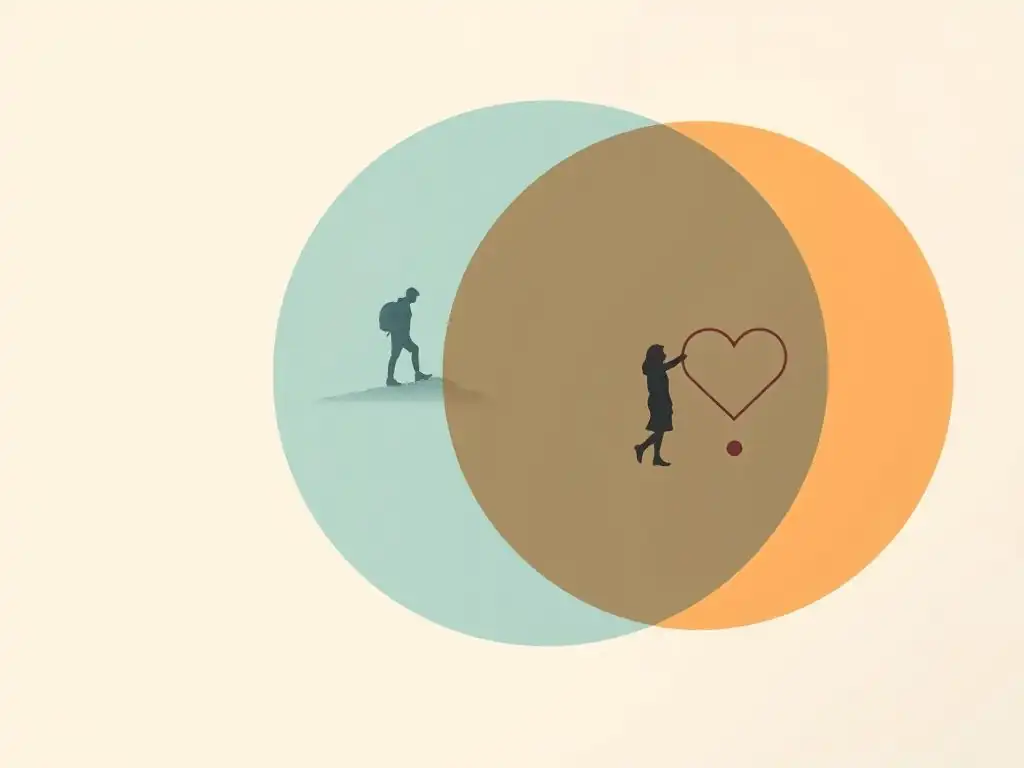
Individuals with a dismissive-avoidant attachment style often prioritize independence and self-reliance to a degree that can manifest as a reluctance to commit to long-term relationships. Their dating preferences often reflect this. Look for keywords and phrases in their profile that suggest a preference for casual dating or short-term relationships. Phrases like "looking for fun," "no drama," "keeping things casual," or "not looking for anything serious" are red flags.
They might emphasize their busy lifestyle or their need for space, subtly hinting at a lack of desire for deep emotional connection. Conversely, the absence of any mention of long-term relationship goals, even in a vaguely optimistic way, could also be indicative of dismissive attachment. Pay attention to the overall tone of their profile; does it project an image of someone seeking a fleeting connection, or someone genuinely invested in building something meaningful? For instance, a profile solely focused on physical attributes, hobbies, and superficial achievements without any mention of emotional needs or desires could signal a dismissive attachment style.
Remember, however, that a preference for casual dating doesn't automatically equate to dismissive attachment; context is crucial. However, when coupled with other indicators, this becomes a significant piece of the puzzle. The key is to look for a pattern of behavior and language that consistently points towards a lack of interest in deeper emotional intimacy.
Recognizing Avoidance Behaviors in Messaging: Limited Engagement, Short Responses
Once you've initiated contact, observe their communication style. Dismissive-avoidants often exhibit avoidance behaviors in their messaging. This might manifest as short, infrequent responses, a lack of initiative in continuing the conversation, or a reluctance to delve into deeper, more personal topics. They may answer your questions briefly and directly, without elaborating or asking reciprocal questions.
Think about the quality of their responses – are they engaging and thoughtful, or perfunctory and dismissive? Do they consistently leave you hanging, taking a long time to respond or ignoring messages altogether? They might also steer conversations towards superficial topics, avoiding anything that could lead to vulnerability or emotional intimacy. For example, they might readily discuss their hobbies or work but shy away from discussing their feelings, past relationships, or personal goals.
Another telltale sign is the abrupt ending of conversations. They might abruptly change the subject, end the conversation without warning, or simply stop responding altogether, leaving you feeling ignored or dismissed. While busy schedules are understandable, a consistent pattern of limited engagement and short, superficial responses, particularly in the context of other dismissive behaviors, could strongly indicate a dismissive attachment style. Remember, consistent patterns are key; a single instance of a short reply doesn't necessarily confirm this, but repeated occurrences should raise a red flag.
Decoding the Red Flags: Common Traits in Dismissive Profiles
This section delves into the subtle yet significant indicators that can help you spot dismissive attachment styles in online dating profiles. Understanding these red flags can save you time and emotional energy by helping you avoid potentially frustrating relationships. Remember, the goal isn't to judge individuals, but to recognize patterns that might signal incompatibility with your needs and relationship goals. Successfully spotting dismissive attachment in dating profiles requires careful observation and an understanding of the core characteristics of this attachment style.
The "Too Cool" Factor: Detached and Unreachable
Dismissive individuals often project an air of nonchalance and emotional unavailability. Their profiles might showcase a carefully curated image of independence and self-sufficiency, sometimes to an extreme. Look for these specific cues:
- Vague or absent personal information: They might avoid sharing details about their life, hobbies, or personal goals. Their profile reads like a carefully constructed advertisement rather than a genuine self-portrait. Think sparse descriptions and a lack of vulnerability.
- Focus on accomplishments and achievements: Their profile might heavily emphasize career success, material possessions, or physical attributes, with little mention of emotional depth or personal connections. This often stems from a need to validate their self-worth through external achievements.
- Limited or generic photos: The photos might lack warmth or personality, featuring mostly posed shots or group pictures that make it difficult to assess their true personality. Genuine smiles and relaxed expressions are often absent.
- Overuse of casual or dismissive language: Their profile description might contain phrases like "not looking for anything serious," "just seeing what's out there," or "keeping my options open," even if they're actively seeking a relationship. This could be a defense mechanism to avoid intimacy.
- Lack of engagement in conversations: Even if you initiate contact, their responses might be brief, infrequent, or lack emotional depth. They might prioritize their own agenda and avoid deeper conversations about feelings or personal experiences. This detachment is a hallmark of dismissive attachment.
The Perfectionist Profile: Unrealistic Expectations and High Standards
While not all high standards indicate dismissive attachment, an extreme focus on perfectionism coupled with a lack of self-awareness can be a significant red flag. These individuals often present an idealized version of themselves and project unrealistic expectations onto potential partners. Consider these points:
- Excessively detailed lists of "requirements": Their profile might include a laundry list of desired traits in a partner, often unrealistic or overly specific. This can be a sign of a rigid and inflexible approach to relationships.
- Critical or judgmental language: Their profile might subtly or overtly criticize others or express disdain for certain types of people. This indicates a lack of empathy and a tendency to judge others harshly.
- Unrealistic self-perception: They might present themselves as flawless or superior to others, lacking self-awareness regarding their own flaws or imperfections. This can be a defense mechanism to avoid vulnerability.
- Focus on superficial qualities: Their profile might emphasize physical attributes or material possessions above emotional compatibility or shared values. This suggests a superficial approach to relationships, prioritizing external validation over genuine connection.
- Difficulty expressing vulnerability: Even when discussing their preferences, the tone might lack vulnerability and openness. They might present their requirements as objective facts rather than personal preferences.
The Minimalist Profile: Lack of Detail and Emotional Investment
A dismissive attachment style can manifest as a reluctance to invest emotionally in online dating profiles. This lack of investment can be subtle but revealing. Here's what to look for:
| Feature | Dismissive Profile Indicator | Non-Dismissive Profile Indicator |
|---|---|---|
| Profile Picture | One or two low-quality, unengaging photos | Multiple, high-quality photos showcasing personality and interests |
| Bio Description | Very short, generic, or lacking personal detail | Detailed, engaging, and revealing personal information |
| Interests | Few or vague interests listed | Multiple, specific, and varied interests listed |
| About Me Section | Minimal or absent | Thorough and thoughtful self-description |
This minimalist approach can stem from a fear of intimacy or a reluctance to reveal personal information. The lack of detail makes it difficult to assess their personality and compatibility. The profile feels almost like a placeholder, reflecting a lack of genuine commitment to the dating process. This contrasts sharply with profiles of individuals who are actively seeking meaningful connections. Their profiles actively demonstrate a willingness to invest time and effort into finding a compatible partner.
The Player Persona: Multiple Dating Profiles or Vague Relationship Goals
Individuals with a dismissive-avoidant attachment style often struggle with intimacy and commitment. This can manifest in their online dating profiles in several ways. One significant red flag is the presence of multiple dating profiles on different platforms. They might be actively juggling conversations and dates with several people simultaneously, showcasing a lack of genuine interest in forming a deeper connection with any one individual. This isn't always malicious; it's a reflection of their discomfort with emotional vulnerability and the fear of being tied down.
They might actively seek the thrill of the chase, rather than the stability of a committed relationship. Look for inconsistencies in their profile information across different platforms. Do their photos, bios, or stated preferences differ significantly? This could indicate they're trying to appeal to different types of people, further emphasizing the lack of focused intentionality. Moreover, their stated relationship goals are often vague or contradictory.
They may express a desire for a relationship but simultaneously emphasize their independence and freedom, indicating a reluctance to fully commit. Phrases like "looking for something casual," "open to anything," or "just seeing what's out there" without further explanation or specificity should raise a cautious eyebrow. Remember, there's a difference between being open-minded and lacking direction. A dismissive-avoidant individual might use vague language to avoid defining their expectations or committing to a specific type of relationship.
The Ghosting Predictor: Inconsistency and Lack of Commitment
A hallmark of dismissive attachment is inconsistency in communication and behavior. This translates to a high likelihood of ghosting in online dating interactions. Their profiles might exhibit a pattern of sporadic messaging or a lack of follow-through on planned dates. They might be highly engaging at the beginning, showering you with attention and compliments, only to abruptly disappear without explanation. This hot-and-cold behavior is a classic sign of someone struggling with emotional intimacy.
They might pull away as the relationship starts to feel too close or intense, leaving you feeling confused and frustrated. Furthermore, examine their profile for clues about their past relationships. Do they consistently avoid discussing past relationships or offer vague, generalized explanations for their breakups? This could indicate a pattern of avoiding commitment and responsibility in romantic relationships. Pay attention to how they respond to your attempts to deepen the connection.
Do they actively avoid discussing feelings or future plans? Do they change the subject or deflect when you attempt to make plans for more than a casual encounter? These actions signal a desire to maintain distance and prevent the relationship from evolving into something more serious. Remember, inconsistency isn't just about disappearing; it's about a general lack of reliability and emotional availability, which are telltale signs of dismissive attachment in online dating.

This section focuses on practical strategies for managing interactions with individuals exhibiting dismissive attachment styles in the online dating sphere. Understanding their behaviors is crucial, but equally important is knowing how to protect yourself emotionally. Remember, your well-being is paramount. Successfully spotting dismissive attachment in dating profiles is only the first step; navigating the potential interactions requires careful consideration and proactive measures.
Setting Boundaries and Protecting Your Emotional Well-being
Encountering dismissive individuals online can be emotionally draining. Their tendency towards emotional unavailability and avoidance can leave you feeling confused, frustrated, and undervalued. Therefore, establishing clear boundaries is essential for protecting your emotional well-being. This means setting limits on how much time and energy you invest in these interactions. For example, limit the length of your initial conversations, avoid excessive back-and-forth messaging, and don't feel obligated to respond immediately to every message. Prioritize your own needs and don't let their aloofness dictate your emotional availability.
Remember, you are not responsible for their emotional baggage. If a conversation feels draining or disrespectful, it's perfectly acceptable to disengage. A simple, polite response like, "I'm not feeling a connection here," or "I wish you all the best in your search," is sufficient. Don't over-explain or justify your decision. Protecting your emotional space is a sign of self-respect and a crucial element of successful online dating.
Recognizing Manipulation Tactics: Gaslighting and Emotional Withholding
Dismissive individuals might employ subtle manipulation tactics to control the interaction and maintain distance. Gaslighting, a form of psychological manipulation, involves making you question your own perception of reality. For example, they might deny saying something they did or twist your words to make you feel confused or insecure. This is a red flag and indicates a potentially unhealthy dynamic.
Emotional withholding is another common tactic. They might be slow to respond, offer minimal emotional engagement, or avoid expressing vulnerability. This can leave you feeling unheard, unseen, and unimportant. Learning to recognize these patterns is crucial in identifying potentially problematic interactions early on. Pay attention to inconsistencies in their behavior and communication. If you consistently feel confused or unsure of yourself after interacting with someone, it's a strong indicator of manipulative tendencies. Trust your gut feeling; if something feels off, it probably is.
Healthy Communication Strategies for Online Dating: Setting Expectations
Effective communication is key to navigating online dating, especially when dealing with individuals who may have varying attachment styles. Setting clear expectations early on is crucial. This means being upfront about your needs and desires in a relationship. For instance, communicate your expectations regarding response times, the frequency of communication, and the level of emotional intimacy you seek. This reduces ambiguity and prevents misunderstandings that can arise from differing communication styles.
Furthermore, practice assertive communication. Clearly express your feelings and needs without being aggressive or demanding. If you're feeling ignored or undervalued, express it directly but respectfully. For example, you could say, "I've noticed our communication has been a bit inconsistent lately.
I value open and regular communication, and I'd appreciate it if we could work on improving this." Remember, healthy relationships are built on mutual respect and open communication. Don't be afraid to advocate for your needs; it's a sign of strength, not weakness. By setting clear expectations and practicing assertive communication, you can create a healthier and more fulfilling online dating experience, even when encountering individuals with dismissive attachment styles.
Moving On: Recognizing When to Disconnect
Identifying a dismissive attachment style in an online dating profile is only the first step. Knowing when to disconnect is equally crucial for your emotional well-being and to avoid wasting time on a potentially unsatisfying connection. While initial interactions might seem promising, subtle signs will often emerge, revealing the underlying avoidance patterns. These patterns can manifest in various ways, making it essential to remain vigilant.
For instance, inconsistent communication is a major red flag. While they might initially engage enthusiastically, responding quickly and frequently, this can abruptly change. Days might go by without a response, followed by a brief, almost apologetic message, offering a flimsy excuse for their silence. This inconsistency reflects a fear of intimacy and a tendency to pull away when things get too close. Don't fall into the trap of making excuses for their behavior; their actions speak louder than words.
Another telltale sign is a lack of emotional depth in their communication. Their messages might be superficial, focusing on surface-level details rather than genuine emotional connection. They might avoid discussing personal feelings or past relationships, preferring to keep things light and casual. This emotional unavailability is a hallmark of the dismissive attachment style, indicating an unwillingness to engage in vulnerable self-disclosure. Pay attention to the absence of emotional depth as much as its presence. Are you feeling emotionally engaged and reciprocated, or are you doing all the heavy lifting?
Finally, consider their overall online presence. Do they have a meticulously curated profile showcasing a seemingly perfect life, yet lack meaningful engagement with others? This could signal a desire to appear desirable without the commitment that genuine connection requires.
A lack of reciprocal effort in the conversation, constantly shifting the focus away from deeper discussions, or a reluctance to plan future interactions are all additional indicators that it's time to move on. Remember, your time and emotional energy are valuable resources; don't invest them in someone unwilling to reciprocate genuine connection. Prioritizing your own emotional well-being is paramount in the online dating world, and knowing when to disconnect is a vital skill in navigating this landscape successfully.
Successful Online Dating with Attachment Awareness
Understanding attachment styles is crucial for navigating the complexities of online dating. By recognizing your own attachment style and those of potential partners, you can significantly improve your chances of forming healthy, fulfilling relationships. This section focuses on how understanding dismissive attachment can lead to more successful online dating experiences. Spotting dismissive attachment in dating profiles requires a keen eye for specific behavioral patterns and communication styles. Let's delve into the subtle cues that can help you identify these profiles and avoid potential heartache.
Developing a Healthy Attachment Style: Self-Reflection and Growth
Before you can effectively identify dismissive attachment in others, it's essential to understand your own attachment style. Many individuals struggle with insecure attachment styles, including anxious-preoccupied, fearful-avoidant, and dismissive-avoidant. Self-reflection is the first step towards growth. Consider journaling about your past relationships. What patterns emerge? Do you consistently seek validation? Do you push partners away when things get too close? Honest self-assessment is key to breaking negative cycles.
Practicing mindfulness can also significantly improve your emotional regulation and self-awareness. Mindfulness techniques, such as meditation or deep breathing exercises, help you to become more attuned to your emotional state, allowing you to respond rather than react in dating interactions. This improved self-awareness will help you recognize red flags in others' profiles and avoid getting involved with individuals who aren't a good match for your emotional needs.
Remember, building a healthy attachment style is an ongoing process, requiring patience and self-compassion. Consider seeking professional guidance from a therapist or counselor if you find it challenging to navigate these issues on your own.
Attracting Securely Attached Partners: Projecting Confidence and Authenticity
Once you've gained a better understanding of your own attachment style, you can focus on attracting securely attached partners. Securely attached individuals are characterized by their emotional availability, healthy self-esteem, and ability to form close, intimate relationships. To attract these partners, authenticity is paramount. Your online dating profile should accurately reflect your personality, interests, and values. Avoid presenting a fabricated version of yourself to impress others. Instead, focus on showcasing your genuine self.
Projecting confidence is another crucial element. This doesn't mean boasting or appearing arrogant. Rather, it involves presenting yourself with self-assurance and a positive attitude. Use clear, concise language in your profile, and choose photos that reflect your personality and lifestyle. Remember, confidence is attractive, and it signifies emotional maturity—a quality highly valued by securely attached individuals. Your profile should clearly communicate what you're looking for in a partner, setting healthy boundaries from the start. This will help attract those who are compatible and aligned with your needs.
Building Meaningful Connections: Prioritizing Emotional Availability
Building meaningful connections in online dating requires prioritizing emotional availability. This means being open and honest about your feelings and needs, while also being receptive to the emotions of others. It's crucial to avoid behaviors that might indicate dismissive attachment, such as being emotionally distant, ignoring messages, or ghosting potential partners. Active listening and empathetic communication are key to building trust and intimacy.
Remember, healthy relationships are built on mutual respect and understanding. By prioritizing emotional availability, you create a safe space for genuine connection. This approach not only attracts compatible partners but also fosters more fulfilling and lasting relationships. Avoid rushing into intimacy; allow the relationship to develop naturally at a pace that feels comfortable for both individuals. Prioritizing emotional availability sets the foundation for a strong and healthy relationship. This mindful approach will help you cultivate meaningful connections that stand the test of time.
Frequently Asked Questions
How can I spot a dismissive attachment style in a dating profile?
Look for profiles that boast of independence and self-sufficiency to an extreme. They might emphasize their busy lifestyle or lack of interest in serious relationships. Avoid profiles that project a sense of emotional unavailability.
What kind of language might indicate dismissive attachment in online dating?
Watch for language that is cold, distant, or defensive. They may use phrases suggesting they don't need a relationship or are uncomfortable with intimacy. Overly casual or dismissive language about past relationships is also a red flag.
Are there specific profile pictures that might suggest dismissive attachment?
While not definitive, profiles lacking warmth or genuine smiles could be indicative. Pictures that emphasize solitary activities or a distant, aloof demeanor might suggest emotional unavailability. Context is key.
How can I tell the difference between a dismissive attachment style and someone who is simply independent?
True independence is healthy; dismissive attachment is characterized by avoidance of intimacy and fear of vulnerability. The key is the tone and consistency of their messaging, showcasing a pattern of emotional unavailability, rather than just a preference for solitude.
What should I do if I suspect someone has a dismissive attachment style on a dating app?
Proceed with caution. Don't invest too much emotionally too quickly. Observe their communication patterns and be mindful of your own emotional boundaries. Consider whether their behavior aligns with your needs and relationship goals.
Final Reflection: Unmasking Insecurity in the Digital Age
The ease of connection in online dating ironically masks a deeper struggle: identifying unhealthy attachment styles before they impact our relationships. Understanding dismissive attachment, and recognizing its subtle signs in dating profiles, is no longer a niche pursuit; it's a crucial skill for navigating the modern dating landscape and fostering healthier connections. The prevalence of superficial interactions online only amplifies the need for this awareness.
The impact of dismissive attachment extends far beyond individual dating experiences; it shapes our broader cultural understanding of intimacy and vulnerability. We live in a society that often glorifies independence to the point of emotional isolation. The greatest fear of most people is not that they will fail, but that they will succeed at something for which they are not passionate.
This quote highlights the potential for dismissive attachment to stem from a fear of genuine connection, a fear that manifests in avoidance and emotional unavailability. Recognizing this pattern, both in others and within ourselves, is a crucial step towards fostering healthier relationships and a more authentic sense of self.
You now possess a powerful tool: the ability to identify potential red flags in online profiles. Don't let the allure of a seemingly perfect picture overshadow the importance of emotional depth and genuine connection. Take the time to reflect on your own attachment style, and use this knowledge to build relationships based on mutual respect, trust, and vulnerability. The journey to healthier relationships begins with self-awareness and the courage to choose authentic connection over superficial charm.
Unlock Your Dating Potential: Move Beyond Dismissive Attachment
Thank you for exploring the world of dating and attachment styles! You've gained valuable insights into recognizing dismissive attachment in online dating profiles. Let's put this knowledge to practical use.
Here's how you can take the next steps:
- Refine your online presence: Carefully review your online dating profile. Are there any subtle signs of dismissive attachment? Adjust your profile to present a more authentic and approachable version of yourself. Consider what aspects might unintentionally project distance or disinterest.
- Share your knowledge: Discuss this information with friends or family who are also navigating the online dating world. Sharing your insights can help others avoid similar challenges.
- Experiment with communication: Try incorporating more vulnerability and direct communication in your messages to see if it fosters more meaningful connections. Be open and honest about your feelings and intentions.
Ready to create more meaningful online connections? Which of these strategies will you prioritize to better understand and manage your attachment style in dating?