
Attachment Styles and the Pursuit of Secure Online Relationships


Ready to unlock the secrets to finding lasting love in the digital age? At OnlineDatingSuccess.org, we empower you to navigate the world of online dating with confidence and intention. This isn't just about swiping right—it's about understanding your online dating attachment style advice and how it impacts your relationships. Discover how understanding your attachment style can transform your online dating experience, leading to more meaningful connections. Let's dive in and explore the path to building secure and fulfilling relationships.
- Understanding Your Attachment Style in Online Dating
- Navigating Online Dating with an Anxious Attachment Style
- Online Dating for Those with an Avoidant Attachment Style
- Secure Attachment and Thriving in the Online Dating World
- Online Dating Attachment Style Advice: Practical Tips for Success
-
Frequently Asked Questions
- How does my attachment style affect my online dating experience?
- What are the signs of a secure attachment style in online dating?
- Can I change my attachment style to improve my online dating success?
- How can I identify potential partners with secure attachment styles online?
- What if I encounter someone with an insecure attachment style online?
- Final Reflection: Weaving Secure Attachments in the Digital Tapestry
- Unlock Your Potential for Secure Online Connections
Understanding Your Attachment Style in Online Dating
Navigating the world of online dating can feel like traversing a minefield, especially when you consider the complexities of human connection and the impact of our past relationships. Understanding your attachment style is crucial for building healthy, meaningful connections online. This article delves into the nuances of attachment theory and provides practical advice on how to leverage this knowledge to create a successful online dating experience.
We'll explore how your attachment style influences your profile creation, communication strategies, and ultimately, your ability to form secure relationships in the digital age. By gaining self-awareness regarding your attachment style, you can proactively address potential challenges and cultivate more fulfilling online interactions, ultimately increasing your chances of finding a compatible partner.
This guide offers actionable insights tailored specifically for those seeking to improve their online dating success by understanding the role of attachment. Let's explore how to harness this knowledge to build healthier, more secure relationships.
Identifying Your Attachment Style: Secure, Anxious, Avoidant
Understanding your attachment style is the first step towards building healthier relationships. Attachment theory categorizes individuals into three main styles: secure, anxious, and avoidant. Each style reflects a unique pattern of relating to others, shaped by early childhood experiences.
- Secure Attachment: Securely attached individuals generally feel comfortable with intimacy and independence. They trust others, communicate openly, and are capable of forming healthy, balanced relationships. In online dating, they tend to present themselves authentically, communicate clearly, and manage expectations realistically. They're less likely to experience intense anxiety or avoidance in the dating process.
- Anxious Attachment: Anxiously attached individuals often crave intimacy but fear abandonment. They may experience heightened anxiety in online dating, constantly seeking reassurance and validation. Their profiles might reflect a desire for immediate connection, and their communication style might be overly eager or demanding. They may overthink messages and worry excessively about rejection.
- Avoidant Attachment: Avoidantly attached individuals tend to prioritize independence and avoid intimacy. They might limit their self-disclosure online, appear distant or unresponsive, and struggle with commitment. Their profiles may lack personal details or seem overly casual, reflecting a reluctance to become vulnerable. They might also withdraw from communication or become defensive when faced with emotional vulnerability from a potential partner.
Understanding which category best describes you is crucial. While many individuals exhibit characteristics from multiple styles, identifying your primary attachment style helps you recognize potential pitfalls and develop strategies to foster healthier online interactions. Consider taking an online attachment style quiz for a more personalized assessment.
How Attachment Style Impacts Online Dating Profile Creation
Your attachment style significantly influences how you present yourself in your online dating profile. A poorly crafted profile can hinder your chances of attracting compatible partners. Here's how:
| Attachment Style | Profile Characteristics | Potential Pitfalls | Strategies for Improvement |
|---|---|---|---|
| Secure | Authentic, balanced, positive, clear expectations | May appear too "normal" and blend in | Highlight unique qualities, use engaging photos, showcase hobbies and interests |
| Anxious | Overly eager to connect, excessive self-disclosure, desperate tone | May appear clingy or needy, deter potential partners | Focus on positive qualities, maintain a confident tone, avoid excessive detail early on |
| Avoidant | Minimal information, vague descriptions, distant tone | May appear uninterested or unavailable, miss connection opportunities | Add specific details, showcase personality, use inviting photos |
For example, an anxiously attached individual might create a profile filled with overly romantic language and desperate pleas for connection, inadvertently scaring away potential partners. Conversely, an avoidantly attached individual might create a profile that’s too vague or impersonal, hindering their ability to attract meaningful connections.
Attachment Style and Online Communication Strategies
Communication is key in online dating, and your attachment style profoundly affects how you interact with potential matches.
- Secure Attachment: Secure individuals tend to communicate openly, honestly, and respectfully. They are comfortable with both giving and receiving affection, and they manage conflict constructively.
- Anxious Attachment: Anxiously attached individuals may over-communicate, constantly seeking reassurance and validation. They may also be overly sensitive to perceived slights and misinterpret messages negatively. They may benefit from practicing mindfulness and setting healthy boundaries.
- Avoidant Attachment: Avoidantly attached individuals may be less responsive, less emotionally expressive, and may struggle with vulnerability. They may benefit from consciously practicing open and honest communication, even if it feels uncomfortable.
Developing effective communication strategies tailored to your attachment style is essential for navigating online dating successfully. Learning to communicate your needs clearly, manage expectations, and respond constructively to potential partners’ communication styles will significantly improve your chances of building healthy, fulfilling connections. Remember, self-awareness is the first step towards positive change. By understanding how your attachment style influences your online dating experience, you can take proactive steps to create a more positive and successful journey.
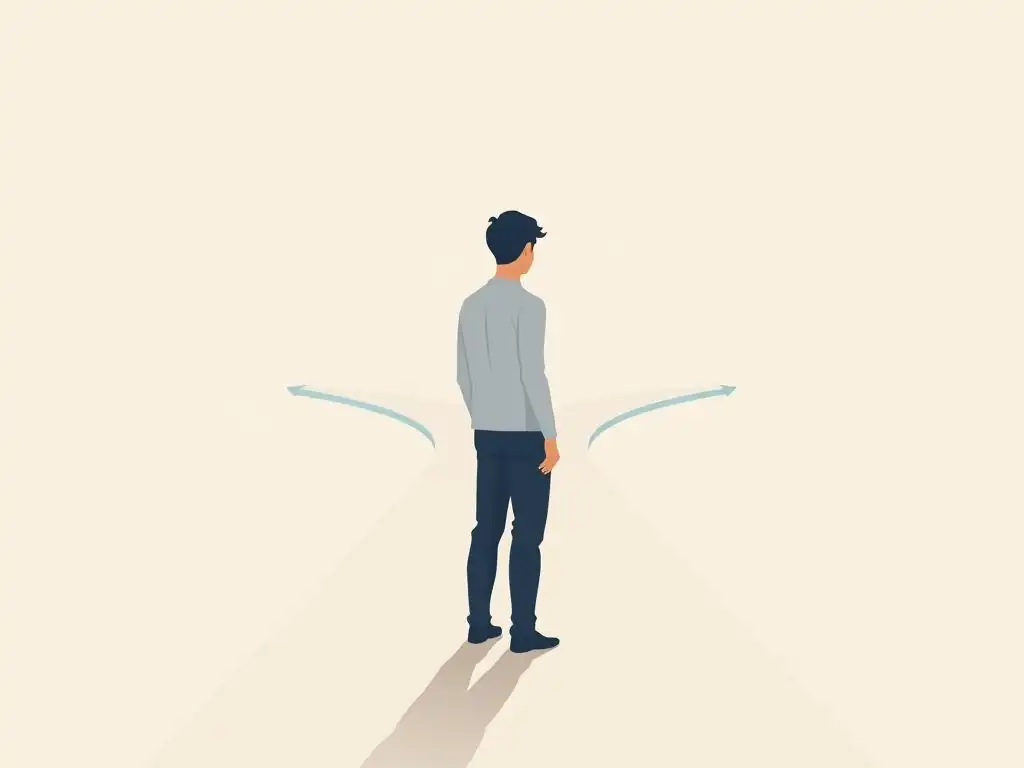
Online dating presents unique challenges for individuals with an anxious attachment style. The inherent uncertainty and potential for rejection inherent in the online dating landscape can significantly amplify pre-existing anxieties. Understanding these anxieties and developing coping mechanisms is crucial for fostering healthy, fulfilling relationships.
This section offers practical advice tailored to those navigating the online dating world with an anxious attachment style, helping you build confidence and find meaningful connections. This advice focuses on self-awareness, proactive strategies, and the cultivation of a more secure online dating experience. The goal is to transform the anxieties often associated with online dating into opportunities for growth and connection.
Recognizing Anxious Attachment Behaviors in Online Dating
Individuals with anxious attachment often exhibit specific behaviors in online dating scenarios. These behaviors stem from a deep-seated fear of abandonment and a strong need for reassurance. Common manifestations include:
- Excessive Checking: Repeatedly checking dating apps for messages, refreshing constantly, and anxiously anticipating responses. This can lead to frustration and even exacerbate feelings of insecurity if responses are delayed or infrequent.
- Over-Analyzing Messages: Pouring over every word and nuance of a message from a potential match, searching for hidden meanings and potential signs of rejection. This can lead to misinterpretations and unnecessary emotional distress.
- Rapid Emotional Escalation: Quickly becoming intensely invested in a potential match, leading to premature declarations of feelings or expectations of exclusivity. This can scare potential partners away and hinder the natural progression of a relationship.
- Needy Communication: Constantly texting, calling, or messaging potential matches, even if met with less-than-enthusiastic responses. This can create a sense of overwhelming neediness and inadvertently push people away.
- Fear of Rejection: Avoiding initiating contact or withdrawing altogether due to a fear of rejection. This self-protective behavior ultimately limits opportunities for connection.
Recognizing these patterns is the first step towards managing them effectively. Self-awareness is key to breaking these cycles and fostering healthier online dating interactions. Journaling can be a useful tool in tracking these behaviors and identifying triggers.
Strategies for Managing Anxiety in Online Interactions
Managing anxiety in the context of online dating requires proactive strategies. Here are some techniques to help reduce anxiety and build confidence:
- Mindfulness and Self-Soothing Techniques: Practicing mindfulness through meditation or deep breathing exercises can help regulate emotions and reduce feelings of overwhelm. Engaging in self-soothing activities, such as listening to calming music or taking a relaxing bath, can also be beneficial.
- Realistic Expectations: It's important to temper expectations and remember that not every interaction will lead to a relationship. Accepting setbacks as part of the process can reduce the pressure and anxiety associated with online dating.
- Focus on Self-Care: Prioritizing self-care activities, such as exercise, healthy eating, and sufficient sleep, can significantly improve overall well-being and resilience to stress. A strong sense of self-worth reduces reliance on external validation.
- Gradual Exposure: Start with smaller interactions, such as sending brief messages, and gradually increase engagement as comfort levels improve. This gradual approach can help build confidence and reduce anxiety.
- Professional Support: Consider seeking professional help from a therapist or counselor specializing in attachment issues. Therapy can provide valuable tools and strategies for managing anxiety and improving relationship dynamics.
By implementing these strategies, individuals with anxious attachment can navigate the online dating world with greater confidence and emotional resilience.
Setting Healthy Boundaries with Anxious Attachment in Online Dating
Setting healthy boundaries is crucial for individuals with anxious attachment styles in online dating. This involves establishing clear limits on communication, expectations, and emotional investment. Examples include:
- Limiting Contact: Avoid constant messaging or calling. Allow space for the other person to respond at their own pace. This prevents overwhelming potential partners and fosters a healthier dynamic.
- Avoiding Premature Emotional Investment: Resist the urge to quickly become intensely invested in a potential match. Allow time for the relationship to develop naturally.
- Respecting Their Boundaries: Pay attention to the other person's communication style and cues. Respect their need for space and avoid pushing for more contact than they are comfortable with.
- Prioritizing Self-Respect: Don't settle for less than you deserve. If someone is not reciprocating your interest or treating you with respect, move on.
- Managing Expectations: Remember that online dating is a process, and not every connection will be successful. Avoid idealizing potential matches and accept that rejection is a normal part of the process.
By setting and maintaining healthy boundaries, individuals with anxious attachment can create a more balanced and sustainable online dating experience, fostering healthier relationships built on mutual respect and understanding. This approach allows for genuine connection to flourish, rather than being stifled by anxiety.
Online Dating for Those with an Avoidant Attachment Style
Online dating presents unique challenges for individuals with an avoidant attachment style. Understanding how this attachment style manifests in the online world is crucial for improving dating success and building healthier relationships. Avoidant individuals often struggle with intimacy and commitment, preferring independence and self-reliance. This can translate into behaviors on dating apps and websites that unintentionally sabotage their chances of finding a meaningful connection.
They might engage in superficial interactions, avoid vulnerability, or abruptly end conversations when things get too close. The key is to recognize these patterns and actively work to counteract them. This section offers practical advice tailored to those seeking to navigate online dating with an avoidant attachment style, aiming to foster secure relationships.
Understanding Avoidant Attachment and Its Impact on Relationships
Avoidant attachment, often stemming from early childhood experiences, manifests in a fear of intimacy and a need for independence. Individuals with this style often have difficulty expressing emotions, may struggle with trust, and tend to distance themselves from partners when feeling overwhelmed or vulnerable. In the context of online dating, this can translate into:
- Superficial interactions: Focusing on surface-level conversations, avoiding deeper discussions about feelings or personal experiences.
- Inconsistent communication: Responding sporadically or disappearing for periods of time without explanation.
- Sudden disengagement: Ending conversations or relationships abruptly when intimacy feels too close.
- Difficulty expressing needs: Failing to communicate their own desires or boundaries effectively, leading to misunderstandings.
- Prioritizing independence over connection: Focusing on individual activities and interests, potentially neglecting potential partners.
Understanding these tendencies is the first step towards changing them. Recognizing that these behaviors are rooted in a specific attachment style, rather than a personal failing, can be incredibly empowering. Self-compassion and a willingness to explore these patterns are essential for growth. Remember, many people with avoidant attachment styles deeply desire connection, even if their behavior suggests otherwise.
Overcoming Avoidant Tendencies in Online Communication
Overcoming avoidant tendencies in online dating requires conscious effort and self-awareness. Here are some practical strategies:
- Set realistic expectations: Avoid putting too much pressure on yourself or potential partners. Remember that building trust takes time.
- Practice vulnerability in small steps: Start by sharing small, non-threatening details about yourself. Gradually increase the level of vulnerability as you feel comfortable.
- Respond promptly and consistently: Make an effort to communicate regularly, even if it's just a brief message. Consistency builds trust.
- Be mindful of your communication style: Avoid being overly critical or dismissive. Practice active listening and show genuine interest in your potential partner.
- Learn to identify and manage triggers: Recognize situations or conversations that might trigger your avoidant tendencies. Develop strategies for managing these triggers, such as taking a break or practicing self-soothing techniques.
- Seek professional support: Consider therapy or counseling to help you understand and address your avoidant attachment style. A therapist can provide guidance and support in developing healthier relationship patterns.
Remember that progress takes time. Be patient with yourself and celebrate small victories along the way. The goal is not to eliminate avoidant tendencies entirely, but to manage them effectively and develop healthier coping mechanisms.
Building Trust and Intimacy with an Avoidant Attachment Style
Building trust and intimacy with an avoidant attachment style requires a delicate balance of patience, understanding, and respect for boundaries. Potential partners need to be mindful of the avoidant individual's need for space and independence, while simultaneously encouraging vulnerability and connection. This can be achieved by:
- Respecting boundaries: Avoid pushing too hard or becoming overly demanding. Allow the avoidant individual to set their own pace in the relationship.
- Providing reassurance: Communicate your commitment and genuine interest in a consistent and reassuring manner.
- Encouraging open communication: Create a safe space for open and honest communication, even when discussing difficult topics.
- Celebrating small victories: Acknowledge and appreciate the progress made, no matter how small. Positive reinforcement can be highly effective.
- Focusing on shared activities: Engage in activities that allow for connection without overwhelming pressure. Shared hobbies or interests can provide a common ground for bonding.
- Understanding the underlying fear: Recognize that the avoidant individual's behavior is often rooted in a fear of abandonment or rejection. Empathy and compassion are key.
Successfully navigating online dating with an avoidant attachment style requires self-awareness, conscious effort, and a willingness to challenge ingrained patterns. By understanding the nuances of this attachment style and implementing the strategies outlined above, individuals can significantly improve their chances of forming secure and fulfilling online relationships. Remember, seeking professional support can greatly enhance this journey towards healthier connections.
Secure Attachment and Thriving in the Online Dating World

Secure attachment, characterized by a positive view of oneself and others, fosters healthy relationships. In the online dating realm, this translates to confident profile creation, authentic communication, and healthy relationship dynamics. Individuals with a secure attachment style generally experience less anxiety and avoidance in online interactions, leading to more fulfilling experiences. They're more likely to form genuine connections and navigate potential challenges with greater ease. This section will explore how to leverage secure attachment principles to maximize your online dating success.
Cultivating Secure Attachment Behaviors Online
Developing secure attachment behaviors isn't about overnight transformations; it's a process of self-awareness and consistent practice. Online dating presents unique opportunities to hone these skills. For instance, instead of crafting a profile designed to attract anyone, focus on authenticity. Highlight your genuine interests and personality traits. Avoid overly filtered photos or misleading descriptions; these actions often stem from insecurity and can lead to mismatched expectations later.
One key aspect is managing expectations. Avoid idealizing potential partners or putting them on a pedestal. Remember that everyone has flaws, and healthy relationships are built on mutual respect and acceptance, not perfection. This mindset allows for realistic assessments of compatibility and prevents disappointment.
Furthermore, practice mindful communication. Respond promptly to messages but avoid constant checking or over-reliance on the platform for validation. Prioritize genuine engagement over superficial interactions. This approach demonstrates self-respect and encourages reciprocal behavior from potential partners. Remember, healthy communication is a two-way street, built on mutual respect and understanding. Avoid being overly demanding or possessive in your online interactions, which are often red flags of insecure attachment styles.
Attracting Secure Partners Through Online Dating
Attracting secure partners online involves projecting security and self-assurance. Your profile should reflect this. Use clear, concise language, showcasing your strengths and interests without boasting or being overly self-deprecating. Showcase your passions and hobbies, and actively engage with potential matches. This shows genuine interest and confidence.
Consider the photos you choose for your profile. Opt for natural, unfiltered images that accurately portray your appearance. Avoid overly suggestive or provocative pictures, which may attract individuals seeking superficial connections rather than genuine relationships. Remember, your goal is to attract someone who appreciates you for who you are, not a manufactured image. The more authentic you are, the more likely you are to attract someone with a similar secure attachment style. Your profile should be a true reflection of your personality and values, acting as a beacon to attract those who resonate with your authentic self.
Maintaining Healthy Relationships Formed Online
Once you've formed a connection online and transitioned to offline interactions, maintaining a healthy relationship requires continued effort and self-awareness. Remember that secure attachment isn't just about the initial attraction; it's about maintaining open communication, mutual respect, and trust throughout the relationship. This involves actively listening to your partner, expressing your needs and feelings honestly, and being willing to compromise.
Conflicts are inevitable in any relationship, but secure attachment enables you to navigate disagreements constructively. Avoid resorting to blame or defensiveness; instead, strive for understanding and finding mutually acceptable solutions. Regularly check in with your partner to ensure your needs are being met and that you’re both feeling supported and valued.
Remember, maintaining a healthy online-initiated relationship requires the same effort and commitment as any other relationship. Prioritizing open communication, mutual respect, and a willingness to work through challenges are key to long-term success. This approach will help you build a lasting, fulfilling relationship, even if it began in the digital world.
Online Dating Attachment Style Advice: Practical Tips for Success
This section offers practical advice tailored to different attachment styles, helping you navigate the complexities of online dating and build healthier relationships. Understanding your attachment style—whether secure, anxious-preoccupied, dismissive-avoidant, or fearful-avoidant—is crucial for online dating success. This knowledge empowers you to recognize patterns, manage expectations, and foster more fulfilling connections. Ignoring your attachment style can lead to repeated negative experiences in online dating, hindering your ability to find a compatible partner. This section provides actionable steps to leverage self-awareness for a more positive online dating journey.
Seeking Professional Help for Attachment Issues
Many individuals benefit from professional guidance in understanding and managing their attachment style. A therapist specializing in attachment theory can provide a safe space to explore your past relationships, identify unhealthy patterns, and develop coping mechanisms. Therapy offers a structured approach to address underlying issues that may sabotage your online dating efforts. For example, someone with an anxious-preoccupied attachment style might benefit from learning techniques to manage anxiety and avoid overthinking communication.
Similarly, those with avoidant attachment styles can learn healthier ways to engage in intimacy and vulnerability. The support of a professional can significantly enhance your self-awareness and improve your ability to build secure relationships, both online and offline. Remember, seeking help is a sign of strength, not weakness, and it can make a profound difference in your journey to finding a fulfilling online relationship. Investing in your emotional well-being is crucial for long-term online dating success.
The Importance of Self-Awareness in Online Dating Success
Self-awareness is paramount for successful online dating. Understanding your attachment style allows you to anticipate potential challenges and proactively address them. For instance, if you identify as anxiously attached, you might be prone to over-analyzing messages or becoming overly invested too quickly. Recognizing this tendency allows you to consciously slow down the process, avoid overwhelming potential partners, and foster healthier communication. Conversely, those with an avoidant attachment style might find themselves unintentionally pushing partners away.
Self-awareness allows them to recognize this behavior and work towards more open and vulnerable communication. By understanding your tendencies, you can create a more balanced approach to online dating, leading to more authentic and fulfilling connections. This self-reflection is key to building a strong foundation for lasting relationships. It allows you to choose partners who are compatible with your needs and communication style, avoiding potential pitfalls associated with incompatible attachment styles.
Long-Term Relationship Building After Meeting Online
Building a lasting relationship after an online connection requires mindful attention to your attachment style. Secure attachment styles generally have an easier time navigating this phase, but even secure individuals benefit from conscious communication and boundary setting. For those with anxious or avoidant attachments, it’s crucial to address underlying insecurities and communication patterns.
For example, an anxiously attached individual might need to learn to manage their need for constant reassurance, while an avoidantly attached individual might need to practice vulnerability and emotional expression. Regular check-ins, open communication about needs and expectations, and a willingness to seek professional help when needed are all vital components in fostering a healthy, long-term relationship after meeting online. Remember, building a secure relationship takes time and effort, and addressing your attachment style is key to long-term success.
The initial online connection is just the first step; nurturing the relationship requires ongoing self-awareness and conscious effort. Don't underestimate the power of consistent communication and mutual understanding in cultivating a lasting bond.
Frequently Asked Questions
How does my attachment style affect my online dating experience?
Your attachment style significantly impacts how you approach online dating. Those with anxious attachment might overthink messages, while avoidant individuals may struggle with intimacy. Understanding your style is key to navigating these challenges.
What are the signs of a secure attachment style in online dating?
Securely attached individuals tend to communicate openly and honestly, maintain healthy boundaries, and are comfortable with vulnerability. They seek meaningful connections rather than just casual encounters.
Can I change my attachment style to improve my online dating success?
While you can't completely change your attachment style, you can learn to manage its impact on your dating life. Therapy and self-reflection can help you develop healthier relationship patterns. Self-awareness is crucial.
How can I identify potential partners with secure attachment styles online?
Look for profiles that demonstrate emotional maturity, self-awareness, and a healthy sense of self. Pay attention to their communication style; do they respond thoughtfully and respectfully? Red flags include inconsistency or avoidant behavior.
What if I encounter someone with an insecure attachment style online?
Understanding their attachment style can help you navigate the relationship. Set clear boundaries, communicate your needs openly, and be prepared for potential challenges. Don't hesitate to end contact if it becomes unhealthy.
Final Reflection: Weaving Secure Attachments in the Digital Tapestry
Understanding our attachment styles is no longer a niche psychological concept; it's a crucial key to navigating the complexities of modern relationships, especially in the ever-expanding landscape of online dating. The impact of our past experiences on our present interactions is undeniable, and recognizing these patterns is the first step towards building healthier, more fulfilling connections in the digital age. Ignoring this reality only perpetuates cycles of insecurity and disappointment.
The exploration of attachment theory within the context of online dating reveals a profound truth: our digital interactions are a microcosm of our offline lives. The anxieties, the hopes, the fears—they all manifest in how we present ourselves, how we communicate, and ultimately, how we connect with others online. The most important thing in life is to learn how to give out love, and to let it come in.
This quote, while seemingly simple, speaks volumes about the core of secure attachment and its importance in fostering meaningful relationships, whether online or off. The journey towards secure attachment is a continuous process of self-discovery and growth, one that requires both self-compassion and a willingness to engage authentically with others.
Now, consider your own attachment style. How does it influence your online dating experiences? Are you actively working to cultivate secure attachment patterns, or are you allowing past hurts to dictate your present interactions? Take a moment to reflect on this. Embrace the opportunity to learn from your past, to understand your present, and to consciously build a future where your online relationships reflect the secure and fulfilling connections you deserve. The digital world offers a vast potential for connection; let's harness its power to build relationships rooted in trust, respect, and genuine affection.
Unlock Your Potential for Secure Online Connections
Thank you for exploring the world of attachment styles and online dating! You've gained valuable insights into how your attachment style influences your relationships—a significant step toward building healthier connections. Let's apply this knowledge.
- Understand your attachment style and its impact: Take some time for self-reflection, perhaps journaling about your experiences and how your attachment style affects your online interactions. This introspection is crucial for positive change.
- Try new communication approaches: Consciously experiment with different communication styles in your next online interaction. Focus on expressing vulnerability while maintaining healthy boundaries.
- Share your thoughts and experiences! Let's build a supportive community. What specific challenges or successes have you encountered while navigating attachment styles and online dating?
Ready to cultivate more secure and fulfilling online relationships?