
Love Languages & Online Dating
Discover how love languages can transform your online dating experience—from crafting profiles that resonate to keeping the digital spark alive. Whether you’re navigating misunderstandings in text, planning first dates that speak their language, or bridging distance in long-distance relationships, this guide offers actionable advice. Learn to identify your own and your partner’s love languages online, adapt expressions like words of affirmation or quality time to digital communication, and build stronger, more meaningful connections that thrive beyond the screen. Perfect for anyone seeking practical tips to enhance emotional intimacy and avoid common pitfalls in modern dating.
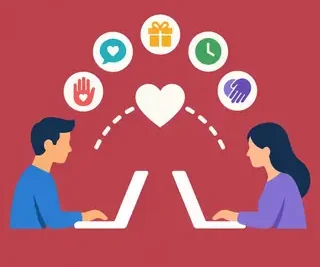 Adapting Love Languages to Long-Distance Online Relationships
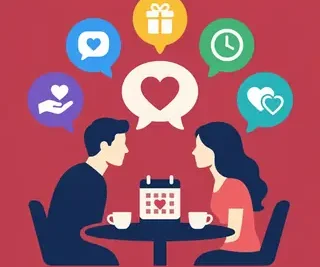 Love Languages and First Date Planning
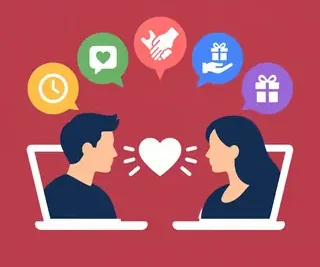 Using Love Languages to Build Stronger Online Connections
 Identifying Your Love Language and Your Partner's Online
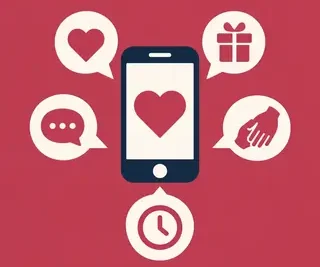 Expressing Love Languages in Digital Communication
 Misunderstandings in Love Languages Online
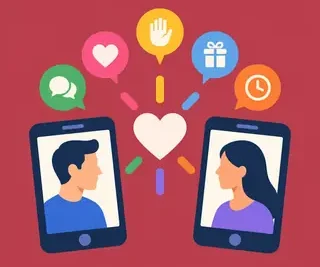 The Role of Love Languages in Maintaining Online Relationship Spark
Understanding Love Languages in the Digital Dating World
Welcome to our Love Languages & Online Dating hub at OnlineDatingSuccess.org. Here, we explore how Gary Chapman’s five love languages—words of affirmation, acts of service, receiving gifts, quality time, and physical touch—translate into the virtual realm. Whether you’re swiping, messaging, or video-chatting, mastering these emotional dialects can dramatically improve your online dating success, boost relationship satisfaction, and keep the romantic spark alive even before you meet in person. Below, dive into our specialized subcategories for actionable, science-backed tips.
💗 The Role of Love Languages in Maintaining Online Relationship Spark
Keeping a digital romance exciting requires intentional effort, and love languages serve as your roadmap. This section focuses on how to leverage each of the five languages to combat texting fatigue and emotional distance. You’ll learn to schedule virtual date nights that satisfy “quality time” partners, send surprise digital gifts for “receiving gifts” individuals, and craft playful voice notes for “words of affirmation” lovers. The goal is to create micro-moments of connection that sustain passion, ensuring your online relationship never feels stale or one-dimensional.
🤔 Misunderstandings in Love Languages Online
Digital communication is prone to misinterpretation—a quick “ok” can feel cold, while emojis may seem insincere. This subcategory dives into common love language clashes online, such as a “physical touch” partner feeling neglected by a lack of flirtatious texting, or an “acts of service” partner misreading a delayed reply as laziness. You’ll discover practical debunking strategies, including how to ask clarifying questions instead of assuming intent, using reaction gifs to add emotional tone, and setting communication expectations early to avoid unnecessary hurt feelings.
💬 Expressing Love Languages in Digital Communication
Translating your love language into text, voice, and video can feel awkward, but this guide makes it effortless. For “words of affirmation,” learn to craft specific, heartfelt compliments rather than generic praise. “Acts of service” can become virtual help—like researching a restaurant or booking a ride. “Receiving gifts” thrives with e-gift cards, Spotify playlists, or personalized memes. “Quality time” demands focused, distraction-free calls, while “physical touch” needs sensory language and planned future touches. Each communication channel—DM, email, or video—gets tailored tips to ensure your partner feels genuinely valued.
🔍 Identifying Your Love Language and Your Partner's Online
Before you can express love effectively, you must know your own and your partner’s preferences. This subcategory offers free quizzes adapted for online daters, plus observational checklists to decode your match’s behavior. Does your partner light up when you praise their profile picture? That’s likely “words of affirmation.” Do they send helpful links or solve your tech problems? That’s “acts of service.” We also teach you how to ask playful questions—like “What makes you feel most appreciated in a chat?”—to reveal their primary language without making it feel like an interview.
🔗 Using Love Languages to Build Stronger Online Connections
Strong bonds aren’t built on surface-level banter; they’re forged through emotional attunement. Here, we show how to use love languages as a framework for deeper vulnerability and trust. For example, sharing a “receiving gifts” partner’s love by sending a thoughtful article shows you listen. For “quality time” partners, create shared rituals like watching the same show simultaneously. This section also covers how to recover from misunderstandings using your partner’s language—e.g., a verbal apology for a “words” person, or a planned make-up call for “quality time.” The result is a resilient connection that survives early-stage online awkwardness.
💞 Love Languages and First Date Planning
Your first in-person meeting is a high-stakes moment, and love languages can guide your choices. If your match values “quality time,” plan an interactive activity like mini-golf or a cooking class—not a static dinner. For “acts of service,” arrive early, handle reservations, and offer to order appetizers. “Receiving gifts” partners appreciate a small, thoughtful token—like a flower or a book they mentioned. “Words of affirmation” thrive on compliments about their appearance and conversation. “Physical touch” individuals respond to a welcoming hug and natural, gradual physical contact. This subcategory ensures your date feels personally tailored, dramatically increasing first-date success rates.
🌍 Adapting Love Languages to Long-Distance Online Relationships
Long-distance online relationships face unique challenges, but love languages become your lifeline. This section provides advanced strategies for each language across time zones. For “words,” send morning voice memos. For “acts of service,” help with online research, scheduling, or ordering groceries for them. “Receiving gifts” can be monthly care packages or digital subscriptions. “Quality time” means parallel activities—cooking together on video or playing online games. For “physical touch,” plan synchronized self-care rituals or send scented items. You’ll also learn to build anticipation for future visits, turning distance into an opportunity for creative intimacy.
Frequently Asked Questions
What if my online partner doesn't know their love language?
That’s common! Start by taking the official 5 Love Languages quiz together via video call, turning it into a fun bonding activity. Ask open-ended questions like “What made you feel most loved in a past relationship?” Observe their reactions to your messages—do they prefer sweet texts, helpful actions, or gifts? Share your own results first to invite reciprocity. With patience, they’ll naturally identify their language, usually within a few weeks of mindful attention.
Can love languages change during online dating stages?
Yes, they can shift temporarily, especially during early online phases. A “physical touch” person might rely more on “words of affirmation” pre-meet, while a “quality time” individual might crave more frequent texting during uncertainty. Reassess every 3–4 weeks or after major milestones (first call, first date). The key is flexibility—don’t cling to a label. Ask your partner periodically, “What’s one thing I can do this week to make you feel more connected?” Adapt your approach to their current needs.
How do I express "physical touch" through text without being creepy?
The trick is to pair sensory language with respect and context. Use phrases like “I’d love to run my fingers through your hair when we meet” or “I can almost feel your hug through the screen.” Keep it light and consent-based: “Would it be okay if I describe a future touch?” Also, use touch-forward emojis (🫶, 💑) sparingly. Complement with future-focused plans—like “I’ll hold your hand during the movie.” Always read their reactions and dial back if they seem uncomfortable. Ask, “Does that feel good to you?”
What if our love languages are completely opposite?
Opposites can actually strengthen your bond if handled well. View them as opportunities to expand your emotional vocabulary. A “gifts” person can learn to enjoy “acts of service” through effort, while an “acts” person can learn to appreciate small tokens. Create a “bilingual” system: each week, alternate using your partner’s language exclusively for one specific action. This builds empathy and avoids resentment. Communicate openly about what feels unnatural, and celebrate small victories—like when your “words” partner remembers to send a helpful link.
How soon should I bring up love languages in online dating?
Bring it up naturally, not as a checklist. Around the third or fourth meaningful conversation, you can say, “I read this interesting quiz about how people show love—want to take it with me?” This works well after some rapport is built. Avoid making it a serious “relationship talk” too early. Use it as a fun discovery tool. If they’re not interested initially, don’t push. Instead, subtly apply what you observe—compliment more, offer help—and mention it later if they respond positively.