Lost in Translation: Navigating Love Language Missteps in Online Dating
🤔 Online dating love language mismatches sabotage connections before they bloom. Learn how to identify your own and your potential partner's love…
Read article

Misunderstandings in love languages online can quietly sabotage even the most promising connections, turning playful banter into hurt feelings or sweet gestures into missed cues. When you’re dating through screens, words and actions lose their tone, and what feels like “quality time” to one person may read as “smothering” to another. This guide unpacks how digital communication distorts the five love languages—from GIFs replacing words of affirmation to virtual gifts failing as acts of service—and offers practical fixes to bridge the gap. Learn to decode emojis, timing, and text length without assumptions, and discover why a slow reply isn’t always neglect. By mastering these nuances, you’ll turn confusion into clarity, boost your online dating success, and build trust that survives the shift from chat to real life. Stop guessing, start connecting.
🤔 Online dating love language mismatches sabotage connections before they bloom. Learn how to identify your own and your potential partner's love…
Read article
🤔 Unlock online dating success by understanding love languages! Discover how identifying your and your potential partner's preferred ways of expressing affection…
Read article
🤔 Unlock online dating success by understanding love languages. Discover how identifying your and your potential partner's primary love languages dramatically improves…
Read article
🤔 Navigate the complexities of online dating and avoid common pitfalls. Understanding your and your potential partner's love languages is crucial; failing…
Read article
🤔 Unsure if your online dating match is genuine? Learn to identify key red flags and avoid potential pitfalls. This article reveals…
Read article
🤔 Navigate the complexities of online dating love languages and safety. Discover how understanding your and your match's preferred communication styles can…
Read article
😊 Unlock your online dating success! Learn how understanding love languages—from words of affirmation to acts of service—transforms your profile, messages, and…
Read article
😊 Unlock your online dating success! Learn how to express your love language effectively in your profile and messages. Mastering online dating…
Read article
🤔 Unlock online dating success by understanding love languages. Discovering your and your potential partner's preferred ways of giving and receiving affection…
Read article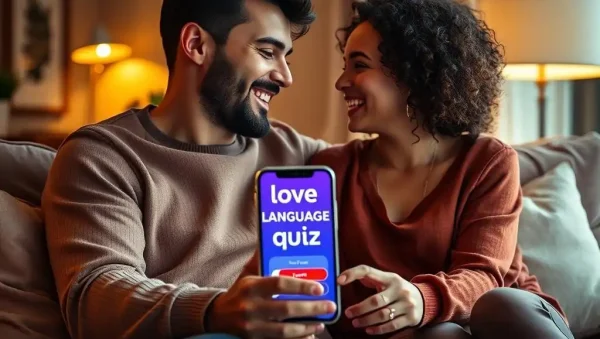
🤔 Unlock your online dating potential! Our unique love language quiz helps you identify your communication style and find compatible matches. Discover…
Read article
😊 Unlock online dating success by understanding love languages. Knowing your own and your potential partner's preferences dramatically improves communication and connection,…
Read article
😊 Unlocking love languages online dating success requires understanding your own and your potential partner's communication styles. Learn how to identify and…
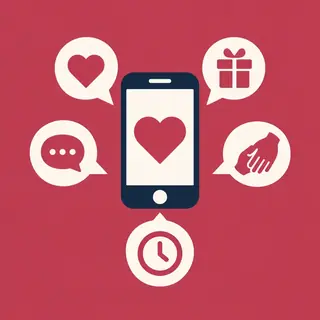
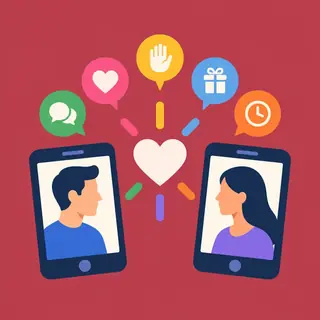
Read articleWhen you meet someone through online dating, the digital gap often turns the five love languages—words of affirmation, acts of service, receiving gifts, quality time, and physical touch—into a minefield of misinterpretation. On OnlineDatingSuccess.org, we dive into how text, emojis, and delayed replies can distort your partner’s true emotional intent, leading to unnecessary conflict. This subcategory helps you decode digital cues, rebuild trust, and align your expressions of love with your match’s actual needs, ensuring your virtual connection grows into a lasting, fulfilling relationship.
In online dating, words of affirmation are often reduced to short replies, “lol,” or vague compliments. A partner who thrives on verbal praise may interpret a brief “nice” as coldness, while the sender thinks they’ve been warm. This mismatch breeds insecurity and overthinking. You’ll learn how to use deliberate phrasing, specific compliments, and follow-up questions to make your affirming words land as intended, even through a screen.
Moreover, tone is nearly impossible to convey in plain text. A sarcastic joke can read as an insult, and a sincere “I miss you” can feel robotic without context. We provide scripts and timing strategies—like sending voice notes or using playful GIFs—to bridge that gap. Understanding that your partner’s love language isn’t just about what you say but how you say it digitally is critical.
Receiving gifts in online dating often translates to sending virtual cards, food delivery, or small Amazon packages. Misunderstandings arise when one person expects tangible, thoughtful presents while the other assumes “no need, we’re just chatting.” This subcategory explains how to set clear expectations about gift frequency, budget, and sentimental value without feeling transactional.
You’ll also discover how to read gift-related cues—such as a partner’s reaction to a simple meme or a heartfelt e-card—to gauge their actual love language. We emphasize that the thought behind a gift matters more than its cost, and we show you how to express that through personalized digital tokens that feel sincere, not generic. Avoid the trap of assuming a gift is meaningless just because it’s virtual.
Quality time in online dating can be misinterpreted as needing uninterrupted attention 24/7. One partner may feel neglected if replies are slow, while the other feels suffocated by constant check-ins. This section clarifies the difference between dedicated virtual dates (like video calls or co-watching movies) and passive texting, helping you establish healthy boundaries that honor each person’s need for presence.
We also tackle the “seen but not answered” phenomenon, where one person’s busy day is read as rejection. You’ll learn to schedule intentional quality time slots—such as a weekly video dinner—so both partners feel prioritized. Recognizing that quality time online requires deliberate focus (not just multitasking) can erase many false assumptions before they escalate into resentment.
Acts of service are traditionally physical—fixing a car, cooking a meal—but online they morph into helping with resumes, researching restaurants, or troubleshooting tech issues. Misunderstandings occur when one partner expects proactive help, while the other thinks “just listening” is enough. We break down how to ask for and offer digital assistance without losing sincerity.
For example, offering to proofread a dating profile or helping a partner organize their photos shows care, but only if it’s aligned with their love language. If your partner’s primary language is acts of service, unsolicited help can feel intrusive; if not, it may go unnoticed. We guide you on reading subtle prompts and matching your effort to their expressed needs, turning digital favors into meaningful emotional gestures.
Physical touch is the hardest love language to express online, leading to misunderstandings about flirtation, affection, and seriousness. Emojis, flirty GIFs, and suggestive language can be misread as too eager or too cold. This section offers a framework for using tactile language (like “I wish I could hug you”) in a way that feels genuine and not cringe-worthy.
We also address the critical step of progressing from online to offline touch—when to bring up meeting in person and how to communicate your needs without pressure. Misunderstandings often arise when one partner uses virtual touch as a placeholder, while the other expects it to guarantee physical chemistry later. We help you align your expectations and create a safe, respectful path toward real-life connection.
Because digital communication lacks tone, body language, and immediate feedback, leaving room for overinterpretation. The brain fills gaps with negative assumptions, especially when replies are delayed. Online, you also miss the accidental moments that reveal genuine affection, so you rely on sparse cues that can be easily misread.
Yes, but you must observe patterns over time—how they react to compliments, gifts, your availability, help, and virtual affection. Ask direct questions during video calls, and notice their enthusiasm. Avoid jumping to conclusions from one text; instead, track recurring behaviors to identify their primary love language.
Communicate openly about each other’s preferred ways of receiving love, then adapt small digital gestures to honor both. For example, if you love words but they prefer quality time, schedule a call and send a short affirmation first. Compromise and consistent check-ins build trust and reduce friction.
Address it as soon as you notice a pattern of hurt feelings, but do so gently—not during an argument. Use “I feel” statements and ask clarifying questions. Delaying only lets resentment fester. A quick, honest conversation often clears up the confusion within minutes.
Absolutely, as long as both partners are willing to adapt. Use the digital tools available—voice notes, video dates, thoughtful memes—to translate your love language creatively. If effort is mutual, misunderstandings become growth opportunities rather than deal-breakers.