
The Emotional Rollercoaster of Online Dating: How to Stay Grounded


Welcome to OnlineDatingSuccess.org, your guide to navigating the exciting yet often challenging world of online dating. Are you ready to transform your dating experience from a frustrating search to a journey of meaningful connection? We understand the emotional rollercoaster that online dating can be, which is why we’re diving deep into the crucial topic of online dating emotional resilience. Discover practical strategies to build a strong foundation and navigate the ups and downs with grace and confidence. Let's unlock the secrets to finding lasting love – read on to learn how to stay grounded amidst the whirlwind!
- Understanding the Emotional Ups and Downs of Online Dating
- Building Emotional Resilience in Online Dating
- Strategies for Maintaining Emotional Balance
- Developing Healthy Online Dating Habits
- Online Dating Emotional Resilience: Long-Term Strategies
-
Frequently Asked Questions
- How can I protect myself emotionally from rejection on online dating sites?
- What are some signs that I'm becoming too emotionally invested too quickly?
- How can I build emotional resilience before even starting online dating?
- How do I handle ghosting or other hurtful behaviors on dating apps?
- What resources are available to help me manage the emotional ups and downs of online dating?
- Final Reflection: Navigating the Emotional Currents of Online Dating
- Navigate Your Dating Journey with Confidence
Understanding the Emotional Ups and Downs of Online Dating
Online dating, while offering incredible potential for connection and relationship building, is undeniably an emotional rollercoaster. Navigating this landscape requires more than just a perfectly crafted profile; it demands emotional resilience and a strong understanding of the psychological impact this modern method of relationship-seeking can have. This article delves into the emotional highs and lows inherent in online dating, providing practical strategies to maintain emotional balance and build resilience against the inevitable challenges.
We'll explore the initial rush of optimism, the sting of rejection, and the pervasive fatigue that can accompany the process, ultimately equipping you with tools to navigate online dating with greater emotional wellbeing and increase your chances of finding a meaningful connection. This is crucial for anyone seeking to build strong, healthy relationships through online platforms, focusing specifically on building online dating emotional resilience.
The Initial Highs: Hope and Excitement in Online Dating
The beginning of an online dating journey is often marked by a surge of optimism and excitement. The possibilities seem endless! New profiles, engaging conversations, and the anticipation of a potential connection fuel a sense of hope and even exhilaration. This initial phase is characterized by:
- Increased dopamine levels: The brain releases dopamine, a neurotransmitter associated with pleasure and reward, in response to anticipation and positive interactions. This creates a feeling of euphoria and motivates continued engagement with the platform.
- Elevated self-esteem (initially): Positive interactions and matches can boost self-esteem, reinforcing a sense of desirability and increasing confidence.
- Focus on potential: The focus is largely on the potential for connection and the exciting possibilities that lie ahead, often overshadowing any potential downsides.
This initial high is a natural and even beneficial part of the process. However, it's important to recognize that this intense feeling is unlikely to be sustained indefinitely. Understanding this natural ebb and flow is key to preventing disappointment and maintaining a healthy perspective.
The Lows: Rejection, Ghosting, and Dating App Fatigue
Unfortunately, the initial highs are often followed by periods of disappointment and frustration. Rejection, whether subtle or explicit, is a common experience in online dating. Ghosting, the sudden cessation of communication without explanation, can be particularly disheartening and even damaging to self-esteem. Additionally, the sheer volume of profiles, messages, and interactions can lead to dating app fatigue, leaving individuals feeling overwhelmed and disillusioned. These lows manifest in several ways:
- Decreased self-worth: Repeated rejection can significantly impact self-esteem, leading to feelings of inadequacy and self-doubt.
- Increased anxiety and stress: The constant swiping, messaging, and anticipation can create significant stress and anxiety.
- Emotional exhaustion: The effort required to maintain an active presence on dating apps, coupled with the emotional toll of rejection, can lead to burnout.
It's crucial to acknowledge these negative emotions as normal and expected aspects of the online dating experience. Developing coping mechanisms to manage these lows is essential for maintaining emotional resilience.
Recognizing the Emotional Toll of Online Dating
The emotional toll of online dating should not be underestimated. The constant exposure to rejection, the pressure to present an idealized version of oneself, and the often superficial nature of initial interactions can take a significant toll on mental wellbeing. Recognizing these potential negative impacts is the first step towards mitigating them:
- Self-compassion: Practice self-compassion and self-care. Treat yourself with the same kindness and understanding you would offer a friend facing similar challenges.
- Setting realistic expectations: Avoid unrealistic expectations about the speed and ease of finding a partner online.
- Maintaining healthy boundaries: Set clear boundaries to protect your emotional wellbeing. This includes limiting time spent on dating apps and prioritizing self-care activities.
- Seeking support: Don't hesitate to reach out to friends, family, or a therapist for support if you are struggling. Remember, seeking help is a sign of strength, not weakness.
By understanding the emotional landscape of online dating and developing strategies for managing the inevitable ups and downs, you can significantly improve your experience and increase your chances of finding a meaningful and lasting relationship. Remember, building online dating emotional resilience is an ongoing process, requiring self-awareness, self-compassion, and a commitment to prioritizing your emotional wellbeing.
Building Emotional Resilience in Online Dating
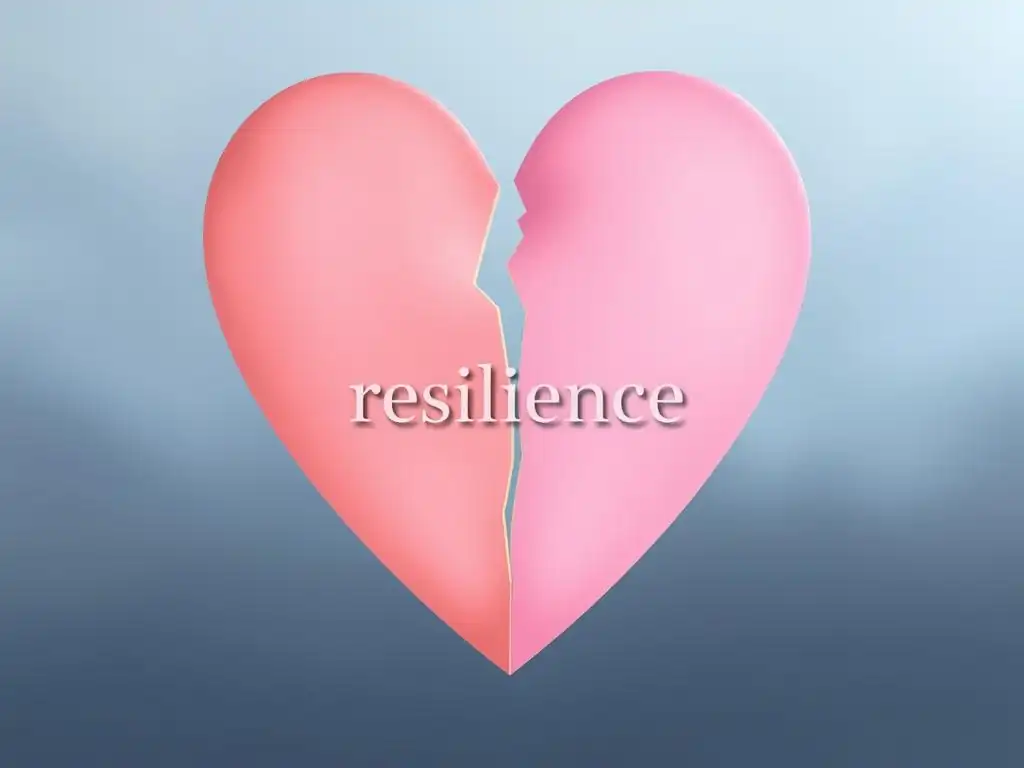
Online dating, while offering exciting possibilities for connection, can also be an emotional rollercoaster. Navigating rejection, ghosting, and the inherent uncertainties of the process requires significant emotional resilience. Building this resilience isn't about avoiding negative emotions entirely – it's about developing healthy coping mechanisms and a mindset that allows you to weather the storms and ultimately thrive. This section focuses on practical strategies to enhance your online dating emotional resilience, helping you approach the experience with greater self-awareness and emotional stability. Remember, building resilience is a journey, not a destination; consistent effort and self-compassion are key.
Cultivating Self-Compassion and Self-Esteem
Developing self-compassion is paramount for navigating the emotional ups and downs of online dating. Rejection, a common experience, can significantly impact self-esteem if not addressed constructively. Instead of internalizing rejection as a personal failing, cultivate self-compassion by practicing self-kindness. Treat yourself with the same understanding and empathy you would offer a friend facing similar challenges.
Remember that rejection in online dating often reflects the other person's preferences and circumstances, not your inherent worth. Focus on your positive qualities and accomplishments. Engage in activities that boost your self-esteem, such as pursuing hobbies, spending time with loved ones, or practicing mindfulness. Journaling can also be incredibly helpful in processing emotions and identifying negative self-talk.
Regular self-reflection allows you to understand your emotional triggers and develop healthier responses to setbacks. A strong sense of self-worth acts as a buffer against the negativity that can arise from online dating, enabling you to approach each interaction with greater confidence and emotional stability. Consider setting aside dedicated time each week for self-care activities, helping you to prioritize your well-being.
Setting Realistic Expectations and Managing Disappointment
Many enter online dating with unrealistic expectations, often fueled by idealized portrayals of relationships in media. This can lead to significant disappointment when reality doesn't match these fantasies. Setting realistic expectations involves acknowledging that online dating is a process, not a guaranteed path to immediate success. It's crucial to understand that not every connection will lead to a long-term relationship, and that rejection is a normal part of the process.
To manage disappointment effectively, practice acceptance. Acknowledge your feelings without judgment. Allow yourself to grieve the loss of a potential connection, but avoid dwelling on it excessively. Focus on what you can control: your actions, your communication style, and your self-care practices. Creating a balanced life beyond online dating is crucial. Engage in activities that bring you joy and fulfillment, independent of romantic relationships. This prevents you from placing undue pressure on online dating to fulfill all your emotional needs. Remember, a fulfilling life is built on many pillars, and romantic relationships are only one aspect.
Here's a helpful table summarizing strategies for managing expectations:
| Strategy | Description | Example |
|---|---|---|
| Define your ideal partner | Identify key qualities and values you seek in a partner, but avoid creating an unrealistic checklist. | "Kindness, sense of humor, shared interests in outdoor activities" |
| Focus on the process | Embrace the journey, focusing on meeting new people and learning about yourself. | Enjoy the dates, even if they don't lead to a relationship. |
| Accept rejection gracefully | View rejection as a natural part of the process and avoid taking it personally. | "It's okay; we're not a match. I wish them well." |
| Diversify your activities | Maintain a balanced life beyond online dating, pursuing hobbies and social connections. | Join a hiking group, volunteer, spend time with friends. |
Identifying and Challenging Negative Thoughts and Beliefs
Negative self-talk and cognitive distortions can significantly impact your emotional well-being in online dating. Identifying and challenging these negative thoughts is crucial for building resilience. Common cognitive distortions include catastrophizing (assuming the worst-case scenario), all-or-nothing thinking (seeing things as entirely good or bad), and personalization (taking responsibility for things outside your control).
For example, if you receive a few unanswered messages, you might catastrophize by thinking, "No one wants to date me; I'm unlovable." This is a cognitive distortion. Challenge this thought by asking yourself: Is this truly the only possible explanation? Are there other factors at play (e.g., the person is busy, their dating app isn't working)? Practice reframing negative thoughts into more balanced and realistic ones.
If you experience persistent negative thought patterns, consider seeking support from a therapist or counselor specializing in online dating and emotional well-being. They can provide personalized strategies for challenging negative thoughts and building coping mechanisms. Learning to identify and manage these negative thought patterns is a critical step towards developing robust emotional resilience in the face of online dating's challenges. Remember, building emotional resilience is an ongoing process that requires self-awareness, self-compassion, and consistent effort.
Practicing Mindfulness and Self-Care
Online dating can be a whirlwind of emotions – excitement, disappointment, frustration, and even elation all mixed into one. To navigate this emotional rollercoaster successfully and build online dating emotional resilience, prioritizing mindfulness and self-care is paramount. It's not about escaping the challenges; it's about equipping yourself with the tools to handle them effectively. Think of it as building a strong emotional immune system.
One crucial aspect of self-care is setting healthy boundaries. This means limiting the time you spend on dating apps to prevent burnout. Many users find themselves endlessly scrolling, comparing themselves to others, and feeling increasingly inadequate. Setting a daily or weekly time limit, perhaps only checking your apps once or twice a day, can significantly reduce this pressure and improve your overall well-being. Remember, your self-worth isn't determined by the number of matches or messages you receive.
Beyond time management, incorporating mindfulness techniques into your daily routine can dramatically improve your emotional regulation. Even a few minutes of meditation each day can make a difference. Mindfulness allows you to observe your emotions without judgment, acknowledging their presence without getting swept away by them. When faced with rejection or a string of unsuccessful dates, you can use mindfulness to gently redirect your focus, recognizing that these experiences are temporary and don't define your worth.
Self-compassion is another key element. Treat yourself with the same kindness and understanding you would offer a friend struggling with similar challenges. Avoid harsh self-criticism; instead, focus on self-encouragement and positive self-talk. Remember that setbacks are a normal part of the online dating process. They don't indicate failure; they represent opportunities for learning and growth. Celebrating small victories, no matter how insignificant they may seem, can significantly boost your morale and build your confidence.
Finally, don't underestimate the power of offline self-care. Engage in activities that bring you joy and relaxation – whether it's spending time in nature, pursuing a hobby, exercising, or connecting with loved ones. These activities provide a much-needed balance and help you maintain perspective, preventing online dating from consuming your entire life and emotional energy. Prioritizing your overall well-being is not a luxury; it's a necessity for navigating the emotional landscape of online dating successfully. By cultivating mindfulness and self-care practices, you strengthen your emotional resilience and increase your chances of finding a meaningful connection.
Strategies for Maintaining Emotional Balance
Navigating the world of online dating can be a whirlwind of emotions. One minute you're feeling hopeful after a promising exchange, the next you're grappling with rejection or disappointment. Building online dating emotional resilience is key to a positive experience. This section outlines practical strategies to help you maintain emotional balance throughout your online dating journey.
Online dating shouldn't consume your entire life. Over-reliance on the platform can lead to a skewed perspective and increased vulnerability to emotional ups and downs. A crucial aspect of maintaining emotional balance is cultivating a rich life outside of online dating. This involves prioritizing activities and relationships that bring you joy and fulfillment independent of romantic prospects.
Think about it: Are you neglecting hobbies you enjoy? Have you been putting off spending time with friends and family? Prioritizing these offline connections provides a vital buffer against the emotional volatility of online dating. Engaging in activities you love – whether it's painting, hiking, playing a sport, or volunteering – provides a sense of accomplishment and self-worth, reducing your dependence on validation from online interactions.
For example, dedicating two evenings a week to a pottery class or joining a book club will not only enrich your life but also provide opportunities for genuine social interaction, fostering a sense of belonging and reducing feelings of isolation that can often accompany the online dating experience. Remember, a balanced life leads to greater emotional resilience. This isn't just about avoiding burnout; it's about building a foundation of self-care that helps you approach online dating with a healthier perspective.
Building a Strong Support System
Having a strong support system is paramount when dealing with the emotional challenges of online dating. Sharing your experiences with trusted friends, family, or a therapist can provide invaluable perspective and emotional support. These individuals can offer encouragement during setbacks, help you process difficult emotions, and remind you of your self-worth.
Consider the difference between venting frustrations to a supportive friend versus keeping your dating experiences bottled up. Open communication can diffuse negative emotions and prevent them from building up. A supportive friend can offer a balanced perspective, helping you separate temporary setbacks from your overall self-worth. They can also provide a reality check when you’re caught up in the whirlwind of online dating drama.
Furthermore, professional support can be incredibly beneficial. A therapist can provide coping mechanisms for managing rejection, navigating difficult conversations, and maintaining a healthy self-esteem in the face of online dating’s challenges. They can help you identify unhealthy patterns and develop strategies for building healthier relationships both online and offline. Remember, seeking professional help is a sign of strength, not weakness. Prioritizing your mental health is a critical component of building online dating emotional resilience.
Setting Boundaries and Protecting Your Mental Health
Setting healthy boundaries is vital for protecting your mental health while navigating the complexities of online dating. This involves establishing clear limits on how much time you spend on dating apps, the type of communication you engage in, and the level of personal information you share.
For instance, setting a daily time limit for app usage – perhaps 30 minutes – can prevent you from becoming overly consumed. Similarly, avoiding overly personal conversations with individuals you haven't met in person can protect you from emotional vulnerability and potential manipulation. Remember, sharing too much too soon can leave you susceptible to disappointment or even harmful situations. Prioritizing your safety and well-being should always be paramount.
Another important boundary is recognizing and responding to red flags. If someone is behaving disrespectfully, making you uncomfortable, or consistently ignoring your boundaries, don't hesitate to unmatch or block them. Protecting yourself from negative interactions is crucial for maintaining your emotional well-being. Remember, your mental health is more important than any potential romantic connection. Building online dating emotional resilience means prioritizing your self-care and establishing healthy boundaries to safeguard your emotional well-being.
Knowing When to Take a Break from Online Dating
Online dating can be incredibly draining, even for the most resilient individuals. The constant swiping, messaging, and potential for rejection can take a significant toll on your mental and emotional well-being. Recognizing when you need a break is crucial for protecting your emotional health and preventing burnout. This isn't about giving up; it's about strategic self-care. Think of it as refueling before embarking on another journey.
One clear sign you need a break is persistent feelings of frustration or disappointment. If every interaction leaves you feeling deflated, or if you find yourself dreading logging in, it's time to step away. Don't force yourself to continue when your emotional reserves are depleted. This negative cycle can lead to cynicism and even self-doubt, impacting your self-esteem and future dating experiences. Remember, online dating is a tool, not a requirement for happiness.
Another indicator is a noticeable impact on your daily life. Are you neglecting your responsibilities, friendships, or hobbies because you're spending excessive time on dating apps? Is your sleep disrupted by anxieties or frustrations related to online dating? These are significant warning signs that you're prioritizing online dating over your overall well-being. A healthy approach to online dating involves integrating it into your life, not letting it consume it.
Finally, listen to your intuition. Your gut feeling often knows best. If something feels "off," don't ignore it. Trust your instincts and prioritize your emotional health. A break can provide the space and perspective you need to reassess your approach and return to online dating feeling refreshed and more positive. Perhaps you need to adjust your profile, refine your messaging strategy, or simply re-evaluate your expectations.
A temporary pause can offer the clarity to make these crucial adjustments. Taking a break isn't a failure; it's an act of self-preservation. It's a proactive step towards building stronger emotional resilience in the often unpredictable world of online dating. Remember, prioritizing your mental health is key to navigating the emotional rollercoaster of online dating successfully. It’s about building online dating emotional resilience.
Developing Healthy Online Dating Habits

This section focuses on cultivating positive routines and mindful approaches to mitigate the emotional ups and downs inherent in online dating. Building emotional resilience in this context isn't about avoiding negative feelings, but rather about developing strategies to manage them constructively. Online dating emotional resilience is a skill that can be learned and honed over time.
Focusing on Quality over Quantity in Online Dating
The temptation to swipe right on every profile or send generic messages to numerous people is strong. However, this approach often leads to disappointment and a sense of overwhelm. Focusing on quality over quantity significantly improves your online dating experience and builds emotional resilience. Instead of casting a wide net, consider carefully crafting your profile to attract individuals who genuinely align with your values and desires. This targeted approach reduces the likelihood of encountering incompatible matches, saving you time and emotional energy.
Think of it like this: Would you rather go on 20 disappointing dates with people you have little in common with, or invest your time and energy in 5 dates with individuals who share your interests and goals? The latter approach, while requiring more upfront effort, is far more likely to lead to a fulfilling outcome and protect your emotional wellbeing. Prioritize meaningful connections over superficial interactions.
Spend time crafting thoughtful messages, demonstrating genuine interest in potential partners' profiles, and engaging in conversations that go beyond surface-level pleasantries. This approach fosters genuine connections and reduces the likelihood of feeling let down.
Consider using specific keywords in your profile and messages to attract like-minded individuals. For example, instead of simply saying you "enjoy traveling," specify your preferred destinations or types of travel. This level of detail attracts individuals with compatible interests, increasing the chances of meaningful connections.
Communicating Effectively and Respectfully
Effective communication is crucial for building positive relationships both online and offline. Clear, respectful communication minimizes misunderstandings and emotional distress. Always be mindful of your tone and word choice, and avoid sending messages that could be interpreted as aggressive or insensitive. Remember that you are interacting with real people who have feelings.
Online dating emotional resilience involves navigating potentially difficult conversations with grace and maturity. If you encounter a mismatch in expectations or values, handle the situation with respect and avoid engaging in arguments or personal attacks. A polite and concise explanation of your incompatibility is often sufficient. Remember, it's okay to disagree, and it's perfectly acceptable to end a conversation respectfully if it's not a good fit.
Here's a table summarizing key communication strategies:
| Strategy | Description | Example |
|---|---|---|
| Be clear and concise | Avoid ambiguity and get straight to the point. | "I'm interested in learning more about your work in sustainable energy." |
| Use positive language | Focus on what you appreciate and avoid negative or critical comments. | "I enjoyed reading about your passion for hiking." |
| Be respectful of boundaries | Respect others' preferences and limits. | "I understand you're busy, let's connect when you have more time." |
| Respond promptly | Show that you value the other person's time and interest. | Aim to respond within a day or two. |
| Practice active listening | Pay attention to what the other person is saying and respond thoughtfully. | Ask follow-up questions and show genuine interest in their responses. |
Maintaining a Balanced Perspective on Online Interactions
Online dating can be a rollercoaster of emotions. It's important to maintain a balanced perspective and avoid getting overly invested in each interaction. Remember that not every match will lead to a relationship, and that's okay. Don't let rejection or setbacks derail your self-esteem.
One crucial aspect of online dating emotional resilience is recognizing the limitations of online profiles. Remember, a profile only presents a curated version of someone's personality and life. Avoid idealizing potential partners based on limited information. Focus on getting to know them through genuine interaction rather than relying solely on their profile.
To maintain perspective, cultivate activities and interests outside of online dating. This helps you maintain a sense of self-worth and prevents online dating from becoming the sole focus of your life. Engage in hobbies, spend time with friends and family, and pursue personal goals. This holistic approach ensures that your emotional well-being isn't solely dependent on online dating successes or failures.
Remember, a fulfilling life is built on a foundation of diverse experiences and relationships, and online dating is only one piece of the puzzle. Prioritize self-care and maintain a healthy balance in your life. This will significantly contribute to your overall emotional resilience and make the online dating journey more manageable and enjoyable.
Recognizing Red Flags and Protecting Your Safety
Online dating, while offering exciting possibilities, also presents unique safety challenges. Developing strong emotional resilience in this context requires proactively identifying and addressing potential red flags. Ignoring warning signs can lead to significant emotional distress, and in some cases, even physical danger. Therefore, cultivating a heightened awareness of potential risks is crucial for maintaining your well-being.
One of the most common red flags is inconsistency in a potential partner's profile and communication. Discrepancies between their online persona and their in-person behavior should raise immediate concerns. For example, if someone presents themselves as a successful professional online but struggles to maintain a coherent narrative during conversations, this could indicate deception. Similarly, significant inconsistencies in their photos or stories should be investigated further. Trust your intuition; if something feels off, it likely is.
Another critical aspect of online dating safety involves protecting your personal information. Avoid sharing sensitive details like your full address, workplace, or financial information with someone you've only met online, especially during the initial stages of communication. Remember, even seemingly harmless details can be pieced together to compromise your safety. Be cautious about sharing photos that reveal too much about your daily routine or location. A simple photo of your house number, even an innocuous one, can reveal your address.
Furthermore, pay close attention to their communication style. Are they overly demanding of your time and attention early on? Do they pressure you into meeting in person before you feel comfortable? Do they become angry or aggressive when you set boundaries? These are all significant red flags that indicate potential controlling or abusive behavior. Healthy relationships are built on mutual respect and understanding, not coercion or manipulation. Remember, you have the right to say no and to end communication at any time without feeling guilty.
Finally, always prioritize meeting in a public place for your first few dates. Let a friend or family member know where you're going, who you're meeting, and when you expect to be back. Consider sharing your location with a trusted person in real-time using location-sharing apps.
These precautionary measures can significantly reduce the risks associated with online dating, allowing you to focus on building genuine connections without compromising your safety and well-being. Prioritizing your safety is not just about avoiding danger; it’s about fostering a healthy and positive online dating experience grounded in self-respect and emotional resilience. Remember, your safety and emotional well-being are paramount.
Online Dating Emotional Resilience: Long-Term Strategies
Online dating, while offering exciting possibilities for connection, can also be emotionally taxing. Building resilience isn't about avoiding negative feelings; it's about developing the skills and mindset to navigate them effectively and emerge stronger. This section focuses on cultivating long-term emotional resilience in the often unpredictable world of online dating. We will explore strategies to help you manage the highs and lows, fostering a healthier and more sustainable approach to finding meaningful connections.
This involves understanding your emotional responses, developing coping mechanisms, and cultivating a supportive network. Mastering these aspects will significantly improve your online dating experience and increase your chances of finding a fulfilling relationship. The ultimate goal is to build emotional strength that extends beyond the online dating realm, impacting all aspects of your life positively.
Developing a Growth Mindset in Dating
A growth mindset is crucial for navigating the sometimes-challenging landscape of online dating. Instead of viewing setbacks as personal failures, a growth mindset frames them as opportunities for learning and improvement. This shift in perspective significantly impacts your emotional response to rejection, ghosting, or unsuccessful dates. For example, instead of dwelling on a string of unsuccessful matches, someone with a growth mindset might analyze their profile, messaging style, or dating preferences to identify potential areas for refinement. They might even seek feedback from trusted friends. This proactive approach transforms potentially demoralizing experiences into valuable learning opportunities. Consider the following:
- Analyzing Feedback: Actively solicit and thoughtfully consider feedback on your profile and communication style. What aspects resonate with others, and what might need adjustment?
- Experimentation: Don't be afraid to try new approaches. Experiment with different photos, profile descriptions, and communication strategies to see what yields better results.
- Continuous Improvement: View each date, successful or not, as a chance to refine your understanding of what you seek in a partner and how to better express yourself.
Remember, progress isn't always linear. There will be ups and downs. The key is to persist, learn from each experience, and continually adapt your approach. This iterative process, fueled by a growth mindset, builds resilience and increases your chances of success.
Learning from Experiences and Moving Forward
Online dating often involves a series of experiences, both positive and negative. The ability to learn from these experiences, both successes and failures, is key to building emotional resilience. Analyzing your interactions—identifying patterns, recognizing red flags, and understanding your emotional responses—is crucial.
For instance, if you consistently experience rejection after sending similar messages, it might indicate a need to adjust your communication style. Similarly, recognizing recurring patterns in the types of people you attract can highlight areas for self-reflection and personal growth. This process isn't about self-blame; it's about gaining valuable self-awareness to make more informed decisions in the future.
- Journaling: Regularly journaling your dating experiences can provide valuable insights into your emotional patterns and help you identify areas for improvement. Note your feelings, thoughts, and observations after each date or interaction.
- Seeking Support: Talking to a trusted friend, family member, or therapist can offer an objective perspective and provide emotional support during challenging times.
- Self-Compassion: Be kind to yourself. Rejection is a part of dating, and it doesn't reflect your worth. Practice self-compassion and acknowledge that setbacks are normal.
Celebrating Successes and Acknowledging Progress
While focusing on learning from setbacks is important, it's equally vital to acknowledge and celebrate successes, no matter how small. Online dating can be a long journey, and recognizing milestones along the way helps maintain motivation and reinforces a positive outlook. This could involve anything from a particularly engaging conversation to a successful first date, or even just feeling more confident in your profile. Celebrating these victories, no matter how seemingly insignificant, strengthens your emotional resilience and encourages continued effort.
| Milestone | Example | Emotional Response to Celebrate |
|---|---|---|
| Engaging Conversation | A witty and insightful exchange with a match | Joy, connection, validation |
| Successful First Date | A fun and enjoyable date with a potential partner | Excitement, hope, optimism |
| Improved Profile Engagement | Increased likes or messages on your profile | Confidence, self-efficacy |
| Defining Relationship Goals | Clarity about what you seek in a relationship | Focus, direction, empowerment |
Remember, the journey of online dating is a marathon, not a sprint. Consistent effort, combined with a focus on learning, growth, and celebrating achievements, fosters emotional resilience and significantly increases your chances of finding a meaningful connection. Embrace the process, learn from your experiences, and celebrate your progress along the way. 🎉
Seeking Professional Support When Needed
Online dating can be emotionally taxing, and sometimes, the ups and downs become overwhelming. It's crucial to remember that seeking professional help isn't a sign of weakness, but rather a testament to your self-awareness and commitment to your well-being. Many therapists specialize in relationship issues and the unique challenges of navigating the online dating world. They can provide a safe and supportive space to process your experiences, identify unhealthy patterns, and develop coping mechanisms tailored to your specific needs.
A therapist can help you understand the root causes of your emotional responses to online dating, whether it's past relationship trauma, low self-esteem, or anxiety related to rejection. They can equip you with practical tools and strategies to manage your emotions effectively, such as mindfulness techniques, cognitive behavioral therapy (CBT), or other evidence-based approaches. Remember, building emotional resilience in online dating is a journey, not a destination, and professional guidance can significantly accelerate your progress.
Don't hesitate to reach out for support if you're struggling; prioritizing your mental health is paramount to a successful and fulfilling online dating experience. Finding the right therapist can feel daunting, but many online platforms offer resources to connect you with professionals in your area specializing in relationship dynamics and online dating challenges. This proactive approach to self-care will not only enhance your emotional well-being but also improve your overall success in finding a meaningful connection.
The decision to seek professional support is a deeply personal one, and there's no shame in acknowledging that you need additional help to navigate the complexities of online dating and its impact on your emotional state. The emotional toll of online dating can manifest in various ways, from feelings of inadequacy and rejection to increased anxiety and even depression.
A skilled therapist can help you differentiate between healthy self-reflection and self-criticism, enabling you to develop a more compassionate and self-accepting approach to the process. They can also help you identify and challenge negative thought patterns that might be hindering your progress, such as catastrophizing potential rejections or overanalyzing every interaction.
Ultimately, seeking professional support empowers you to take control of your emotional well-being and approach online dating with greater confidence and resilience. Remember that building emotional resilience is a continuous process, and having a professional to guide and support you throughout this journey can make all the difference.
Frequently Asked Questions
How can I protect myself emotionally from rejection on online dating sites?
Rejection is a common part of online dating. Remember to focus on your own self-worth, not the opinions of others. Prioritize self-care and build a strong support system.
What are some signs that I'm becoming too emotionally invested too quickly?
Signs include idealizing potential partners, neglecting your own needs, and experiencing significant emotional distress when messages aren't returned promptly. Set healthy boundaries and maintain perspective.
How can I build emotional resilience before even starting online dating?
Strengthen your self-esteem by identifying and challenging negative self-talk. Practice mindfulness and self-compassion. Develop a strong sense of self independent of romantic relationships.
How do I handle ghosting or other hurtful behaviors on dating apps?
Acknowledge your feelings, but avoid dwelling on negativity. Remember it's their behavior, not a reflection of your worth. Focus on moving forward and finding someone who appreciates you.
What resources are available to help me manage the emotional ups and downs of online dating?
Consider therapy or counseling to address any underlying emotional insecurities. Connect with trusted friends and family for support and encouragement. Utilize online communities and forums for shared experiences and advice.
The digital age has revolutionized romance, yet the emotional landscape of online dating remains a turbulent sea. Finding genuine connection amidst profiles, swipes, and fleeting interactions requires more than just a well-crafted bio; it demands emotional resilience, a skill increasingly crucial in our hyper-connected world. The journey isn't always smooth, but the rewards of authentic connection make the effort worthwhile.
The emotional rollercoaster described throughout this article is a shared experience, a testament to the complexities of modern relationships. The pressure to present a perfect online persona, the sting of rejection, and the exhilaration of a budding connection—these are all part of the narrative. As the poet Rupi Kaur so eloquently stated, love doesn't make sense. it's a feeling. it's a choice. it's a risk.
This sentiment rings true whether you meet someone online or in person; the emotional investment remains significant, requiring self-awareness and a commitment to emotional well-being.
You now possess the tools to navigate the emotional currents of online dating with greater confidence and self-compassion. Remember the strategies discussed—prioritizing self-care, setting healthy boundaries, and cultivating realistic expectations. Embrace the journey, learn from each experience, and remember that finding lasting connection is a process, not a destination. The path to authentic love may be winding, but with resilience and self-awareness, you are equipped to navigate it with grace and find the fulfilling relationships you deserve.
Thank you for exploring the emotional challenges and rewards of online dating! We hope you've gained valuable insights into maintaining a healthy outlook. Now, let's put this knowledge into practice.
Here are a few ways to keep moving forward:
- Prioritize self-care: Make time for activities you enjoy, whether it's a relaxing bath, a workout, or connecting with friends. This will help you stay emotionally balanced throughout your dating journey.
- Refine your dating profile: Consider what you've learned and make small adjustments to your profile to better reflect your newfound self-awareness.
- Connect with others: Join our OnlineDatingSuccess.org community forum to connect with others and share your tips and experiences! Let's build a supportive environment together.
What small, positive step will you take today to enhance your online dating experience?