
Consent and Safety: Protecting Yourself from Unwanted Advances Online

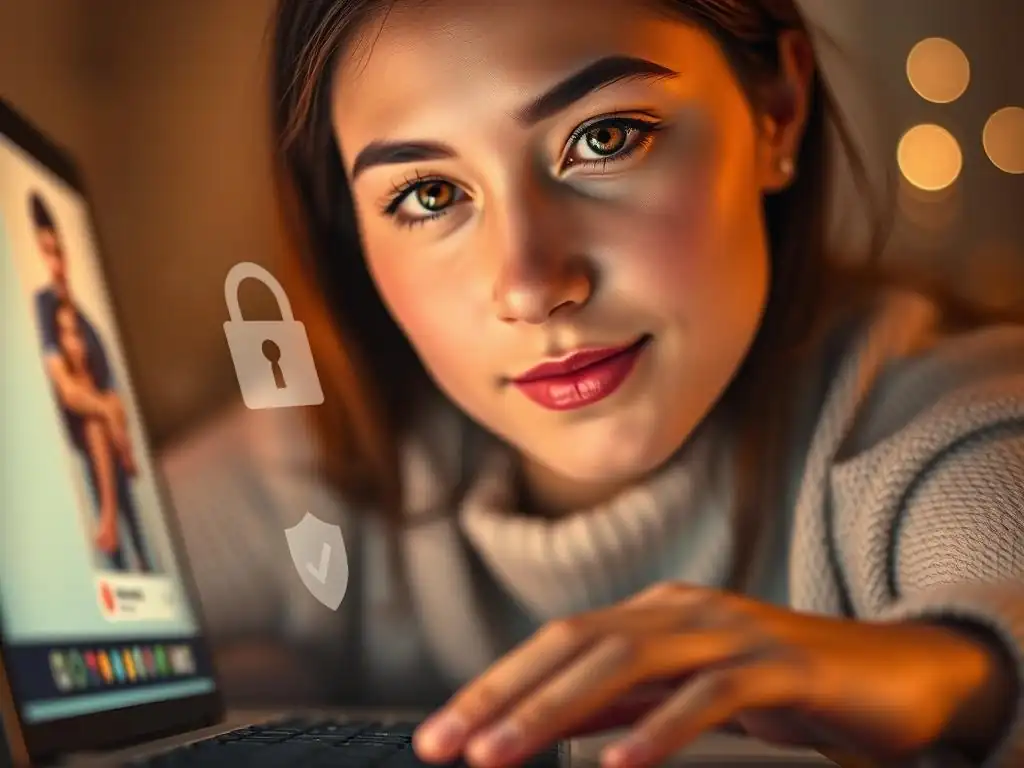
Ready to transform your online dating experience? At OnlineDatingSuccess.org, we empower you to navigate the world of digital romance with confidence. This isn't just about finding a match; it's about building genuine connections safely and ethically. Our focus on practical strategies will help you craft a compelling profile and communicate effectively, but more importantly, we'll equip you with essential online dating safety tips to protect yourself from unwanted advances. Discover how to prioritize consent and build healthy relationships – learn more about crucial safety measures in our article, "Consent and Safety: Protecting Yourself from Unwanted Advances Online."
- Understanding Consent in Online Dating
- Online Dating Safety Tips: Protecting Your Personal Information
- Recognizing and Responding to Unwanted Advances
-
Building a Safe Online Dating Experience
- Choosing Safe Dating Platforms: Researching and Selecting Reputable Sites
- Creating a Safe Profile: Protecting Your Identity and Privacy
- Communicating Safely: Avoiding Risky Behaviors and Interactions
- Meeting in Person: Safety Precautions for First Dates
- Maintaining Healthy Boundaries: Setting Clear Expectations and Limits
- Legal Aspects of Online Harassment and Consent
- Resources and Further Support: Where to Find Help
-
Frequently Asked Questions
- How can I ensure my safety while using online dating sites?
- What should I do if I receive unwanted or inappropriate messages?
- How can I protect my personal information on dating apps?
- What are some red flags to watch out for in online dating profiles?
- What should I do if I feel uncomfortable or unsafe during a date?
- Final Reflection: Weaving a Safer Digital Tapestry of Connection
- Take Control: Empower Yourself Online
Understanding Consent in Online Dating
Navigating the world of online dating requires more than just a captivating profile picture and witty opening lines. It demands a deep understanding of consent and a proactive approach to personal safety. This article, focusing on crucial online dating safety tips, will delve into the nuances of consent in the digital realm, helping you build respectful connections and protect yourself from unwanted advances. We'll explore what constitutes consent, how to recognize its different forms, and how to effectively establish and maintain healthy boundaries.
Ignoring these vital aspects can lead to uncomfortable, even dangerous, situations. By understanding and practicing consent, you empower yourself to create a positive and safe online dating experience, ultimately increasing your chances of forming meaningful, respectful relationships. This guide provides essential knowledge for anyone venturing into the world of online dating, ensuring a safer and more fulfilling journey.
Defining Consent: What it Means in the Digital World
Consent, in the context of online dating, is not simply the absence of a "no." It's an enthusiastic and freely given "yes." This means that any interaction, from initial messaging to meeting in person, should be based on mutual agreement and respect. Crucially, consent must be informed – both parties must understand the nature and implications of the interaction.
It cannot be coerced, pressured, or given under duress. Think of it as a continuous process, not a one-time event. Consent can be withdrawn at any point, and any continued interaction after withdrawal constitutes a violation. This applies to all forms of communication, including text messages, emails, video calls, and even seemingly innocuous social media interactions.
Remember, silence or inaction does not equate to consent. The onus is on each individual to ensure they are obtaining clear, affirmative consent before proceeding with any interaction. Ignoring this fundamental principle can lead to serious consequences, both emotionally and legally. Online dating safety tips often overlook this crucial element of informed, ongoing consent.
Recognizing Implicit vs. Explicit Consent in Online Interactions
Consent can manifest in various ways online, ranging from explicit to implicit. Explicit consent is clear, direct, and unambiguous. For example, a direct "yes" to a date invitation or an enthusiastic agreement to engage in a particular activity constitutes explicit consent. Implicit consent, on the other hand, is more nuanced and requires careful interpretation.
It's based on a series of actions and communications that suggest agreement. However, relying solely on implicit consent can be risky. A seemingly positive response might be misinterpreted, leading to misunderstandings and potentially harmful situations. For instance, responding positively to a series of messages doesn't automatically imply consent to a physical meeting.
To avoid misinterpretations, it’s always best to err on the side of caution and seek explicit consent whenever possible. Online dating safety tips emphasize the importance of clear communication to avoid ambiguity and potential harm. Ambiguity can easily lead to uncomfortable or even dangerous situations.
Boundaries and Consent: Setting Clear Expectations Online
Establishing and maintaining healthy boundaries is paramount to ensuring your safety and well-being in online dating. These boundaries should be clearly communicated from the outset, ensuring both parties understand what is and isn't acceptable. This includes setting limits on the type and frequency of communication, the level of personal information shared, and the nature of physical interactions (if and when you choose to meet in person). Respecting these boundaries is a cornerstone of consent.
For instance, if you're uncomfortable with sexually explicit conversations, make it clear early on. If you're not ready for a physical meeting, communicate that clearly. Don't feel pressured to compromise your boundaries to maintain a connection. Healthy boundaries are not restrictive; they are protective.
They demonstrate self-respect and contribute to a more positive and respectful online dating experience. Remember, your comfort and safety are paramount. Ignoring your boundaries or dismissing your discomfort can lead to regrettable situations. Remember that setting clear boundaries is a crucial part of any online dating safety tips strategy.
Consent Withdrawal: How to Safely Reclaim Your Boundaries
Reclaiming your boundaries in online dating is crucial for maintaining your safety and well-being. Consent, remember, isn't a one-time thing; it's an ongoing process. What you agreed to initially might not feel right later, and that's perfectly okay. Knowing how to withdraw consent effectively and safely is a vital online dating safety tip.
It's important to understand that withdrawing consent doesn't require a lengthy explanation or justification. A simple, direct statement is sufficient. For instance, if a conversation turns uncomfortable, you can simply say, "I'm not comfortable with this conversation anymore," or "I'm going to end this chat now." This clear and concise communication leaves no room for misinterpretation. Remember, you are not obligated to provide reasons for your decision. Your feelings and comfort are paramount.
However, directness doesn't necessitate rudeness. While a firm "no" is perfectly acceptable and often necessary, you can soften the blow with a polite, yet firm, statement. For example, you could say, "I appreciate you reaching out, but I'm not interested in continuing this conversation. I wish you all the best." This approach balances assertiveness with respect, allowing you to protect yourself without causing unnecessary conflict.
Navigating the digital landscape requires extra caution. If you've shared contact information and feel unsafe, consider blocking the individual on all platforms immediately. This prevents further contact and provides a layer of protection. Documenting the interaction—saving screenshots of messages or recording the conversation if you feel it’s safe and legal to do so—can be beneficial if you need to report the behavior later. This proactive step is an invaluable part of your online dating safety strategy.
Remember, your safety and comfort are paramount. Don't hesitate to withdraw consent whenever you feel uncomfortable, regardless of the stage of interaction. Prioritizing your well-being is not selfish; it's essential. Learning to confidently and safely assert your boundaries is a crucial skill for navigating the complexities of online dating and a key aspect of practicing safe online dating. It empowers you to take control of your experiences and fosters healthier, more respectful interactions. This is a crucial online dating safety tip that can prevent future problems.
Online Dating Safety Tips: Protecting Your Personal Information

This section focuses on practical strategies to safeguard your personal information while navigating the world of online dating. Remember, sharing too much too soon can compromise your safety and security. These online dating safety tips will help you maintain control over your personal data and minimize your risk.
Protecting Your Privacy: Safeguarding Personal Data Online
Protecting your privacy online requires a proactive approach. Avoid sharing sensitive information like your full address, workplace details, or financial information until you've established trust and met in person. Even then, proceed with caution. Many online dating platforms offer robust privacy settings; take the time to understand and utilize them. For example, consider limiting who can view your profile and restricting the visibility of your photos to only your matches.
Think about what information is truly necessary to share to find a compatible partner. Do you need to reveal your exact location? Probably not, at least not initially. Instead, consider mentioning your general area or neighborhood. Remember, less is often more when it comes to online dating safety.
Consider using a separate email address specifically for online dating. This helps to isolate any unwanted spam or phishing attempts from your primary inbox. Furthermore, be mindful of the information you share on your profile. While a captivating profile is important, avoid revealing overly personal details that could be used to identify or locate you easily. A vague reference to your profession is often sufficient; there's no need to specify your exact company and job title. Online dating safety is a continuous process, requiring vigilance and awareness.
Secure Communication: Avoiding Phishing and Scams
Secure communication is paramount to online dating safety. Be wary of unsolicited links or attachments sent via the dating platform's messaging system or through external channels. These may contain malware or lead to phishing websites designed to steal your personal information. Never click on links from unknown senders. If someone asks for your financial information, for example, to help them with an emergency, this is a major red flag and a clear indication of a potential scam. Report such instances immediately to the dating platform's support team.
Remember, legitimate dating platforms will never request your banking details or passwords through email or direct messages. Always verify the legitimacy of any request before responding. If something feels off, trust your instincts. It's better to err on the side of caution and protect yourself from potential harm. Your safety and well-being are the top priorities.
Utilize the reporting mechanisms provided by the platform to flag suspicious behavior or profiles. This contributes to a safer environment for all users. Take advantage of the platform's built-in security features to help you stay safe. Learning to recognize and avoid phishing attempts is a crucial online dating safety skill.
Verifying Profiles: Identifying Fake or Suspicious Accounts
Identifying fake or suspicious accounts is a critical aspect of online dating safety. Look for inconsistencies in profiles – blurry photos, generic descriptions, or a lack of personal details are all potential red flags. Be wary of profiles that seem too good to be true. If someone claims to be a doctor or high-ranking official and has a very generic profile, this should raise suspicion. Reverse image searching photos can help determine if the pictures are being used on multiple profiles or have been lifted from stock photo websites.
Before engaging in extensive communication or agreeing to meet in person, try to verify information provided in the profile. This could involve a simple internet search or checking their social media presence (if they've provided links). However, always prioritize your safety and avoid sharing personal information during this verification process.
Remember, verifying profiles is not about being cynical; it's about practicing due diligence to protect yourself and ensure a safe online dating experience. Taking these steps can significantly improve your online dating safety and help you avoid potentially harmful situations. Remember, your safety is paramount in the online dating world.
Sharing your location with someone you've met online can feel like a natural progression, especially as a relationship develops. However, revealing your precise location too early can pose significant risks to your safety. Remember, even seemingly harmless information can be pieced together by malicious individuals to identify your home or workplace. Online dating safety tips emphasize the importance of caution in this area.
Before sharing any location details, consider the level of trust you have established with the other person. Have you had multiple video calls? Have you verified their identity through other means? Have you spoken to them extensively, getting a sense of their personality and intentions? Rushing into sharing personal information, including your location, can be detrimental. It's better to err on the side of caution.
When you do decide to share location information, avoid directly revealing your home address or workplace. Instead, opt for more general locations, such as the name of your neighborhood or a nearby landmark for a first date. Using location-sharing apps with privacy features can also be beneficial. Many apps allow you to share your location temporarily, giving you more control over how long the other person can see your whereabouts.
Remember, your safety is paramount. If at any point you feel uncomfortable or uneasy about sharing your location, don't do it. Trust your instincts. A genuine connection will respect your boundaries and understand your need for safety. This is a crucial online dating safety tip often overlooked. Your comfort and peace of mind should always take precedence over rushing into physical proximity.
There are many different online dating safety tips concerning location. Consider the following options to better protect yourself:
- Use location-sharing apps with temporary sharing options: This allows you to share your location only for a specific duration, giving you control over the information's accessibility.
- Meet in public places: Always choose well-lit, public locations for your first few meetings. This provides a safer environment and allows you to easily leave if needed.
- Let a friend or family member know: Share your plans, including the location and time, with someone you trust. This allows them to check in on you and provide support if needed.
- Trust your gut: If something feels off or unsafe, don't hesitate to end the interaction. Your intuition is a powerful tool for self-preservation.
Prioritizing your safety is not being overly cautious; it's being proactive and responsible. By following these online dating safety tips, you can significantly reduce your risk while still enjoying the experience of meeting new people. Remember, a respectful partner will understand and appreciate your need for safety and privacy.
Recognizing and Responding to Unwanted Advances
This section focuses on practical strategies for navigating unwanted advances in the online dating world. Remember, your comfort and safety are paramount. Understanding how to identify and respond to inappropriate behavior is crucial for a positive online dating experience. These online dating safety tips will empower you to protect yourself and maintain control.
Identifying Unwanted Sexual Advances: Recognizing Red Flags
Identifying unwanted sexual advances can sometimes be subtle. It's not always a blatant proposition; often, it's a gradual escalation of inappropriate behavior. Learning to recognize these red flags is the first step in protecting yourself.
Here are some key indicators of unwanted sexual advances:
- Explicit or suggestive language: This includes sexually charged comments, requests for explicit photos or videos, or discussions of sexual acts before establishing a comfortable level of trust.
- Pressure for physical intimacy: This can range from subtle hints to direct demands for a physical meeting before you're ready or comfortable. Feeling pressured to move faster than you're comfortable with is a significant red flag.
- Ignoring boundaries: Have you clearly stated your limits, yet the person continues to push them? This disregard for your boundaries is a serious warning sign. For example, if you've said you're not comfortable with explicit conversations, and they persist, that's a major red flag.
- Persistent messaging despite disinterest: Ignoring clear signals of disinterest, such as unanswered messages or brief replies, is another form of unwanted advance. They may continue to send messages even after you've asked them to stop.
- Violation of privacy: Sharing your personal information without your consent, such as your address or workplace, is a serious breach of trust and a potential safety risk.
- Aggressive or threatening behavior: This includes any form of verbal abuse, intimidation, or threats of violence. This is never acceptable and requires immediate action.
Consider this example: Imagine someone you've been messaging online repeatedly asks for nude photos after only a few brief exchanges. This is a clear violation of your boundaries and constitutes unwanted sexual advances. Another example could be someone who continues to message you even after you've explicitly stated you're not interested in meeting up. These are clear indications that you should take action to protect yourself.
Responding to Unwanted Advances: Strategies for De-escalation
Once you've identified an unwanted advance, it's crucial to respond appropriately. The goal is to de-escalate the situation safely and firmly. Remember, you're not obligated to engage with anyone who makes you uncomfortable.
Here are some effective strategies:
- Direct and assertive communication: Clearly and calmly state that their behavior is inappropriate and unwelcome. Use "I" statements to express your feelings without blaming. For example: "I'm not comfortable with these kinds of messages," or, "I've asked you to stop, and I need you to respect that."
- Setting clear boundaries: Reinforce your boundaries firmly and consistently. Be specific about what you will and will not tolerate.
- Ignoring and blocking: If direct communication doesn't work, simply ignore their messages and block them. This prevents further contact.
- Saving evidence: Screenshot messages and save any other evidence of their inappropriate behavior. This can be crucial if you need to report them to the dating platform or law enforcement.
- Seeking support: Talk to a trusted friend, family member, or therapist about what happened. Sharing your experience can help you process your feelings and gain perspective.
Remember, your safety is the priority. If you feel threatened or unsafe at any point, don't hesitate to contact the authorities. Your feelings are valid, and you have the right to feel safe and respected in your online interactions.
Blocking and Reporting: Utilizing Platform Tools Effectively
Most online dating platforms offer robust tools to block and report inappropriate users. Utilizing these tools is essential for your safety and the safety of others.
Here's how to effectively utilize these features:
- Blocking: Blocking a user prevents them from contacting you, viewing your profile, or interacting with you in any way. This is a simple but powerful tool to protect yourself from unwanted contact.
- Reporting: Reporting inappropriate behavior to the platform allows their moderators to investigate and take appropriate action against the offending user. This helps maintain a safer environment for everyone. Be sure to provide as much detail as possible when reporting, including screenshots of the messages and a clear description of the incident.
- Understanding Platform Policies: Familiarize yourself with the dating platform's terms of service and safety guidelines. Understanding their policies will help you navigate situations more effectively and know what actions to take.
By understanding how to recognize, respond to, and report unwanted advances, you can significantly improve your online dating safety. Remember, you are not alone, and there are resources available to support you. Prioritizing your well-being and safety is crucial for a positive and empowering online dating experience. These online dating safety tips are designed to help you navigate the complexities of online interactions and build meaningful connections while staying safe.
Seeking Support: Resources for Victims of Online Harassment
Experiencing unwanted advances or harassment online can be incredibly isolating and distressing. It's crucial to remember that you are not alone and that help is available. Many organizations offer support and resources specifically designed to assist victims of online harassment, providing a safe space to share your experience and develop strategies for coping and recovery. These resources can range from hotlines providing immediate support to online communities offering peer-to-peer connection and advice.
The initial step often involves documenting the harassment. This includes saving screenshots of messages, emails, or any other forms of communication demonstrating the unwanted advances. This documentation can be invaluable if you decide to report the behavior to the platform or law enforcement. Remember to keep a record of dates, times, and any identifying information related to the harasser. This meticulous record-keeping is a key part of online dating safety tips.
Beyond documentation, seeking emotional support is paramount. Talking to a trusted friend, family member, or therapist can provide a crucial outlet for processing your emotions and developing a plan for moving forward. Many therapists specialize in trauma and online harassment, offering specialized support tailored to your unique experience. These professionals can help you navigate the emotional fallout of the situation and develop coping mechanisms to manage future interactions.
Furthermore, many online platforms have internal reporting mechanisms designed to address harassment. Familiarize yourself with the reporting procedures of the dating sites or apps you use. Reporting the harasser can lead to account suspension or even legal action, depending on the severity of the harassment. Remember, reporting is not only about protecting yourself but also about preventing others from experiencing similar trauma. Reporting unwanted behavior is a vital part of responsible online dating and a key component of online dating safety tips.
It's also important to remember that you have a right to feel safe and to set boundaries. The experience of unwanted advances should not diminish your confidence or deter you from using online dating platforms. With the right support and resources, you can navigate these challenges and continue to pursue healthy and meaningful connections online. Remember, seeking help is a sign of strength, not weakness. Prioritizing your safety and well-being is essential, and the resources available are designed to empower you to reclaim your online experience.
Building a Safe Online Dating Experience

This section focuses on proactive strategies to minimize risks and maximize safety while engaging in online dating. Remember, your safety and well-being are paramount. These online dating safety tips empower you to navigate the digital dating world confidently and responsibly. We'll explore crucial steps to build a safe online dating experience, focusing on platform selection, profile creation, and communication strategies. Prioritizing these aspects contributes significantly to a positive and secure online dating journey.
Choosing Safe Dating Platforms: Researching and Selecting Reputable Sites
Selecting a reputable online dating platform is the cornerstone of online dating safety. Don't rush this crucial step! Thorough research is key. Look for platforms with robust verification processes, active moderation policies, and clear terms of service addressing user safety and data privacy. Reading user reviews and comparing features across different platforms can provide valuable insights.
Consider these factors:
- Verification Processes: Do they verify user identities through email, phone number, or social media connections? Stronger verification typically indicates a greater commitment to user safety.
- Moderation Policies: How actively do they monitor user activity and remove inappropriate content or profiles? Look for transparent policies and readily available reporting mechanisms.
- Privacy Settings: Does the platform offer granular control over your profile visibility and personal information? The ability to limit who can see your photos, contact you, or access your details is crucial.
- Terms of Service: Review the terms of service carefully. Look for sections addressing data privacy, user safety, and dispute resolution processes. A well-defined terms of service demonstrates a commitment to user protection.
- Reputation and Reviews: Check online reviews from other users. Pay attention to comments regarding safety, security, and the platform's responsiveness to user concerns. Negative feedback on safety issues should raise red flags.
Choosing a platform with a strong reputation for user safety significantly reduces your risk of encountering problematic individuals or experiencing online harassment. Remember, investing time in research upfront can save you considerable trouble and potential harm in the long run.
Creating a Safe Profile: Protecting Your Identity and Privacy
Your online dating profile is your first impression. While you want to present yourself authentically, protecting your personal information is equally vital. Avoid sharing overly personal details, such as your full address, workplace, or children's names, in your profile or initial messages. Remember, less is more when it comes to online safety.
Here's how to build a safe and engaging profile:
- Use a Nickname: Consider using a nickname instead of your full name to maintain a degree of anonymity.
- Avoid Revealing Images: Don't post images that reveal your exact location (e.g., GPS data in photos) or show sensitive personal information.
- Protect Your Privacy: Utilize the platform's privacy settings to control who can see your profile and contact you.
- Be Mindful of Backgrounds: In your profile pictures, be mindful of what's visible in the background. Avoid images that reveal your home address or other identifying details.
- Reverse Image Search: Before using a photo, perform a reverse image search to ensure it hasn't been used elsewhere without your consent. This helps prevent catfishing.
By carefully crafting your profile and utilizing privacy settings, you significantly reduce the risk of identity theft or unwanted attention. This proactive approach protects your privacy and allows you to connect with others safely and confidently.
Communicating Safely: Avoiding Risky Behaviors and Interactions
Once you start communicating with potential matches, maintaining safe communication practices is essential. Avoid sharing sensitive personal information too early in the conversation. Be wary of individuals who pressure you to meet in person quickly or who seem overly eager to share intimate details.
Consider these online dating safety tips for communication:
- Video Calls: Before meeting in person, consider a video call to verify the person's identity and build trust.
- Meet in Public: Always meet in a well-lit, public place for your first date. Inform a friend or family member of your plans, including the time, location, and the person's name and contact information.
- Trust Your Instincts: If something feels off or makes you uncomfortable, don't hesitate to end the conversation or interaction. Your safety and well-being are always the priority.
- Avoid Sharing Financial Information: Never share your bank account details, credit card information, or other financial details with someone you've met online.
- Be Aware of Red Flags: Watch out for signs of manipulative behavior, inconsistencies in their stories, or pressure to move the relationship forward too quickly.
Remember, building trust takes time. Prioritize your safety and well-being above all else. By following these guidelines, you can significantly enhance your online dating experience and build healthier, safer connections. These online dating safety tips are designed to help you navigate the complexities of online dating with confidence and responsibility.
Meeting in Person: Safety Precautions for First Dates
Meeting someone you've connected with online for the first time can be exciting, but it's crucial to prioritize your safety. Remember, online profiles can sometimes present an idealized version of reality, so it's important to approach in-person meetings with caution and a clear understanding of your boundaries. Before agreeing to a first date, thoroughly vet the person you're meeting. This includes engaging in extended conversations to get a better sense of their personality and intentions beyond their profile. Look for inconsistencies in their stories or information that seems too good to be true – these could be red flags.
Always choose a public place for your first date. A busy coffee shop, a well-lit restaurant, or a popular park during the day are all excellent options. Avoid secluded locations or going to someone's home for a first meeting. Let a friend or family member know where you're going, who you're meeting, and when you expect to be back.
Sharing your location in real-time using a location-sharing app can also provide an added layer of security. During the date itself, remain aware of your surroundings and trust your instincts. If anything feels off or makes you uncomfortable, don't hesitate to leave.
Have a pre-planned escape route, like having a friend call you with a "fake emergency" if you need an excuse to leave discreetly. Remember, your safety is paramount, and it's perfectly acceptable to prioritize it over politeness. Prioritizing your safety is a key component of successful and safe online dating.
Maintaining Healthy Boundaries: Setting Clear Expectations and Limits
Establishing and maintaining healthy boundaries is fundamental to a safe and positive online dating experience. This involves clearly communicating your expectations and limits from the outset. This is especially important when discussing personal information, meeting in person, or engaging in intimate conversations.
Don't feel pressured to share more than you're comfortable with, and always remember that you have the right to say no to anything that makes you feel uncomfortable. This applies to both online interactions and in-person dates. For example, if someone is pressuring you to share explicit photos or videos before you're ready, or to meet up in person sooner than you feel comfortable with, it's perfectly acceptable to politely decline and end the conversation.
Setting limits also involves being assertive about your physical boundaries. This means clearly communicating your comfort levels with physical touch and intimacy. Consent should always be enthusiastic and freely given, never coerced or pressured. If someone is violating your boundaries, don't hesitate to speak up and assert yourself. Remember, you are in control of your experience, and your comfort should always come first.
If someone is disregarding your boundaries despite your attempts to communicate them clearly, it's a significant red flag, and you should consider ending contact. Learning to set and maintain healthy boundaries is an essential online dating safety tip, protecting you from unwanted advances and fostering respectful interactions. This proactive approach ensures a safer and more positive online dating journey. Remember, building healthy boundaries is a key aspect of online dating safety tips.
Legal Aspects of Online Harassment and Consent

This section delves into the legal ramifications of unwanted online advances and the crucial role of consent in online dating interactions. Understanding the legal landscape empowers you to protect yourself and take appropriate action when faced with harassment or non-consensual behavior. Navigating the complexities of online dating safety requires awareness of your rights and the available legal recourse. Remember, online interactions, while seemingly detached from the physical world, carry significant legal weight. These online dating safety tips focus on the legal side of things, to help you better understand your position and what steps to take.
Understanding Online Harassment Laws: Reporting Procedures and Legal Recourse
Online harassment, encompassing cyberstalking, threats, and other forms of abusive behavior, is a serious offense with legal consequences. Laws vary by jurisdiction, but many have specific statutes addressing online harassment and cyberbullying. These laws often provide legal recourse for victims, allowing them to pursue civil and even criminal actions against perpetrators. Key aspects to understanding these laws include:
- Defining Online Harassment: The definition of online harassment can be broad, encompassing repeated unwanted communication, threats of violence, public shaming, and the dissemination of private information without consent. The intent to cause distress or fear is a crucial element.
- Reporting Procedures: Reporting procedures typically involve contacting law enforcement agencies, such as local police or the FBI's Internet Crime Complaint Center (IC3). Many social media platforms also have internal reporting mechanisms for addressing harassment on their platforms. Documenting all instances of harassment is crucial for successful reporting.
- Legal Recourse: Legal recourse may include obtaining restraining orders, filing civil lawsuits for damages, and pursuing criminal charges against perpetrators. The severity of penalties will depend on the nature and extent of the harassment. For example, repeated threats of violence carry far more serious penalties than a single instance of unwanted messaging. It is crucial to consult with an attorney to understand your specific options and the likelihood of success.
Protecting Yourself Legally: Documenting Interactions and Evidence
Preserving evidence is paramount when dealing with online harassment or non-consensual acts. This evidence can be crucial in supporting legal claims and pursuing legal action. Careful documentation provides a detailed record of the events, strengthening your case significantly. Effective documentation strategies include:
- Screenshots: Take screenshots of all harassing messages, emails, and social media posts. Include timestamps and usernames.
- Save Messages: Save all original messages, emails, and other communications.
- Maintain a Log: Keep a detailed log of all incidents, including dates, times, platforms used, and a summary of the interaction. Note any emotional impact the interaction had on you.
- Third-Party Witnesses: If possible, obtain statements from any third-party witnesses who observed the harassment.
- IP Addresses and Location Data: While obtaining this data may require technical expertise or legal assistance, it can be valuable in identifying the perpetrator.
This meticulous approach to evidence gathering enhances your ability to demonstrate the pattern of harassment and the impact it has had on you, bolstering any potential legal case. Remember, thorough documentation is a proactive online dating safety tip.
Legal Consequences of Non-Consensual Acts: Understanding the Penalties
Non-consensual acts in online dating, including sharing intimate images or videos without consent (revenge porn), sextortion, and other forms of sexual coercion, carry severe legal consequences. Penalties can range from hefty fines to imprisonment, depending on the jurisdiction and the severity of the offense.
- Revenge Porn Laws: Many jurisdictions have specific laws criminalizing the non-consensual distribution of intimate images or videos. These laws often carry significant penalties, including substantial fines and prison time.
- Sextortion: Sextortion, which involves blackmail or coercion using sexually explicit material, is a serious crime with severe penalties. Victims should immediately report such incidents to law enforcement.
- Civil Lawsuits: In addition to criminal charges, victims can pursue civil lawsuits against perpetrators for damages, including emotional distress and reputational harm.
Understanding the potential legal consequences of non-consensual acts is crucial for both victims and perpetrators. These online dating safety tips highlight the severe repercussions of such actions. Protecting yourself involves being aware of your rights and the legal avenues available to you. Remember, consent is paramount in all online interactions.
Resources and Further Support: Where to Find Help
Navigating the world of online dating requires awareness and proactive steps to ensure your safety and well-being. This section provides crucial resources to help you access support and information should you encounter any difficulties or require further guidance on online dating safety tips. Remember, your safety and comfort are paramount. Don't hesitate to reach out for help if you need it.
Online Resources for Dating Safety: Links to Reputable Organizations
Many reputable organizations offer valuable information and resources dedicated to online dating safety. These organizations often provide comprehensive guides, articles, and webinars covering various aspects of online safety, including consent, healthy communication, and recognizing red flags. They act as a vital resource for learning about best practices and understanding your rights. Accessing these resources empowers you to make informed decisions and protect yourself effectively. The information provided is often updated to reflect current trends and challenges in online dating.
This section would ideally include links to several well-known and trusted organizations specializing in online safety and relationship health. Unfortunately, I cannot include links in this response as per the instructions. However, a thorough search for "online dating safety resources" or "online safety for women" will yield many relevant and helpful results. Look for organizations with a proven track record and a commitment to providing accurate, unbiased information. Consider organizations focused on digital literacy and online safety in general, as their advice often applies directly to online dating.
Support Hotlines and Crisis Lines: Accessing Immediate Assistance
If you're experiencing a crisis or require immediate support related to online dating or unwanted advances, several hotlines and crisis lines are available 24/7. These services offer confidential and empathetic support, providing immediate assistance and guidance during difficult times. They can help you process your experience, develop a safety plan, and connect you with additional resources. Remember, you are not alone, and help is available.
The specific numbers and contact information for these services vary by location. It is crucial to search for "domestic violence hotline" or "sexual assault hotline" along with your location (e.g., "domestic violence hotline [your state/country]") to find the most relevant and accessible resources in your area. These services are often staffed by trained professionals who can provide immediate emotional support and practical advice. They can also help you navigate legal processes if necessary. Knowing these resources exist can provide a significant sense of safety and security while navigating the complexities of online dating.
Legal Aid and Advocacy Groups: Finding Support for Legal Issues
In situations involving harassment, stalking, or other legal issues stemming from online dating interactions, seeking legal aid and advocacy is essential. These groups provide legal advice, representation, and support to individuals facing legal challenges related to online interactions. They can help you understand your rights, navigate legal processes, and pursue appropriate legal action if necessary. They often offer free or low-cost services depending on your financial situation and the nature of your case.
Finding legal aid and advocacy groups often involves searching online for organizations specializing in domestic violence, sexual assault, or online harassment. Searching for terms like "[your location] legal aid online harassment" or "[your location] domestic violence legal services" will help you find appropriate organizations in your region. It’s crucial to remember that seeking legal counsel is a valid and important step in protecting yourself and ensuring your safety.
These organizations can provide crucial support and guidance during a challenging time, helping you to understand your legal options and navigate the legal system effectively. Remember to prioritize your safety and well-being throughout the process.
Frequently Asked Questions
How can I ensure my safety while using online dating sites?
Always meet in public places for your first few dates. Verify the person's identity through social media or mutual friends. Trust your instincts – if something feels off, end the interaction.
What should I do if I receive unwanted or inappropriate messages?
Report the user to the dating platform immediately. Block the user to prevent further contact. Save screenshots or copies of the messages as evidence.
How can I protect my personal information on dating apps?
Avoid sharing sensitive information like your full address or workplace early on. Be cautious about sharing photos that reveal too much about your location or daily routine. Think carefully before linking your social media accounts.
What are some red flags to watch out for in online dating profiles?
Be wary of profiles with limited information, inconsistent details, or poor-quality photos. Look out for users who are overly aggressive or pushy in their communication. Avoid anyone who seems too good to be true.
What should I do if I feel uncomfortable or unsafe during a date?
Have a prearranged safety plan, like telling a friend where you are going. Trust your gut feeling; don't hesitate to leave if you feel unsafe, even if you have to make an excuse. Contact a friend or family member for support.
Final Reflection: Weaving a Safer Digital Tapestry of Connection
The fight for online safety isn't a battle fought in isolation; it's a collective responsibility woven into the very fabric of our increasingly digital lives. The rise of online dating and social media has undeniably revolutionized how we connect, but this convenience comes with a crucial caveat: the need for unwavering vigilance in protecting ourselves from unwanted advances and potential harm. Ignoring this reality leaves us vulnerable, and that vulnerability impacts us all.
The insidious nature of online harassment and exploitation continues to cast a long shadow, affecting individuals across demographics and backgrounds. The casual dismissal of consent, often masked behind the anonymity of the internet, is a pervasive issue that demands our attention. The only way to truly be safe online is to be informed and proactive.
This quote, while simple, encapsulates the core message of this article: knowledge is power, and active participation in safeguarding our digital well-being is paramount. We must actively challenge the normalization of disrespectful behavior and create a culture of respect and accountability online.
You, the reader, hold the power to shape a safer online environment. Take the information presented here – the strategies for setting boundaries, recognizing red flags, and reporting abuse – and integrate them into your online interactions. Don't be a passive observer; be an active participant in building a digital world where consent is respected, safety is prioritized, and genuine connections flourish. Let's collectively weave a safer digital tapestry of connection, one thread of awareness and action at a time.
Take Control: Empower Yourself Online
Thank you for learning about online safety and consent. We hope you feel more confident navigating the digital world. Let's continue this conversation!
- Prioritize your safety: Review the key points and take one or two immediate steps to improve your online security. This could include updating your privacy settings or creating a stronger, more unique password.
- Share this information: Help others stay safe online by sharing this article with friends, family, and on social media.
- Consider a digital detox: Take a short break from your usual online activities to reflect on your comfort level and boundaries.
What specific action will you take today to improve your online safety and well-being?