
The Attachment Style Decoder: What Their Profile Reveals About Them


Ready to unlock the secrets to online dating success? At OnlineDatingSuccess.org, we empower you to navigate the world of digital romance with confidence. But have you ever wondered what your matches' online profiles really say about their relationship style? Our latest article, " The Attachment Style Decoder: What Their Profile Reveals About Them," dives deep into the fascinating connection between dating profile attachment style and relationship compatibility. Discover how understanding attachment theory can transform your online dating experience and lead you to more fulfilling connections. Let's decode those profiles together!
- Understanding Attachment Styles in Online Dating Profiles
- Decoding Secure Attachment Styles in Dating Profiles
- Spotting Anxious-Preoccupied Attachment in Online Dating Profiles
- Identifying Dismissive-Avoidant Attachment Styles Online
- Uncovering Fearful-Avoidant Attachment in Online Dating
- Using Attachment Style Information to Improve Your Online Dating Success
-
Frequently Asked Questions
- How can my dating profile reveal my attachment style?
- What are the common attachment styles shown in online dating profiles?
- Can I use my knowledge of attachment styles to improve my online dating profile?
- Does knowing someone's attachment style guarantee dating success?
- Where can I learn more about identifying attachment styles in online dating profiles?
- Final Reflection: Unlocking Connection Through Attachment Styles
- Unlock Your Dating Potential: Decode Their Signals
Understanding Attachment Styles in Online Dating Profiles
Navigating the world of online dating can feel like deciphering a complex code. While profile pictures and witty bios offer glimpses into potential partners, understanding their attachment style can provide invaluable insights into their relationship patterns and expectations. This article will equip you with the knowledge to decode these subtle cues within dating profiles, helping you identify potential compatibility and avoid potential pitfalls.
Learning to recognize attachment styles in online dating profiles can significantly improve your chances of finding a meaningful connection, saving you time and emotional energy in the long run. We'll explore the four main attachment styles – secure, anxious-preoccupied, dismissive-avoidant, and fearful-avoidant – and provide practical examples of how they manifest in online dating profiles.
By the end, you’ll be better equipped to assess potential matches and make more informed decisions about who to pursue. This knowledge empowers you to approach online dating with greater self-awareness and strategic clarity, ultimately increasing your chances of finding a fulfilling relationship.
What is Attachment Style and Why Does it Matter in Online Dating?
Attachment style, rooted in our early childhood experiences, significantly shapes our adult relationships. It dictates how we approach intimacy, commitment, and conflict. Understanding your own attachment style, and that of potential partners, is crucial for navigating the complexities of online dating. Ignoring attachment styles can lead to misunderstandings, unmet expectations, and ultimately, unsuccessful relationships.
For example, someone with an anxious-preoccupied attachment style might crave constant reassurance and communication, while someone with a dismissive-avoidant style might value independence and space. These fundamental differences in relationship needs can lead to conflict if not understood and addressed proactively. Online dating, with its emphasis on initial impressions and limited interaction, necessitates a keen awareness of these subtle yet powerful dynamics.
Recognizing these patterns early on can save you from investing time and emotional energy in relationships destined to be incompatible. The goal isn't to judge or label individuals, but rather to understand their relationship tendencies and assess potential compatibility with your own needs and preferences.
Recognizing the Four Main Attachment Styles: Secure, Anxious-Preoccupied, Dismissive-Avoidant, and Fearful-Avoidant
The four main attachment styles are characterized by distinct patterns of behavior and emotional regulation within relationships:
- Secure: Individuals with a secure attachment style generally feel comfortable with intimacy and independence. They tend to have healthy self-esteem and are able to form trusting relationships. In their profiles, they often present themselves authentically and openly.
- Anxious-Preoccupied: Characterized by a strong desire for closeness and intimacy, coupled with a fear of abandonment. These individuals often seek constant reassurance and can be overly sensitive to perceived rejection. Their profiles might reflect this through frequent use of emotionally charged language or a desperate need for validation.
- Dismissive-Avoidant: These individuals prioritize independence and self-reliance, often avoiding intimacy and emotional vulnerability. They may appear distant or aloof in their profiles, showcasing self-sufficiency and minimizing expressions of neediness.
- Fearful-Avoidant: This attachment style combines a desire for intimacy with a fear of both closeness and rejection. Individuals with this style often experience conflicting emotions and may present themselves inconsistently in their profiles, revealing both a desire for connection and a reluctance to fully commit.
Key Indicators of Attachment Style in Dating Profiles: Language, Photos, and Profile Content
Deciphering attachment styles in online dating profiles requires careful observation of several key indicators:
| Indicator | Secure | Anxious-Preoccupied | Dismissive-Avoidant | Fearful-Avoidant |
|---|---|---|---|---|
| Language | Positive, confident, straightforward | Emotional, needy, self-deprecating | Independent, detached, unemotional | Inconsistent, ambivalent, self-contradictory |
| Photos | Natural, varied, showing genuine smiles | Often seeking validation, multiple selfies | Limited photos, often showcasing activities alone | Mixed signals, both solo and group shots |
| Profile Content | Authentic, detailed, clear expectations | Seeking validation, highlighting vulnerabilities | Brief, focused on accomplishments, avoids emotional depth | Contradictory statements about wanting relationships and needing space |
Remember, these are general tendencies and not definitive labels. Individual profiles can be complex, and multiple attachment styles might subtly intertwine. The key is to look for patterns and consistent themes within the profile to gain a better understanding of the potential partner’s relationship approach. Using this knowledge, you can approach online dating with a more informed perspective, increasing your chances of finding a compatible and fulfilling connection.
Decoding Secure Attachment Styles in Dating Profiles

Secure attachment, the cornerstone of healthy relationships, manifests distinctly in online dating profiles. Understanding these subtle cues can significantly improve your chances of connecting with compatible partners and avoiding potential relationship pitfalls. This section delves into the nuances of identifying secure attachment styles in online dating profiles, providing practical examples and communication strategies. Remember, while these are indicators, they are not definitive diagnoses.
Identifying Characteristics of Secure Attachment in Online Dating Profiles
Individuals with a secure attachment style typically present themselves authentically and confidently online. Their profiles reflect a sense of self-awareness and comfort in their own skin. Look for these key characteristics:
- Realistic Self-Presentation: They don't portray an overly idealized version of themselves. Photos are natural, showcasing a variety of activities and settings. Their written profile is honest and avoids exaggerated claims. They might even mention some minor flaws or imperfections, demonstrating self-acceptance. This honesty signals emotional maturity and a willingness to be vulnerable.
- Positive Self-Image: While not boasting, their profile expresses a healthy sense of self-worth. They highlight their accomplishments and interests without excessive self-promotion. They might use words like "passionate," "enthusiastic," or "driven," reflecting a positive outlook on life. The overall tone is optimistic and upbeat, suggesting a generally happy and fulfilled individual.
- Clear Communication Preferences: Their profile might explicitly state their communication preferences, showing they are comfortable setting boundaries and expressing their needs. This might include specifying the type of communication they prefer (e.g., texting, calling) or mentioning their availability. This transparency is a hallmark of secure attachment.
- Focus on Genuine Connection: Their profile emphasizes building genuine connections rather than focusing solely on superficial qualities or immediate gratification. They might mention a desire for long-term relationships or emphasize the importance of shared values and interests. This speaks volumes about their approach to dating and relationships.
- Active Social Life (but balanced): Their profile may subtly hint at an active social life, showcasing participation in hobbies and interests, suggesting a well-rounded personality. However, it won't be overwhelmingly focused on constant social engagement, indicating a healthy balance between social interactions and personal time.
Examples of Secure Attachment Profiles
Let's consider two hypothetical examples to illustrate these characteristics:
Example 1: "I'm a software engineer with a passion for hiking and trying new recipes. I'm looking for someone who enjoys the outdoors and is open to trying new things. I'm a bit clumsy sometimes 😅, but I'm always up for a laugh. Hoping to find a genuine connection with someone who values honesty and communication."
Example 2: "Love traveling, live music, and spending time with my friends and family. I'm looking for a partner who is kind, compassionate, and shares my love for spontaneous adventures. I'm a bit of a homebody, but I also enjoy exploring new places. Looking for a meaningful relationship, not just a quick fling."
Notice the balanced portrayal, the emphasis on genuine connection, and the comfortable acknowledgment of imperfections in both examples. These are all subtle yet powerful indicators of a secure attachment style.
How to Interact with Secure Attachment Profiles: Tips for Successful Communication
When interacting with someone who exhibits signs of secure attachment, authenticity and direct communication are key. Avoid playing games or sending mixed signals. Be upfront about your intentions and be respectful of their boundaries. Here are some tips:
- Be yourself: Don't try to be someone you're not. Securely attached individuals appreciate authenticity and genuine connection.
- Initiate conversation with genuine interest: Show interest in their profile and ask thoughtful questions that go beyond surface-level conversation.
- Respond promptly and thoughtfully: Respect their time by replying promptly and engaging in meaningful conversations.
- Be clear about your intentions: Don't play games or send mixed signals. Be upfront about what you're looking for in a relationship.
- Respect their boundaries: If they communicate their boundaries, respect them. This shows you value their feelings and needs.
By understanding and applying these strategies, you can significantly increase your chances of building healthy and fulfilling relationships with securely attached individuals you meet on online dating platforms. Remember, patience and clear communication are crucial in navigating the complexities of online dating, irrespective of attachment styles.
Spotting Anxious-Preoccupied Attachment in Online Dating Profiles
This section focuses on identifying anxious-preoccupied attachment styles in online dating profiles. Understanding these subtle cues can significantly improve your online dating experience, helping you navigate interactions more effectively and avoid potential pitfalls. Remember, recognizing attachment styles isn't about labeling people; it's about understanding communication patterns to foster healthier connections. The goal is to use this knowledge to build more fulfilling relationships.
Recognizing Signs of Anxious Attachment in Profile Descriptions and Photos
Individuals with an anxious-preoccupied attachment style often display specific behaviors and tendencies in their online profiles. Their profiles frequently reflect a deep need for connection and validation. Look for these key indicators:
- Overly expressive language: Their profile descriptions might be excessively effusive, using phrases like "looking for my soulmate," "searching for forever," or "ready to settle down" very early on. They might express a strong desire for commitment and a fear of being alone. The language often conveys a sense of urgency and desperation.
- Numerous photos showcasing social activities: Their photo gallery often overflows with images depicting them surrounded by friends and family, highlighting their social life and desire for belonging. This can be a subconscious attempt to project an image of popularity and desirability.
- Self-deprecating humor mixed with high expectations: They might use self-deprecating humor, but simultaneously express quite high expectations for a partner. This contradiction stems from low self-esteem coupled with a strong desire for a relationship. For example, a profile might say, "I'm a bit clumsy, but I'm looking for someone amazing who can handle my quirks!"
- Frequent updates and activity: Anxious-preoccupied individuals often update their profiles frequently, perhaps changing their photos or adding new details, reflecting their ongoing search for validation and connection. They might also be very active on the dating platform, constantly checking for messages.
- Detailed descriptions of their ideal partner: These profiles often include highly specific and sometimes unrealistic descriptions of their ideal partner, revealing a longing for a perfect match that can fulfill their emotional needs.
Examples of Anxious-Preoccupied Attachment Profiles
Let's examine some hypothetical examples illustrating anxious-preoccupied attachment in online dating profiles:
Example 1: "I'm a hopeless romantic searching for my person! I love cozy nights in, but also adventurous weekends. I'm a bit of a klutz, but I promise I'm a great catch! Looking for someone kind, funny, and ready for a serious relationship ASAP!" (Note the urgency and self-deprecating humor paired with high expectations).
Example 2: (Profile picture gallery includes numerous photos with large groups of friends, family photos, and several selfies with overly enthusiastic expressions.) (Note the emphasis on social connections).
Example 3: "My ideal partner is someone intelligent, ambitious, compassionate, and incredibly funny. Someone who is ready to commit and build a life together. I'm looking for a best friend and soulmate – someone to share everything with." (Note the idealized and detailed description of the ideal partner).
Communicating with individuals exhibiting anxious-preoccupied attachment requires patience and understanding. Here are some tips:
- Respond promptly and consistently: Their need for reassurance is high, so timely responses are crucial. Ignoring messages or being inconsistent can trigger anxiety and insecurity.
- Be clear and direct in your communication: Avoid ambiguity or mixed signals. Direct and honest communication helps alleviate their anxieties.
- Validate their feelings: Acknowledge and validate their emotions, even if you don't fully understand them. Simple statements like, "I understand you're feeling anxious," can make a difference.
- Set healthy boundaries: While being empathetic, it's important to establish healthy boundaries. Avoid over-committing or responding to excessive demands for reassurance.
- Focus on building a genuine connection: Avoid rushing the process. Focus on creating a genuine connection based on mutual respect and understanding. Remember, healthy relationships are built on trust and mutual respect, not solely on fulfilling someone else's need for constant validation.
Remember, these are general guidelines. Individual experiences with anxious-preoccupied attachment will vary. Using these insights can help you better understand potential partners and navigate the complexities of online dating more effectively. By approaching interactions with empathy and understanding, you can significantly increase your chances of finding a meaningful and lasting connection.
Identifying Dismissive-Avoidant Attachment Styles Online
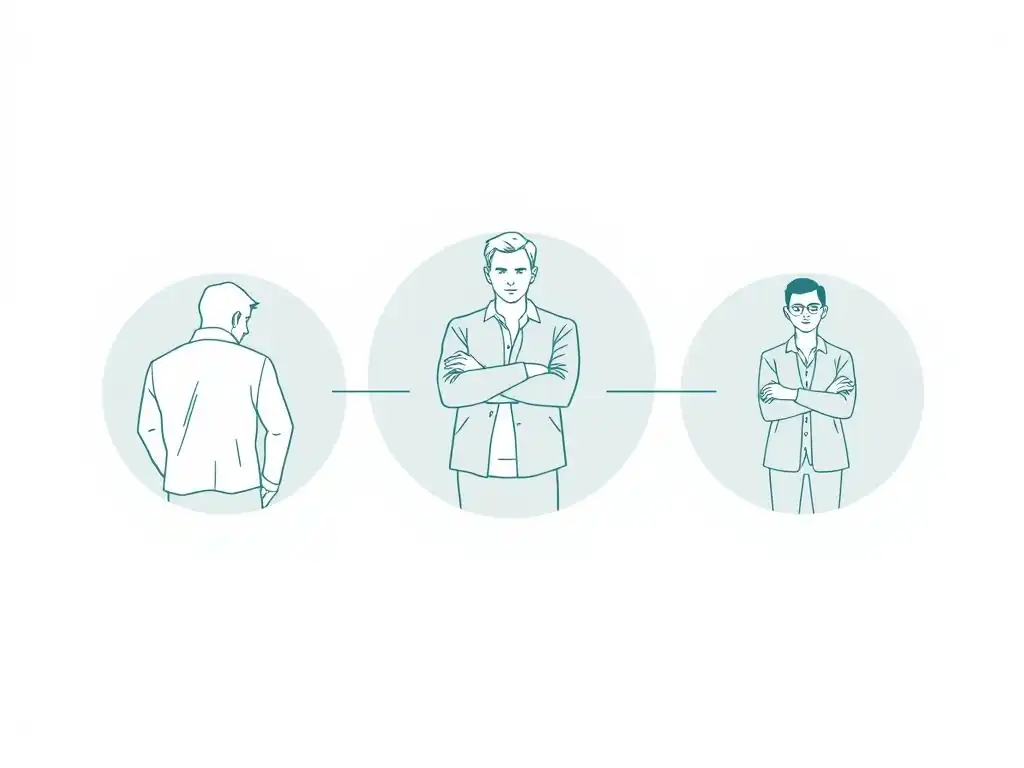
Dismissive-avoidant attachment, one of the four main attachment styles, presents unique challenges in online dating. Understanding how this style manifests in dating profiles can significantly improve your chances of success and help you avoid potentially frustrating experiences. Recognizing the subtle cues of a dismissive-avoidant profile requires careful observation and an understanding of their core characteristics: a need for independence, emotional unavailability, and a tendency to avoid intimacy.
This section will equip you with the tools to identify these individuals and navigate interactions effectively. Mastering the art of spotting "dating profile attachment style" clues will significantly enhance your online dating experience.
Identifying Characteristics of Dismissive-Avoidant Attachment in Dating Profiles
Dismissive-avoidant individuals often portray themselves as self-sufficient and independent in their online profiles. They may emphasize their achievements and accomplishments, showcasing their career success or hobbies that highlight self-reliance. Look for these key characteristics:
- Minimal Personal Information: Their profiles may lack detailed personal information, offering only superficial details about their life. They may avoid revealing vulnerabilities or emotional depths. Think sparse text, few photos, and limited information about their family or close friends.
- Emphasis on Independence and Self-Sufficiency: Their language often revolves around self-reliance and independence. Phrases like "I'm very independent," "I enjoy my own company," or "I don't need anyone to complete me" are common. They may boast about their solo travels or individual achievements.
- Superficial or Generic Descriptions: Their profile descriptions might be generic or lack specific details about their personality, values, or interests. They may avoid expressing deep emotions or desires.
- Limited Photos: They might post only a few photos, often showcasing themselves in activities that highlight their independence, such as solo hiking or working on a project. Group photos might be absent or scarce.
- Avoidance of Emotional Expression: Their writing style tends to be more factual and less emotional. They may avoid using affectionate language or expressing vulnerability. Their tone might come across as detached or aloof.
The presence of several of these traits in a profile strongly suggests a dismissive-avoidant attachment style. Remember, however, that these are indicators, not definitive diagnoses. Always approach with empathy and understanding.
Examples of Dismissive-Avoidant Attachment Profiles
Let's illustrate with hypothetical examples. Consider these two profile snippets:
Profile A (Potentially Dismissive-Avoidant): "Successful entrepreneur. Love traveling solo, exploring new cultures. Enjoy challenging hikes and pushing my limits. Looking for someone who's also independent and self-driven." This profile showcases independence and achievement without revealing much personal information.
Profile B (Likely Not Dismissive-Avoidant): "Passionate about photography and spending time with loved ones. Looking for a genuine connection with someone who shares my love for [specific hobby]. I'm a bit of a homebody, but love exploring new restaurants and trying new recipes." This profile displays warmth, vulnerability, and a desire for connection.
The contrast is clear. Profile A uses generalized statements that focus on accomplishments and independence, while Profile B expresses a desire for connection and shares more personal details.
Tips for Effective Communication with Dismissive-Avoidant Daters
Communicating with dismissive-avoidant daters requires patience, respect for their boundaries, and a subtle approach. Avoid being overly needy or clingy. Here are some tips:
- Respect Their Need for Space: Don't bombard them with messages. Give them time to respond and avoid pressuring them for emotional intimacy.
- Focus on Shared Activities: Suggest activities that allow for both connection and independence, such as going for a hike or attending a workshop. This allows for interaction without feeling overwhelming.
- Be Direct but Respectful: If you sense a lack of emotional connection, express your feelings calmly and respectfully. Avoid accusatory language.
- Don't Take it Personally: Their avoidance isn't a reflection of your worth; it's a manifestation of their attachment style.
- Manage Your Expectations: Building a close relationship with a dismissive-avoidant person can take time and effort. Be patient and understanding.
Remember, recognizing "dating profile attachment style" is a tool for understanding, not for judgment. Approaching online dating with empathy and awareness will lead to more fulfilling and successful experiences.
Uncovering Fearful-Avoidant Attachment in Online Dating
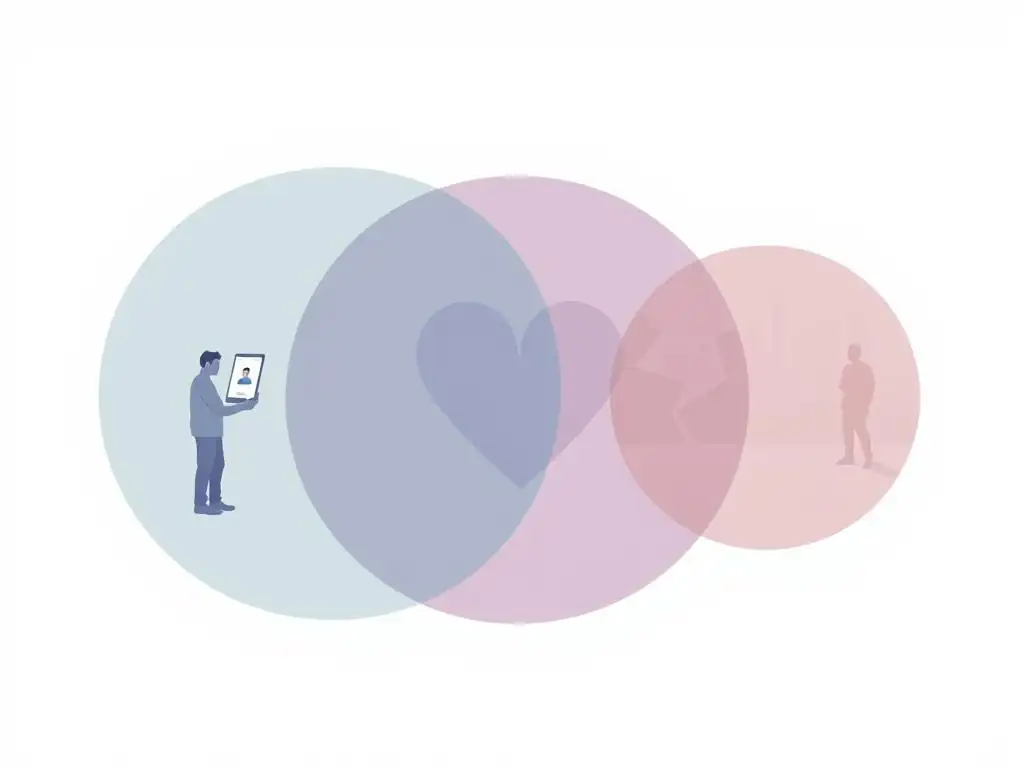
Fearful-avoidant attachment, a complex blend of anxiety and avoidance, presents unique challenges in online dating. Understanding how this attachment style manifests in dating profiles can significantly improve your chances of successful interactions and avoid frustrating experiences. Individuals with this attachment style often present contradictory behaviors and messaging, making them difficult to decipher.
This section delves into recognizing the subtle cues within their profiles and crafting effective interaction strategies. We'll explore how to identify this style in online profiles, providing concrete examples and actionable advice to navigate these often-complex relationships. The keyword "dating profile attachment style" is central to understanding this nuanced area of online dating.
Recognizing Fearful-Avoidant Attachment in Online Dating Profiles
Identifying fearful-avoidant attachment in online dating profiles requires a keen eye for detail and a nuanced understanding of their internal conflict. These individuals often project a desire for connection while simultaneously exhibiting behaviors that sabotage intimacy. Look for these red flags:
- Contradictory statements: Their profile might express a longing for a deep, committed relationship while simultaneously emphasizing their independence and aversion to commitment. For example, they might state a desire for "a serious relationship" but also mention their need for "lots of personal space."
- Vague or generalized language: They might avoid specifics about their personality, preferences, or relationship history. Their profile might read like a generic template, lacking genuine personality.
- Limited personal information: They might share minimal photos or provide little detail about their life, hobbies, or interests. This stems from a fear of vulnerability and rejection.
- Idealistic yet unrealistic expectations: They may describe their ideal partner in highly specific and unattainable terms, reflecting a fear of settling for less than perfection.
- Photos lacking warmth or genuineness: Their photos might be posed, professional, or lack genuine smiles or expressions of warmth. This reflects their reluctance to reveal their true selves.
- Frequent profile updates with inconsistent information: Their profile might change frequently, reflecting their internal struggle and indecisiveness.
Remember, these are indicators, not definitive diagnoses. It's crucial to avoid labeling individuals based solely on their online profiles. However, recognizing these patterns can help you approach interactions with greater awareness and sensitivity.
Examples of Fearful-Avoidant Attachment Profiles
Let's examine some hypothetical examples to illustrate how fearful-avoidant attachment manifests in online dating profiles:
Example 1: *"Looking for someone special, but I value my independence above all else. I'm open to a serious relationship, but I'm also fiercely independent and need lots of space. I enjoy long walks on the beach (sometimes)." * This profile showcases contradictory statements and vague language, hinting at a fearful-avoidant attachment.
Example 2: *"Seeking a kind and understanding partner. I'm not really sure what I'm looking for, but I guess I'm open to seeing where things go. I'm pretty private, so don't expect me to share everything right away." * This profile demonstrates a hesitancy to commit and a desire for control over the disclosure of personal information.
Example 3: *"I want someone who is adventurous, intelligent, funny, compassionate, and loyal. Someone who is perfect, really. I'm a bit of a homebody, though, and prefer quiet evenings in." * This example reveals idealistic and unrealistic expectations, combined with a reluctance to fully embrace intimacy.
Strategies for Interaction with Fearful-Avoidant Individuals
Approaching individuals exhibiting potential fearful-avoidant attachment requires patience, understanding, and sensitivity. Here are some strategies:
- Proceed slowly and cautiously: Avoid overwhelming them with too much attention or too many personal questions early on.
- Respect their boundaries: Acknowledge and respect their need for space and independence. Don't push for intimacy before they are ready.
- Be patient and understanding: Remember that their behavior stems from fear and insecurity, not malice.
- Communicate clearly and directly: Avoid ambiguity or mixed signals. Be upfront about your intentions and expectations.
- Focus on building trust gradually: Consistency and reliability are crucial in building trust with fearful-avoidant individuals.
- Validate their feelings: Acknowledge their anxieties and fears without judgment.
- Avoid pressure or criticism: Pressuring them for commitment or criticizing their behavior will likely push them further away.
Successful interaction requires understanding their internal struggle and responding with empathy and respect. Remember, patience and sensitivity are key to navigating this complex attachment style in the online dating world. By understanding the nuances of "dating profile attachment style," you can significantly improve your online dating experience.
Using Attachment Style Information to Improve Your Online Dating Success
Understanding someone's attachment style can significantly boost your online dating success. By recognizing the subtle cues in their profile, you can preemptively adjust your approach, leading to more meaningful connections and fewer frustrating experiences. This isn't about labeling or judging; it's about understanding communication styles and expectations to foster healthier interactions. Think of it as a proactive strategy to increase your compatibility matching. The goal is to find someone whose attachment style complements yours, creating a more harmonious and fulfilling relationship.
Leveraging Attachment Style Insights to Craft a More Effective Dating Profile
Your own dating profile acts as your first impression. Highlighting aspects that resonate with different attachment styles can broaden your appeal. For example, someone with an anxious attachment style might be drawn to profiles that emphasize security and commitment. Phrases like "seeking a long-term partner" or "looking for someone to build a life with" can be particularly appealing. Conversely, someone with an avoidant attachment style might respond better to profiles that portray independence and autonomy, perhaps showcasing hobbies or interests that suggest a self-sufficient personality. Avoid overly needy or clingy language, which can be a major turn-off.
Consider these examples:
| Attachment Style Targeted | Profile Language Examples | Image/Activity to Include (Illustrative) |
|---|---|---|
| Anxious | "Looking for a committed relationship," "Seeking my best friend," "Value honesty and communication above all" | Photo with family or friends |
| Avoidant | "Independent and adventurous," "Love exploring new places," "Enjoy my own company" | Solo travel photo or hobby-related image |
| Secure | "Open and honest communication is key," "Enjoy spending quality time together," "Looking for a genuine connection" | Photo engaging in a shared activity |
Remember, authenticity is key. Don't try to be someone you're not. Instead, strategically present aspects of your personality that align with the types of connections you desire. The aim isn't to manipulate, but to present your best self in a way that resonates with a wider range of potential partners.
Refining Communication Strategies Based on Identified Attachment Styles
Once you've identified potential attachment styles, adjust your communication accordingly. Responding to messages promptly and consistently is crucial for those with anxious attachment, demonstrating attentiveness and reliability. Conversely, give those with avoidant attachment more space and avoid overwhelming them with constant messages. Respect their need for independence while maintaining a steady, respectful communication flow.
For example, if you suspect someone exhibits signs of anxious attachment, try incorporating reassuring language into your messages: "I'm really enjoying getting to know you," or "I'm looking forward to seeing you again soon." If you sense avoidant tendencies, keep your messages concise and focused, avoiding lengthy or overly emotional exchanges. Remember to observe their responses and adjust your approach based on their reactions. This demonstrates emotional intelligence and consideration, vital for building trust and connection.
Avoiding Common Pitfalls When Dating Individuals with Different Attachment Styles
Misunderstandings often arise from differing attachment styles. Avoid making assumptions based solely on perceived attachment styles; always verify through observation and communication. Avoid ghosting someone with an anxious attachment style, as this can be particularly hurtful. Conversely, don't become overly dependent on someone with an avoidant attachment style, respecting their need for personal space and autonomy. Open and honest communication is key to navigating these differences.
If you find consistent challenges, consider seeking professional guidance to address relationship dynamics. Ultimately, successful online dating requires understanding, empathy, and a willingness to adapt your approach based on individual needs and preferences. Remember, successful relationships are built on mutual respect and understanding. Learning about attachment styles can be a powerful tool in achieving your online dating goals.
Building Meaningful Connections with Understanding and Empathy
Understanding someone's attachment style, as gleaned from their dating profile, offers a powerful tool for building meaningful connections. Instead of seeing differences as obstacles, view them as opportunities for deeper understanding and empathy. For example, if you notice someone with an anxious attachment style frequently mentions their need for reassurance or expresses anxieties about commitment, you can approach them with patience and understanding.
Responding to their anxieties directly, with kind words and genuine reassurance, can build trust and strengthen the connection. Avoid dismissing their feelings as "overly sensitive" or "clingy," as this could reinforce their insecurities and damage the potential for a relationship.
Conversely, if you encounter a profile showcasing an avoidant attachment style – perhaps highlighting independence and self-reliance to the point of seeming distant or emotionally unavailable – approach with sensitivity. Don't overwhelm them with intense displays of affection or constant messaging. Respect their need for space and independence while still showing genuine interest.
Focus on building a connection gradually and authentically, allowing the relationship to develop at their pace. Remember, understanding their attachment style doesn't mean you need to change your own; it means adapting your communication style to foster a more comfortable and successful interaction. This approach fosters a more compassionate and effective online dating experience, increasing the likelihood of forming meaningful connections.
Consider their communication patterns – are they brief and to the point or more verbose and expressive? This information, combined with the overall tone of their profile, provides valuable insights into their attachment style and how best to engage with them.
Using this knowledge strategically allows you to tailor your approach to each individual, maximizing your chances of forming genuine connections. Remember, empathy is key. Put yourself in their shoes, considering how their past experiences may have shaped their attachment style and how you can navigate those potential sensitivities with respect and understanding. This empathetic approach will not only increase your success rate in online dating but also contribute to building healthier and more fulfilling relationships. The ability to navigate different attachment styles demonstrates emotional intelligence, a highly desirable trait in any relationship.
Frequently Asked Questions
How can my dating profile reveal my attachment style?
Your profile unintentionally reveals your attachment style through your photo choices, wording, and overall presentation. For example, someone with an anxious attachment style might post many photos and write lengthy descriptions seeking validation, while someone with an avoidant style might post few photos and keep their profile brief.
What are the common attachment styles shown in online dating profiles?
Commonly seen are anxious, avoidant, and secure attachment styles. Anxious profiles often show a strong need for reassurance, avoidant profiles may seem distant or uninterested, and secure profiles tend to be balanced and authentic. Disorganized attachment is less easily identifiable online.
Can I use my knowledge of attachment styles to improve my online dating profile?
Absolutely! Understanding attachment styles can help you craft a profile that attracts compatible partners. By recognizing your own attachment style and the styles you're drawn to, you can tailor your profile to resonate with those individuals.
Does knowing someone's attachment style guarantee dating success?
No, knowing someone's attachment style is just one piece of the puzzle. It provides valuable insight into their relationship patterns, but compatibility depends on many factors, including shared values, communication styles, and life goals. It's a helpful tool, not a guarantee.
Where can I learn more about identifying attachment styles in online dating profiles?
OnlineDatingSuccess.org offers in-depth articles and guides on this topic, providing practical tips and advice for interpreting online dating profiles and using this knowledge to enhance your dating experience. We also cover how to improve your own profile to attract compatible partners.
Final Reflection: Unlocking Connection Through Attachment Styles
Understanding attachment styles is no longer a niche psychological concept; it's a vital key to navigating the modern dating landscape. The ability to decipher the subtle cues in a dating profile—the carefully chosen photos, the tone of the bio, the activities listed—can significantly impact your dating success and ultimately, the quality of your relationships. This isn't about judging others, but about understanding ourselves and fostering healthier connections.
The exploration of attachment styles has profoundly shifted how we approach intimacy and relationships. It's moved beyond simple labels and into a nuanced understanding of our emotional needs and how they manifest in our interactions. The most important thing in a relationship is to be able to communicate openly and honestly.
This quote, while seemingly simple, highlights the core of what secure attachment strives for, and understanding our own attachment style allows us to better communicate our needs and recognize those needs in others. This self-awareness is crucial for building lasting, fulfilling connections.
Now, consider your own dating profile. What does it reveal about your attachment style? Take a moment to reflect on the images you've chosen, the words you've used, and the overall impression you're trying to convey. Are you unintentionally projecting insecurity or neediness? Or perhaps, are you inadvertently hiding your vulnerability? Use this knowledge to craft a profile that authentically reflects your needs and desires, attracting partners who resonate with your emotional landscape. The journey to finding meaningful connections begins with understanding ourselves, and this journey is one worth taking.
Unlock Your Dating Potential: Decode Their Signals
Thanks for exploring the world of attachment styles! You now have the tools to understand online dating profiles effectively. Ready to apply your new knowledge?
- Analyze some interesting profiles: Choose a few profiles that catch your eye and analyze them using what you've learned. Consider their likely attachment style and see if it aligns with their communication style. Note any discrepancies or interesting observations.
- Craft engaging opening messages: Tailor your initial message to each person, considering their perceived attachment style to maximize your chances of a positive response. Experiment with different approaches and see what works best.
- Share your experiences: What have you learned about how attachment styles influence online dating profiles? Let's discuss your insights and discoveries in the comments below!
What unexpected communication patterns have you noticed by understanding someone's attachment style?