
The Social Implications of Online Dating: How Technology Reshapes Relationships


Welcome to OnlineDatingSuccess.org, your guide to navigating the exciting yet complex world of online dating. Are you ready to transform your dating experience and build meaningful connections? We delve into the social implications of online dating, offering practical online dating relationship advice to help you create a successful profile, communicate effectively, and ultimately find lasting love. Discover how technology is reshaping relationships and learn the secrets to unlocking your dating potential – explore our insightful articles and start your journey towards a fulfilling relationship today!
- The Evolution of Online Dating and its Impact on Relationships
- Online Dating Relationship Advice: Navigating the Digital Landscape
- The Impact of Online Dating on Relationship Formation
- Online Dating Relationship Advice: Communication Strategies
- The Social and Psychological Effects of Online Dating
- Online Dating Relationship Advice: Safety and Security
- The Future of Online Dating and Its Social Implications
-
Frequently Asked Questions
- How does online dating impact traditional relationship dynamics?
- What are the safety concerns associated with online dating?
- How can I create a successful online dating profile?
- What are some effective communication strategies for online dating?
- Does online dating lead to more lasting relationships?
- Final Reflection: Navigating Love in the Digital Age
- Unlock Deeper Connections: Take Your Dating Journey Further
The Evolution of Online Dating and its Impact on Relationships
Online dating, once a niche activity shrouded in a degree of social stigma, has become a mainstream phenomenon, profoundly reshaping how people meet, form relationships, and navigate the complexities of romance. This transformation isn't merely technological; it's a deeply social one, impacting everything from relationship expectations to societal norms around courtship and commitment. This article explores the historical trajectory of online dating, examining its evolution from its nascent stages to its current pervasive influence, and how this technological shift has fundamentally altered the landscape of modern relationships.
We'll delve into the social implications, exploring how online dating has changed the way we connect, communicate, and ultimately, build meaningful connections. Understanding this evolution is crucial for anyone seeking to navigate the world of online dating successfully and build healthy, fulfilling relationships. This guide offers practical "online dating relationship advice" to help you thrive in this ever-evolving digital landscape.
The earliest forms of online dating, emerging in the late 1990s and early 2000s, were often characterized by clunky interfaces and a sense of novelty. Platforms like Match.com pioneered the concept of online matchmaking, but the social context was significantly different from today's environment. The internet itself was less ubiquitous, and participation in online dating often carried a degree of social risk or perceived awkwardness.
Many users felt a need to conceal their online dating activities from friends and family, reflecting a societal hesitancy towards this new approach to finding romance. Early platforms relied heavily on detailed questionnaires and algorithms that attempted to match users based on compatibility scores. Success rates were varied, and the experience was often described as more transactional, focusing on profile matching rather than fostering genuine connection.
This initial phase laid the groundwork, however, for the more sophisticated and integrated systems we see today. The early adopters of online dating were, in many ways, pioneers, navigating uncharted social territory and paving the way for the widespread acceptance of online dating as a legitimate way to find love.
The Rise of Mobile Dating Apps and Their Influence on Modern Relationships
The advent of smartphones and the subsequent explosion of mobile dating apps like Tinder, Bumble, and Hinge marked a paradigm shift in online dating. The ease of access and the casual, swipe-based interface dramatically lowered the barrier to entry. This democratization of online dating broadened its appeal significantly, leading to a massive increase in users and a change in the social dynamics of relationship formation.
The emphasis shifted from detailed profiles to quick visual assessments, leading to a more superficial initial interaction in some cases. The "hookup culture" associated with some apps also became a prominent feature of this era, blurring the lines between casual encounters and the pursuit of long-term relationships. The constant accessibility of mobile apps also altered relationship expectations, leading to a culture of instant gratification and potentially impacting the development of deeper emotional connections.
However, the rise of mobile dating apps also facilitated connections across geographical boundaries and diverse social groups, broadening the pool of potential partners for many users. The impact is multifaceted, requiring careful consideration of both positive and negative consequences.
Online dating has undeniably altered social norms around dating and relationships. The ease of connecting with numerous potential partners has increased the options available, leading to a greater emphasis on choice and selectivity. Simultaneously, this abundance of choice can also lead to a sense of overwhelm and dissatisfaction, fostering a mentality of constantly searching for "better" options.
The rise of online dating has also normalized a more direct and less ritualistic approach to courtship. Initial contact is often immediate and less formal than traditional methods, while the pace of relationship development can be significantly accelerated or decelerated depending on the individuals involved. Furthermore, the prevalence of online dating has raised questions about honesty, authenticity, and the potential for misrepresentation in online profiles.
Navigating these complexities requires a high degree of self-awareness and critical thinking. Ultimately, the social implications of online dating are complex and multifaceted, requiring careful consideration and a nuanced understanding of its impact on individual relationships and broader societal norms. The ongoing evolution of online dating necessitates a continuous adaptation of social expectations and strategies for navigating this dynamic landscape.
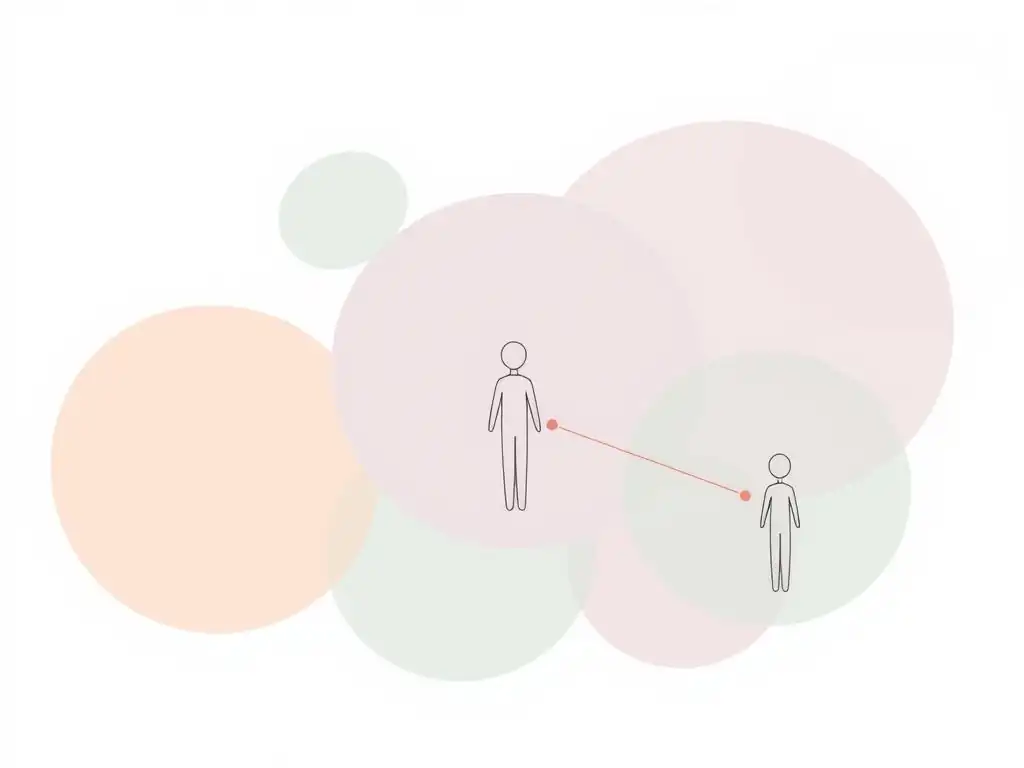
This section delves into the practical application of online dating advice, focusing on how to build meaningful connections, manage expectations, and maintain a healthy self-image within the digital realm. The rise of online dating has fundamentally altered how we approach relationships, demanding a new set of skills and strategies for success. Understanding these nuances is crucial for navigating this evolving landscape and achieving fulfilling romantic outcomes. Remember, online dating is a tool; its effectiveness hinges on how skillfully you wield it.
Building Authentic Connections in a Virtual World
Building genuine connections online requires more than just a captivating profile picture. It demands authenticity, thoughtful communication, and a willingness to be vulnerable. Many people fall into the trap of presenting an idealized version of themselves, leading to disappointment later on. Instead, focus on showcasing your true personality, quirks and all. This doesn't mean revealing every detail of your life upfront, but it does mean allowing your genuine self to shine through.
Consider these strategies for fostering authentic connections:
- High-Quality Photos: Use recent, well-lit photos that accurately reflect your appearance. Avoid heavily filtered or misleading images.
- Detailed Profile: Go beyond the basics. Share your interests, hobbies, and values. Show, don't just tell. For instance, instead of saying "I love traveling," describe a memorable trip and what you enjoyed about it.
- Meaningful Communication: Engage in thoughtful conversations. Ask open-ended questions that encourage deeper responses. Avoid generic pick-up lines and cliché responses.
- Be Present: When you're communicating, give the other person your full attention. Avoid multitasking or responding with short, dismissive replies.
- Transparency and Honesty: Be upfront about your intentions and expectations. Don't be afraid to express your needs and desires in a respectful manner.
Managing Expectations and Avoiding Disappointment in Online Dating
Online dating, despite its potential for connection, can also be a breeding ground for disappointment if expectations aren't managed effectively. The curated nature of online profiles can create an unrealistic perception of others, leading to feelings of frustration or letdown when reality doesn't match the idealized image.
Here's how to navigate this challenge:
- Realistic Expectations: Remember that online profiles are snapshots, not complete representations. People present their best selves online. Accept that there will be discrepancies between the online persona and the real person.
- Focus on Compatibility: Instead of focusing solely on physical attractiveness, prioritize compatibility in terms of values, interests, and life goals.
- Multiple Interactions: Don't put all your eggs in one basket. Engage with multiple people to increase your chances of finding a good match.
- Patience and Persistence: Finding the right person takes time. Don't get discouraged if you don't find a match immediately.
- Self-Reflection: Analyze your dating experiences. What's working? What isn't? Use this information to refine your approach and improve your chances of success. Consider seeking professional online dating relationship advice if needed.
Online Dating and Self-Esteem: Maintaining a Healthy Perspective
Online dating can significantly impact self-esteem, both positively and negatively. Rejection is inevitable, and it's crucial to develop resilience and a healthy perspective to avoid letting it derail your self-worth. Conversely, positive interactions can boost confidence and self-esteem. Maintaining a balance is key.
To protect your self-esteem:
- Focus on Self-Care: Prioritize your well-being. Engage in activities that make you feel good about yourself, regardless of your dating success.
- Positive Self-Talk: Challenge negative thoughts and replace them with positive affirmations.
- Set Boundaries: Don't tolerate disrespectful or abusive behavior. Know your worth and walk away from situations that make you feel uncomfortable.
- Remember Your Strengths: Focus on your positive qualities and accomplishments. Remind yourself of your value independent of romantic relationships.
- Seek Support: If you're struggling with low self-esteem, don't hesitate to reach out to friends, family, or a therapist for support. Remember, online dating is just one aspect of your life. Your worth is not determined by your success or failure in finding a partner online. Prioritizing your mental health is paramount for navigating the complexities of online dating and building healthy relationships.
The Impact of Online Dating on Relationship Formation
Online dating has fundamentally altered how relationships are formed, moving beyond chance encounters and relying instead on curated profiles and algorithmic matching. This section delves into the specific ways online dating impacts relationship formation, exploring both the benefits and drawbacks of this technological shift in the search for connection. This impacts how we approach "Online dating relationship advice," as traditional methods need updating.
Finding Compatibility: Algorithms and Matching Systems
Modern online dating platforms heavily utilize algorithms and matching systems to connect users. These systems often analyze user profiles, considering factors like age, location, interests, and relationship goals to suggest potential matches. While this approach aims to increase efficiency and improve compatibility, the effectiveness is debated. Some argue that algorithms oversimplify the complexities of human connection, potentially overlooking crucial aspects of personality and chemistry. Others point to success stories, highlighting how these systems have helped individuals find partners they might not have otherwise met.
The precision of these algorithms also varies widely across platforms. Some platforms boast sophisticated AI-driven matching systems that analyze thousands of data points, while others rely on simpler criteria. This difference significantly affects the user experience and the likelihood of finding a compatible match. For example, a platform prioritizing personality tests might lead to more meaningful connections than one solely focused on superficial characteristics. Understanding how these systems function is key to navigating online dating successfully, and this understanding forms a core part of effective "online dating relationship advice."
The reliance on algorithms also raises concerns about bias and fairness. If the algorithms are trained on biased data, they may perpetuate existing societal inequalities, disproportionately favoring certain demographics over others. This is a critical area requiring further research and transparency from dating platforms to ensure equitable access to potential partners for all users. Addressing these biases is crucial for providing responsible "online dating relationship advice."
The Role of Online Communication in Relationship Development
Online communication plays a pivotal role in the development of online dating relationships. Before a first in-person meeting, individuals rely heavily on messaging, video calls, and other digital communication methods to get to know each other. This initial phase is crucial for building rapport, establishing trust, and assessing compatibility. However, it also presents unique challenges.
The lack of non-verbal cues in text-based communication can lead to misunderstandings and misinterpretations. Sarcasm, humor, and emotional nuance can be easily lost in translation, potentially creating friction or hindering genuine connection. Therefore, clear, concise, and emotionally intelligent communication is paramount in online dating. Effective "online dating relationship advice" emphasizes the importance of thoughtful messaging, active listening, and being mindful of the limitations of online communication.
The rapid pace of online interactions can also lead to superficial connections. The ease of switching between conversations can make it tempting to engage with multiple potential partners simultaneously, potentially hindering the development of deeper, more meaningful relationships. This highlights the need for mindful engagement and prioritizing genuine connection over quantity. "Online dating relationship advice" should encourage users to focus on building quality relationships rather than engaging in superficial interactions.
Online Dating and Long-Term Relationship Success: A Statistical Overview
While the long-term success rates of online dating relationships are subject to ongoing debate and vary depending on the methodology used, some studies suggest that couples who meet online have comparable or even higher rates of marital satisfaction and longevity compared to those who meet offline. However, these statistics should be interpreted cautiously, as they often rely on self-reported data and may not fully capture the nuances of relationship dynamics.
For example, a study conducted by [Specific information pending] reported that [Specific data pending] percentage of marriages in [Specific region pending] originated from online dating platforms. While this demonstrates a significant contribution of online dating to relationship formation, it does not necessarily indicate higher relationship success rates. Further research is needed to understand the factors contributing to both the success and failure of online relationships. This research forms an important cornerstone for effective "online dating relationship advice."
Data on relationship longevity and satisfaction from online dating needs further refinement. Factors like the length of online courtship before meeting in person, the quality of initial communication, and the couple's shared values and goals likely play significant roles in long-term success. Understanding these factors will allow for more nuanced and effective "online dating relationship advice," helping users build strong, lasting relationships. The ongoing collection and analysis of data related to online dating relationships are crucial for providing accurate and helpful guidance.
Online Dating Relationship Advice: Communication Strategies

This section delves into the crucial aspect of communication within the context of online dating, offering practical advice to foster healthy and successful relationships. Effective communication is the cornerstone of any strong relationship, and online dating presents unique challenges and opportunities in this regard. Mastering these nuances can significantly improve your chances of finding a meaningful connection.
Effective Communication Techniques for Online Dating
Successful online dating hinges on clear, concise, and engaging communication. Avoid generic greetings and instead personalize your messages, demonstrating genuine interest in the other person's profile. Take time to read their profile thoroughly; mention specific details that resonated with you. This shows you're not just sending a mass message but actively engaging with them. For example, instead of "Hey, how's it going? ", try something like, "I noticed you're a fan of [band/hobby mentioned in their profile]. I am too! What's your favorite album/experience?"
Beyond the initial message, maintain consistent and respectful communication. Respond promptly but avoid appearing overly eager. Be mindful of the medium; emojis can enhance your message, but overuse can be perceived as unprofessional. Remember, online communication lacks the non-verbal cues present in face-to-face interactions, so be extra careful with your tone and word choice. Misunderstandings are more common online, so clarity is paramount.
Here's a table summarizing effective communication techniques:
| Technique | Description | Example |
|---|---|---|
| Personalization | Tailor messages to the individual's profile. | "Your photos from [location mentioned] look amazing! I've always wanted to visit." |
| Specific References | Mention specific details from their profile. | "I saw you're a [profession]; I'm curious about [aspect of their work]." |
| Prompt Responses | Respond in a timely manner, but avoid appearing overly eager. | Aim to respond within 24 hours, unless you have a valid reason. |
| Balanced Emoji Usage | Use emojis sparingly to enhance your message, not overwhelm it. | A few relevant emojis can add personality without being distracting. |
| Clear and Concise Language | Avoid ambiguity and jargon; be direct and easy to understand. | Use simple language and avoid overly complex sentences. |
| Respectful Tone | Maintain a courteous and respectful tone throughout your interactions. | Avoid sarcasm or humor that could be easily misinterpreted. |
Red Flags and Warning Signs in Online Interactions
While online dating offers exciting possibilities, it's crucial to be aware of potential red flags. These warning signs can indicate incompatibility or, worse, potential danger. Learning to recognize these signals is crucial for protecting your safety and emotional well-being.
🚩 Inconsistencies: Discrepancies between their profile and their conversations should raise concern. Do their actions match their words? Are there gaps in their story? This could indicate deception or a lack of honesty.
🚩 Pressure for Quick Progression: If someone pushes for a rapid escalation of the relationship (e.g., meeting in person too soon, sharing deeply personal information prematurely, or making grand declarations of love early on), be cautious. Healthy relationships develop gradually.
🚩 Excessive Negativity: Constant complaining, negativity, or criticism toward others can be a sign of underlying issues. A healthy relationship involves mutual support and positivity.
🚩 Controlling Behavior: Attempts to control your actions, dictate your choices, or isolate you from friends and family are major red flags and should be taken seriously.
🚩 Avoidance of Video Calls: Persistent refusal to engage in video calls, despite repeated requests, could indicate they're hiding something. Video calls provide a more accurate representation of the person you're interacting with.
Maintaining Healthy Boundaries in Online Dating
Establishing and maintaining healthy boundaries is essential for a positive online dating experience. This involves protecting your personal information, respecting your time, and prioritizing your emotional well-being.
- Privacy: Don't share sensitive personal information (address, full workplace details, etc.) until you've met in person and feel comfortable.
- Time Management: Don't let online dating consume your entire life. Balance your online interactions with other aspects of your life.
- Emotional Well-being: Don't let rejection or negative interactions impact your self-esteem. Remember that online dating is a numbers game, and not every connection will be a success.
- Respectful Disengagement: If you're not interested in someone, communicate this politely and respectfully. Avoid ghosting or leaving someone hanging.
- Safety First: Always meet in a public place for your first date, let someone know your plans, and have a backup plan for getting home.
Remember, online dating is a journey, not a race. By employing effective communication strategies, recognizing red flags, and maintaining healthy boundaries, you can significantly increase your chances of finding a meaningful and fulfilling relationship. Prioritize your well-being throughout the process and trust your instincts.
This section delves into the multifaceted impact of online dating on individuals' psychological well-being and social interactions, offering online dating relationship advice grounded in current understanding. We'll explore the unique emotional landscape of online interactions, examining both the positive and negative consequences.
The Psychology of Online Dating: Attraction, Rejection, and Self-Disclosure
Online dating presents a unique psychological landscape, significantly different from traditional courtship. The ease of connecting with numerous potential partners can lead to both exhilarating highs and crushing lows. Attraction, often initially based on curated profiles and limited information, can be fleeting. Rejection, readily available through the swipe left or unmatch function, can be frequent and, for some, intensely painful. This ease of rejection, however, also allows individuals to move on more quickly than might be possible in offline settings.
The process of self-disclosure, crucial for building intimacy, is also altered in online dating. Individuals carefully craft their online personas, often presenting idealized versions of themselves. This can lead to a disconnect between online and offline interactions, potentially causing disappointment when the idealized image fails to align with reality. However, the controlled nature of online self-disclosure can also empower individuals to reveal aspects of themselves gradually, fostering a sense of safety and control over the pace of intimacy.
Successfully navigating this requires careful consideration and honest self-assessment. Remember, authenticity, while challenging, is key to building lasting connections. This is crucial online dating relationship advice for anyone looking for genuine relationships.
Online dating's influence extends beyond the digital realm, subtly reshaping social interactions and relationships offline. For some, it broadens social circles, introducing them to individuals they might not have otherwise encountered. The ability to connect with people who share specific interests or values fosters a sense of community and belonging. It can facilitate the formation of friendships and romantic relationships, enriching offline social lives.
However, excessive reliance on online dating can also negatively impact offline interactions. The constant pursuit of potential partners online can lead to neglecting existing relationships or hindering the development of new ones in person. The pressure to maintain an idealized online persona can lead to social anxiety and a reluctance to engage authentically in offline settings. Balancing online and offline social life is crucial for maintaining a healthy social equilibrium. Striking a balance is vital online dating relationship advice for those who want to avoid negative repercussions.
While online dating offers opportunities for connection, it also carries the potential for increased social isolation. The curated nature of online profiles can create a sense of inadequacy or low self-esteem, particularly if individuals experience frequent rejection. The focus on superficial aspects of attraction can lead to a sense of disconnect and loneliness, even when actively using dating apps. Furthermore, spending excessive time online can detract from offline social activities, leading to feelings of isolation and detachment.
Addressing these potential negative consequences requires a mindful approach to online dating. Setting realistic expectations, focusing on building genuine connections, and maintaining a balance between online and offline interactions are crucial. Prioritizing self-care, engaging in hobbies and activities outside of online dating, and seeking support from friends and family can help mitigate the risks of social isolation. Remember, online dating relationship advice should always prioritize mental and emotional well-being. Taking breaks from online dating and engaging in self-reflection can significantly improve the experience and minimize negative consequences. Prioritizing mental health is paramount.
Online Dating Relationship Advice: Safety and Security

Online dating offers incredible opportunities to connect with others, but it's crucial to prioritize your safety and security. Navigating this digital landscape requires awareness and proactive measures to protect yourself from potential risks. This section provides practical advice to help you build meaningful connections while minimizing vulnerabilities. Remember, your safety is paramount – never compromise your well-being for a potential relationship. This advice applies equally to all genders and sexual orientations. Understanding the risks and implementing preventative measures is key to successful and safe online dating.
Protecting Your Personal Information in Online Dating
Protecting your personal information is the cornerstone of online dating safety. Avoid sharing sensitive details too early in the process. This includes your full name, address, workplace, phone number, and social security number. Many scammers use this information for identity theft or other malicious activities. Instead, focus on building rapport through conversation and getting to know someone's personality and values before revealing identifying information.
Consider using a separate email address specifically for online dating. This helps to compartmentalize your communications and prevents unwanted emails from flooding your primary inbox. Similarly, using a different phone number for dating apps can provide an additional layer of security. Many apps offer features to mask your number, providing an extra measure of protection.
Remember that even seemingly innocuous information can be pieced together to compromise your privacy. For instance, mentioning your favorite coffee shop might allow someone to track your daily routine. Be mindful of the details you share, and err on the side of caution. Think of it like building a puzzle – the more pieces you give away, the easier it is for someone to complete the picture, potentially leading to unwanted attention or even harm. Prioritize your privacy and carefully consider what you share online.
Recognizing and Avoiding Scams and Fraudulent Profiles
Online dating scams are unfortunately prevalent. Learning to recognize red flags is crucial for protecting yourself. Be wary of profiles that seem too good to be true, with unrealistic photos or claims of wealth and success. Beware of individuals who consistently avoid meeting in person, offering excuses or evasiveness. Legitimate daters are generally eager to meet and build a real-life connection.
Scammers often employ manipulative tactics to gain your trust and extract money or personal information. They may create elaborate stories of hardship or need, seeking financial assistance. They might also attempt to pressure you into sharing sensitive details under the guise of intimacy or trust. Never send money to someone you've only met online, no matter how compelling their story may seem. If something feels off, trust your instincts.
Here's a checklist to help you identify potential scams:
| Red Flag | Description |
|---|---|
| Inconsistent information | Discrepancies between profile information and conversation. |
| Overly flattering language | Excessive compliments and professions of love early in the interaction. |
| Pressure for personal details | Urgent requests for sensitive information like financial details or passwords. |
| Requests for money | Pleas for financial assistance, often citing emergencies or hardships. |
| Avoidance of video calls | Reluctance to engage in video calls, citing various excuses. |
| Poor grammar and spelling | Suggests a potentially fake or hastily created profile. |
If you suspect a scam, report the profile to the dating platform immediately. Protecting yourself requires vigilance and a healthy dose of skepticism.
Staying Safe During Online and Offline Interactions
Once you've connected with someone online and decided to meet in person, prioritize your safety. Always meet in a public place for the first few dates. Let a friend or family member know where you're going, who you're meeting, and when you expect to be back. Share your location with them in real-time, using location-sharing apps if available.
During the date, be aware of your surroundings. Trust your instincts – if something feels uncomfortable or unsafe, leave immediately. Don't be afraid to end the date early if you feel uneasy. Your safety and well-being are more important than politeness.
Avoid consuming excessive alcohol or drugs on a first date, as this can impair your judgment and make you more vulnerable. Maintain control over your transportation – drive yourself, take a taxi or ride-share, or have a friend pick you up. Remember that a successful date is one where you feel comfortable, respected, and safe. Prioritize your well-being above all else. Online dating should enhance your life, not endanger it. 🥂
The future of online dating is inextricably linked to advancements in technology and evolving societal norms. Predicting the exact trajectory is challenging, but analyzing current trends offers valuable insights into potential social impacts. We're moving beyond simple profile matching towards more nuanced, AI-driven systems that prioritize compatibility based on deeper personality analysis and behavioral patterns.
This increased sophistication raises questions about data privacy and the potential for algorithmic bias, impacting the fairness and inclusivity of online dating platforms. The rise of virtual and augmented reality (VR/AR) technologies also presents exciting possibilities, allowing for more immersive and engaging interactions between potential partners, blurring the lines between the online and offline worlds. However, this also introduces new challenges concerning the authenticity of online personas and the potential for manipulation.
The need for robust ethical guidelines and regulatory frameworks becomes increasingly crucial as technology continues to shape the landscape of online dating and relationship formation. This will be key to ensuring a positive and responsible evolution of this increasingly popular method of finding connection.
Several emerging technologies are poised to significantly impact the social landscape of online dating. One prominent trend is the integration of sophisticated AI algorithms to enhance matching processes. These algorithms analyze not only user-provided data but also behavioral patterns derived from platform usage, leading to more accurate predictions of compatibility. This could potentially lead to a reduction in wasted time and effort for users, but also raises concerns about algorithmic bias and the potential for reinforcing existing societal inequalities.
Furthermore, the incorporation of personality tests and psychological assessments into the matching process could lead to more meaningful connections, but necessitates careful consideration of data privacy and the potential for misuse of sensitive personal information. The rise of video dating and live-streaming features allows for more authentic interactions, but also necessitates new strategies for addressing online harassment and ensuring user safety. The integration of VR/AR technologies offers the potential for immersive virtual dates, bridging the gap between the online and offline worlds.
This, however, introduces new questions about the boundaries between virtual and real-life relationships and the potential for unrealistic expectations. Ultimately, careful monitoring and regulation will be needed to mitigate potential negative social impacts while harnessing the positive potential of these advancements. The key here is responsible innovation.
The Ethical Considerations of Online Dating and Relationship Formation
The rise of online dating presents a complex array of ethical considerations, impacting individual autonomy, authenticity, and the very nature of relationship formation. Issues of data privacy are paramount, as platforms collect vast amounts of personal information, raising concerns about potential misuse and the need for transparent data handling practices. Algorithmic bias presents another significant challenge, as algorithms may inadvertently perpetuate existing societal inequalities by favoring certain demographics or personality types over others.
The potential for catfishing and deception necessitates robust verification mechanisms and user education to mitigate the risks of fraudulent profiles and misleading representations. Furthermore, the speed and ease of online connection can lead to a devaluation of relationships, fostering a culture of disposability and superficial interactions. The blurring of boundaries between online and offline interactions necessitates careful consideration of the implications for personal safety and the potential for online harassment.
Promoting ethical online dating practices requires a multi-pronged approach, including industry self-regulation, government oversight, and user education to foster a responsible and sustainable online dating environment. We need to consider the long-term impact on societal structures and relationship dynamics.
Online Dating Relationship Advice: Preparing for the Future of Relationships
Navigating the evolving landscape of online dating requires a proactive and adaptable approach. Individuals seeking meaningful relationships should prioritize authenticity and transparency in their online profiles, avoiding unrealistic portrayals or misleading information. Effective communication skills are paramount, as are strategies for managing expectations and navigating the complexities of virtual interactions. Developing strong emotional intelligence is crucial, enabling users to discern genuine connections from superficial ones and to manage potential disappointments or rejections constructively.
Prioritizing personal safety is also essential, including being cautious about sharing personal information and being aware of potential red flags. Cultivating self-awareness and a realistic understanding of one's own needs and expectations is key to navigating the challenges and opportunities of online dating. Remember to prioritize building real connections, not just accumulating matches. Focus on quality over quantity.
The future of relationships is intertwined with the evolution of online dating; by approaching it with intentionality, authenticity, and a commitment to ethical engagement, individuals can increase their chances of finding lasting and fulfilling partnerships. Seeking professional guidance, when needed, can provide valuable support and insights in this ever-changing landscape. The key is to approach online dating with a mindful and strategic approach.
Frequently Asked Questions
How does online dating impact traditional relationship dynamics?
Online dating introduces new ways to meet partners, bypassing traditional social circles. This can lead to faster relationship development but also a potential lack of shared social context. It challenges traditional notions of courtship and relationship building.
What are the safety concerns associated with online dating?
Safety is paramount. Always meet in public places for first dates, verify profiles when possible, and trust your instincts. Never share sensitive personal information prematurely.
How can I create a successful online dating profile?
A successful profile showcases your authentic self while highlighting your best qualities. Use high-quality photos, write a compelling bio, and focus on what you're looking for in a partner. Be honest and genuine.
What are some effective communication strategies for online dating?
Clear and respectful communication is key. Be responsive, ask engaging questions, and actively listen. Avoid being overly demanding or pushy, and respect boundaries.
Does online dating lead to more lasting relationships?
Studies show mixed results. While online dating can lead to successful long-term relationships, the success rate depends on factors like profile quality, communication skills, and personal compatibility. It's not a guaranteed path to lasting love, but it's a tool that can be used effectively.
The rise of online dating has fundamentally altered how we connect, sparking both unprecedented opportunities and unforeseen challenges in the pursuit of meaningful relationships. The ease of access to potential partners, while revolutionary, has also introduced complexities that demand careful consideration and a nuanced understanding of digital communication and its impact on human connection. We are, undeniably, in the midst of a societal shift in how we approach romance.
The pervasive influence of online dating on modern relationships is undeniable, shaping not only how we meet partners but also how we define intimacy and commitment. The constant accessibility, the curated profiles, the pressure to present a "perfect" version of oneself – these factors all contribute to a unique set of dynamics. The internet has created a world where we can connect with anyone, anywhere, but it has also made it easier to disconnect from the people closest to us.
This quote highlights the double-edged sword of online connection, reminding us to prioritize genuine human interaction amidst the digital noise.
You, the reader, now hold the power to navigate this new landscape consciously. Consider how your own online interactions reflect the themes explored in this article. Are you prioritizing authenticity in your profile and communication? Are you mindful of the potential pitfalls of idealized online personas? By approaching online dating with self-awareness, critical thinking, and a commitment to genuine connection, you can harness the power of technology to build fulfilling and lasting relationships. Embrace the opportunities, navigate the challenges, and build a love story that is uniquely yours.
Unlock Deeper Connections: Take Your Dating Journey Further
Thank you for exploring the fascinating world of online dating and its impact on relationships! We hope you've gained valuable insights into how technology shapes modern connections. Ready to put this knowledge into practice?
- Craft a compelling dating profile: Reflect on what you've learned today – what aspects of your personality and values truly shine? Revise your profile to showcase your best self, highlighting what makes you unique and attractive to potential partners.
- Share this article with a friend: Start a conversation about the ever-changing world of dating. Sharing different perspectives can lead to fresh ideas and provide valuable support.
- Join our community: Participate in the discussion in the comments below. We'd love to hear your thoughts on the role of technology in relationships and how you're navigating the modern dating scene. Your experiences and insights can help others.
What specific steps will you take today to cultivate more meaningful connections in your dating life?