
The Future of Love and Loss: Navigating Grief in the Digital Era


Welcome to OnlineDatingSuccess.org, your guide to navigating the exciting yet sometimes challenging world of online dating. We're dedicated to helping you build meaningful connections, and that includes addressing the less-discussed aspects of the journey. Have you ever considered the unique challenges of online dating grief support? Our latest article, "The Future of Love and Loss: Navigating Grief in the Digital Era," explores this crucial topic, offering insightful perspectives and practical advice to help you heal and move forward. Discover how to navigate heartbreak and find hope in the digital age – read on to learn more.
- Understanding Online Dating Grief: Unique Challenges of the Digital Age
- Finding Support After Online Dating Heartbreak: Resources and Strategies
- Building Resilience After Loss: Tips for Moving Forward
- Protecting Your Mental Health During Online Dating
- The Future of Online Dating Grief Support: Technological Advancements
-
Frequently Asked Questions
- How can online dating contribute to grief after a breakup?
- Where can I find support for grief related to online dating experiences?
- Is it okay to use online dating while grieving?
- How can I avoid triggering my grief while online dating?
- How can OnlineDatingSuccess.org help me navigate grief in online dating?
- Final Reflection: Echoes of Loss, Whispers of Hope in the Digital Age
- Rediscover Connection: Your Next Steps After Loss
Understanding Online Dating Grief: Unique Challenges of the Digital Age
The rise of online dating has revolutionized how we meet and connect, offering unprecedented opportunities to find love and companionship. However, this digital landscape also presents unique challenges, particularly when relationships falter or end. Navigating grief in the context of online dating introduces a layer of complexity unseen in traditional relationships.
This article explores the specific emotional tolls associated with online dating heartbreak, offering practical strategies and support for those experiencing grief in this increasingly prevalent digital sphere. We’ll delve into the specific ways online dating differs from traditional dating in its impact on emotional well-being, examining the unique forms of rejection, deception, and ultimately, grief experienced by users. Understanding these nuances is crucial for developing effective coping mechanisms and finding support in the digital age.
The goal is to empower individuals to navigate the emotional complexities of online dating with resilience and self-compassion, ultimately fostering healthier relationships and emotional well-being. This is especially important considering the growing prevalence of online dating as a primary method of finding partners, making understanding "online dating grief support" a critical aspect of modern relationship health.
The Paradox of Connection: Isolation Amidst Online Interaction
Online dating, paradoxically, can exacerbate feelings of loneliness and isolation despite its inherent goal of fostering connection. The vastness of online dating platforms can lead to a sense of anonymity and detachment, making it easier to engage in superficial interactions and harder to form genuine bonds. When these fleeting connections end, the lack of tangible shared experiences can make the grieving process more challenging.
The ease of disconnecting with a swipe or a simple unmatch can leave individuals feeling disregarded and undervalued, intensifying feelings of rejection and sadness. This is particularly acute when compared to the more gradual and often more emotionally processed endings of traditional relationships. Many users report feeling a heightened sense of disappointment and even betrayal when a connection abruptly ends online, leading to prolonged periods of emotional distress.
The constant exposure to idealized profiles and seemingly perfect relationships online can also contribute to feelings of inadequacy and low self-worth, furthering the emotional impact of rejection. 💔
The digital realm of online dating unfortunately harbors unique forms of emotional manipulation and deception. Terms like "ghosting" (the sudden cessation of all communication without explanation), "breadcrumbing" (sending intermittent messages to keep someone engaged without commitment), and "catfishing" (creating a false online persona) have entered the lexicon, highlighting the potential for significant emotional harm. These deceptive practices can leave individuals feeling confused, betrayed, and deeply hurt.
The lack of face-to-face interaction can make it harder to process the deception, leaving victims grappling with feelings of self-doubt and questioning their judgment. The emotional trauma resulting from these experiences can be profound, often requiring significant time and effort to heal. The anonymity afforded by online platforms can embolden perpetrators, while simultaneously leaving victims feeling powerless and vulnerable.
Understanding the psychological impact of these behaviors is essential for developing strategies to protect oneself and to cope with the aftermath. It's crucial to remember that you are not to blame for the actions of others. Seeking support from friends, family, or mental health professionals can be invaluable in recovering from such experiences.
Rejection is an inevitable part of online dating. However, the ease and often impersonal nature of online communication can amplify the sting of rejection. The immediate nature of unmatching or being ignored can create a sense of instant dismissal, leading to feelings of worthlessness and self-doubt. Developing healthy coping mechanisms is vital for navigating these setbacks.
This includes practicing self-compassion, focusing on self-care, and engaging in activities that foster a sense of self-worth. It’s also important to remember that rejection in online dating doesn't reflect your inherent value or worth. It's often a matter of incompatibility or timing. Building resilience requires focusing on your strengths, identifying personal values, and setting realistic expectations.
Taking breaks from online dating when feeling overwhelmed is crucial for maintaining emotional well-being. Connecting with supportive friends, family, or a therapist can provide valuable perspective and support during challenging times. Remember, healing from online dating rejection is a process, and it's essential to allow yourself time and space to grieve and recover.
Finding Support After Online Dating Heartbreak: Resources and Strategies
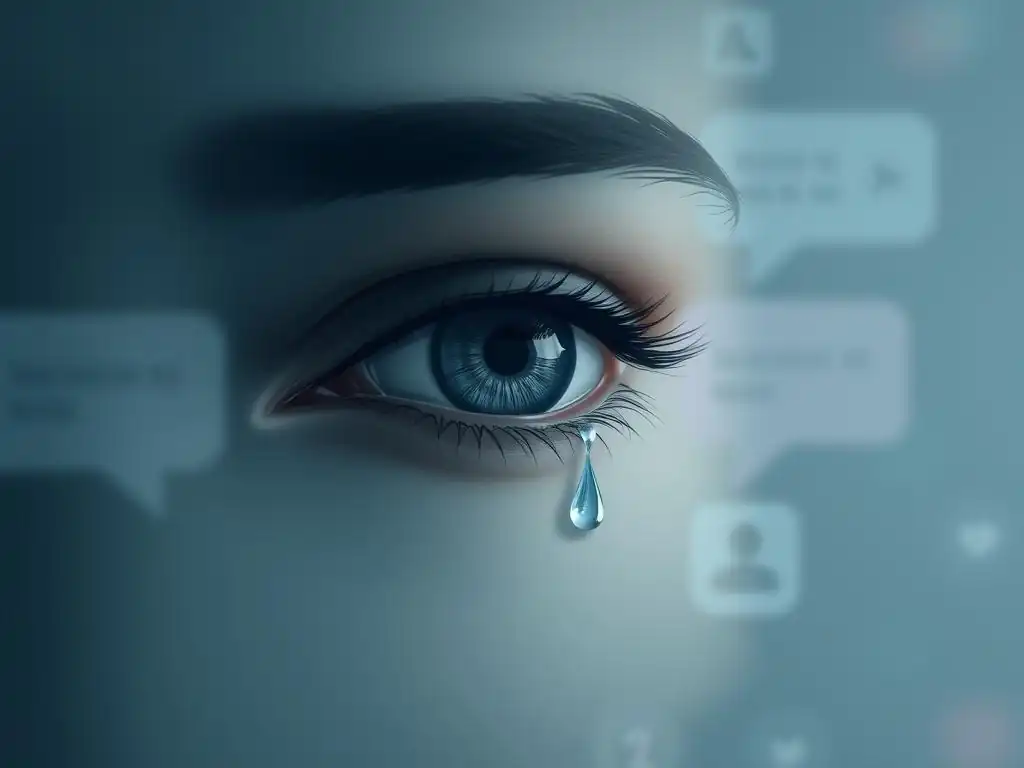
Navigating the world of online dating can be exhilarating, but it also carries the potential for disappointment and heartbreak. Rejection, ghosting, and the emotional investment in relationships that don't materialize can leave individuals feeling lost and vulnerable. This section explores avenues for support and healing after experiencing grief related to online dating. Understanding that seeking help is a sign of strength, not weakness, is crucial in navigating this challenging aspect of modern relationships. The availability of resources specifically addressing online dating grief is growing, offering hope and practical strategies for moving forward.
Online Communities and Support Groups for Dating Grief
Finding a supportive community can be incredibly valuable during times of emotional distress. The anonymity and accessibility of online spaces offer a unique opportunity to connect with others who understand the specific nuances of online dating heartbreak. Many online forums and support groups cater to individuals grappling with various relationship challenges, including those specifically related to online dating. These communities provide a safe space to share experiences, receive empathy, and learn coping mechanisms from others who have navigated similar situations. The shared experiences can be incredibly validating, helping individuals feel less alone in their grief.
Some groups focus on specific demographics, such as age or sexual orientation, offering a more tailored and relatable support system. Others focus on particular aspects of online dating grief, such as dealing with ghosting or managing the emotional fallout of a long-term online relationship ending. Remember to choose a group that feels like a good fit for your needs and comfort level.
Reading through group guidelines and observing discussions before actively participating can help you gauge the group's tone and whether it's a suitable environment for you. The key benefit here is the immediate availability of peer support and the opportunity for shared learning – a powerful tool in overcoming the unique challenges of online dating grief.
Seeking Professional Help: Therapists Specializing in Online Dating Relationships
While peer support offers valuable comfort and understanding, professional guidance can provide a deeper level of insight and personalized strategies for healing. Many therapists are now specializing in the unique challenges presented by online dating relationships. These professionals possess the expertise to help individuals process their emotions, identify unhealthy patterns, and develop healthier relationship habits for the future. They can provide tools and techniques for managing grief, building self-esteem, and cultivating emotional resilience.
Finding a therapist specializing in online dating relationships might require some research. Look for therapists with experience in relationship counseling, grief counseling, or those who specifically mention experience with clients navigating the complexities of online dating. During initial consultations, it’s important to openly discuss your experiences and expectations to ensure a good therapeutic fit.
A skilled therapist can help you process the trauma of rejection, understand the emotional impact of online dating experiences, and develop strategies for building healthier relationships in the future. Remember, seeking professional help is a sign of self-care and a proactive step towards healing and personal growth. The investment in your emotional well-being is invaluable.
While online communities and professional help offer structured support, the power of your existing social network shouldn't be underestimated. Talking to trusted friends and family members about your online dating experiences can be a crucial part of the healing process. Sharing your feelings with loved ones provides validation, empathy, and practical support. They can offer a different perspective, challenge negative self-talk, and provide encouragement during challenging times.
However, it's important to choose individuals who are supportive and understanding. Not everyone will grasp the nuances of online dating, and some might offer unsolicited advice that isn't helpful. Open communication is key. Clearly express your needs and boundaries, and only share information you feel comfortable disclosing.
The support of your existing network can significantly contribute to your overall well-being, providing a sense of belonging and reducing feelings of isolation. Remember that healing is a journey, not a destination, and having a strong support system can make a significant difference in your emotional recovery. Lean on those who care about you and allow them to offer their support.
Building Resilience After Loss: Tips for Moving Forward

Navigating the world of online dating can be emotionally taxing, and experiencing loss—whether it's the end of a promising connection or repeated disappointments—is a common occurrence. Building resilience is key to navigating these challenges and ultimately finding success. This section offers practical strategies to help you process grief and emerge stronger. Understanding that setbacks are a normal part of the online dating journey is the first step towards building resilience. The ability to bounce back from these experiences is crucial for maintaining a positive outlook and continuing the search for a meaningful relationship.
Reframing Negative Experiences: Learning from Online Dating Setbacks
Online dating setbacks, while painful, provide invaluable learning opportunities. Instead of viewing rejection or failed connections as personal failures, consider them as feedback. What aspects of your profile, communication style, or expectations could be adjusted? Analyzing these experiences objectively can lead to significant improvements in your approach.
For example, if you consistently receive few responses, consider refining your profile photos or adjusting the tone of your messaging. Perhaps your profile is too general, or your communication style comes across as overly aggressive or passive. Each experience offers a chance to refine your strategy and increase your chances of success. Remember, the goal is not to avoid rejection entirely, but to learn from it and grow.
Keep a journal to track your experiences, noting both positive and negative interactions, and analyze patterns over time. This self-reflection is crucial for personal growth and building resilience in the face of online dating's challenges. This process fosters self-awareness and helps you cultivate a more effective and fulfilling approach to online dating. This isn't about avoiding disappointment, but about managing it constructively.
Rediscovering Self-Worth: Building Confidence After Rejection
Rejection in online dating can significantly impact self-esteem. It's crucial to remember that rejection doesn't reflect your inherent worth. Many factors influence online dating success—sometimes it's simply a matter of timing, compatibility, or even the other person's personal circumstances. Focusing on self-care and nurturing positive self-talk is essential during these times.
Engage in activities that bring you joy and remind you of your strengths and accomplishments outside of the dating world. Spending time with loved ones, pursuing hobbies, or focusing on personal goals can help restore your sense of self-worth. Remember your value extends far beyond the realm of online dating. Consider creating an affirmation list highlighting your positive qualities and accomplishments.
Read this list daily to reinforce your self-worth and combat negative self-talk. Prioritize self-compassion; treat yourself with the same kindness and understanding you would offer a friend facing similar challenges. This proactive approach to self-care is vital for building emotional resilience and maintaining a positive outlook.
Setting Realistic Expectations: Healthy Approaches to Online Dating
Unrealistic expectations are a significant contributor to disappointment in online dating. It's vital to approach online dating with a balanced perspective. Understand that not every connection will lead to a long-term relationship. Many interactions will be brief, and that's perfectly okay. Focus on building genuine connections, rather than solely pursuing a romantic partner.
Enjoy the process of meeting new people and expanding your social circle. Remember that online dating is a numbers game; it requires patience and persistence. Don't get discouraged by early setbacks. Success often requires time and effort.
Setting realistic goals, such as engaging in meaningful conversations or going on a few dates per month, can help manage expectations and prevent feelings of frustration. Avoid comparing yourself to others or focusing solely on superficial aspects like physical appearance. Prioritize genuine connection and shared values, focusing on building a rapport and understanding. This more balanced approach will significantly improve your overall experience and increase your chances of finding a compatible partner.
Protecting Your Mental Health During Online Dating

Navigating the world of online dating can be emotionally taxing, even for the most resilient individuals. The constant swiping, messaging, and potential for rejection can take a toll on your mental well-being. Understanding how to protect yourself emotionally is crucial for a positive and sustainable online dating experience. This section focuses on practical strategies to safeguard your mental health while searching for connection in the digital realm.
Remember, prioritizing your mental health isn't selfish; it's essential for building healthy relationships, both online and offline. The goal is to approach online dating with intention and self-awareness, fostering a positive and fulfilling experience. This involves recognizing the signs of emotional distress and implementing proactive self-care strategies.
Recognizing Signs of Dating Burnout: Identifying and Addressing Exhaustion
Dating burnout is a very real phenomenon, often characterized by feelings of exhaustion, frustration, and disillusionment. It's easy to become overwhelmed by the sheer volume of profiles, messages, and potential dates, leading to a sense of depletion. Common signs include decreased motivation to engage with the process, feelings of cynicism toward potential partners, and even withdrawal from social interactions altogether. For example, imagine spending hours each week meticulously crafting messages, only to receive minimal responses or experience repeated rejection.
This consistent lack of positive reinforcement can significantly contribute to burnout. Addressing dating burnout requires a multi-pronged approach. Consider limiting your time spent on dating apps, focusing on quality interactions over quantity, and prioritizing activities that bring you joy and relaxation outside of the dating world.
Remember, taking breaks is not a sign of failure; it’s a sign of self-preservation. Regular self-reflection and honest assessment of your emotional state are key to recognizing and managing burnout effectively. Setting realistic expectations is also crucial; finding a compatible partner takes time and effort, and it's important to celebrate small victories along the way.
Maintaining Boundaries: Protecting Yourself from Emotional Manipulation
Online dating presents unique challenges when it comes to establishing and maintaining healthy boundaries. The anonymity afforded by the digital world can unfortunately embolden manipulative behavior. It's vital to be vigilant and protect yourself from individuals who might attempt to exploit your vulnerabilities. This includes setting clear limits on how much personal information you share early on, avoiding overly intense or demanding individuals, and recognizing red flags such as controlling behavior, excessive pressure to meet in person, or a pattern of gaslighting.
For instance, be wary of individuals who consistently try to isolate you from friends and family or pressure you into making decisions you’re uncomfortable with. Remember, a healthy relationship is built on mutual respect and understanding, not control or manipulation. Learning to confidently say "no" and prioritizing your own needs is crucial for maintaining healthy boundaries.
Trust your instincts; if something feels off, it probably is. Don't hesitate to disconnect from individuals who consistently violate your boundaries. Your emotional well-being is paramount.
Prioritizing Self-Care: Nurturing Your Well-being During the Dating Process
Self-care is not a luxury; it's a necessity, particularly when navigating the complexities of online dating. Engaging in activities that nourish your mind, body, and spirit is crucial for maintaining emotional resilience. This includes prioritizing sleep, maintaining a healthy diet, exercising regularly, and engaging in hobbies that bring you joy. Consider incorporating mindfulness practices like meditation or yoga to manage stress and improve emotional regulation.
Furthermore, nurturing your existing relationships with friends and family can provide invaluable support and perspective. Spending quality time with loved ones, engaging in shared activities, and simply connecting on a personal level can significantly buffer against the potential emotional challenges of online dating. Remember, online dating is just one aspect of your life. Prioritizing self-care ensures you approach the process from a place of strength and well-being, increasing your chances of finding a fulfilling and healthy connection.
Make time for yourself, and remember that self-care is not selfish; it’s a vital component of a well-balanced life and successful online dating journey. Prioritizing self-care is essential for building resilience and maintaining a positive outlook throughout the online dating process. 🥂
The Future of Online Dating Grief Support: Technological Advancements
The digital age has revolutionized how we connect, and consequently, how we experience heartbreak and loss within the context of online dating. The future of online dating grief support hinges on leveraging technology to provide more empathetic and effective aid to those navigating the emotional complexities of rejection, failed relationships, and even bereavement related to online connections. This evolution necessitates a careful consideration of both the potential benefits and inherent limitations of these technological advancements.
The increasing prevalence of online dating, coupled with its inherent vulnerability, creates a significant need for specialized grief support tailored to this unique context. Understanding the nuances of online dating grief is crucial for developing truly effective solutions. We are witnessing a shift towards more proactive and integrated approaches to mental health within the online dating sphere, paving the way for a more compassionate and supportive digital landscape.
AI-Powered Emotional Support Systems: Potential Benefits and Limitations
Artificial intelligence (AI) offers intriguing possibilities for providing on-demand emotional support. AI-powered chatbots and virtual assistants could offer immediate comfort, resources, and guidance to users experiencing grief related to online dating. These systems could be programmed to recognize emotional distress through natural language processing, offering personalized coping mechanisms, and connecting users with human support networks when necessary. The benefits are clear: 24/7 availability, anonymity, and potentially reduced stigma associated with seeking help.
However, significant limitations exist. AI systems, no matter how sophisticated, cannot replicate the empathy and nuanced understanding of a human therapist or counselor. The risk of misinterpreting emotional cues, offering inappropriate advice, or even exacerbating emotional distress is substantial. Furthermore, ethical considerations around data privacy and the potential for AI-driven manipulation are paramount.
Ensuring transparency, user control, and rigorous ethical guidelines are crucial for responsible development and implementation of AI-powered grief support within online dating platforms. A balanced approach, integrating AI as a supplementary tool alongside human intervention, is likely to be the most effective strategy. The potential for AI to improve access to resources and provide preliminary support is undeniable, but it should never replace human connection and professional therapeutic guidance.
The Role of Dating Apps in Grief Support: Integration of Mental Health Resources
Dating apps themselves have a crucial role to play in providing grief support. Integrating mental health resources directly into these platforms would offer a convenient and accessible pathway to help for users struggling with loss. This could involve:
- Direct links to mental health helplines and online therapy platforms: Providing easily accessible buttons or links to reputable services within the app's interface.
- In-app support groups or forums: Creating safe spaces for users to connect and share their experiences with others facing similar challenges.
- Educational resources and articles: Offering curated content on grief, coping mechanisms, and healthy relationship dynamics.
- Early detection and intervention tools: Utilizing AI to identify users exhibiting signs of emotional distress and proactively offering support.
The success of such integration hinges on user trust and a commitment to privacy and data security. Transparency regarding data usage and a clear understanding of the limits of in-app support are essential. Dating app developers must collaborate with mental health professionals to ensure that the resources offered are accurate, evidence-based, and culturally sensitive.
The integration of mental health resources into dating apps has the potential to significantly improve the overall well-being of users, transforming the online dating experience from one potentially fraught with emotional risk to one that offers greater support and resilience. This requires a paradigm shift in how dating app companies view their role, moving beyond profit maximization to embrace a more holistic approach to user well-being. This proactive approach to mental health is crucial to address the unique challenges of online dating grief support.
Frequently Asked Questions
How can online dating contribute to grief after a breakup?
Online dating, while offering new opportunities, can exacerbate grief after a breakup if approached prematurely. It's crucial to allow yourself time to heal before actively seeking new connections. Prioritize self-care and processing your emotions.
Many resources exist beyond OnlineDatingSuccess.org. Consider seeking support from therapists specializing in grief and loss, support groups (online or in-person), or confiding in trusted friends and family. Open communication is key.
Is it okay to use online dating while grieving?
There's no right or wrong answer; it depends entirely on the individual and their healing process. If you feel ready and it feels healthy, it could be a positive experience. However, prioritizing your emotional well-being should always come first.
How can I avoid triggering my grief while online dating?
Be mindful of your emotional readiness. Avoid profiles or conversations that evoke painful memories. Set healthy boundaries and don't hesitate to step away if something feels overwhelming. Self-awareness is crucial.
OnlineDatingSuccess.org provides practical advice and strategies to help you understand your emotions, set realistic expectations, and approach online dating with self-awareness and care. We focus on healthy relationship building and emotional well-being.
Final Reflection: Echoes of Loss, Whispers of Hope in the Digital Age
The pervasive nature of online connection, while offering unprecedented opportunities for connection, has also amplified the experience of grief in the digital era. The echoes of lost relationships resonate powerfully in the digital spaces where we once shared laughter and dreams, making the process of healing all the more complex. Navigating this new landscape requires a conscious effort to understand and adapt to the unique challenges it presents.
The impact of online dating on our understanding of love and loss is profound and ongoing. It has reshaped the very fabric of how we grieve, forcing us to confront loss not only in person but also within the digital realm where memories are perpetually accessible. Grief is not a disorder, it is a process.
This quote, often attributed to various sources, highlights the natural and necessary journey of healing, a journey that is now inextricably linked to our digital lives. We must learn to navigate this new terrain with compassion and understanding, both for ourselves and for others.
Consider the ways in which the digital world both complicates and facilitates grief. How can we harness the power of online communities to support each other through loss? How can we create healthier digital habits that promote healing rather than hindering it? You have the power to shape your own experience of grief in the digital age. Embrace the support available, seek out resources that resonate with you, and remember that healing is a journey, not a destination. Let's build a more compassionate and supportive online environment where grief is acknowledged, understood, and ultimately, overcome.
Rediscover Connection: Your Next Steps After Loss
Thank you for exploring the complexities of grief in our increasingly digital world. We hope this article offered valuable insights and comfort. Let's focus now on moving forward. Here's how you can begin healing and reconnecting:
- Prioritize self-care: This is fundamental to healing. Engage in activities you enjoy, whether it's a long walk, a creative project, or simply quiet reflection. Remember to be kind to yourself.
- Reach out to your support network: Connect with loved ones, share your feelings, and allow yourself to be vulnerable. A simple, heartfelt message to a friend can be surprisingly beneficial for both of you.
- Explore new connections: When you feel ready, gently re-engage with the world. This could involve joining a new group, pursuing a hobby, or exploring new social opportunities. Healing takes time; every step forward, no matter how small, is a significant achievement.
What small step will you take today to nurture your well-being and embrace new connections?