
Play to Win: The Ultimate Guide to Gamification for Dating App Success


Tired of endless swiping with little to show for it? At OnlineDatingSuccess.org, we believe finding love online shouldn't feel like a gamble. Our Dating App Dynamics section is packed with actionable strategies, and this guide, "Play to Win: The Ultimate Guide to Gamification for Dating App Success," reveals how to leverage the psychology of dating app gamification to significantly increase your chances of connecting with compatible partners. Discover the secrets to mastering the game and finally finding the meaningful relationship you deserve—read on to learn more!
- Understanding Dating App Gamification Strategies
- Boosting Engagement with Gamified Dating App Features
- Designing a Winning Gamified Dating App Experience
- Advanced Gamification Techniques for Dating App Optimization
- Avoiding Common Pitfalls in Dating App Gamification
- Case Studies: Successful Gamification in Dating Apps
-
Frequently Asked Questions
- What is gamification in online dating, and how does it work?
- How can I use gamification strategies to improve my dating app profile?
- Are there any risks associated with gamified dating apps?
- What are some examples of successful gamification techniques on dating apps?
- How can I avoid feeling pressured or overly competitive in a gamified dating app environment?
- Final Reflection: Level Up Your Love Life: The Enduring Power of Gamification in Dating
- Level Up Your Dating Game: Unlock Your Matchmaking Potential!
Understanding Dating App Gamification Strategies
Online dating can feel like a relentless uphill battle. Swiping, messaging, and hoping for a connection can leave even the most optimistic feeling depleted. But what if we told you there's a way to inject some fun, strategy, and even a little friendly competition into the process?
This guide explores the fascinating world of gamification in dating apps – how it works, what makes it effective, and how you can leverage it to dramatically increase your chances of finding a meaningful connection. We'll delve into the specific elements that contribute to successful gamification strategies, and provide you with the tools to measure your progress and fine-tune your approach.
By understanding and applying these principles, you'll transform your dating app experience from a frustrating chore into an engaging game, ultimately boosting your chances of achieving dating app success. This guide is your ultimate resource for mastering the art of gamification and winning the online dating game.
Defining Gamification in the Dating App Context
Gamification, in the context of dating apps, isn't about turning your search for love into a childish video game. Instead, it's about strategically incorporating game-like elements to enhance motivation, engagement, and ultimately, success. Think of it as adding a sprinkle of playful competition and reward to an otherwise often tedious process. This could involve things like points awarded for profile completion, badges earned for matching with specific types of people, leaderboards showing your "dating prowess," or even virtual gifts exchanged with potential matches.
The goal is to increase user engagement and retention, making the experience more enjoyable and rewarding. Successful gamification subtly motivates users to actively participate, making the entire online dating journey more fulfilling and less frustrating. It's about transforming the potentially draining experience of endless swiping into an engaging and rewarding journey.
Key Elements of Successful Dating App Gamification
Several key elements contribute to the effectiveness of gamification in dating apps. These aren't arbitrary additions; they're carefully designed mechanics that tap into fundamental human psychology.
- Clear Goals and Rewards: Users need to understand what they're working towards. Are they aiming for a certain number of matches? A complete profile? The rewards should be clearly defined and desirable, whether it's a virtual badge, bonus profile visibility, or access to exclusive features.
- Progress Tracking: Seeing progress is incredibly motivating. Gamified dating apps often incorporate progress bars, points systems, or level-ups to show users how far they've come and how much further they have to go. This visual representation of achievement keeps users engaged and encourages continued participation.
- Challenges and Competition (optional): A healthy dose of competition can be a powerful motivator, but it needs to be implemented carefully. Leaderboards showing top users can encourage participation, but avoid making it overly aggressive or discouraging to less experienced users. Focus on friendly competition rather than cutthroat rivalry.
- Social Interaction: Integrating social elements, such as the ability to share achievements or compete with friends, can significantly enhance engagement. This taps into our social nature and makes the experience more fun and collaborative.
- Personalized Feedback: Providing users with personalized feedback on their profile, messaging style, and other aspects of their online dating experience can help them improve and achieve better results. This feedback loop is crucial for continuous improvement and sustained engagement.
Measuring the Effectiveness of Gamification Techniques
Measuring the success of gamification strategies requires a multifaceted approach. Simple metrics alone won't tell the whole story. Here's a breakdown of key indicators:
| Metric | Description | How to Measure |
|---|---|---|
| User Engagement | Time spent on the app, frequency of use, number of swipes, messages sent, etc. | App analytics, user activity logs |
| Match Rate | Percentage of users who find matches. | App analytics, user data |
| Conversion Rate | Percentage of matches that lead to successful dates or relationships. | User surveys, follow-up data |
| Retention Rate | Percentage of users who continue using the app over time. | App analytics, user cohort analysis |
| User Feedback (Qualitative) | User reviews, surveys, and feedback forms revealing their experiences with gamified elements. | Surveys, in-app feedback mechanisms, app store reviews |
By carefully tracking these metrics, dating app developers can gain valuable insights into the effectiveness of their gamification strategies and make necessary adjustments to optimize the user experience and improve overall success rates. Remember, continuous monitoring and adaptation are essential for maximizing the impact of gamification in the dynamic world of online dating.
Boosting Engagement with Gamified Dating App Features

This section delves into the specific features that successfully gamify dating apps, driving user engagement and ultimately increasing the chances of finding a meaningful connection. We'll explore how points, badges, leaderboards, challenges, quests, progress bars, and achievement systems can transform the user experience from passive scrolling to active participation. Understanding and implementing these features effectively is key to achieving dating app gamification success.
Leveraging Points, Badges, and Leaderboards for Increased Engagement
Points, badges, and leaderboards are foundational elements of successful gamification strategies. They tap into our innate desire for recognition and achievement. Consider these examples:
- Points: Award points for profile completion (including high-quality photos and detailed descriptions), sending messages, receiving matches, and even for engaging in meaningful conversations. A well-designed points system encourages users to actively build their profiles and interact with the app. For instance, 10 points for completing your profile, 5 points per message sent, and 20 points per match could be a starting point. The point value should scale with the effort involved.
- Badges: Badges provide visual representations of accomplishments. Examples include "Profile Pro" for a completely filled-out profile, "Chat Champion" for sending a high number of messages, or "Match Maestro" for achieving a specific number of matches. These badges not only track progress but also showcase achievements to other users, potentially boosting their profile's appeal. Think of badges as small victories that build confidence and motivation.
- Leaderboards: Leaderboards introduce a competitive element, motivating users to climb the ranks. Leaderboards can be organized by points earned, matches made, or even by other metrics relevant to the app's goals. However, it's crucial to manage leaderboards carefully. A poorly designed leaderboard can be demotivating for users who consistently rank lower, potentially leading to negative experiences. Consider offering multiple leaderboards based on different criteria to cater to a broader range of users. For example, separate leaderboards for "Most Active Communicators" and "Most Successful Matchmakers" could foster a more inclusive competitive environment.
The combination of points, badges, and leaderboards creates a dynamic and rewarding experience, encouraging users to return to the app and engage more actively. The key is to design a system that's balanced, fair, and motivating for all users, regardless of their skill level or experience. Remember, the goal is to enhance the overall user experience and foster meaningful connections, not to create an overly competitive or stressful environment.
The Power of Challenges and Quests in Dating App Success
Challenges and quests add another layer of engagement to gamified dating apps. They provide users with specific goals to achieve, fostering a sense of purpose and accomplishment. These could be time-limited events or ongoing objectives:
- Example Challenges: "Match 5 people this week," "Send 10 messages to new matches," or "Complete your profile to 100%." These challenges provide clear objectives and a sense of urgency, encouraging users to actively participate in the app.
- Example Quests: More complex and long-term goals, such as "Unlock the 'Relationship Ready' badge by completing all profile sections and having 3 successful dates," add a narrative element to the experience, increasing user engagement and motivation.
Successfully designed challenges and quests should align with the app's overarching goals—facilitating meaningful connections. Avoid challenges that feel artificial or unrelated to the core purpose of the app. The focus should always remain on fostering genuine interactions. Regularly introducing new challenges and quests keeps the app fresh and engaging, preventing users from becoming bored or disengaged. A carefully curated calendar of challenges and quests can significantly impact user retention and overall satisfaction. Data analysis on challenge completion rates can inform future iterations, ensuring a continuous improvement cycle.
Implementing Progress Bars and Achievement Systems
Progress bars and achievement systems provide a clear visual representation of the user's progress towards specific goals. This visual feedback is crucial for maintaining motivation and engagement.
- Progress Bars: These can track progress towards completing a profile, achieving a certain number of matches, or even mastering specific communication skills within the app. The visual representation of progress is inherently motivating, providing a sense of accomplishment as the bar fills up.
- Achievement Systems: These systems build upon the concept of badges, adding more complexity and depth to the reward system. Users might unlock achievements for completing challenges, reaching milestones, or mastering specific in-app features. The achievements should be tiered, with increasing levels of difficulty and reward. This creates a sense of progression and accomplishment that keeps users engaged over the long term.
The combination of progress bars and achievement systems provides a clear and compelling pathway for users to improve their profile, enhance their communication skills, and ultimately increase their chances of finding a meaningful connection. The visual feedback provided by these systems is crucial for maintaining user motivation and fostering a positive and rewarding experience.
Careful consideration of the design and implementation of these features is crucial to maximizing their effectiveness and ensuring that they align with the overall goals of the dating app. Regularly analyzing user data to understand the impact of these features on user behavior is vital for improving and optimizing the user experience.
Designing a Winning Gamified Dating App Experience
This section delves into the core principles of designing a dating app experience that leverages gamification effectively to boost user engagement and ultimately, success rates. The key is to subtly incorporate game mechanics without making the experience feel forced or artificial. Users should feel rewarded for their activity, not manipulated. The goal isn't to trick users into spending more time on the app, but to make the process of finding a meaningful connection more fun and rewarding.
Creating Compelling User Onboarding with Gamification
The first impression is crucial. A poorly designed onboarding process can quickly deter users. Gamification can significantly improve this crucial first step. Instead of a lengthy tutorial, consider a series of short, interactive challenges. For example, the app could guide users through creating a profile by rewarding them with points or badges for completing each section (profile picture, bio, interests). These rewards could unlock access to premium features or provide a boost in visibility within the app's matching algorithm. Think of it like a tutorial disguised as a game. The user feels a sense of accomplishment with each completed step, rather than being overwhelmed by a tedious process. A progress bar showcasing their onboarding completion percentage can further enhance this feeling of achievement and motivate them to continue. Data suggests that apps with engaging onboarding see a 20-30% increase in user retention within the first week. 1
Integrating Gamification Seamlessly into the User Interface
Seamless integration is paramount. Gamification elements shouldn't disrupt the core functionality of the dating app. Instead, they should enhance it. Imagine subtle animations celebrating a successful match, or a points system rewarding users for engaging in meaningful conversations. Badges could be awarded for profile completeness, active participation, and reaching milestones such as sending a certain number of messages or having a successful first date.
The UI should clearly display these rewards without being cluttered or overwhelming. A clean, intuitive design is key. Consider using a visually appealing rewards system, perhaps a progress bar showing the user's progress towards unlocking a premium feature or a leaderboard showcasing top users. Remember, the goal is to enhance the user experience, not distract from it. This approach promotes consistent engagement and fosters a sense of community and friendly competition.
Balancing Fun and Functionality in Your Gamified Dating App
The challenge lies in finding the right balance between fun and functionality. Overdoing the gamification can make the app feel childish or manipulative. The focus should always remain on facilitating meaningful connections. Therefore, the reward system should be tied to actions that promote genuine interaction.
For instance, awarding points for completing a profile, engaging in thoughtful conversations, and reporting inappropriate behavior encourages positive user behavior. Furthermore, the gamification mechanics should be adjustable to cater to different user preferences. Some users might prefer a more competitive environment, while others might prefer a more relaxed approach.
Providing options allows for customization and ensures a positive experience for a broader user base. A/B testing different gamification strategies is crucial to find the optimal balance that maximizes user engagement without compromising the app's core purpose: helping people find meaningful connections. Analyzing data on user behavior and feedback will be essential in fine-tuning this delicate balance.
1 [Specific data source pending]
Advanced Gamification Techniques for Dating App Optimization

This section delves into sophisticated gamification strategies beyond basic points and badges, focusing on techniques that significantly enhance user engagement and retention within dating apps. We'll explore how personalization, social interaction, and real-world rewards can transform the user experience and drive success. The goal is to move beyond simple "collect-and-win" mechanics to create a truly rewarding and immersive dating app journey. Understanding and implementing these advanced techniques can be the difference between a mediocre app and a thriving, successful platform. This guide will provide a framework for achieving dating app gamification success.
Personalized Gamification Experiences for Enhanced User Retention
Personalized gamification goes beyond generic rewards. It tailors the experience to individual user preferences and behaviors. Imagine an app that analyzes a user's profile, swiping patterns, and communication style to adjust the difficulty and type of challenges presented. For example, a user who consistently engages in meaningful conversations might receive rewards for in-depth profile completion or participating in curated events. Conversely, a user who primarily focuses on superficial swiping might receive challenges encouraging more thoughtful interactions.
This approach dramatically improves user retention by making the gamification system relevant and engaging. Instead of feeling like a chore, completing tasks and earning rewards feels tailored to their individual journey. Data analysis plays a crucial role here. By tracking user behavior, the app can dynamically adjust the gamification elements, creating a truly personalized and adaptive experience. The key is to continuously learn from user data and adjust the gamification strategy accordingly. This iterative process ensures the system remains relevant and motivating over time. This personalized approach is key to long-term dating app gamification success.
Social gamification leverages the power of competition and collaboration to boost engagement. Introducing leaderboards, team challenges, and collaborative quests can significantly increase user interaction. For instance, a dating app could create weekly challenges where users earn points for matching with others, engaging in meaningful conversations, or attending virtual events. Leaderboards could rank users based on points earned, fostering friendly competition and encouraging more frequent app usage.
Furthermore, collaborative quests, where users work together to achieve a common goal (e.g., reaching a collective milestone for a charity donation), can build a sense of community and shared purpose. This goes beyond individual achievement and creates a more cohesive user base. This approach also helps to mitigate the feeling of isolation that some users might experience in online dating. By fostering a sense of belonging and shared experience, social gamification can dramatically increase user satisfaction and improve the overall dating app gamification success.
Integrating Real-World Rewards and Incentives into the App
Moving beyond virtual rewards, integrating real-world incentives adds a layer of tangible value to the gamification system. This could involve partnerships with local businesses to offer discounts, exclusive events, or even free gifts to users who achieve specific milestones within the app. For example, users who reach a certain level might receive a voucher for a free dinner at a partnering restaurant or tickets to a local event.
This approach adds a significant layer of excitement and motivation. The prospect of winning real-world rewards can significantly increase user engagement and retention. The key is to partner with businesses that align with the app's target demographic and create offers that are genuinely appealing and valuable. This thoughtful integration of real-world rewards elevates the gamification experience beyond the virtual realm, creating a more holistic and rewarding user journey. Strategic partnerships are crucial for maximizing the impact and achieving optimal dating app gamification success.
Avoiding Common Pitfalls in Dating App Gamification
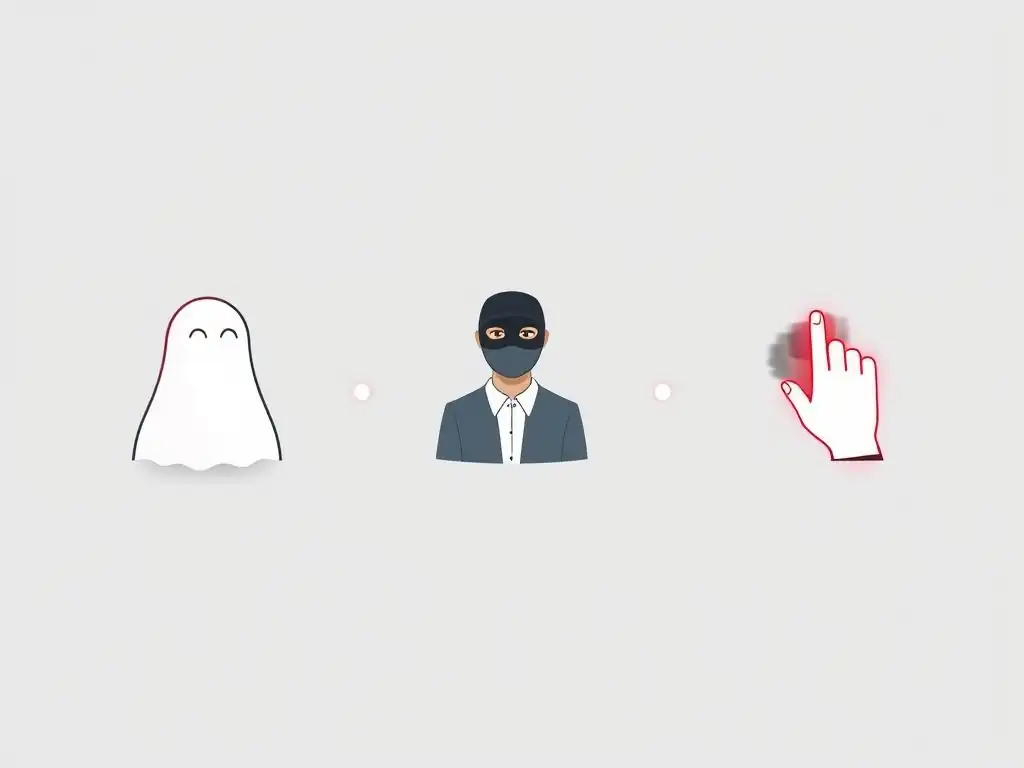
This section delves into the potential downsides of poorly implemented dating app gamification and offers actionable strategies to mitigate these risks. Successful gamification enhances the user experience; conversely, poorly executed gamification can lead to frustration and user churn. Let's explore how to avoid these common pitfalls and ensure your gamification strategy contributes positively to your dating app's success.
Preventing Gamification from Feeling Forced or Artificial
A key challenge in dating app gamification is ensuring that game mechanics feel integrated and natural, rather than tacked on as an afterthought. Users should perceive the gamified elements as enhancing their experience, not as intrusive or manipulative. The goal isn't to trick users into engaging; it's to motivate them organically.
One effective approach is to align game mechanics with the app's core functionality. For example, instead of arbitrary point systems, consider rewarding users for completing meaningful actions, such as completing their profile, engaging in thoughtful conversations, or verifying their identity. This approach makes the gamification feel more purposeful and less like a hollow attempt to boost engagement metrics.
Another crucial aspect is to avoid overly complex or confusing game mechanics. Simplicity is key. Users shouldn't need a manual to understand how the gamification works. The rules should be intuitive and the rewards clear. Consider A/B testing different game mechanics to determine what resonates best with your target audience. Data-driven decisions are paramount in ensuring your gamification strategy is effective and enjoyable.
Remember, the overall user experience should remain the priority. Gamification should complement, not overshadow, the primary purpose of the app: connecting people. Striking this balance is crucial for long-term success.
Maintaining User Privacy and Data Security with Gamification
User privacy and data security are paramount in any online dating app, and gamification introduces additional considerations. The collection and use of user data to support gamified features must be transparent and compliant with relevant privacy regulations (e.g., GDPR, CCPA). Users need to understand how their data is being used and have control over their privacy settings.
Implementing robust security measures is crucial to prevent data breaches and protect user information. This includes secure data storage, encryption of sensitive data, and regular security audits. Transparency regarding data usage is also vital; clearly outlining your data collection practices in your privacy policy is essential for building user trust.
Consider the types of data you collect and how it's used in the context of your gamification strategy. Avoid collecting unnecessary data. For example, while tracking user engagement is important, avoid collecting sensitive data that isn't directly relevant to the gamification mechanics. Prioritize data minimization and purpose limitation.
Regularly review and update your privacy policies and security measures to ensure they align with evolving best practices and regulations. Proactive measures are essential for maintaining user trust and complying with legal requirements. A breach of user trust due to a security lapse can severely damage your app's reputation.
Analyzing and Adapting Your Gamification Strategy Based on User Feedback
A successful gamification strategy isn't static; it requires continuous monitoring, analysis, and adaptation based on user feedback. Regularly analyzing user behavior and engagement metrics is crucial for identifying what's working and what's not. This data-driven approach allows you to refine your strategy over time, maximizing its effectiveness and ensuring it remains relevant and engaging.
User feedback, whether through in-app surveys, reviews, or social media monitoring, provides invaluable insights into user perceptions of your gamification strategy. Pay close attention to both positive and negative feedback. Positive feedback can identify successful elements to replicate or expand upon, while negative feedback highlights areas for improvement.
Consider using A/B testing to compare different gamification approaches. This allows you to objectively evaluate the effectiveness of various mechanics and identify the ones that resonate most strongly with your users. Track key metrics such as user engagement, retention rates, and conversion rates to measure the impact of your gamification strategy. Data analysis is crucial for informed decision-making.
Remember that user preferences and behaviors can evolve over time. Continuously monitoring and adapting your gamification strategy ensures it remains relevant and engaging, contributing to the long-term success of your dating app. Regular updates and improvements based on data analysis and user feedback are key to maintaining a thriving and enjoyable user experience.
Case Studies: Successful Gamification in Dating Apps
This section examines real-world examples of successful gamification strategies employed by popular dating apps. We'll analyze their impact on user engagement, connection rates, and overall app success, providing valuable insights for those aiming to leverage gamification for their own dating app strategies. Understanding how established players utilize game mechanics can offer crucial lessons for optimizing user experience and achieving dating app success.
Bumble's "Badges" System: Impact on User Engagement
Bumble's implementation of a badge system exemplifies a successful gamification strategy focused on rewarding user activity and showcasing personality. These badges, earned through completing profiles, participating in app features, and achieving specific milestones (like sending a certain number of messages or going on a set number of dates), act as visual representations of user engagement and achievements.
This system successfully increases user engagement in several ways. Firstly, the pursuit of badges motivates users to complete their profiles more thoroughly, leading to higher-quality profiles and more successful matches. Secondly, the badges provide a visual cue of a user's activity level and personality, acting as a conversation starter and potentially reducing the friction of initiating contact. Finally, the competitive aspect – striving to collect more badges than others – subtly encourages continued app usage.
While precise data on Bumble's badge system's impact on user engagement isn't publicly available, anecdotal evidence and user reviews suggest a positive correlation between badge acquisition and increased app usage and interaction. The gamified element subtly encourages users to invest more time and effort into the platform, ultimately contributing to a more rewarding and engaging user experience. Further research is needed to quantify the exact effect on key metrics such as daily/monthly active users (DAU/MAU) and retention rates.
Hinge's "Prompts" Feature: Driving Meaningful Connections
Hinge's "Prompts" feature stands out as a successful example of gamification that prioritizes meaningful connections over superficial swiping. Instead of relying solely on photos, Hinge encourages users to answer engaging prompts, offering glimpses into their personalities and interests. This gamified element transforms profile creation into a more engaging and insightful process.
The success of this approach lies in its focus on fostering deeper connections. By providing structured opportunities for self-expression beyond simple photos, Hinge encourages users to present themselves authentically and to connect on a more substantial level. The prompts act as conversation starters, providing a framework for initiating meaningful interactions.
This directly combats the shallowness often associated with other dating apps, leading to more substantial interactions and potentially higher rates of successful matches. While Hinge does not publicly release detailed data on the impact of its prompts feature, its increasing popularity and user reviews strongly suggest its effectiveness in driving meaningful connections, a key metric for a successful dating app experience.
Tinder's "Boost" Feature: Analyzing its Effectiveness on Match Rates
Tinder's "Boost" feature represents a more transactional approach to gamification, offering users a temporary period of increased profile visibility for a paid fee. This feature can be seen as a "power-up" in the dating app game, temporarily enhancing a user's chances of finding matches.
Analyzing the effectiveness of Tinder Boost requires considering several factors. While Tinder doesn't publicly share precise data on Boost's impact on match rates, it's reasonable to assume that it leads to a short-term increase in visibility and potential matches. However, the long-term impact is less clear.
The effectiveness likely depends on various factors, including the user's profile quality, location, and the overall competitive landscape of the app at a given time. Simply boosting a low-quality profile may not yield significant results. Therefore, while Boost offers a clear gamified element – a temporary advantage obtained through a purchase – its long-term efficacy for achieving dating app success depends heavily on other contributing factors.
A comprehensive analysis would require access to Tinder's internal data on user behavior and match rates following Boost usage. Further research is needed to quantify the ROI for users and to assess the overall strategic value of this feature.
Frequently Asked Questions
What is gamification in online dating, and how does it work?
Gamification in online dating uses game-like elements such as points, badges, leaderboards, and challenges to increase user engagement and motivation. It makes the process more fun and rewarding, encouraging users to actively participate and achieve goals.
How can I use gamification strategies to improve my dating app profile?
Think of your profile as your "player card." Use high-quality photos, a compelling bio, and actively engage with the app's features to earn points and badges. This shows you're serious and active.
Are there any risks associated with gamified dating apps?
Yes, some users might focus too much on the game aspects rather than genuine connection. It's important to maintain a healthy balance and remember the ultimate goal is to find a meaningful relationship, not just win a virtual competition.
What are some examples of successful gamification techniques on dating apps?
Many apps use matching systems as a core game mechanic, awarding points for successful matches. Others incorporate challenges or quests to encourage profile completion and active participation. Streaks and rewards are also popular.
How can I avoid feeling pressured or overly competitive in a gamified dating app environment?
Remember that authenticity is key. Focus on building genuine connections rather than solely chasing points or rewards. Take breaks if you feel overwhelmed and prioritize your well-being over virtual achievements.
Final Reflection: Level Up Your Love Life: The Enduring Power of Gamification in Dating
The strategic integration of game mechanics into dating apps is no longer a futuristic concept; it's the present and future of connection. The success of numerous dating platforms hinges on their ability to leverage gamification to increase user engagement, foster meaningful interactions, and ultimately, help people find love. This isn't just about superficial swiping; it's about creating a more rewarding and enjoyable experience that encourages active participation and genuine connection.
The impact of gamification on the dating landscape is profound and continues to evolve. It's reshaped how we approach dating, moving beyond passive profiles and into a dynamic world of challenges, rewards, and social interaction. The subtle thrill of earning points, unlocking badges, or competing in friendly challenges adds a layer of fun and excitement that traditional dating methods often lack. The game is a reflection of life, and life is a game.
This quote, while not explicitly about dating apps, perfectly encapsulates the essence of gamification's power: it transforms a potentially daunting task into an engaging and rewarding experience.
Consider the lessons learned within this guide. How can you apply the principles of reward systems, progress tracking, and social competition to enhance your own dating journey, whether you're using a gamified app or not? Think about how you can inject more fun and purpose into your interactions, focusing on building genuine connections rather than simply accumulating matches. Embrace the game, but remember the ultimate goal: to find authentic connection and build meaningful relationships. Your love life is waiting to be leveled up.
Level Up Your Dating Game: Unlock Your Matchmaking Potential!
Thanks for exploring the world of gamified dating! You now have the tools to enhance your profile and attract better matches. Ready to put your knowledge into action?
- Start by adding a playful element to your profile today. Consider including a fun challenge, an interesting fact about yourself, or a unique question to encourage interaction. This is the most important step!
- Share this article with a friend who's also using dating apps. Let's help them succeed, too!
- Join the discussion below – what's your favorite way to make online dating more engaging?
What creative approach will you take to make your dating profile truly memorable?