
Swipe with Intention: Using Psychology to Find Meaningful Connections


Ready to transform your online dating experience? At OnlineDatingSuccess.org, we believe finding meaningful connections shouldn't feel like a gamble. This website is dedicated to helping you navigate the world of online dating with confidence and intention. Discover how understanding online dating psychology tips can dramatically improve your results, from crafting irresistible profiles to fostering genuine connections. Dive in and unlock the secrets to swipe with intention, not just swipe right.
- Understanding Online Dating Psychology: The Science of Swiping
- Optimizing Your Profile for Psychological Impact: Online Dating Psychology Tips
- Mastering the Art of Online Communication: Psychology-Based Strategies
- Maintaining Healthy Boundaries and Expectations in Online Dating
- From Swipe to Connection: Building Meaningful Relationships Online
-
Frequently Asked Questions
- How can I use psychology to improve my online dating profile?
- What psychological tricks can I use to increase my match rate?
- How can I use psychology to improve my online dating communication?
- What are some psychological strategies to manage rejection in online dating?
- How can I use psychology to identify potentially problematic matches?
- Final Reflection: Reclaiming Connection in the Digital Age
- Unlock Deeper Connections: Take the Next Step
Understanding Online Dating Psychology: The Science of Swiping
Online dating has revolutionized how we meet potential partners, transforming the dating landscape from chance encounters to meticulously curated profiles. But navigating this digital world requires more than just a pretty picture; understanding the underlying psychology is crucial for success. This article delves into the science behind online dating, providing practical, psychology-based tips to help you swipe with intention and build meaningful connections.
We'll explore the psychology of attraction, the impact of first impressions, and how to decipher subtle visual cues to increase your chances of finding a compatible match. Ultimately, this guide empowers you to leverage the power of psychology to create a successful online dating experience, moving beyond superficial swiping to genuine connection. Let's explore how understanding online dating psychology can transform your dating app journey and increase your chances of finding lasting love.
The Psychology of Attraction in Online Dating Profiles
Attraction isn't just about physical appearance; it's a complex interplay of factors influenced by both conscious and unconscious processes. Online dating profiles offer a unique challenge: conveying your personality and appeal within a limited space. To maximize your attractiveness, consider these key psychological principles:
- Authenticity: People are drawn to genuineness. Avoid overly filtered photos or fabricated descriptions. Present yourself authentically, highlighting your unique qualities and interests. A genuine profile resonates more deeply than a carefully constructed façade.
- Positive Framing: The language you use significantly impacts how others perceive you. Instead of focusing on negatives ("I'm not looking for drama"), emphasize your positive qualities and aspirations ("I value honesty and meaningful connections"). This positive framing creates a more attractive and approachable profile.
- Show, Don't Tell: Instead of simply listing your hobbies, use descriptive language to paint a picture of your life. For example, instead of "I like hiking," try "I find peace and adventure exploring mountain trails, often capturing breathtaking sunsets with my camera." This evocative language creates a more engaging and memorable profile.
- Matching Signals: Subconsciously, we are attracted to people who share similar values and interests. Highlighting these shared elements in your profile can subtly increase your appeal to compatible individuals. This could be as simple as mentioning a shared love for a particular type of music or a common interest in sustainable living.
First Impressions and the Power of Visual Cues in Online Dating
First impressions are powerful, and in the fast-paced world of online dating, they are often formed within seconds. Your profile picture is the first thing potential matches see, making it your most crucial visual cue.
- The Power of a Smile: A genuine smile is universally appealing. It conveys warmth, approachability, and confidence. Choose a profile picture that showcases a natural, welcoming smile.
- High-Quality Photos: Blurry or poorly lit photos create a negative impression. Invest in professional-quality photographs that showcase you in a positive light. Consider various settings and outfits to provide a comprehensive view of your personality.
- Body Language: Even in a still image, body language speaks volumes. A relaxed posture, open stance, and direct eye contact convey confidence and approachability. Avoid photos where you appear closed off or unapproachable.
- Background Matters: Your background in photos tells a story about your lifestyle and interests. Choose photos with appealing backgrounds that reflect your personality and values. Avoid cluttered or distracting backgrounds.
Decoding Body Language in Dating App Photos: Online Dating Psychology Tips
Even seemingly insignificant details in your photos can significantly impact how others perceive you. Subtle cues in your body language can unconsciously influence attraction and create a first impression. Let's examine how to leverage these cues effectively:
- Posture: A confident posture, with shoulders back and head held high, communicates self-assurance. Avoid slouching or hunched postures, which can project insecurity.
- Eye Contact: Direct eye contact in photos creates a sense of connection and engagement. It shows that you're confident and approachable.
- Facial Expressions: Genuine expressions of happiness, interest, or even playful mischief are far more attractive than forced or unnatural smiles.
- Contextual Clues: The environment and activities depicted in your photos reveal aspects of your personality and lifestyle. Choose photos that showcase your hobbies and interests authentically.
Understanding the psychology behind online dating profiles and visual cues allows you to create a compelling and authentic representation of yourself, significantly increasing your chances of forming meaningful connections. Remember, authenticity and positive framing are key to attracting compatible matches. By leveraging these psychological principles, you can transform your online dating experience from frustrating swiping to intentional connection.
The Role of Self-Esteem in Online Dating Success
Self-esteem plays a crucial, often underestimated, role in online dating success. Individuals with healthy self-esteem tend to present themselves more authentically and confidently online. This translates to more engaging profiles, more positive interactions, and ultimately, a higher likelihood of forming meaningful connections. They are less likely to settle for less than they deserve, and more likely to navigate rejection with resilience. Think of it this way: a strong sense of self-worth acts as a filter, attracting compatible partners who appreciate your genuine qualities and eliminating those who might not.
Conversely, low self-esteem can significantly hinder online dating experiences. Individuals struggling with self-doubt may create profiles that are overly self-deprecating or overly boastful – both of which can be off-putting to potential matches. They might also be more susceptible to negative self-talk after receiving a rejection, leading to discouragement and a reluctance to continue engaging. This can create a vicious cycle, hindering their ability to connect with others and potentially reinforcing negative feelings about themselves.
For example, someone with high self-esteem might write a dating profile that highlights their passions and interests without excessive self-criticism or the need for constant validation. They might confidently initiate conversations and gracefully handle rejection, viewing it as a natural part of the process. On the other hand, someone with low self-esteem might create a profile that is overly apologetic or focuses excessively on their perceived flaws. They may hesitate to reach out to potential matches, and a single rejection might lead them to question their worthiness of love and connection.
Improving self-esteem is a journey, not a destination. It requires self-compassion, positive self-talk, and a focus on personal growth. Practicing self-care, setting realistic expectations, and celebrating small victories can significantly boost self-esteem, ultimately improving your online dating experience and increasing your chances of finding a meaningful connection. Remember, online dating is a platform for connection, not validation. Focusing on building your self-worth will make the entire process significantly more rewarding, regardless of the immediate outcomes. The confidence you project will be attractive in itself, and will allow you to build genuine connections based on mutual respect and appreciation.
Optimizing Your Profile for Psychological Impact: Online Dating Psychology Tips
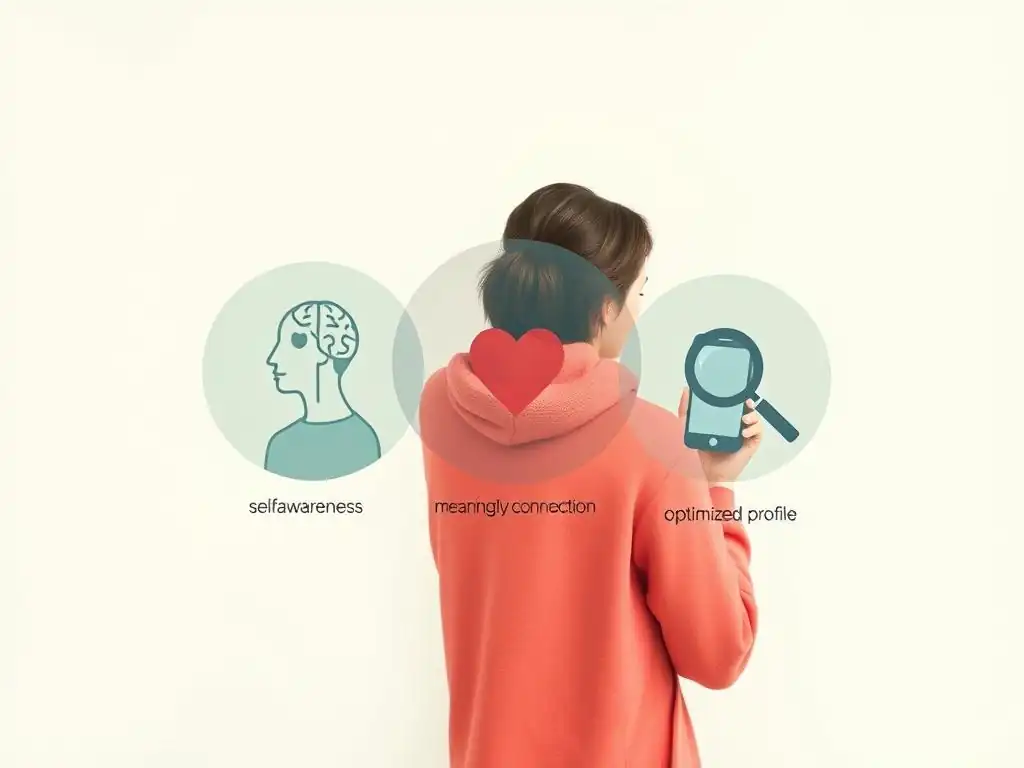
This section delves into the psychological principles behind crafting a successful online dating profile, offering actionable online dating psychology tips to maximize your chances of connecting with compatible partners. Remember, your profile is your first impression – make it count! We'll explore how strategic choices in your bio and photos can significantly influence how others perceive you.
Crafting a Compelling Bio: Words That Attract
Your bio is more than just a list of facts; it's a window into your personality and values. Think of it as a carefully crafted narrative that subtly showcases your best qualities. Avoid clichés and generic statements. Instead, focus on creating a sense of intrigue and authenticity. Use vivid language that paints a picture of your life and interests.
For example, instead of writing "I like to travel," try something like, "My last backpacking trip through Southeast Asia completely changed my perspective on life – the vibrant cultures and stunning landscapes left me breathless. I'm always looking for new adventures!" This approach evokes emotion and invites connection. It's a story, not just a statement.
Here’s a table summarizing the key elements of a compelling bio:
| Element | Description | Example |
|---|---|---|
| Authenticity | Be genuine; let your unique personality shine through. | "I'm a bit quirky, I love bad puns, and I'm hopelessly addicted to coffee." |
| Specificity | Avoid vague statements; provide concrete details and examples. | "I volunteer at an animal shelter every Saturday – those furry friends are my therapy!" |
| Intrigue | Leave some mystery; don't reveal everything at once. | "I'm passionate about sustainable living and exploring hidden gems in my city." |
| Positive Tone | Project positivity and optimism; highlight your strengths and passions. | "I'm always up for trying new things, and I believe laughter is the best medicine." |
| Call to Action | Subtly encourage interaction; invite messages or comments. | "Looking for someone to share adventures with – message me if you love exploring!" |
Remember, less is often more. A concise, well-written bio is far more effective than a long, rambling one. Focus on quality over quantity.
Choosing Photos That Communicate Your Best Self
Your photos are the first thing people see, so they need to be carefully chosen. Avoid blurry or poorly lit images. Opt for high-quality photos that showcase your best features and reflect your personality. Include a variety of photos to give a holistic view of yourself.
Consider these online dating psychology tips when selecting your photos:
- Variety is key: Show different sides of yourself—a candid shot with friends, a photo showcasing a hobby, and a more formal portrait.
- Smile genuinely: A genuine smile is contagious and makes you appear approachable and friendly.
- Show your personality: Choose photos that reflect your interests and hobbies. This helps attract people with similar interests.
- High-quality images: Use well-lit, clear photos that are professionally taken, or at least well-composed.
- Current Photos: Use recent photos that accurately reflect your current appearance.
Think about the message each photo sends. Do they convey confidence, warmth, and approachability? Remember, your photos are a visual representation of your personality – make sure they accurately reflect who you are.
Highlighting Your Values and Interests Strategically
Subtly highlighting your values and interests is crucial for attracting compatible partners. This isn't about listing everything you enjoy; it's about strategically weaving them into your profile to spark conversation and reveal common ground.
For example, if you're passionate about environmental conservation, you could mention a recent volunteer experience or a favorite nature spot. If you're a bookworm, you could mention a favorite author or genre. These details provide potential matches with a glimpse into your passions and values, facilitating meaningful connections.
Consider using emojis strategically to add visual appeal and personality to your profile. A small, well-placed emoji can effectively convey emotion or highlight a key interest. For instance, a 📚 emoji next to your mention of a favorite book can add a touch of personality without overwhelming your profile. However, avoid overusing them; moderation is key. Remember, the goal is to attract genuine connections based on shared values and interests, not just superficial attraction.
Using Online Dating Psychology to Show, Not Just Tell
Online dating profiles often rely heavily on telling potential partners about oneself. However, psychology suggests that showing is far more impactful. People are naturally more drawn to authentic expressions of personality rather than lists of attributes. Instead of simply stating "I'm adventurous," showcase your adventurous spirit.
A picture of you hiking a mountain speaks volumes more than a simple declaration. Similarly, instead of writing "I love to cook," include a photo of you proudly displaying a delicious dish you've prepared. These visual cues create a stronger and more memorable impression, tapping into the viewer's subconscious and fostering a sense of connection based on shared experiences and visual cues. Consider the power of visual storytelling; each image should narrate a piece of your personality and lifestyle.
Think about the psychology of perception. Our brains process visual information far more quickly than text. A well-curated photo gallery can instantly convey your interests, values, and personality, creating a much more engaging profile than a wall of text ever could.
Remember, the goal is to spark curiosity and intrigue; a carefully crafted visual narrative accomplishes this far more effectively than a lengthy, descriptive paragraph. By strategically using imagery to show your personality, you're bypassing conscious processing and directly engaging the emotional centers of the brain, leading to more genuine connections. This is a crucial online dating psychology tip to attract compatible individuals.
This approach is particularly effective because it reduces the cognitive load on the viewer. Instead of having to read and interpret lengthy descriptions, they can quickly assess your personality and lifestyle through visually compelling content. This leads to a more efficient and enjoyable browsing experience for potential matches, increasing the likelihood of engagement and interaction. The use of high-quality, well-lit, and appropriately framed photos is critical here. Avoid blurry or poorly lit images; these detract from the overall presentation and project a lack of care.
The presentation matters. The details matter. Putting in the effort shows you value the process and respect potential matches. This is key to establishing a positive first impression in the world of online dating psychology.
Mastering the Art of Online Communication: Psychology-Based Strategies
Online dating isn't just about finding someone who looks good in a photo; it's about establishing a genuine connection. Understanding the psychology behind online communication can significantly improve your chances of finding a meaningful relationship. This section explores key strategies to enhance your interactions and increase your success rate in the online dating world. Remember, the goal is to move beyond superficial exchanges and foster authentic connections. This requires a strategic and empathetic approach, leveraging the power of online dating psychology tips.
Initiating Engaging Conversations: Online Dating Psychology Tips
The first message is crucial. It sets the tone for the entire interaction. Avoid generic greetings like "Hey" or "Hi." Instead, personalize your message by referencing something specific from their profile. This demonstrates you've actually taken the time to read their profile and shows genuine interest. For example, if their profile mentions a love for hiking, you could say, "Your photos of hiking in Yosemite are stunning! I'm a big fan of outdoor adventures myself. What's your favorite trail?" This approach is far more engaging than a generic greeting and increases the likelihood of a response.
Remember, initiating a conversation is about more than just getting a response; it's about sparking genuine curiosity. Consider incorporating open-ended questions that encourage detailed responses, revealing personality and interests. Avoid questions that can be answered with a simple "yes" or "no." Instead, pose questions that invite them to share their experiences, opinions, and perspectives. This fosters a sense of connection and allows for a more natural flow of conversation.
For instance, instead of asking "Do you like movies? ", try "What's a movie that genuinely moved you, and why?" This invites a much richer and more personal response. The more you understand about effective online dating psychology tips, the greater your success.
Active Listening and Emotional Intelligence in Online Dating
Effective communication isn't just about sending messages; it's about actively listening and responding thoughtfully. Pay attention to their responses, not just the words, but also the tone and underlying emotions. Online communication can sometimes lack the nuances of face-to-face interaction, but you can still read between the lines. Are they enthusiastic, hesitant, or guarded? Tailor your responses accordingly. Showing emotional intelligence—understanding and responding appropriately to their emotions—is key to building rapport.
For example, if they mention feeling stressed about work, acknowledge their feelings and offer support. A simple response like, "That sounds really challenging. I hope things get better soon. How do you usually de-stress?" demonstrates empathy and shows you care. This demonstrates more than just a surface-level understanding; it shows active listening and emotional intelligence, crucial components for successful online dating. This is one of the most important online dating psychology tips for building a strong connection.
Building Rapport and Trust Through Meaningful Interactions
Building rapport and trust takes time and effort. It's about creating a sense of connection and shared understanding. Engage in meaningful conversations, sharing personal experiences and showing vulnerability (appropriately). This fosters intimacy and allows for a deeper connection to develop. Avoid oversharing in the initial stages, but gradually reveal more about yourself as the conversation progresses. Consistency is key. Regular communication, even if it's just a quick check-in, helps maintain momentum and build a sense of connection.
Remember, building trust is a process, not a destination. Be honest and authentic in your interactions. Avoid exaggerating or misrepresenting yourself. This will only lead to disappointment and distrust down the line. Consistent, genuine interactions, guided by the principles of active listening and emotional intelligence, will pave the way for a strong and meaningful relationship. This, in essence, summarizes the core of effective online dating psychology tips. By following these strategies, you significantly increase your chances of building lasting, meaningful connections in the online dating world.
Identifying Red Flags and Avoiding Toxic Interactions
Online dating, while offering exciting possibilities, also presents risks. Recognizing red flags early on is crucial for protecting your well-being and avoiding potentially harmful interactions. Understanding the psychology behind toxic behavior can empower you to make informed decisions and prioritize your safety. Many people, eager for connection, might overlook warning signs, driven by a desire for validation or the fear of loneliness. This is where self-awareness becomes paramount.
One common red flag is inconsistent communication. Someone who is highly enthusiastic initially, but then becomes distant or unresponsive without explanation, could be exhibiting manipulative behavior. Their initial charm serves to hook you in, while their inconsistency keeps you on edge, fostering a sense of insecurity and dependence. Pay attention to these patterns; consistent communication is a cornerstone of healthy relationships.
Another key indicator is excessive negativity or criticism. While everyone has bad days, someone who consistently complains, criticizes others, or projects their negativity onto you is a potential warning sign. This behavior often stems from unresolved personal issues and can be emotionally draining. A healthy relationship involves mutual support and encouragement, not constant negativity. Remember, you deserve to be with someone who uplifts you, not drags you down.
Furthermore, be wary of individuals who pressure you into intimacy or commitment too quickly. Healthy relationships develop organically, allowing for trust and emotional connection to build naturally. Someone who pushes for physical intimacy or a serious commitment before you feel ready is likely prioritizing their own needs over yours and disregarding your boundaries. Respect for boundaries is a vital aspect of healthy relationships.
Finally, pay close attention to how they treat others. Are they respectful to service staff? Do they show empathy and compassion towards their friends and family? Their behavior toward others often reflects how they will treat you. Observe their interactions; it can provide valuable insights into their character and values.
Don't ignore subtle clues; often, the actions speak louder than words. Trust your intuition; if something feels off, it likely is. Prioritizing your safety and emotional well-being is always the right choice. Remember, a healthy relationship is built on mutual respect, trust, and open communication – not manipulation or control.
Maintaining Healthy Boundaries and Expectations in Online Dating

Online dating, while offering exciting possibilities for connection, can also present unique challenges to mental well-being. Successfully navigating this landscape requires establishing and maintaining healthy boundaries and realistic expectations. Ignoring this crucial aspect can lead to disappointment, frustration, and even emotional distress. This section focuses on practical strategies to cultivate a positive and safe online dating experience.
Setting Realistic Goals for Online Dating Success
Many enter the world of online dating with unrealistic expectations, fueled by idealized portrayals in popular culture. This often leads to disappointment and a sense of failure when the reality falls short. Instead of focusing on finding "the one" immediately, consider setting smaller, achievable goals. These might include:
- Improving your profile: Focus on crafting a compelling profile that accurately reflects your personality and interests. This includes high-quality photos and a well-written bio that highlights your best qualities.
- Increasing your interactions: Aim to engage in meaningful conversations with a few potential matches, rather than superficially swiping through countless profiles.
- Building confidence: Online dating can be nerve-wracking, but each interaction, successful or not, represents a step towards building your confidence and experience.
- Expanding your social circle: Even if you don't find a romantic partner immediately, online dating can still help you broaden your social network and meet new people.
Remember, online dating is a process, not a race. Celebrating small victories along the way will help maintain motivation and prevent burnout. Avoid comparing your journey to others; every individual's experience is unique.
Recognizing and Managing Rejection in the Online Dating World
Rejection is an inevitable part of online dating. It's crucial to develop healthy coping mechanisms to navigate this aspect without letting it negatively impact your self-esteem. Remember that a lack of connection with one person doesn't reflect your worth or attractiveness. Many factors influence compatibility, and a lack of mutual attraction isn't personal.
Here are some strategies for managing rejection:
- Self-compassion: Treat yourself with the same kindness and understanding you would offer a friend facing rejection.
- Perspective: Remember that online dating involves a high volume of interactions, and not every match will lead to a relationship.
- Focus on self-improvement: Use any feedback (if given constructively) to improve your profile or communication skills.
- Take breaks: If you're feeling overwhelmed or discouraged, step away from the apps for a while to recharge.
Rejection can be painful, but it's a learning opportunity. Analyze your experiences objectively, identify areas for potential improvement, and move forward with a renewed sense of purpose. Don't let rejection define your journey; let it refine it.
Protecting Your Personal Information and Safety Online
Prioritizing safety is paramount in the world of online dating. Protecting your personal information and maintaining awareness of potential risks are essential for a positive experience. Avoid sharing sensitive details like your full address, workplace, or financial information with someone you haven't met in person and thoroughly vetted.
Here's a checklist for enhancing your online dating safety:
| Safety Measure | Importance | Example |
|---|---|---|
| Use strong passwords | Prevents unauthorized access to your account. | Use a combination of uppercase, lowercase, numbers, and symbols. |
| Enable two-factor authentication | Adds an extra layer of security to your account. | Requires a code from your phone in addition to your password. |
| Video chat before meeting in person | Helps verify the identity of your match and assess their compatibility. | Schedule a quick video call before an in-person date. |
| Meet in public places | Ensures your safety during initial meetings. | Choose well-lit, populated locations. |
| Tell a friend your plans | Allows someone to check in on you and ensure your safety. | Let a friend know where you're going and when you expect to be back. |
| Trust your instincts | If something feels off, don't hesitate to end the interaction. | Your safety is paramount. |
Remember, online safety is an ongoing process, not a one-time fix. Stay vigilant, informed, and prioritize your well-being above all else. The goal is to enjoy the process of online dating while minimizing potential risks.
Knowing When to Move On and Prioritize Your Well-being
Online dating can be emotionally taxing. It's easy to get caught in a cycle of messaging, hoping for a connection that never materializes, or investing time and energy into someone who isn't reciprocating your interest. Recognizing when to move on is crucial for protecting your mental and emotional health. This isn't about giving up; it's about prioritizing your well-being and making space for healthier connections.
One key indicator is a lack of consistent effort or communication. If you're consistently initiating contact and receiving minimal or delayed responses, it's a strong signal that the other person isn't invested. Don't mistake sporadic engagement for genuine interest; consistent effort reflects genuine connection. Another red flag is feeling consistently disappointed or frustrated. Online dating should be enjoyable, or at least not a source of constant negativity. If you find yourself feeling consistently let down, it's time to reassess your approach and potentially move on.
Furthermore, pay attention to your gut feeling. Intuition is a powerful tool, often picking up on subtle cues that your conscious mind might miss. If something feels "off" about a potential match, trust your instincts. Don't pressure yourself to pursue a connection that doesn't feel right, even if it seems promising on paper. Remember, there are plenty of fish in the sea—or, more accurately, plenty of profiles on dating apps!
Prioritizing your well-being involves setting boundaries. This might involve limiting the time you spend on dating apps, taking breaks from the process entirely, or setting clear expectations for communication and interaction with potential matches. For example, you might decide to only engage with people who respond within a certain timeframe, or you might choose to limit the number of dates you go on per week. These boundaries help you protect your time and energy, preventing burnout and preserving your mental health. Finally, remember that self-care is not selfish; it's essential. Engage in activities that bring you joy and relaxation, whether it's spending time in nature, pursuing hobbies, or connecting with friends and family. These activities help you maintain perspective and build resilience, making you better equipped to navigate the sometimes-challenging world of online dating. Taking care of yourself is the most important step towards finding a meaningful and healthy relationship.
From Swipe to Connection: Building Meaningful Relationships Online
This section delves into the crucial transition from the superficial swiping phase to establishing genuine connections. Successfully navigating online dating isn't just about matching; it's about fostering meaningful relationships. Understanding the psychology behind this transition is key to maximizing your online dating success. We'll explore how to move from digital interactions to real-life encounters that have the potential to blossom into lasting relationships. Applying these online dating psychology tips will significantly improve your chances of finding a compatible partner.
Transitioning from Online to Offline Interactions
Moving from online chats to in-person meetings can feel daunting. The key is to build rapport gradually and ensure both parties feel comfortable and safe. Avoid rushing the process. Extended online conversations, while important for establishing initial connection, shouldn't replace the importance of a face-to-face meeting. Here's a breakdown of effective strategies:
- Suggesting a low-pressure first date: Instead of a formal dinner, propose a coffee date, a walk in the park, or a casual activity that allows for easy conversation and allows you to assess compatibility in a less intense setting. This minimizes pressure and allows for a more natural interaction.
- Prioritizing safety: Always meet in a public place for your first few dates. Let a friend or family member know where you're going and who you're meeting. Trust your instincts; if something feels off, don't hesitate to leave. This is crucial for your well-being and safety.
- Managing expectations: Remember that first impressions in person might differ slightly from your online interactions. Be open-minded and flexible, and focus on getting to know the person beyond their profile. Avoid projecting unrealistic expectations based solely on online communication.
- Focusing on shared interests: During your conversations, identify common interests and plan activities based on those shared interests. This will make the transition to offline interactions smoother and more enjoyable, fostering a stronger connection.
While initial attraction is important, long-term compatibility hinges on shared values and life goals. Online dating often focuses on superficial aspects, making it crucial to delve deeper into compatibility once you've met in person. Here's how to assess compatibility effectively:
- Active Listening: Pay close attention to what your date says, not just what they write online. Observe their body language and non-verbal cues, which often reveal more than words alone.
- Open and Honest Communication: Ask open-ended questions to encourage meaningful conversations about values, beliefs, and future aspirations. Honest and open communication is crucial for building trust and understanding.
- Identifying Core Values: Look for alignment in fundamental values such as family, career, personal growth, and lifestyle choices. These values lay the groundwork for a harmonious relationship. Discrepancies aren't necessarily deal-breakers, but understanding them early on is vital.
- Observing Behavior: Pay attention to how your date treats others – waiters, friends, even strangers. Their behavior often reflects their character and values. This provides valuable insight into their personality beyond the curated online persona.
Cultivating Healthy Communication in Real-Life Encounters
Maintaining healthy communication is essential for building a strong relationship, even after the initial excitement of meeting in person. This requires effort and understanding from both parties. Here's how to nurture healthy communication:
- Active Listening and Empathy: Truly listen to your partner's perspective, even if you don't agree. Practice empathy and try to understand their feelings. This fosters mutual respect and understanding.
- Clear and Honest Expression: Communicate your needs and feelings clearly and honestly, avoiding passive-aggressive behavior. Open communication is the foundation of a healthy relationship.
- Conflict Resolution: Disagreements are inevitable. Learn to resolve conflicts constructively, focusing on finding solutions rather than assigning blame. Healthy communication involves addressing issues respectfully and collaboratively.
- Regular Check-ins: Schedule time for meaningful conversations, even amidst busy schedules. These check-ins allow you to stay connected and address any concerns or issues promptly. This prevents small problems from escalating into larger conflicts. These online dating psychology tips extend beyond the initial stages and are vital for maintaining healthy relationships.
Nurturing Long-Term Relationships Formed Through Online Dating
Building a lasting relationship that began online requires conscious effort and understanding. The initial excitement of matching and messaging can fade, and the transition to a real-world connection demands careful navigation. Many couples who meet online find that the initial spark needs consistent nurturing to flourish into a long-term commitment. This involves actively working on communication, trust, and shared experiences.
One crucial aspect is maintaining open and honest communication. Online dating often involves a period of getting to know each other through text and video calls before meeting in person. This digital intimacy needs to translate into genuine, vulnerable conversations in the offline world. Sharing your feelings, anxieties, and hopes honestly builds a strong foundation of trust. Regular check-ins, even simple text messages expressing affection or support, can go a long way in reinforcing the connection. Remember, consistent communication isn't just about scheduling dates; it's about maintaining a sense of connection even on busy days.
Trust is paramount in any relationship, and this is especially true for those born online. Early on, it's vital to establish boundaries and expectations. Openly discussing concerns, insecurities, and personal limits creates a safe space for both partners. Transparency, even about seemingly minor details, is crucial to building a strong sense of trust. Be mindful of potential red flags – inconsistencies in stories, unwillingness to share personal information, or controlling behavior – and address them proactively. Remember, healthy relationships are built on mutual respect and trust.
Beyond communication and trust, building shared experiences is key. Making time for activities you both enjoy, whether it's a shared hobby, a weekend getaway, or simply cooking dinner together, strengthens the bond. These shared experiences create lasting memories and reinforce the connection beyond the initial online attraction. It's about creating a shared history and building a life together, not just maintaining a digital connection. This transition from online interactions to shared real-world experiences is vital for long-term success.
Finally, remember that navigating a long-term relationship, regardless of how it began, requires ongoing effort and compromise. Regularly revisiting your relationship goals, addressing conflicts constructively, and prioritizing quality time together are essential for maintaining a healthy and fulfilling partnership. Celebrating milestones, both big and small, reinforces the commitment and strengthens the bond. The journey from online connection to lasting love requires dedication, understanding, and a willingness to work together. The rewards, however, are well worth the effort. Remember, fostering a successful online-to-offline relationship takes time, patience, and a willingness to invest in building a strong and lasting connection.
Frequently Asked Questions
How can I use psychology to improve my online dating profile?
Understanding psychological principles can help craft a profile that attracts the right people. Showcase your authentic self while highlighting your best qualities. Use photos that reflect your personality and interests.
What psychological tricks can I use to increase my match rate?
Focus on positive and engaging language in your profile. Use high-quality photos and highlight your unique personality traits. Show, don't just tell, what makes you special.
How can I use psychology to improve my online dating communication?
Active listening and genuine interest are key. Ask open-ended questions to encourage conversation and respond thoughtfully to your matches' messages. Mirror their communication style subtly to build rapport.
What are some psychological strategies to manage rejection in online dating?
Remember that rejection is a normal part of the process. Focus on self-compassion and learn from each experience. Don't take rejection personally, and keep refining your approach.
How can I use psychology to identify potentially problematic matches?
Pay attention to red flags in communication. Be wary of excessive negativity, controlling behavior, or inconsistent stories. Trust your intuition and prioritize your safety and well-being.
Final Reflection: Reclaiming Connection in the Digital Age
The curated perfection of online dating profiles often masks a deeper longing for genuine connection; finding meaningful relationships requires more than just a swipe—it demands intentional engagement with ourselves and others. The digital landscape, while offering unprecedented access to potential partners, also presents unique challenges to authentic interaction. Navigating this complex terrain requires understanding the psychology behind attraction, communication, and the formation of lasting bonds.
The exploration of online dating psychology, as presented in this article, highlights the crucial role of self-awareness in fostering meaningful connections. Understanding our own attachment styles, communication patterns, and relationship goals allows us to approach online dating with intention and avoid repeating past relationship patterns. The greatest discovery of all time is that a person can change his future by merely changing his attitude.
- Oprah Winfrey. This quote resonates deeply because shifting our perspective on online dating, from a passive search for a partner to an active journey of self-discovery and connection, is transformative.
Now, consider your own approach to online dating. What limiting beliefs or patterns might be hindering your ability to form meaningful connections? Are you approaching online dating with a sense of openness and self-compassion, or are you driven by fear or insecurity? Take the time to reflect on these questions, and commit to making conscious choices that align with your values and desires. Embrace the opportunity to learn from each interaction, and remember that building meaningful relationships takes time, patience, and a willingness to be vulnerable. The journey to finding a meaningful connection begins with you.
Unlock Deeper Connections: Take the Next Step
Thank you for exploring the psychology of meaningful connections. We hope you gained valuable insights into building more intentional relationships. Now, it's time to put your knowledge into practice!
- Refine your dating profile: Revisit your profile photos and description, ensuring they authentically reflect who you are and the kind of connection you seek. Consider incorporating the strategies discussed in the article to attract compatible matches.
- Engage thoughtfully: Move beyond superficial swiping; craft meaningful messages based on each profile's details. Look for shared interests and values that go beyond surface-level information.
- Share this with a friend: Discuss your learnings and encourage each other to apply these principles. You might even gain a fresh perspective on connecting with others.
Ready to experience more rewarding connections in your dating life? What's one specific change you'll implement in your dating approach this week?