
Is it Really Consent? Understanding Nuances in Digital Dating


Welcome to OnlineDatingSuccess.org, your guide to navigating the exciting yet complex world of online dating. Are you ready to unlock the secrets to building genuine connections? We delve into the crucial, often overlooked topic of online dating consent nuances, exploring the ethical considerations that ensure respectful and fulfilling interactions. Discover how understanding these subtle yet significant details can transform your online dating experience and lead to more meaningful relationships. Let's explore the intricacies of consent in the digital age – your journey to a successful and safe online dating experience starts now.
- Defining Consent in the Online Dating World
- Recognizing Ambiguous Consent Signals in Online Dating
- Consent and Boundaries in Online Dating Profiles
- Consent and Sexting: Navigating Risky Online Interactions
- Online Dating Consent and the Law
- Building Healthy Relationships Through Clear Communication
- Moving Forward: Fostering a Culture of Consent in Online Dating
- Frequently Asked Questions
- Final Reflection: Navigating the Grey Areas of Digital Consent
- Unveil Your Dating Power: Take Control of Consent
Defining Consent in the Online Dating World
Navigating the world of online dating requires a keen understanding of boundaries and respect, and at the heart of these lies the crucial concept of consent. This article delves into the nuances of consent within the digital dating sphere, aiming to equip you with the knowledge to navigate interactions ethically and safely. Understanding consent isn't just about avoiding legal repercussions; it's about fostering genuine connections built on mutual respect and trust.
We'll explore what constitutes true consent in online interactions, differentiate between explicit and implied consent, and highlight the critical importance of clear communication to ensure everyone feels safe, respected, and empowered in their online dating experiences. Ignoring these nuances can lead to uncomfortable, even harmful situations, so let's delve into the specifics to ensure your online dating journey is positive and fulfilling. The goal is to create a safer and more respectful online dating environment for everyone.
What Constitutes Consent: A Clear Definition for Online Interactions
Consent, in the simplest terms, means a voluntary and enthusiastic agreement. It's not passive, it's not implied, and it's certainly not coerced. In the context of online dating, this translates to actively agreeing to each step of an interaction. This could range from agreeing to share personal information, to engaging in explicit conversations, to meeting in person. Crucially, consent must be freely given, without pressure, manipulation, or coercion. Think of it like this: if someone feels pressured or unsure, it's not consent.
There should never be any ambiguity. Consent is not something that can be assumed; it must be clearly communicated and actively given. A simple "yes" isn't enough; the "yes" must be unambiguous and enthusiastic. Anything less than that falls short of true consent. This is especially important in online interactions where misinterpretations can easily occur.
Consider these examples: A date suggesting a video call needs explicit consent before proceeding. Sending explicit photos or videos requires explicit consent. Even seemingly innocuous actions, like sharing personal details, require the other person's informed and enthusiastic consent. Remember, the onus is on the initiator to ensure they have clear, enthusiastic, and informed consent before proceeding with any action.
Consent vs. Implied Consent in Online Dating Conversations
A common misconception is the idea of "implied consent." While some actions might seem to suggest consent, this is a dangerous assumption to make. In online dating, there is no room for implied consent. Silence, lack of objection, or even positive initial responses do not constitute consent for further actions. For instance, if someone responds positively to an initial message, it doesn't automatically mean they consent to increasingly explicit conversations or sharing personal information. Each step requires its own separate, explicit consent.
This is particularly vital to remember when discussing sensitive topics or sharing personal details. Always err on the side of caution and explicitly ask for consent before proceeding with any action. Ambiguity leaves room for misinterpretation and potential harm. The responsibility lies with the individual initiating the interaction to ensure they have unambiguous consent at every stage. The absence of a "no" does not equal a "yes."
The Importance of Explicit Consent in Digital Communication
Explicit consent is paramount in online dating. This means clearly and directly asking for permission before engaging in any action that could be considered intimate or personal. It's not enough to assume someone is comfortable with something based on their previous actions or responses. It’s crucial to remember that consent can be withdrawn at any time. Even if someone has previously consented to something, they can change their mind.
Respecting their decision to withdraw consent is non-negotiable. Always be mindful and respectful of changing boundaries. Respect for boundaries is essential for building healthy and meaningful relationships. This clarity helps prevent misunderstandings and ensures everyone feels safe and respected.
Explicit consent protects both parties involved and promotes a healthier, more ethical online dating environment. Remember, the absence of a "no" is not a "yes." Always actively seek and obtain explicit consent before proceeding with any interaction. This proactive approach cultivates trust and respect, leading to more positive and fulfilling online dating experiences.
Recognizing Ambiguous Consent Signals in Online Dating
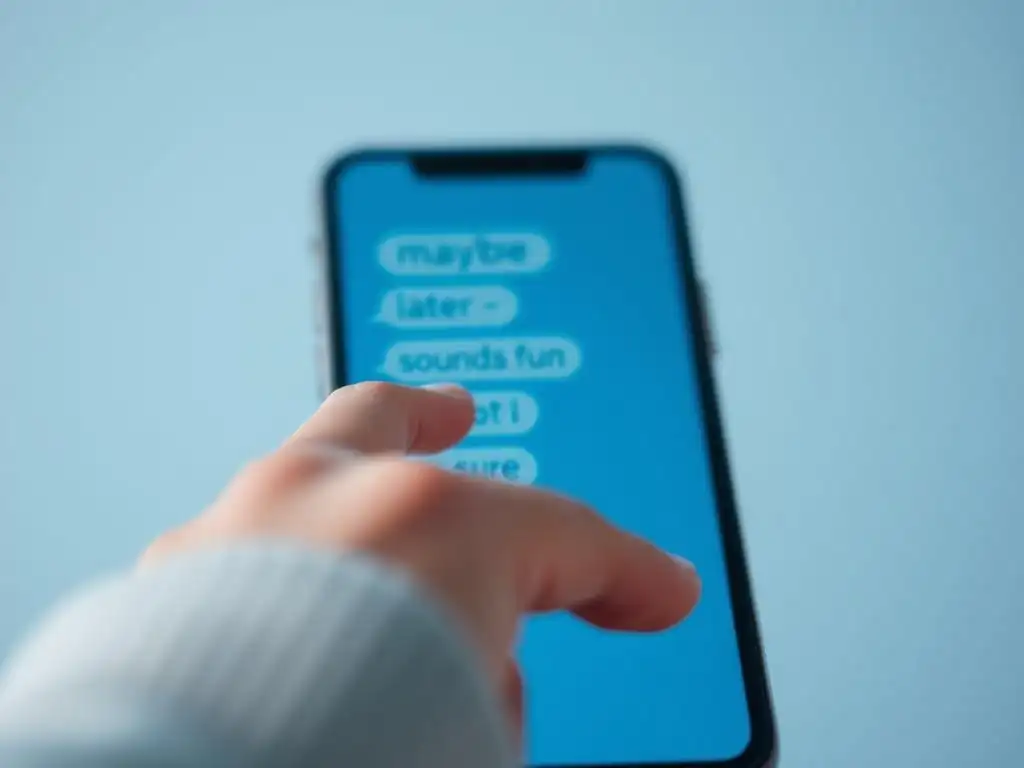
Online dating presents a unique challenge when it comes to consent because much of the initial interaction happens through a digital medium, lacking the richness of face-to-face communication. This section explores the grey areas where consent can become ambiguous, particularly focusing on the subtle cues and signals exchanged online. Understanding these nuances is crucial for fostering respectful and healthy online relationships. Misinterpreting signals can lead to uncomfortable or even harmful situations, highlighting the importance of clear and explicit communication. The responsibility for ensuring consent lies with the initiator of each interaction, regardless of the platform or medium used.
Interpreting Nonverbal Cues in Online Dating: A Delicate Balance
Nonverbal communication, while present in online dating (through emojis, tone, and response time), is significantly less nuanced than in-person interactions. A simple smiley face 😊 might seem innocuous, but its interpretation can vary greatly depending on context. A quick response might suggest interest, while a delayed one could indicate disinterest or busyness – but it's impossible to know for sure without further communication. The absence of physical cues makes it challenging to accurately gauge someone's comfort level or enthusiasm.
For example, a prolonged conversation might seem indicative of consent, but this is unreliable without explicit verbal confirmation. Over-interpreting these subtle cues can easily lead to misunderstandings and potentially unwanted advances. Therefore, relying solely on nonverbal cues to determine consent is risky and ethically problematic. Always err on the side of caution and seek explicit confirmation.
The Challenges of Consent in Text-Based Communication
Text-based communication, the cornerstone of many online dating interactions, presents a significant hurdle in obtaining clear consent. Sarcasm, humor, and subtle innuendo can easily be misinterpreted, leading to miscommunication about consent. What might be perceived as playful flirting by one person could be interpreted as unwanted advances by another. The lack of vocal tone and body language makes it difficult to gauge the true intent behind messages.
For instance, a suggestive comment might be intended as a joke, but if the recipient interprets it differently, consent is clearly not established. The asynchronous nature of texting also adds another layer of complexity; delays in response can create uncertainty about the other person's feelings and willingness to continue the interaction. To mitigate these risks, prioritize clear, direct language when discussing potentially intimate topics, and always seek explicit confirmation before escalating the interaction.
Understanding the Dynamics of Power Imbalances in Online Dating
Power imbalances can significantly influence the dynamics of online dating consent. These imbalances can stem from various factors, including age, social status, perceived attractiveness, or even the platform itself. For example, someone with a large online following or a highly curated profile might exert undue influence over potential partners.
This power dynamic can make it challenging for individuals to assert their boundaries or decline unwanted advances without fear of reprisal or social repercussions. Moreover, the anonymity afforded by online dating platforms can embolden some individuals to behave in ways they wouldn't in person, potentially leading to coercive or manipulative behaviors. Recognizing these power dynamics is crucial in ensuring genuine consent.
Promoting a culture of respect and understanding where individuals feel empowered to express their boundaries is paramount to ethical online dating practices. Actively working to level the playing field and ensure equal power dynamics is vital to fostering a safer and more consensual online dating experience. Remember, true consent is always freely given and never coerced.
Consent and Boundaries in Online Dating Profiles
This section dives into the crucial role of consent and boundary-setting within the context of your online dating profile. Your profile is your digital introduction, and it's the first step in establishing healthy communication and expectations. Understanding how to convey your boundaries effectively is vital for attracting respectful partners and avoiding potentially harmful situations. Let's explore how to achieve this.
Setting Clear Boundaries on Your Online Dating Profile
Creating a profile that implicitly or explicitly communicates your boundaries is a proactive approach to online dating safety and respect. This isn't just about avoiding unwanted messages; it's about attracting individuals who align with your values and expectations. One effective strategy is to use your profile's "About Me" section to subtly hint at your preferences and boundaries.
For example, instead of stating "Looking for a serious relationship," you might write, "Seeking a genuine connection with someone who values open communication and mutual respect." This statement subtly communicates a preference for respectful interactions and a serious approach to dating, deterring casual or disrespectful approaches.
Furthermore, the images you choose for your profile significantly contribute to the overall impression you project. Selecting photos that showcase your personality and interests while avoiding overly revealing or suggestive imagery helps maintain appropriate boundaries. Consider using pictures that reflect your hobbies, social activities, or simply comfortable moments in your life. This helps create a more authentic profile and potentially attracts like-minded individuals who appreciate a more reserved and respectful approach to online interactions. Remember, your profile is a reflection of you, and setting clear visual boundaries is just as important as setting verbal ones.
Protecting Your Personal Information and Maintaining Privacy
Protecting your personal information is paramount in online dating. Over-sharing can expose you to risks, from unwanted attention to identity theft. Consider what information is truly necessary to include in your profile. Avoid posting your full name, exact location, workplace, or other identifying details that could make it easier for someone to find you offline.
Instead, focus on sharing details that reveal your personality and interests without jeopardizing your privacy. Think about using creative ways to convey information without revealing too much. For example, instead of stating "I work at Acme Corp," you might mention your profession in a more general way, such as "I'm a software engineer working in the tech industry." This provides information without revealing potentially sensitive information.
Remember, online dating platforms often have privacy settings you can adjust. Take the time to carefully review these settings and customize them to your comfort level. Limit the visibility of your profile to people within a specific geographic range or only allow matches to see certain information. Regularly review your privacy settings, particularly after updates to the platform. Being proactive about your privacy is a continuous process, not a one-time task. Think of it as a layered approach to online safety.
Even with a well-crafted profile and robust privacy settings, you might still encounter unsolicited advances or unwanted attention. Knowing how to handle these situations is crucial for maintaining your emotional well-being and safety. The first step is to establish clear boundaries and communicate them assertively but calmly. If someone sends inappropriate messages or makes you feel uncomfortable, don't hesitate to report them to the dating platform.
Most platforms have robust reporting mechanisms designed to address such issues. Remember, you have the right to block users and remove them from your interactions without explanation. You are not obligated to engage with anyone who makes you feel unsafe or uncomfortable.
Moreover, consider developing a strategy for responding to unwanted advances. A firm but polite response such as "I'm not interested," or "I appreciate your message, but I'm not looking for this type of interaction," can be effective. Avoid engaging in lengthy discussions or attempting to justify your decision. A brief, clear statement establishes your boundary and helps to deter further unwanted contact.
If the unwanted attention persists despite your efforts, don't hesitate to block the user and report the behavior. Your safety and comfort are paramount, and platforms are generally equipped to handle these situations effectively. Remember, you are not alone and many resources are available to support you in navigating these challenging aspects of online dating. Prioritizing your safety and well-being is always the right choice.

Online dating introduces a unique set of challenges when it comes to consent, particularly concerning sexting. The ease of sharing intimate images and videos digitally can quickly blur the lines of what constitutes consent, leading to potentially devastating consequences. Understanding the nuances of consent in this context is crucial for navigating online dating safely and ethically. This section will explore the legal ramifications of non-consensual sexting, strategies for establishing clear boundaries before engaging in such activities, and responsible practices to ensure genuine consent throughout the process.
The key is to prioritize open communication, respect, and a clear understanding of each individual's comfort levels. Remember, enthusiastic consent is not just a yes, but a continuous, affirmative agreement throughout the interaction. Failing to uphold these principles can lead to serious legal and emotional repercussions.
The Legal Implications of Non-Consensual Sexting
Non-consensual sharing of intimate images or videos, often referred to as "revenge porn," carries significant legal consequences. Many jurisdictions have enacted specific laws criminalizing this behavior, imposing hefty fines and even imprisonment. The penalties vary depending on the specifics of the case, including the nature of the images, the method of distribution, and the intent of the perpetrator.
It's crucial to understand that even if you initially consented to sharing such content, withdrawing that consent at a later point means any further distribution is illegal. Furthermore, the act of distributing intimate images without consent can be categorized as harassment, stalking, or even defamation depending on the circumstances. The legal ramifications extend beyond criminal charges; victims can also pursue civil lawsuits for damages, including emotional distress and reputational harm.
Navigating these legal complexities often requires the assistance of legal professionals specializing in digital privacy and online harassment. Understanding these potential consequences underscores the importance of obtaining and respecting explicit, enthusiastic consent before engaging in sexting.
Establishing Clear Boundaries Before Engaging in Sexting
Before engaging in any sexting activity, open and honest communication is paramount. This involves establishing clear boundaries about what each person is comfortable sharing and receiving. It's not enough to simply ask for consent; you need to actively listen and respect the other person's response. For example, someone might be comfortable sending a picture but not a video, or vice versa.
Others might have specific preferences about the content or context of the images shared. Some individuals may prefer to avoid sexting altogether. Respecting these boundaries is non-negotiable. Consider creating a "sexting contract" – a mutual agreement outlining the types of content that are acceptable, the methods of sharing, and the conditions under which consent can be withdrawn.
This proactive approach minimizes misunderstandings and reduces the risk of non-consensual sharing. Remember, consent is ongoing; it's not a one-time event. If someone changes their mind at any point, that's their right, and their decision must be respected.
Responsible Sexting Practices and Consent
Responsible sexting hinges on continuous, enthusiastic consent. This means actively checking in with your partner throughout the interaction to ensure they remain comfortable and haven't changed their mind. Avoid pressure or coercion of any kind. A healthy exchange involves mutual respect and a willingness to stop if either party feels uncomfortable.
Furthermore, responsible sexting practices include considering the potential risks associated with sharing intimate images online. Be mindful of the permanence of digital content; once something is shared, it's difficult, if not impossible, to completely erase it. Consider the potential for images to be misused or shared without your consent. Always prioritize your safety and well-being.
If you experience any form of coercion or non-consensual sharing of intimate images, seek support from trusted friends, family, or professional organizations specializing in online abuse and harassment. Prioritizing clear communication, mutual respect, and ongoing consent is key to navigating the complexities of sexting within the context of online dating. Remember, a healthy relationship is built on trust and respect, and that includes respecting boundaries around intimacy and digital interactions.
Online Dating Consent and the Law
Understanding the legal landscape surrounding consent in online dating is crucial for both safety and ethical conduct. While the specifics vary by jurisdiction, the core principle remains consistent: consent must be freely given, informed, and enthusiastic. This means a person must be capable of consenting, have all relevant information about the interaction, and actively agree to participate, without coercion or pressure. Simply not saying "no" does not equate to consent. Silence or lack of explicit refusal is not sufficient.
Legal Ramifications of Violating Consent in Online Dating
Violating consent in online dating can have serious legal repercussions. Depending on the nature and severity of the violation, consequences can range from civil lawsuits to criminal charges. Sharing intimate images or videos without consent (revenge porn), for instance, is a criminal offense in many places, carrying significant penalties including fines and imprisonment. Similarly, harassment, stalking, and threats made through online dating platforms can lead to both civil and criminal prosecution.
The penalties are often amplified if the violation involves a minor. It's important to note that even seemingly minor violations, such as persistent unwanted messaging despite clear indications of disinterest, can accumulate and form the basis for legal action. This highlights the importance of respecting boundaries and understanding the potential consequences of non-consensual online interactions.
The legal definition of consent is often interpreted narrowly, demanding clear and affirmative agreement. Ambiguity is generally not in favor of the accused. Therefore, always err on the side of caution and ensure you have explicit consent before sharing personal information or engaging in intimate activities online.
Reporting Non-Consensual Online Interactions
If you've experienced non-consensual online interactions, reporting the incident is a critical step. Multiple avenues are typically available, depending on the nature of the violation. You can report the incident to the online dating platform itself. Most platforms have mechanisms for reporting abusive behavior, including options to block users and flag inappropriate content.
Further, you can report the violation to law enforcement agencies. This is particularly important in cases involving harassment, stalking, threats, or the non-consensual sharing of intimate images. Documenting the interaction—saving messages, screenshots, and other relevant evidence—is essential for building a strong case. Remember, preserving evidence immediately is crucial, as it may be lost or altered over time.
Additionally, consider seeking support from organizations specializing in assisting victims of online abuse. These organizations can provide guidance on legal options, emotional support, and resources for navigating the reporting process. They often have experienced advocates who can help you understand your rights and navigate the complexities of the legal system. The process can be daunting, but reporting such incidents is vital to holding perpetrators accountable and protecting others from similar experiences.
Resources and Support for Victims of Online Dating Abuse
Experiencing non-consensual online interactions can be incredibly distressing and isolating. It's vital to remember that you are not alone and that help is available. Numerous organizations offer support and resources to victims of online dating abuse. These resources often provide a safe space to share your experiences, receive emotional support, and gain access to legal and practical assistance.
They can help you navigate the legal process, understand your rights, and develop strategies for managing the aftermath of the abuse. Some organizations offer specialized support for specific types of online abuse, such as revenge porn or cyberstalking. In addition to specialized organizations, many general victim support services provide assistance and guidance to individuals affected by online harassment and abuse. Remember, seeking help is a sign of strength, not weakness.
Taking that first step towards seeking support can be transformative in your journey towards healing and recovery. Finding the right resources can significantly impact your ability to process the experience, rebuild your confidence, and move forward. Don't hesitate to reach out for help; it's available and crucial for your well-being.
Building Healthy Relationships Through Clear Communication
Building healthy relationships in the digital age, particularly within the context of online dating, hinges on clear and consistent communication. Understanding and practicing consent is not a one-time event; it's an ongoing process requiring active participation and mutual respect from all parties involved. This section explores how open communication and active listening are fundamental to obtaining and giving genuine consent in online dating interactions.
Ignoring these crucial elements can lead to misunderstandings, discomfort, and even harmful situations. The nuances of online dating consent necessitate a proactive and empathetic approach, ensuring everyone feels safe, respected, and empowered to express their needs and boundaries. This isn't just about avoiding legal issues; it's about building trust and fostering meaningful connections.
Open and Honest Communication as the Foundation of Consent
Open and honest communication forms the bedrock of healthy relationships, both online and offline. In the realm of online dating, where initial interactions often lack the richness of face-to-face encounters, clear communication is paramount. Ambiguity can easily lead to misinterpretations, especially when discussing personal boundaries and expectations. For instance, a seemingly innocuous message could be interpreted differently depending on individual experiences and cultural backgrounds.
To mitigate this risk, strive for direct and unambiguous language. Instead of hinting at desires or expectations, explicitly state them. Using phrases like, "I'm comfortable with [activity]," or "I'm not comfortable with [activity]," leaves no room for guesswork.
Furthermore, regularly checking in with your date to ensure they're comfortable and happy with the pace and nature of your interactions demonstrates respect and reinforces the importance of mutual consent. Remember, consent is not passive; it's an active and ongoing agreement. Regularly reaffirming boundaries and preferences ensures everyone feels heard and respected.
The Role of Active Listening in Online Dating Interactions
Active listening goes beyond simply hearing what someone says; it involves truly understanding their message, both verbal and nonverbal. In online dating, this requires careful attention to the nuances of written communication, including tone, word choice, and emojis. A simple "yes" might mask underlying discomfort or uncertainty if not accompanied by other reassuring signals.
Pay close attention to your date's responses, observing any hesitations, changes in tone, or abrupt shifts in conversation. If you notice any inconsistencies or signs of discomfort, don't hesitate to ask clarifying questions. For example, if your date seems hesitant to discuss future plans, ask, "Is there anything you're uncomfortable with regarding our next meeting?"
Creating a safe space for open dialogue allows your date to express their needs and boundaries without fear of judgment or pressure. Active listening isn't just about understanding; it's about demonstrating empathy and respect for your date's feelings and perspectives. This fosters trust and lays the groundwork for a healthy and respectful relationship.
Respecting Boundaries and Consent in Online Dating Relationships
Respecting boundaries is crucial for maintaining healthy online dating relationships. Boundaries are personal limits that individuals set to protect their physical, emotional, and mental well-being. These boundaries can vary greatly from person to person and should be respected unconditionally. Some common boundaries in online dating might include limits on the sharing of personal information, the frequency of communication, or the types of activities engaged in.
It's essential to establish these boundaries early on in the dating process through clear and direct communication. For example, you might state, "I prefer not to share my full address until I've met in person," or "I'm not comfortable with explicit photos or videos." Respecting these boundaries is non-negotiable; attempting to push past them constitutes a violation of consent. Remember, consent can be withdrawn at any time, for any reason.
If your date expresses discomfort or changes their mind about a previously agreed-upon activity, you must immediately respect their decision. Ignoring or dismissing these boundaries can lead to significant emotional harm and potentially even legal consequences. Prioritizing respect and consent is not only ethically sound but also vital for building healthy and lasting relationships.
The importance of understanding online dating consent nuances cannot be overstated. By prioritizing open communication, active listening, and unwavering respect for boundaries, we can cultivate a safer and more positive online dating experience for everyone. Remember, consent is an ongoing process that requires continuous effort and mutual understanding.
Moving Forward: Fostering a Culture of Consent in Online Dating
Online dating consent nuances are complex, requiring a proactive and ongoing commitment to fostering a culture of respect and understanding. Simply stating the importance of consent isn't enough; we need concrete actions and widespread societal shifts. This isn't just about avoiding legal repercussions; it's about building healthier, more meaningful connections. The responsibility lies with each individual, dating platforms, and society as a whole.
Promoting Responsible Online Dating Behavior
Promoting responsible online dating behavior hinges on clear communication and setting boundaries. This starts with self-awareness: understanding your own comfort levels and communicating them clearly and assertively. Avoid ambiguous language; be direct about what you're comfortable with and what you're not. For example, instead of saying "I'm not sure," try "I'm not comfortable sharing that information yet" or "I'd prefer to wait until we've met in person."
This proactive approach minimizes misunderstandings and establishes a foundation of respect from the outset. Remember, enthusiastic consent is key – a hesitant "yes" is not consent. Furthermore, regularly review your dating app's privacy settings and report any instances of harassment or non-consensual behavior promptly.
Active participation in creating a safer online environment is crucial for everyone's well-being. Data suggests that platforms with robust reporting mechanisms and proactive moderation see significantly lower rates of reported sexual harassment. [Specific data pending on reporting mechanisms and harassment rates across different platforms].
Educating Yourself and Others about Online Dating Consent
Education is the cornerstone of fostering a culture of consent. Understanding the legal definition of consent is only the starting point. We must move beyond the bare minimum and cultivate a deeper understanding of the nuances involved. This includes recognizing the spectrum of coercion, subtle pressures, and manipulative tactics that can undermine genuine consent.
Open conversations about healthy relationships, respectful communication, and the importance of consent should be normalized, not stigmatized. Initiating these conversations with friends, family, and even within online dating communities can create a ripple effect, promoting awareness and challenging harmful norms. Resources such as workshops, online courses, and support groups focused on healthy relationships and online safety can play a vital role in this educational process. Furthermore, promoting media literacy is key; teaching individuals to critically analyze online interactions and identify potentially manipulative behavior is crucial in preventing non-consensual situations.
Creating a Safer and More Respectful Online Dating Environment
Creating a safer and more respectful online dating environment requires a multi-pronged approach. Dating platforms need to take responsibility by implementing robust reporting mechanisms, improving their moderation processes, and proactively educating users about consent. This includes clear and accessible guidelines on acceptable behavior, along with readily available resources and support for victims of harassment or abuse.
Additionally, fostering a culture of accountability involves holding individuals responsible for their actions. This requires clear consequences for violations of consent, whether through platform bans, legal action, or social repercussions. The development of comprehensive consent policies by dating platforms, coupled with transparent reporting on their enforcement, is essential for building trust and ensuring user safety.
Moreover, collaborative efforts between dating platforms, law enforcement, and advocacy groups are crucial in addressing the complex issue of online dating consent nuances and creating a more secure space for everyone. The ultimate goal is to create an environment where expressing boundaries is encouraged, respecting consent is normalized, and reporting non-consensual behavior is straightforward and effective. This requires a collective effort from individuals, platforms, and society as a whole.
Frequently Asked Questions
What constitutes consent in online dating?
Consent in online dating means enthusiastic, informed, and ongoing agreement. It's not implied or assumed; it must be explicitly given for each interaction, and can be withdrawn at any time. Silence or lack of explicit refusal does not equal consent.
How do I ensure I'm getting consent before escalating intimacy online?
Always explicitly ask for consent before sharing intimate photos or videos, engaging in sexually explicit conversations, or suggesting meeting offline. Respect a "no" as a complete answer, and never pressure someone into anything they're uncomfortable with.
What are some red flags indicating a lack of consent?
Red flags include pressure, guilt-tripping, coercion, or any sense of being forced into something. If someone is hesitant or unsure, respect their boundaries and don't push for more. Pay attention to their verbal and nonverbal cues.
How does consent apply to sharing personal information online?
Sharing personal information requires consent. Before sharing details like your address, workplace, or full name, explicitly ask for and receive permission. Remember that once information is shared online, it's difficult to control its spread.
What should I do if I feel someone hasn't given consent?
If you feel someone hasn't given consent, or if you've violated someone's consent, immediately stop the interaction. Apologize sincerely, and respect their boundaries. Consider blocking the individual to prevent further contact. Remember, respecting boundaries is crucial for safe and healthy online dating.
The complexities of consent in the digital age, particularly within the context of online dating, are not merely theoretical; they are a daily reality shaping countless interactions and relationships. The casual swipe, the fleeting message, the seemingly innocuous image – all hold the potential for misinterpretation and, ultimately, violation. Understanding the nuances of consent in this landscape is not just important; it's crucial for fostering healthy, respectful connections.
The pervasiveness of online dating has fundamentally altered how we approach intimacy and relationships, blurring the lines between what is acceptable and what constitutes a breach of trust. The pressure to conform to idealized online personas, the anonymity afforded by digital platforms, and the constant barrage of messages can all contribute to a climate where genuine consent can easily be overlooked or disregarded. The digital world offers both incredible opportunities and significant challenges. We must be mindful of the power dynamics at play and ensure that consent is freely given, informed, and enthusiastic.
This quote encapsulates the delicate balance we must strive for in our digital interactions.
You, the reader, now hold the power to shape the future of online dating interactions. Consider the information presented here, reflect on your own experiences, and actively challenge the normalization of ambiguous consent. By engaging in open conversations about boundaries, expectations, and respect, we can collectively cultivate a more ethical and empowering online dating environment. Let's move beyond passive acceptance and actively build a culture of genuine consent, one interaction at a time.
Unveil Your Dating Power: Take Control of Consent
Thanks for exploring the crucial topic of consent in online dating! You've gained valuable insights into navigating challenging situations and building healthy relationships. Ready to put this knowledge into practice?
- Define your boundaries: Take time to clearly articulate your personal limits and communicate them proactively in your online interactions. This is the first step towards safer and more fulfilling relationships.
- Share this information: Help spread awareness and encourage open conversations about consent with friends and family. Let's build a culture of respect together!
- Learn more: Explore reputable organizations and articles focusing on healthy relationships and online safety for a deeper understanding of consent.
What specific steps will you take today to prioritize consent in your online dating life?