
The Secret Language of Attachment: Reading Between the Lines of Online Dating Bios


Ready to unlock the secrets to online dating success? At OnlineDatingSuccess.org, we help you navigate the complexities of finding meaningful connections. This isn't just about swiping; it's about understanding the subtle cues that determine attraction. Our in-depth Online Dating Bio Analysis will reveal how attachment styles play a crucial role in crafting compelling profiles and deciphering the hidden messages within others. Dive in and discover how to transform your dating experience!
- Deciphering Online Dating Profiles: An Introduction to Attachment Style Analysis
- Spotting Anxious Attachment in Online Dating Bios
- Recognizing Avoidant Attachment in Online Dating Profiles
- Secure Attachment: Identifying Healthy Relationship Patterns in Online Dating Bios
- Ambivalent Attachment: Identifying Mixed Signals in Online Dating Bios
- Practical Tips for Analyzing Online Dating Bios
- Beyond the Bio: Recognizing Attachment Styles in Messaging
-
Frequently Asked Questions
- What is an "online dating bio analysis"?
- How can I analyze someone's online dating bio for red flags?
- What are some positive indicators to look for in an online dating bio?
- Does the length of an online dating bio matter in the analysis?
- How can I improve my own online dating bio based on this analysis?
- Final Reflection: Decoding Connection in the Digital Age
- Unlock Your Dating Potential: Decode and Connect!
Deciphering Online Dating Profiles: An Introduction to Attachment Style Analysis
Navigating the world of online dating can feel like deciphering a complex code. Beyond the carefully curated photos and witty one-liners, lies a deeper layer of communication: the language of attachment. Understanding attachment styles – the patterns of relating to others developed in early childhood – is crucial for navigating the complexities of online dating and building healthy, lasting relationships.
This article delves into the subtle cues within online dating bios that reveal an individual's attachment style, providing you with the tools to analyze profiles more effectively and increase your chances of finding a compatible partner. We will explore how different attachment styles manifest in online profiles, emphasizing the importance of recognizing these patterns for improved online dating success.
Learning to "read between the lines" of online dating bios empowers you to make more informed decisions, saving you time and heartache in the long run and ultimately leading to more meaningful connections. This guide is designed to help you understand the nuances of online dating bio analysis, transforming your online dating experience from a frustrating search to a purposeful journey towards finding lasting love.
Understanding Attachment Styles and Their Manifestation Online
Attachment theory suggests that our early childhood experiences shape our expectations and behaviors in relationships. Four main attachment styles are commonly identified: secure, anxious-preoccupied, dismissive-avoidant, and fearful-avoidant. Each style manifests differently in online profiles.
For example, individuals with a secure attachment style tend to present themselves authentically, with realistic and positive self-descriptions. Their bios often reflect a balanced perspective on relationships, highlighting their interests and values without excessive self-promotion or negativity. They might mention enjoying social activities, having close friendships, and seeking genuine connection.
Conversely, those with an anxious-preoccupied attachment style might express a strong need for validation and connection in their bios. Their profiles may contain language indicating a fear of rejection or abandonment, perhaps showcasing a longing for a committed relationship or expressing insecurity. They might overshare personal information or appear overly eager to please.
Individuals with a dismissive-avoidant attachment style often present a more independent and self-reliant image. Their bios might downplay the importance of relationships, focusing instead on individual achievements and independence. They may appear emotionally distant or avoid expressing vulnerability. Their profiles might seem somewhat superficial, lacking depth or personal detail.
Finally, those with a fearful-avoidant attachment style often exhibit contradictory behaviors in their profiles. They may express a desire for connection but simultaneously display fear of intimacy or commitment. Their bios might contain conflicting messages, reflecting both a yearning for love and a reluctance to fully engage. They might be hesitant to share personal information or appear guarded and ambivalent. Understanding these subtle differences can significantly improve your ability to identify compatible partners and avoid potentially problematic relationships. Recognizing these patterns helps you to assess compatibility and make more informed decisions about whom you choose to connect with online.
The Importance of Online Dating Bio Analysis for Relationship Success
Analyzing online dating bios effectively is not merely about decoding personality; it’s about identifying potential compatibility and avoiding potential relationship pitfalls. By understanding the subtle cues related to attachment styles, you can significantly increase your chances of finding a partner who aligns with your needs and relationship goals. This process goes beyond simply looking for keywords; it involves a deeper understanding of the underlying emotional tone and communication style reflected in the profile.
A successful online dating bio analysis involves considering several factors beyond just the written words. Consider the overall tone – is it positive, negative, or ambivalent? Examine the level of self-disclosure – is the individual open and vulnerable, or guarded and reserved? Pay attention to the language used – does it suggest confidence and self-assuredness, or insecurity and neediness? These nuances can be highly revealing.
For instance, a bio filled with self-deprecating humor might point towards an anxious attachment style, while one that boasts extensively about accomplishments could indicate a dismissive-avoidant style. Careful observation and interpretation are key to successful online dating bio analysis. This thoughtful approach can significantly improve the effectiveness of your online dating experience, ultimately leading to more fulfilling and lasting relationships. By learning to read between the lines, you are taking control of your online dating journey and empowering yourself to build meaningful connections.
Spotting Anxious Attachment in Online Dating Bios

Anxious attachment, a common attachment style, significantly impacts how individuals present themselves and interact within the online dating sphere. Understanding the subtle cues of anxious attachment in online dating bios can help you navigate interactions more effectively and avoid potential pitfalls. This section focuses on identifying these cues, offering a practical guide for "online dating bio analysis."
Keywords and Phrases Indicating Anxious Attachment in Dating Profiles
Individuals with anxious attachment often express a deep need for reassurance and validation in their profiles. This manifests in specific word choices and phrasing. Look for keywords and phrases that reveal a heightened sense of urgency or dependence. For example, phrases like "looking for my person," "hoping to find my soulmate," or "ready to settle down" might indicate an anxious attachment style. These statements, while seemingly positive, can reflect an underlying fear of being alone or a desperate longing for a committed relationship.
The use of overly effusive language is another red flag. Phrases like "I'm the most amazing person you'll ever meet" or "I'll love you unconditionally" can signal a need for external validation and a tendency towards idealization. Conversely, self-deprecating language, such as "I'm probably not good enough for you" or "I'm just looking for someone to tolerate me," can also indicate anxious attachment. This stems from a deep-seated insecurity and fear of rejection.
Consider the overall tone of the bio. Is it overwhelmingly positive and optimistic to the point of seeming unrealistic? Or is it laced with self-doubt and negativity? Both extremes can be indicative of anxious attachment. Remember, a balanced and realistic portrayal is key. A healthy profile showcases both strengths and vulnerabilities, without resorting to extremes. Analyzing word choice provides valuable insight into the writer's emotional state and attachment style.
Here's a table summarizing common keywords and phrases:
| Keyword/Phrase Category | Examples | Interpretation |
|---|---|---|
| Urgency/Neediness | "Looking for my soulmate," "Ready to settle down," "Desperate for love" | Indicates a strong desire for a committed relationship, potentially stemming from insecurity. |
| Overly Positive/Idealized | "The most amazing person," "Perfect match," "Unconditional love" | Suggests a need for external validation and may mask underlying insecurities. |
| Self-Deprecating | "Not good enough," "Just looking for someone to tolerate me" | Reveals self-doubt and fear of rejection. |
Identifying Insecure Attachment Behaviors in Online Communication
Beyond the written bio, anxious attachment often manifests in online communication patterns. While the profile provides a snapshot, the initial messages and subsequent conversations reveal deeper behavioral tendencies. Observing these patterns is crucial for successful online dating bio analysis, going beyond the superficial level of the profile itself.
Individuals with anxious attachment often respond quickly and enthusiastically to messages, sometimes even before fully reading the content. They might also initiate frequent contact, seeking constant reassurance and validation. Conversely, they may become overly sensitive to perceived slights or lack of responsiveness, leading to anxiety and insecurity. This might manifest as clinginess, excessive questioning, or demanding immediate responses. Remember that healthy communication involves a balance of responsiveness and respect for personal space. Constant messaging or rapid-fire questions can be a significant red flag.
Another indicator is a tendency towards intense emotional expression early in the interaction. They might share deeply personal information prematurely, reflecting a need for immediate intimacy and connection. This can be contrasted with a secure attachment style, which tends towards a more gradual progression of intimacy. Pay attention to the speed at which personal information is disclosed and the intensity of emotional expression. Premature vulnerability can reflect an anxious attachment style's attempt to quickly establish a secure bond.
Finally, be mindful of their reactions to perceived rejection or lack of response. Do they become overly apologetic, excessively self-critical, or even accusatory? These responses often indicate an anxious attachment style's heightened sensitivity to rejection and difficulty managing emotional responses. A balanced response to a lack of communication involves acknowledging the other person's autonomy and respecting their need for space. Excessive emotional reactions can suggest underlying insecurity. Understanding these nuances can prevent misunderstandings and foster healthier online dating experiences. Always remember that empathy and respectful communication are key to navigating the complexities of online dating.
Recognizing Avoidant Attachment in Online Dating Profiles
Avoidant attachment, a significant factor influencing online dating success, manifests subtly yet powerfully in dating profiles. Understanding its nuances can significantly improve your chances of connecting with compatible partners and avoiding potentially frustrating relationships. This section delves into the key indicators of avoidant attachment styles in online dating bios, helping you decipher the unspoken messages within profiles and make more informed decisions. Mastering the art of online dating bio analysis allows you to navigate the complexities of online dating with greater confidence.
Avoidantly attached individuals often present themselves as self-sufficient and independent, sometimes to the point of appearing detached. Their bios might emphasize their career achievements, hobbies, and solo adventures, downplaying or omitting details about their emotional lives. Look for phrases like "I'm a busy professional," "I value my independence," or "I enjoy my own company." While not inherently negative, these statements, when coupled with a lack of vulnerability or emotional expression, can signal avoidant tendencies.
For example, a bio that solely focuses on travel accomplishments ("Conquered Everest, next up: Kilimanjaro!") with no mention of personal relationships or desires might suggest an avoidance of intimacy. Conversely, a profile that boasts about a large circle of friends but lacks details about close, meaningful relationships could also be a red flag. The key here is the absence of information about emotional connections, suggesting a potential reluctance to engage deeply.
Consider also the tone; is it overly boastful or detached, lacking warmth or humor? This can be a powerful indicator of emotional unavailability. Analyzing these subtle cues is crucial for effective online dating bio analysis.
Identifying Avoidant Attachment Through Profile Picture Choices and Content
Beyond the written bio, profile pictures offer valuable insights into attachment styles. Avoidantly attached individuals might favor pictures showcasing solo activities, emphasizing independence and self-reliance. They may avoid photos with others, especially those suggesting close relationships. The pictures might depict them engaging in adventurous activities or showcasing their achievements, subtly communicating a focus on self-sufficiency and a potential reluctance to share their lives intimately with others.
Consider the overall aesthetic: Are the pictures professionally done, suggesting a carefully curated image, perhaps a calculated attempt to project a specific persona? This could indicate a need for control and a potential unwillingness to present a more vulnerable self. Conversely, a complete lack of photos, or photos of poor quality, may also hint at avoidance.
This could represent a reluctance to put themselves out there or a lack of interest in forming connections. A thorough online dating bio analysis requires considering both the written content and the visual elements of a profile for a complete picture. Remember, the goal is not to judge but to understand, allowing for more effective and fulfilling online dating experiences.
Secure Attachment: Identifying Healthy Relationship Patterns in Online Dating Bios
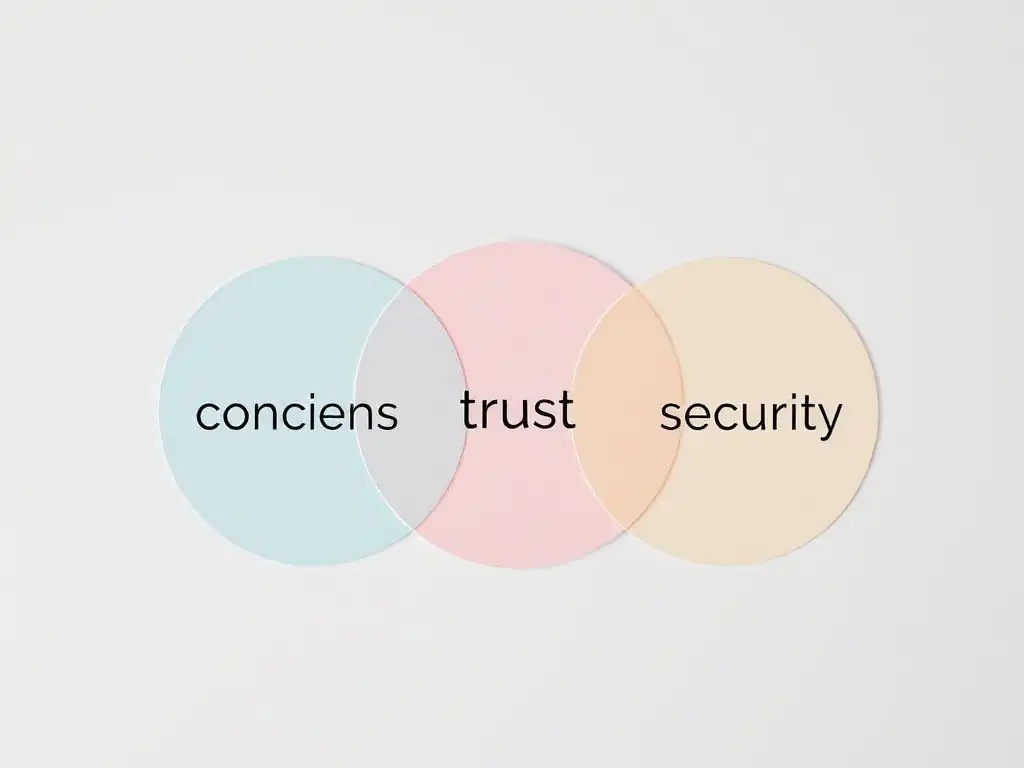
Secure attachment, the cornerstone of healthy relationships, manifests distinctly in online dating profiles. Individuals with a secure attachment style project confidence, emotional availability, and realistic relationship expectations. Analyzing their bios offers valuable insights into their personality and potential compatibility. This section provides a detailed guide to recognizing these key indicators, empowering you to identify potential partners who are likely to foster healthy and fulfilling connections. Understanding these subtle cues can significantly improve your online dating experience and help you avoid wasting time on incompatible matches. This is crucial for effective online dating bio analysis.
Recognizing Self-Confidence and Emotional Availability in Online Profiles
Securely attached individuals often portray a balanced sense of self-worth in their bios. They're neither overly self-deprecating nor boastful. Instead, they present themselves authentically, highlighting their strengths and interests without excessive bragging or self-doubt. Look for bios that are positive and realistic, showcasing a genuine sense of self-acceptance.
For example, a bio might mention hobbies and interests with enthusiasm, but without exaggerating their accomplishments. They might say something like, "I love hiking and exploring new trails – always up for an adventure, but also appreciate a cozy night in with a good book." This demonstrates a well-rounded personality and a comfortable balance between independence and social connection.
Conversely, avoid profiles that are overly negative, filled with self-criticism, or that project an air of desperation for validation. These are often indicative of insecure attachment styles. The language used is key: positive affirmations and a genuine tone are hallmarks of a secure attachment style in online dating bio analysis.
Spotting Signs of Healthy Communication and Relationship Expectations
Effective communication is a cornerstone of any successful relationship, and this is reflected in the online dating profiles of securely attached individuals. Their bios often subtly communicate a desire for open and honest communication, and a realistic understanding of relationships. They might mention valuing honesty and trust, or express an interest in building meaningful connections. Avoid bios that focus solely on physical attributes or unrealistic expectations of instant gratification.
A secure profile might include phrases such as, "Looking for someone to share adventures with, build a genuine connection, and enjoy life's simple pleasures." This clearly indicates a preference for a healthy, communicative relationship built on mutual respect and understanding. Furthermore, they might emphasize the importance of shared values and interests, suggesting a desire for compatibility beyond superficial attraction. Analyzing the language used for setting relationship expectations is a crucial part of effective online dating bio analysis.
Example Bio Analysis:
Let's analyze a sample bio: "Enthusiastic about my career as a veterinarian, I love spending time with my dog, exploring new restaurants, and trying out different recipes. Looking for someone genuine, kind, and with a good sense of humor to share life's adventures with." This bio showcases several positive indicators of secure attachment: it highlights personal achievements without boasting (veterinarian career), expresses interests and hobbies (dog, food), and explicitly states the desire for a genuine connection based on shared values (kindness, humor). It avoids unrealistic expectations and shows a balanced approach to life.
Remember, these are indicators, not definitive proof. However, by carefully analyzing online dating bios and recognizing these subtle cues, you can significantly improve your chances of finding a compatible partner who shares your values and is likely to contribute to a healthy and fulfilling relationship. Effective online dating bio analysis can transform your online dating experience.
Ambivalent Attachment: Identifying Mixed Signals in Online Dating Bios
Ambivalent attachment, also known as anxious-preoccupied attachment, manifests in online dating profiles in subtle yet revealing ways. Individuals with this attachment style often present contradictory information, reflecting their internal conflict between a deep desire for connection and a fear of rejection. Analyzing their bios requires a keen eye for inconsistencies and a nuanced understanding of their emotional landscape. Successful online dating bio analysis for this group hinges on recognizing these mixed signals. This section will equip you with the tools to decipher these complexities and make informed decisions about potential matches.
Recognizing Inconsistent Messaging in Dating Profiles and Communication
Ambivalent attachment in online dating profiles often presents as a blend of enthusiastic self-promotion and self-deprecating humor. You might encounter bios that boast impressive achievements and aspirations alongside expressions of insecurity or self-doubt. For example, a profile might highlight career success ("I'm a driven entrepreneur building my own company!") followed immediately by a self-deprecating statement ("...but I'm also a total klutz who trips over air"). This inconsistency isn't necessarily disingenuous; it reflects the internal struggle characteristic of ambivalent attachment.
Another common sign is a profile brimming with emotional intensity and vulnerability, yet simultaneously guarded or defensive. They might express a strong desire for a serious relationship ("Looking for my soulmate!") but also reveal anxieties about commitment ("...but I'm terrified of getting hurt again"). This push-and-pull dynamic is a hallmark of ambivalent attachment and can be challenging to navigate.
Consider this example: A bio states, "I'm passionate, adventurous, and always up for a good time! But I also tend to overthink things and get a little clingy sometimes 😅." The emoji itself is a subtle clue, acknowledging potential issues in their communication style. The explicit admission of clinginess, while honest, further strengthens the indication of ambivalent attachment. Such transparency, while potentially endearing, requires careful consideration.
Analyzing messaging beyond the bio is crucial. Pay attention to their responses to your messages. Do they oscillate between enthusiastic engagement and sudden withdrawal? Do they frequently seek reassurance or validation? These communication patterns reflect the underlying anxieties associated with ambivalent attachment. Remember, consistent inconsistency is a key identifier.
Understanding the Challenges of Dating Someone with Ambivalent Attachment
Dating someone with an ambivalent attachment style can be both rewarding and incredibly challenging. Their intense emotions and desire for connection can lead to passionate and fulfilling relationships. However, their anxieties and insecurities can also lead to relationship instability. Understanding these challenges is crucial for managing expectations and fostering healthy communication.
One major challenge is the potential for intense emotional swings. Their affection might feel overwhelming at times, while at other times, they might withdraw emotionally, leaving you feeling confused and insecure. This inconsistency can be draining and emotionally taxing.
Another challenge is their tendency towards clinginess and possessiveness. Their fear of abandonment can lead to excessive demands for attention and reassurance. This can feel suffocating for partners who value independence and personal space.
Furthermore, their heightened sensitivity to rejection can trigger intense emotional reactions. Misunderstandings or perceived slights can be amplified, leading to arguments and conflict. Effective communication, empathy, and a willingness to address their anxieties are vital for navigating these challenges.
Successfully navigating a relationship with someone exhibiting ambivalent attachment requires patience, understanding, and clear communication. It's important to set healthy boundaries while reassuring them of your commitment and providing consistent support. Remember, recognizing the underlying anxieties driving their behavior is key to fostering a healthy and fulfilling connection. This is not about "fixing" them, but about understanding their needs and creating a space where both partners feel secure and respected.
Practical Tips for Analyzing Online Dating Bios
This section delves into the practical application of online dating bio analysis, offering actionable steps to decipher the subtle cues within profiles and understand potential partners' attachment styles. Remember, this isn't about definitively labeling someone; it's about gaining valuable insights to improve communication and connection. Analyzing bios requires a nuanced approach, avoiding assumptions and focusing on concrete details.
Using Online Dating Bio Analysis to Improve Your Own Profile
Understanding how others interpret online dating bios is crucial for crafting your own. By analyzing successful profiles and understanding common attachment style indicators, you can create a bio that attracts compatible partners and repels those who might not be a good fit. For instance, a bio brimming with adventurous activities and a focus on independence might signal an avoidant attachment style (to others, not necessarily to yourself! ), while one emphasizing close relationships and emotional vulnerability could suggest an anxious attachment style. However, remember that these are tendencies, not definitive statements.
Consider these points when crafting your own profile, drawing upon the insights gained from analyzing others:
- Word Choice: Pay attention to the language used. Does the bio emphasize independence ("I enjoy my own company") or connection ("Looking for someone to share adventures with")? Are words like "independent," "freedom," or "solo" frequently used, hinting at an avoidant attachment? Or are words like "connection," "intimacy," or "commitment" prevalent, possibly indicating an anxious attachment?
- Activity Focus: What activities and hobbies are highlighted? A focus on solitary pursuits might suggest a preference for independence, while a focus on group activities or partnerships could indicate a need for connection. For example, someone who lists "solo hiking" and "reading" extensively might be more independent than someone who mentions "team sports" and "volunteering."
- Photo Selection: While not technically part of the written bio, photos significantly contribute to the overall impression. Do the photos portray the individual engaging in solo activities or with groups? The visual narrative complements the written text, providing additional clues to their potential attachment style.
- Overall Tone: Is the tone of the bio optimistic and open, suggesting a secure attachment, or is it guarded and cautious, potentially indicating an avoidant or fearful-avoidant style? A cynical or overly self-deprecating tone might also suggest underlying insecurity.
By consciously crafting your bio with these elements in mind, you can present yourself authentically while subtly signaling your desired level of connection and independence. Remember, the goal isn't to manipulate, but to communicate effectively.
Effective Communication Strategies Based on Identified Attachment Styles
Once you've analyzed a potential partner's bio and formed hypotheses about their attachment style, you can adjust your communication strategy accordingly. This isn't about playing games; rather, it's about fostering understanding and building a healthy connection.
- Secure Attachment: Individuals with secure attachment styles typically value open communication, honesty, and mutual respect. Engage in open and honest dialogue, expressing your feelings and needs directly.
- Anxious Attachment: Those with anxious attachment styles might crave constant reassurance and validation. Respond promptly to messages, show consistent interest, and provide reassurance when needed. However, avoid smothering or being overly dependent. Balance responsiveness with maintaining your own independence.
- Avoidant Attachment: Individuals with avoidant attachment styles often value independence and personal space. Respect their need for autonomy, avoid being overly clingy, and allow for natural breaks in communication. Focus on building trust gradually.
- Fearful-Avoidant Attachment: This style presents unique challenges, requiring a delicate balance of reassurance and respect for personal space. Patience and understanding are key. Start with lighthearted, low-pressure conversations, gradually building intimacy as trust develops.
Remember, these are generalizations. Individual experiences and personalities vary greatly. Use these strategies as guidelines, adapting your approach based on the specific individual and your evolving relationship. The ultimate goal is to build genuine connection, regardless of attachment style. The key is empathy, understanding, and respectful communication. Using online dating bio analysis as a starting point can significantly improve your chances of finding a compatible and fulfilling relationship.
Beyond the Bio: Recognizing Attachment Styles in Messaging
Online dating bio analysis is only the first step. While a profile offers a glimpse into someone's personality and potential attachment style, their communication style reveals even more. Subtle cues in their messages—the frequency, tone, and content—can be powerful indicators of their attachment security. This section delves into how to analyze messaging patterns to gain a deeper understanding of a potential partner's attachment style and identify potential red flags early on.
Analyzing Communication Patterns for Early Red Flags
Analyzing communication patterns is crucial for online dating bio analysis. Inconsistencies between a carefully crafted profile and messaging behavior can signal insecurity or incompatibility. For instance, someone with an anxious-preoccupied attachment style might initially shower you with intense messages, expressing strong feelings quickly. This can feel flattering, but it's crucial to watch for signs of clinginess or excessive neediness. They might repeatedly check in, become overly jealous or possessive based on minimal information, or react dramatically to perceived slights.
This behavior stems from a deep-seated fear of abandonment. Conversely, someone with a dismissive-avoidant attachment style might be slow to respond, keep their messages brief, and avoid deeper conversations. They might seem emotionally unavailable, prioritizing independence to the point of seeming aloof or uninterested. They may also struggle to express vulnerability or affection. Recognizing these patterns early on can save you time and emotional energy.
Here's a table summarizing common communication patterns associated with different attachment styles:
| Attachment Style | Communication Pattern | Red Flags |
|---|---|---|
| Secure | Consistent, responsive, open, and balanced communication | Few, if any; generally healthy communication |
| Anxious-Preoccupied | Frequent, intense, overly emotional, clingy | Excessive neediness, jealousy, dramatic reactions |
| Dismissive-Avoidant | Infrequent, brief, emotionally distant, unresponsive | Emotional unavailability, aloofness, avoidance of intimacy |
| Fearful-Avoidant | Inconsistent, unpredictable, alternating between intense and distant | Extreme mood swings, hot-and-cold behavior, difficulty expressing needs |
Remember, these are general tendencies. Individual experiences and nuances always exist. However, observing consistent patterns can provide valuable insights. For example, consistently unanswered messages or delayed responses even after establishing initial contact could indicate a dismissive-avoidant or fearful-avoidant attachment style. Conversely, rapid-fire messaging filled with intense declarations of love or commitment might signal an anxious-preoccupied style. Pay close attention to the quality of communication, not just the quantity. Does the conversation feel genuine and reciprocal, or does it feel one-sided and emotionally draining?
Using this Knowledge to Build Healthier Online Dating Relationships
Understanding attachment styles, particularly through online dating bio analysis and message analysis, empowers you to make more informed choices about who you engage with. This knowledge isn't about labeling or judging potential partners; rather, it's a tool to foster self-awareness and build healthier relationships. By recognizing potential red flags early on, you can avoid wasting time on incompatible matches.
For example, if you value open communication and emotional intimacy, you might find a dismissive-avoidant attachment style challenging. Conversely, if you value emotional stability and consistency, an anxious-preoccupied attachment style might require more patience and understanding (or might not be a good fit for you).
Knowing your own attachment style is equally important. Self-awareness allows you to identify your own communication patterns and potential triggers. Are you drawn to certain attachment styles out of habit or unresolved personal issues? Understanding your tendencies can prevent you from repeating past relationship patterns.
Ultimately, the goal is to build healthy, fulfilling relationships based on mutual respect, trust, and open communication. By integrating online dating bio analysis with an understanding of communication styles, you can navigate the world of online dating with increased self-awareness and a higher likelihood of finding a compatible and fulfilling connection. This process isn't about finding a "perfect" match, but about finding a match that aligns with your needs and values, fostering a relationship where both partners feel secure and supported.
Frequently Asked Questions
What is an "online dating bio analysis"?
An online dating bio analysis involves critically examining a dating profile's written content to understand the writer's personality, relationship goals, and communication style. It helps decipher hidden meanings and intentions.
How can I analyze someone's online dating bio for red flags?
Look for negative language, excessive self-criticism, or unrealistic expectations. Pay attention to a lack of personal details or overly boastful statements. These can signal potential problems.
What are some positive indicators to look for in an online dating bio?
Positive indicators include authenticity, humor, and a clear sense of self. Someone who expresses their interests and values openly usually shows a willingness to connect.
Does the length of an online dating bio matter in the analysis?
Yes, the length is significant. A very short bio might suggest lack of effort or disinterest, while an excessively long one may indicate over-sharing or insecurity. A balanced length is usually best.
How can I improve my own online dating bio based on this analysis?
Focus on writing authentically about your interests and values. Use positive language and highlight your best qualities, while maintaining a realistic and approachable tone. Be mindful of your word choice.
Final Reflection: Decoding Connection in the Digital Age
The seemingly superficial world of online dating bios holds a wealth of unspoken information, revealing far more than just hobbies and career aspirations. Understanding the subtle cues and hidden narratives within these short profiles is crucial for navigating the complexities of modern romance, impacting not just our dating lives but our overall understanding of human connection. The ability to "read between the lines" is no longer a charming quirk; it's a vital skill in a digitally mediated world.
The exploration of attachment styles and communication patterns within online dating bios has profoundly shifted my perspective on online interactions. It's highlighted how our past experiences shape our present choices, often unconsciously influencing the language we use to present ourselves to potential partners. The unexamined life is not worth living,
Socrates famously said, and this rings especially true in the context of online dating. By understanding the subtle signals embedded in these bios, we can begin to examine our own patterns and consciously create more authentic and fulfilling connections.
Now, consider your own online presence. What story are you telling? Are you consciously crafting a narrative that reflects your true self, or are unconscious biases and past experiences shaping your digital persona? Take a moment to analyze your own bio, and the bios of others you encounter. Use this knowledge not just to find a romantic partner, but to cultivate a deeper understanding of yourself and the intricate dance of human connection in the digital age. The journey to meaningful connection begins with self-awareness, and this exploration of online dating bios offers a powerful starting point.
Unlock Your Dating Potential: Decode and Connect!
Thank you for exploring the intricacies of online dating profiles! You've now acquired the skills to understand subtle cues and create a profile that truly captivates. Ready to apply your new knowledge?
- Craft a compelling profile: Use your newfound insights to rewrite your online dating profile, showcasing your unique personality and attracting your ideal partner. Consider the specific details you've learned—what subtle cues can you integrate to highlight your best qualities?
- Analyze other profiles with a critical eye: Practice your new skills by reviewing a few profiles, looking for the hidden messages and unspoken desires. This is a fun and insightful way to refine your understanding of effective profile writing.
- Share your biggest "aha!" moment with us! Let's discuss your key learnings and share successful strategies together.
What unintended message in your current profile might be deterring potential matches?