
The Intriguing Truth About Sharing Personal Details: What to Avoid


Welcome to OnlineDatingSuccess.org, your guide to navigating the exciting yet sometimes treacherous world of online dating. Are you ready to unlock the secrets to finding genuine connections? We'll help you build a profile that attracts the right people, master the art of online communication, and most importantly, stay safe. This crucial aspect is highlighted in our latest article, "The Intriguing Truth About Sharing Personal Details: What to Avoid," exploring the critical dos and don'ts of revealing information online. Discover how to protect yourself and build meaningful relationships – let's get started!
-
Online Dating Safety: Sharing Details Strategically
- Protecting Your Personal Information Online: A Dating Safety Guide
- The Risks of Over-Sharing in Online Dating: Avoiding Scammers
- What Information to Avoid Sharing on Dating Profiles: A Comprehensive Guide
- Protecting Your Location: Safe Online Dating Practices
- Safeguarding Your Financial Information: Online Dating Safety Tips
- Protecting Your Identity: Avoiding Identity Theft in Online Dating
- Securing Your Personal Contacts: Online Dating Privacy
- Online Dating Safety: What to Share and When
- Online Dating Safety: Resources and Further Help
-
Frequently Asked Questions
- What information is absolutely off-limits when online dating?
- How can I verify someone's profile before sharing details?
- Is it okay to share my phone number early in the online dating process?
- What should I do if someone pressures me to share personal details?
- How much detail is appropriate to include in my dating profile regarding my lifestyle?
- Final Reflection: Protecting Your Heart in the Digital Age
- Unlock Your Online Dating Safety: Take Control Now!
Online Dating Safety: Sharing Details Strategically
Navigating the world of online dating requires a delicate balance: you want to present yourself authentically to attract potential partners, but you also need to prioritize your safety and privacy. This article delves into the crucial topic of sharing personal details online, providing a comprehensive guide to help you protect yourself while still building meaningful connections. We'll explore the potential risks of oversharing, identify specific pieces of information you should avoid revealing, and offer practical strategies to maintain a healthy level of privacy throughout your online dating journey.
Understanding the nuances of online dating safety and strategically sharing details is key to a positive and secure experience, ultimately increasing your chances of finding a genuine connection while minimizing the risks associated with online interactions. This guide is designed to empower you with the knowledge to make informed decisions, ensuring your online dating experience is both rewarding and safe.
Protecting Your Personal Information Online: A Dating Safety Guide
The digital age presents unique challenges when it comes to personal safety, and online dating is no exception. Protecting your information is paramount, and it begins with understanding the potential vulnerabilities. Many online dating platforms offer robust privacy settings, but relying solely on these features isn't enough. Proactive measures are essential. Think of your online dating profile as a carefully curated window into your life – you want to showcase your personality and interests, but you don't want to leave the door wide open to potential harm.
This requires a thoughtful approach to what information you share and how you interact with others. Remember, the goal is to attract genuine connections, not unwanted attention. Building a safe and positive online dating experience requires vigilance and informed decision-making. Let's explore the specifics of safeguarding your personal data.
We can categorize the risks into several key areas: identity theft, stalking, harassment, and financial scams. Each of these carries significant consequences, emphasizing the importance of careful consideration when sharing personal information online. For example, revealing your full address could lead to stalking or even home invasion. Sharing your workplace could expose you to unwanted contact or even harassment.
These are not hypothetical risks; they are real and present dangers that need to be mitigated. Therefore, understanding these risks is the first step towards protecting yourself. The following sections will provide specific examples and actionable steps to enhance your online dating safety.
The Risks of Over-Sharing in Online Dating: Avoiding Scammers
Over-sharing personal information online significantly increases your vulnerability to scams and malicious actors. Scammers often use information gleaned from dating profiles to target their victims, employing various tactics to gain trust and ultimately exploit their generosity or vulnerability. For example, a scammer might learn your work address from your profile and then use this information to create a believable pretext for contacting you – perhaps posing as a colleague or a potential client – to gain your confidence and eventually defraud you.
They might also use information like your birthday or your children's names to create a false sense of familiarity and build rapport. This emotional connection is then exploited to manipulate you into sending money or sharing sensitive financial information. The more information you provide, the more ammunition you give to these individuals.
Therefore, maintaining a level of mystery and carefully guarding your personal details is not just prudent, it's essential for your safety. The consequences of oversharing can range from minor inconveniences to serious financial and emotional harm.
What Information to Avoid Sharing on Dating Profiles: A Comprehensive Guide
The following is a list of information categories you should never share on your dating profile or during initial online interactions:
| Information Category | Specific Examples | Why it's Risky |
|---|---|---|
| Full Name | Avoid using your legal name; use a nickname if necessary. | Identity theft, stalking |
| Address | Never share your full address, even your city or state. | Stalking, home invasion |
| Workplace | Avoid mentioning your workplace or employer. | Harassment, unwanted contact, potential for workplace disruption |
| Financial Information | Never share bank account details, credit card numbers, etc. | Financial fraud, identity theft |
| Family Details | Avoid disclosing details about family members. | Potential harm to family members, unwanted contact |
| Social Security Number | Never share this under any circumstances. | Identity theft, fraud |
| Explicit Photos | Avoid sharing explicit or revealing photos. | Potential for misuse, blackmail, non-consensual sharing |
| Exact Location/Travel Plans | Avoid sharing your exact location or upcoming travel plans. | Real-time stalking, vulnerability during travel |
Remember, building trust takes time. Don't rush into sharing personal information, and always err on the side of caution. A little mystery can be intriguing – and far safer!
Protecting Your Location: Safe Online Dating Practices
Sharing your precise location too early in the online dating process can be risky. Many successful daters wait until they've had several meaningful conversations and feel comfortable enough to share this information. Even then, it's best to avoid revealing your exact address. Instead, suggest meeting in a public place, such as a popular restaurant, coffee shop, or park.
This allows you to meet someone new without compromising your personal safety. Remember, online dating safety is paramount. Consider using a ride-sharing service or having a friend aware of your plans. Always meet in well-lit, populated areas, and inform someone you trust about your date's name, and where you are going.
Trust your instincts; if something feels off, leave immediately and contact someone you trust. This proactive approach significantly reduces the risk associated with revealing your location. Prioritize your well-being and carefully assess the level of trust before sharing your location, even partially. Think of it this way: a little mystery keeps things exciting and safe.
Safeguarding Your Financial Information: Online Dating Safety Tips
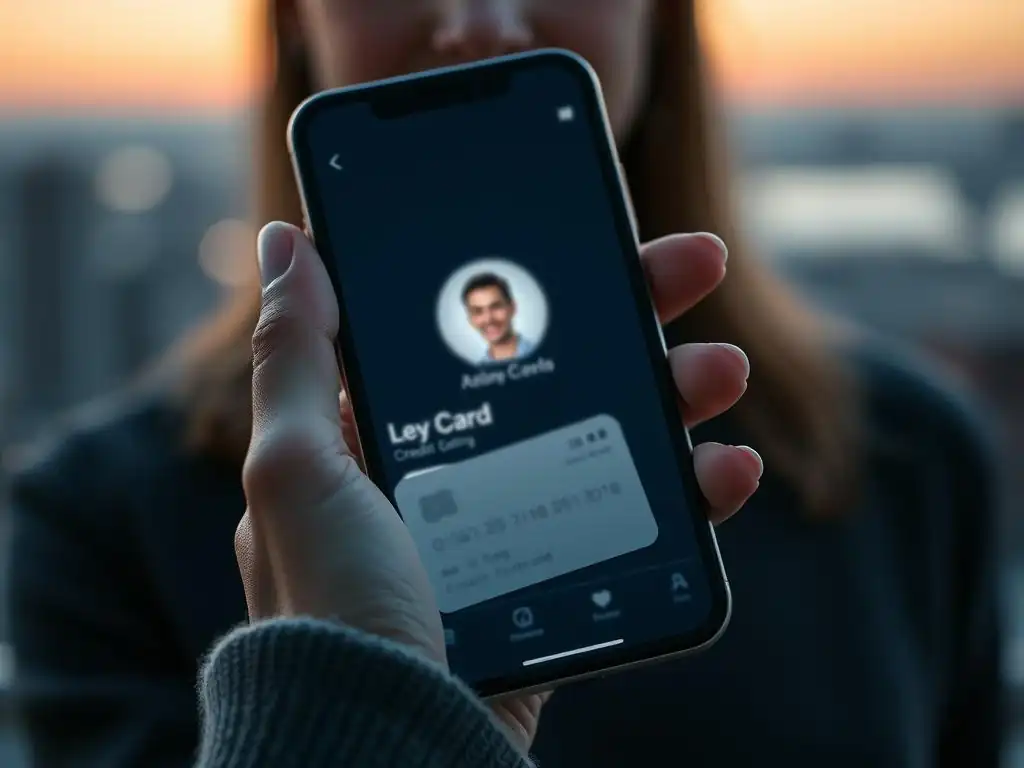
Never share your financial information with someone you've met online, regardless of how much you trust them. This includes bank account details, credit card numbers, social security number, and any other sensitive financial data. Scammers frequently target online daters, hoping to exploit their vulnerability and steal their money. Sharing financial information puts you at significant risk of fraud, identity theft, and financial loss. Remember, legitimate relationships don't require the exchange of sensitive financial details. If someone pressures you to share this information, it's a major red flag and you should end the interaction immediately.
Protecting your finances is an essential part of online dating safety. Be vigilant, and always prioritize your financial security. Report any suspicious activity to the appropriate authorities and your financial institution. Think twice before sharing any details that could be used for financial gain. Your financial safety should always be your top priority.
Protecting Your Identity: Avoiding Identity Theft in Online Dating
Your identity is precious and should be protected at all costs. Avoid sharing sensitive personal information such as your full legal name, date of birth, place of birth, or driver's license number too early on in the online dating process. These details can be used for identity theft, a serious crime with potentially devastating consequences. Be cautious about the information you share on your profile; keep it concise and avoid overly personal details.
Be mindful of the photos you post, ensuring they don't inadvertently reveal identifying information about your home or workplace. Remember, online dating safety hinges on protecting your personal data. Be wary of individuals who ask for excessive personal information early in the conversation. Legitimate connections develop gradually, and there's no need to rush into sharing sensitive information.
If you feel uncomfortable or unsafe at any point, cease communication immediately. Regularly review your online privacy settings and be proactive in protecting your identity. Your digital footprint is a valuable asset; safeguard it carefully.
Securing Your Personal Contacts: Online Dating Privacy
Protecting your personal contact information is paramount when navigating the world of online dating. Sharing your phone number, email address, or home address too early can expose you to unwanted attention, harassment, or even more serious threats. Remember, the initial stages of online dating should focus on building rapport and trust through communication within the dating platform itself. This allows you to assess compatibility and gauge the potential for a genuine connection before revealing sensitive personal data.
Many dating platforms offer built-in messaging systems for precisely this reason. Utilize these features extensively before considering sharing external contact details. Observe how your potential match communicates; do they respect your boundaries? Do they respond appropriately to your messages? These early interactions can provide valuable insights into their personality and intentions. Rushing into sharing personal contact information can inadvertently put you at risk before you have a chance to properly vet your potential partner.
Consider the potential consequences of prematurely revealing your phone number. Unwanted calls, texts, and even potential stalking are all real possibilities. Similarly, sharing your email address can lead to a deluge of unsolicited messages or even phishing attempts. Your home address is the most sensitive piece of information; revealing it too early can put your physical safety at risk.
It's crucial to prioritize your safety and well-being above all else. Remember, a genuine connection will develop organically, and patience is key in online dating safety. Wait until you have established a strong level of trust and comfort before sharing any sensitive personal information.
Your safety and peace of mind are worth the wait. Don't let the excitement of a potential match overshadow the importance of protecting your personal information. This cautious approach is a vital aspect of online dating safety and contributes significantly to a positive and secure online dating experience.
This section delves into the crucial aspect of information sharing in online dating, focusing on the delicate balance between building connection and maintaining personal safety. The key to successful and safe online dating lies in strategic disclosure – revealing information gradually and only after establishing a reasonable level of trust. Rushing into sharing personal details can expose you to risks, from unwanted attention to outright scams. Remember, your safety is paramount.
This guide provides a framework for navigating this sensitive area, helping you protect yourself while fostering genuine connections. We'll explore practical strategies and red flags to watch out for, ensuring you enjoy the benefits of online dating without compromising your security. The goal is to build authentic relationships, not attract unwanted attention or become a victim of fraud.
Gradual Disclosure of Personal Information in Online Dating
The practice of gradual disclosure is the cornerstone of online dating safety. Avoid revealing sensitive information like your full address, workplace, or family details in your initial interactions. Instead, focus on building rapport through engaging conversations. Share details incrementally as your comfort level grows with a particular individual. Think of it as a layered approach:
- Phase 1: Public Information: Start with what's already visible on your profile – your interests, hobbies, and general location (city, state).
- Phase 2: Basic Personal Details: Once you've had a few positive interactions, you might share your age, occupation (general field), and relationship status.
- Phase 3: More Personal Information: As trust develops (and ideally, after a video call), you can share more specific details, such as your neighborhood or workplace (without precise address).
- Phase 4: Sensitive Information: Never share highly sensitive information, such as your social security number, bank account details, or passwords. This information should never be shared online, regardless of how well you think you know someone.
Think of it like a game of chess – each piece of information is a move, and you want to make strategic moves, not reveal your entire game plan at once. This measured approach allows you to assess the other person's intentions and behavior before exposing yourself to potential risks. Remember, a genuine connection will develop organically, without pressure to share everything immediately.
Building Trust Before Sharing Sensitive Details: Online Dating Safety
Building trust is a process, and it’s vital to be patient and observant. Don't rush into sharing personal information based on fleeting feelings or intense early communication. Several factors contribute to building trust in the online dating world:
- Consistent Communication: Regular, meaningful conversations over a period of time build trust more effectively than sporadic, superficial interactions. Look for consistent effort and genuine interest from the other person.
- Video Calls: A video call can significantly enhance trust, allowing you to verify the person's identity and assess their demeanor. It adds a layer of authenticity that text-based communication lacks.
- Background Checks (When Appropriate): While not always necessary, conducting a basic background check (using publicly available information) can provide an extra layer of security, especially if you plan to meet in person.
- Mutual Friends or Connections: If you share mutual friends or connections, this can act as a form of verification and build trust more quickly.
- Red Flags: Be aware of red flags such as inconsistencies in their story, pressure to meet quickly, or requests for financial assistance. These are strong indicators that something isn't right.
Remember, building trust takes time. Don't feel pressured to share more than you're comfortable with, and always prioritize your safety and well-being. Trust your intuition – if something feels wrong, it probably is.
Verifying Profiles and Avoiding Fake Accounts: Online Dating Safety
Fake profiles are a significant concern in online dating. While complete verification is impossible, you can take steps to minimize your risk:
- Profile Consistency: Check for inconsistencies in the profile – conflicting information, blurry or stolen photos, or a lack of detail.
- Reverse Image Search: Use a reverse image search to see if the profile pictures appear elsewhere online. This can help identify stolen photos or fake profiles.
- Social Media Verification: If possible, try to find the individual on other social media platforms to verify their identity and information.
- Caution with Perfect Profiles: Be wary of profiles that seem too good to be true – flawless photos, extravagant claims, and little to no flaws. Authenticity is rarely perfect.
- Report Suspicious Profiles: If you encounter a profile that you suspect is fake or fraudulent, report it to the dating platform immediately.
By employing these strategies, you can significantly reduce your chances of encountering fake profiles and increase your online dating safety. Remember, a little due diligence can go a long way in protecting yourself. Your safety and peace of mind are invaluable.
Recognizing Red Flags: Signs of Potential Scams and Dangers
Online dating safety hinges significantly on recognizing red flags. These warning signs can manifest in various ways, and learning to identify them is crucial for protecting yourself from scams and potential dangers. Ignoring these signals can lead to significant emotional distress, financial loss, and even physical harm. Therefore, vigilance is paramount.
One common red flag is inconsistent information. A profile might contain contradictory details, blurry or stolen photos, or a lack of personal information. Be wary of profiles that seem too perfect or lack specifics. Genuine profiles usually showcase a more balanced and realistic portrayal of the individual. For instance, a profile boasting extravagant wealth but lacking verifiable details should raise immediate suspicion. Similarly, be cautious of profiles that aggressively avoid answering direct questions about their life or background.
Another significant red flag involves pressure to move quickly offline. Legitimate connections develop organically; rushing the process is a clear warning sign. Scammers often pressure potential victims to move the conversation off the dating app quickly, making it harder to verify their identity or track their actions. They might use high-pressure tactics, claiming to be in a hurry to relocate, or invent urgent reasons for needing immediate contact. This urgency is often a disguise for malicious intent.
Furthermore, be wary of individuals who excessively compliment or shower you with affection early on. While genuine affection exists, overly effusive praise within a short timeframe is often a tactic to manipulate and gain your trust. These individuals might express strong feelings or make promises too quickly, creating a false sense of intimacy to exploit your emotions. Remember, building a genuine connection takes time, and excessive flattery is rarely genuine in the context of online dating.
Finally, pay close attention to financial requests or demands. This is perhaps the most obvious red flag. Legitimate relationships don't involve early requests for money, gifts, or financial assistance. Be extremely wary of any requests for financial help, especially under the guise of an emergency or difficult situation.
Remember, you are not responsible for solving someone else's financial problems, especially when you've just met them online. Always report such interactions to the dating platform's support team. Protecting your financial security is just as important as protecting your emotional well-being in the online dating world. Careful observation and a healthy dose of skepticism can greatly enhance your online dating safety.
Online Dating Safety: Resources and Further Help
Finding trustworthy information about online dating safety can feel overwhelming. The sheer volume of advice, some conflicting, can leave you unsure of what steps to take to protect yourself. This section aims to provide you with clear, actionable resources and guidance to enhance your online dating safety, focusing specifically on responsible sharing of personal details. Remember, your safety is paramount, and proactive measures are key to a positive online dating experience.
Reporting Suspicious Activity: Protecting Yourself Online
If you encounter suspicious behavior or profiles, reporting is crucial. Many dating platforms offer robust reporting mechanisms. Don't hesitate to use them! Early reporting helps platforms identify and remove problematic users, contributing to a safer environment for everyone.
The process usually involves selecting a "report" or "flag" option associated with the profile or message. Detailed reports are most effective; include screenshots, specific examples of concerning behavior (e.g., unsolicited explicit content, persistent harassment, requests for financial assistance), and any other relevant information. Remember to keep records of your interactions with suspicious individuals, including dates, times, and copies of messages. This documentation can be invaluable if further action is needed.
While reporting is a powerful tool, it's important to also take steps to protect yourself directly, such as blocking the user and ceasing communication immediately. Knowing how to effectively report suspicious activity is a fundamental aspect of online dating safety sharing details responsibly. It's a proactive measure that contributes to the overall safety of the online dating community.
Useful Resources for Online Dating Safety and Security
Beyond reporting suspicious activity, several resources can help you navigate the complexities of online dating safety and security. Many organizations offer guides and tools specifically designed to educate users on best practices. These resources often cover topics beyond simply sharing personal details, also encompassing topics such as password security, privacy settings, and recognizing common scams. Remember to research and select resources from reputable sources – look for organizations with a proven track record in online safety and security.
Consider checking for reviews or testimonials to gauge the credibility of the information provided. Supplementing your knowledge with these resources can significantly improve your ability to assess risks and make informed decisions while engaging in online dating. Proactive learning is a cornerstone of online dating safety sharing details responsibly. It empowers you to take control of your online safety, making your dating experience more secure and enjoyable.
| Resource Type | Example Focus | Benefit |
|---|---|---|
| Government Agencies | Identity theft prevention, online fraud reporting | Access to official resources and legal support for reporting incidents. |
| Non-profit Organizations | Safe online communication practices, scam awareness | Independent, unbiased advice and educational materials. |
| Online Dating Platforms | Platform-specific safety features and guidelines | Understanding specific features and policies relevant to your chosen site. |
Remember, staying informed is a continuous process. Regularly review safety guidelines and update your knowledge as online threats evolve. The landscape of online dating safety is constantly changing, so continuous learning ensures you remain well-equipped to handle any challenges. This commitment to ongoing education is crucial for responsible online dating safety sharing details and maintaining a positive and secure online dating experience.
Frequently Asked Questions
What information is absolutely off-limits when online dating?
Never share sensitive personal information like your full address, place of work, or social security number. Avoid revealing details that could easily be used to identify your home or daily routines. Prioritize your safety.
How can I verify someone's profile before sharing details?
Look for profile verification features on the dating site/app. Reverse image search their photos to check for authenticity. Be wary of profiles lacking sufficient information or containing inconsistent details.
It's generally recommended to wait until you've had several conversations and feel comfortable with the person before sharing your phone number. This allows you to assess their intentions and ensure a level of trust.
Report them to the dating platform immediately. Never feel obligated to share information you're uncomfortable with. Block and delete the profile to ensure your safety.
How much detail is appropriate to include in my dating profile regarding my lifestyle?
Share enough information to give potential matches a sense of your personality and interests, but avoid overly specific details about your daily routine or personal habits. Maintain a degree of mystery to keep things interesting.
Final Reflection: Protecting Your Heart in the Digital Age
The ease with which we connect online, particularly through dating apps, often overshadows the very real risks of oversharing personal information. This seemingly simple act can have profound and lasting consequences, impacting not only our online safety but also our emotional well-being. The digital world offers incredible opportunities for connection, but navigating it safely requires vigilance and a conscious understanding of our digital footprint.
The impact of online dating safety, or the lack thereof, is woven into the fabric of modern relationships. We've seen a rise in catfishing, scams, and even instances of stalking stemming from seemingly innocent disclosures. The casual sharing of details, initially intended to foster connection, can inadvertently create vulnerabilities. The greatest danger for most of us is not that our aim is too high and we miss it, but that it is too low and we reach it.
- Michelangelo. This quote reminds us that while seeking connection is vital, we must strive for healthy, safe connections, not settling for the risk of harm.
Consider the information you share online. Pause before posting that address, revealing your workplace, or sharing intimate details of your life. You are the gatekeeper of your digital identity, and your safety and well-being are paramount. Take control of your online narrative, prioritize your security, and build connections based on trust and mutual respect. Choose wisely, protect yourself, and embrace the possibilities of genuine connection without compromising your safety.
Unlock Your Online Dating Safety: Take Control Now!
Thank you for learning about online safety! You've gained valuable insights into safer dating practices. Let's put that knowledge to good use.
- Prioritize your online safety: Regularly review your privacy settings on all dating apps and social media. A few minutes spent on this can save you considerable distress.
- Share this information: Help your friends and family avoid similar risks by sharing this article with them.
- Use a dedicated email address: Consider creating a separate email account specifically for online dating to enhance your security.
Ready to create a safer and more secure online dating experience? What other steps are you taking to protect yourself online?