
How to Control Who Sees Your Profile: A Guide to Privacy Settings

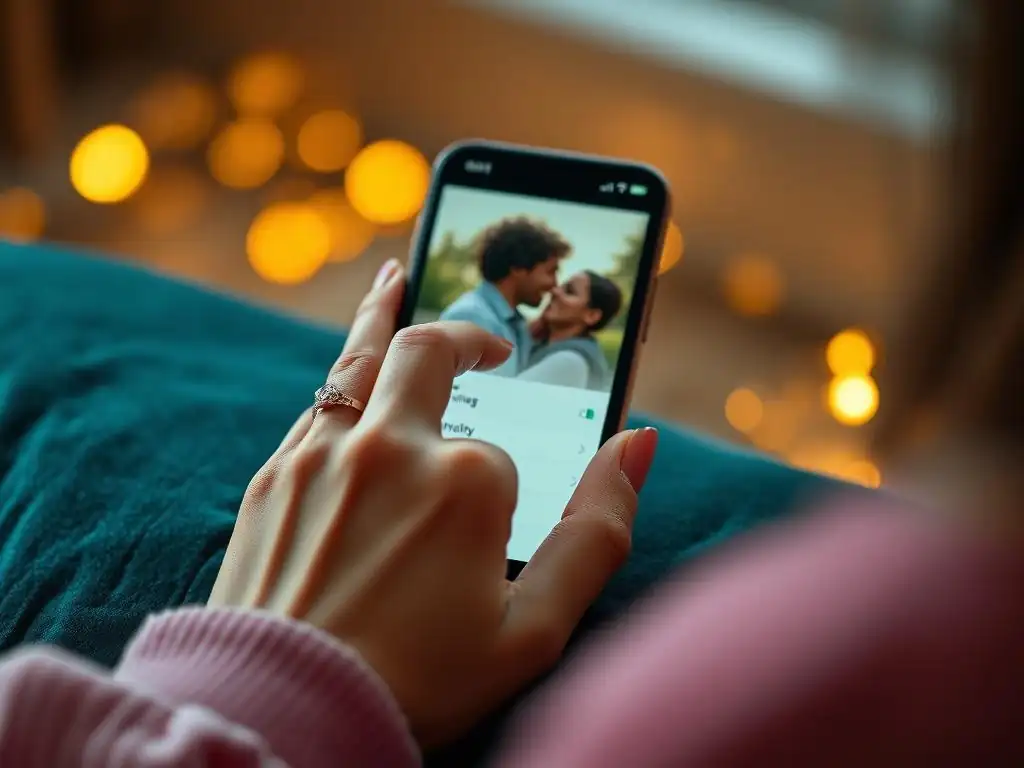
Ready to unlock the secrets to a safer and more successful online dating experience? At OnlineDatingSuccess.org, we empower you to navigate the world of online romance with confidence. But before you dive in, let's address a crucial element: your privacy. Our guide on Online dating profile privacy settings reveals how to control who sees your profile, ensuring your safety and maximizing your chances of finding a genuine connection. Discover the essential steps to protect yourself and attract the right kind of attention – read on to learn more!
- Understanding Online Dating Privacy Settings: Protecting Your Personal Information
- Mastering Your Profile Visibility: Step-by-Step Guide
- Advanced Privacy Techniques for Online Dating Profiles
- Staying Safe: Beyond Privacy Settings
- Online Dating Profile Privacy: Best Practices and Recommendations
-
Resources and Further Reading: Enhancing Your Online Dating Safety
- Link to Relevant Article 1: Understanding Online Dating Scams and Red Flags
- Link to Relevant Article 2: Protecting Your Identity Online: Best Practices Beyond Dating
- Link to External Resource on Online Safety: [Specific information pending - Suggest a reputable organization providing online safety resources]
-
Frequently Asked Questions
- How can I make my online dating profile completely private?
- What information should I avoid sharing on my profile to protect my privacy?
- How do I control who can message me on online dating sites?
- What should I do if I think someone has misused my profile information?
- Are online dating sites safe regarding my personal data?
- Final Reflection: Reclaiming Your Narrative in the Digital Age
- Reclaim Your Online Privacy: Take Control Now!
Understanding Online Dating Privacy Settings: Protecting Your Personal Information
Navigating the world of online dating requires a delicate balance between visibility and privacy. While you want your profile to attract potential matches, it's equally crucial to protect your personal information and safety. This guide delves into the intricacies of online dating profile privacy settings, empowering you to control who sees your profile and what information they can access. Understanding and effectively utilizing these settings is paramount to a safe and positive online dating experience.
We'll explore the importance of privacy, identify where to find these settings on popular apps, and compare common features across different platforms. Mastering your privacy settings is not just about safety; it's about creating a more comfortable and controlled experience, allowing you to connect authentically with others without unnecessary risks. This is a crucial aspect of online dating safety, and this guide will equip you with the knowledge to confidently manage your online presence.
The Importance of Privacy in Online Dating: Why Control Matters
Online dating, while offering exciting opportunities for connection, exposes you to potential risks if your privacy isn't properly managed. Sharing personal information carelessly can lead to unwanted attention, harassment, or even scams. Controlling who sees your profile is the first line of defense against these risks. Consider the following:
- Preventing unwanted contact: Privacy settings allow you to filter out profiles that don't align with your preferences, reducing the likelihood of receiving messages from individuals you're not interested in. This significantly improves the quality of your online dating experience.
- Protecting your personal safety: By limiting the information publicly visible on your profile, you reduce the risk of stalkers or individuals with malicious intent targeting you based on your location, workplace, or other sensitive details.
- Maintaining control over your online identity: Privacy settings allow you to curate your online presence and present yourself in the way you feel most comfortable. You can choose what aspects of your life you share and with whom.
- Avoiding catfishing and scams: Stricter privacy controls can make it harder for scammers or individuals using fake profiles ("catfishers") to target you. Limiting access to your personal information makes it more difficult for them to build trust and manipulate you.
The benefits of proactively managing your privacy extend beyond mere safety; it contributes to a more positive and fulfilling online dating experience. By taking control, you create a space where you can focus on genuine connections without the anxieties associated with unwanted attention or potential harm.
Identifying Privacy Settings on Popular Dating Apps
The location and specifics of privacy settings vary across different online dating platforms. However, they generally involve similar functionalities. While the exact terminology may differ (e.g., "visibility," "privacy," "who can contact me"), the core functions remain consistent. Here's a general guide to help you locate these settings:
- Look for a "Settings" or "Privacy" menu: Most apps have a dedicated section within the app's main menu. This section usually contains options for managing your profile's visibility and other privacy-related settings.
- Explore profile editing options: Within your profile editing section, you'll often find toggles or drop-down menus that control who can see your photos, age, location, and other details.
- Check messaging settings: Many apps allow you to control who can send you messages. You can often choose to only receive messages from users you've already matched with or those who meet specific criteria.
- Review notification settings: Manage your notification preferences to control how and when you receive alerts from the app. This can help you avoid unwanted interruptions and maintain a healthier balance in your online interactions.
Remember to carefully review each setting and adjust them according to your comfort level. It's better to err on the side of caution and restrict access to your information until you feel comfortable sharing it with a potential match.
Common Privacy Settings Across Dating Platforms: A Comparison
While specific features vary, most popular online dating platforms offer a similar range of privacy controls. This table provides a general overview of common settings:
| Feature | Common Options |
|---|---|
| Profile Visibility | Public, Friends Only, Private, Custom Settings |
| Photo Visibility | Public, Only Matches, Private, Approved Contacts |
| Location Visibility | Exact Location, Approximate Location, Hidden |
| Age Visibility | Public, Only Matches, Hidden |
| Messaging Controls | Anyone, Matches Only, Approved Contacts Only |
| Blocking Features | Block Users, Report Users |
Note that the exact implementation and terminology of these features might differ slightly depending on the specific dating app. Always consult the app's help section or FAQ for the most accurate and up-to-date information on managing your privacy settings. Regularly reviewing and adjusting your settings is crucial to ensure your continued safety and comfort in the online dating world. Remember, your safety and peace of mind are paramount.
Mastering Your Profile Visibility: Step-by-Step Guide
This section provides a detailed walkthrough of managing your privacy settings on Tinder, a popular online dating platform. Understanding and utilizing these settings is crucial for maintaining control over your online dating experience and protecting your personal information. Remember, your safety and comfort are paramount. Effective management of your online dating profile privacy settings is key to achieving a positive and secure experience.
Step 1: Accessing Privacy Settings on Tinder
Finding the privacy settings on Tinder might seem daunting at first, but it's a straightforward process. The exact location of these settings can vary slightly depending on the app version and your device's operating system (iOS or Android). However, the general approach remains consistent.
First, open the Tinder application on your smartphone. Then, navigate to your profile. This is usually done by tapping your profile picture located in the top-left corner of the main screen. Once you're in your profile view, look for a gear icon ⚙️ or a three-dot menu (…), which typically indicates settings. Tap this icon.
You should now see a list of settings options. Scroll through this list until you locate "Privacy," "Settings & Privacy," or a similarly named option. Tap it to access the privacy settings menu. If you are having trouble locating these options, consider consulting Tinder's help center or frequently asked questions (FAQ) section for more specific instructions related to your app version.
Step 2: Adjusting Profile Visibility Settings on Tinder
Once you've accessed the privacy settings, you’ll encounter several options to customize your profile's visibility. Tinder, like many other online dating platforms, allows you to control who can see your profile. This includes:
- Discovery: This setting determines whether your profile appears in the card stack for other users. Switching this to "off" means your profile will be invisible to others searching for matches. This is a powerful tool for taking a break from online dating without deleting your profile entirely.
- Distance: You can specify the maximum distance from your location within which your profile will be visible. This allows you to control the geographic range of potential matches. Remember to consider the accuracy of your location settings on your device.
- Age Range: You can set a minimum and maximum age for potential matches. This helps to filter out users outside your preferred age range. Experiment with different age ranges to find what works best for you. Be mindful that overly restrictive age ranges might limit your pool of potential matches.
- Gender: You can specify the genders you are interested in matching with. This option is crucial for tailoring your dating experience to your preferences.
Remember to save your changes after making any adjustments to these settings. This ensures that your choices are reflected accurately in your profile's visibility.
Step 3: Managing Who Can See Your Photos on Tinder
Your photos are a crucial part of your Tinder profile. Therefore, controlling who can see them is essential. Within the privacy settings, you'll likely find options related to photo visibility. These might include:
- Photo Approval: Some versions of the Tinder app allow you to enable photo approval, meaning you need to manually approve each photo before it becomes visible to others. This provides an additional layer of security and control over your images.
- Hidden Photos: You might have the option to hide specific photos from certain users or hide them entirely. This is helpful if you have photos that you're not comfortable sharing with everyone. Consider carefully which photos you choose to hide and ensure your remaining photos still represent you authentically.
- Photo Visibility for Specific Users: While less common, some platforms offer granular control, allowing you to manage the visibility of your photos on a per-user basis. This requires more active management but offers the greatest level of privacy.
By strategically using these features, you can maintain a level of privacy that aligns with your comfort level. Remember to periodically review and adjust these settings as needed. Your online safety and comfort are your priorities. Regularly reviewing and updating your privacy settings is a proactive step in maintaining a positive online dating experience.
Step 4: Controlling Message Requests on Tinder
Tinder offers several options to manage who can message you, significantly impacting your online dating profile privacy settings. Understanding these settings is crucial for maintaining control over your interactions. Many users overlook these features, leading to unwanted attention. Let's explore how to refine your message requests on Tinder.
First, you need to access your Tinder settings. This is usually found through the app's menu, typically represented by a three-line icon or a profile picture in the upper left corner. Once in settings, look for a section labelled "Privacy" or "Message Controls." The exact wording may vary depending on the app version.
Within the privacy settings, you'll find options to restrict who can message you. Tinder frequently provides choices like "Everyone," "Connections Only," and "My Matches Only." Selecting "Everyone" allows anyone on Tinder to send you a message. "Connections Only" limits messages to individuals you've already matched with, effectively preventing unsolicited messages from strangers. "My Matches Only" further refines this by only allowing messages from users you've already matched with and have initiated a conversation with. This provides the highest level of control over your inbox.
Remember, your choice here directly affects your online dating experience. If you're new to online dating or feel overwhelmed by a large volume of messages, choosing "Connections Only" or "My Matches Only" is highly recommended. This allows you to focus on building connections with people you've already shown mutual interest in, minimizing the chances of receiving inappropriate or unwanted messages. Regularly reviewing and adjusting these settings allows you to maintain the level of control you desire over your online dating profile privacy settings. Consider your comfort level and adjust accordingly; there's no one-size-fits-all answer.
Repeating Steps for Bumble, Hinge
While Tinder's interface is unique, the core concepts of managing message requests apply similarly to other popular dating apps like Bumble and Hinge. The specific location of privacy settings might differ slightly, but the fundamental options remain consistent. The goal is always to control who can initiate contact, thereby enhancing your online dating profile privacy settings and protecting your personal information.
On Bumble, navigate to your profile settings, typically accessible via a gear icon or a profile picture. Look for sections related to "Privacy," "Connection Settings," or "Matching Preferences." Inside these sections, you'll find options to restrict messages to matches only or to those you've already interacted with. Bumble often has a similar "Everyone," "Connections Only," and even more granular options compared to Tinder. Be mindful of Bumble's unique feature where women initiate contact; consider how these settings interact with that feature and adjust accordingly to your comfort level.
Hinge, known for its more detailed profiles, also has privacy settings controlling message requests. Similar to Bumble and Tinder, these settings are usually found in the app's settings menu under sections like "Privacy," "Message Controls," or "Connection Settings." Hinge sometimes offers more nuanced controls, allowing you to filter messages based on factors beyond just matching status, potentially including profile completion percentage or other user characteristics. This offers a more refined approach to managing your interactions and enhancing your online dating profile privacy settings on Hinge.
Remember, consistently reviewing and adjusting these settings on all platforms is vital. Your comfort level might change over time, and the apps themselves frequently update their features. Proactive management of your privacy ensures a safer and more positive online dating experience, allowing you to focus on building meaningful connections. Don't hesitate to experiment with different settings to discover the perfect balance between visibility and privacy.
Advanced Privacy Techniques for Online Dating Profiles
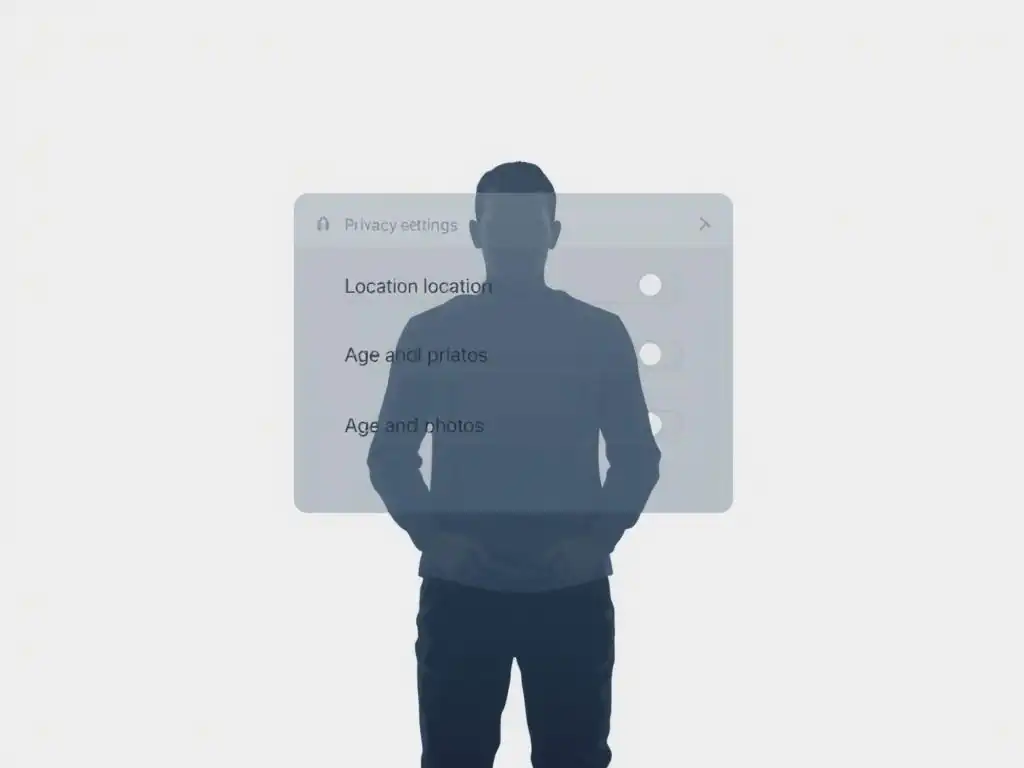
This section delves into more advanced strategies to control who sees your online dating profile, going beyond the basic settings offered by most platforms. Mastering these techniques significantly enhances your online safety and allows for a more comfortable dating experience. Remember, your privacy is paramount, and these methods empower you to manage your visibility effectively.
Restricting Location Information in Your Profile
Many dating apps and websites encourage location-based matching. While convenient, sharing precise location data can compromise your privacy. Over-sharing can inadvertently reveal your home address or workplace, increasing vulnerability to stalking or unwanted attention. Instead of providing your exact location, consider these alternatives:
- Broaden your location radius: Instead of specifying your street address, select a larger area like your city or even a neighboring county. This still allows you to connect with potential matches within a reasonable distance but keeps your precise location confidential.
- Use a secondary address: If you feel comfortable, you can use a less sensitive address, such as a PO Box or a friend’s address (with their permission, of course! ), for communication purposes. This keeps your personal address entirely private.
- Avoid geotagging photos: Many smartphones automatically add location data (metadata) to your photos. Before uploading photos to your dating profile, ensure you remove this metadata. Many image editing apps offer this functionality. This simple step prevents others from pinpointing your location through your images. This is crucial for your online dating profile privacy settings.
- Be mindful of background details: Even seemingly innocuous background details in your photos can inadvertently reveal your location. Avoid posting pictures that show street signs, unique landmarks, or other easily identifiable locations.
Using Pseudonyms or Nicknames Safely
While using a pseudonym is a potent tool for enhancing your privacy, it's crucial to do so responsibly. The goal is to maintain a level of anonymity without jeopardizing the authenticity of your interactions. Consider these points:
- Choose a recognizable but not easily traceable name: Select a nickname that is somewhat similar to your real name to facilitate recognition by people who already know you, but obscure enough to prevent easy online searches.
- Maintain consistency across platforms: If you use a pseudonym, stick to it consistently across all your online dating profiles. This prevents confusion and maintains a sense of identity.
- Don't reveal too much personal information: Even with a pseudonym, avoid disclosing excessive personal details that could be used to identify you. Be cautious about sharing information like your place of work, your full birthdate, or other easily verifiable details. This ensures strong online dating profile privacy settings.
- Consider using different pseudonyms for different platforms: A layered approach might involve using slightly different variations of your pseudonym on different dating apps to further protect your identity. This adds an extra layer of security and makes it more difficult to link your profiles.
Protecting Your Photos: Blurring, Watermarking, and Selection
Your photos are a crucial part of your online dating profile. However, they can also be a source of potential risk if not handled carefully. Here are some effective strategies to protect your images:
- Blurring sensitive details: Before uploading, consider blurring elements like your license plate, house number, or other identifying features in the background of your photos. This prevents others from using your images to locate you.
- Watermarking your images: Adding a subtle watermark to your photos can deter unauthorized use and distribution. This helps protect your intellectual property and your privacy.
- Selective photo sharing: Carefully curate the photos you upload. Avoid posting pictures that show your face too clearly or that reveal identifying features. Consider using photos that show you engaged in activities but don't reveal your precise location or personal details. This careful selection is a key aspect of strong online dating profile privacy settings.
- Regularly review and update your photos: As your circumstances change, review and update your photos to ensure they still reflect your desired level of privacy. Remove any photos that you no longer feel comfortable sharing.
Remember, maintaining your privacy online requires consistent vigilance and proactive measures. By implementing these techniques, you can significantly reduce your risk while still enjoying the benefits of online dating.
Regularly Reviewing and Updating Your Privacy Settings
Regularly reviewing and updating your online dating profile privacy settings is crucial for maintaining control over your personal information and online safety. Many dating platforms update their features and privacy options periodically, so what was secure last month might not be secure today. Proactive monitoring prevents unexpected exposure of your data. Think of it like changing the locks on your front door—a necessary precaution, even if you haven't experienced a break-in.
Consider setting reminders on your calendar to check your privacy settings every three months, or even more frequently if you're particularly concerned about your online security. This consistent vigilance helps you catch any potential vulnerabilities before they can be exploited. During your review, carefully examine each setting, paying attention to who can see your photos, your profile information, and your location data. Remember that even seemingly minor adjustments can significantly impact your online safety and privacy. For example, changing your profile visibility from "public" to "friends only" can drastically reduce the number of unwanted messages and potential risks.
Furthermore, pay close attention to any new features or updates introduced by the dating platform. These updates often include changes to privacy settings, and understanding these changes is key to maintaining your control. Read any release notes or announcements carefully, and if you're unsure about a new setting, it's always best to err on the side of caution and restrict access until you fully understand the implications.
Don't hesitate to contact the platform's customer support if you need clarification on any privacy-related issues. Your safety and the protection of your personal information should always be your top priority in the world of online dating. Proactive management of your online dating profile privacy settings is an investment in your peace of mind and security.
Staying Safe: Beyond Privacy Settings
Even with meticulously configured online dating profile privacy settings, proactive safety measures are crucial for a positive online dating experience. Remember, privacy settings control who sees your profile, but they don't entirely control what information is visible or how it might be misused. A holistic approach to online safety involves a multi-layered strategy, going beyond the technical aspects of profile management.
Avoiding Sharing Personally Identifiable Information (PII)
Protecting your Personally Identifiable Information (PII) is paramount. PII encompasses details that could uniquely identify you, potentially leading to identity theft or real-world harassment. This includes, but is not limited to: your full name, address, place of work, phone number, email address (beyond the one linked to your dating profile), social security number, driver's license number, and even details about your family members.
Never share this information with someone you've only met online, regardless of how much you trust them. Even seemingly innocuous details, when combined, can create a comprehensive profile of you vulnerable to malicious actors. For example, mentioning your favorite coffee shop and your typical work hours could allow someone to locate you physically.
Consider the information you implicitly reveal. A photo taken outside your home, a detailed description of your daily commute, or even the name of your pet could unintentionally compromise your safety. Always be mindful of the potential implications of seemingly harmless information. Remember, the goal is to create a compelling profile without revealing excessive personal details.
Your online presence extends beyond your dating profile. Potential matches might search for you on social media platforms like Facebook, Instagram, or LinkedIn. Review your privacy settings on these platforms, ensuring that only approved connections can view your information. Think carefully about the information you share publicly. Photos that reveal your location, posts detailing your daily routine, or comments that disclose sensitive personal details can put you at risk.
Consider using a different name or email address for your dating profile than what you use on your primary social media accounts. This creates an additional layer of protection, making it harder for someone to connect your dating profile to other aspects of your online life. Remember, even if your profile is set to "private" on social media, a determined individual might still find ways to access information.
Trusting Your Instincts: Recognizing Red Flags
Even with robust privacy settings and careful information sharing, it's crucial to trust your intuition. If something feels off about a potential match, don't hesitate to end the conversation. Red flags can manifest in various ways: pressuring you to share personal information too quickly, inconsistencies in their story, overly flattering or aggressive communication, requests for financial assistance, or a reluctance to meet in person.
Pay attention to the overall tone and behavior of your interactions. Are they consistently respectful and understanding? Do they listen to your concerns? Do they respect your boundaries? If the answers are no, you should prioritize your safety and move on. Your safety and well-being are paramount. Remember, online dating should be a positive and empowering experience, and trusting your gut feeling is a key element in ensuring it remains so. Don't ignore red flags; they are often indicators of potential danger.
Online Dating Profile Privacy: Best Practices and Recommendations
This section delves into the crucial aspects of managing your online dating profile privacy, focusing on proactive measures and best practices to ensure your safety and control over your personal information. Understanding and utilizing the privacy settings offered by each platform is paramount in mitigating risks and maintaining control over who can view your profile. Remember, your privacy is your responsibility, and taking proactive steps is essential for a positive and secure online dating experience. Effective management of your online dating profile privacy settings is a crucial component of online dating safety.
Regular Security Audits of Your Dating Profiles
Regularly reviewing and updating your privacy settings is not a one-time task; it's an ongoing process. Think of it as a security audit for your digital identity within the online dating world. Just as you'd change passwords periodically and update software, you should also revisit your profile's privacy controls. This proactive approach helps identify potential vulnerabilities and allows you to adapt to platform updates or changes in your personal preferences.
Consider these steps for your regular security audits:
- Check Visibility Settings: Review who can see your profile (everyone, only matched users, etc.). Many platforms offer granular control, allowing you to limit visibility to specific groups or even individual users. Adjust these settings to reflect your comfort level.
- Photo Privacy: Evaluate the privacy settings for your photos. Some platforms allow you to make certain photos only visible to those you've matched with, while others offer the option to hide your photos entirely from certain users or groups.
- Profile Information: Assess what information you've made publicly available. Be mindful of the details you share – your full name, profession, exact location, and other personal details can make you more vulnerable. Minimize the information you share to only what is absolutely necessary.
- Location Sharing: Many platforms offer location-based features. Carefully consider the privacy implications of these features. Decide if you want to share your precise location or opt for a more general area. Regularly check and adjust these settings.
- Blocking and Reporting Features: Familiarize yourself with the platform's blocking and reporting tools. These tools are essential for managing unwanted interactions and removing potentially harmful profiles.
The frequency of your security audits will depend on your comfort level and the platform's update frequency. However, at a minimum, a review every three months is recommended. Think of it as preventative maintenance for your online safety. Don't underestimate the importance of this ongoing vigilance.
Understanding the Terms of Service of Each Platform
Each online dating platform has its own terms of service (ToS) and privacy policy. These documents outline how the platform collects, uses, and protects your personal information. It's crucial to read and understand these documents before using any platform. Ignoring the ToS can leave you vulnerable to unexpected data sharing practices or security breaches.
While reading legal documents might seem tedious, it's a necessary step to protect yourself. Key aspects to pay close attention to include:
- Data Collection: Understand what information the platform collects, how it's used, and with whom it might be shared.
- Data Security: Assess the platform's measures to protect your data from unauthorized access or breaches. Look for details about encryption, security protocols, and data breach notification policies.
- Third-Party Sharing: Check if the platform shares your data with third-party companies for advertising or other purposes. Understand the implications of this data sharing.
- Your Rights: Learn about your rights concerning your data, such as the right to access, correct, or delete your information.
By thoroughly understanding the ToS, you're better equipped to make informed decisions about what information you share and how you manage your privacy settings. Don't hesitate to contact customer support if you have questions or need clarification on any aspect of the ToS. Your understanding of these documents directly impacts your online dating safety.
Reporting Suspicious Activity or Profiles
Proactive reporting is a crucial element in maintaining the safety and integrity of online dating platforms. If you encounter suspicious activity or profiles, don't hesitate to report them. This helps protect other users and contributes to a safer online dating environment.
Here's what to look out for and how to report it:
- Suspicious Profiles: Report profiles that seem fake, use inappropriate images, or engage in suspicious behavior (e.g., asking for money, overly aggressive communication).
- Inappropriate Messages: Report any messages that are harassing, abusive, or sexually suggestive.
- Scamming Attempts: Report any attempts to scam or defraud you. Be especially vigilant about requests for money or personal financial information.
- Privacy Violations: Report any instances where your privacy has been violated (e.g., unauthorized access to your profile, sharing of your personal information).
Most platforms have a clear reporting mechanism – usually a button or link directly on the profile or within the messaging system. Use these tools effectively. Providing as much detail as possible (screenshots, message copies, etc.) will help the platform's moderators investigate and take appropriate action. Remember, your report could help prevent others from falling victim to similar situations. Your participation in reporting suspicious activity is a vital part of ensuring a safe online dating experience for everyone.
Resources and Further Reading: Enhancing Your Online Dating Safety
This section offers additional resources to help you bolster your online dating profile privacy and overall online safety. Understanding and utilizing these resources can significantly reduce your risk and contribute to a more positive online dating experience. Remember, proactive safety measures are key to a successful and secure journey in the world of online dating. The more informed you are, the better equipped you'll be to protect yourself.
Link to Relevant Article 1: Understanding Online Dating Scams and Red Flags
This internal article delves into common online dating scams and provides a detailed breakdown of red flags to watch out for. It offers practical examples of deceptive tactics used by scammers, highlighting the subtle nuances that can often be missed. Learning to identify these red flags early on is crucial in preventing potential heartache and financial loss.
The article also provides actionable steps you can take to protect yourself from such scams, including verifying profiles, being cautious about sharing personal information, and reporting suspicious activity. By understanding the tactics employed by scammers, you can significantly improve your ability to recognize and avoid them.
This knowledge empowers you to navigate the online dating world with greater confidence and security, focusing on building genuine connections rather than falling prey to malicious actors. The article emphasizes the importance of trust, but also the need for healthy skepticism and careful verification of information shared online.
Link to Relevant Article 2: Protecting Your Identity Online: Best Practices Beyond Dating
This article broadens the scope beyond online dating, offering a comprehensive guide to online identity protection. It covers essential practices such as strong password management, two-factor authentication, and the careful consideration of information shared on social media platforms. You'll learn how to limit the amount of personal information available publicly, understand the implications of data breaches, and take proactive steps to mitigate risks.
The article uses real-world examples to illustrate the potential consequences of neglecting online security and provides practical, actionable steps to improve your overall digital footprint. It emphasizes the interconnectedness of online activities and stresses the importance of consistent and robust security practices across all platforms, not just dating sites. By applying the principles outlined, you will build a stronger foundation for online safety, benefiting your personal and professional life beyond the realm of online dating.
Link to External Resource on Online Safety: [Specific information pending - Suggest a reputable organization providing online safety resources]
While we cannot provide a direct link here, we strongly encourage you to seek out reputable organizations that offer comprehensive resources on online safety. These organizations often provide up-to-date information on emerging threats, best practices, and reporting mechanisms. Look for organizations with a proven track record in digital security and privacy advocacy.
Their resources will supplement the information provided in this article and contribute to a more holistic understanding of online safety best practices. Remember, staying informed is crucial in navigating the ever-evolving landscape of online security, and these external resources can provide invaluable support and guidance. Actively seeking out such resources demonstrates a commitment to your online safety and well-being.
Frequently Asked Questions
How can I make my online dating profile completely private?
Most dating sites don't offer complete privacy. However, you can significantly restrict visibility by limiting your profile's search parameters and disabling features that broadcast your activity. Review each site's specific privacy settings carefully.
What information should I avoid sharing on my profile to protect my privacy?
Avoid sharing personal details like your full address, workplace, phone number, or social media handles. Refrain from posting photos that reveal too much about your location or daily routine. Keep your personal information confined to private messaging after building trust.
How do I control who can message me on online dating sites?
Many sites allow you to filter incoming messages based on criteria like age, location, or even profile completeness. You can also choose to only receive messages from people you've already liked or matched with. Take advantage of these features to manage contact.
What should I do if I think someone has misused my profile information?
Immediately report the incident to the dating site's support team. Then, change your password, review and update your privacy settings, and consider contacting law enforcement if necessary. Document any evidence of misuse.
Are online dating sites safe regarding my personal data?
While reputable sites employ security measures, no system is foolproof. Always be cautious about the information you share. Read the site's privacy policy carefully and consider using a strong, unique password for each dating platform. Regularly review and update your privacy settings.
Final Reflection: Reclaiming Your Narrative in the Digital Age
The ability to control your online presence is no longer a luxury; it's a fundamental right in today's hyper-connected world. The ease with which personal information can be shared and potentially misused necessitates a proactive approach to online privacy, particularly within the context of online dating. Failing to understand and utilize privacy settings leaves you vulnerable, not only to unwanted attention but also to potential security breaches and identity theft.
The impact of readily available personal information on our social landscape is profound. We've moved from a time where privacy was the default to an era where it requires conscious effort. The constant pressure to share, to be visible, can feel overwhelming. Privacy is not a luxury, but a necessity for a free society.
This quote, though not directly about online dating, speaks to the core issue: our ability to curate our own digital identities is crucial for maintaining autonomy and control over our lives. The struggle to balance visibility and privacy is a constant negotiation, and mastering your online dating profile settings is a significant step in that process.
You now possess the knowledge to navigate the complexities of online dating profile privacy. Take the time to review your settings, not just on dating apps, but across all your social media platforms. Don't let algorithms dictate your narrative; actively shape your online presence to reflect your values and comfort levels. This isn't just about security; it's about reclaiming your agency and empowering yourself in the digital world. Take control, protect your privacy, and confidently present the version of yourself you choose to share.
Reclaim Your Online Privacy: Take Control Now!
Thank you for learning more about protecting your online privacy. We hope this guide has empowered you to feel safer and more confident online. Now let's put that knowledge into action!
Here are some immediate steps you can take:
- Review and adjust your privacy settings on all your social media accounts and online services. This is crucial for protecting your personal information. Carefully consider which details are essential to share and which can be omitted.
- Share this guide with friends and family who might also benefit from improved online privacy. Helping others is a rewarding way to make a positive impact.
- Explore additional privacy tools – Research and consider using security software or apps that enhance your online safety. Many excellent options are available.
Ready to strengthen your personal information security? What privacy setting are you most eager to adjust today?